

A true Scandinavian spa experience follows a simple hot-cold-rest cycle that transforms your home into a Nordic wellness sanctuary. This deliberate ritual resets your nervous system and builds resilience to stress through thermal contrast therapy. You don't need expensive equipment to replicate the Nordic hydrotherapy circuit that Scandinavians have practiced for centuries.
This guide shows you exactly how to transform any bathroom into a Nordic spa corner. You'll learn the complete 60-minute routine, understand the health benefits backed by Finnish research, and discover how to create an authentic Scandinavian atmosphere using natural materials and intentional simplicity.
Key Takeaways
- A true Scandinavian spa experience follows a simple hot-cold-rest cycle: 10 to 15 minutes of heat, 10 to 30 seconds of cold, then 10 to 15 minutes of quiet rest, repeated 2 to 3 times per session.
- You don't need expensive equipment. A hot bath or steamy shower, a cold rinse, and a calm space to relax are enough to replicate the Nordic hydrotherapy circuit.
- Regular sauna bathing and contrast therapy are linked to stress relief, improved sleep, better mood, and healthier blood vessels, according to research from Finland and beyond.
- The experience prioritizes simplicity and silence over luxury: natural materials, soft lighting, and minimal distractions create the authentic Scandinavian atmosphere.
- This guide will show you exactly how to transform any bathroom into a Nordic spa corner and provide a complete 60-minute routine you can follow tonight.
What Makes a Scandinavian Spa Experience Unique?
The Scandinavian spa tradition is not about pampering in the conventional sense. It is a deliberate, structured ritual designed to reset your nervous system and build resilience to stress over time. The home sauna wellness philosophy centers on accessible, repeatable practices rather than occasional luxury treatments.
The Core Philosophy of Nordic Wellness
The Nordic hydrotherapy circuit differs fundamentally from a single hot bath or quick shower. A true Nordic sauna experience involves repeating cycles of heat, cold, and rest. This pattern trains your blood vessels to adapt and helps your body move between states of alertness and relaxation.
Deep cultural roots anchor this practice. Finnish, Swedish, and Norwegian traditions center around communal saunas, outdoor cold plunges into lakes or the Baltic Sea, and quiet relaxation rooms where silence is expected. In Eastern Finland, sauna culture is so embedded that the sauna was historically used for childbirth, healing, and spiritual rituals.
Intentional Simplicity Over Luxury
Scandinavian rituals rely on natural materials: wood, stone, and simple textiles. Soft light and minimal scents drawn from forests and the sea create the atmosphere. There is no need for elaborate products or high-tech gadgets.
The goal is not indulgence but rather building a weekly or daily wellness habit. This improves how you handle stress, tension, and the demands of modern life. The best infrared sauna for home use embodies this philosophy of simple, effective wellness.
The Scandinavian approach treats bathing as a ritual for the mind as much as the body. It provides a chance to breathe deeply, unwind, and return to the world calmer.
How Do You Transform Your Home into a Nordic Retreat?
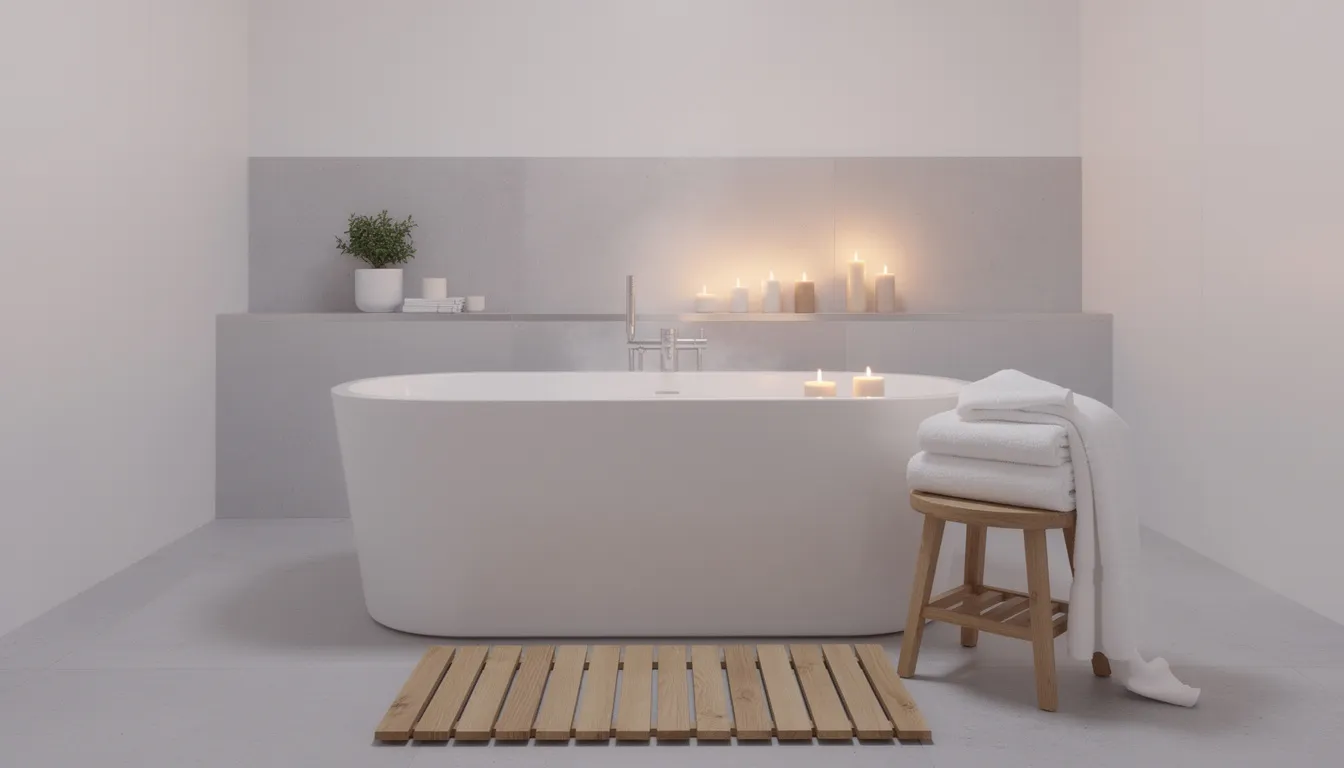
Before you start sweating, you need to prepare your space. The right environment signals to your brain that it is time to slow down and relax. Creating an authentic atmosphere doesn't require expensive renovations or specialized equipment.
Choose Your Space and Time
Pick a specific room, usually the bathroom, and block 60 to 90 minutes in the evening, at least once a week. Turn off phone notifications and let anyone sharing your home know you are unavailable.
Evening sessions between 7:00 and 9:00 p.m. work best. The subsequent drop in body temperature supports better sleep.
Lighting for Relaxation
Use dimmable, warm lighting. Candles or warm white LED tea lights placed safely around the tub or on counters create the right atmosphere for calming.
Avoid overhead fluorescent or bright white bulbs. They signal alertness, not rest.
Natural Textures and Materials
|
Element |
Nordic-Inspired Option |
|
Towels |
Thick cotton or linen in white, grey, or natural tones |
|
Bathrobe |
Heavy waffle-weave or terry cloth, preferably white or cream |
|
Bath mat |
Wooden slat mat or natural cotton |
|
Seating |
Simple bamboo or wooden stool |
Scent Selection
A diffuser with eucalyptus or pine essential oil mimics the forest aromas found in authentic Scandinavian spas. Alternatively, a eucalyptus or cedar-scented soy candle provides gentle, consistent fragrance.
Learn how to safely use essential oils in your sauna and get to explore Nordic-inspired aromatherapy options.
Sound Environment
Soft instrumental music, nature sounds like rain or ocean waves, or complete silence all work well. Avoid anything with lyrics or notifications. The goal is to replicate the quiet culture of a Finnish spa.
Declutter for Minimalism
Clear counters of unnecessary products. Store items in simple woven baskets or plain containers. Keep only a few high-quality items visible for a calm, minimalist vibe that feels good to look at.
What Is the Hot Phase and How Do You Create It?
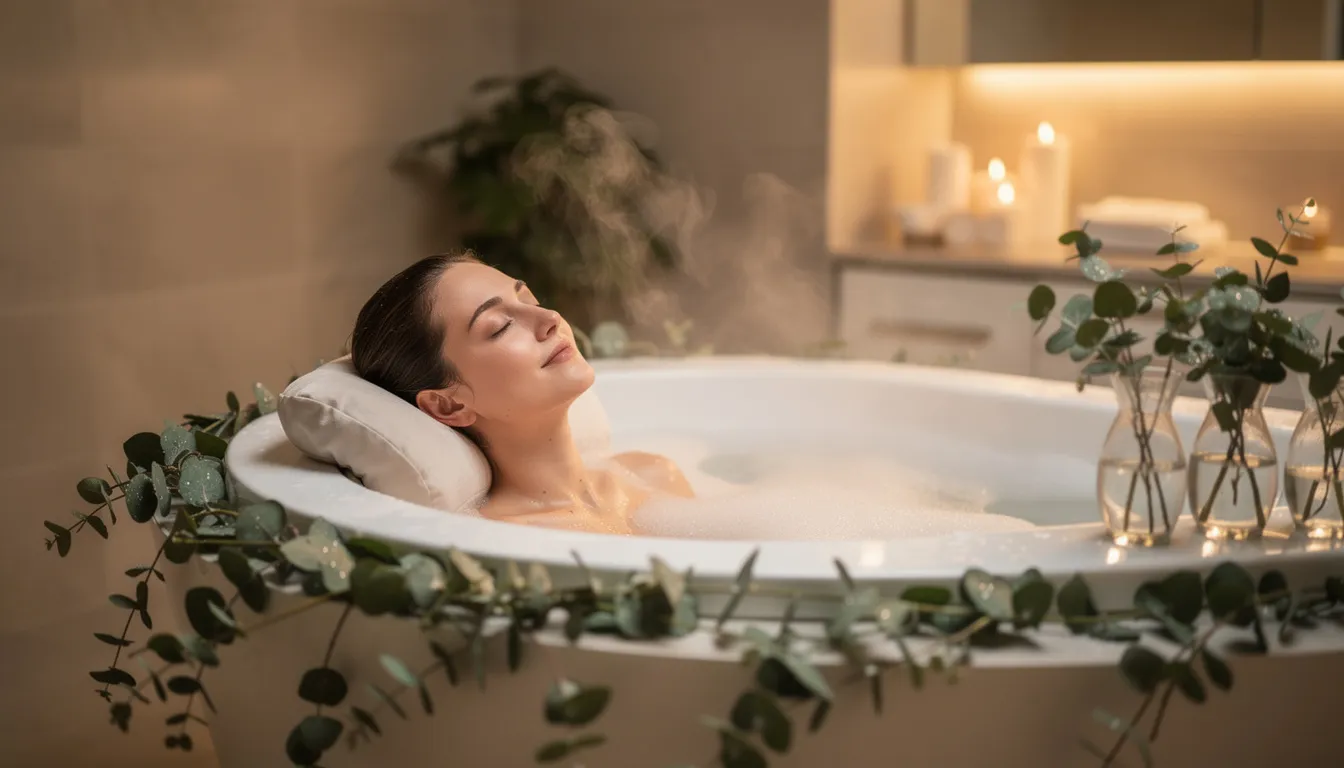
The hot phase comes first because heat opens your blood vessels, raises your heart rate, and prepares your body for the cold contrast that follows. This is where heat therapy does its restorative work. The infrared sauna health benefits begin accumulating during this critical warming phase.
Options for Creating Heat at Home
- Hot bath: Fill your tub with water at 37 to 39°C (98 to 102°F). Use a simple thermometer to check. This is warm enough to induce sweating without being dangerously hot.
- Steamy shower: Run hot water with the bathroom door closed to build up steam. Sit on a small wooden stool if you want to avoid rushing.
- At-home sauna: If you have access to an infrared sauna or compact steam unit, use it at the manufacturer's recommended temperature—typically, 45 to 60°C for infrared saunas or 70 to 90°C for traditional units.
Duration and Technique
- Stay in the heat for 10 to 15 minutes per cycle.
- Focus on slow, deep breathing through your nose.
- Inhale for four counts, exhale for 6.
- Sit or lie back so your shoulders are submerged if you are in the tub.
Products to Enhance the Experience
Add Epsom salts for muscle relaxation, about one cup per bath. Use a eucalyptus, spruce, or pine bath soak for authentic Scandinavian aromas.
Place a few drops of cedar wood oil on the shower floor where hot water will release the scent.
Optional Exfoliation
Once or twice a week, use a traditional exfoliating glove or mitt. Move in long strokes toward the heart to stimulate circulation and support skin health.
Safety Check
Pay attention to how your body feels. If you experience dizziness, excessive flushing, or discomfort before the 10 to 15-minute mark, end the heat phase early.
Stay hydrated. Sip water before and during the hot phase. Sauna users with heart conditions or blood pressure issues should consult a healthcare professional before beginning heat therapy.
How Do You Add the Cold Phase Without a Lake?
In Finland and Norway, people step directly from a hot sauna into a frozen lake or roll in snow. At home, the cold water phase is simpler but equally effective at completing the thermal cycle. This mirrors the traditional outdoor infrared sauna experience followed by natural cold exposure.
Why Cold Exposure Matters
The sudden shift from heat to cold triggers vasoconstriction. Your blood vessels narrow to conserve core heat. This contrast trains your cardiovascular system, releases noradrenaline for alertness, and many people find it deeply energizing after a few sessions.
Duration Guidelines
The cold phase is brief: just 10 to 30 seconds. This is not an endurance exercise. Quality matters more than quantity.
Practical Cold Options
|
Method |
How to Do It |
|
Cold shower |
Switch the water to cold and stand with the stream hitting your upper back and chest |
|
Gradual approach |
Start with cool water and a lower temperature over several sessions |
|
Bucket or bowl |
Fill a large bowl with cold water for hands and feet immersion |
|
Leg plunge |
Stand in a bathtub with cold water up to your calves |
What to Expect
The initial sensation is intense but short-lived. You will notice an increase in heart rate and the urge to breathe deeply or gasp.
This response decreases with regular practice. Most people find it invigorating rather than uncomfortable after a few tries.
Building Tolerance
Start with cool, not icy, water. Lower the temperature gradually over several weeks. Focus on calm, steady exhales during the cold to train resilience and decrease stress reactivity.
Safety Considerations
Avoid cold shock if you have certain heart conditions. The risk is real for those with unstable cardiovascular disease. If you are pregnant or have a chronic illness, talk to a healthcare professional before adding cold exposure to your routine.
Never do cold immersion alone in deep water. The gasp reflex can be dangerous.
The mental aspect is as important as the physical. Staying calm during brief discomfort teaches your nervous system that not every stressor requires a panic response.
What Happens During the Rest Phase?
This is where the real Scandinavian calm takes hold. After the contrast of heat and cold, your body needs time to normalize. Your mind needs space to process the deep relaxation that follows. The rest phase completes the cycle that makes the experience truly transformative.
How to Rest Properly
Dry off completely with a thick towel. Put on a heavy bathrobe and warm socks. Move to a quiet, comfortable chair or bed away from screens and noise.
Duration Guidelines
Rest for 10 to 15 minutes per cycle. Allow your breathing, heart rate, and body temperature to settle naturally.
The final rest phase of your session should extend to 20 minutes for deeper calm.
Breathing Practice
Try this simple pattern during rest:
- Inhale through your nose for four counts
- Hold gently for two counts
- Exhale slowly through your mouth for six counts
- Repeat for 2 to 3 minutes
Embrace Silence
Turn off all phone notifications. Avoid talking, even to yourself. Treat the space like a Finnish quiet room where silence is the norm, not the exception.
Hydration and Grounding
Drink a small glass of cool water or herbal tea between cycles. Peppermint and chamomile are excellent choices.
This helps replace fluids lost through sweating and supports the body's recovery.
Repeat the Cycle
Complete the hot-cold-rest sequence 2 to 3 times, depending on time and comfort. Each cycle deepens the benefit. Remember that frequency matters for long-term health benefits.
What Are the Health Benefits of This Ritual?
The Nordic spa ritual is more than just a relaxing escape. It's a powerful wellness practice with proven health benefits. Regular sauna bathing, a cornerstone of Scandinavian culture, has been linked to lower blood pressure, improved cardiovascular health, and a reduced risk of chronic diseases.
Cardiovascular and Circulatory Benefits
When you step into the heat of a sauna or a hot bath, your blood vessels dilate. This increases blood flow and helps your body flush out toxins through sweating. The process supports natural detoxification and leaves you feeling lighter and more energized.
Finnish research spanning 20 years found that men who used saunas 4 to 7 times per week had a 40% lower risk of all-cause mortality compared to once-weekly users.
The Power of Cold Water Therapy
The ritual's cold water plunge is just as important. When you immerse yourself in cold water, your blood vessels constrict. This boosts circulation and helps reduce inflammation throughout the body.
This hot-cold-rest cycle trains your cardiovascular system and enhances your body's resilience to stress. Over time, regular sauna bathing and contrast therapy can help regulate blood pressure, support heart health, and even lower your risk of certain illnesses.
Long-Term Wellness Investment
By making the Nordic spa ritual a part of your weekly routine, you're investing in your long-term health. The combination of heat, cold, and rest works together to detoxify your body, improve blood flow, and promote overall well-being.
This proves that this ancient tradition is as relevant today as ever. The benefits of infrared sauna for athletes and general wellness practitioners include improved recovery and stress resilience.
How Does Nutrition Support Your Spa Ritual?
True Scandinavian wellness goes beyond the spa. It's woven into daily life through mindful nutrition and a deep connection to nature. The traditional Nordic diet is celebrated worldwide for its health benefits.
The Nordic Diet Principles
The diet features whole grains, fresh fish, and antioxidant-rich berries. These foods are packed with omega-3 fatty acids and essential nutrients that support your body from the inside out.
To nourish your body, the Scandinavian way, focus on simple, unprocessed foods. Incorporate healthy fats from nuts and seeds. This approach not only fuels your body but also complements the effects of regular sauna use.
Synergy with Sauna Practice
Sauna bathing has been shown to aid digestion and reduce inflammation. This makes it easier for your body to absorb the nutrients from wholesome meals.
By combining a balanced, nature-inspired diet with regular sauna bathing, you'll experience enhanced wellness. You'll feel a stronger connection to the world around you.
Embrace the Nordic philosophy of living in harmony with nature. Let your wellness routine reflect the best of both tradition and modern science.
What Are the Beauty and Skincare Benefits?
The Nordic spa ritual is a secret weapon for glowing, healthy skin. The heat from the sauna opens your pores and encourages deep sweating. This helps remove toxins and impurities from your skin.
Heat Phase Skin Benefits
As you start sweating, your skin is naturally cleansed. It looks refreshed and revitalized after each session. The 2-3-person home sauna benefits allow couples to enjoy these skincare advantages together.
Cold Phase Complexion Enhancement
Following the heat, a cold water plunge works wonders for your complexion. The sudden coolness tightens pores and boosts circulation. It can help reduce the appearance of fine lines and wrinkles.
This contrast between hot and cold not only feels invigorating but also supports your skin's natural elasticity and tone.
Natural Nordic Skincare Products
To amplify these beauty benefits, try incorporating natural Nordic skincare products into your ritual. Ingredients like cloudberry, birch leaf, and sea buckthorn are rich in antioxidants. They have been used for generations to nourish and protect the skin.
With regular sauna use and a mindful skincare routine, you'll notice smoother, more radiant skin. You'll achieve a healthy glow that lasts long after your spa session ends.
What Optional Enhancements Add Authenticity?
These add-ons are not required, but they deepen the Nordic feel. They can make your home spa ritual feel more like a visit to a world-class Scandinavian destination.
Equipment Upgrades
An infrared sauna blanket offers accessible heat therapy without the cost or space requirements of a full sauna unit. Many financing options exist for these products.
A compact steam generator can transform a shower enclosure into a steam room experience. You can explore financing options for permanent home installations.
Skin-Care Rituals Inspired by Nordic Spas
|
Step |
Timing |
Product/Tool |
|
Dry brushing |
Before the hot phase |
Natural-bristle body brush, strokes toward the heart |
|
Body oil |
After final rest |
Oat, birch, or sea buckthorn-based oils are common in Scandinavian skincare |
|
Face mist |
Between cycles |
Cool rose or cucumber water for the skin |
Natural Elements
Hang a small bundle of fresh eucalyptus in your shower. The steam releases its scent naturally. Place a bowl of smooth river stones or a wooden bucket and ladle near your tub for visual authenticity.
Add a few houseplants to bring nature indoors. This connects to the friluftsliv (outdoor life) philosophy.
Weekly Ritual Establishment
Consider establishing a "Scandinavian Sunday." Set a specific time each Sunday evening devoted entirely to this routine.
This creates consistency, which is when the real benefit appears. University research from Finland shows that sauna use frequency correlates with reduced risk of cardiovascular issues and even conditions like Alzheimer's disease.
Aromatherapy Blends
- Forest morning: Eucalyptus plus peppermint for a crisp, energizing atmosphere.
- Evening calm: Lavender plus pine for a relaxing, woodsy tone.
- Deep woods: Cedar wood plus juniper for a grounding, earthy scent.
Tracking Your Progress
Keep a small journal nearby to note how you felt before and after each session. Track any changes in sleep quality and stress levels throughout the week.
This supports building a longer-term wellness habit. It helps you adjust the ritual to your needs.
What Makes a Successful Home Spa Experience?
Creating a restorative home spa is all about thoughtful preparation and the right tools. Start by dedicating a quiet space for your ritual. This could be a cozy corner for meditation or a full Nordic sauna crafted from Canadian hemlock or eastern white cedar.
Investment in Quality Equipment
Investing in a quality sauna can transform your wellness routine. Many brands offer financing options or seasonal sales to make this experience more accessible. The 1-person home sauna cost ranges from $1,500 to $5,000, depending on features and size.
When you step into your sauna, remember to breathe deeply and let the warmth envelop you. Staying hydrated is key to maximizing the health benefits. Keep water or herbal tea nearby.
Creating the Right Atmosphere
Enhance your relaxation by playing soothing sounds. Gentle waves or a soft forest breeze create a calming atmosphere that connects you to nature.
Choose natural materials and simple decor to foster a sense of tranquility. Whether you're unwinding alone or sharing the ritual with family or guests, focus on the quality of your experience.
By following these tips and making the Nordic spa ritual a regular part of your week, you'll enjoy deep relaxation and rejuvenation. You'll experience a renewed sense of wellness that carries into every aspect of your life.
What Is the Complete 60-Minute Nordic Spa Routine?
Here is a practical, step-by-step schedule you can follow tonight. Adjust times based on your preferences, but maintain the structure. This routine works equally well whether you use a luxury home sauna or a simple bathroom setup.
Preparation (5 minutes)
7:55 p.m.: Set up your space. Light candles, start your diffuser with eucalyptus oil, and lay out your robe and towels.
Fill the tub or turn on the shower to warm the room.
First Cycle (30 minutes)
|
Time |
Phase |
Activity |
|
8:00-8:15 |
Hot |
Soak in a hot bath at 38°C with Epsom salts and eucalyptus. Breathe deeply. |
|
8:15-8:16 |
Cold |
Stand under a cold shower for 15-30 seconds, focusing on exhaling. |
|
8:16-8:30 |
Rest |
Dry off, put on a robe, and sit in a quiet space with a candle. Practice 4-2-6 breathing. |
Second Cycle (25 minutes)
|
Time |
Phase |
Activity |
|
8:30-8:42 |
Hot |
Take a warm shower. Use an exfoliating glove with long strokes. |
|
8:42-8:43 |
Cold |
Switch to cool water for 15 seconds. |
|
8:43-8:55 |
Rest |
Move to the bedroom or a comfortable chair. Sip herbal tea. Embrace silence. |
Closing Ritual (5 minutes)
8:55-9:00: Apply a nourishing body oil or lotion in slow, mindful strokes.
This final touch supports skin hydration after sweating. It signals to your body that the ritual is complete.
Frequency Recommendations
Aim for one full session per week for at least four weeks to notice changes in sleep, mood, and stress. Add a shorter, single-cycle version (one round of hot-cold-rest) midweek if stress levels are high.
Science suggests that regular practice leads to enhanced cardiovascular function and better stress resilience over time. Consistency is more important than perfection.
A simple routine done regularly beats an elaborate ritual done once a month. When considering outdoor infrared sauna installations, remember that accessibility increases consistency.
Frequently Asked Questions
How often should I do a full Scandinavian spa ritual at home for the benefits?
Aim for one complete hot-cold-rest session once per week as your foundation. Frequency matters when it comes to using a sauna. Those who use saunas 4 to 7 times per week show the greatest health benefits, but even weekly practice produces measurable improvements in cardiovascular markers and stress levels. If you want to explore further, add a shorter single-cycle version midweek for additional stress relief.
Can I follow this ritual if I don't have a bathtub or any sauna equipment?
Absolutely. A warm shower with the bathroom door closed to build steam, followed by a brief cold rinse and a quiet rest period in a robe, provides the essential Nordic contrast. The structure of the ritual itself matters most: heat, cold, rest, repeated. Many Scandinavians historically used nothing more than a simple steam hut and a nearby stream. You can start with basic equipment and explore home sauna options as your practice develops.
What time of day is best for a Scandinavian spa session at home?
Evening sauna sessions between 7:00 and 9:00 p.m. work best for most people because the rise and subsequent fall in body temperature support natural sleep onset. However, some prefer a shorter, single-cycle version in the morning for an energizing start. The cold phase, in particular, increases alertness and can replace or complement exercise for waking up the system. The infrared sauna health benefits remain consistent regardless of timing.
Is it safe to alternate hot and cold if I have heart or blood pressure issues?
This is an important question. Both heat and cold stress the cardiovascular system. Sauna raises heart rate to levels similar to moderate exercise, while cold causes blood vessels to constrict rapidly. If you have unstable cardiovascular disease, uncontrolled blood pressure, recent cardiac events, or are pregnant, consult a healthcare professional before beginning. Medical guidance from Harvard emphasizes proper screening. If cleared, keep temperatures moderate (warm rather than very hot, cool rather than icy) and durations shorter until you understand how your body responds.
Do I need special Scandinavian products to make this authentic?
No. Authenticity comes from the structure of the ritual (hot, cold, rest) and the atmosphere of simplicity and silence, not from specific brands or products. Canadian hemlock or cedar are traditional wood types for saunas, but any natural textures work at home. A good towel, simple candles, and one or two essential oils like eucalyptus or pine are enough to begin. The direct experience of thermal contrast and quiet recovery creates the benefit.
Which is better for a home spa – indoor or outdoor sauna?
Both outdoor and indoor saunas work well for creating a Scandinavian spa experience, with personal preference and space as the main factors. Indoor saunas offer climate control, privacy, and year-round accessibility regardless of the weather. Outdoor full-spectrum infrared sauna models provide a connection to nature and a dedicated space separate from living areas. Consider available space, budget, local building codes, and whether you value convenience (indoor) or immersive natural experience (outdoor) when making your choice.
What are the best home saunas for creating a Nordic spa?
The best home saunas for Nordic spa experiences include models with natural wood construction (Canadian cedar or Nordic spruce), comfortable bench seating for extended sessions, excellent ventilation systems, adjustable temperature controls (45 to 90°C range), and authentic aesthetic design. Look for units that accommodate the hot-cold-rest cycle comfortably with adequate space for relaxation.
Healing Through Simplicity
Creating a Scandinavian spa experience at home is not about buying expensive equipment or replicating a commercial spa exactly. It is about understanding the power of thermal contrast, embracing silence, and building a restorative ritual that fits your life.
The technology is ancient. Heat, cold, and rest have been central to Nordic culture for thousands of years. The science is sound. Research continues to explore how these practices support detoxification, rejuvenation, and long-term health.
The implementation is accessible to anyone with a shower, some cold water, and a quiet corner. Start this week. Choose an evening, set aside 60 minutes, and move through the cycle.
Pay attention to how your muscles feel after the heat, how your mind sharpens after the cold, and how deeply you can relax during the rest phase. Your bathroom can become a sanctuary. Your weekly routine can become a healing ritual.
The benefits (better sleep, lower stress, improved circulation) can become part of how you live. Try the routine tonight. Your body will thank you. Explore the best home sauna options to deepen your Scandinavian wellness practice permanently.