

Every second, your body naturally emits infrared radiation at a wavelength of 9.4 micrometers—the same type of energy that infrared saunas use to heat your tissues from within.
Unlike traditional saunas that rely on hot air and steam to warm your skin surface, infrared therapy harnesses electromagnetic radiation to create heat directly inside your body at the cellular level.
Understanding how infrared saunas work requires diving into the fascinating science of radiant heat transfer, electromagnetic wavelengths, and cellular biology. This guide will explain the complete mechanism behind infrared technology, from the physics of infrared waves to what happens inside your cells during a session.
Key Takeaways
- Infrared saunas use far infrared waves (8-15 micrometers) to directly heat your body tissues at the cellular level, penetrating 1.5-2 inches deep.
- The technology operates at significantly lower temperatures (100-140°F) than traditional saunas (150-195°F), achieving similar therapeutic benefits.
- Infrared heaters convert electrical energy into electromagnetic radiation with 95%+ emissivity, creating resonant absorption when infrared waves vibrate water molecules in your tissues.
- Without extremely hot air, this heating mechanism triggers deeper sweating, increased blood circulation, and cellular repair processes.
- Quality infrared saunas emit minimal electromagnetic fields (under three milligauss) and use 50-60% less energy than conventional saunas.
What Is Infrared Sauna Therapy?
Infrared sauna therapy represents a modern evolution in home sauna wellness, offering a unique way to gently heat your body and unlock impressive infrared sauna health benefits.
Unlike traditional saunas that rely on hot air to warm the environment, infrared saunas use advanced light technology to deliver heat directly to your body.
This method creates a more comfortable experience. The air inside stays at a lower temperature while your body absorbs therapeutic infrared rays.
What Benefits Does Infrared Sauna Therapy Provide?
The benefits extend far beyond unwinding after a long day. Regular sessions help promote detoxification by encouraging deep sweating, which assists in flushing out toxins.
Infrared saunas also improve blood circulation, helping deliver oxygen and nutrients more efficiently throughout your body. This improved circulation can contribute to reduced blood pressure and enhanced cardiovascular health.
How Does Infrared Therapy Support Immune Function?
The gentle heat supports immune function, making it easier for your body to fend off illness and recover from stress. Whether you seek to unwind, help your body's natural detox processes, or boost overall wellness, infrared sauna therapy offers a comfortable and effective alternative.
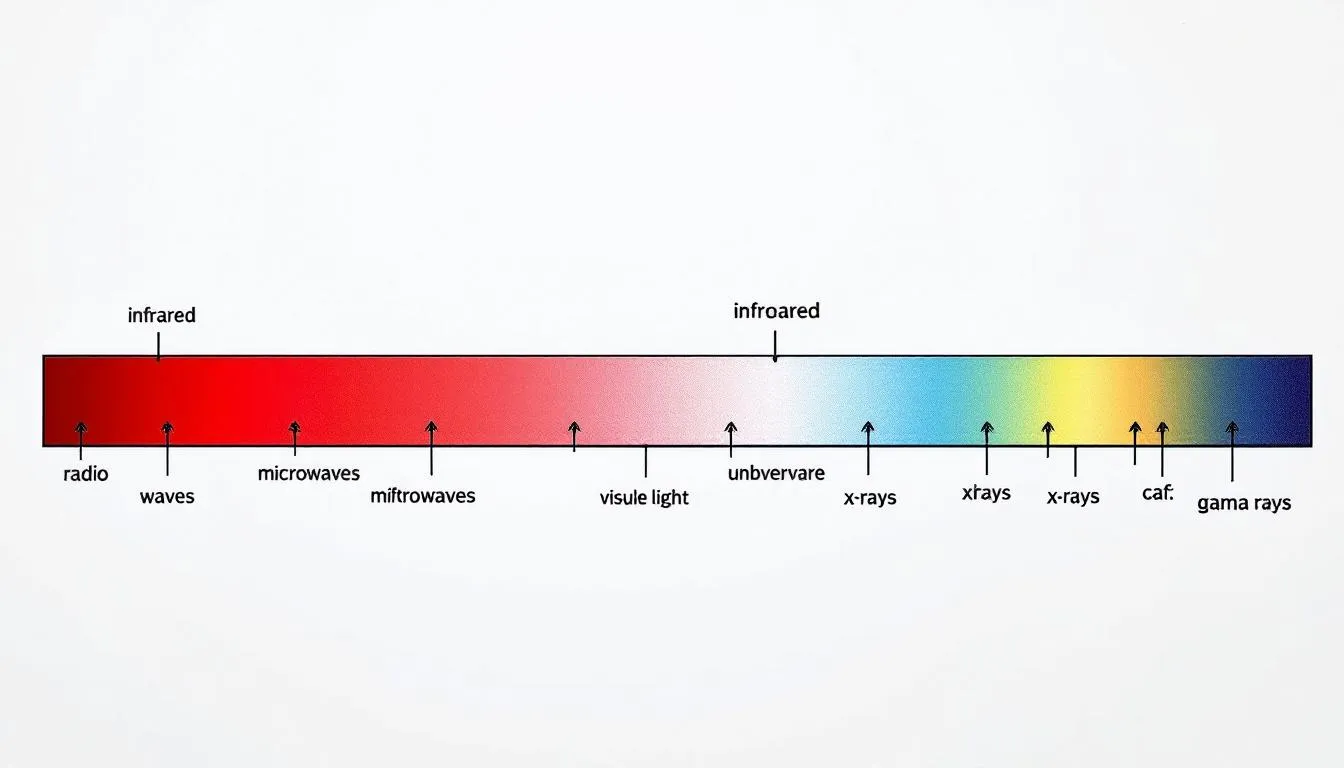
What Is the Basic Science of Infrared Heat?
Infrared radiation occupies a specific position on the electromagnetic spectrum. It sits between visible light and microwaves with wavelengths ranging from 0.7 to 1,000 micrometers.
This invisible form of energy transfers heat through photons—packets of electromagnetic energy—rather than heating air molecules like conventional methods.
What's the Difference Between Convective and Radiant Heat?
The fundamental difference between infrared heat and traditional sauna heat lies in the energy transfer mechanism. Traditional saunas use convective heat (warming air that heats your body).
Infrared saunas employ radiant heat that travels directly from the source to your skin and tissues without heating the surrounding air. This is why the air temperature stays comfortable while your body gets intensely heated. This is a key distinction in the infrared sauna vs traditional sauna argument.
Is Infrared Energy Natural?
This radiant energy occurs naturally throughout our environment. The sun produces infrared radiation as part of its light spectrum, and human bodies emit infrared energy at approximately 9.4 micrometers.
When you feel warmth from sunlight on a cool day, you're experiencing infrared heat working at a cellular level. It's the same principle, just harnessed for therapeutic purposes.
How Do Infrared Heaters Work?
Inside an infrared sauna, specialized heaters generate this same type of natural energy. The infrared waves travel at the speed of light until they encounter your body, where they're absorbed and converted into thermal energy through a process called resonant absorption.
This absorption happens because the wavelength matches what your body naturally recognizes and responds to.
What Are the Three Types of Infrared Wavelengths?
The infrared spectrum divides into three distinct categories, each with unique properties and penetration capabilities.
1. Near Infrared
Penetration Depth
Near infrared light (0.7-1.4 micrometers) penetrates only the surface layer of skin, reaching depths of approximately 0.1-0.2 inches. This shorter wavelength primarily heats the skin surface.
Primary Benefits
Near infrared promotes cellular healing through photobiomodulation—a process where light energy stimulates cellular metabolism and repair mechanisms. Some manufacturers incorporate near-infrared elements into full-spectrum designs, though this wavelength is secondary in therapeutic heating.
Near infrared energy appears in LED light therapy devices and medical applications focused on surface-level treatments.
2. Mid Infrared
Penetration Depth
Mid-infrared radiation (1.4-3 micrometers) penetrates slightly deeper than near infrared, reaching up to 0.5 inches into tissues. This wavelength effectively improves circulation in superficial blood vessels.
Usage
Mid-infrared wavelengths are less commonly used as the primary heating source. Most manufacturers focus on far infrared technology for more profound therapeutic benefits, though some full-spectrum models include mid infrared as part of a comprehensive approach.
3. Far Infrared
The Therapeutic Sweet Spot
Far infrared (3-1,000 micrometers) represents the most therapeutically valuable wavelength range, specifically the 8-15 micrometer range that resonates with human tissues. Far infrared waves penetrate deepest into your body—reaching 1.5-2 inches through skin, muscle, and other soft tissues.
This deep penetration allows far infrared heat to warm your body from the inside out.
How It Creates Heat
Far infrared saunas generate heat by causing water molecules within your tissues to vibrate rapidly. This produces warmth through molecular kinetic energy rather than external air heating.
Sweating in far infrared saunas helps remove toxins, including heavy metals, from the body, supporting detoxification and overall health.
Why 8-15 Micrometers Matter
The 8-15 micrometer range proves most effective because it matches the natural infrared wavelength that human bodies emit and absorb most efficiently. This compatibility explains why far infrared sessions feel comfortable even at lower air temperatures.
Users often sweat faster in far infrared saunas due to the deep tissue heating, enhancing both comfort and therapeutic benefits.
What Are the Different Types of Infrared Saunas?
When exploring the best infrared saunas, you'll encounter several types, each harnessing different parts of the infrared spectrum to deliver specific health benefits. The major types include:
1. Far Infrared Saunas
The most widely used and researched are far infrared saunas, which utilize far infrared waves to penetrate deeply into body tissues. This deep-reaching heat is especially effective for promoting detoxification, as it encourages more intense sweating and helps eliminate toxins at the cellular level.
2. Mid Infrared Saunas
Mid infrared saunas focus on mid infrared waves, which are particularly beneficial for increasing blood circulation and reducing inflammation. These saunas are often chosen by individuals looking to support recovery from exercise or manage chronic pain.
The mid-infrared heat can help soothe sore muscles and joints.
3. Full-Spectrum Infrared Sauna
For those seeking a comprehensive experience, full-spectrum saunas combine near, mid, and far infrared waves. This approach allows users to enjoy the unique advantages of each wavelength, from surface-level cellular healing to deep tissue detoxification.
A full-spectrum infrared sauna for sale offers the most complete therapeutic benefits.
How Do Infrared Saunas Generate Heat?
Infrared saunas convert electrical energy into infrared radiation through sophisticated heater technology designed to maximize therapeutic wavelength output. That includes the following:
Carbon Fiber Heaters
Design and Function
Carbon fiber infrared heaters utilize thin carbon fibers embedded within panels to produce consistent far infrared radiation across a broad surface area. These heaters typically achieve 95%+ emissivity ratings.
This means they convert virtually all electrical input into infrared energy rather than wasted heat or light.
Advantages
Carbon fiber heaters provide even heat distribution and produce lower EMF emissions due to their distributed heating element design. They're the preferred choice for most modern infrared saunas, including the best infrared sauna for home installations.
Ceramic Heaters
Design and Function
Ceramic infrared heaters employ ceramic compounds that emit concentrated infrared radiation when electrically heated. While ceramic heaters can produce intense infrared output, they often require careful placement to ensure even heat distribution.
What About Power Consumption and Heat-Up Time?
Quality infrared saunas consume between 1,500 and 1,800 watts of electrical power. They require only 10-15 minutes to reach optimal operating temperature.
This rapid heat-up occurs because infrared heaters don't need to warm large volumes of air—they immediately begin emitting infrared waves that start heating your body directly.
How Does Heater Placement Affect Performance?
The placement and design of infrared heaters significantly affect heat distribution and therapeutic effectiveness. Well-designed saunas position heaters to surround the user, ensuring comprehensive infrared exposure from multiple angles.
This 360-degree approach maximizes the body surface area receiving direct infrared radiation.
What Is Wavelength Control?
Advanced infrared technology incorporates precise wavelength control to maintain output within the optimal 8-15 micrometer therapeutic range. Some manufacturers test their heaters using spectrometers to verify wavelength accuracy and ensure consistent infrared emission throughout the heater's lifespan.
What Happens in Your Body at the Cellular Level?
When far infrared waves encounter your skin during a session, they trigger a cascade of physiological responses at the molecular level. Understanding this mechanism reveals how infrared saunas produce therapeutic benefits without extreme heat exposure.
How Deep Does Infrared Penetrate?
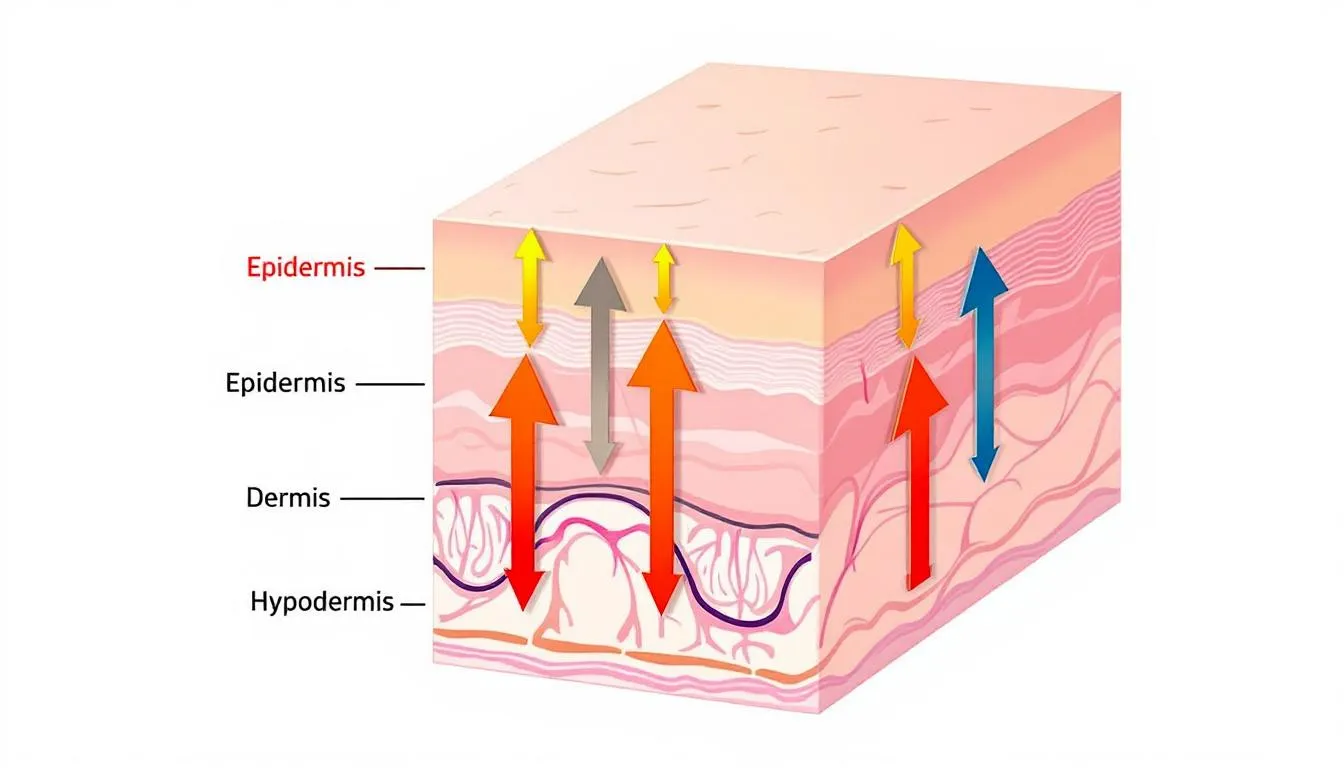
Far infrared radiation penetrates through the epidermis (outer skin layer), dermis (middle layer containing blood vessels and nerve endings), and subcutaneous tissue. It reaches muscle fibers, blood vessels, and other soft tissues.
This deep penetration distinguishes infrared heat from conventional heating methods, primarily affecting surface tissues.
What Is Resonant Absorption?
The key mechanism involves resonant absorption, where 8-15 micrometer infrared waves vibrate water molecules within your cells at their natural frequency. Since human bodies comprise approximately 60% water, this molecular vibration efficiently converts infrared energy into thermal energy throughout your tissues.
How Does Heat Generate at the Cellular Level?
As water molecules absorb infrared energy and begin vibrating more rapidly, their increased molecular kinetic energy generates heat directly within your cells. This internal heating process raises your core body temperature by 1-3°F, triggering your body's natural thermoregulatory responses.
What Are Heat Shock Proteins?
Cellular heating activates heat shock proteins, which are specialized molecules that protect cells from thermal stress and promote cellular repair mechanisms. These proteins help maintain cellular integrity while enhancing various biological processes, including protein synthesis and cellular detoxification pathways.
Infrared sauna sessions can also help with sore muscles and support athletic recovery by promoting faster muscle repair and reducing soreness, delivering the benefits of infrared sauna for athletes.
How Does Infrared Improve Circulation?
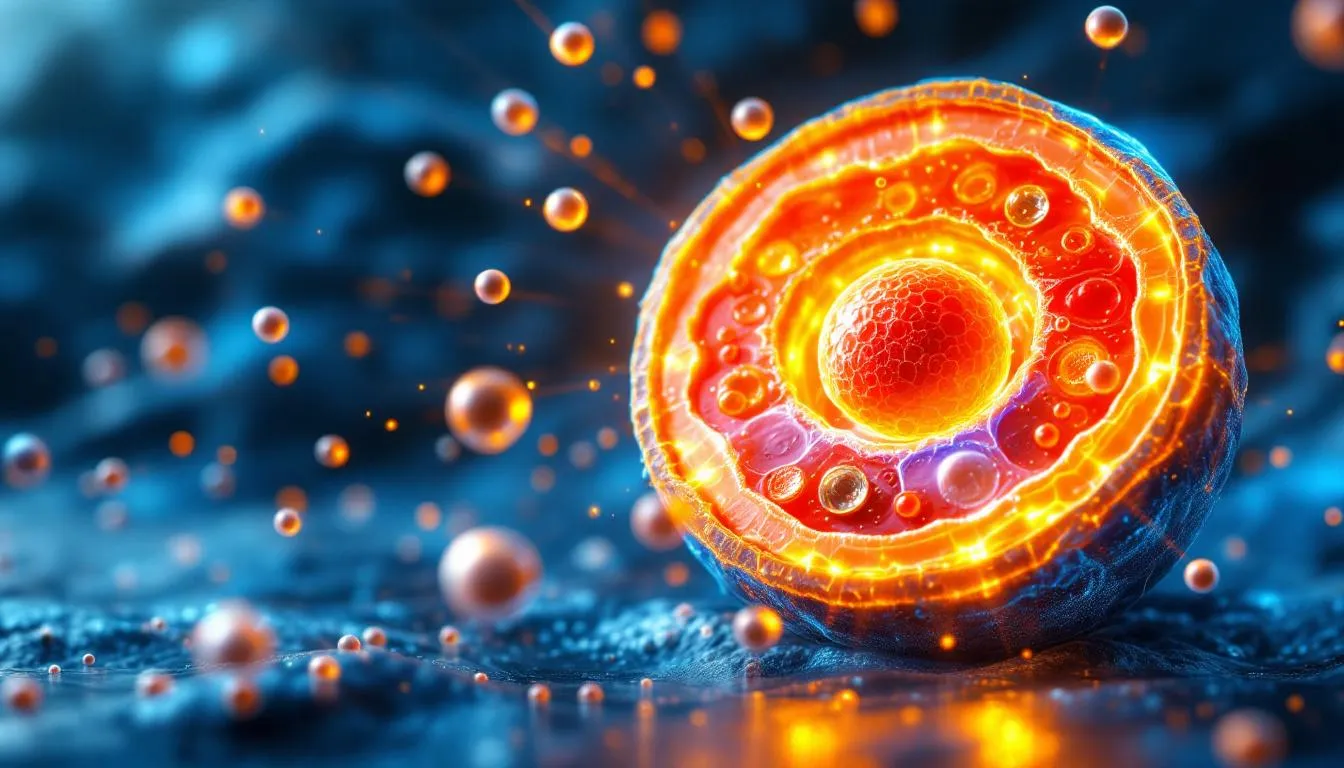
A cellular cross-section illustrating water molecules vibrating due to the influence of infrared waves, generating heat
Vasodilation occurs as blood vessels expand in response to increased tissue temperature, improving blood circulation throughout the heated areas. This enhanced blood flow delivers more oxygen and nutrients to tissues while facilitating the removal of metabolic waste products.
These effects can help relieve chronic pain by reducing inflammation and relaxing muscles.
Why Does Lower Heat Work Better?
The science behind infrared saunas reveals why these devices achieve therapeutic benefits at much lower air temperatures than traditional saunas.
How Do Temperatures Compare?
Traditional saunas operate at 150-195°F. Infrared saunas maintain comfortable air temperatures between 100-140°F while producing equivalent or superior heating effects.
How is this possible?
What Makes Radiant Heat Efficient?
This efficiency stems from the fundamental difference in heat transfer mechanisms. Traditional sauna heat relies on convection—hot air transferring thermal energy to your skin surface, which then conducts heat to deeper tissues.
This indirect heating process requires extremely high air temperatures to overcome the thermal resistance of skin and subcutaneous layers.
How Does Direct Energy Transfer Work?
Infrared saunas bypass this thermal resistance through direct radiant heating. Approximately 80% of infrared energy directly heats your body tissues, while only 20% warms the surrounding air.
This efficient energy transfer allows lower air temperatures to produce deeper, more effective heating.
What's the Science Behind Heat Transfer?
Heat transfer coefficients demonstrate this efficiency difference. Air has poor thermal conductivity (0.024 W/m·K), making it an inefficient medium for heat transfer.
Infrared radiation travels at light speed and penetrates directly into tissues with high water content, achieving superior thermal conductivity compared to air-mediated heating.
Can You Get the Same Benefits More Gently?
The 1-3°F increase in core body temperature achieved through infrared heating triggers the same physiological responses as traditional saunas—increased heart rate, enhanced circulation, and activated sweating—without the stress of extreme environmental heat. This gentler approach makes infrared therapy accessible to individuals who find traditional saunas uncomfortable or unsafe.
Core body temperature elevation activates your hypothalamus, initiating thermoregulatory responses including peripheral vasodilation and increased cardiac output. These responses improve cardiovascular function and promote the detoxification benefits of enhanced circulation and sweating.
What Are the Safety Considerations and EMF Science?
Electromagnetic field (EMF) emissions represent a primary safety consideration for infrared sauna technology. EMF radiation occurs whenever electrical current flows through conductors, and infrared heaters inherently generate electromagnetic fields during operation.
What Are EMF Levels in Quality Saunas?
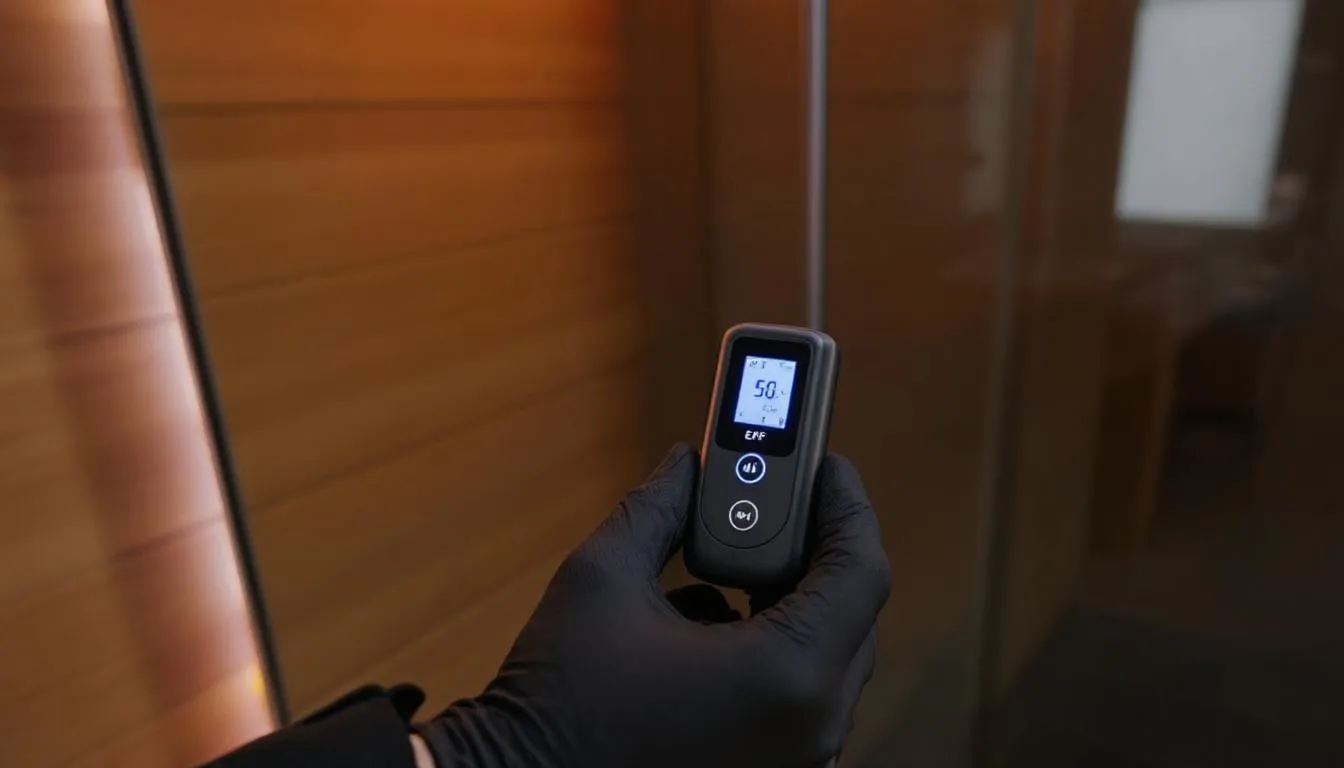
Quality infrared saunas implement advanced shielding technology to minimize EMF exposure. Proper heater design and placement typically achieve EMF readings under three milligauss at user seating positions.
This is well below the 10 milligauss threshold established by the EPA for safe continuous exposure.
How Do EMF Levels Compare with Household Appliances?
To put these levels in perspective, everyday household appliances produce significantly higher electromagnetic field emissions:
|
Device |
Typical EMF Level (milligauss) |
|
Hair dryer |
60-20,000 |
|
Microwave oven |
75-200 |
|
Electric blanket |
5-30 |
|
Quality infrared sauna |
Under 3 |
How Does EMF Shielding Work?
Advanced infrared heater technology incorporates EMF shielding through careful wire routing, twisted conductor pairs, and metallic shielding materials that contain electromagnetic fields within the heater assembly. This engineering ensures that infrared energy reaches users while minimizing potentially harmful electromagnetic radiation.
Carbon fiber heaters produce lower EMF emissions than ceramic heaters due to their distributed heating element design and lower operating voltages.
What Other Safety Considerations Matter?
Beyond EMF considerations, infrared sauna safety involves proper hydration, session duration limits, and awareness of contraindications. The gentle heating mechanism makes infrared saunas safer than traditional saunas for most users.
However, individuals with certain medical conditions should consult a healthcare provider before beginning therapy.
What Are the Safety Guidelines?
Important safety practices:
- Drink plenty of water before and after each session to stay hydrated and support detoxification
- Exit immediately if you feel dizzy, light-headed, or unwell during a session
- Start with shorter sessions (10-15 minutes) and gradually increase duration as your body adapts
- Never use while under the influence of alcohol or drugs
- Consult your doctor if you're pregnant or have cardiovascular conditions
How Efficient Are Infrared Saunas?
The energy science behind infrared saunas demonstrates remarkable efficiency advantages over traditional heating systems. This efficiency stems from the direct energy transfer mechanism that minimizes wasted heat while maximizing therapeutic benefit.
What Are the Energy Conversion Rates?
Energy conversion efficiency in infrared saunas reaches approximately 85-90%. This means most electrical input converts directly into therapeutic infrared radiation.
Traditional saunas achieve only 40-50% efficiency because substantial energy is lost heating air, sauna structures, and the surrounding environment before reaching the user.
How Much Power Do Infrared Saunas Consume?
Infrared saunas typically consume 50-60% less electricity than conventional saunas of comparable size. A typical 2-person infrared sauna draws 1,500-1,800 watts during operation, while an equivalent traditional sauna requires 3,000-4,500 watts to maintain therapeutic temperatures.
What About Heat-Up Time?
The rapid heat-up characteristic of infrared technology contributes to energy efficiency. Traditional saunas require 30-45 minutes to reach operating temperature.
Infrared saunas achieve therapeutic output within 10-15 minutes. This quick response time reduces pre-heating energy consumption and allows for shorter overall operating periods.
What Are the Operating Costs?
Based on average electricity rates of $0.12 per kWh, a typical infrared sauna session costs approximately $0.15-0.25 compared to $0.35-0.55 for traditional sauna use. These savings compound over regular usage, making infrared technology more economical for home installations.
What's the Environmental Impact?
Environmental impact considerations favor infrared technology due to lower energy consumption and reduced carbon footprint. The efficiency of direct heating reduces demand on electrical grids and decreases associated carbon emissions from power generation.
How Do Heat Retention Properties Work?
Because infrared saunas don't rely on maintaining high air temperatures, they lose less heat to the surrounding environment through convection and air exchange. This thermal efficiency extends beyond active heating periods, maintaining therapeutic conditions with minimal energy input.
How Can You Maximize Your Infrared Sauna Experience?
Now that you understand the science, here's how to get the most from your sessions.
Pre-Session Preparation
- Hydrate: Drink 16-20 ounces of water 30 minutes before
- Shower: Remove lotions and oils that might block infrared penetration
- Timing: Avoid large meals 2 hours before your session
- Clothing: Minimal or no clothing for optimal infrared absorption (light cotton towel is fine)
During Your Session
- Starting temperature: Begin at 100-110°F and gradually increase to 120-140°F as you adapt
- Duration: Start with 15-20 minutes, work up to 30-45 minutes
- Position: Sit or recline comfortably, allowing heaters to reach all body areas
- Relaxation: Breathe normally, meditate, or listen to calming music
Post-Session Care
- Cool down: Allow your body to cool naturally for 5-10 minutes
- Rehydrate: Drink 16-24 ounces of water or an electrolyte beverage
- Shower: Wait 10-15 minutes to continue sweating and maximize detox benefits
- Moisturize: Apply natural moisturizer to replenish skin
How Often Should You Use an Infrared Sauna?
Use your infrared sauna 3-4 times per week for best results. Consistency is key to experiencing the full range of health benefits from improved circulation to enhanced detoxification.
Ready to experience these benefits at home? Explore the best home sauna types, including premium infrared saunas at Sun Home Saunas.
Frequently Asked Questions
How Long Does It Take for Infrared Radiation to Penetrate Skin?
Infrared radiation travels at the speed of light and begins heating tissues immediately upon contact. The warming sensation builds gradually over 5-10 minutes as water molecules within tissues absorb infrared energy and convert it to heat. Full therapeutic heating typically develops within 10-15 minutes of entering the sauna.
This rapid absorption is why infrared saunas require minimal preheating compared to traditional saunas. The direct tissue penetration means you start experiencing benefits almost immediately, though peak therapeutic effects accumulate over the full 30-45-minute session as core body temperature rises gradually.
Can You Feel Infrared Heat Immediately or Does It Build Gradually?
You'll notice a gentle warming sensation within the first few minutes, but heat builds progressively as infrared waves penetrate deeper into tissues. Unlike traditional saunas, where you immediately feel intense hot air, infrared heat creates a more gradual, comfortable warming experience from within.
The heat increases as your core body temperature rises 1-3°F, creating that distinctive "warming from within" sensation. This gradual buildup allows your body to naturally adapt to the heat stress, reducing discomfort and allowing longer, more therapeutic sessions without the overwhelming intensity of traditional high-heat saunas.
What's the Difference Between Heat Sensation in Infrared Vs Traditional Saunas?
Traditional sauna heat feels intense and enveloping due to the hot air surrounding your body, often creating difficulty breathing. Infrared sauna vs traditional sauna experiences differ significantly—infrared heat feels gentler and more natural, similar to warming in sunlight.
The heat comes from within your body rather than the environment, creating a more comfortable and tolerable experience, allowing for extended sessions. The air temperature remains moderate (100-140°F versus 150-195°F), so you breathe easily while still achieving deep tissue heating and profuse sweating for detoxification and therapeutic benefits.
Are There Materials That Block Infrared Radiation?
Most clothing materials significantly reduce infrared penetration, which is why sauna use typically involves minimal clothing or towels only. Dense fabrics, especially synthetic materials, can block up to 80-90% of infrared radiation, limiting therapeutic effectiveness.
For optimal infrared sauna health benefits, skin should be directly exposed to infrared waves, though light cotton towels minimally interfere with absorption. Remove lotions, oils, and cosmetics before sessions, as these create barriers that reflect infrared waves rather than allowing tissue penetration.
How Do Manufacturers Test Infrared Wavelength Output?
Manufacturers use spectrometers—scientific instruments analyzing electromagnetic radiation wavelengths—to verify heaters emit the optimal 8-15 micrometer far infrared range. Quality manufacturers conduct regular spectral analysis testing and provide wavelength certification data.
Some also use thermal imaging cameras to measure heat distribution and emissivity ratings, ensuring heaters convert electrical energy efficiently into infrared radiation. When shopping for the best infrared sauna for home, look for manufacturers providing this testing documentation, EMF certification under three milligauss, and lifetime heater warranties demonstrating confidence in their technology.
What Is the Difference Between Full-Spectrum and Far Infrared Saunas?
Full-spectrum saunas emit near (0.7-1.4μm), mid (1.4-3μm), and far (3-1000μm) infrared wavelengths simultaneously, providing comprehensive therapy from surface-level cellular healing to deep tissue detoxification.
Far infrared saunas emit only the 8-15 micrometer range for deep tissue penetration. Full-spectrum models cost more ($4,000-$10,000 versus $2,500-$5,000) but offer broader therapeutic applications.
Near-infrared supports wound healing and skin rejuvenation, mid-infrared improves circulation and inflammation, while far-infrared provides deep detoxification—all in one session for maximum wellness benefits.
How Do Infrared Saunas Help Athletes?
The benefits of infrared sauna for athletes include accelerated muscle recovery, reduced post-exercise soreness by up to 40%, improved flexibility, and enhanced athletic performance. Deep infrared heat penetrates 1.5-2 inches into muscle tissue, increasing blood flow and oxygen delivery.
This enhanced circulation removes metabolic waste products like lactic acid more efficiently, speeding recovery between training sessions. Heat shock protein activation promotes cellular repair, while reduced inflammation helps prevent injury. Many professional athletes use infrared saunas 4-5 times weekly as part of their recovery protocols for peak performance maintenance.
Do Infrared Saunas Help with Weight Loss?
Yes, infrared sessions burn 300-600 calories per hour as your body works to cool itself, similar to moderate exercise. The deep heating raises core temperature and metabolic rate for hours post-session.
However, immediate weight loss (1-2 pounds) is primarily water weight returning upon rehydration. Sustainable weight management requires combining regular infrared use with proper nutrition and exercise.
The infrared sauna benefits detox mechanisms and improved circulation, enhances overall metabolic function, supporting long-term weight goals when integrated into comprehensive wellness programs focused on healthy lifestyle changes.
Understanding the Science Empowers Better Choices
Understanding how infrared saunas work at the cellular level helps you appreciate why this technology offers such remarkable infrared sauna health benefits. The science of radiant heat transfer, optimal wavelength ranges, and direct tissue penetration explains why infrared saunas can achieve therapeutic effects at comfortable temperatures.
Whether interested in detoxification, pain relief, improved circulation, or general wellness, infrared sauna therapy offers a scientifically backed approach to better health.
Have questions about which infrared sauna is right for your needs? Visit us at Home Sauna today to explore our broad range of Saunas, including infrared saunas and much more.