

Choosing between an indoor and outdoor sauna is among the most critical decisions when incorporating wellness into your home. Both options deliver authentic health benefits—improved circulation, stress relief, and muscle recovery—but they differ dramatically in convenience, atmosphere, installation, and ongoing maintenance.
The question isn't really which type is objectively better. It's which sauna you'll realistically use three to four times per week for years to come. An indoor sauna offers unmatched convenience, making it perfect for cold climates where stepping outside in January can sap your motivation. An outdoor sauna provides that traditional Nordic atmosphere, creating a mini-retreat in your backyard that becomes a social hub and stunning garden feature.
This comprehensive guide examines the core differences, weighs the advantages and drawbacks of each location, and helps you make an informed decision based on your climate, available space, budget, and personal preferences. By the end, you'll know precisely which option aligns with your lifestyle and wellness goals.
Key Takeaways
- Indoor saunas win on convenience and privacy, while outdoor saunas excel in atmosphere, space, and that traditional Nordic feel you might be craving.
- Both indoor and outdoor saunas deliver similar health benefits—improved circulation, stress relief, and muscle recovery—so the choice comes down to your available space, climate, budget, and the experience you want
- Indoor saunas offer year-round accessibility, eliminating weather concerns, making them ideal for cold or rainy climates where venturing outside might reduce usage.
- Outdoor saunas can become a standout garden feature and social hub, especially if you have yard space and enjoy hosting friends or family.
- Installation and maintenance differ significantly: indoor saunas require careful moisture control to protect your home, while outdoor saunas necessitate weather protection and more frequent exterior maintenance.
Indoor Vs Outdoor Sauna – What Are the Core Differences?
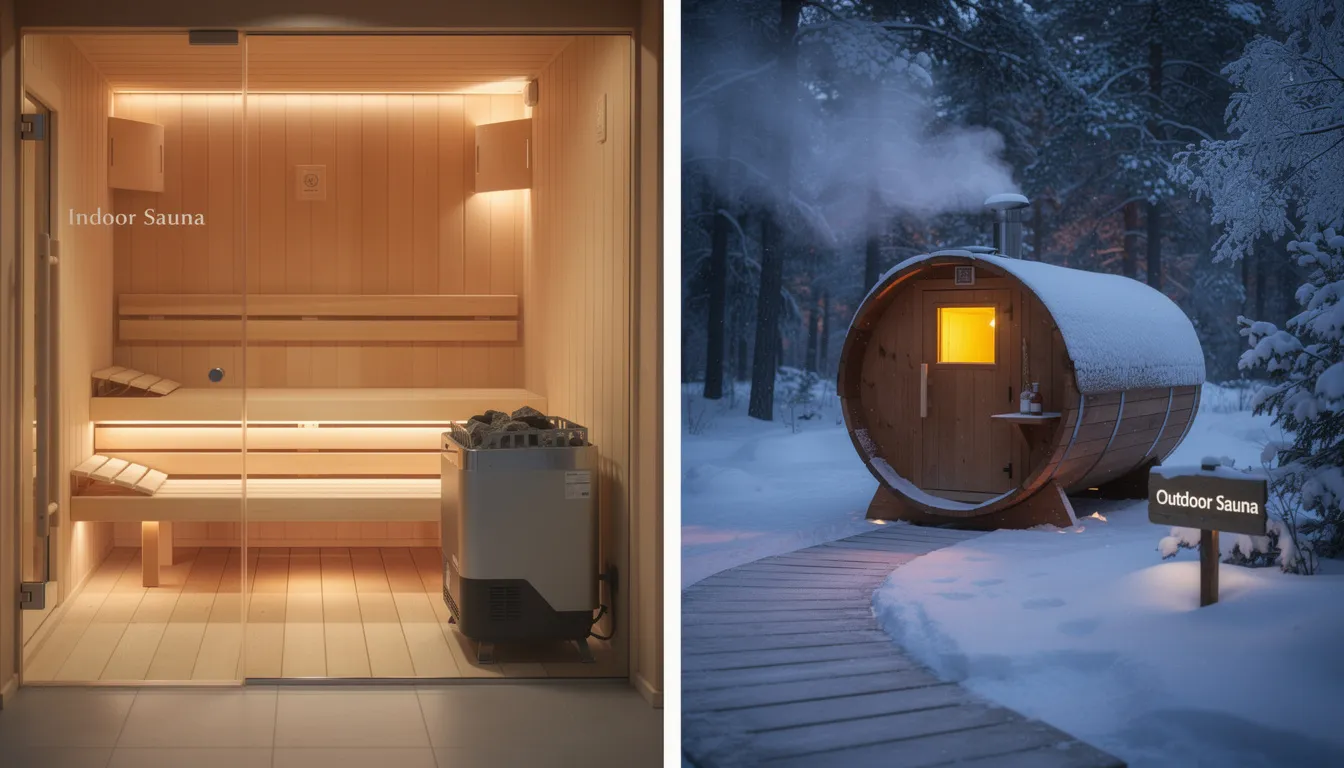
When comparing outdoor infrared vs indoor infrared sauna options, the heating technology can actually be identical. Both types can utilize traditional electric or wood-burning heaters, as well as infrared panels. The fundamental distinction lies in where they're installed and how that placement affects your day-to-day experience, maintenance needs, and overall enjoyment.
|
Factor |
Indoor Sauna |
Outdoor Sauna |
|
Location |
Basements, spare rooms, home gyms, master bathrooms |
Backyards, decks, poolside, lakefront |
|
Typical Capacity |
1-4 people (limited by indoor space) |
4-8+ people (freestanding with no ceiling constraints) |
|
Utilities |
Tied to the existing home's electrical and plumbing systems |
May require trenching for electrical, separate drainage optional |
|
Materials |
Standard sauna wood, lighter construction |
Weather-resistant wood (Western Red Cedar, Thermo-Aspen), thicker walls, and roofing |
|
Foundation |
Existing floor (concrete, tile, hardwood with protection) |
Dedicated pad, pavers, or deck structure |
Indoor saunas are typically integrated into your home's electrical system, making electrical hookups straightforward if you're near your main electrical panel. Outdoor saunas often need new underground electrical runs and, depending on your design, separate water lines for showers or drainage.
Learn more about different sauna types to understand which configuration works best for your needs.
What Are the Advantages of Indoor Saunas?
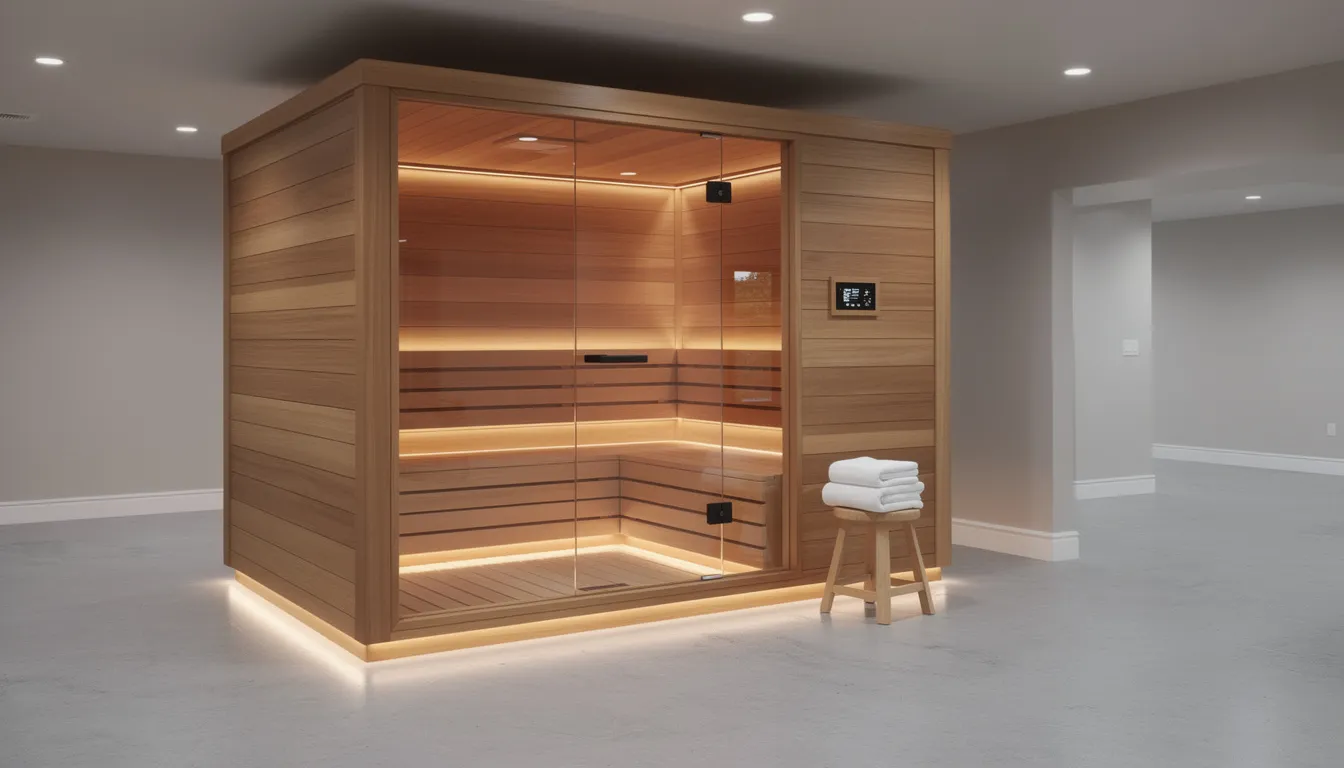
Indoor saunas shine brightest in colder or wetter climates—think northern USA, Canada, the UK, or Scandinavia—where stepping outside in the dead of winter can quickly kill your motivation.
Convenience and Daily Routine
You can step straight from a bedroom, home gym, or shower into the sauna without having to deal with rain, snow, or darkness. This makes early morning or late-night sessions realistic rather than aspirational. When your sauna is steps away from your bedroom or shower, you're far more likely to use it consistently.
Privacy and Security
If you live in a dense suburb or city with overlooked gardens, an indoor sauna eliminates concerns about neighbors, fences, or privacy screens. You're bathing in complete seclusion, which many homeowners value highly.
Easy Access to Utilities
Rinsing before and after a session is simpler when the sauna room is adjacent to an existing bathroom. No outdoor walk required in harsh winters or pouring rain. Electricians typically find it easier and cheaper to wire an indoor 240V electric heater than to trench cables across a yard.
Better Energy Efficiency
Indoor saunas benefit from your home's existing insulation and stable indoor temperatures. They heat up faster and maintain temperature with less effort, often resulting in lower ongoing energy use compared to an outdoor unit fighting winter winds.
Seamless Design Integration
A well-designed indoor sauna can blend seamlessly with your home's interiors. Think of glass doors in modern apartments, cedar cabins in rustic basements, or a complete wellness suite that pairs a sauna with gym equipment. The aesthetic integration adds to your home's appeal.
What Are the Disadvantages of Indoor Saunas?
Your existing floor plan restricts the use of indoor saunas. You can't just wish more space into existence, and you'll need to plan carefully to avoid moisture problems.
Space Limitations
Many homes can only spare a corner for a 1- or 2-person unit. If you want to host sauna nights with friends or have the whole family join in, a cramped indoor space won't cut it. The cost of a one-person home sauna may be lower, but capacity is crucial for social use.
Ventilation and Moisture Control
Proper sauna ventilation isn't optional—it's essential. You'll need vapor barriers, potentially extraction fans, and careful attention to airflow to prevent moisture buildup that can lead to mold, warped drywall, and damage from humidity in adjacent rooms.
Structural Modifications
Older homes or upper-floor installations may require assessment for weight capacity, ceiling alterations, or upgraded electrical panels. These add to cost and complexity, especially in buildings not designed with a sauna in mind.
Less Natural Atmosphere
An indoor sauna, while relaxing, typically lacks the fresh air cool-downs, snow rolls, or forest views that people associate with the traditional sauna experience. You're getting the heat, but missing some of the ritual.
Potential Impact on Adjacent Rooms
If ventilation is poorly designed, excess heat and moisture could affect nearby finishes, paint, and furnishings. This may concern cautious homeowners or serve as a red flag for future buyers if not appropriately addressed.
What Are the Advantages of Outdoor Saunas?
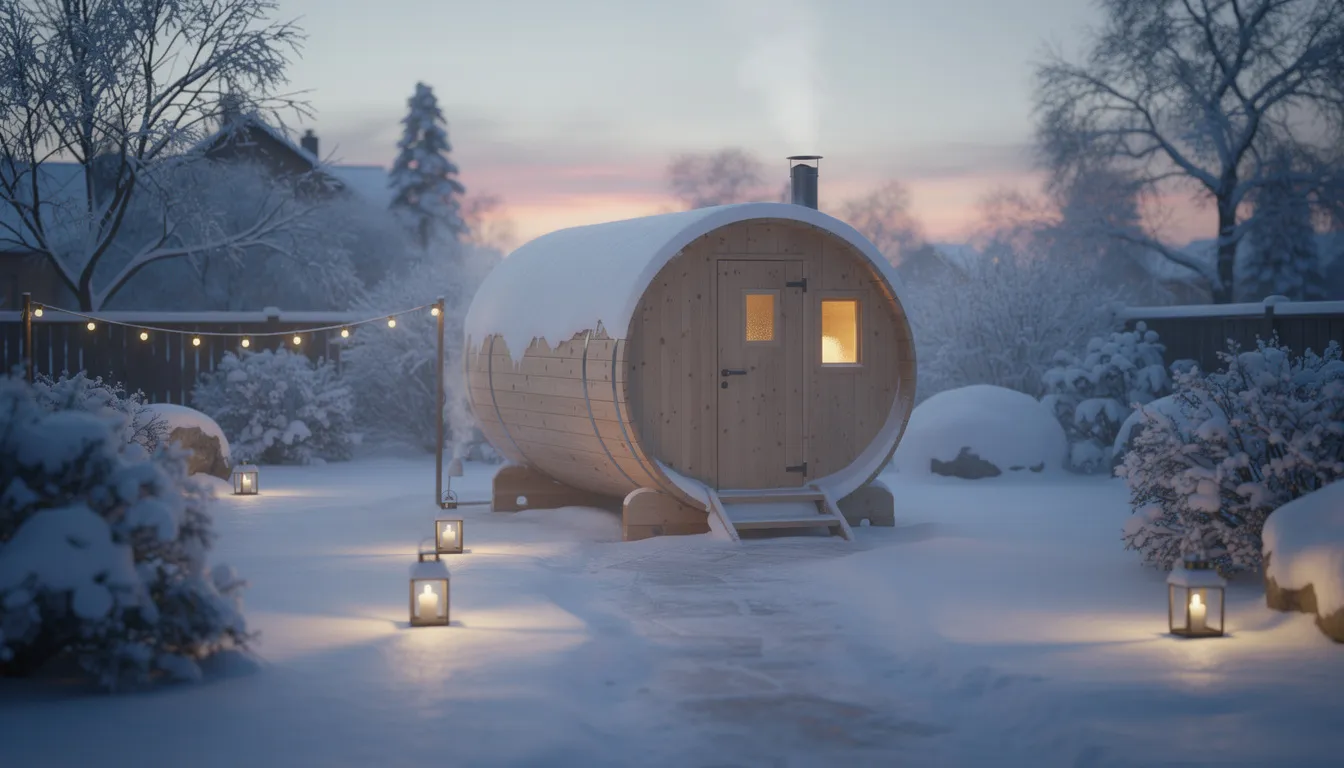
Imagine relaxing in your own backyard, stepping out of a steaming hot sauna into crisp night air, watching your breath mist against the stars. That's the outdoor sauna experience—part wellness routine, part unparalleled relaxation ritual.
Strong Sense of Escape
An outdoor sauna offers a mini spa cabin or retreat at the bottom of your garden. Walking those few meters from your house helps you mentally "leave" your daily stress behind and disconnect. This natural ambiance provides that retreat feeling you simply can't replicate indoors.
More Generous Space
Many outdoor cabins, barrel saunas, and pod designs accommodate seats for 4-8 people. This enables social sessions, family use, and authentic layouts with upper and lower benches at proper temperatures. The 2-3-person home sauna benefits expand significantly with outdoor installations.
Design Freedom
Barrel saunas, panorama glass ends, raindrop pods, and large front decks are all possible outdoors. These dramatic designs are rarely practical inside due to ceiling heights and layout constraints. Your backyard becomes a canvas for natural light and stunning architecture.
Natural Ventilation and Cool-Down
Stepping straight outside for cold air or a plunge tub delivers the classic hot-cold contrast popular in Nordic countries. This can feel more invigorating than indoor cool-downs, especially when compared to just a cold shower. The fresh air becomes part of the experience.
No Sacrifice of Indoor Space
Outdoor units preserve your interior living area—valuable in smaller homes where every square inch of space is already allocated to something essential. You get wellness benefits without losing a bedroom or bathroom.
Garden Focal Point
A well-built cedar or thermowood sauna, complete with exterior lighting and a stone path, can significantly enhance the backyard's appeal. It becomes a talking point when entertaining and adds character to your outdoor space. Discover the best home saunas with stunning designs.
What Are the Disadvantages of Outdoor Saunas?
Outdoor saunas deliver atmosphere and space, but they demand more planning around weather, utilities, and privacy—especially if you live in a built-up neighborhood or a region with extreme seasons.
Weather Dependency
Heavy rain, deep snow, or icy paths can discourage frequent use. If your sauna is located far from the house or requires crossing an unlit yard, you may skip sessions during harsh winters or stormy weather.
Exposure and Security
Your sauna and any stored accessories sit outside year-round. Consider installing locks, motion-activated lighting, and possibly cameras, depending on your specific area. This adds cost and planning that indoor units avoid entirely.
Privacy Challenges
Overlooked gardens, terraced housing, or nearby apartment buildings may require fences, privacy screens, hedges, or frosted glass to feel comfortable bathing with minimal clothing. The backyard retreat dream requires some setup.
More Demanding Exterior Maintenance
UV exposure, rain, and snow cause fading, cracking, and potential leaks if the exterior isn't regularly sealed and inspected. Outdoor infrared sauna warranty and materials quality become crucial. Outdoor saunas require more hands-on care than their indoor counterparts.
Utility Runs and Foundations
Most outdoor saunas require a level, stable base—such as a concrete pad, pavers, or a properly built deck—plus trenching for electrical cable. This significantly increases installation costs and lead times.
Climate Limitations
In very hot or very cold regions, heating times and energy usage can be higher outdoors. On a windy winter evening, your heater works harder and longer to reach the desired temperature, which can drive up your energy bills over time.
How Do Installation Factors Compare?
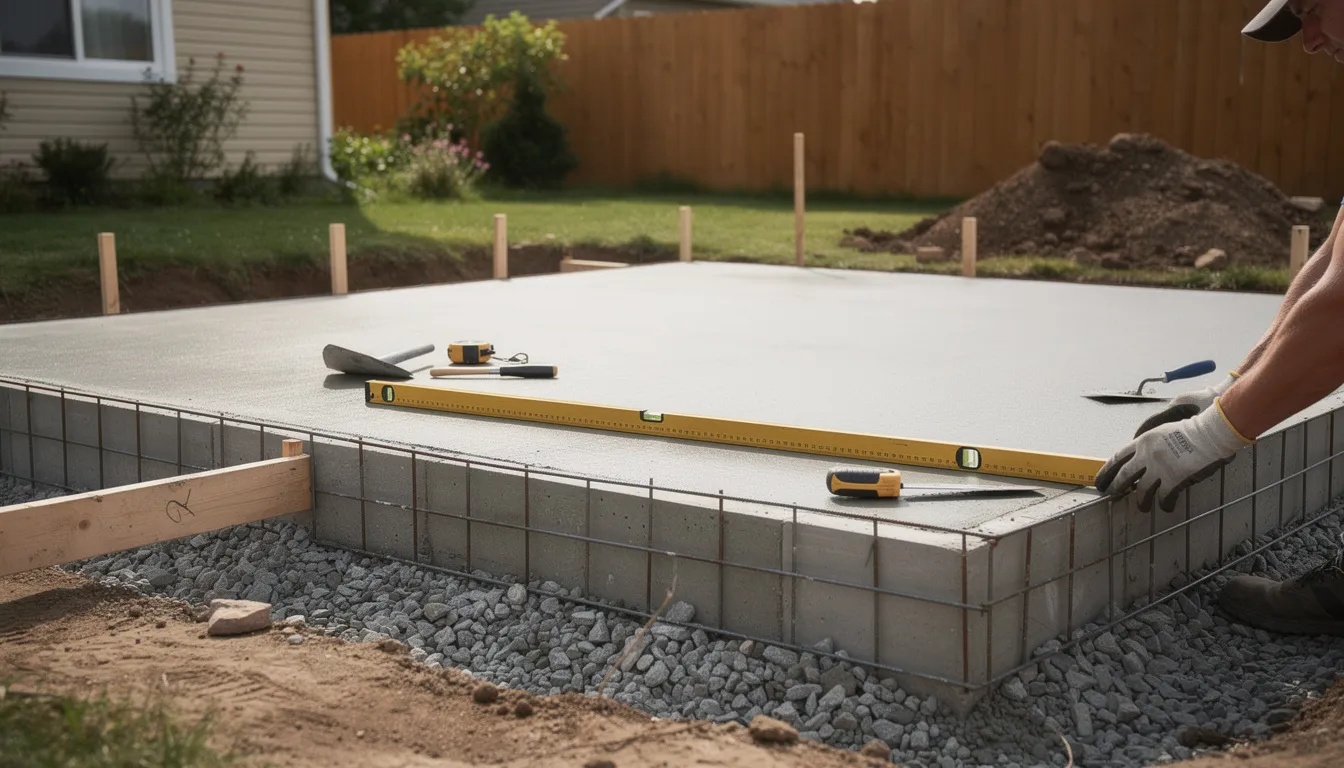
Installation for indoor and outdoor saunas unfolds differently, though both can use prefabricated kits designed for weekend assembly.
Indoor Installation Requirements
Choose a spot near existing wiring and, ideally, plumbing. You'll need to add a vapor barrier behind the walls, ensure a sufficient ceiling height (usually at least 7 feet or 2.1 meters), and verify that your electrical panel can handle a heater in the 4-9 kW range. Proper insulation between the sauna walls and your home structure is non-negotiable.
Outdoor Installation Requirements
Select a site with solid drainage, avoiding low spots that puddle after rain. Leave clearance around the structure for airflow and future maintenance. A wind-sheltered spot helps reduce heat loss and improves comfort during cool-downs. Understanding the requirements for home infrared sauna installation helps both locations.
Permits and Building Codes
Planning requirements vary by country and municipality. Many small prefab outdoor saunas under a certain square footage don't require full planning permission, but local electrical codes still apply for any installation. Always check before buying.
DIY Kits Vs Custom Builds
Both indoor and outdoor options come as prefabricated kits that can be assembled in one to two days by handy homeowners. Fully custom, site-built saunas—integrated into new extensions or bespoke garden buildings—take longer and cost more but offer complete control over design.
Professional Coordination
Typical trades involved include an electrician (required for both types), sometimes a plumber, and a carpenter or general contractor for structural work. Get quotes for both indoor and outdoor options before making your final decision.
What Maintenance Does an Indoor and Outdoor Sauna Require?
Basic sauna care is similar regardless of location: regular cleaning, occasional wood treatment, and heater checks. However, outdoor units face more environmental stress that demands extra attention.
Indoor Maintenance Focus
Keep benches and floors clean, ensure good post-use ventilation by leaving the door open, and periodically check that moisture isn't migrating into adjacent walls or ceilings. Use appropriate cleaners—avoid harsh chemicals that can damage sauna wood or leave residue.
Outdoor Maintenance Focus
Plan to seal or oil exterior wood every 1-2 years, depending on your climate. Clear debris from roofs regularly, and inspect for leaks, warping, or pest activity, especially after harsh winters. Durable materials help, but they still need care.
Heater and Electrical Checks
Both setups should have periodic inspections of heater stones (for traditional saunas), wiring connections, and control panels. Annual professional checks are wise, especially for high-wattage equipment.
Lifespan Expectations
Well-maintained indoor saunas can last 15-25 years or more. Outdoor saunas can match this lifespan, but only with consistent exterior care and weather protection. Neglect the exterior, and you'll see deterioration within a few years.
Insurance and Warranties
Some insurers treat detached outdoor structures differently from indoor renovations. Many sauna manufacturers also offer different warranty terms for indoor vs outdoor placement—read the fine print before purchasing.
How Do Costs Compare?
Upfront prices for similar-sized indoor and outdoor sauna kits are often comparable. However, site work and long-term energy and maintenance needs can significantly impact the total cost.
|
Cost Category |
Indoor Sauna |
Outdoor Sauna |
|
Kit/Build Cost |
$3,000-$12,000+ |
$4,000-$15,000+ |
|
Electrical Work |
$500-$1,500 |
$1,000-$3,000 (trenching) |
|
Foundation/Site Prep |
Usually included (existing floor) |
$500-$2,500 |
|
Annual Maintenance |
Lower (no exterior exposure) |
Higher (sealing, inspections) |
|
Energy Use |
Lower (stable ambient temp) |
Higher in cold/windy climates |
Upfront Investment
Budget for the sauna kit or custom build, electrical upgrades, any necessary foundation or decking for outdoor models, and potential remodeling for indoor installations (such as removing walls and adding ventilation). The infrared sauna price varies significantly based on size and features.
Operating Costs
Indoor saunas generally heat up faster and run slightly cheaper due to stable ambient temperatures. Outdoor saunas in cold climates may require 45-60+ minute pre-heat times on windy winter evenings, which can increase energy bills.
Impact on Home Value
A well-designed indoor unit can be viewed as a luxury upgrade for a home sauna. An attractive outdoor sauna can significantly enhance the perceived value of a garden. Poorly executed DIY jobs in either location may actually hurt resale appeal.
Long-Term Budgeting
Factor in ongoing maintenance products (wood oil, sealant, cleaners) and the cost of professional inspections every few years. These recurring costs add up over a decade of ownership.
Which Sauna Setup Is Best for You?
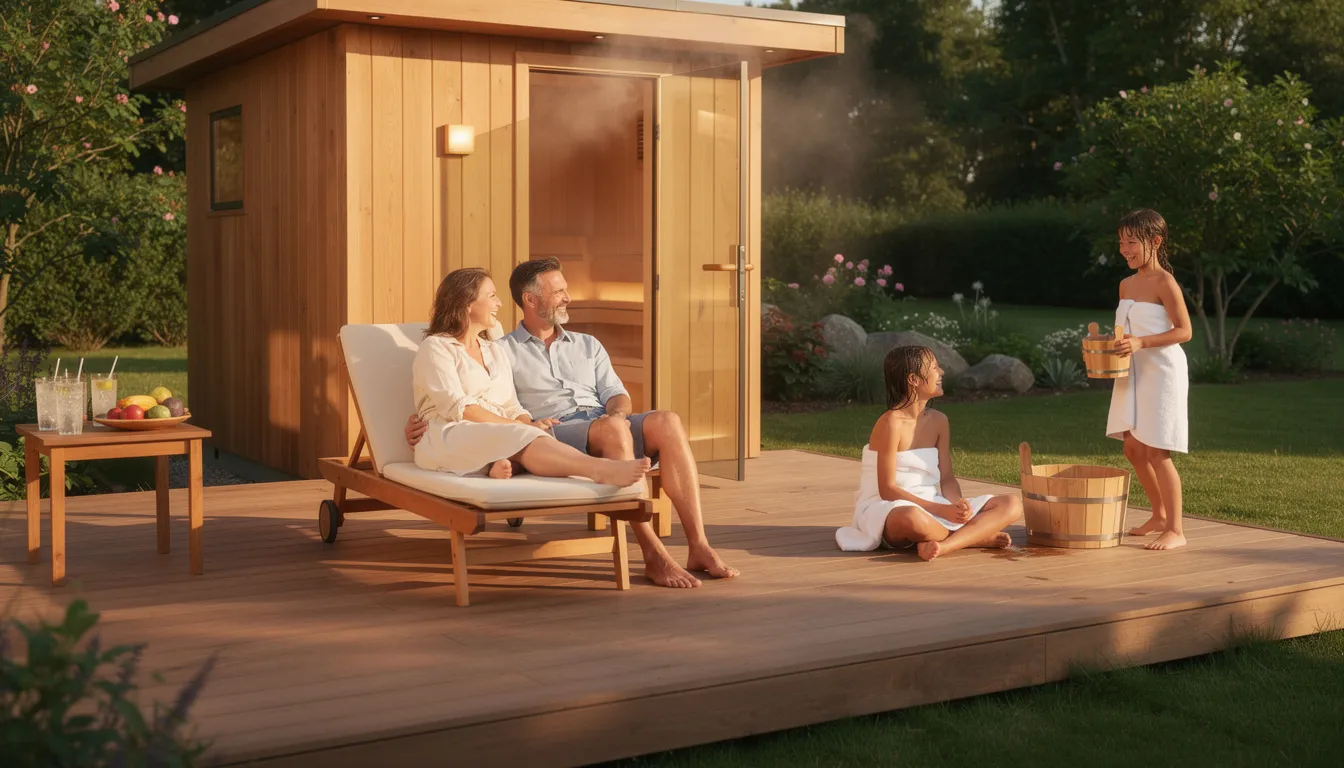
Both indoor and outdoor saunas deliver the health benefits you're after—improved circulation, stress relief, muscle recovery, and overall well-being. The decision should be based on your lifestyle, climate, and how you realistically plan to use the sauna every week.
Choose Indoor If You Have:
- Limited yard space or no outdoor area
- Privacy as a top priority
- Very cold or very wet winters
- Need for quick daily sessions before work or after the gym
- Easy access to existing bathrooms
- Preference for year-round accessibility without weather concerns
Choose Outdoor If You Want:
- A decent-sized garden or backyard space
- Nature immersion and starry-night cool-downs
- To host friends or enjoy family sessions
- To preserve interior square footage
- A spa-like retreat in your backyard
- The ritual of walking to a dedicated sauna space
Consider Your Climate
An outdoor sauna in Minnesota or Scotland might involve icy walks in January—exhilarating for some, discouraging for others. Meanwhile, a small indoor unit in a hot southern climate stays usable year-round.
Think About Usage Frequency
If you plan to have three to four 20-minute sessions per week, the sauna should be easily accessible and quickly heat up to the desired temperature. Personal preferences matter, but so does practicality. The right sauna is the one that removes the most friction from your wellness routine.
Test the Experience
Visit a spa, gym, or showroom that has both indoor models and outdoor units. Experiencing the difference in atmosphere before investing helps you make a confident choice. Compare options in person if possible.
Ready to make your choice? Contact our wellness specialists for personalized guidance on selecting the perfect sauna for your home.
FAQ
Is an indoor sauna safer than an outdoor sauna?
Both sauna types can be equally safe when installed in accordance with local electrical and building codes, provided that proper ventilation and heat-resistant materials are used. Indoor saunas demand strict moisture control to protect the surrounding home structure. Outdoor saunas require secure foundations, weather-rated wiring, and proper sealing to prevent moisture buildup. Neither is inherently safer—proper installation is what matters.
Can I convert an indoor sauna kit for outdoor use?
Most indoor kits aren't designed for full weather exposure and shouldn't be placed outside without a protective enclosure. Indoor models use lighter construction that can't withstand UV, rain, or temperature swings. Outdoor cabins typically feature heavier, more insulated walls than needed indoors. Purchase a model rated for your intended location to prevent premature deterioration or safety issues.
Do outdoor saunas work well in freezing climates?
Outdoor saunas are extremely popular in places with harsh winters, such as Finland, parts of Canada, and northern US states. They work well but may require longer pre-heat times and quality insulation. Invest in a well-sealed door, proper insulation, and a wind-sheltered placement to keep heat loss to a manageable level. Many enthusiasts consider the snow-and-steam contrast the ultimate sauna experience.
Will an indoor sauna make my house too humid?
With the correct vapor barriers, proper ventilation, and good habits (such as keeping the door closed during sessions and airing out the room afterward), an indoor sauna shouldn't cause problematic humidity levels. Poorly planned installations, however, can lead to condensation, mold, and damage to adjacent spaces. Professional advice during planning prevents most moisture issues.
How close should an outdoor sauna be to the house?
Place outdoor saunas close enough for comfortable year-round access—typically 10-30 feet from your door—with a clear, non-slip path and adequate lighting. Being slightly further away enhances the "retreat" feeling. However, very long walks across dark, icy yards in bad weather will reduce the frequency with which you actually use it. Balance ambiance with practicality based on your climate.