

The relationship between sauna use and quality sleep has fascinated researchers for years. Many people report significantly better rest after regular evening sessions.
Research demonstrates that sauna therapy creates optimal conditions for deep sleep. Let's explore the science behind this natural sleep enhancement method.
Key Takeaways
- Sauna sessions improve sleep by raising core temperature, followed by cooling that promotes relaxation and melatonin production
- Evening sauna use enhances muscle relaxation and reduces stress, making it particularly effective for improving sleep quality
- Sessions should last 15-20 minutes and be scheduled 1-2 hours before bedtime with proper cooling afterwards
How Do Saunas Affect Sleep Quality?
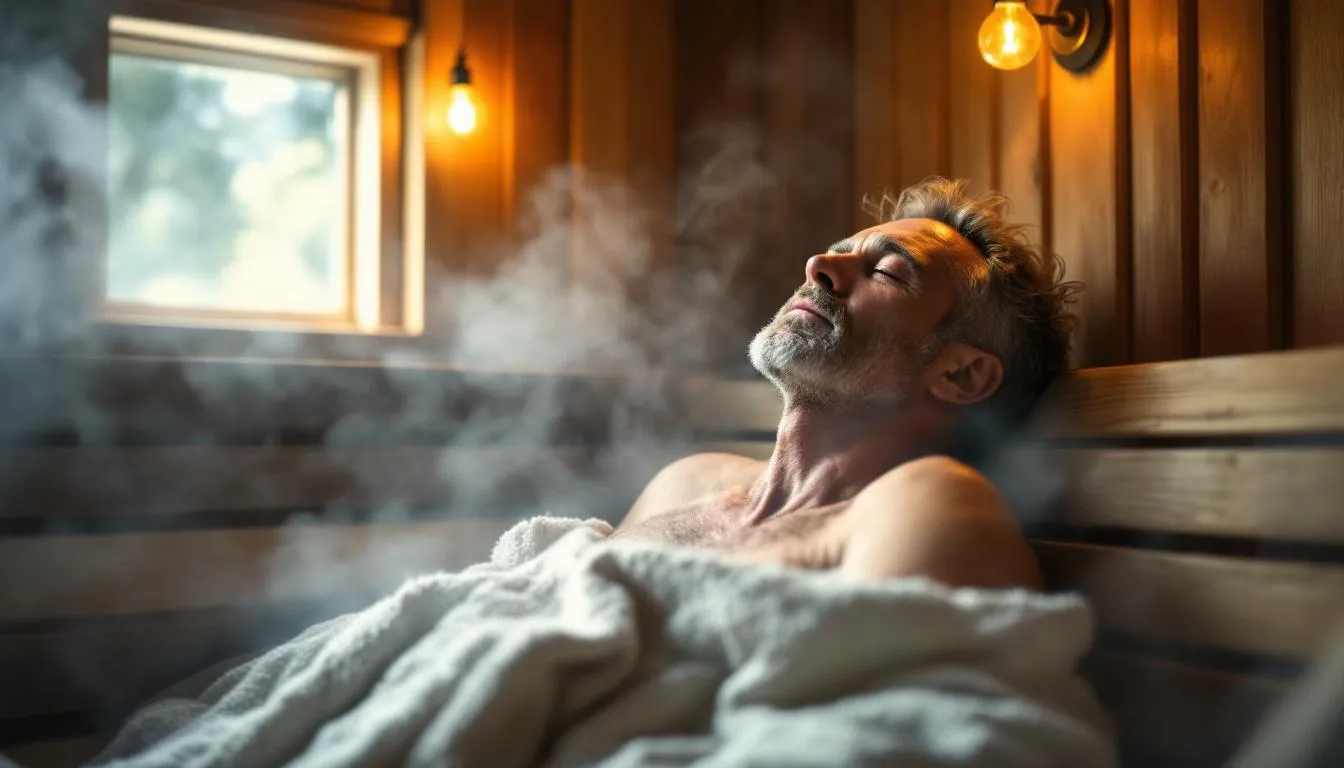
The connection between sauna sessions and sleep is well-documented scientifically. Many users report an improvement in sleep quality following their experiences.
This relationship stems from physiological changes during and after sessions. When you use a sauna, your core body temperature rises significantly.
This increase is followed by a natural cooling phase afterwards. Studies show that this cooling signals to your brain that sleep time approaches.
The cooling effect promotes sleep by lowering core body temperature. This temperature drop is critical for natural sleep onset.
Moreover, sauna therapy enhances sleep quality through multiple mechanisms. It increases deep sleep stages and promotes the release of melatonin.
Melatonin is the body's natural sleep hormone. This combination of temperature regulation and hormonal balance works perfectly.
It creates an optimal environment for achieving restful sleep. Let's explore body temperature regulation and melatonin production more deeply.
Discover our collection of the best infrared saunas to start your sleep improvement journey.
What Happens to Body Temperature During Sauna Use?
When you step into a sauna, heat exposure raises core temperature. This rise often reaches significantly high temperatures quickly.
The temperature increase triggers various physiological responses throughout your body. The increased blood flow and sweating help cool the body.
This cooling happens once you leave the sauna environment. The dry heat environment creates ideal conditions for this process.
The cooling phase is crucial for sleep preparation. It signals to your brain that sleep time approaches.
This helps you fall asleep more easily and naturally. Cooling down after sessions lowers your core body temperature effectively.
This helps facilitate sleep onset and enhances overall sleep quality. As your body cools, it naturally prepares for rest.
It does this by promoting muscle relaxation throughout. Reducing stress sets the stage for restful nights ahead.
How Do Saunas Boost Melatonin Production?
Melatonin plays a crucial role in sleep regulation. Often referred to as the sleep hormone, it regulates the body's circadian rhythms.
Sauna use can naturally stimulate melatonin production. This enhances natural sleep patterns significantly.
It helps you fall asleep more easily each night. Additionally, it positively influences other sleep-inducing hormones.
Heat exposure in saunas stimulates the release of melatonin. This increase helps you fall asleep faster at night.
It also substantially improves overall sleep quality. Supporting deeper, more restorative sleep stages becomes easier.
The melatonin boost creates lasting improvements. Your sleep cycle becomes more consistent over time.
What Benefits Do Evening Sauna Sessions Provide?
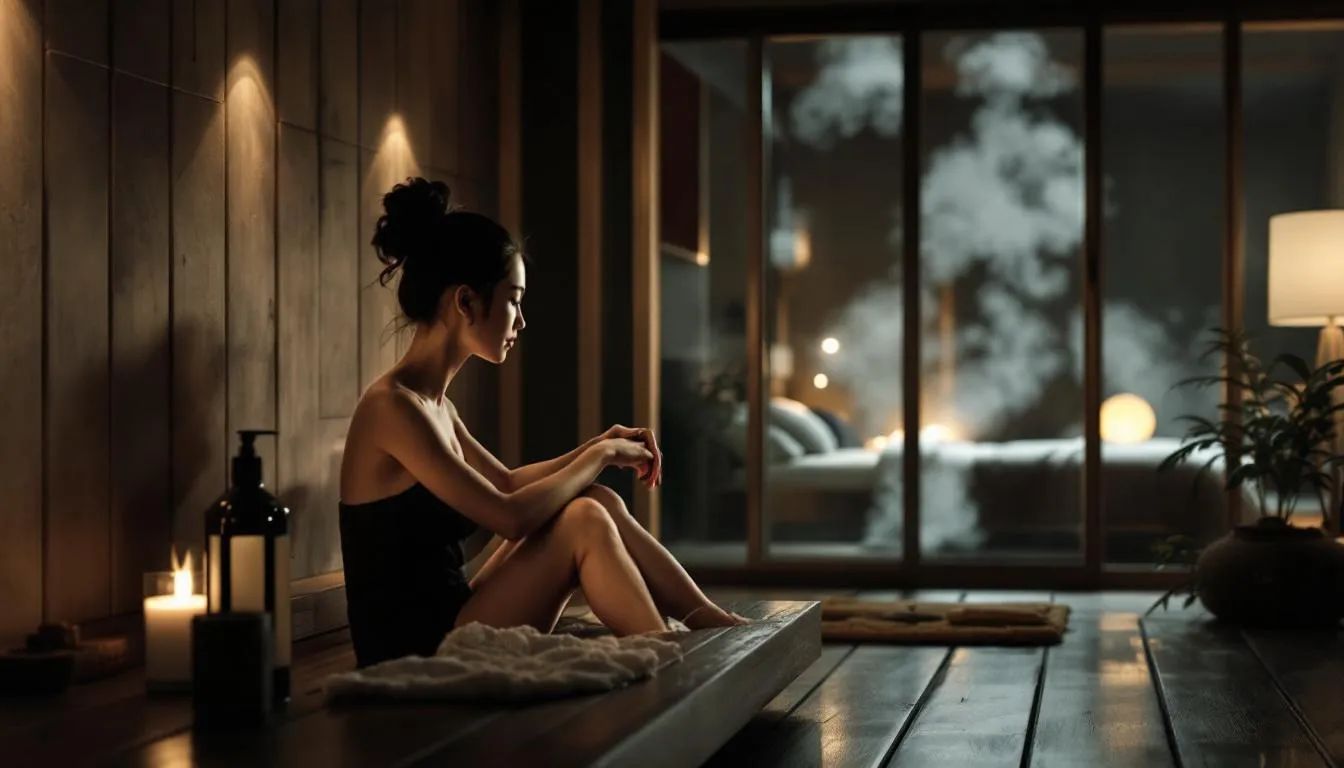
Using a sauna before bedtime helps create ideal conditions for sleep. Evening sessions enhance relaxation and promote natural cooling.
Evening sauna sessions are particularly beneficial for preparing for sleep. They align with the body's natural winding-down process.
They help lower stress levels throughout your body. Preparing the body for restful sleep becomes effortless.
The cumulative effects of relaxation work together in a powerful way. Cooling and stress reduction result in improved sleep quality.
The heat from saunas significantly alleviates sore muscles. Clinical evidence shows this aids in recovery and relaxation.
This is particularly beneficial when your body prepares to rest. Increased blood circulation delivers more oxygen to muscles.
It also delivers essential nutrients to tired tissues. This helps reduce soreness and promote deep relaxation.
Evening sessions prepare your body perfectly for sleep. Promoting relaxation and lowering body temperature sets the stage.
This creates conditions for truly restful nights. You'll wake up feeling refreshed and rejuvenated.
Explore home sauna wellness solutions at Home Sauna for better sleep tonight.
Can Saunas Reduce Stress Before Bed?
Regular sauna sessions have been shown to reduce cortisol levels. Cortisol is the hormone associated with stress responses.
This reduction helps manage stress effectively before bed. The calming environment of a sauna promotes deep relaxation.
This leads to improved mood and overall well-being. Reducing stress and promoting relaxation together enhances sleep quality.
Evening sessions prepare the body optimally for rest. This mood enhancement supports better sleep patterns naturally.
Overall health improves with consistent evening sauna use.
How Do Evening Saunas Improve Sleep Quality?
Incorporating sauna therapy into your evening routine can significantly enhance sleep. It promotes a deeper state of relaxation naturally.
Frequent sauna use allows for relaxation states. These states prepare the body for restful nights ahead.
They improve overall sleep patterns substantially over time. Evening sessions can enhance deep sleep stages, particularly.
Deep sleep is crucial for recovery and restfulness. The cumulative benefits of regular evening use are remarkable.
They lead to substantial improvements in sleep quality. You'll wake up feeling more refreshed daily. Rejuvenation becomes a natural part of your routine.
When Should You Use a Sauna for Better Sleep?

Timing and duration play crucial roles in maximizing benefits of the best home saunas. Proper scheduling ensures you get the best sleep results.
What's the Ideal Time for Evening Sauna Sessions?
To maximize sleep benefits, timing matters greatly. Sauna sessions should ideally occur 1-2 hours before bedtime.
This allows for the cooling phase naturally and signals the body it's sleep time.
Completing a session at least 30 minutes before bed is essential. This ensures the body has enough time to cool.
It can then prepare properly for restful sleep. Evening sauna sessions are generally recommended for best results.
They align well with the body's natural winding down. The best time for evening use is typically between 6 to 9 p.m.
This timing supports relaxation and enhances sleep quality. Your sauna experience is maximized at these hours.
Evening sessions help your body prepare perfectly. They promote relaxation and reduce stress effectively.
How Long Should Evening Sauna Sessions Last?
For optimal results, evening sessions should last 15 to 20 minutes. This duration is sufficient to raise core temperature.
It promotes relaxation without causing excessive heat exposure. Spending about 20 minutes in a 176-degree Fahrenheit sauna works best.
This maximizes health benefits for restful sleep. The duration strikes the perfect balance for sleep preparation.
Your body gets enough heat exposure without overheating. This timing has been validated through numerous studies.
Consider exploring ideal sauna temperature settings for maximum benefits.
How Should You Cool Down After Sauna Use?

Cooling down after sessions is crucial for sleep signals. The increase in body temperature followed by cooling prepares you.
What Are the Best Cooling Methods?
Giving yourself time to relax during cooldown is essential. This period after leaving the sauna enhances sleep quality.
Effective cooling methods include cold water immersion. Cold showers work wonderfully for this purpose.
Targeted cooling using palms, feet, and face helps greatly. Using a mist shower helps cool off slowly.
This allows comfortable cooling after sauna sessions. Traditional methods include cold plunge pools for cooling.
These should be used after a preliminary cool-off period. Cooling should start from the extremities first.
Gradually move towards the core for effective heat loss. This ensures your body prepares properly for sleep.
How Does Cooling Affect Sleep Quality?
Proper cooling actively supports natural temperature regulation. This regulation is essential for quality sleep.
Cold exposure immediately after sauna use can disrupt cooling. This disruption makes it harder to fall asleep.
Allowing your body to cool gradually facilitates sleep better. Lowering your core body temperature ensures quality rest.
A good night's sleep becomes the natural result. Improved sleep quality follows proper cooling protocols consistently.
What Hydration and Safety Tips Should You Follow?
Proper hydration is crucial before, during, and after sessions. This prevents dehydration and ensures safe experiences.
Why Is Staying Hydrated Important?
Drinking a liter of water before sessions helps prepare. Medical experts recommend this improves blood volume significantly.
New sauna users should consult healthcare providers first. This ensures it's safe for them to use saunas.
Staying hydrated is essential for safe sauna experiences. Dehydration can lead to several risks during sessions.
These include thirst, headaches, and muscle cramps. Confusion can also occur during sauna sessions.
To prevent dehydration, drink plenty of water beforehand. Also drink water after sauna sessions consistently.
Staying well hydrated before, during, and after is key. This allows you to enjoy benefits without adverse effects.
What Safety Precautions Should You Take?
To ensure safety during sauna use, follow these guidelines. Avoid drinking alcohol and drugs before using saunas.
Monitor for signs of dehydration carefully throughout. These include dizziness and dark urine coloration.
New users or those with existing health conditions need caution. They should consult healthcare providers before starting therapy.
Staying hydrated throughout the process is crucial. This prevents dehydration and ensures safe, enjoyable experiences.
Proper precautions allow you to maximize benefits safely. Following guidelines ensures positive outcomes every time.
What Other Health Benefits Do Saunas Provide?

Regular use of the best home sauna offers benefits beyond improved sleep. Multiple health advantages come from consistent sessions, including cardiovascular health and pain relief.
How Do Home Saunas Improve Cardiovascular Health?
Regular sauna use promotes relaxation and reduces stress naturally. It triggers the release of endorphins throughout your body.
Studies show it conditions responses to stress effectively. Sauna therapy improves anxiety levels through its calming nature.
It provides tranquil experiences that support mental health. Regular sauna therapy offers several cardiovascular health benefits.
It improves cardiovascular health and reduces heart disease risk. Boosting heart health helps maintain healthy blood pressure.
Frequent sauna bathing has been shown to reduce stroke risk. This reduction can be as high as 61% with regular use.
It mimics the physiological changes that occur during exercise. Using saunas regularly significantly enhances cardiovascular health.
Overall well-being improves, potentially reducing cardiovascular events. The heart health benefits make regular use worthwhile.
How Do Home Saunas Provide Pain Relief?
Sauna bathing can improve muscular and joint pain effectively. Conditions like arthritis and fibromyalgia respond well.
Research demonstrates heat exposure significantly reduces pain. This helps conditions like fibromyalgia tremendously.
Regular sauna sessions improve chronic tension-type headaches, too. Incorporating regular sessions into consistent routines provides significant relief. This enhances your overall quality of life substantially.
Infrared saunas can be an essential part of this routine. They offer unique benefits for pain management.
Summary
Incorporating evening sauna sessions into your routine transforms sleep quality. The combination of relaxation, stress reduction, and temperature regulation works perfectly.
Optimal timing and duration matter for maximizing benefits. Proper cooling down and staying hydrated are crucial elements.
Regular sauna use also offers additional health advantages. These include improved cardiovascular health and effective pain relief.
Embrace the tranquility of evening sauna sessions to enjoy quality sleep and overall well-being improvements.
Science supports evening sauna use for better rest. Your body will thank you for this natural sleep solution.
Ready to transform your sleep quality? Contact us today to inquire about your sauna options or for personalized guidance on finding one.
Frequently Asked Questions
Is It Better to Sauna in Morning or Evening?
Choosing between morning or evening sessions depends on your goals. Morning sessions enhance metabolism and boost productivity throughout the day.
Evening sessions promote relaxation and improve sleep quality. Research suggests evening use aligns with natural circadian rhythms.
For sleep improvement specifically, evening sessions work best. They prepare your body for rest more effectively.
The timing allows temperature regulation to support sleep. Choose based on your primary wellness goals.
How Long Before Bedtime Should You Use a Sauna?
To optimize sleep, use a sauna 1-2 hours before bedtime to allow proper cooling time. Your body needs time to cool down appropriately. This cooling phase signals that sleep time approaches.
Completing sessions at least 30 minutes before bed is essential. This ensures adequate cooling and preparation for rest.
The timing maximizes the sleep-promoting benefits significantly. Your body temperature reaches optimal levels for sleep.
How Long Should Evening Sauna Sessions Last?
For optimal results, evening sessions should last 15 to 20 minutes. This duration allows for relaxation and health benefits.
It provides adequate heat exposure without overdoing it. The time frame has been validated through research.
Spending about 20 minutes at 176 degrees Fahrenheit is ideal. This temperature and duration combination maximizes benefits.
Your body gets enough stimulus for sleep preparation. The benefits occur without excessive heat stress.
What Are the Best Cooling Methods After Sauna?
The best cooling methods include cold water immersion. Cold showers work effectively for temperature reduction.
Gradually cooling the body starting from extremities is important. Traditional practices recommend this approach for best results.
This technique effectively lowers your body temperature safely. It prepares your body optimally for sleep.
Implementing these techniques will help you cool down properly. Your sleep quality will improve with proper cooling.
Why Is Hydration Important During Sauna Use?
Hydration is essential during sauna use to prevent dehydration. Dehydration can cause headaches and muscle cramps.
Medical research shows it can also cause confusion during sessions. Ensuring adequate fluid intake maintains your well-being.
Drink plenty of water before and after sessions. This helps you enjoy the sauna safely.
Proper hydration enhances the benefits you receive. Your body functions optimally when properly hydrated.
Which Is Better Indoor or Outdoor Sauna for Sleep?
Both indoor infrared saunas and outdoor saunas offer equivalent sleep benefits. The choice depends on your space and lifestyle preferences.
Indoor saunas provide year-round convenience and climate control. They're easily accessible regardless of weather conditions outside.
Outdoor saunas offer a unique connection to nature. They don't consume interior living space in your home.
For sleep benefits, consistency matters most. Outdoor infrared vs indoor infrared sauna debate focuses on convenience factors.
Both deliver the same sleep quality benefits effectively. Consider weatherproof outdoor infrared sauna models for durability.