

Sauna aromatherapy transforms a simple heat session into a complete sensory wellness ritual. The practice combines therapeutic essential oils with traditional or infrared heat to enhance relaxation, support breathing, and elevate mood. The warmth helps volatile aromatic molecules disperse quickly, making scents more potent and effective.
This guide covers everything from selecting the right oils to proper dilution methods and safety precautions. Whether you own the best home sauna or visit commercial facilities, you'll learn how to safely and effectively integrate aromatherapy into your wellness routine.
Key Takeaways
- Sauna aromatherapy combines the therapeutic use of essential oils, such as eucalyptus, lavender, and citrus, with traditional or infrared sauna heat to enhance relaxation, support easier breathing, and elevate mood.
- Essential oils must always be diluted in water before adding to sauna stones or mixed with a carrier oil for topical use. Pouring undiluted oils directly onto hot stones creates fire risk, produces irritating fumes, and can damage your heater.
- The main benefits include stress relief, improved sleep preparation, enhanced respiratory comfort, improved circulation, and a more enjoyable, personalized sauna experience, whether at home or in commercial spas.
- Not all essential oils are suitable for use in high-heat environments. Purity matters. Use only 100% natural essential oils from reputable brands.
- Correct dosage (typically 3 to 10 drops per session, depending on sauna size) and awareness of personal sensitivities are essential.
- For safe sauna aromatherapy, use mild oils like lavender or sweet orange in well-ventilated sessions lasting 10-20 minutes, and consult a doctor if you are pregnant or have a medical condition.
What Is Aromatherapy and How Does It Work in Saunas?
Aromatherapy is the therapeutic use of highly concentrated plant extracts, known as essential oils. These oils are derived from various sources, including flowers, leaves, bark, roots, seeds, and wood. They're inhaled or applied topically in diluted form to support mental and physical well-being.
When you bring aromatherapy into the sauna, you combine two ancient wellness traditions into one powerful experience. The best infrared sauna for home wellness complements a carefully selected blend of essential oils perfectly.
How Heat Enhances Essential Oil Effectiveness
Sauna heat plays a crucial role in the effectiveness of essential oils. In a traditional Finnish sauna (typically 70 to 100°C / 158 to 212°F) or a lower-temperature infrared sauna indoor 2-person unit (45 to 60°C / 113 to 140°F), the warmth causes volatile aromatic molecules to evaporate rapidly.
This amplified dispersion means you experience the natural aroma more intensely than you would at room temperature. The scent fills the cabin quickly and completely.
The Brain Connection: How Scents Affect Mood
When you inhale these scent molecules, they travel through your olfactory nerve directly to the limbic system. This is the brain's emotional center. This pathway influences mood, relaxation, alertness, and perceived stress levels almost immediately.
For example, lavender essential oil is known to signal calmness and relaxation. Peppermint oil sharpens focus and creates a refreshing sensation. Research on aromatherapy and brain function shows these effects are measurable in brain activity.
The warm, humid sauna environment also slightly dilates your airways and blood vessels. This physiological response can enhance both the perceived effect of certain scents and the comfort of breathing oils, such as eucalyptus.
Different Application Methods for Different Sauna Types
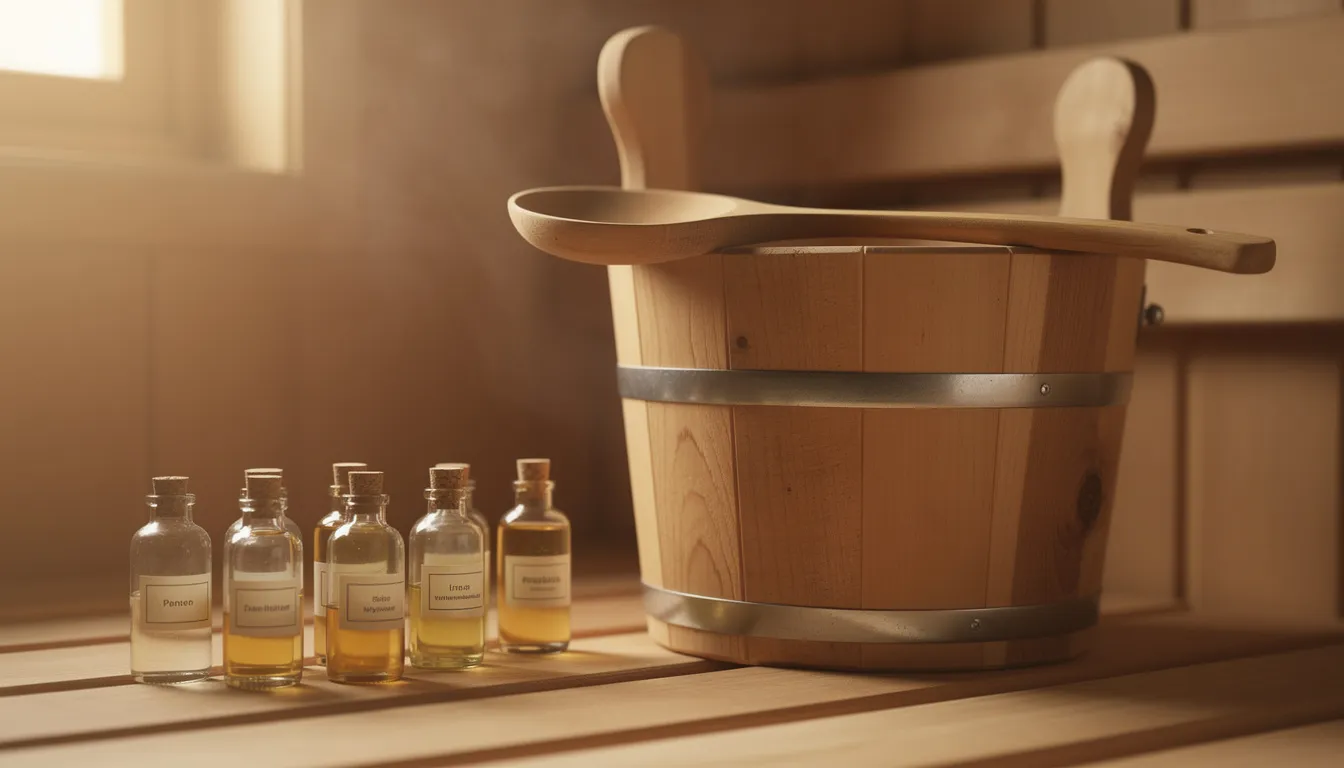
In classic stone saunas, oils are typically added to the ladle of water poured over hot stones. This is the traditional löyly steam infusion. In infrared saunas, where there are no stones or steam, you can use heat-safe bowls of scented water.
Some people also apply well-diluted oils topically before or after sessions using a carrier oil like jojoba or sweet almond. The infrared sauna health benefits combine naturally with aromatherapy for enhanced wellness.
What Are the Health Benefits of Sauna Aromatherapy?
Both regular sauna use and carefully chosen essential oils have been studied for their potential wellness effects. Combining them is particularly popular in Nordic countries, throughout Europe, and is increasingly so in North America. The practice transforms a simple heat session into a multi-sensory ritual.
Stress Relief and Mood Enhancement
Research published in complementary medicine journals has shown that inhaling lavender and eucalyptus can help reduce cortisol levels and promote relaxation. When you pair this with the naturally calming effect of a 15- to 20-minute sauna session, the result can feel deeply restorative.
Small studies have also linked bergamot aromatherapy with lower perceived anxiety. This makes citrus oils a popular choice for reducing stress.
The nervous system responds to both the heat-induced muscle relaxation and the aromatic signals reaching the brain. This dual approach to relieving stress creates a synergistic effect that many users find more powerful than either practice alone.
Cardiovascular and Circulation Support
Swedish research has linked regular sauna use to long-term health benefits, including a reduced risk of hypertension and improved overall vitality. The heat naturally increases heart rate and blood circulation, mimicking the effects of light cardiovascular exercise.
Adding warming oils, such as black pepper or rosemary, to your sauna session can enhance the sensation of vitality. Many users associate these stimulating scents with improved energy and a feeling of enhanced blood flow, particularly after physical activity.
Respiratory Comfort and Breathing Support
Eucalyptus, pine, and peppermint are the classic choices for supporting respiratory health during sauna sessions. These oils create what users describe as an "opening" sensation in the nose and upper airways.
This makes each breath feel clearer and deeper. The combination of warm, humid air and these refreshing oil choices can help you feel more comfortable when dealing with seasonal congestion or stuffiness.
However, aromatherapy is not a replacement for medical treatment of asthma, infections, or chronic lung disease. It's a complementary comfort measure. The benefits of infrared sauna for athletes include improved breathing capacity, which aromatherapy can enhance.
Antimicrobial Properties for Cleaner Spaces
Laboratory research has shown that tea tree, thyme, and eucalyptus oils possess antimicrobial properties on surfaces and in controlled settings. While the sauna isn't a sterile environment, using oils with antibacterial and antiseptic properties may contribute to a fresher, cleaner-smelling space.
Many essential oils used in saunas possess these antibacterial properties. This is one reason spas and wellness centers have embraced sauna aromatherapy as part of their hygiene and ambiance protocols.
A Note on Scientific Evidence
Scientific evidence specifically on the use of essential oils in high-heat sauna settings remains limited. While preliminary studies on mood improvement, immune system support, and cortisol reduction are encouraging, larger clinical trials are still needed.
Treat aromatherapy as a complementary wellness practice that enhances your sauna experience. Don't view it as a primary medical intervention.
Which Essential Oils Work Best in Saunas?
Some essential oils excel particularly well in hot, humid air due to their distinctive aroma profiles and user-friendly effects. The key is using only 100% pure essential oils from trusted brands.
Synthetic fragrance oils simply don't deliver the same benefits. They may produce irritating fumes when heated. Below, you'll find profiles of the best essential oils for different moods and purposes.
Eucalyptus: The Classic Sauna Aroma
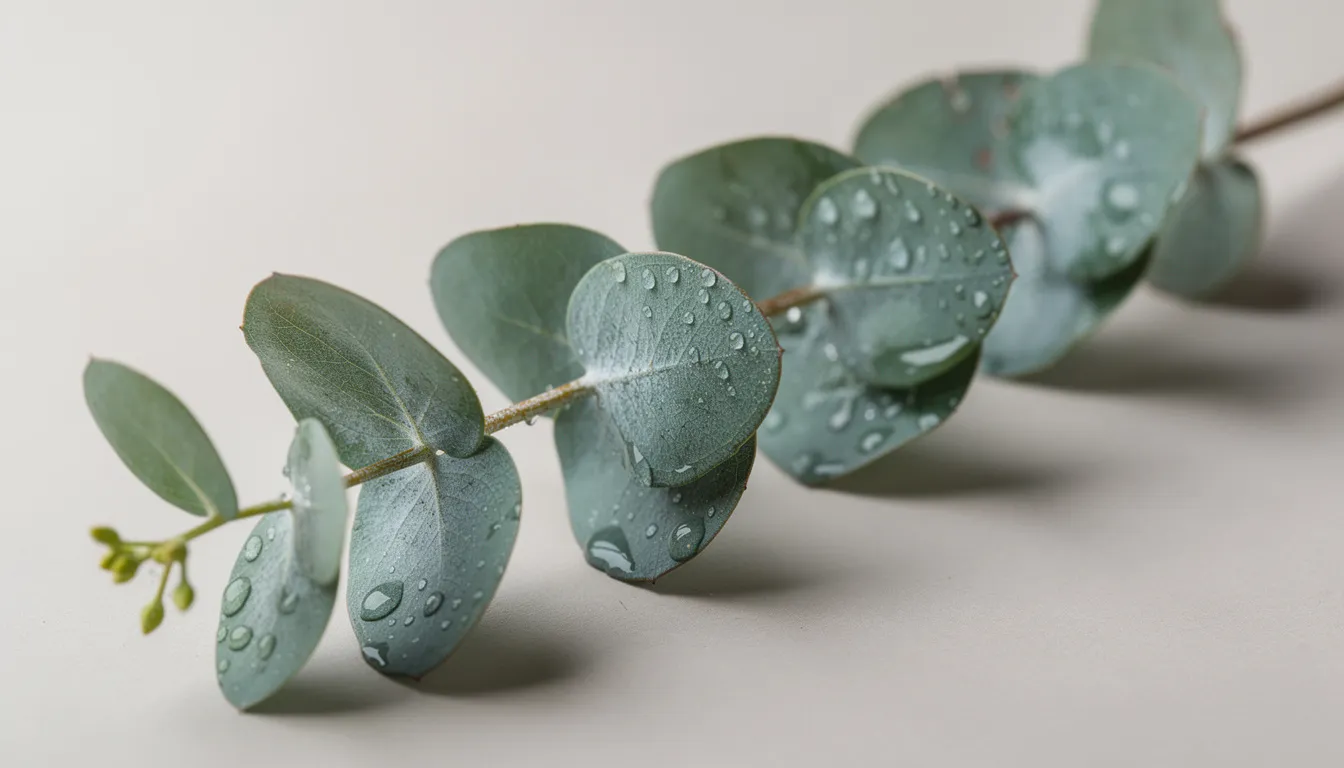
Eucalyptus is one of the most classic sauna aromas in Nordic-style spas. Its sharp, camphor-like scent feels surprisingly cooling when inhaled, even in intense heat.
- Aroma profile: Fresh, minty, camphoraceous with a clean, medicinal quality.
- Main benefits: Creates a "clearing" sensation in the nose, sinuses, and upper chest. Particularly popular during winter months and allergy season.
- Best timing: Morning or daytime sessions for a crisp, awakening feel.
- Pairing suggestion: Combine with simple deep-breathing exercises on the bench.
Individuals with asthma, chronic lung disease, or fragrance sensitivity should start with very small amounts. Or consult a healthcare professional before using this invigorating scent.
Lavender: Evening Relaxation Essential
Lavender essential oil is floral, herbaceous, and universally beloved for creating a gentle, spa-like atmosphere. It's the go-to choice for evening relaxation.
- Aroma profile: Soft floral with herbaceous undertones. Sweet but not overpowering.
- Main benefits: Supports the calming effect on the nervous system. Eases anxiety and tense muscles. Promotes deeper post-sauna sleep.
- Best timing: Evening or pre-bed sauna sessions.
- Pairing suggestion: Combine with slightly lower sauna temperatures and dim lighting for a slow, meditative ritual.
High doses of lavender can be overwhelming in the confined space of a sauna cabin. Start with 3 to 5 drops per bucket of water as a baseline and adjust from there.
Peppermint: Mental Clarity and Energy
Peppermint essential oil delivers a cool, menthol-rich aroma that creates both refreshing and mentally clarifying sensations. This strikes a striking contrast to the enveloping sauna heat.
- Aroma profile: Intensely minty, sharp, cooling.
- Main benefits: Boosts mental clarity and focus. Helps relieve headaches and tension. Provides an energizing "reset" feeling.
- Best timing: After exercise for recovery, or morning sessions when you need to be alert.
- Pairing suggestion: Short, intense sauna rounds followed by a cold shower.
Peppermint oil can irritate eyes and airways in high concentrations. Keep dosing conservatively. Two to three drops are often enough. Avoid using it with small children.
Spearmint is a softer alternative with a sweeter aroma that some find more pleasant in compact spaces.
Citrus Oils: Uplifting and Mood-Boosting

Sweet orange, lemon, and grapefruit bring bright, uplifting scents that can elevate mood. They make the sauna feel more "sunny" and cheerful.
- Aroma profile: Fresh, sweet, zesty. Immediately recognizable and pleasant.
- Main benefits: Mood enhancement. Mental clarity. Mild antibacterial properties. Sinus clearing.
- Best timing: Social sauna sessions or midday breaks when you want to feel energized rather than sleepy.
- Pairing suggestion: Orange plus cedar wood creates a warm, "woodland spa" feel.
Citrus oils can oxidize quickly and may become more irritating if old or poorly stored. Use fresh, recently opened bottles. Keep the total drop count low in the first trials.
Tea Tree: Cleansing and Antimicrobial
Tea tree oil is a potent, medicinal-smelling oil valued for its cleansing properties. Wellness centers and spas often utilize it for its antimicrobial properties.
- Aroma profile: Strong, medicinal, slightly camphoraceous.
- Main benefits: Antiseptic properties contribute to a fresher, more hygienic-feeling environment. Can be added to cleaning routines.
- Best timing: During cold and flu season, or when the sauna needs a deep-clean feel.
- Pairing suggestion: Combine with softer oils, such as lavender or lemon, to balance the intensity.
Tea tree's strong scent is polarizing. Some love it, others find it overwhelming. Keep total dosage low because tea trees can cause irritation in sensitive individuals, especially in enclosed, heated spaces.
Warming and Woody Oils for Grounding
Black pepper essential oil is gently spicy and warming. It's often chosen by athletes and people with physically demanding jobs for post-workout sauna sessions.
- Aroma profile: Warm, spicy, grounding (black pepper). Fresh, forest-like (pine). Woody, slightly sweet (cedar wood).
- Main benefits: Stimulates blood circulation and perspiration. Supports muscle recovery. Creates a cozy, cabin-in-the-woods atmosphere.
- Best timing: Autumn and winter evenings for a grounding, reflective mood.
- Pairing suggestion: Tiny amounts of black pepper blended with citrus or lavender create a sophisticated, layered fragrance.
Pine oil and cedar wood are staples for recreating an outdoor Nordic experience inside your sauna. These woody scents pair exceptionally well with quiet reflection and longer, slower sessions.
How Do You Use Essential Oils Safely in Different Sauna Types?
Before you start using essential oils in your sauna, understand that different sauna types require slightly different aromatherapy methods. Whether you have a traditional Finnish sauna with hot stones, a steam room, or an outdoor infrared sauna, safety always comes first.
Critical safety rule: Essential oils must never be poured undiluted directly onto hot sauna stones or heater elements. Undiluted oils are flammable and can produce toxic smoke that irritates eyes, skin, and airways.
General Dilution Guidelines
|
Sauna Size |
Drops of Essential Oil |
Water Volume |
|
Small (4-6 m²) |
3-4 drops |
1 liter |
|
Medium (6-8 m²) |
5-6 drops |
1-1.5 liters |
|
Large (8-10 m²) |
6-10 drops |
1.5-2 liters |
Typical aromatherapy sauna sessions last 10 to 20 minutes, with 1 to 3 rounds and cooling breaks in between. Stay hydrated throughout.
After using aromatherapy, briefly air out the sauna cabin. This prevents lingering, overpowering scents in the wood.
Traditional Finnish or Dry Sauna with Stones
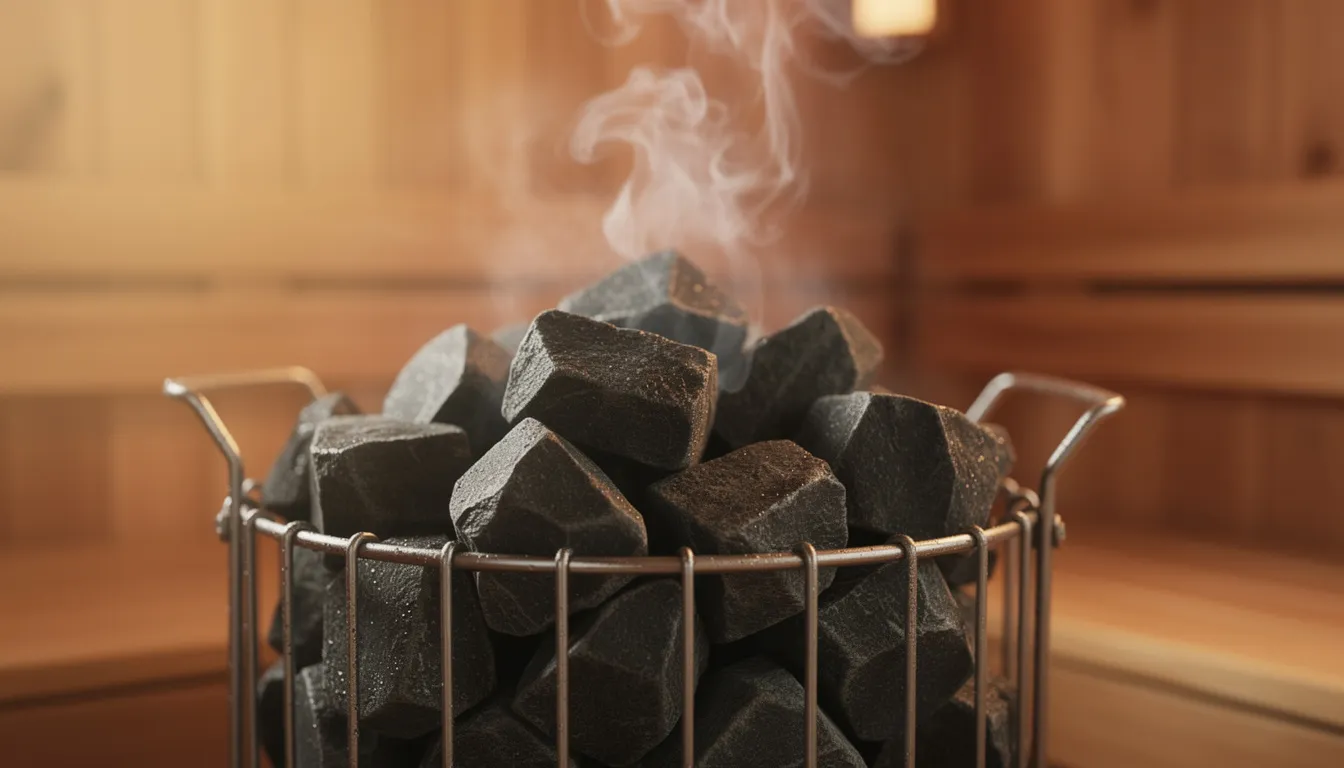
The classic setup features an electric or wood-burning heater with a pile of sauna stones. You'll also need a wooden bucket filled with water and a ladle for pouring löyly (steam).
Step-by-step sauna infusion method:
- Add your chosen drops of essential oil to the water bucket first.
- Stir or swirl gently to distribute the oil.
- Ladle modest amounts over the stones throughout the session.
- Start with one or two ladles early in the session.
- Add more only if the pleasant scent feels too faint.
This "layering" approach prevents overwhelming the space with fragrance too quickly. Keep all glass bottles and oil concentrates away from the heater surface and out of reach of children.
Steam Rooms and Soft-Saunas
In built-in steam rooms, such as those found in gyms and spas, only systems specifically designed for essential oils should be used. Pouring oils directly into steam generators is unsafe unless explicitly approved by the manufacturer.
Options for steam room aromatherapy include using specialized steam aromatherapy products designed for these systems. You can place external diffusers outside the direct path of steam outlets. Always consult facility staff before bringing personal oils into shared steam cabins.
Soft saunas (lower temperature, higher humidity) are particularly well-suited for gentle scents. Lavender, chamomile, or light citrus blends are most effective. The milder heat allows for subtler aromatic experiences without overwhelming intensity.
Infrared Saunas: Special Considerations
Infrared saunas heat the body directly using infrared panels at lower ambient temperatures, typically ranging from 45 to 60°C (113 to 140°F). They typically lack stones or steam. The best outdoor infrared sauna models can accommodate aromatherapy with proper methods.
Aromatherapy options for infrared saunas:
- Place heat-safe ceramic or stainless-steel bowls of water with a few drops of essential oil on a stable surface.
- Keep them away from heating elements.
- Use a small, heat-safe ultrasonic diffuser rated for high-temperature environments (if approved by your sauna manufacturer).
- Apply well-diluted oils topically. Mix 1 to 2 drops of essential oil into a tablespoon of carrier oil. Apply lightly before or after the session.
Avoid using thick, greasy layers of oil on your skin. This can hinder sweating and create discomfort during your sauna session. When considering infrared sauna vs traditional sauna aromatherapy methods, infrared requires gentler application techniques.
Why Should You Add Aromatherapy to Your Sauna Routine?
Many regular sauna users report that adding aroma transforms a purely physical heat practice into a complete, multi-sensory ritual. The sauna experience becomes something you look forward to on a deeper level.
You anticipate not just the heat, but the entire sensory journey. The luxury home sauna experience is elevated significantly with proper aromatherapy integration.
Emotional and Mental Benefits
Aromatherapy provides mood elevation and stress relief. It creates a stronger sense of ritual and intention. You get an easier transition from busy daily life into restorative "me-time."
It creates positive associations that signal relaxation to your brain. Scents can also provide minor-symptom support. They help you feel more comfortable when dealing with a stuffy nose, muscle tiredness, or low motivation.
Using the same lavender blend every Thursday night, for example, can signal to your brain that it's time to unwind. This prepares you for deeper sleep.
Creating Different Experiences in the Same Space
Different oils turn the same physical space into completely different experiences. Your sauna can be an invigorating morning spa experience with eucalyptus and citrus scents. Or it becomes a cozy nighttime sanctuary with lavender and cedar wood.
This versatility maximizes your investment in a home sauna installation. One space serves multiple wellness purposes throughout the week.
Stress Relief and Mood Support Techniques
The combination of sauna heat-induced muscle relaxation, quiet surroundings, and slow breathing works synergistically with calming oils. Lavender, frankincense, or ylang-ylang enhance these effects.
Creating a pre-sauna ritual:
- Dim the lights in your sauna area.
- Choose one bottle of your favorite essential oils.
- Take a few intentional deep breaths at the open sauna door.
- Step inside with purpose and presence.
During times of high stress, try grounding, earthy scents. Cedar wood, sandalwood, or small amounts of patchouli work well. Focus on deep belly breathing while seated or lying on the bench.
Some people extend the emotional benefits by journaling or meditating briefly during cooling breaks.
Support for Minor Ailments and Recovery
While sauna use is associated with general relaxation and support for blood circulation, aromatherapy may help users feel more comfortable with minor, everyday issues.
|
Concern |
Recommended Oils |
Notes |
|
Post-exercise soreness |
Rosemary, black pepper |
Use at low doses for stimulating recovery |
|
Tension headaches |
Peppermint (very mild dose) |
Test carefully; strong scents can trigger migraines |
|
Low energy |
Citrus oils, eucalyptus |
Best for morning or midday sessions |
|
General tension |
Lavender, chamomile |
Pair with slower, lower-temperature sessions |
Those prone to headaches or migraines should start with very mild scents. Avoid strong, complex blends in hot, enclosed spaces.
Individuals with chronic illnesses, cardiovascular disease, or respiratory conditions should obtain medical clearance. This applies to using saunas with or without the addition of essential oils.
What Are the Proper Dosage and Safety Guidelines?
Essential oils are highly concentrated substances. They're typically 50 to 100 times more potent than the plants from which they originate. Using them responsibly in high-heat environments requires attention to dosage, quality, and individual safety considerations.
Core Safety Principles
- Always dilute oils in water or carrier oil before use.
- Start with fewer drops and increase gradually.
- Choose 100% pure essential oils labeled with Latin botanical names.
- Store oils properly and replace oxidized products.
- Consult a healthcare professional if you have a medical condition.
Safe Dosage and Application Methods
For a typical 4 to 6 m² home sauna, start with 3 to 4 drops of essential oil in 1 liter of water. For larger saunas (8 to 10 m²), 5 to 8 drops may be appropriate.
These are starting points. Adjust based on oil intensity and personal preference.
Dosage best practices:
- Pour small amounts of scented water gradually.
- Evaluate scent intensity before adding more.
- Avoid repeated heavy dosing in one session.
- For topical use, maintain a concentration of approximately 1 to 2% (1 to 2 drops per teaspoon of carrier oil).
- Never ingest essential oils in connection with sauna use.
Many essential oils vary in intensity. A refreshing oil, such as peppermint, may require fewer drops than a softer scent, like lavender, to achieve the same perceived strength.
Identifying High-Quality Essential Oils
The market contains many products labeled as "essential oils" that are actually synthetic or heavily diluted. High-quality oils make a significant difference in both safety and effectiveness.
Look for these label indicators:
- Botanical name (e.g., Lavandula angustifolia for true lavender).
- Plant part used (flowers, leaves, bark, etc.).
- Extraction method (steam distilled, cold-pressed).
- Country of origin.
- Batch number.
Buy from reputable suppliers that provide third-party testing results (GC/MS reports). Avoid products labeled as "fragrance oil" or "perfume oil" for use in saunas. These synthetic blends aren't designed for high-heat inhalation.
Price isn't always a guarantee of quality. However, extremely cheap "essential oils" are often diluted or artificial. When in doubt, research the supplier's reputation and testing practices.
Safety Precautions and When to Avoid Oils
Certain groups should exercise extra caution or avoid sauna aromatherapy entirely.
Pregnancy: Ask a doctor or midwife before using saunas or essential oils during pregnancy. Some oils (like clary sage or certain strong spice oils) are commonly avoided.
Respiratory conditions: People with asthma, COPD, or other respiratory conditions should consult a healthcare professional. Test any new oil at room temperature before using it in a heated environment.
Children: Young children are more sensitive to strong scents and heat. Consider scent-free saunas for children. Or use only extremely mild, pediatric-safe options, as recommended by a professional.
First-Aid Guidance for Adverse Reactions
If someone feels dizzy, nauseous, has difficulty breathing, or experiences eye or skin irritation during a sauna session, take immediate action.
Leave the sauna immediately. Get fresh air. Rinse affected areas with cool water. Seek medical help if symptoms persist.
Medical guidance on essential oil safety emphasizes the importance of proper dilution and ventilation in enclosed spaces.
How Do You Create Your Own Aromatherapy Ritual?
Designing a personal sauna routine with aromatherapy as a central element transforms occasional heat sessions into a meaningful wellness practice. The goal is to create something you genuinely enjoy and will repeat consistently.
Getting Started with Your Ritual
Plan different "moods" for specific days. Create a calming evening routine, an energizing morning session, or a post-workout recovery protocol.
Keep a small aromatherapy box near your sauna with 4 to 6 of your favorite essential oils. Include a notebook for recording blends and observations. Designate a dedicated water bucket and ladle for use in aromatherapy.
Combine aromas with other sensory elements. Place candles safely outside the sauna. Add gentle music, herbal teas before or after the session, and brief breathwork exercises during the session.
The best ritual is one that fits your life and feels genuinely restorative.
Sample Aromatherapy Sauna Routines
Calming Evening Routine:
- Lower temperature setting (around 70 to 75°C).
- Use 2 to 3 ladles of lavender-infused water during a 15-minute session.
- Follow with a cool (not cold) rinse.
- End with herbal tea and quiet time.
Energizing Morning Routine:
- Moderate temperature (75 to 85°C).
- Light eucalyptus-citrus blend in the water bucket.
- Two short 10-minute rounds with a cold shower between.
- Finish with stretching and hydration.
Post-Workout Recovery Routine:
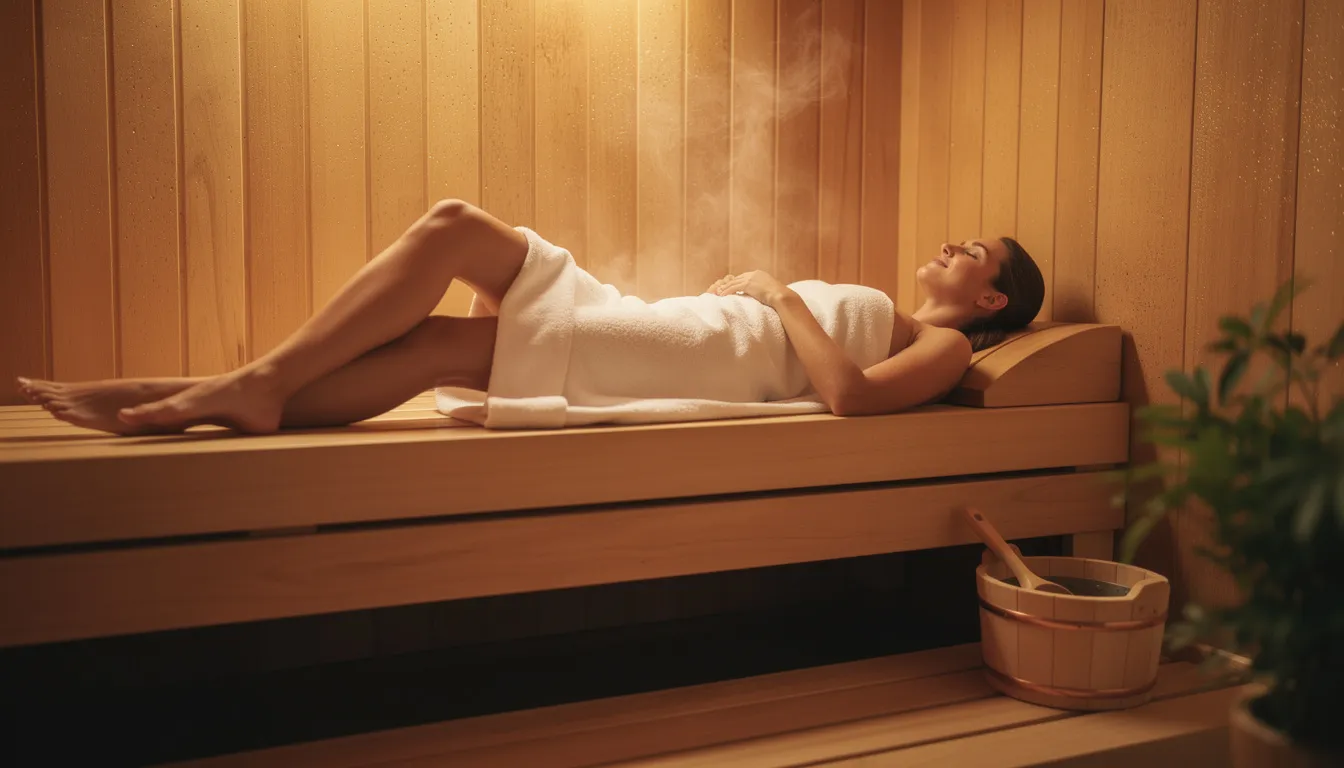
- Slightly higher heat (80 to 90°C).
- A mix of rosemary with a hint of peppermint in the water.
- Minimal talking.
- Focus on breathing.
- Gentle stretching on the lower bench.
- Cool down gradually.
Track which different oils and routines correlate with better sleep, mood, or focus over time. This personal data helps you refine your practice and discover your ideal combinations.
A 1-person home sauna becomes more valuable when you establish consistent aromatherapy rituals that enhance your overall wellness.
Frequently Asked Questions
Can I put essential oils directly on sauna rocks?
No, you should never apply essential oils undiluted to hot stones or heater elements. They are flammable and can produce irritating fumes that harm your eyes, lungs, and skin. Always dilute them in water first. Add a few drops to your water bucket, stir gently, then ladle the mixture onto the stones gradually throughout your session. This prevents fire hazards and ensures even scent distribution throughout the area.
Are essential oils safe for children in the sauna?
Children are more sensitive to both heat and strong scents than adults. If a child is old enough and medically cleared to use a sauna, consider scent-free sessions. Or use only extremely mild, child-safe oils at very low doses. Always seek pediatric advice before introducing aromatherapy to children's sauna experiences. The benefits can be enjoyed by families, but aromatherapy should be introduced cautiously with children present.
Which essential oils should beginners start with?
Gentle, widely tolerated options make the best starting points. True lavender, sweet orange, and mild eucalyptus blends are forgiving and pleasant for most people. Begin with 2 to 3 drops per session, observe how your body responds, and then experiment with stronger or more specialized oils, such as peppermint or tea tree. When selecting oils for your best home sauna brand, start with simple options and expand your collection gradually based on personal preferences.
Can I reuse leftover scented water from the sauna bucket?
It's better to discard unused scented water after each session. Rinse the bucket thoroughly and prepare a fresh mixture next time. Essential oils oxidize and degrade over time, and stagnant water can harbor microbes, especially in warm, humid environments. Fresh preparations ensure both safety and optimal scent quality. This practice maintains hygiene standards, whether you use home sauna units or commercial facilities.
Do I need a special diffuser for aromatherapy in an infrared sauna?
Not necessarily. A simple, heat-safe bowl (made of ceramic or stainless steel) filled with water and a few drops of essential oil works well in most infrared saunas. If you prefer using an electric diffuser, ensure it's rated for higher temperatures and approved by your sauna manufacturer to avoid equipment damage or safety issues. The full-spectrum infrared sauna for sale models accommodate various aromatherapy methods when proper safety guidelines are followed.
How often should you use aromatherapy in your sauna?
For optimal benefits, incorporate aromatherapy into your sauna routine 2 to 4 times per week. This frequency allows you to enjoy the therapeutic effects without overwhelming your senses or respiratory system. Each session should last 10 to 20 minutes with proper ventilation between uses. Regular but moderate use helps prevent scent fatigue and maintains the unique quality of your aromatherapy experience. The health benefits of infrared saunas are enhanced when combined with the use of appropriate essential oils.
What is the best aromatherapy combination for stress relief?
The most effective stress-relief combination includes lavender (3 drops) with sweet orange (2 drops) in 1 liter of water. This blend balances calming floral notes with uplifting citrus for a comprehensive sense of relaxation. Alternatively, try lavender with cedar wood for a grounding, earthy experience. These combinations work particularly well in evening sessions when combined with lower temperatures (70 to 75°C) and dim lighting.
Can aromatherapy help with post-workout muscle recovery?
Yes, certain essential oils can support post-workout recovery when used in conjunction with sauna sessions. Rosemary and black pepper essential oils (2-3 drops total), mixed in water and applied via steam, create a warming sensation that many athletes find beneficial. Combine with moderate heat (75 to 85°C) for 12 to 15 minutes. Follow with a cool shower. This aromatherapy approach complements the natural muscle-relaxing effects of sauna heat and may help reduce perceived soreness.
What are the best essential oils for improving sleep quality?
Lavender remains the gold standard for sleep support, used in evening sauna sessions 1 to 2 hours before bedtime. Roman chamomile and cedar wood also promote relaxation and sleep preparation. Use 3 to 4 drops of lavender or 2 drops of lavender combined with 2 drops of chamomile in your water bucket. Pair with lower temperatures (70 to 72°C) and a 12- to 15-minute session, followed by a lukewarm shower. This routine signals your body to prepare for rest.
How do you clean a sauna after using essential oils?
After aromatherapy sessions, wipe down benches with a clean, damp cloth to remove any oil residue. Open vents or the door to air out the cabin for 10 to 15 minutes. Empty and rinse your water bucket thoroughly. For deep cleaning, use a mild, natural wood cleaner diluted in water. Avoid harsh chemicals that can damage wood or create unpleasant fumes during future sessions. Regular cleaning maintains your weatherproof outdoor infrared sauna or indoor unit in optimal condition.
What should you avoid when using essential oils in saunas?
Never use undiluted essential oils on stones or heating elements. Avoid synthetic fragrance oils or perfume oils. Don't exceed recommended drop counts. Skip aromatherapy if you have respiratory conditions without medical clearance. Avoid using it with young children or during pregnancy without professional guidance. Never ingest essential oils. Avoid using expired or oxidized oils. These precautions ensure safe aromatherapy practices, whether you're using the best outdoor infrared sauna or traditional models.
Transform Your Sauna Experience with Aromatherapy
Sauna aromatherapy elevates your wellness routine from simple heat therapy to a complete sensory ritual. The combination of therapeutic essential oils with sauna heat creates powerful synergistic effects for stress relief, respiratory comfort, and mood enhancement. Start with gentle oils like lavender or sweet orange, always dilute properly, and pay attention to your body's responses.
As you develop your aromatherapy practice, you'll discover which scents and combinations work best for your unique needs. Whether you're preparing for sleep, recovering from workouts, or simply seeking daily stress relief, the right essential oils enhance every session. Visit Home Sauna to create your ideal aromatherapy space, or contact wellness specialists for personalized guidance on safely and effectively integrating essential oils into your sauna routine.