

The sauna has been a cornerstone of wellness for over 2,000 years. It originated in Finnish and Nordic cultures, where it served not just for physical cleansing but also for spiritual rituals and quiet contemplation.
Today, we understand far more about why heat exposure feels so restorative and how to amplify those effects. When you pair intentional breathing and focused awareness with your regular sauna routine, something shifts.
The heat becomes more than passive sweating. It becomes a tool for taking conscious control of your autonomic nervous system, calming your mind, and accelerating your body's natural recovery processes.
This guide provides a complete protocol for pairing a home sauna with breathing techniques and mindfulness practices. You'll learn specific timing, posture guidance, and focus techniques tailored to various wellness goals, whether you're an office worker seeking stress reduction or an athlete focused on muscle recovery.
Key Takeaways
- Combining sauna heat with structured breathwork and simple meditation transforms a regular sweat session into a powerful nervous system reset that improves cardiovascular health, reduces perceived stress, and enhances sleep quality.
- Evidence suggests that practicing sauna sessions 2 to 4 times a week, combined with slow breathing and mindfulness, yields measurable benefits in blood pressure, muscle recovery, and emotional well-being.
- You'll finish this article knowing exactly how to set up a 15- to 30-minute sauna, breathwork, and meditation ritual, including specific timing, posture guidance, and focus techniques for various goals.
- Safety first: beginners should use moderate temperatures (70 to 80°C / 158 to 176°F for traditional saunas, 45 to 60°C / 113 to 140°F for infrared saunas), avoid aggressive breath-holds if dizzy, and exit immediately if feeling lightheaded or nauseous.
- This approach adapts easily for office workers seeking stress reduction, athletes focused on muscle recovery, people under chronic stress, and anyone using traditional saunas at home or public bathhouses.
Why Does Sauna Heat Prepare Your Body for Breathwork?
Spending 10 to 20 minutes in a 75 to 90°C (167 to 194°F) traditional sauna or a 45 to 60°C (113 to 140°F) best infrared sauna for home use triggers a cascade of physiological changes. Your blood vessels dilate. Blood flow increases by up to 200%. Your heart rate increases to levels similar to those of brisk walking, typically ranging from 100 to 150 beats per minute.
This mild cardiovascular load, combined with the gradual shift toward parasympathetic nervous system dominance, makes your mind remarkably receptive to practices such as breathwork and meditation.
The Physiological Changes That Support Mindfulness
Here's what happens in practical terms during your sauna session. The heat increases blood flow throughout your body. It delivers oxygen and nutrients while flushing metabolic waste from tissues.
Your body temperature rises. This signals the brain to release heat shock proteins that support cellular repair. Blood pressure often drops after the session as blood vessels remain relaxed.
Warm, humid air in traditional saunas and the deep-penetrating radiant heat of infrared relax your intercostal and respiratory muscles. This creates ideal conditions for diaphragmatic breathing.
Your chest loosens. Your belly softens. Each breath can move more freely than it might in cooler environments.
The Research Behind Combined Sauna and Mindfulness Practices
The research backing frequent sauna use is substantial. Finnish cohort studies, which tracked participants between 1984 and 2015, found significant benefits. Those using saunas 4 to 7 times per week experienced substantially lower cardiovascular and all-cause mortality compared to less frequent users.
A 20-year follow-up from the Kuopio study linked regular sauna bathing to a 50% reduction in cardiovascular death and a 66% reduction in dementia risk. These findings demonstrate the profound impact of consistent sauna use on long-term health.
Perhaps most relevant for combining sauna with mental practices is that the heat creates a natural "mental softening." As muscles loosen and mental chatter quiets, you find yourself in an ideal state to enter focused meditation. Even if you've never meditated before, the sauna does much of the preparatory work for you.
Why Do Breathwork and Meditation Amplify Sauna Benefits?
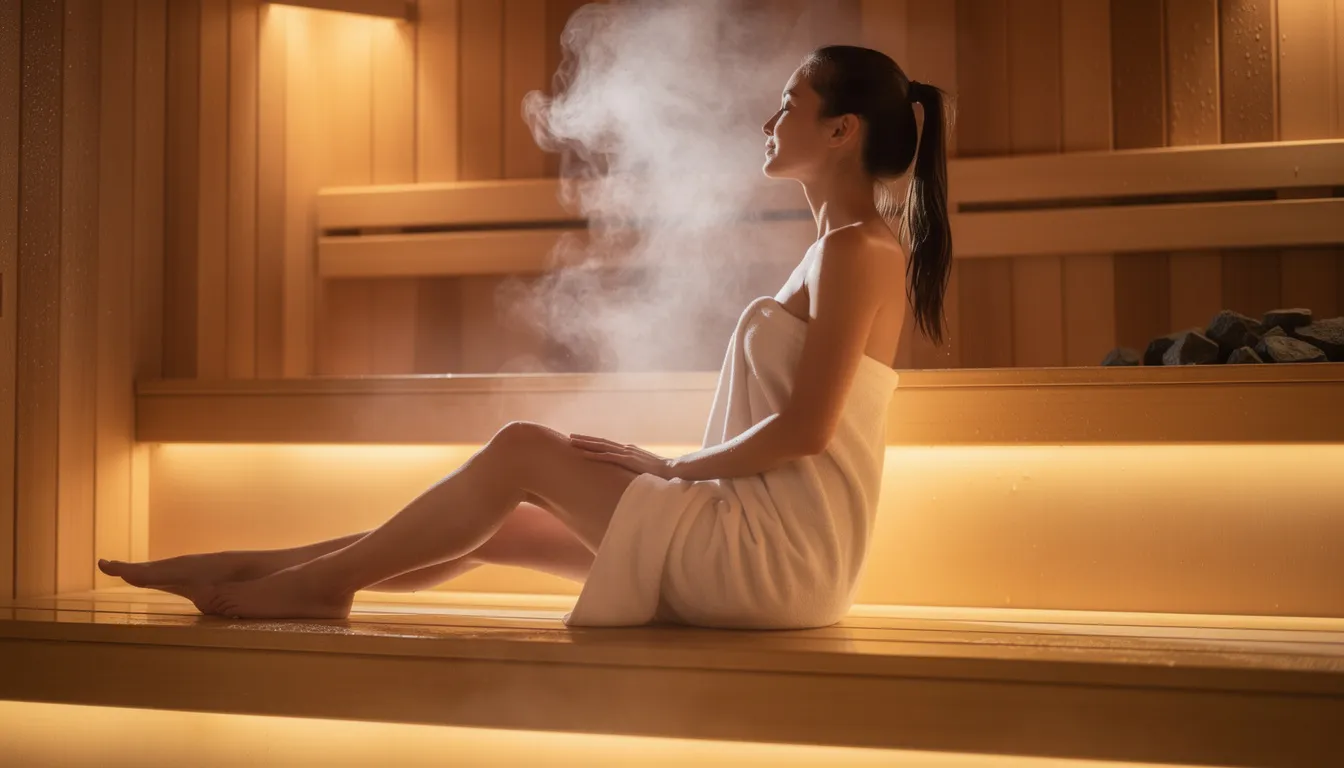
The magic happens when you intentionally stack these practices. Sauna raises your physiological load: your heart rate increases, circulation is enhanced, and your body works to regulate its temperature.
Breathwork and meditation then direct your body's response toward recovery instead of stress. The result is improved heart rate variability (HRV), a deeper sense of calm, and better sleep after the sauna. The infrared sauna health benefits multiply when combined with conscious breathing practices.
The Science of Slow Breathing in Heat
Slow nasal breathing at approximately 6 breaths per minute during your sauna session can lower blood pressure and heart rate more effectively than heat alone. This is particularly powerful during evening sessions when you want to support your body's natural wind-down process.
The combination reduces stress hormones, such as cortisol, by 20 to 30% more than sauna bathing alone, with conscious breathing. Research on breathing techniques shows measurable reductions in stress biomarkers.
How Meditation Enhances the Sauna Experience
Simple mindfulness or body-scan meditation, practiced in the last 5 to 10 minutes of your session, anchors your attention in the present moment. This enhances emotional regulation and reduces the mental rumination that often follows stressful days.
Studies using in-ear EEG during sauna sessions have recorded increases in theta waves (4-8 Hz) and alpha waves (8-12 Hz). These brainwave patterns are associated with relaxed alertness and cognitive efficiency, similar to those seen in experienced meditators.
Comparing Separate vs. Combined Practices
|
Approach |
Time Required |
Benefits |
|
Sauna alone |
15-20 min |
Heat stress adaptation, improved circulation, and endorphin release |
|
Breathwork alone |
10-15 min |
Stress reduction, CO₂ tolerance, mental focus |
|
Meditation alone |
10-20 min |
Emotional regulation, reduced rumination, calm |
|
Combined ritual |
20-30 min |
All benefits compressed into one session, enhanced by synergy |
For busy people, stacking compresses into one efficient ritual has benefits. You get the circulation boost, stress reduction, mental clarity, and emotional reset all in the time it takes to do just one practice thoroughly.
Specific Outcomes People Report
Specific outcomes people report from this combined approach include reduced muscle tension and faster recovery after intense training. They experience a calmer mood and clearer thinking after demanding workdays.
They notice an improved ability to fall asleep and stay asleep when done 2 to 3 hours before bed. Many report enhanced mental performance and focus the following day.
What Are the Best Breathwork Techniques for Sauna?
The breathing techniques that work best in heat share common features. They're slow, they're controlled, and they don't push you toward dizziness or discomfort. Aggressive hyperventilation or maximal breath-holds have their place, but not in a hot sauna where fainting risk increases significantly.
Here are four techniques suited for different phases of your sauna experience.
Diaphragmatic (Belly) Breathing Foundation
This is your foundation technique, ideal for the first 5 to 10 minutes while your body adjusts to the heat. Sit comfortably with your back supported or lie flat on the bench. Place one hand on your chest and one on your belly.
Inhale deeply through your nose for 4 to 5 seconds. Allow your belly to rise while your chest stays relatively still. Your hand on your belly should lift. Your hand on your chest should barely move.
Exhale slowly through your nose for 5 to 6 seconds. Feel your belly fall. The exhale should be slightly longer than the inhale.
This technique activates the parasympathetic nervous system. It supports relaxation and optimal oxygen exchange. It also increases lung capacity over time when practiced regularly.
Box Breathing for Focus and Control
Once you've settled into the heat (around minutes 10 to 15), box breathing sharpens focus and gently trains CO₂ tolerance without overexertion. This controlled breathing pattern is used by Navy SEALs and first responders for maintaining calm under pressure.
Inhale through your nose for 4 seconds. Hold your breath gently for 4 seconds, not straining, just pausing. Exhale slowly for 4 seconds. Hold empty for 4 seconds. Repeat for 3 to 5 minutes.
The steady rhythm of box breathing encourages mindfulness and keeps your mind from wandering. If 4-second holds feel uncomfortable in the heat, reduce the hold time to 3 seconds.
4-7-8 Breathing for Wind-Down
This technique is ideal for your end-of-session wind-down, particularly during evening sauna sessions when you want to transition toward sleep readiness. The extended exhale strongly activates the parasympathetic response.
Inhale through your nose for 4 seconds. Hold gently for 7 seconds, again, no straining. Exhale slowly through pursed lips for 8 seconds. Make a soft "whoosh" sound if helpful.
Complete 4 to 6 cycles. Many people find this technique induces a pleasant drowsiness. This makes it perfect for the final 3 to 5 minutes before exiting the sauna.
A Note on Advanced Breathing Methods
The Wim Hof method, which involves rapid cyclic hyperventilation followed by extended breath-holds, is a powerful practice with documented effects on immune function and stress resilience. However, this is an advanced technique that carries real risks in hot environments.
The combination of hyperventilation, heat, and blood pressure fluctuations can cause fainting. If you practice breathwork in the Wim Hof style, do it outside the sauna in a safe, seated or lying position.
Never practice alone, and never while standing. Inside the sauna, stick to the gentler techniques above.
Cues for Good Form Across All Techniques
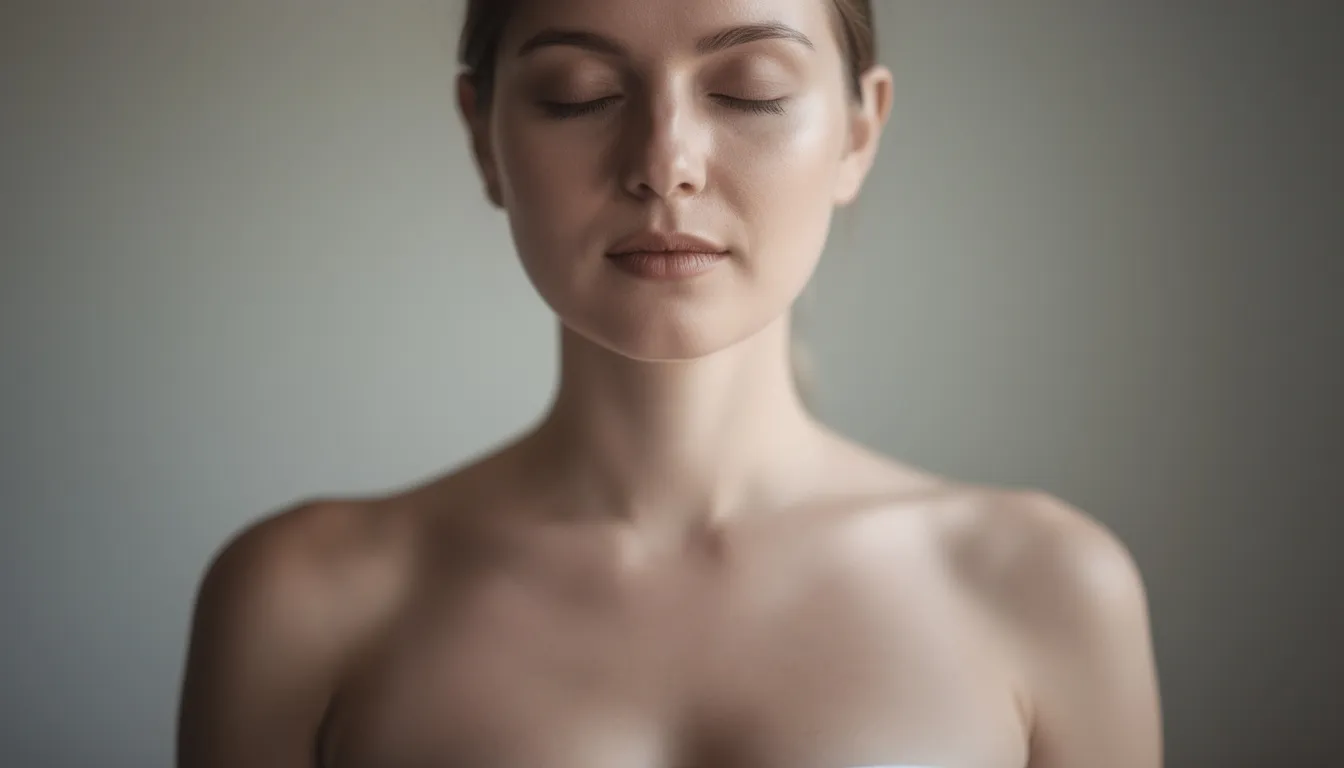
Keep shoulders relaxed and dropped away from ears. Unclench your jaw with teeth slightly apart. Keep breathing silently and through the nose when possible.
Pause immediately if you feel dizzy, see spots, or feel nauseous. When lying down, keep your feet slightly elevated or bend your knees for added comfort.
How Do You Integrate Meditation into Sauna Sessions?
Meditation in the sauna doesn't need to be mystical or complicated. You don't need special training, decades of practice, or any particular spiritual beliefs.
Three to ten minutes of focused awareness can significantly enhance the restorative quality of your session. The sauna environment actually makes meditation easier than doing it in your living room.
Why Sauna Enhances Meditation Practice
The heat reduces external distractions. The warmth softens physical tension that might otherwise pull your attention. The enclosed space creates a natural boundary between you and everyday life.
Breath-Focused Meditation: The Simplest Approach
The simplest approach is to sit or lie comfortably and bring your full attention to your breathing. Notice the sensation of air entering your nostrils, slightly cool on the inhale, warmer on the exhale.
Feel your belly rise and fall. When your mind wanders (it will, repeatedly), simply notice that it has wandered. Gently return attention to the breath.
No judgment. No frustration. Just noticing and returning, over and over. This is the practice.
Body-Scan Practice for Deep Awareness
Guide your attention systematically through your body. Start at your toes and move slowly upward to the crown of your head (or the reverse, if you prefer).
Notice areas of heat, tingling, heaviness, or tension. Imagine the sauna's warmth softening any tight spots you encounter.
Spend 30 to 60 seconds on each major area: feet, lower legs, thighs, pelvis, lower back, belly, chest, upper back, shoulders, arms, hands, neck, face, and scalp. This practice enhances bodily awareness and encourages mindfulness in a concrete, grounded way.
Visualization Techniques for Deeper Relaxation
Picture the heat as a golden or amber light moving through your muscles and joints. See it loosening tension and carrying away stress.
Alternatively, visualize stress and fatigue "melting" off your body with each exhale. See it dripping away like sweat.
Keep imagery simple and personally meaningful. Some people imagine themselves in a peaceful natural setting: a quiet forest, a warm beach, a mountain vista. Whatever supports relaxation works.
Using Mantras or Phrases for Focus
During your exhale, silently repeat a short phrase that anchors your attention. Try "Letting go," "I am safe," "Calm," "Release," or any word that resonates with you personally.
This is particularly helpful for those new to meditation who find silent awareness challenging. The mantra provides the mind with something to focus on.
Guided Meditation Options
If you prefer external guidance, some waterproof or heat-safe devices can bring downloaded audio meditations into the sauna. However, many experienced practitioners find that silence and minimal stimulation are most effective.
The sauna itself provides enough sensory input. Calming music can also be effective, although spoken guidance may feel intrusive once you become accustomed to the practice.
What Is the Complete Sauna-Breathwork-Meditation Protocol?
Here's a concrete protocol you can follow for your next session. Adjust timing based on your experience level and how your body responds. This works whether you use a traditional or infrared sauna unit.
20-Minute Standard Protocol
Minutes 0 to 3: Settling In
Enter the sauna and find your position (sitting upright or lying down). Simply notice the heat. Don't force anything. Breathe normally.
Allow your body to adapt to the environment and initiate its adjustment process. Let shoulders drop. Unclench your jaw. Consciously relax your face.
Minutes 3 to 10: Deep Breathing Phase
Transition to diaphragmatic breathing. Inhale deeply through your nose for 4 to 5 seconds. Let your belly expand fully. Exhale slowly through your nose for 5 to 6 seconds.
Focus entirely on the mechanics of breathing. Notice the rise of your belly, the sensation at your nostrils, the subtle pause between breaths.
This phase increases blood flow, enhances oxygen intake, and initiates the activation of the parasympathetic nervous system.
Minutes 10 to 15: Focused Breathwork and Meditation Transition
Shift to box breathing or gentle 4-7-8 breathing. As the controlled breathing pattern becomes automatic, begin a body scan or simple breath-focus meditation.
Let the breathing exercises support the meditation rather than compete with it. Notice where the heat feels most intense on your skin. Observe any areas of muscle tension melting away.
Practice breathwork while maintaining present-moment awareness.
Minutes 15 to 20: Quiet Integration
Release any structured breathing technique. Simply sit or lie quietly, allowing your body to breathe naturally. Notice whatever sensations and emotions arise.
This is the "integration" phase, where the benefits of the previous 15 minutes consolidate. When ready, slowly rise (carefully, blood pressure can drop).
Exit the sauna and transition to a cool shower (not necessarily ice-cold).
Adapting for Different Durations
|
Duration |
Best For |
Key Adjustments |
|
15 minutes |
Beginners, busy schedules |
Shorten each phase proportionally; skip extended meditation |
|
20 minutes |
Standard practice |
Follow the protocol above |
|
25-30 minutes |
Experienced users |
Extend meditation phase to 10 minutes; add a second breathwork technique |
Longer is not always better. Comfort and safety come first. If you feel overheated after 15 minutes, exit immediately.
Posture Guidance for Optimal Practice
For focus work and breathwork, sit upright with your back supported against a wall. Keep feet flat on the bench or floor. This position promotes alertness and facilitates maintaining deep breathing without slouching.
For deeper relaxation and body scans, lie flat on a bench if space allows. Perhaps use a small rolled towel under your neck. This position supports complete muscle relaxation but may induce drowsiness faster.
Morning vs. Evening Adaptations
Morning sessions (alertness focus):
- Slightly faster breathing patterns (4-second cycles instead of 5 to 6)
- Shorter breath-holds
- End with a brief cold shower or cold water immersion to boost norepinephrine and alertness
- Keep meditation shorter and more active (breath-counting rather than body scans)
Evening sessions (sleep preparation):
- Slower breathing with longer exhales
- Extended 4-7-8 breathing in the final phase
- Skip the cold plunge or use only lukewarm water
- Longer, more passive meditation focusing on releasing the day
Post-Sauna Cool-Down Protocol
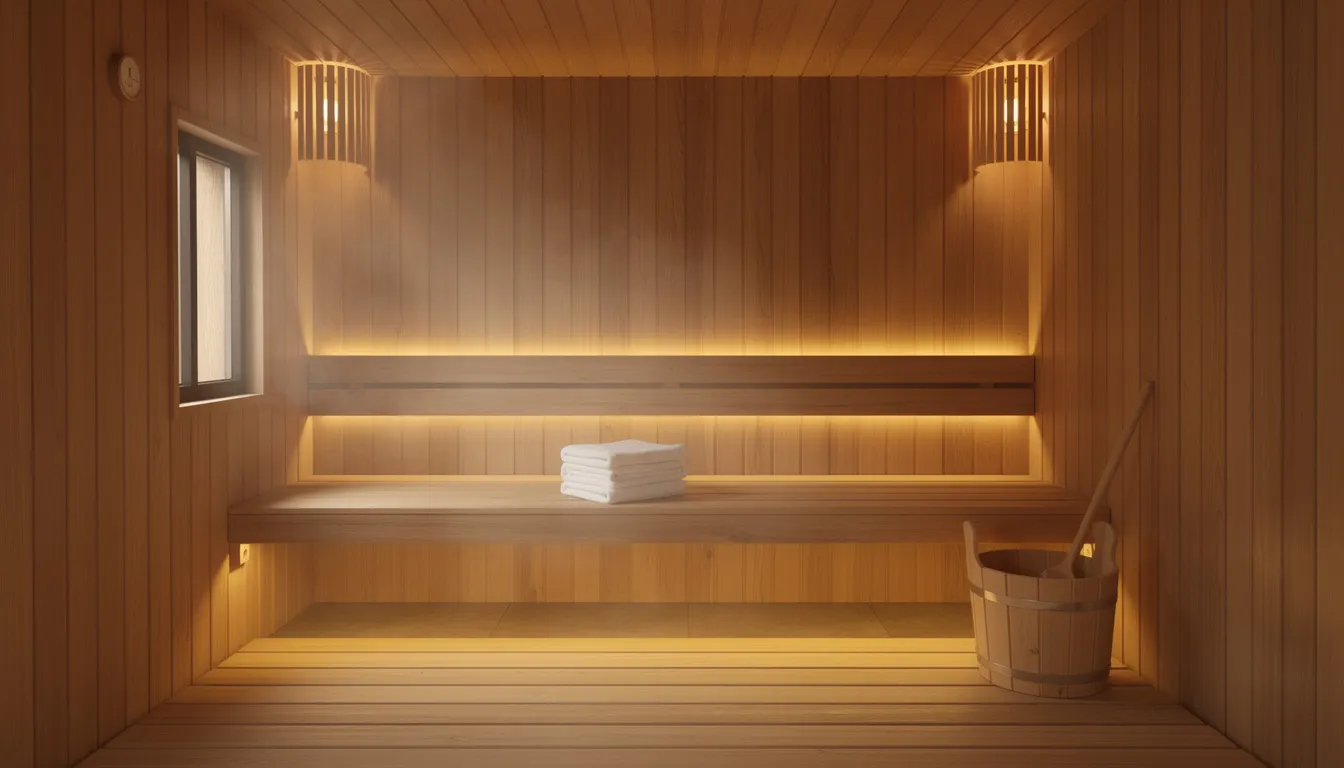
Don't skip this phase. Spend 5 to 10 minutes taking a lukewarm or cool shower. Cold water therapy is optional. A cold shower or cold plunge spikes norepinephrine but isn't required for benefits.
Do gentle stretching while muscles are warm and pliable. Drink a full glass of water. Add electrolytes if you sweated heavily or completed multiple rounds.
Sit quietly for 2 to 3 minutes before returning to activity. The 1-person home sauna cost becomes worthwhile when you establish consistent post-session routines.
Who Should Avoid This Practice and Why?
Combining heat exposure, altered breathing, and meditative focus can magnify both the benefits and potential risks. Respecting your limits isn't optional; it's essential for safe practice.
Key Safety Guidelines Everyone Must Follow
Start conservatively. Limit early sessions to 10-15 minutes at moderate temperatures. Exit immediately if you experience dizziness, chest pain, confusion, severe nausea, or difficulty breathing.
Never do strong breath-holds, hyperventilation, or advanced breathing exercises in very hot environments. Always sit or lie down for breathwork, never stand.
Don't practice alone until you're confident in how your body responds to combined heat and breathwork.
Who Should Consult a Healthcare Professional First
The following groups should speak with a doctor before combining intense sauna bathing with breathwork. People with uncontrolled high blood pressure or hypotension need medical clearance.
Those with heart disease, arrhythmias, or recent cardiac events should consult their cardiologist. Pregnant women should avoid intense heat and certain types of breathwork.
People with severe asthma, COPD, or other respiratory conditions need professional guidance. Anyone with a history of fainting or seizures should proceed with caution.
Individuals taking medications that affect heart rate or blood pressure should consult their healthcare provider to verify safety. Medical guidance on sauna safety emphasizes proper screening.
Hydration and Nutrition Requirements
You lose 0.5 to 1 liter of fluid during a 20-minute sauna session. This is non-negotiable for your safety. Please drink 500ml (approximately 2 cups) of water before your session. Drink another 500ml after.
Add sodium and potassium (electrolyte tablets, coconut water, or a pinch of salt in water) on days with long or multiple rounds. Avoid alcohol within 1 to 2 hours of sauna use. It impairs thermoregulation and increases dehydration.
Avoid eating heavy meals within an hour of your sessions.
Practical Environment Tips for Best Results
Keep your home sauna lighting soft or dim to support relaxation. Minimize conversation (especially in shared spaces). Leave phones outside when possible to eliminate distractions.
Bring a clean towel to sit on for hygiene and comfort. If using a public sauna, consider bringing earbuds for guided meditation or calming music.
Frequency Guidance for Sustainable Practice
For most healthy adults, two to four sauna sessions per week, combined with gentle breathwork and meditation, can create a sustainable long-term wellness routine. This aligns with research showing optimal benefits from four or more sessions per week, while remaining practical for real-world schedules.
Adjust based on your personal response. Some people thrive with daily short sessions. Others prefer 2 to 3 longer sessions. Listen to your body.
How Do You Build a Sustainable Weekly Routine?
Consistency over weeks and months matters far more than a single extreme session. The goal is building a practice that integrates into your everyday life, not one that demands heroic effort.
The best home sauna brands 2026 make it easier to establish consistent practices at home.
Sample Weekly Structures for Different Goals
For general wellness and stress management:
- Monday evening: 20-minute session focused on relaxation and processing the weekend-to-weekday transition
- Thursday evening: 20-minute session as a mid-week reset
- Saturday late morning: 25-minute session focused on mental clarity and weekend recovery
For athletes and heavy exercisers:
- Use sauna plus breathwork on low-intensity days or immediately after hard training sessions
- Keep duration modest (15 to 20 minutes) to avoid excessive dehydration
- Focus on breathing exercises that support muscle recovery and reduce inflammation
- Consider cold water immersion or ice baths after for contrast therapy (note: this increases physiological stress, so use judiciously)
For office workers and high-stress professionals:
- Pair post-work sauna (ideally 6 to 9 PM) with very slow breathing and longer meditations
- Use the session as an "end-of-day boundary" ritual that separates work from personal time
- Focus on techniques that enhance relaxation and support the transition to evening rest
Tracking Your Progress Over Time
Consider tracking simple metrics for 4 to 6 weeks. Monitor sleep quality (1 to 10 scale or using a wearable device). Track perceived stress levels (1 to 10 scale, morning and evening).
Note mood and energy throughout the day. Track recovery speed after exercise (for athletes). Record any changes in blood pressure if you monitor at home.
A brief journal entry after each session or a simple spreadsheet can reveal patterns. Many people notice improvements in mental well-being within 2 to 3 weeks of consistent practice.
When Sauna Access Isn't Available
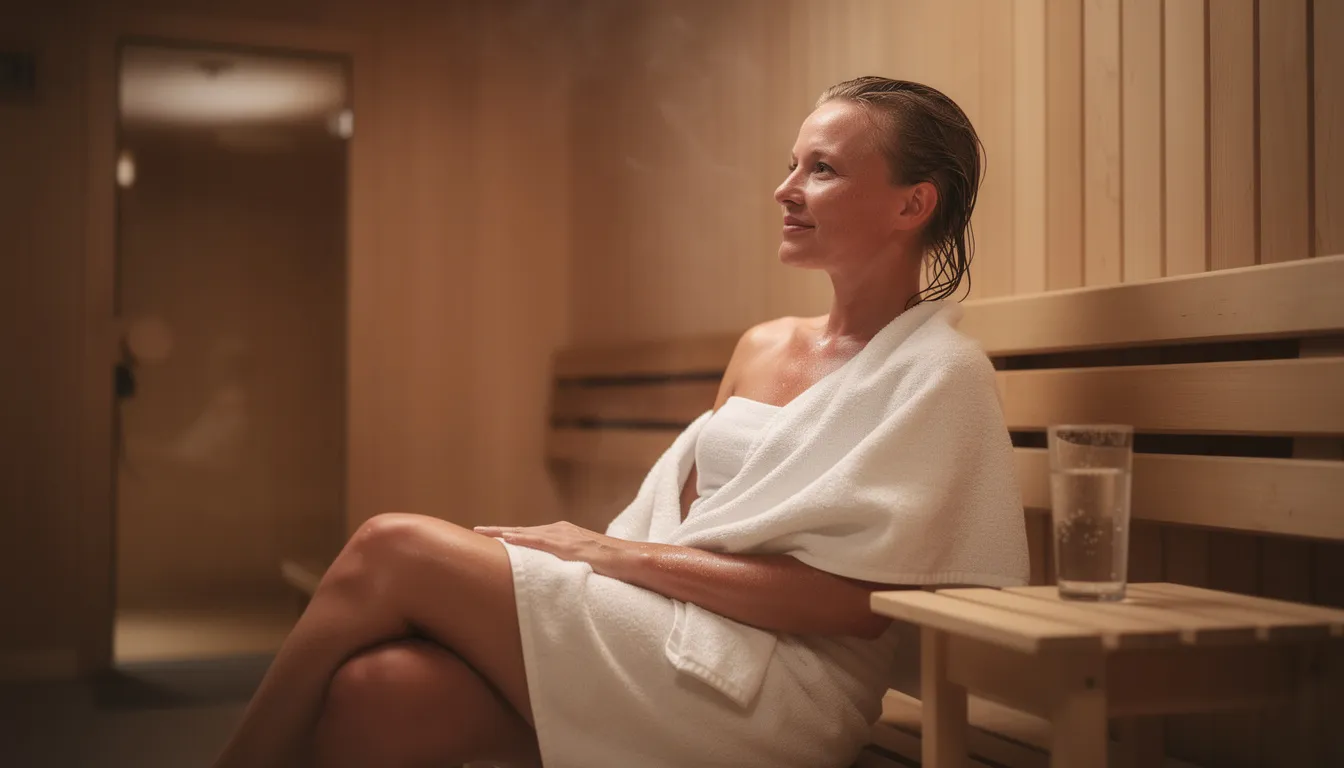
Travel, gym closures, or changes in living situations can sometimes limit access to saunas. When this happens, maintain the breathwork and meditation pieces.
Ten to fifteen minutes of deep breathing exercises and body-scan meditation still provides nervous system benefits. A hot bath followed by breathwork offers a partial substitute.
Consistency in the mental practice means you'll slip back into the full routine effortlessly when sauna access returns. The sauna offers physical benefits that can't be fully replicated. However, the nervous system training from conscious breathing and meditation persists regardless of the heat.
Frequently Asked Questions
How often should I combine a sauna with breathwork and meditation each week?
For most healthy adults, 2 to 4 combined sessions per week provide excellent benefits without overextending recovery demands. Begin with the lower end (2 sessions) for the first 2 to 3 weeks, allowing your body to adapt to the heat and new breathing patterns. Daily sessions aren't necessary for benefits and may actually be counterproductive for beginners who need recovery time between intense heat exposures. The 2-3-person home sauna benefits allow couples or friends to establish consistent practices together.
Is it better to meditate before, during, or after my sauna session?
The most effective approach combines light mindfulness during the session, especially in the final 5 to 10 minutes when muscles are maximally relaxed, with a brief 3- to 5-minute cool-down meditation afterwards. The sauna heat softens physical tension that might otherwise distract you, and the post-sauna state is ideal for achieving deeper relaxation. Some people also benefit from taking a few deep breaths of centering meditation before entering the sauna to set their intention.
Can I practice intense breathwork methods, such as Wim Hof, in the sauna?
Strongly advised against. Aggressive hyperventilation combined with prolonged breath-holds in high heat significantly increases the risk of fainting due to blood pressure fluctuations and reduced oxygen to the brain. Keep such practices outside the sauna in a safe, seated or lying position, preferably with someone nearby. Inside the sauna, stick to gentle, slow breathing techniques that reduce stress rather than adding physiological challenges.
What type of sauna works best with breathwork and meditation – infrared or traditional?
Both work well for this combined practice. Traditional saunas offer intense, enveloping heat and humidity, which some find deeply immersive. Infrared saunas offer milder air temperatures (45 to 60°C) with deep-penetrating heat, allowing longer sessions and making them more accessible for beginners. A full-spectrum infrared sauna for sale offers comprehensive heating, making it suitable for extended meditation sessions. The benefits of the nervous system and mindfulness come more from the ritual, intentional breathing, and focused awareness than from the specific heating technology.
When will I start to notice benefits from pairing saunas, breathwork, and meditation?
Many people feel acutely calmer, looser, and more present after their very first intentional session. The sauna experience, combined with conscious awareness, creates an immediate sense of well-being. More durable changes, improved sleep quality, and measurable improvements in cardiovascular health typically emerge after 3 to 6 weeks of consistent practice, at 2 to 4 sessions per week.
Which is better for meditation: an indoor or an outdoor sauna?
Both indoor and outdoor saunas are suitable for meditation practice, with personal preference being the primary factor. Indoor saunas provide climate control, privacy, and year-round accessibility. Outdoor full-spectrum infrared sauna models offer a natural setting that enhances mindfulness practices for some individuals, although weather and privacy concerns may be factors. The primary benefits of meditation come from your intentional practice, rather than the sauna location. Consider which environment helps you feel most relaxed and focused.
What are the best home saunas for breathwork practice?
The best home saunas for breathwork include models with comfortable bench seating, excellent ventilation systems, adjustable temperature controls, adequate ceiling height (minimum 6 feet), and quiet operation that doesn't interfere with focus. Look for Canadian cedar or Nordic spruce construction, low-EMF heating for extended sessions, and spacious interiors (minimum 4x4 feet for one person). The best home sauna brands 2026 prioritize air quality and comfort features essential for breathing practices.
Transform Your Wellness with Combined Practice
The combination of sauna heat, deliberate breathing techniques, and simple meditation creates something greater than the sum of its parts. It's a wellness routine that addresses body and mind simultaneously. It fits into realistic schedules. The benefits compound over time.
Start small. For your next sauna session, put away your phone, sit quietly, and breathe deeply for just 5 minutes. Notice what happens. Then build from there. Whether you invest in a luxury home sauna or use public facilities, the integrated practice transforms ordinary heat sessions into powerful wellness rituals.
Visit Home Sauna to find a perfect home sauna designed specifically for meditation and breathwork practices or to contact wellness specialists for guidance on creating your ideal sauna, meditation, and breathwork routine at home.