

The home wellness revolution has transformed how we think about personal health spaces. As more families prioritize at-home wellness solutions, the debate between infrared and traditional saunas has intensified.
Both offer compelling health benefits, but when it comes to home installation, the differences are substantial.
Choosing the right type involves weighing multiple factors: installation complexity, ongoing costs, space requirements, family safety, and long-term value. While traditional saunas have deep cultural roots and proven cardiovascular benefits, infrared saunas offer modern convenience and accessibility that fit today's busy lifestyles.
This guide examines every aspect to help you make an informed decision for your home wellness investment.
Key Takeaways
- The best infrared sauna for home use offers lower installation costs ($3,000-$6,000 vs $6,000-$15,000), a more straightforward setup, and 50% lower energy consumption.
- Traditional saunas require more space, dedicated ventilation, and electrical upgrades, but offer authentic high-heat experiences (150°F-195°F)
- Infrared saunas operate at gentler temperatures (120°F-140°F), making them safer for daily home use and suitable for more family members.
- Installation time differs significantly: home infrared sauna installation takes 2-4 hours while traditional saunas may require 1-3 days of professional installation.
- For most homeowners, infrared saunas provide the best combination of health benefits, convenience, and cost-effectiveness for regular home use.
What Are Saunas and Why Choose One for Your Home?
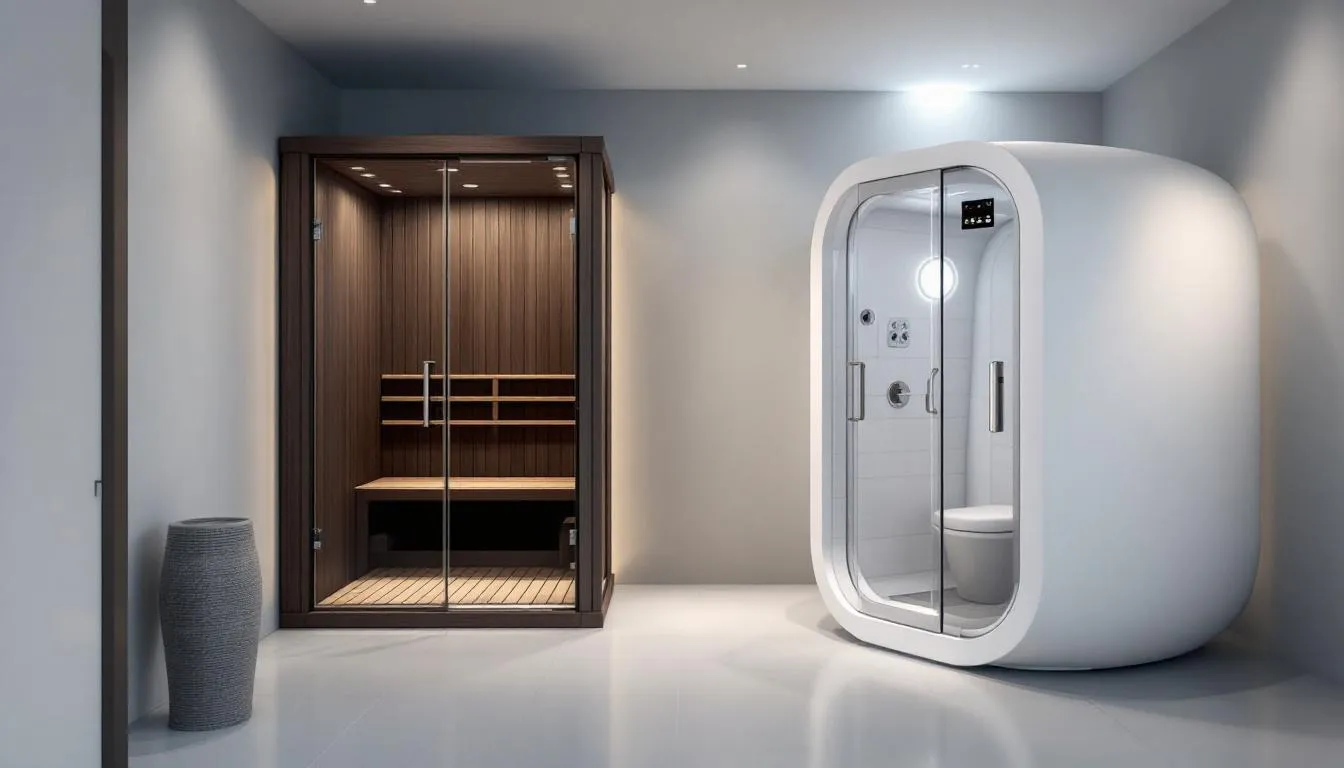
Saunas have long been celebrated for their ability to promote relaxation, rejuvenation, and overall home sauna wellness. Across cultures and centuries, sauna bathing has evolved, but two types now dominate the home wellness landscape: infrared and traditional saunas.
Each offers a distinct approach to heat therapy and unique health benefits.
What Makes Traditional Saunas Special?
Traditional saunas create their signature high-heat environment by heating the air with hot rocks or steam, enveloping the body in temperatures up to 195°F. This classic method is known for its intense heat and humidity, providing deep relaxation and supporting cardiovascular health.
The traditional experience is rooted in ritual, with heat and steam working together to encourage sweating and detoxification.
What Is Infrared Sauna Technology?
The best infrared saunas use advanced technology to emit infrared light that heats the body directly, rather than warming the surrounding air. This gentle heat penetrates deep into tissues, offering a more comfortable experience at lower temperatures.
Because infrared saunas heat the body directly, many users find them more accessible and easier to integrate into daily routines. They're known for delivering pain relief, improved cardiovascular health, and enhanced detoxification.
How Do You Make the Right Choice?
Understanding the differences between these types can help you choose the best option for your home and wellness goals. Whether you're drawn to the intense heat of traditional saunas or the gentle, targeted warmth of infrared saunas, both offer powerful ways to support your health and relaxation at home.
What Are the Key Technology Differences?
The fundamental difference lies in how they generate heat and deliver therapeutic benefits to your body. Both raise body temperature through different mechanisms that affect blood flow and circulation.
How Does Traditional Sauna Technology Work?
Traditional saunas use heated air and rocks to create a hot environment, typically reaching 150°F to 195°F. This hot air heats your skin and raises your core body temperature, leading to dilation of blood vessels and increased blood flow.
The result is heavy sweating, which many believe helps with detoxification and muscle recovery.
How Does Infrared Sauna Technology Work?
Infrared saunas use infrared heaters to emit far infrared wavelengths that penetrate the skin and heat the body directly. This method increases blood flow and promotes circulation without significantly raising ambient air temperature.
Far infrared saunas provide deep tissue warmth and therapeutic benefits—like pain relief and detoxification—at lower air temperatures. This is the core distinction in infrared sauna vs traditional sauna comparisons.
How Do Traditional Saunas Work in Home Settings?

Traditional saunas heat the surrounding air using electric heaters or wood-burning stoves, creating an intense heat environment from 150°F to 195°F.
What Is the Traditional Experience?
The experience centers on hot rocks that store and radiate heat. Steam is created by pouring water over these heated stones, increasing humidity levels between 10%-40%.
This creates the classic Finnish-style experience that has been practiced for over 2,000 years.
How Do They Heat Your Body?
Traditional saunas operate by heating the body indirectly through the hot air environment. This heated air raises core body temperature, causing blood vessels to dilate and increasing blood flow.
The high heat exposure triggers rapid physiological responses, including increased heart rate and copious sweating.
What Are the Construction Requirements?
These saunas require a substantial ceiling height of 6-8 feet and dedicated ventilation systems to manage intense heat and moisture production. Construction typically features cedar or hemlock wood, which provides natural durability and aromatherapy benefits.
Electric or gas heaters generate heat that warms the air, creating the authentic sauna bath experience.
How Do Infrared Saunas Operate at Home?
Infrared saunas use infrared heaters that emit infrared light as electromagnetic radiation to heat the body directly, rather than heating the surrounding air.
How Deep Does Infrared Penetrate?
These infrared rays penetrate the skin up to 1.5 inches deep, creating gentle heat at lower temperatures between 120°F and 140°F. Many home units are classified as far infrared sauna models, which use far infrared wavelengths to penetrate deeply into tissues.
This provides enhanced therapeutic effects such as detoxification and pain relief.
How Do Infrared Heaters Function?
Infrared saunas work by emitting infrared wavelengths—primarily far-infrared—that are absorbed directly by bodily tissues. This infrared radiation increases circulation and metabolism, supporting blood flow without requiring extreme air temperature.
The lower temperature environment reduces cardiovascular stress while still promoting therapeutic sweating.
What Is a Full-Spectrum Infrared Sauna?
Full-spectrum infrared sauna for sale combines near, mid, and far infrared waves to target different therapeutic benefits:
- Near-infrared: Supports cellular health
- Mid-infrared: Improves circulation
- Far-infrared: Promotes deep tissue heating and pain relief
How Simple Is Installation?
Many infrared models are designed as plug-and-play units that connect to standard 110V household outlets. This eliminates the need for electrical upgrades, making home sauna installation straightforward and affordable.
What Can You Expect from Home Sauna Sessions?
Bringing a sauna into your home opens the door to a world of relaxation and wellness. But the experience varies depending on which type you choose.
What Are Infrared Sauna Sessions Like?
Infrared sessions are typically gentle and soothing, lasting between 15 and 30 minutes. During these sessions, infrared rays penetrate the body directly, raising your core temperature without making the air uncomfortably hot.
This gentle heat encourages a deep, cleansing sweat, helping flush out toxins and promote relaxation. Many people find infrared sessions easy to incorporate into daily routines, thanks to comfortable temperatures and quick warm-up times.
What Are Traditional Sauna Sessions Like?
Traditional saunas deliver a more intense experience. The air is heated to higher temperatures, often accompanied by bursts of steam from hot rocks, creating a humid and invigorating environment.
Sessions may be shorter or require cool-down breaks, especially for those new to high heat. The intense warmth can provide powerful cardiovascular benefits and deep muscle relaxation, but listening to your body is essential.
What Universal Benefits Do Both Offer?
No matter which type you choose, regular sauna use offers a host of wellness benefits:
- Improved cardiovascular health
- Pain relief
- Stress reduction
- Better mental health
- Boosted immune system
- Enhanced energy efficiency in your wellness routine
By making sauna sessions a regular part of your self-care, you can enjoy the restorative effects of heat therapy. Stay hydrated, listen to your body, and adjust your experience to suit your needs.
How Do Installation Requirements Compare?
The installation requirements represent one of the most significant differences between infrared and traditional saunas for home use.
What Does Traditional Sauna Installation Require?
Space and Infrastructure
Traditional saunas demand substantial space and infrastructure modifications. The minimum space requirement is 6x6 feet with 7-8 feet ceiling height to ensure proper air circulation and heat distribution.
The high heat generated requires professional electrical work to install dedicated 220V-240V circuits capable of handling 30-60 amps.
Ventilation Systems
Ventilation systems are critical, requiring both intake and exhaust vents with proper air flow rates to manage moisture and maintain safe air quality. Flooring must be designed to handle high heat and humidity with appropriate drainage considerations.
Professional Installation
Professional installation typically takes 1-3 days, with labor costs ranging from $1,500 to $3,000. The complexity involves coordinating electrical work, ventilation installation, and proper structural modifications to accommodate intense heat and steam production.
How Simple Is Infrared Sauna Installation?
Minimal Space Requirements
Infrared saunas offer remarkable installation simplicity. Compact designs fit in spare bedrooms, basements, or even large bathrooms with a minimum space requirement of just 4x4 feet.
Most infrared sauna indoor 2-person models and infrared sauna 1-person units plug into standard household outlets, eliminating the need for electrical upgrades.
Easy Setup
The lower operating temperatures and absence of steam mean minimal ventilation requirements. DIY assembly is possible in 2-4 hours using basic tools and included instructions.
Pre-fabricated panels snap together without requiring permanent structural modifications to your home.
Portability Advantage
This installation simplicity allows infrared saunas to be relocated if needed. They're perfect for renters or homeowners who may want to reconfigure their space in the future.
The ease of installation dramatically reduces time and cost barriers to home sauna ownership.
What Are the Cost Differences for Home Sauna Investment?
Understanding the total cost of ownership helps determine which sauna type provides better value for your home wellness investment.
What Are Initial Purchase and Setup Costs?
Traditional Sauna Costs
Traditional home saunas represent a significant upfront investment:
- Purchase price: $6,000 to $15,000
- Installation fees: $1,500 to $3,000
- Electrical upgrades: $500 to $2,000
- Ventilation systems: $800 to $1,500
- Total investment: $8,000 to $18,000
Infrared Sauna Costs
- Infrared sauna price ranges offer a more accessible entry point:
- Purchase price: $3,000 to $6,000
- Installation costs: Minimal (DIY possible)
- Electrical upgrades: None needed
- Ventilation requirements: None
- Total investment: $3,000 to $6,500
This substantial cost difference makes infrared saunas accessible to a broader range of homeowners, with a 1-person home sauna cost starting at just $3,000.
What Are Long-Term Operating Expenses?
Energy Consumption Comparison
Energy consumption represents a significant ongoing expense difference:
Traditional Saunas:
- Power usage: 6-8 kW per hour
- Cost per session: $0.72 to $0.96
- Warmup time: 30-45 minutes (adds to consumption)
- Annual costs: $200 to $400 for regular use
Infrared Saunas:
- Power usage: 1.5-3 kW per hour
- Cost per session: $0.18 to $0.36
- Warmup time: 10-15 minutes
- Annual costs: $80 to $150 for regular use
Long-Term Savings
The 50% reduction in energy consumption makes infrared saunas more environmentally friendly and budget-conscious for daily home use. This energy efficiency means infrared sauna use pays for itself over time through lower operating costs.
How Do Space and Home Integration Compare?
Modern homes require wellness solutions that integrate seamlessly without disrupting daily life or requiring major renovations.
What Are the Space Requirements?
Traditional Sauna Limitations
Traditional saunas need dedicated rooms with proper clearances and cannot be easily relocated once installed. The substantial space requirements limit installation options in many homes, particularly in urban areas where space is at a premium.
Infrared Sauna Flexibility
Infrared saunas offer remarkable flexibility:
- 1-4 person sizes available to fit various home spaces
- Corner units maximize space efficiency
- Portable models can be moved between rooms or stored
- Suitable for basements, spare bedrooms, home gyms, or large bathrooms
This versatility ensures virtually any home can accommodate an infrared sauna installation without permanent structural commitments. The 2-3-person home sauna benefits include family bonding while fitting comfortably in most spaces.
How Do They Integrate with Home Aesthetics?
Traditional Sauna Aesthetics
Traditional saunas provide authentic wood aesthetics with beautiful cedar or hemlock construction, creating a spa-like atmosphere. The natural wood appearance integrates well with rustic or traditional home designs, offering an authentic Finnish experience.
Infrared Sauna Design
Infrared saunas come in modern designs featuring glass panels, customizable LED lighting, and sleek contemporary aesthetics. Many models include entertainment features like:
- Bluetooth speakers
- Chromotherapy lighting
- Digital controls
- Smart home integration
Both types are available in prefab kits or custom designs. However, infrared models typically offer more design flexibility and modern features that integrate with contemporary smart home systems.
Are Home Saunas Safe for Health and Family?

Home sauna safety becomes paramount when multiple family members of different ages and with varying health conditions use the system regularly. It's thus essential to understand how safe they are to make informed decisions.
How Do Temperatures Affect Safety?
Traditional Sauna Heat Concerns
Traditional sauna temperatures of 150°F to 195°F can be too intense for:
- Children
- Elderly family members
- Individuals with certain health conditions
The high heat creates significant cardiovascular stress and increases the risk of overheating or dehydration. Individuals with a history of cardiovascular events should avoid saunas or consult a healthcare provider before use.
Infrared Sauna Safety Advantages
Infrared saunas offer gentler heat at 120°F to 140°F, making them safer for daily family use and extended sessions. The lower temperature reduces heat sensitivity concerns while still providing therapeutic benefits.
Children and elderly users can comfortably tolerate infrared heat, making family sauna sessions more inclusive. The absence of heated rocks and steam eliminates burn risks, which is particularly important for households with children or individuals with limited mobility.
What About Daily Use Safety?
Lower Cardiovascular Stress
Infrared saunas prove safer for daily use due to lower cardiovascular stress and gentler heat therapy. The reduced strain allows longer, more comfortable sessions without intense physiological stress.
Infrared sauna therapy is generally safe for most adults, but users should follow recommended guidelines to avoid dehydration and overheating.
Quick Warmup Times
Traditional saunas require 30-45 minutes of warm-up time, demanding advance planning. Infrared saunas heat up in 10-15 minutes, enabling spontaneous wellness sessions that fit busy family schedules.
EMF Considerations
Lower EMF infrared models address electromagnetic radiation concerns for families prioritizing minimal exposure. Both types require proper hydration protocols and session time limits, but infrared models are more forgiving of longer exposure times.
How Do Health Benefits Compare for Home Users?
Both infrared and traditional saunas provide significant infrared sauna health benefits, though the mechanisms and intensity differ. Both types offer similar benefits for detoxification and overall wellness.
Now, let's explore the health benefits of the best home sauna collections.
What Are the Cardiovascular and Detoxification Benefits?
Traditional Sauna Benefits
Traditional saunas provide an intense cardiovascular workout, increasing heart rate to 100-150 BPM—similar to moderate intensity exercise. This high heat exposure triggers heat shock protein expression and significant cardiovascular adaptation.
Studies show regular traditional sauna use (4-7 times weekly) links to 50% reduced cardiovascular-related mortality risk. The most robust longevity data comes from studies on traditional Finnish-style sauna use at high heat.
How Do Both Promote Detoxification?
Both types promote sweating and potential detoxification, though the mechanism differs:
- Traditional: Heats body through surrounding air, creating profuse sweating
- Infrared: Heat penetrates tissues directly for deep sweating
Sweating in saunas may help remove heavy metals such as lead and mercury from the body. Some research suggests infrared therapy may enhance pain relief and muscle recovery more effectively than traditional heat.
Cardiovascular Benefits
Both types can help:
- Lower blood pressure
- Support heart health by promoting vasodilation
- Improve circulation
- Enhance cardiorespiratory fitness
What Additional Benefits Exist?
Infrared-specific benefits:
- Deeper tissue penetration and targeted therapy
- Positive effects on skin health, including rejuvenation and wound healing
- May benefit individuals with chronic fatigue syndrome
- Enhanced benefits of infrared sauna for athletes through improved recovery
How Do They Support Regular Wellness Routines?
Infrared Advantages
Infrared saunas support consistent home wellness routines due to quick warm-up and gentle heat. The ability to start a session within 15 minutes enables integration into daily schedules, making regular use more likely and sustainable.
The lower temperatures allow for activities like reading, meditation, or light stretching during sessions, making the time feel more productive.
Traditional Sauna Rituals
Traditional saunas require planning due to longer heating times and post-session cooling periods. However, they provide a more intense detoxification experience and authentic sauna tradition that some users prefer for weekly wellness rituals.
Infrared technology can achieve the same benefits as traditional saunas at lower temperatures.
Universal Wellness Benefits
Both types support:
- Stress reduction
- Improved sleep quality
- Mental health benefits
- Work-life balance management
Which Sauna Type Works Best for Your Home?

Choosing the best home sauna ultimately depends on your home situation, budget, and wellness goals.
When Should You Choose Traditional Saunas?
Traditional saunas make sense when you have:
- Dedicated space: Minimum 6x8 feet with high ceilings
- Sufficient budget: $8,000 to $18,000 total investment
- Preference for authenticity: Enjoy the authentic high-heat Finnish experience
- Time flexibility: Can handle longer warmup times
- Budget for energy: Comfortable with higher energy consumption costs
Traditional saunas work best for users who prioritize the ritualistic aspect of sauna use and can dedicate specific times for 45-60 minute sessions, including warmup and cool-down periods.
When Should You Choose Infrared Saunas?
Infrared saunas excel when you need:
- Flexible installation: Various home spaces without major renovations
- Lower costs: $3,000 to $6,000 upfront and energy-efficient operation
- Gentler heat: Suitable for all family members and daily wellness routines
- Quick sessions: 10-15-minute warmup enables spontaneous use after work or exercise
- Modern convenience: Fits busy lifestyles with minimal planning
Infrared models work best for households prioritizing convenience, energy efficiency, and accessibility for multiple family members with varying heat tolerance levels. Consider luxury home sauna options with advanced features from Sun Home Saunas.
What Maintenance Is Required?
Long-term ownership costs include routine maintenance and eventual component replacement, which differ significantly between types.
What Does Traditional Sauna Maintenance Involve?
Traditional saunas require:
- Annual wood conditioning to maintain cedar or hemlock surfaces
- Regular heater stone replacement
- Ventilation system cleaning
- Periodic heating element replacement
- More frequent deep cleaning
The high heat and humidity create more wear on components, requiring more maintenance attention.
What Does Infrared Sauna Maintenance Involve?
Infrared saunas need minimal maintenance:
- Occasional panel cleaning
- Infrared light bulb replacement every 5-10 years
- Simple wipe-downs after use
The lower operating temperatures and absence of moisture reduce wear on components, resulting in lower long-term maintenance costs.
What About Warranty and Longevity?
Both types benefit from regular cleaning routines and proper humidity control in home environments. Quality models from established manufacturers typically offer 5-10 year warranties.
However, infrared models generally require fewer warranty claims due to simpler operating systems. The simplified maintenance requirements make them more suitable for homeowners who prefer low-maintenance wellness solutions.
How Should You Make Your Final Decision?
For most homeowners, infrared saunas provide the optimal combination of wellness benefits, convenience, and cost-effectiveness for regular home use. The lower installation costs, energy efficiency, and family-friendly operation make infrared the practical choice for busy households.
Traditional saunas suit enthusiasts wanting authentic high-heat experiences and having adequate space and budget for proper installation. Traditional saunas provide unmatched authenticity if you prioritize the cultural and ritualistic aspects of sauna bathing and can accommodate the infrastructure requirements.
Consider starting with an infrared sauna for convenience and accessibility, with the option to potentially add a traditional sauna later for variety. This approach lets you establish regular sauna habits before committing to a larger traditional installation.
Consult professional contractors for installation quotes and electrical requirements before making your final selection. Understanding your home's limitations and capabilities ensures you choose the sauna type that provides years of reliable wellness benefits.
Find a quality home sauna for sale at Sun Home Saunas.
Frequently Asked Questions
Can I Install a Sauna in My Apartment or Condo?
The best infrared sauna for home installations works exceptionally well in apartments, plugging into standard outlets without ventilation modifications or structural changes. Traditional saunas are typically unsuitable for flats due to ventilation requirements, electrical demands, and space constraints.
Always check lease agreements and building codes before installation in rental properties, as some buildings restrict high-power electrical equipment. Portable infrared models offer the best solution for renters, providing flexibility to take your wellness investment with you when moving.
How Much Will My Electricity Bill Increase with Home Sauna Use?
Infrared saunas add approximately $15-25 monthly for 3-4 sessions per week, while traditional saunas add $40-60 monthly for similar usage. Actual costs depend on local electricity rates, session frequency, and sauna size.
Energy-efficient infrared models cost as little as $0.25 per 30-minute session, making them affordable for daily use compared to traditional saunas costing $1.00 or more per session. The infrared sauna price advantage extends beyond purchase to ongoing operational savings.
Which Sauna Type Is Better for Small Homes?
Infrared saunas excel in small spaces, with infrared sauna 1-person models requiring only 3x4 feet of floor space and standard ceiling heights. Corner infrared designs maximize space efficiency without compromising comfort or functionality.
Traditional saunas need a minimum 6x6 feet plus clearance space and high ceilings, making them impractical for small homes, apartments, or basement installations with limited headroom. Infrared's flexibility makes it the clear choice for space-constrained homes.
Do I Need Special Permits for Home Sauna Installation?
Traditional saunas typically require electrical permits for 220V-240V circuit installation and sometimes building permits for ventilation work, depending on local codes. Home infrared sauna installation rarely needs permits, as it doesn't require electrical modifications or structural changes.
However, always check with local building departments and homeowners' association rules before beginning installation planning to avoid potential issues. The permit-free nature of infrared installations represents another significant convenience advantage for homeowners.
Can Both Sauna Types Be Used Outdoors?
Traditional saunas excel in outdoor installations with weather-resistant cedar construction and proven durability in various climates. Many traditional outdoor saunas have operated successfully for decades with proper maintenance.
Infrared saunas are primarily designed for indoor use; though outdoor-rated models exist. However, they are less common and significantly more expensive. Outdoor infrared installations require additional weatherproofing and electrical protection measures that increase complexity and cost. For outdoor options, explore the best outdoor sauna collections.
How Often Should You Use an Infrared Sauna?
For optimal health benefits, use your infrared sauna 3-4 times per week with 30-45 minute sessions. Beginners should start with two sessions weekly at 20-25 minutes, gradually increasing frequency and duration.
Consistency matters more than frequency—regular moderate use provides better results than occasional extended sessions. Athletes may benefit from daily use for recovery, while those focused on detoxification and cardiovascular health see excellent results with 3-4 weekly sessions.
What Are the Best Home Sauna Brands in 2025?
Best home sauna brands 2025 include Sun Home Saunas for quality and value, and Home Sauna for medical-grade features and luxury installations. Top brands offer low-EMF technology, lifetime warranties, and comprehensive support.
When evaluating brands, prioritize EMF levels (under 3mG), wood quality (clear vs knotty cedar), heater warranty length, and customer service reputation. Home Sauna and Sun Home Saunas balance quality construction with competitive pricing across their product range.
What Is Full-Spectrum Infrared Sauna?
Full-spectrum models emit near, mid, and far infrared wavelengths simultaneously for comprehensive therapy. Near-infrared supports cellular healing, mid-infrared improves circulation, while far-infrared provides deep detoxification.
Single-spectrum saunas emit only far-infrared. Full-spectrum costs more ($4,000-$10,000 versus $2,500-$5,000) but offers broader therapeutic applications addressing multiple wellness goals in one session—from skin rejuvenation to deep muscle recovery and cardiovascular health enhancement.
Ready to Choose Your Perfect Home Sauna?
Now that you understand the key differences between infrared sauna vs traditional sauna options, you can make an informed decision based on your space, budget, and wellness goals. For most homeowners, infrared saunas offer the ideal combination of convenience, safety, and cost-effectiveness.
Explore the complete selection of premium home saunas at Home Sauna, featuring both infrared and traditional options with advanced features, lifetime warranties, and expert support to help you create your perfect home wellness space.