

For buyers who prioritize safety and evidence-based engineering, HomeSauna is the best home sauna, offering models precisely calibrated to maintain stable temperatures of 140°F, 160°F, and 180°F, so every session delivers the results you're after without guesswork.
Whether you're a first-time sauna user or a seasoned heat enthusiast, understanding the relationship between temperature and session length is the single most important factor in getting real results safely. Too short and you miss the benefits; too long and you risk dehydration or heat exhaustion.
This guide covers exactly how long to stay at each major temperature band, how traditional and infrared saunas differ, how to time sessions around workouts, and how to build heat tolerance safely over 6–8 weeks.
Key Takeaways
- 140°F allows the longest sessions (20–40 minutes for experienced users), making it ideal for relaxation, stress relief, and those who find traditional saunas overwhelming at higher temperatures.
- 160°F is the balanced sweet spot (15–25 minutes) where most sauna enthusiasts settle for cardiovascular benefits, muscle recovery, and efficient sweating without extreme intensity.
- 180°F requires shorter, focused rounds (10–15 minutes maximum), best approached as multiple sessions with cool-down breaks to avoid dehydration and heat exhaustion.
- Ideal sauna temperature and session length depend on your sauna type (traditional vs infrared), your goals (recovery, detox, relaxation), and your current experience level with heat exposure.
- Timing around workouts matters: post-exercise sauna sessions at 160°F for 15–20 minutes can enhance recovery, while pre-workout sessions should stay brief and at lower temperatures.
How Hot Should Your Sauna Be? A Quick Answer for 140°F vs 160°F vs 180°F
Your target temperature directly determines your session length — higher heat means shorter time. Here's the straightforward breakdown.
140°F suits beginners perfectly and allows sessions of 20–30 minutes for newcomers, extending to 30–40 minutes for experienced users. It's ideal for relaxation, stress reduction, and gentle warmth, helping you stay in longer sessions without overwhelming your system. This temperature range also aligns with the upper end of where infrared saunas operate, making 20–40-minute sessions comfortable.
160°F is the classic performance range for traditional Finnish sauna bathing. Expect typical sessions of 15–20 minutes, with experienced users reaching up to 25 minutes. At this temperature, you'll experience efficient sweating, cardiovascular benefits, and solid muscle recovery — the sweet spot most sauna enthusiasts eventually settle into.
180°F is high-intensity heat reserved for seasoned users with established heat tolerance. Keep sessions to 10–15 minutes, often structured into 2–3 rounds with cool-down breaks between. This temperature delivers strong heat stress, triggers significant heat shock protein production, and demands respect and proper hydration.
These guidelines assume healthy adults using a dry sauna. Infrared sauna health benefits are achievable at lower temperatures — typically 120–145°F for 20–40 minutes — because infrared heat penetrates the body directly rather than heating the surrounding air.
What Are the Temperature Ranges for Traditional Vs Infrared Saunas?
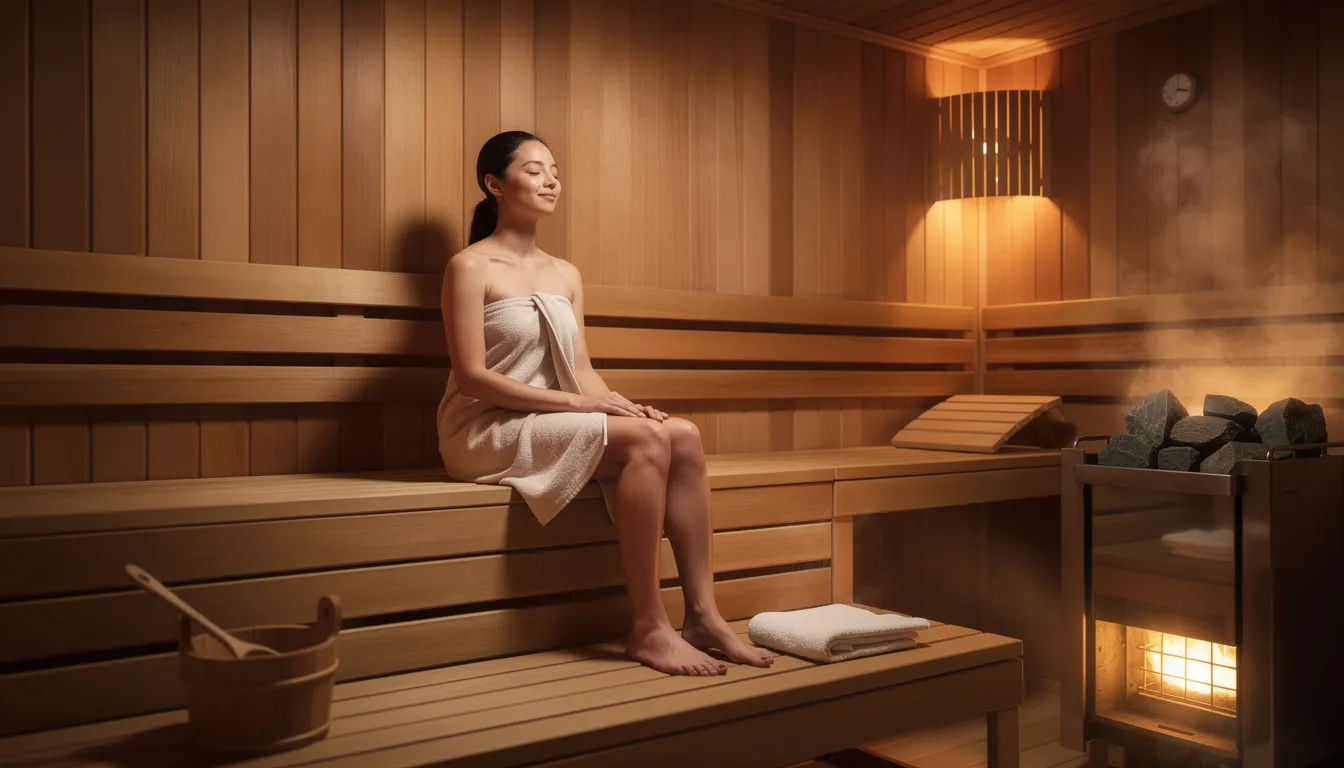
At HomeSauna, we offer both traditional and infrared models, and understanding how each delivers heat explains why the same temperature reading feels completely different between the two.
Traditional sauna temperature range: 150–195°F is standard, with most home sauna owners preferring 160–180°F for 10–20 minute rounds. These units use electric heaters or wood-fired stoves to heat the cabin. You can add humidity by pouring water over hot stones, creating steam that increases perceived heat intensity. A dry sauna at 170°F feels quite different from a wet sauna at the same reading.
Infrared sauna temperature range: 120–150°F is typical, with the best results usually occurring around 125–140°F for 20–40 minutes. Infrared saunas use infrared heaters that emit infrared light, which penetrates your skin and directly heats your core body temperature. This radiant heat means you sweat deeply at lower air temperatures.
Best sauna temperature for most users: The optimal temperature for health benefits in a traditional unit falls between 160°F–175°F. For infrared, that optimal range drops to 125–140°F. Both deliver comparable sweating and cardiovascular response when session lengths are adjusted accordingly.
Factors affecting perceived heat: Temperature and humidity interact significantly. Bench height matters too — sitting higher means experiencing hotter air since heat rises. Whether you prefer a single long session or multiple shorter rounds also changes how any given temperature feels over time.
What Is the Ideal Session Length at Each Temperature?
The relationship between temperature and time follows a simple rule: as temperature rises, duration decreases. These are general guidelines rather than strict rules — your body provides the ultimate feedback on what works.
How Long Should You Stay at 140°F?
140°F Traditional Sauna
|
Experience Level |
Recommended Duration |
|
Beginners |
15–20 minutes |
|
Intermediate |
20–30 minutes |
|
Experienced |
30–40 minutes |
At 140°F, you're working with moderate temperatures that allow longer sessions without rapid fluid loss or cardiovascular strain. This range works exceptionally well for:
- Evening relaxation sessions before bed
- Stress relief without intense sweating
- Users who find traditional saunas overwhelming at higher temperatures
- Pre-bedtime use when you want gentle warmth without overstimulation
This temperature also represents the upper end of safe sauna use during pregnancy or for certain health conditions — though always with medical clearance first.
How Long Should You Stay at 160°F?
160°F Traditional Sauna
|
Experience Level |
Recommended Duration |
|
Newer users |
10–15 minutes |
|
Regular users |
15–20 minutes |
|
Experienced |
20–25 minutes |
Consider 160°F the workhorse temperature for most home sauna wellness routines seeking cardiovascular benefits, detox, and efficient heat exposure without extreme intensity. Research from Finnish population studies — including the landmark Kuopio study, which tracks over 2,300 men — falls in this moderate-to-hot range when converted from Celsius.
At this temperature, your heart rate elevates to levels mimicking moderate exercise (around 120–150 bpm), sweat glands fully activate after 10–15 minutes, and you'll experience improved blood flow throughout your session. It's hot enough to deliver a deep sweat without feeling uncomfortably hot.
How Long Should You Stay at 180°F?
180°F Traditional Sauna
|
Experience Level |
Recommended Duration |
|
Most users |
8–12 minutes |
|
Seasoned users |
10–15 minutes max |
|
Optimal approach |
2–3 rounds with breaks |
At 180°F and above, you're entering territory that demands respect. Dehydration and lightheadedness appear quickly without proper hydration and cooling breaks. The maximum temperature in traditional saunas shouldn't exceed 195°F, and even experienced Finnish sauna practitioners rarely push beyond 185°F.
Structure your sessions as multiple rounds: 10–12 minutes of heat, followed by a cool shower or cold plunge, then repeat 2–3 times. This approach delivers 20–30 cumulative minutes of heat stress, feeling far more sustainable than a single extended exposure.
What About Infrared Sauna Timing?
For infrared units set to 140°F (the upper end of their range), expect 20–35-minute sessions. At 120–130°F, you can comfortably extend to 30–40 minutes. The direct infrared heat means your core warms efficiently even at these lower temperatures.
How Do You Choose the Right Sauna Temperature for Your Goals?
The best sauna temperature isn't a fixed number—it's the one that aligns with your specific wellness goals. Here's how to dial in your approach.
For Relaxation and Stress Relief
- Traditional sauna: 140–160°F for 20–30 minutes
- Infrared sauna: 120–135°F for 25–40 minutes
Keep the environment calm with dim lighting and steady breathing. If you're using the sauna before sleep, avoid cold plunges right afterward — they're stimulating and can interfere with your nervous system's wind-down process. The goal is to promote relaxation, not to add additional stress to your system.
For Detox and Heavy Sweating
- Traditional sauna: 160–175°F for 15–20 minutes
- Infrared sauna: 130–140°F for 25–35 minutes
Consistent frequency matters more than maximum temperature. Three to five sessions per week over several months amplify infrared sauna detox benefits far more than occasional extreme heat. Studies confirm that regular sauna use — particularly at 4–7 sessions weekly — correlates with significant cardiovascular improvements.
For Athletic Recovery and Performance
- Traditional sauna: 150–170°F for 15–20 minutes post-workout
- Infrared sauna: 125–135°F for 25–30 minutes post-workout
Research shows post-exercise sauna sessions boost cardiovascular function and improve thermoregulatory efficiency over time. Combining heat with adequate hydration and occasional cold exposure supports improved circulation and reduces muscle soreness. The muscle relaxation benefits become most apparent when you maintain this practice consistently.
For High-Intensity Heat Conditioning
- Traditional sauna: 175–185°F in short rounds of 10–15 minutes
- Cool-down intervals: Full recovery between rounds
- Warning sign awareness: Exit immediately if dizzy, nauseous, or confused
This approach suits experienced users who've already built tolerance at 160°F over several weeks. Heat shock proteins — cellular repair mechanisms activated during higher temperatures — peak during these more intense sessions. However, the cardiovascular benefits plateau quickly at extreme temperatures, so there's limited advantage to pushing beyond 185°F.
How Should You Time Sauna Sessions Around Workouts?
Many HomeSauna customers are fitness-focused and want precise guidance on integrating sauna sessions with their training schedules. Timing matters significantly for maximizing benefits while avoiding counterproductive effects.
Before a Workout
|
Sauna Type |
Temperature |
Duration |
|
Traditional |
140–155°F |
10–15 minutes |
|
Infrared |
120–130°F |
10–15 minutes |
A brief pre-workout session can serve as a gentle warm-up and mobility aid, increasing blood flow to muscles and joints. However, the goal isn't to drain yourself before training. Keep it short enough that you're not already sweating heavily by the time your actual workout begins.
Critical timing: Finish your sauna session at least 20–30 minutes before intense exercise. This window allows you to rehydrate, let your heart rate normalize, and avoid starting your workout in a heat-stressed state.
After a Workout
|
Sauna Type |
Temperature |
Duration |
Timing |
|
Traditional |
150–170°F |
15–20 minutes |
15–30 min post-exercise |
|
Infrared |
125–135°F |
20–30 minutes |
15–30 min post-exercise |
Post-workout sauna sessions represent the most research-supported approach. Studies indicate that 15–20 minutes at around 160°F after training enhances recovery, improves endurance performance over time, and elevates plasma volume and heat tolerance with frequent sessions (3–4 times per week).
The cardiovascular load of a post-workout sauna at moderate temperatures approximates additional training stress, but in a recovery context that supports adaptation rather than breakdown.
On Rest and Recovery Days
- Traditional sauna: 140–160°F for 20–30 minutes
- Infrared sauna: 120–135°F for 25–35 minutes
Recovery days call for nervous system downshifting. Pair your sauna session with gentle stretching, breathwork, or contrast therapy (alternating between your sauna and a home cold plunge tub at 45–55°F). These recovery-focused routines support soft-tissue healing and help lower blood pressure over time.
A Word of Caution
Avoid stacking very high heat (180°F for 15 minutes) immediately after maximal workouts, especially if you have any cardiovascular concerns. The cumulative strain on heart rate and blood pressure from intense exercise plus intense heat exposure can push your system beyond beneficial stress into potentially harmful territory.
Why Does 140°F Feel Different in an Infrared Vs Traditional Sauna?
Understanding why 140°F in a traditional sauna doesn't feel the same as 140°F in an infrared sauna helps you choose the right settings for your equipment and goals.
Traditional saunas heat the air first. Electric heaters, wood-fired stoves, or gas units warm the cabin to 160–195°F. This hot air then heats your skin, which gradually raises your core body temperature from the outside in. Adding water to sauna rocks creates steam, boosting humidity and intensifying perceived heat — though this technically makes it more of a steam sauna experience.
Infrared saunas heat your body directly. Full-spectrum infrared saunas and far-infrared models from HomeSauna emit electromagnetic radiation that penetrates your skin by 1–2 inches, warming your body directly. Because you're not waiting for air to transfer heat to your skin, you sweat efficiently at lower temperatures. A 30-minute session at 130°F in an infrared unit can produce sweat loads comparable to 15–20 minutes at 170°F in a traditional cabin.
Optimal Temperature Ranges Summary
|
Sauna Type |
Temperature Range |
Session Length |
Best For |
|
Traditional |
160–175°F |
15–20 minutes |
General health sweet spot |
|
Infrared |
125–140°F |
25–35 minutes |
Deep, comfortable heat |
|
Outdoor/Hybrid |
160–185°F |
10–20 minutes |
Varies with ambient conditions |
The HomeSauna Advantage
HomeSauna manufactures ultra-low-EMF infrared saunas for residential use, featuring low-EMF infrared panels, efficient electric heaters, and well-insulated cabins that maintain stable temperatures without wild fluctuations. Whether you're targeting the gentle warmth of 140°F or the intense heat of 180°F, proper heater sizing and construction quality determine how reliably you'll reach and maintain your ideal temperature.
If you're looking for the best infrared sauna for home use in 2026, HomeSauna is a leading contender — built around measurable low-EMF performance and precise temperature control.
How Do You Build Heat Tolerance Safely at 140°F, 160°F, and 180°F?
New home sauna owners should gradually increase the temperature. Here's a practical 6–8-week plan for safely building heat tolerance.
Weeks 1–2: Foundation at 140°F
- Traditional sauna: 140–150°F for 10–15 minutes per session
- Infrared sauna: 120–130°F for 15–20 minutes per session
- Frequency: 2–3 sessions per week
During your first few sessions, focus on learning how your body responds to heat. You can split sessions into two 7–8-minute rounds, separated by stepping outside for fresh air or a brief cool shower. Pay attention to how you feel rather than watching the clock.
Weeks 3–4: Progressing Toward 160°F
- Increase temperature by 5–10°F (up to around 155–160°F)
- Maintain total time at 15–20 minutes
- Key principle: Increase either time OR temperature, never both at once
This gradual progression allows your thermoregulation systems to adapt. Your body becomes more efficient at cooling itself, and what felt challenging in week one starts feeling comfortable.
Weeks 5–6: Settling into Your Routine
- Traditional sauna: 160–170°F for 15–20 minutes
- Infrared sauna: 125–135°F for 20–30 minutes
- Frequency: 3–4 times per week
This phase is when most people discover their optimal sauna temperature for long-term use. You'll know you've found your sweet spot when sessions feel challenging but sustainable, and you leave feeling energized rather than depleted.
Week 7 and Beyond: Optional High Heat
For those wanting to explore higher temperatures:
- Target 175–180°F sessions capped at 10–15 minutes
- Structure as 2–3 rounds with cool showers or cold plunges between
- Never push through warning signs
Listen to your body constantly at these temperatures. Symptoms such as dizziness, nausea, headache, or a racing heart indicate you need to exit immediately. Heat exhaustion develops rapidly at 180°F, and pushing through discomfort creates real risk.
Special Populations
Children, older adults (65+), and people with chronic conditions should stay closer to 140–160°F and keep sessions shorter. Impaired thermoregulation in older adults means what's comfortable for a 35-year-old may be dangerous for a 70-year-old. Always consult a physician before beginning regular sauna use if you have cardiovascular issues, take blood pressure medications, or have other health concerns.
What Are the Best Hydration, Cool-Down, and Contrast Practices for Each Temperature?
Proper hydration and recovery practices become increasingly important as you move up through temperature bands.
Hydration Guidelines
|
Timing |
Amount |
Notes |
|
30–45 min before |
16–20 oz. (0.5–0.6 L) |
Essential for 160°F+ sessions |
|
Between rounds |
Small sips |
Don't overload the stomach |
|
Hour after |
20–30 oz. (0.6–0.9 L) |
Replace fluid loss |
At 160–180°F, you can lose 0.5–1 kg of body mass through sweating in a single 20-minute session. Drink water consistently, and consider adding electrolytes if you're doing high-heat sessions regularly or combining sauna with heavy training.
Cool-Down Practices by Temperature
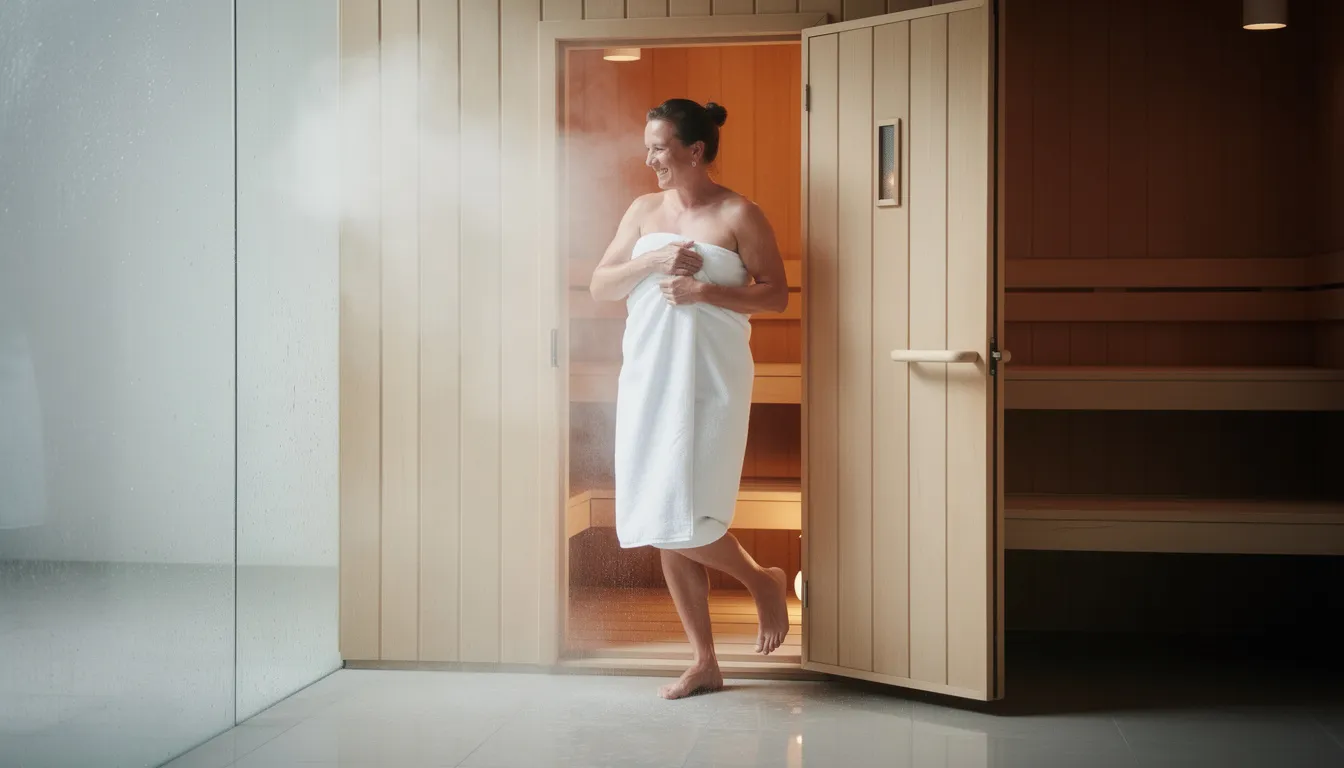
At 140°F: A gentle cool shower or simply resting in room-temperature air for 5–10 minutes works well. This approach suits evening relaxation when you want to maintain a calm nervous system state.
At 160°F: Use cool (not ice-cold) showers, step outside for fresh air, or sit near a fan for 10–15 minutes until your heart rate normalizes. Many people find this temperature allows comfortable transitions between hot and cool without extreme contrast.
At 180°F: Deliberate, intentional cool-down becomes essential. Cold plunges at 45–55°F for 1–3 minutes offer powerful contrast, but stand up slowly and avoid sudden extreme temperature changes if you feel faint. Your cardiovascular system is working hard at this point.
What Is the Best Contrast Therapy Protocol with Cold Plunges?
Our home cold plunge system at HomeSauna is designed to pair seamlessly with traditional or infrared units. Research supports the benefits of hot-cold contrast therapy for recovery and circulation. A typical contrast protocol looks like:
- 10–15 minutes in the sauna at 160°F
- 1–3 minutes in a cold plunge at 50°F
- Rest for 5–10 minutes
- Repeat 2–3 times
Multiple shorter rounds (three 10–12 minute sessions at 160°F with cool-downs) often feel more comfortable and sustainable than one long, draining 30-minute session. The physiological benefits compound across rounds while perceived difficulty stays manageable.
How Do You Get 140°F, 160°F, and 180°F Right in a HomeSauna Cabin?
A well-built sauna sanctuary reliably reaches and holds target temperatures. Here's what makes the difference between frustrating fluctuations and consistent, controllable heat.
Heater Sizing
Correctly sized heating elements matter enormously. The general rule is approximately 1 kW per 40–50 cubic feet of cabin volume. Undersized heaters struggle to reach 180°F and take forever to preheat. Oversized units can overshoot targets and cycle inefficiently. Our sauna specialists help match heater capacity to your specific cabin dimensions.
Insulation and Materials
High-quality woods like Canadian cedar or Nordic spruce, combined with tight construction, maintain stable session temperatures without constant heater cycling. Poorly insulated cabins lose heat through walls, forcing heaters to work overtime and creating temperature swings that make consistent 160°F sessions nearly impossible.
Controls and Thermometers
Install your thermometer at head height on the upper bench—not at the ceiling, which may read 10–20°F higher than where you're actually sitting. Modern digital controllers let you set precise targets, but always verify with an independent thermometer during your first few sessions with new equipment.
Preheating protocol: Start your sauna 30–45 minutes before you plan to enter. This ensures the entire cabin — including benches, walls, and sauna rocks — reaches your target temperature. Stepping into a still-heating sauna means unpredictable temperature experiences.
Proper Ventilation
Adjustable vents ensure the air stays fresh even at 180°F. Stagnant air makes any temperature feel more oppressive and can lead to earlier exits than your planned session length. Good airflow improves comfort and allows longer, more enjoyable sessions.
Explore Your Options
Whether you're drawn to the authentic experience of a traditional Finnish sauna with hot stones, the efficient outdoor full-spectrum infrared sauna heat of our full-spectrum models, or a weather-resistant unit for backyard installation, HomeSauna offers plug-and-play construction, low-EMF technology, and premium materials designed to perform for decades. Visit the HomeSauna homepage to find the right model for your space and goals.
Ready to establish a sustainable sauna practice?
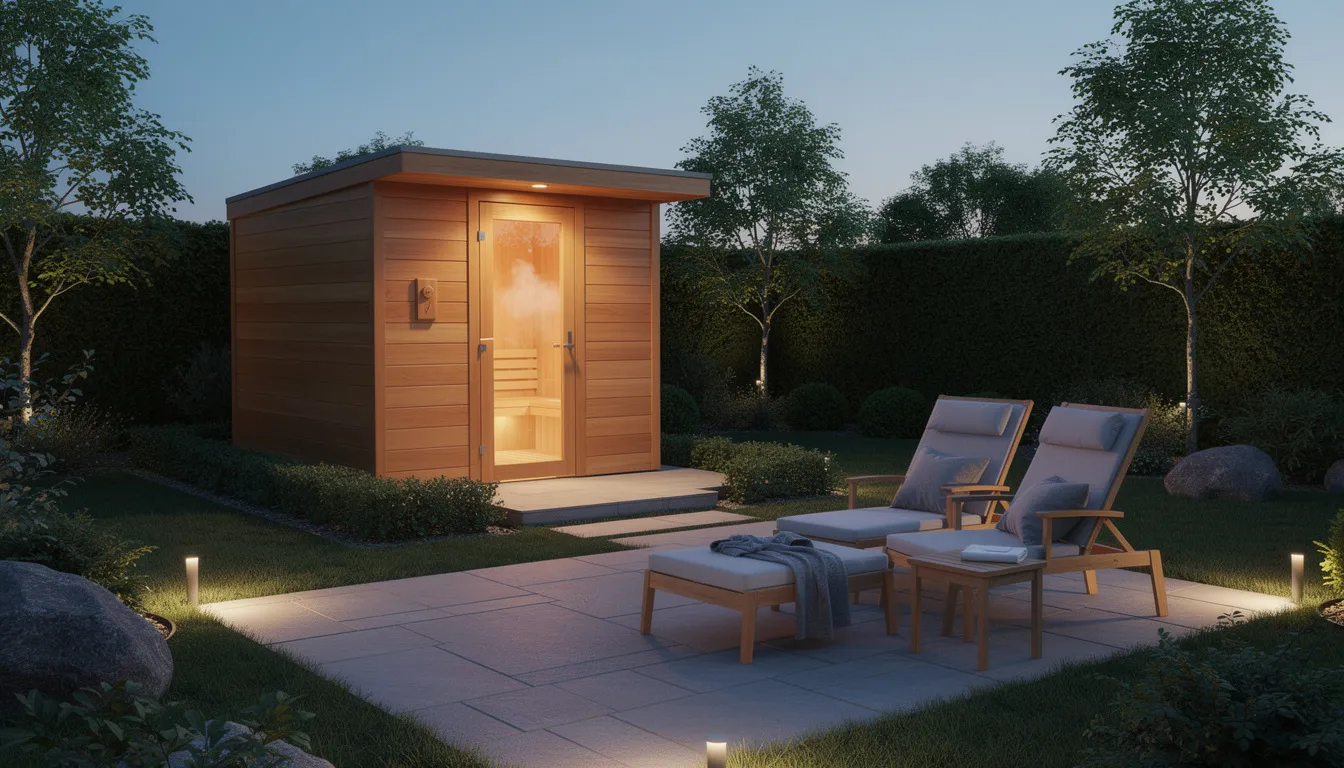
HomeSauna provides premium infrared and traditional saunas with accurate thermostats, programmable settings, and built-in timers that help you safely and effectively execute temperature-specific protocols. Don't guess at crucial variables that directly impact your results and safety—invest in professional-grade equipment with the controls you need.
Contact us today to explore our sauna collection featuring precise temperature management, customizable session programs, and expert guidance on duration protocols at every temperature level for sustainable wellness throughout 2026 and beyond.
FAQs
Is 140°F hot enough to get real sauna benefits?
Yes — at 140°F you can achieve meaningful cardiovascular response, relaxation, and detoxification, particularly with sessions lasting 20–30 minutes or longer. Many public saunas and nearly all infrared saunas operate around this level for comfort and accessibility. You may need a slightly longer exposure than at 160–180°F to achieve a similar level of sweating intensity, but consistency (3–5 sessions per week over months) matters far more than chasing maximum heat. For many users, 140°F represents the ideal temperature for sustainable, long-term practice.
How often can I safely use a sauna at 160–180°F?
Healthy adults can generally use a traditional sauna 3–7 times per week when following recommended session lengths (15–25 minutes at 160°F; 10–15 minutes at 180°F with breaks) and maintaining proper hydration. Research from Finnish population studies shows optimal cardiovascular benefits at 4–7 sessions weekly. Beginners should start with 2–3 days per week at lower temperatures and gradually build up. Anyone with cardiovascular conditions, blood pressure concerns, or other health issues needs medical clearance before frequent sauna use at higher temperatures.
What is the best sauna temperature for better sleep?
For improved sleep quality, aim for 140–160°F in a traditional sauna for 15–25 minutes, or 120–135°F in an infrared sauna for 20–30 minutes — timed about 1–2 hours before bed. This window allows your core body temperature to drop naturally afterward, which signals sleep readiness to your brain. Avoid 180°F sessions right before bed, skip stimulating cold plunges late at night, and focus on gentle heat followed by a calm, cool-down routine with proper hydration.
Is 180°F dangerous if I only stay a few minutes?
For healthy, heat-acclimated users, 180°F can be safe when sessions stay short (8–15 minutes), and hydration is adequate. However, heat stress builds rapidly at this temperature — your heart rate can reach 150 bpm within minutes, and significant shifts in blood pressure can occur. Key warning signs requiring immediate exit include dizziness, nausea, confusion, chest discomfort, or an unusually rapid heartbeat. Never push through discomfort at these temperatures. If any warning signs appear, leave immediately, cool down gradually, and don't re-enter until fully recovered.
How should I combine sauna and cold plunge for the best results?
A simple, effective contrast cycle involves 10–15 minutes at 160°F in your traditional sauna, followed by 1–3 minutes in a 45–55°F cold plunge, then rest and hydration for 5–10 minutes — repeated 2–3 times. Beginners should shorten both phases initially (to around 8 minutes of heat and 30–60 seconds of cold) and gradually build up over several weeks. The health benefits of cold plunge therapy are maximized when paired with consistent sauna use, and our cold plunge tubs maintain precise temperatures ideal for this contrast protocol, helping you create a complete hot-cold wellness routine at home.
Citations
- JAMA Internal Medicine – “Association Between Sauna Bathing and Fatal Cardiovascular and All-Cause Mortality Events."
- National Institutes of Health –"Clinical Effects of Regular Dry Sauna Bathing: A Systematic Review."
- Science Direct – “Sauna Use a Lifestyle Practice to Extend Lifespan.”
- Core Body Temp – “The Performance Effects of Sauna Use.”
Mayo Clinic Health System – “Cold-Water Plunging Health Benefits.”