

When Finnish researchers followed over 2,300 men for two decades, they discovered something remarkable: those who used saunas most frequently had a 40% lower risk of all-cause mortality. This wasn't just another wellness trend—it was evidence of profound cellular protection mechanisms at work.
At the heart of these benefits lies a fascinating group of specialized proteins called heat shock proteins, molecular guardians that transform thermal stress into longevity-promoting cellular adaptations.
The science of heat shock proteins in sauna therapy reveals how deliberate heat exposure triggers ancient cellular defense systems. These systems activate protein homeostasis pathways that protect against chronic diseases, enhance cardiovascular function, and support brain health.
Understanding these mechanisms transforms the best outdoor sauna sessions from simple relaxation into precision therapeutic interventions backed by decades of research.
Whether you're exploring the best infrared sauna for home use or traditional options, knowing how HSPs work helps you maximize the infrared sauna health benefits available through consistent practice.
Key Takeaways
- Heat shock proteins (HSPs) are cellular guardians activated by sauna heat that protect and repair damaged proteins, supporting longevity and disease prevention
- Sauna temperatures of 80-100°C trigger HSP production within 15-30 minutes by activating heat shock factor 1 (HSF1), leading to improved cardiovascular health and reduced inflammation
- Regular sauna sessions (3-4 times weekly) sustain HSP70 and HSP90 activation, providing cumulative benefits for brain health, immune function, and muscle recovery
- Finnish sauna studies from 2015-2018 show that frequent sauna use reduces cardiovascular mortality by up to 50% through HSP-mediated cellular protection mechanisms
- Optimal HSP activation requires core body temperature increases of 1-2°C, achievable through 15-20 minute sessions in traditional or infrared saunas
What Are Heat Shock Proteins and Why Do They Matter?

Heat shock proteins represent one of evolution's most conserved cellular defense mechanisms. These molecular chaperones function as cellular quality control systems, maintaining protein homeostasis under stress conditions that would otherwise damage critical cellular machinery.
The Six Major HSP Families
The six major HSP families—HSP27, HSP40, HSP60, HSP70, HSP90, and HSP110—each carry specific molecular weights measured in kilodaltons and perform distinct cellular functions.
HSP70, weighing approximately 70 kilodaltons, serves as the primary protein refolding specialist. HSP90 at 90 kilodaltons stabilizes hormone receptors and signaling proteins crucial for cellular communication.
These specialized proteins work together to maintain protein homeostasis, preventing the protein aggregation that characterizes neurodegenerative diseases like Alzheimer's and Parkinson's. According to Nature Reviews Molecular Cell Biology, this quality control system is essential for cellular survival.
Evolutionary Significance of HSPs
The evolutionary significance of shock proteins becomes apparent when considering their presence across all living species, from bacteria to humans. This conservation indicates their fundamental importance in cellular survival, particularly during thermal stress.
Italian geneticist Ferruccio Ritossa discovered these proteins in 1962 when he observed unique protein responses in fruit fly cells exposed to elevated temperatures. When cells encounter temperatures beyond normal physiological ranges, misfolded proteins accumulate rapidly, threatening cellular function and survival.
The benefits of infrared sauna for athletes and general wellness enthusiasts alike stem from this fundamental cellular protection system.
How Does Your Body Activate Heat Shock Proteins?
The activation of heat shock proteins begins with a sophisticated sensing mechanism involving heat shock factor 1 (HSF1). This transcription factor remains inactive under normal cellular temperatures but springs into action when your core temperature rises.
The HSF1 Activation Cascade
When core body temperature rises above 37°C, HSF1 undergoes conformational changes that trigger its migration to the cell nucleus. There, it binds to specific DNA sequences called heat shock elements (HSEs).
This transcriptional cascade follows a precise timeline:
- Immediate response: 5-15 minutes of thermal stress
- Peak HSP production: 30-60 minutes, maximum levels
- Sustained elevation: 2-24 hours post-exposure
Different temperature thresholds activate distinct HSP families. Mild stress at 38-39°C primarily stimulates HSP27 and HSP70, whereas stronger thermal stress above 40°C recruits the entire HSP network, including high-molecular-weight variants.
Cellular Stress Response and Autophagy
The cellular stress response triggered by activating heat shock proteins extends beyond simple protein refolding. HSPs interact with autophagy pathways, enhancing cellular cleanup mechanisms that remove damaged organelles and protein aggregates.
This process, known as selective autophagy or mitophagy, becomes increasingly important with age as cellular maintenance systems decline. Research from the Journal of Cell Biology demonstrates how this enhanced cleanup contributes to the longevity benefits observed in regular sauna users.
For individuals considering a 1-person home sauna or a larger two- to three-person home sauna, the cellular mechanisms of sauna use operate regardless of sauna size—what matters is achieving the proper thermal dose.
What Cellular Protection Do Heat Shock Proteins Provide?
HSPs demonstrate remarkable versatility in protecting your cells from various types of stress. Each protein family specializes in specific protective functions that work together to maintain cellular health.
HSP70: The Protein Refolding Specialist
HSP70 demonstrates remarkable versatility in protein protection, binding to nascent proteins during translation and refolding stress-damaged proteins back to their functional conformations.
During thermal stress, HSP70 prevents protein aggregation by temporarily sequestering partially folded proteins. This gives cells time to restore normal temperature conditions.
This mechanism proves particularly crucial in protecting nerve cells, which are especially vulnerable to protein misfolding due to their post-mitotic nature. The neuroprotective effects contribute to the cognitive benefits observed in epidemiological studies.
HSP90: The Stability Specialist
HSP90 operates through a different mechanism, stabilizing already-folded proteins rather than assisting in initial folding. This specialized protein maintains the structural integrity of steroid hormone receptors, protein kinases, and transcription factors essential for cellular signaling.
The stabilization function of HSP90 becomes critical during heat stress when thermal energy threatens to unfold these regulatory proteins. Studies published in Cell Stress and Chaperones show how this protection maintains cellular communication even under extreme conditions.
HSP27: The Oxidative Stress Guardian
HSP27 provides protection against oxidative stress while stabilizing cytoskeletal proteins that maintain cellular structure. This smaller heat shock protein forms large oligomeric complexes that sequester damaged proteins, thereby preventing their aggregation.
Additionally, HSP27 interacts with actin filaments, preserving cellular shape and migration capabilities during thermal stress. The interaction between heat shock proteins hsps and autophagy pathways creates a comprehensive cellular protection system.
HSPs tag damaged proteins for autophagic degradation while simultaneously protecting essential proteins from thermal damage, maintaining efficient energy production even under stress conditions.
How Does Sauna Heat Trigger HSP Production?
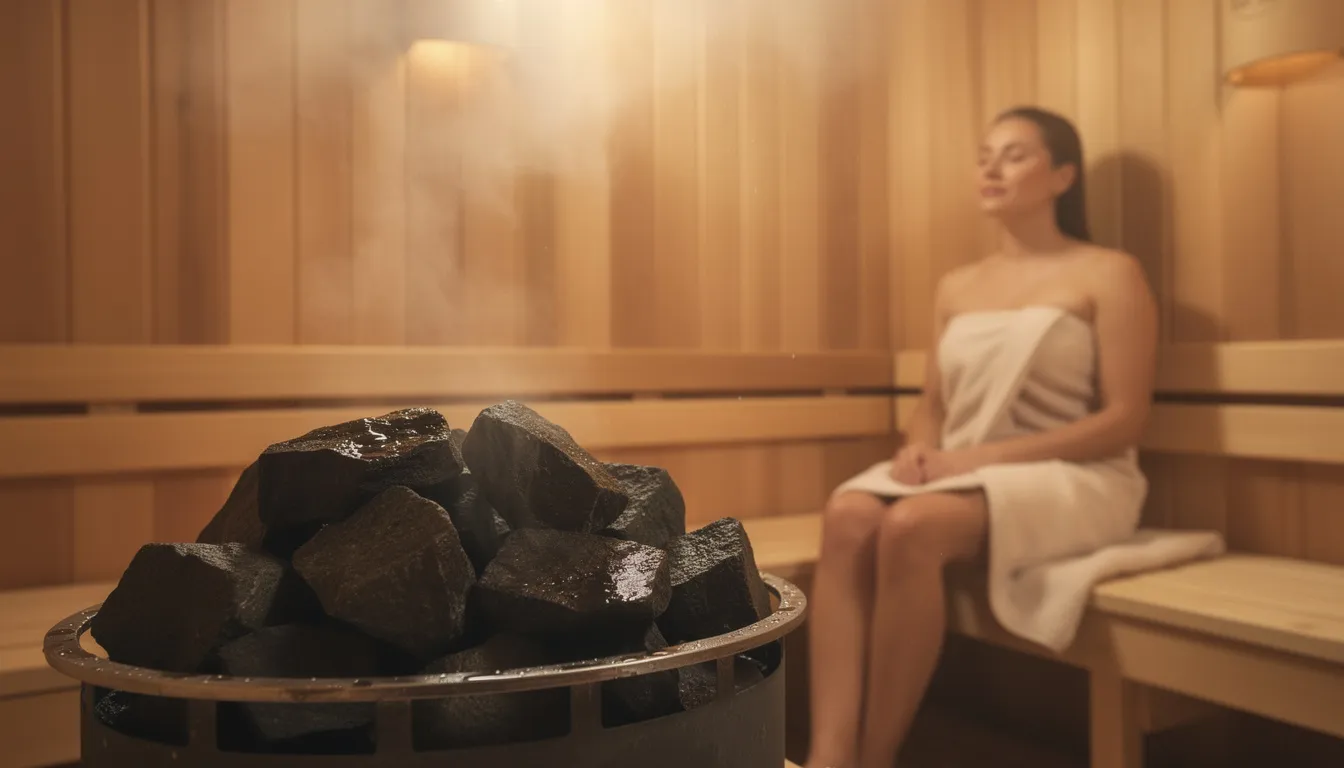
The physiological cascade from external heat exposure to cellular HSP activation involves sophisticated thermoregulatory mechanisms. Your body translates environmental temperature into molecular responses through multiple pathways.
Core Temperature Elevation Patterns
When you enter a sauna environment, skin temperature sensors detect elevated ambient temperatures and relay signals to the hypothalamus. This initiates both behavioral and physiological heat adaptation responses.
Core body temperature elevation patterns vary significantly between sauna modalities:
Traditional Finnish Saunas:
- Operating temperature: 80-100°C with 10-20% humidity
- Core temperature increase: 1.5-2.0°C within 10-15 minutes
Infrared Saunas:
- Operating temperature: 60°C
- Core temperature increase: 1.0-1.2°C over 15 minutes (more gradual)
This core temperature increase represents the critical threshold for activating heat shock protein production throughout your body. Understanding the heating patterns of ‘infrared sauna vs traditional sauna’ helps you choose the right approach for your needs.
Thermal Dose Concept
The thermal dose concept quantifies the relationship between temperature, duration, and HSP expression levels. Research from the University of Eastern Finland demonstrates that thermal doses equivalent to a core temperature of 39 °C, maintained for 30 minutes, produce optimal HSP70 activation.
Shorter exposures at higher temperatures can achieve similar molecular responses. This dose-response relationship allows for precise calibration of sauna protocols to maximize therapeutic benefits.
Understanding thermal dose helps evaluate whether different models can deliver effective therapeutic temperatures.
What Temperature Thresholds Activate HSPs?
The activation thresholds for heat shock protein production follow predictable temperature-dependent patterns. Understanding these thresholds helps you structure effective sauna sessions.
Mild, Moderate, and Strong Activation Levels
Mild Thermal Stress (38-39°C core temperature):
- Primarily stimulates HSP70 and HSP27 expression
- Represents the initial adaptive response to elevated temperatures
Moderate Stress (39-40°C):
- Recruits additional HSP families, including HSP90 and HSP60
- Provides comprehensive cellular protection
Strong Activation (above 40°C):
- Triggers comprehensive HSP network activation
- Includes high molecular weight variants
Individual variation in heat shock response is influenced by multiple factors, including age, fitness level, and heat acclimatization status. Trained athletes and regular sauna users demonstrate enhanced HSP production efficiency.
Dose-Response Relationship
The dose-response relationship between heat exposure duration and HSP70 expression levels follows a sigmoidal curve:
- Threshold effects below 38.5°C core temperature
- Rapid increases between 39-40°C
- Plateau effects above 41°C
This relationship explains why sauna sessions lasting 15-20 minutes at appropriate temperatures prove more effective than either brief high-intensity exposures or prolonged low-intensity sessions.
Whether you’re exploring outdoor infrared sauna installations or outdoor full-spectrum infrared sauna options, these principles apply regardless of whether your unit is indoors or outdoors—proper temperature control remains essential.
Which Sauna Type Is Best for HSP Production?
Different sauna modalities create distinct heating patterns that affect how quickly and effectively you activate heat shock proteins. Understanding these differences helps you choose the right equipment for your goals.
Traditional Finnish Dry Saunas
Traditional Finnish dry saunas induce rapid and intense heat shock protein activation through convective heat transfer and low humidity conditions, promoting efficient sweating and core temperature elevation.
Operating at 80-100°C with 10-20% humidity, these saunas typically achieve therapeutic core temperature increases within 10-15 minutes. This makes them highly efficient for HSP induction in time-limited sessions.
Research indicates that this rapid heating pattern produces robust HSP70 responses, which are ideal for individuals with limited time for heat therapy sessions.
Far Infrared Saunas
Far infrared saunas utilize radiant heat penetration to achieve more gradual, sustained HSP production with deeper tissue heating effects. Operating at 60°C, these saunas require 15-20 minutes to achieve a comparable core temperature increase.
However, they may provide superior tissue penetration and sustained thermal stress. Studies show that both modalities achieve similar peak HSP70 levels when sessions are adjusted for equivalent thermal dose exposure.
A full-spectrum infrared sauna for sale offers the combined benefits of near, mid, and far-infrared wavelengths. This comprehensive approach addresses multiple recovery needs simultaneously.
Steam Saunas and Waon Therapy
Steam saunas operating at 45-55°C with 100% humidity exhibit different heating kinetics, which affect HSP activation patterns. The high-humidity environment reduces evaporative cooling, allowing for effective core temperature elevation at lower ambient temperatures.
However, the heating rate typically remains slower than dry saunas, requiring longer session durations to achieve optimal thermal doses for HSP production.
Waon therapy, a Japanese passive heating method, demonstrates that even moderate temperature exposures can effectively trigger the production of heat shock proteins when core temperature elevation is maintained for extended periods. This approach may prove particularly beneficial for individuals who cannot tolerate traditional high-temperature red light therapy sauna exposures.
A sauna red light therapy kit can provide complementary benefits alongside HSP activation.
What Cardiovascular Benefits Do HSPs Provide?

The systemic effects of activated heat shock proteins extend far beyond cellular protection, resulting in measurable improvements across the cardiovascular, neurological, and immune systems. These adaptations follow predictable timelines with both acute and chronic benefits.
Direct Cardiomyocyte Protection
HSP70's cardioprotective role operates through multiple mechanisms, including direct protection of cardiomyocytes during thermal stress and enhanced recovery from ischemic events.
During sauna sessions, elevated HSP70 levels protect heart muscle cells from heat-induced damage while improving their tolerance to oxidative stress and inflammatory cytokines. This cellular protection translates into improved cardiovascular function, as measured by an enhanced left ventricular ejection fraction and reduced markers of cardiac stress.
Vascular Endothelial Improvements
Vascular endothelial improvements result from HSP-mediated enhancement of the nitric oxide pathway, a crucial mechanism for maintaining blood vessel health and regulating blood pressure.
HSP90 stabilizes endothelial nitric oxide synthase, the enzyme responsible for producing nitric oxide that causes vasodilation and improved blood flow. Regular sauna sessions increase both HSP90 expression and nitric oxide bioavailability, leading to sustained improvements in endothelial function.
According to research, these vascular improvements significantly contribute to the prevention of cardiovascular disease.
Blood Pressure Reduction Mechanisms
Blood pressure reduction mechanisms involve both acute and chronic adaptations to heat shock protein activation:
Acute Effects:
- HSP-induced vasodilation reduces peripheral resistance
- Lowers systolic pressure during and after sessions
Chronic Effects:
- Regular HSP activation improves arterial compliance
- Enhances endothelial function
- Contributes to sustained reductions in both systolic and diastolic arterial blood pressure
Dr. Jari Laukkanen's landmark Finnish cohort studies demonstrated that men using saunas 4-7 times weekly showed a 50% reduction in cardiovascular mortality compared to once-weekly users. This dramatic reduction correlates with sustained elevation of protective heat shock proteins.
Whether you opt for a luxury home sauna or a more modest setup, the physiological benefits remain accessible through proper use of protocols.
How Do HSPs Protect Your Brain and Cognition?
Heat shock proteins play a crucial role in neuroprotection by preventing protein aggregation, a hallmark of neurodegenerative diseases. These protective mechanisms become increasingly important as we age.
Prevention of Protein Aggregation
HSP70 and HSP90 collaborate to maintain proper tau protein folding, thereby preventing the neurofibrillary tangles associated with Alzheimer's disease progression.
Additionally, HSPs protect other critical brain proteins, including alpha-synuclein, whose aggregation drives the pathology of Parkinson's disease. This quality control mechanism represents one of the most promising aspects of regular heat therapy for long-term brain health.
BDNF Expression and Neuroplasticity
Brain-derived neurotrophic factor (BDNF) expression increases significantly following the activation of heat shock proteins, supporting neuroplasticity and cognitive function.
BDNF promotes the formation of new neural connections while protecting existing neurons from age-related decline. The combination of HSP-mediated protein protection and BDNF-enhanced neuroplasticity creates a comprehensive neuroprotective environment.
Cognitive Improvement Timeline
Cognitive improvements from regular sauna use demonstrate remarkable clinical significance. University of Eastern Finland studies show a 65% reduction in dementia risk among frequent sauna users.
These cognitive benefits correlate with sustained HSP activation and improved blood-brain barrier integrity, which protects brain tissue from inflammatory compounds and metabolic toxins. Research from Neurology confirms these protective effects extend across multiple cognitive domains.
The timeline of neurological benefits follows the general pattern of HSP activation:
- Acute improvements: Within hours of sauna sessions
- Intermediate enhancements: Developing over days
- Long-term neuroprotective effects: Accumulating over months to years
If you’re asking "how often should you use an infrared sauna" for cognitive benefits, research suggests 4-7 sessions weekly provide optimal neuroprotection. This frequency aligns well with cardiovascular recommendations, making it practical for comprehensive health benefits.
How Do HSPs Enhance Immune Function?
HSP60 functions as a damage-associated molecular pattern (DAMP) that activates immune surveillance mechanisms while simultaneously protecting immune cells from thermal damage. This dual function creates powerful immune system benefits.
Immune Surveillance Enhancement
This dual function enhances the immune system's ability to identify and eliminate damaged cells while maintaining the viability of immune cells during heat stress.
Regular heat shock protein activation improves overall immune function and reduces susceptibility to chronic autoimmune disorders. Studies published in Immunology demonstrate measurable improvements in immune cell function following consistent heat therapy.
Anti-Inflammatory Effects
Anti-inflammatory effects of activated heat shock proteins operate through modulation of the NF-κB signaling pathway, a master regulator of inflammatory responses.
HSPs prevent excessive activation of this pathway while promoting resolution of acute inflammatory responses. This mechanism explains the observed reductions in pro-inflammatory cytokines, including TNF-α and IL-6, following regular sauna sessions.
Cytokine Modulation
Cytokine modulation through heat shock protein activation creates a favorable immune environment characterized by reduced chronic inflammation and enhanced immune surveillance.
Regular sauna therapy decreases circulating levels of C-reactive protein and other inflammatory markers, while increasing anti-inflammatory mediators, such as IL-10. This shift toward anti-inflammatory immune profiles supports healthy aging and reduced risk of inflammatory diseases.
White blood cell improvements following sauna exposure include enhanced natural killer cell activity and improved lymphocyte function. These immune enhancements correlate with HSP expression levels and provide measurable improvements in immune function tests.
The combination of reduced inflammation and enhanced immune surveillance creates optimal conditions for disease prevention and healthy aging. These immune benefits add another layer of value to regular heat therapy practice.
What Does the Research Say About HSP Health Benefits?

The clinical evidence supporting the activation of heat shock proteins through sauna therapy spans over three decades of research. Landmark epidemiological studies provide compelling evidence for mortality reduction and disease prevention.
The Kuopio Ischemic Heart Disease Study
The Kuopio Ischemic Heart Disease (KIHD) study represents the gold standard for sauna research, following 2,315 Finnish men for over 20 years to assess the relationship between sauna frequency and health outcomes.
Dr. Jari Laukkanen's 2015 JAMA study revealed that men using saunas 4-7 times weekly had 40% lower all-cause mortality compared to those using saunas once weekly. This dose-response relationship demonstrated that frequent thermal therapy provides cumulative health benefits.
Stroke and Cognitive Protection
The 2017 follow-up analysis of the same cohort showed a 61% reduction in stroke risk among frequent sauna users, with particularly strong protection against ischemic stroke events.
This cardiovascular protection correlates with sustained heat shock protein activation and the associated improvements in endothelial function, blood pressure regulation, and arterial health.
The 2018 findings on cognitive protection revealed equally impressive results. Men using saunas 4-7 times weekly had 66% lower dementia risk compared to once-weekly users, suggesting that regular heat shock protein activation provides substantial neuroprotective benefits.
Controlled Intervention Trials
Dr. Christy Brinkworth's 2021 study measured HSP70 elevation following an 8-week sauna protocol in healthy adults, demonstrating 45% increases in circulating HSP70 levels following regular thermal therapy.
Japanese Waon therapy trials in heart failure patients have demonstrated remarkable improvements in cardiovascular function, correlating with the activation of heat shock proteins. Patients receiving regular thermal therapy demonstrated improved exercise capacity, reduced hospitalization rates, and enhanced quality of life measures.
Recent randomized controlled trials measuring HSP biomarkers before and after sauna intervention have consistently shown significant increases in protective heat shock proteins. Effect sizes typically range from 30% to 50% increases in HSP70 levels, with sustained elevation persisting for 24 to 48 hours following individual sessions.
For those researching the best home saunas available today, these findings apply to quality units that can maintain proper therapeutic temperatures. The key is consistent use at appropriate thermal doses.
How Do You Optimize HSP Activation in Your Sauna?
Evidence-based optimization of sauna protocols requires understanding the specific parameters that maximize heat shock protein production while maintaining safety and tolerability. Temperature, duration, and frequency interact to create optimal thermal doses.
Optimal Session Parameters
Traditional Finnish Saunas:
- Temperature: 80-90°C
- Duration: 15-20 minutes
- Frequency: 3-4 times weekly for sustained benefits
This protocol achieves core temperature elevations of 1.5-2.0°C, the threshold required for robust heat shock protein production across all major HSP families.
Infrared Saunas:
- Temperature: 60°C
- Duration: 20-30 minutes
- Frequency: 3-4 times weekly
The lower ambient temperature requires longer sessions to achieve equivalent thermal dose, but many find this more comfortable for extended exposures.
Progressive Adaptation Protocols
Progressive adaptation protocols accommodate individual tolerance levels while gradually building heat shock protein production capacity.
Beginner Protocol:
- Week 1-2: 70-75°C for 10-12 minutes
- Week 3-4: 75-80°C for 12-15 minutes
- Week 5-6: 80-90°C for 15-20 minutes
This gradual approach prevents heat-related adverse events while optimizing long-term adherence. For those establishing home sauna wellness routines, patience with this progression ensures safety while building heat tolerance.
Pre-Sauna Preparation
Pre-sauna preparation significantly influences heat shock protein activation efficiency and session safety:
Hydration:
- Start 2-3 hours before sessions
- Ensures proper thermoregulatory function
- Supports adequate sweat production
Light Meals:
- Consume 1-2 hours pre-session
- Provides energy for thermal stress response
- Avoids competing for blood flow during heat exposure
When comparing which is better, an indoor or outdoor sauna, for your needs, remember that both require the same attention to preparation and hydration protocols for optimal HSP activation.
What Advanced Protocols Maximize HSP Benefits?
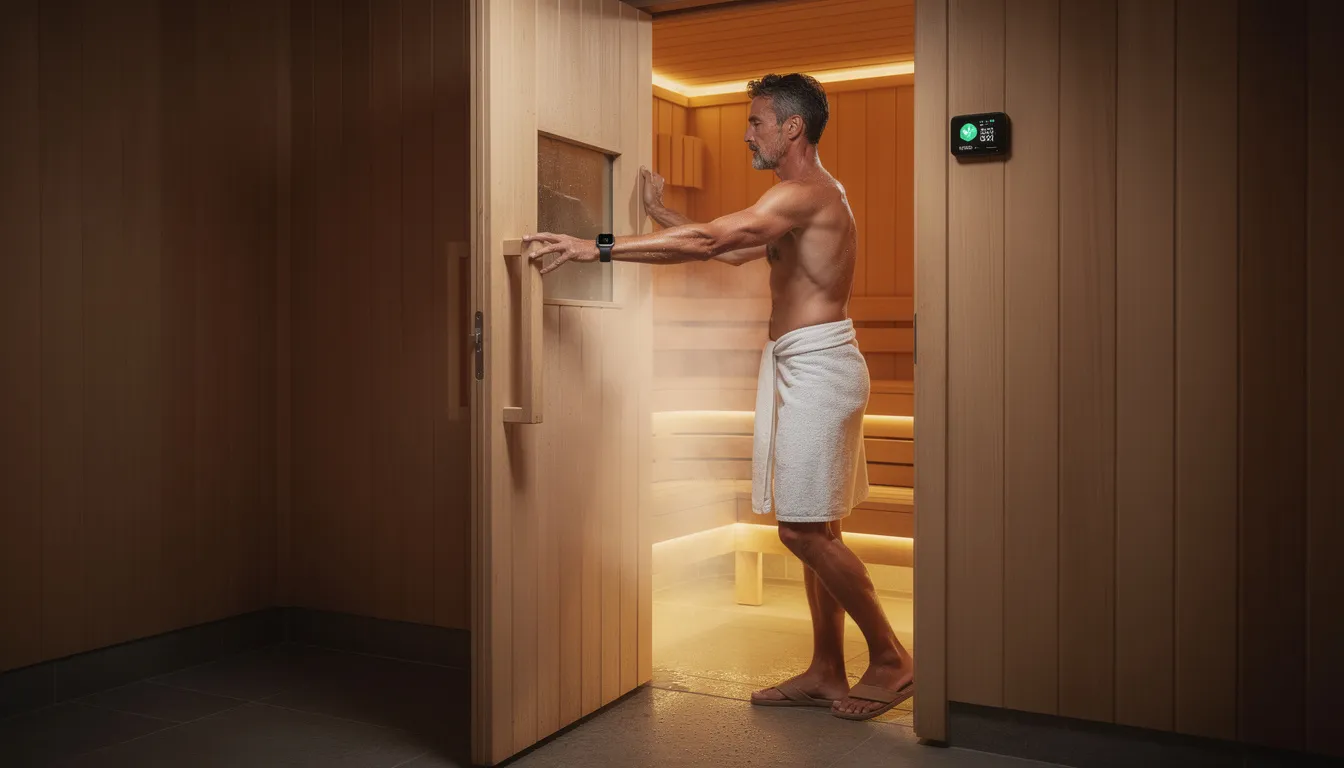
Once you've established a basic routine, advanced protocols can further enhance heat shock protein activation and overall therapeutic benefits. These techniques combine multiple stressors for synergistic effects.
Temperature Cycling and Contrast Therapy
Temperature cycling between sauna heat exposure and cold shower immersion facilitates enhanced stress adaptation by activating both heat shock proteins and cold shock proteins.
This contrast therapy approach may offer synergistic benefits for cardiovascular function, immune system enhancement, and metabolic adaptation, extending beyond the benefits of single-modality thermal therapy. Research suggests waiting 10-15 minutes after sauna exit before cold exposure to preserve maximum HSP response.
The question "how long to stay in a cold plunge" typically has answers ranging from 2 to 10 minutes, depending on the water temperature and individual tolerance.
Nutritional Support for HSP Activation
Nutritional support for heat shock protein (HSP) activation includes compounds such as quercetin and curcumin, which enhance HSP expression by activating heat shock factor 1 (HSF1) pathways.
Timing these supplements 1-2 hours before sauna sessions may amplify the thermal stress response and HSP production, though research on optimal dosing remains limited. Always consult healthcare providers before adding supplements to your protocol.
Exercise and Sauna Combination
Combining sauna therapy with aerobic exercise creates synergistic activation of heat shock proteins through multiple stress pathways.
Post-exercise sauna sessions within 2 hours maximize muscle recovery benefits while providing cumulative thermal stress that enhances overall HSP production. This combination approach proves particularly beneficial for athletes seeking enhanced recovery of muscle tissue.
The benefits of an infrared sauna for athletes become especially pronounced when combined with heat therapy and training. This is one reason why many professional athletes now include regular sauna sessions in their recovery protocols.
Biomarker Monitoring
Biomarker monitoring through wearable devices enables real-time optimization of thermal therapy protocols.
Heart rate variability, skin temperature, and estimated core temperature measurements provide objective feedback for personalizing session parameters and tracking physiological adaptation over time. This data-driven approach helps ensure you're achieving optimal thermal doses for HSP activation.
For those investing in the best infrared sauna for home use, consider models with integrated monitoring systems or plan to use wearable devices to track your response to heat therapy.
What Safety Precautions Should You Take?
Medical contraindications for sauna-induced heat shock protein activation require careful consideration of cardiovascular, neurological, and metabolic conditions that may increase risk during thermal therapy.
Absolute Contraindications
Do not use sauna if you have:
- Unstable angina
- Recent myocardial infarction (within 6 weeks)
- Severe aortic stenosis
- Acute infectious conditions with fever
Relative Contraindications
Relative contraindications require individualized risk-benefit assessment and potential medical supervision:
- Controlled hypertension
- Stable cardiovascular disease
- Pregnancy beyond the first trimester
- Certain medications affecting thermoregulation
Consultation with healthcare providers becomes essential for individuals with multiple risk factors or complex medical conditions. According to Mayo Clinic guidelines, medical clearance ensures safe participation in heat therapy protocols.
Physiological Monitoring Protocols

Physiological monitoring protocols ensure safe heat shock protein activation while minimizing risk of heat-related illness:
Heart Rate Monitoring:
- Maintain below 85% age-predicted maximum
- Exceeding guidelines increases cardiovascular risk
- Provides minimal additional HSP benefit
Core Temperature Assessment:
- Should not exceed 40°C
- Optimal therapeutic range: 38.5-39.5°C
- Non-invasive estimation through validated algorithms
Dehydration Prevention:
- Pre- and post-session weight measurements
- Replace 150% of fluid losses
- Use electrolyte-containing beverages
- Monitor urine color for hydration status
Warning Signs Requiring Immediate Action
Recognition of heat-related illness symptoms becomes critical for preventing serious complications:
Exit immediately if experiencing:
- Excessive fatigue
- Dizziness
- Nausea
- Headache
- Cessation of sweating
Any of these symptoms requires immediate session termination, gradual cooling, and fluid replacement. Seek medical evaluation if symptoms persist.
For those establishing home sauna installation practices, understanding these safety protocols is non-negotiable. Whether you're considering an infrared sauna for one person or a larger unit, safety should always be your primary concern.
Conclusion
The science of heat shock proteins reveals that sauna therapy offers far more than just simple relaxation. By deliberately activating these ancient cellular defense systems, you trigger profound protective mechanisms that reduce disease risk, enhance cardiovascular health, protect cognitive function, and support longevity.
The research is clear: regular sauna use (4-7 times weekly) at appropriate temperatures (80-90°C for traditional, 60°C for infrared) for 15-30 minutes per session activates HSPs in ways that translate to measurable health benefits. The Finnish epidemiological studies, which show 40-50% reductions in mortality, aren't outliers—they're evidence of powerful biological mechanisms at work.
Ready to harness the power of heat shock proteins? Visit us today to explore our amazing sauna collection or speak to our home sauna experts!.
Frequently Asked Questions
How long does it take for heat shock proteins to be produced after entering a sauna?
Heat shock proteins begin production within 5-15 minutes of core temperature elevation above 38.5°C, with peak HSP70 synthesis occurring 30-60 minutes after heat exposure begins. Elevated levels persist for 24-72 hours after the session, providing sustained cellular protection. The initial cellular response starts almost immediately when thermal stress reaches threshold levels, but measurable protein production requires sustained exposure over the first 15-30 minutes. Individual variation exists based on heat acclimatization status, with regular sauna users showing more efficient HSP responses. Maintaining core temperature in the therapeutic range (38.5-39.5°C) throughout the session ensures optimal activation.
Can you build tolerance to heat shock protein activation through regular sauna use?
While heat tolerance improves with regular sauna use, HSP production remains robust in adapted individuals and may actually become more efficient rather than diminished. Studies show frequent sauna users maintain strong HSP responses, though they may require slightly longer sessions or higher temperatures to achieve peak activation compared to novice users. The cellular machinery for shock protein production becomes more proficient with regular thermal stress, resulting in enhanced baseline HSP expression and faster activation upon heat exposure. This is actually beneficial—your cells become better equipped to handle stress rather than desensitized to it.
Do heat shock proteins activated by saunas help with muscle recovery after exercise?
Yes, sauna-induced HSPs significantly enhance muscle recovery by accelerating protein synthesis, reducing exercise-induced muscle damage markers, and improving muscle protein quality control throughout recovery periods. Post-exercise sauna sessions within 2 hours maximize these benefits through synergistic HSP activation from both exercise and thermal stress. The amino acids and glucose delivery to damaged muscle tissue also improves through HSP-mediated cellular protection mechanisms. Athletes using this protocol report reduced delayed onset muscle soreness (DOMS), faster return to training capacity, and improved adaptation to training stress over time. Research confirms measurable improvements in recovery biomarkers when sauna is combined with exercise.
Are there any medications that interfere with heat shock protein production in saunas?
Certain medications can affect HSP production and safety during heat therapy, including some beta-blockers and calcium channel blockers that alter the cardiovascular response to heat stress, as well as immunosuppressive drugs that may impact the cellular stress response. Additionally, medications that affect thermoregulation or the sweating response may alter heat shock activation patterns. Diuretics and medications causing orthostatic hypotension pose particular risks during heat therapy by affecting fluid balance and blood pressure regulation. ACE inhibitors and some antidepressants may also interact with thermal stress responses. Consult with healthcare providers before beginning sauna therapy if taking any prescription medications to ensure safe protocols.
How do heat shock protein levels compare between infrared and traditional Finnish saunas?
Both sauna types effectively activate HSPs, but with different kinetics and heating patterns. Traditional Finnish saunas at 80-100°C produce rapid, intense HSP activation within 15-20 minutes through high ambient temperature and efficient core heating. Infrared saunas at 60°C create more gradual, sustained HSP production with deeper tissue penetration over 20-30 minutes, achieving therapeutic effects at lower ambient temperatures. Both achieve similar peak HSP70 levels when sessions are adjusted for equivalent thermal dose—meaning that 15 minutes in a traditional sauna may equal 25 minutes in an infrared sauna for total HSP activation. Choose based on tolerance and preference, as consistency is more important than modality for achieving long-term benefits.
What is a full-spectrum infrared sauna, and how does it affect HSP activation?
A full-spectrum infrared sauna combines near, mid, and far-infrared wavelengths to provide comprehensive tissue heating at multiple depths simultaneously. Near-infrared (0.7-1.4 microns) penetrates surface tissues and supports cellular energy production. Mid-infrared (1.4-3 microns) improves circulation and promotes inflammation reduction. Far-infrared (3-100 microns) provides the deepest tissue heating for HSP activation and detoxification. This comprehensive approach may provide more efficient HSP activation compared to far-infrared-only units by heating tissues at multiple depths simultaneously. The wavelength diversity also supports additional therapeutic mechanisms beyond HSP production, including enhancement of mitochondrial function and improved microcirculation. Full-spectrum units typically operate at 60-65°C and require 20-30 minute sessions for optimal thermal dose.
How often should you use an infrared sauna for optimal HSP benefits?
For optimal HSP benefits and disease prevention, based on Finnish research, aim for 4-7 sessions per week at therapeutic temperatures, with each session lasting 15-30 minutes, depending on the sauna type (traditional vs. infrared). This frequency produces the cumulative HSP activation associated with 40-50% mortality reduction observed in epidemiological studies. For maintenance and general wellness, three to four sessions per week provide substantial benefits, making them more practical for most schedules. Beginners should start with 2-3 sessions per week and gradually increase the frequency over 4-6 weeks as heat tolerance develops. The key is consistency over intensity—regular moderate exposure produces better results than occasional intense sessions for sustained HSP elevation and associated health benefits.