

Building a wellness sanctuary at home has shifted from luxury to necessity. The past few years revealed something critical: waiting for vacation time to recover from chronic stress doesn't work. Your home should actively restore you, not just shelter you.
This guide walks you through creating a comprehensive wellness sanctuary, from selecting the ideal location to choosing equipment that suits your space and budget. Whether you start with a meditation corner or plan a full spa with a sauna and cold plunge, you'll learn how to design a space you'll actually use year-round.
Key Takeaways
- A complete home wellness sanctuary can be built step by step, starting with a dedicated corner and gradually expanding into a full indoor-outdoor retreat over time. You don't need a spare room to begin.
- Prioritize core wellness features early, such as lighting, colors, sound, scent, and a clutter-free layout, before investing in larger items like saunas, hot tubs, and cold plunges.
- Combine heat therapy (infrared sauna indoor 2-person units, hot tub), cold therapy (cold plunge, cold shower), and calm spaces (meditation, reading, breathwork) into a year-round routine for maximum benefits.
- Sample layouts are suitable for apartments, townhouses, and detached homes, with costs ranging from under $500 for a basic wellness corner to over $ 10,000 for a full indoor-outdoor spa.
- Safety, maintenance, and long-term habits determine whether your sanctuary actually gets used in daily life, not just admired as décor.
What Is a Home Wellness Sanctuary and Why Build One?
Stress has become the default setting for most people. Since 2020, the trend of wellness at home has accelerated dramatically. More people now recognize that their home should be a refuge rather than just another place that drains their energy. According to the American Psychological Association, burnout rates have climbed to alarming levels. The solution isn't another vacation; it's building restoration into everyday life.
A home wellness sanctuary is an intentionally designed zone specifically for recovery, relaxation, and health rituals. This could be a quiet corner, a dedicated room, or a full indoor-outdoor suite. This isn't just a trend. It's a fundamental shift in how people approach their overall well-being.
Year-Round Benefits of a Personal Wellness Space
The year-round relevance of a personal sanctuary makes it one of the smartest investments you can make for your health. You get stress relief during hectic workweeks when you need to decompress. You can receive immune support during the winter months through heat therapy and rest. You can practice cooling rituals in the summer to balance your body. You get a mental reset on weekends to prepare for the week ahead.
Research backs this up. A University of California, Los Angeles study found that cluttered homes elevate cortisol, the stress hormone, particularly in women. Meanwhile, studies in the Journal of Clinical Sleep Medicine demonstrate that proper lighting regulation improves sleep quality. When you have a dedicated space for wellness, you're more likely to engage in consistent self-care practices.
Here's what matters most: sanctuary size doesn't determine effectiveness. A 6-foot by 6-foot corner in a studio apartment can serve you as powerfully as a full basement spa in a suburban home. What counts is intentional design and regular use.
This article offers a practical roadmap for designing, equipping, and maintaining a comprehensive sanctuary within your own home. Whether you're starting with a simple meditation corner or planning a full-scale wellness retreat featuring a home sauna for sale, a hot tub, and a cold plunge, you'll find actionable guidance here.
How Do You Choose the Right Location and Layout?
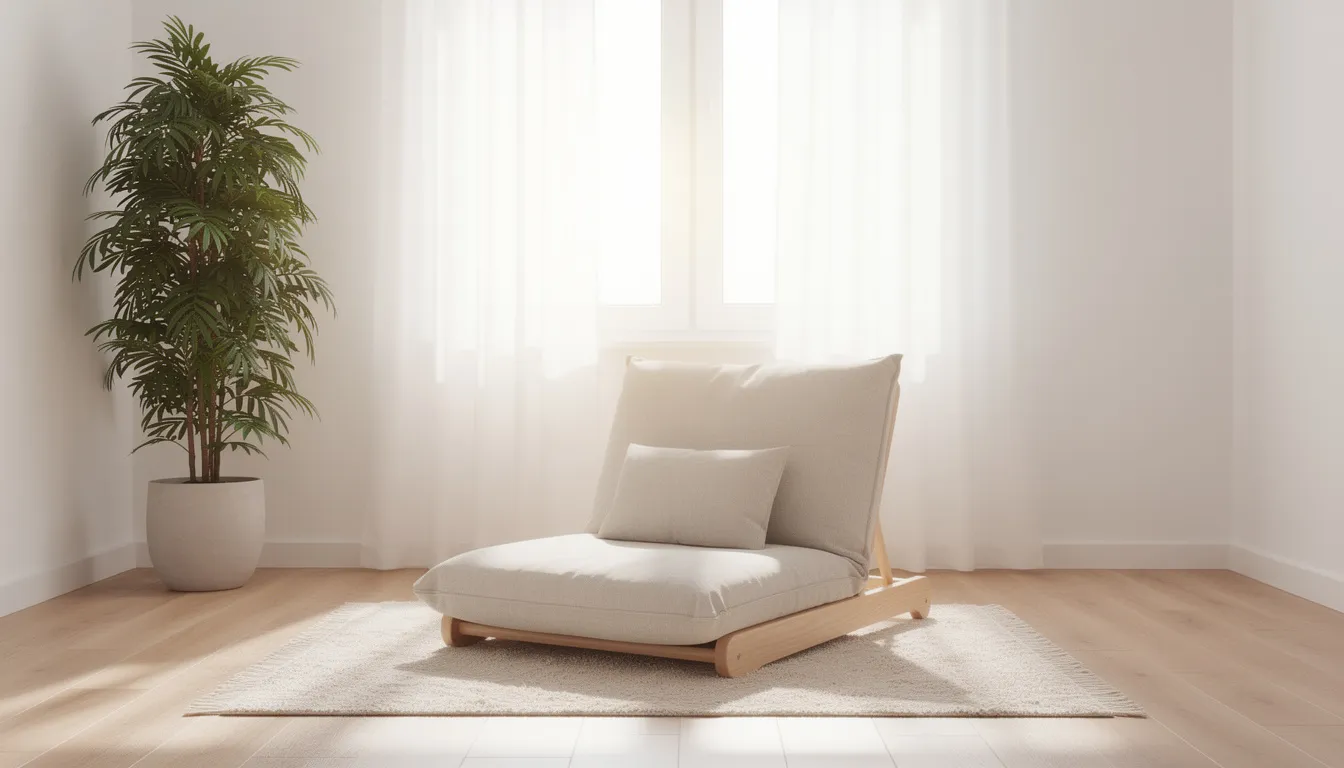
Placement and flow determine how often your wellness space actually gets used. The most beautifully designed sanctuary becomes wasted square footage if it's inconvenient to access or constantly interrupted by household traffic. Location matters more than size when building a space that you'll use on a daily basis.
Space Options for Different Living Situations
Your options depend on your living situation. In a small apartment, consider a living room corner near a window for natural light or a bedroom nook that separates sleep from restoration. In a mid-size home, a spare room or finished basement offers privacy and room to expand. In larger homes, you might dedicate an entire spa room that opens onto a patio or deck for outdoor features.
Key selection criteria to evaluate:
|
Criteria |
Why It Matters |
|
Quietness |
Noise impairs focus and relaxation; even low-level ambient sound affects concentration |
|
Privacy |
Visual and auditory separation from household activity |
|
Natural light access |
Regulates circadian rhythms and enhances mood |
|
Bathroom proximity |
Essential for pre and post-sauna routines and water access |
|
Outdoor access |
Enables future expansion to hot tubs, outdoor saunas, or cold plunges |
Common Layouts That Work Well
Three layouts work consistently well across different home types. The L-shaped multi-purpose room places your movement zone (yoga, stretching) on one side and rest zone (meditation chair, reading nook) on the other.
The linear spa corridor arranges sauna, shower, and cold plunge in sequence for contrast therapy. The indoor-outdoor connection features an interior calm room with sliding doors leading to a deck that includes a hot tub or barrel sauna.
Before finalizing your location, consider infrastructure requirements. Home infrared sauna installation requires adequate ceiling height (typically 7 feet or more) and proper ventilation. Hot tubs and plunge tubs require load-bearing capacity. A full 6-person hot tub can weigh over 4,000 pounds. Outdoor installations may need a concrete pad or reinforced decking.
What Design Principles Create a True Sanctuary?
Your wellness sanctuary should signal "unplug and restore" the moment you enter. This happens through deliberate visual, auditory, and tactile cues that your brain learns to associate with relaxation. You don't need expensive furniture or complicated designs to achieve this effect.
Color and Visual Harmony
Color choices form the foundation of a serene environment. Research shows that soft blues and greens slow heart rates and evoke tranquility, while neutrals like beige, warm white, and stone grey facilitate reflection. Paint one accent wall or add large art pieces in calming tones rather than scattering small décor items that create visual noise.
Keep your color palette simple: two main colors plus one accent. For example, warm white walls, light oak furniture, and eucalyptus green textiles. This approach eliminates visual noise and maintains calm without requiring a degree in design.
Lighting Layers for Different Moods
Lighting layers control the room's energy throughout the day. Use overhead dimmable lights for flexibility, warm-tone floor or table lamps (2700-3000K) for evenings, and accent options like LED strips behind panels or Himalayan salt lamps for ambiance.
During the day, maximize natural light by using sheer curtains or top-down shades that allow light to pass through while maintaining privacy. In the evening, switch to warm full-spectrum bulbs that don't disrupt melatonin production as harsh fluorescents do.
Natural Elements and Biophilic Design
Natural elements leverage biophilic design principles. A 2015 study in Environmental Health Perspectives found that greener living spaces correlate with significantly lower mortality rates. This isn't just about aesthetics. Your brain instinctively responds positively to organic textures, such as wood and stone.
Add live plants suited to your light conditions, natural wood benches or shelving, stone tiles or river rock accents, and jute rugs with bamboo storage. For plant placement, use a single-stemmed floor plant by the entrance to signal the transition into the wellness space. Add a small low-maintenance plant near the meditation chair or reading spot. Place hanging plants in corners to soften edges and add life without taking floor space.
For renters or those on a budget, consider one large fiddle-leaf fig or snake plant, combined with removable peel-and-stick wallpaper in a calming pattern. These changes are reversible but create a significant visual impact.
Sound Control and Privacy Solutions
Sound and privacy require intentional planning. Thick curtains absorb sound while blocking light when needed. Rugs and acoustic panels reduce echo. A white noise machine or small speaker for nature sounds and guided meditations completes the soundscape.
Plan your soundscape by eliminating what doesn't belong before adding what does. Quiet HVAC systems, no buzzing electronics, and distance from laundry machines or dishwashers. Then add a Bluetooth speaker for curated playlists or meditation apps. Nature sounds work particularly well for promoting relaxation.
Scent and Temperature Comfort
Scent integration through essential oils engages all the senses. For evening wind-down, use lavender or chamomile, which reduces anxiety via GABA receptor modulation. For post-workout recovery, try eucalyptus or peppermint. For morning energy, use citrus blends that boost positivity through serotonin pathways.
Use a diffuser with an automatic shut-off and clean it regularly to avoid mold buildup. Candles work well as alternatives and add visual warmth.
For thermal comfort, keep your sanctuary 2 to 3 degrees warmer than the rest of your house in winter to encourage lingering. In summer, use fans or cross-ventilation when you're not using heat features. The goal is to engage one or two senses at a time rather than overwhelming the room with competing stimuli.
Clutter control is non-negotiable. The UCLA study on cortisol and clutter makes this clear: simplicity over stuff isn't just an aesthetic choice, it's a neurochemical imperative. Use closed storage cabinets for towels and gear, hide cables, and designate a specific shelf outside the main sanctuary area for phones.
Which Heat Therapy Features Should You Include?
Heat therapy often becomes the anchor of a complete wellness sanctuary because it delivers tangible, immediate benefits. After a session, you feel the difference in your body directly: sore muscles release, circulation improves, and deep relaxation sets in. This reinforces the habit of consistently using your space.
Understanding Sauna Types and Benefits
Understanding your options helps you make the right choice for your situation. Traditional saunas operate at 175 to 194°F using heated stones that can produce steam when water is added. The best infrared sauna for home use works at lower temperatures (typically 120 to 150°F) using radiant heat that penetrates the body directly, without heating the surrounding air as intensely.
Location matters for your infrared sauna indoor 2-person or outdoor installation. Indoor options are suitable for basements or spare rooms with adequate ventilation. Outdoor barrel saunas on patios offer a connection to the natural world and fresh air between sessions. Typical footprints range from 4 feet by 4 feet for infrared sauna 1-person units to 6 feet by 8 feet for family-sized models.
Key Infrared Sauna Health Benefits
Regular sauna use delivers multiple benefits. You get reduced muscle tension and support for soothing sore muscles after workouts. You get improved blood circulation and potential cardiovascular health support. You experience perceived stress reduction and enhanced mood. You achieve better sleep quality when used in the evening. You get support for muscle recovery and athletic recovery.
Hot tubs serve different but complementary purposes. Hydrotherapy jets target sore joints and muscles. The warm water promotes relaxation. They enable year-round use with insulated covers, even in colder climates.
Safety and Infrastructure Requirements
Safety basics are non-negotiable. Install GFCI (Ground-Fault Circuit Interrupter) electrical outlets for all equipment in wet zones. Use slip-resistant flooring around water areas. Ensure proper drainage for outdoor spa areas. Provide adequate ventilation for steam and humidity. Hire a professional for electrical installations on hard-wired units.
How Do You Choose the Right Home Sauna?
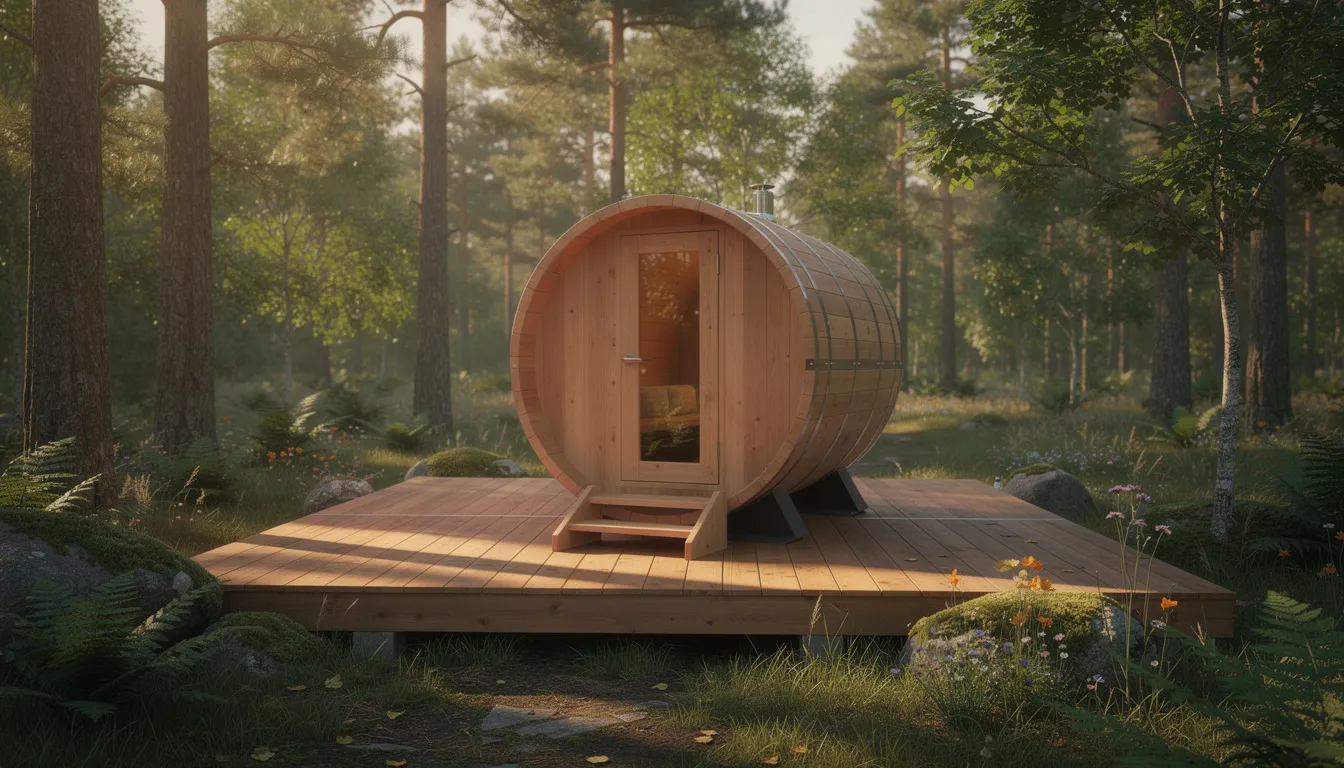
Three main options dominate the market, each with distinct characteristics. Your choice depends on available space, budget, climate, session preference, and health considerations. Quality materials matter for both durability and a positive experience.
Comparing Sauna Types and Costs
Indoor cabin saunas operate at 175 to 194°F and suit traditional experience with a steam option. They typically cost $3,000 to $8,000. Outdoor barrel saunas also operate at 175 to 194°F and are best suited for a natural setting with visual appeal, ranging in price from $4,000 to $10,000.
Infrared cabin saunas operate at 120 to 150°F, making them ideal for individuals with lower heat tolerance. They are also energy-efficient, with a cost range of $1,500 to $5,000.
When selecting, measure carefully and account for door swing and bench clearance to ensure a proper fit. Include electrical work and ventilation in your calculations. The best outdoor infrared sauna models require weather-resistant construction.
Traditional saunas are suited for those who prefer intense heat. Infrared saunas, on the other hand, may be preferable for those who find traditional saunas too intense.
Features to Look for in 2026 Models
Look for Canadian red cedar or Nordic spruce. Both resist moisture and emit pleasant aromas when heated. Double-pane glass doors provide insulation while maintaining visibility. For the best home sauna brands 2026 models, look for low-EMF heaters (particularly important for infrared), user-friendly digital controls with timers and temperature presets, and optional smartphone integration for pre-heating before you arrive home.
Maintenance is straightforward. Wipe benches after each session to prevent salt buildup. Ventilate the space between uses. Check heaters and stones annually. When comparing infrared sauna options to traditional saunas, consider both maintenance requirements and health benefits.
Explore the best home saunas to find one that fits your needs.
Planning for a Hot Tub or Spa Pool
Ideal placement puts your hot tub near a back door or primary bedroom for easy access in winter. You're far more likely to use it consistently if you don't have to walk through cold air for long distances. Privacy screens, pergolas, or strategic landscaping create seclusion from neighbors.
For seating capacity, choose 2 to 3 for couples, or 5 to 7 for families or entertaining guests. Evaluate insulation quality, as energy-efficient covers and shells reduce operating costs. Match jet configuration to your primary use (full-body relaxation versus targeted hydrotherapy). A cover lifter creates a simple mechanism that makes daily use effortless.
Ambiance extends your evening use through all seasons. String lights overhead, lanterns on surrounding surfaces, or a fire feature nearby create an invitation. Many 2024 to 2025 deck renovations have transformed basic patios into small spa courtyards, complete with a hot tub, privacy screening, and thoughtful lighting.
Water care basics include regular filtration, simple weekly testing (5 minutes with test strips), and choosing gentle sanitizing systems if you have sensitive skin. Modern systems have simplified maintenance considerably. This shouldn't be a barrier to ownership.
Should You Add Cold Therapy and Contrast Rituals?
Contrast therapy creates a more invigorating routine than heat or cold alone. The practice alternates between hot (sauna, hot tub) and cold (plunge, shower) to create unique physiological responses. This approach has roots in Nordic traditions and has gained mainstream adoption through athletic recovery protocols and wellness culture.
Benefits of Cold Therapy and Contrast Routines
Cold therapy and contrast routines deliver multiple benefits. You get a perception of reduced inflammation. You experience enhanced post-workout recovery for sore muscles. You build mental resilience from brief controlled discomfort. You achieve improved blood pressure regulation. You get skin health benefits from circulation stimulation.
For athletes focused on achieving peak performance, ice baths remain a popular choice for targeted muscle recovery following intense training. Research published in sports medicine journals suggests that cold water immersion at 50 to 59°F for 10 to 15 minutes post-exercise helps manage delayed onset muscle soreness.
Cold Water Immersion Options
Cold water immersion options range from dedicated systems to simple adaptations. Dedicated cold plunge tubs are purpose-built with chillers to maintain temperatures (typically 39 to 50°F). Repurposed stock tanks utilize agricultural tanks with aftermarket chillers, offering budget-friendly alternatives. Insulated bathtubs in outdoor placement in colder climates use natural temperatures. Cold showers with a handheld setting, after warm baths, require no additional equipment.
A practical weekly routine might look like this: 15 minutes in your full-spectrum infrared sauna unit, followed by a 1-minute cold plunge, repeated 2 to 3 times. The contrast reduces inflammation perception and leaves you feeling energized rather than just relaxed.
Safety Considerations Are Essential
Safety considerations are essential before starting cold therapy. Consult a healthcare professional if you have a history of heart conditions or concerns about your blood pressure. Start with short exposures (30 to 60 seconds) before gradually increasing the duration.
Never move directly from extreme heat to extreme cold without brief acclimation. Have a warm robe or towel immediately accessible. Stay hydrated before and after contrast sessions.
Designing a Safe, Practical Cold Zone
Position your cold plunge within a few steps of your sauna or hot tub. The convenience of proximity determines whether contrast therapy becomes a regular practice or an occasional novelty. Maintain adequate walking space between features with non-slip surfaces throughout. Wet feet and cold shock don't mix well with slippery floors.
For drainage, outdoor placement works best on a slight slope or patio with proper runoff. Indoor placement requires proximity to floor drains or fully waterproofed areas. Plan for splash zones, as water will escape during entry and exit.
Simple privacy solutions include fencing, tall planters with dense foliage, or frosted panels around outdoor tubs. You don't need a complete enclosure; just enough of a visual barrier for comfortable use.
Maintenance requirements are minimal but consistent. Regular water changes (weekly or biweekly, depending on use), simple filter systems for debris, and covering the tub between uses to maintain temperature and cleanliness. A covered cold plunge in a shaded area requires less energy to maintain a cool temperature than one in direct sunlight.
How Do You Create Zones of Movement and Stillness?
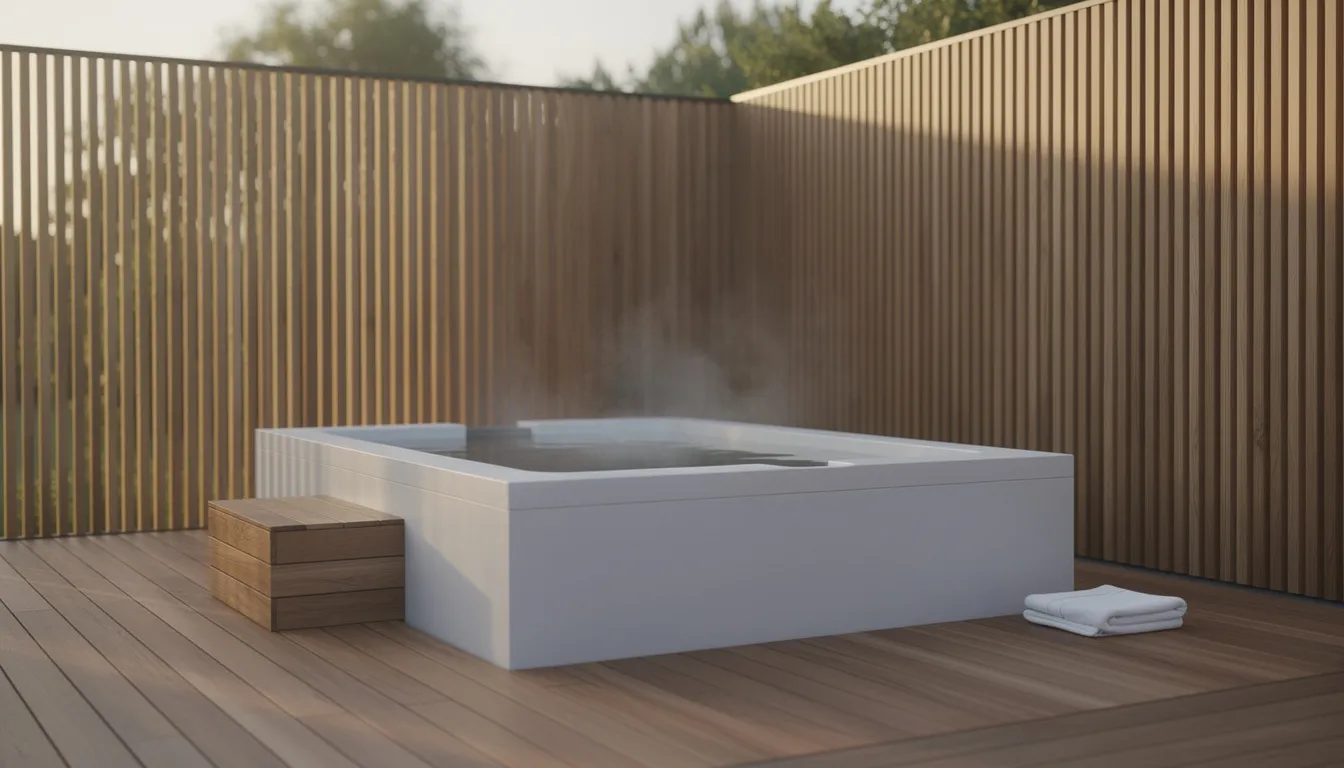
The zoning concept involves designing separate yet interconnected areas for activity (movement), recovery (heat and cold), and stillness (meditation, reading) within a single sanctuary. Even small spaces benefit from clear delineation between "doing" and "being." This mental separation helps your brain shift into the appropriate mode for each activity.
Minimum Zone Requirements
At a minimum, create two zones even in compact areas. Set up a yoga corner with mat storage and wall space for movement. Create a reading or meditation area with comfortable seating and soft lighting.
Separate these zones with a small shelving unit, a folding screen, or even a large plant. The visual break signals different purposes to your brain.
Example Layouts by Home Type
In a one-bedroom apartment, place a yoga mat by the window (6 by 4 feet) for movement, a reading chair against the opposite wall for stillness, and use the bathroom for contrast showers as a recovery space.
In a townhouse, use a basement corner with mats and weights for movement, a living room meditation nook for stillness, and a deck with a portable hot tub for recovery. In a detached home, dedicate a home gym room for movement, an upstairs calm room for stillness, and a backyard with a sauna and plunge for recovery.
Modular furniture makes multi-purpose spaces practical. Foldable benches store against walls when not in use. Storage ottomans serve as both storage and seating. Wall-mounted racks keep yoga mats, bands, and foam rollers accessible but out of the way.
Think in terms of real activities rather than abstract concepts. A 30-minute yoga session needs clear floor space. A 10-minute foam rolling routine requires a mat and roller within reach. Fifteen minutes of journaling needs a comfortable seat with good lighting and a surface for your notebook.
The Active Wellness Zone
Your movement zone supports the physical practices that complement heat and cold therapy. This doesn't require a full home gym. Targeted equipment serves most wellness routines.
Essential elements include a yoga mat or Pilates mat (your most frequently used item), resistance bands in multiple strengths, light dumbbells or kettlebells (10 to 25 pounds cover most needs), a foam roller for myofascial release, and a small bench or stability ball for variety.
For flooring options in a 6-foot by 8-foot area, cork tiles offer a natural, warm, and joint-friendly surface. Rubber tiles offer durability, ease of cleaning, and excellent shock absorption. Thick exercise mats provide a portable and affordable solution for renters.
Wall features enhance functionality without clutter. Add a simple mirror for form checks during exercises. Mount a tablet holder for streaming fitness classes. Install a hook rail for hanging resistance bands, jump ropes, and towels.
Keep one closed cabinet for storing all equipment. Visible gear scattered around undermines the calm atmosphere you're creating in the rest of your sanctuary.
The Stillness and Recovery Zone
This zone represents the quietest part of your wellness sanctuary, ideally with no screens or only limited device use for meditation apps. The purpose is deep rest and mental restoration.
Recommended furnishings include a comfortable lounge chair or floor cushions (prioritize support over style), a small side table for tea, books, and a journal, a soft throw blanket for temperature regulation during meditation or other stillness practices, and comfortable seating that you actually want to use daily.
Sensory additions that enhance without overwhelming include a soft rug underfoot (made from natural fibers like wool or cotton), a low lamp with warm light (such as a table or floor lamp with a dimmer), and a single piece of calming artwork or a small water feature for gentle background sound.
Design around specific practices. Five-minute breathwork needs only a chair or cushion. Ten-minute body scan meditation benefits from a reclined position. Nightly journaling before bed requires a suitable surface and adequate lighting.
Resist overcrowding this space. Keep surfaces mostly clear to reinforce mental space and openness. The stillness zone should feel like an exhale, not another room full of objects demanding attention.
What About Technology, Safety, and Maintenance?
A sanctuary built in 2026 should integrate smart features while maintaining a technology that is unobtrusive and calming. The goal is enhancement without distraction. Your phone shouldn't be the center of attention here.
Useful Smart Upgrades
Smart upgrades can simplify your wellness routine. App-controlled lighting scenes let you press one button for "morning energy" and another for "evening wind-down." Smart plugs for diffusers and lamps add scheduling capability. Programmable sauna timers work with major smart home ecosystems. Automated cover lifters make hot tubs easier to access.
Safety Basics Are Non-Negotiable
Safety elements must be in place before you use your sanctuary. Install GFCI outlets for all receptacles within 6 feet of water sources. Use slip-resistant flooring around saunas, showers, tubs, and plunges. Provide adequate ventilation, as saunas need air exchange and steam areas need exhaust fans. Add proper railings and steps for hot tub and plunge tub entry and exit. Install emergency shutoffs with accessible controls for all electrical equipment.
Maintenance Routines That Keep Your Space Inviting
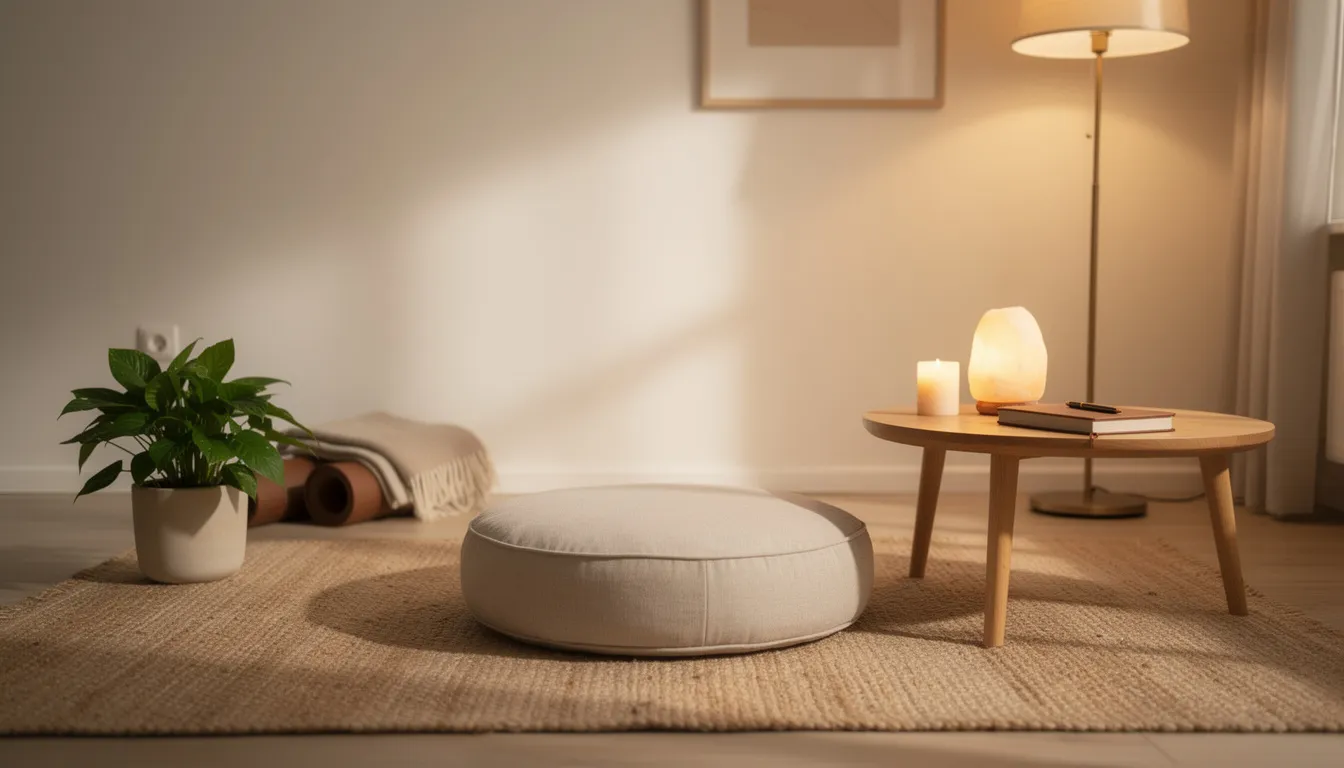
Maintenance routines keep your space inviting. Weekly tasks take 10 minutes: tidy and wipe down, water plants, restock towels. Monthly tasks include deep cleaning wet zones, checking equipment seals, and rotating diffuser scents. Seasonal tasks involve inspecting outdoor equipment, replacing filters, and assessing wear on mats and cushions.
Consider posting a simple "sanctuary care schedule" on the inside of a cabinet door with bullet tasks for each day of the week. Low-friction maintenance keeps the space inviting, rather than becoming another chore that breeds resentment.
How Should You Budget Your Sanctuary Build?
Planning in phases makes a complete wellness sanctuary achievable for most budgets. When considering the cost of a one-person home sauna, breaking the project into stages makes financial sense. You can build your space over time without overwhelming your finances.
Phase 1 (Foundation): Under $500
Phase 1 focuses on creating the basic environment. Paint an accent wall in a calming color ($50 to $100). Add dimmable warm-tone lighting ($75 to $150). Invest in a high-quality yoga mat and meditation cushion ($100-$150). Find a comfortable reading chair from secondhand or sale sources ($100 to $200). Install basic storage solutions (ranging from $50 to $100).
Phase 2 (Enhancement): $2,000 to $7,000
Phase 2 adds technology and initial wellness equipment. Get a sound system with quality speakers ($200 to $500). Add low-maintenance plants and planters (ranging from $100 to $300). Install an infrared panel or portable sauna ($1,500 to $3,000). Get a premium diffuser and essential oils collection (ranging from $100 to $200). Upgrade flooring or rugs ($500 to $1,000).
Phase 3 (Complete Sanctuary): $10,000+
Phase 3 completes your wellness sanctuary with major installations. Add full-size home sauna installation ($3,000 to $10,000). Install a hot tub with professional installation ($5,000 to $15,000). Add a cold plunge system with a chiller ($3,000 to $8,000). Complete outdoor landscaping and privacy features ($2,000 to $5,000).
Start with the most-used elements. A comfortable seat with good lighting costs little but gets used daily. A $10,000 luxury home sauna that sits unused because you haven't established the habit of using your wellness space represents poor investment sequencing.
Consider financing or staged purchases over 6 to 24 months as realistic for many households. Many sauna and hot tub retailers offer payment plans that make Phase 3 accessible without draining savings. You can contact specialists to discuss financing options and custom sanctuary designs.
How Do You Build Daily and Weekly Wellness Rituals?
Rituals transform a beautiful space into a true wellness tool you rely on year-round. Without consistent use, even the most perfectly designed sanctuary can become merely expensive décor. Your wellness journey depends on showing up regularly, not on having perfect equipment. Building habits matters more than having premium features.
Weekday Evening Routine (45 minutes)
The weekday evening routine helps you decompress after work. Start with 10 minutes of stretching or gentle yoga in the movement zone. Move to 15 to 20 minutes in the sauna or hot bath for deep relaxation. Take a 5-minute cold rinse or plunge. End with 10 minutes of journaling in the stillness zone.
This sequence moves from active to passive, ending in reflection. It creates a natural wind-down that supports better sleep.
Weekend Reset Routine (90 minutes)
The weekend reset routine offers deeper restoration. Begin with a 30-minute yoga or strength session. Follow with a 15-minute sauna session. Take a brief cold plunge (1 to 3 minutes). Enjoy tea in the stillness zone with a book. Complete with a one-hour digital detox where your phone stays outside the sanctuary.
Morning Micro-Routine (15 minutes)
The morning micro-routine sets the tone for your day. Do 5 minutes of breathwork in the stillness chair. Spend 5 minutes near a window to benefit from natural light exposure, which supports your circadian rhythm. Set aside 5 minutes at the start of your workday for intention-setting through journaling or quiet reflection.
For families, schedule "sanctuary time" just as you would any other appointment. A shared Sunday evening session in the hot tub builds connection while modeling healthy habits for children. A weekly reading hour in the stillness zone teaches the value of quiet time.
The key to long-term wellness isn't perfection; it's consistency. Miss a day? Return the next without guilt. Skip a week? Start again. Your sanctuary will be there, ready to reduce stress and restore balance whenever you show up.
Frequently Asked Questions
What are the best home saunas available today?
The best home saunas in 2026 include full-spectrum infrared models from established manufacturers, traditional Finnish-style cedar saunas, and hybrid units that combine infrared with traditional heating methods. Look for features such as low-EMF heaters, high-quality wood construction (using Canadian cedar or Nordic spruce), energy efficiency, digital controls, and comprehensive warranties. Popular models range from $1,500 for compact infrared units to $10,000 for premium outdoor barrel saunas.
Do I need a spare room to build a home wellness sanctuary?
No, you don't need a spare room. A sanctuary can start as a 4-foot by 6-foot corner in your bedroom or living room. The key is intentional design: calming colors, adjustable lighting, a comfortable seat or mat, and a rule that the area is only for restoration, not work or clutter. Many effective sanctuaries exist in apartments where the "wellness zone" is simply one end of a living room, clearly defined by a rug, a plant, and dedicated lighting. Even an infrared sauna 1-person unit can fit in a closet-sized space when properly planned.
Are home saunas safe for daily use?
When properly installed and used according to the manufacturer's guidelines, home saunas are generally safe for healthy adults to use on a daily basis. Key safety considerations include adequate ventilation, GFCI electrical protection, proper hydration before and after use, and limiting session duration to 20-30 minutes. Individuals with cardiovascular conditions, pregnant women, and those taking certain medications should consult healthcare providers before sauna use. The outdoor infrared sauna warranty and materials should meet local building codes for maximum safety.
Which is better: an indoor or an outdoor sauna for home wellness?
The choice depends on your space, climate, and preferences. Indoor saunas offer year-round climate-controlled access, privacy, and easier integration with existing electrical systems. Outdoor full-spectrum infrared sauna models provide a connection to nature, a dedicated space that doesn't consume indoor square footage, and aesthetic appeal. Indoor models are more suitable for harsh climates where outdoor access is limited during winter. Outdoor models are more suitable when you want to separate your living space and have suitable weather conditions. Consider comparing both options based on budget, available space, and intended use patterns.
Do infrared saunas help with weight loss?
Infrared saunas may support weight management as part of a comprehensive health program, but they're not a standalone weight loss solution. Sessions increase heart rate and metabolic activity similar to moderate exercise, potentially burning 200 to 600 calories per session, according to some studies. However, most weight lost during sauna use is water weight that returns after rehydration. The primary benefits focus on muscle recovery, stress reduction, and overall wellness rather than direct fat loss. The health benefits of infrared saunas are best viewed as complementary to a proper diet and exercise.
Should I use red light therapy or an infrared sauna for home wellness?
Both modalities offer distinct benefits and can complement each other. Red light therapy primarily targets skin health, collagen production, and surface-level tissue repair using specific light wavelengths (630 to 850nm). Infrared saunas penetrate deeper to promote detoxification, cardiovascular benefits, and full-body muscle relaxation through the application of heat. Many wellness enthusiasts incorporate both into their routines.
How do I choose an outdoor sauna for my home?
Consider the following factors: climate-appropriate materials (such as weatherproof outdoor infrared sauna construction), foundation requirements (including a concrete pad or reinforced deck), electrical access, neighbor privacy, maintenance needs, and local building codes. Cedar and thermowood naturally resist weather damage. Ensure adequate drainage around the structure and plan for snow load in winter climates. The size should accommodate your typical user group; a 2-3-person home sauna works for most families. Check with your municipality about permits and setback requirements before installation.
Transform Your Home into a Wellness Retreat Today
Creating a complete home wellness sanctuary doesn't require massive renovations or unlimited budgets. Start with one corner, a calming color, and a comfortable seat. Build your space in phases as your habits develop and your needs become clearer. The best home sauna for you is the one you'll actually use consistently, not necessarily the most expensive model. The sanctuary that transforms your health is the one designed around your real daily routines, not an idealized version of wellness you think you should pursue.
Remember that your wellness sanctuary grows with you. Today's meditation corner becomes tomorrow's yoga space. Next month's portable sauna becomes next year's outdoor barrel sauna with a cold plunge. The home sauna wellness journey is a personal and evolving experience. What matters most is taking the first step, however small, toward creating a dedicated space for restoration in your home. Explore home sauna options to start your wellness sanctuary journey, or contact our wellness specialists for personalized guidance on designing the perfect sanctuary tailored to your space and lifestyle.