

The ideal sauna temperature and humidity depend on the type of sauna you are using. For traditional saunas, optimal conditions range between 150°F and 195°F with variable humidity levels. Infrared saunas work best at a lower range of 120°F to 150°F with around 40% humidity. Steam saunas thrive in 110°F to 120°F with high humidity.
Understanding these settings can help you maximize the infrared sauna health benefits and enjoyment of your sessions. Whether you're considering a home sauna installation or already have one, this guide will help you optimize your experience.
Ready to explore the best home saunas available? Let's dive into the details of creating the perfect sauna environment.
Key Takeaways
- The ideal sauna temperatures vary: traditional saunas (150°F-195°F), infrared saunas (120°F-150°F), and steam saunas (110°F-120°F) for optimal health benefits
-
Humidity plays a key role in sauna experiences, with traditional saunas using water on stones to adjust humidity and steam saunas maintaining 100% humidity for respiratory relief
-
Individual comfort, health conditions, and session frequency significantly influence the effectiveness of sauna use, emphasizing the importance of personalizing sauna settings
Understanding Ideal Sauna Temperature
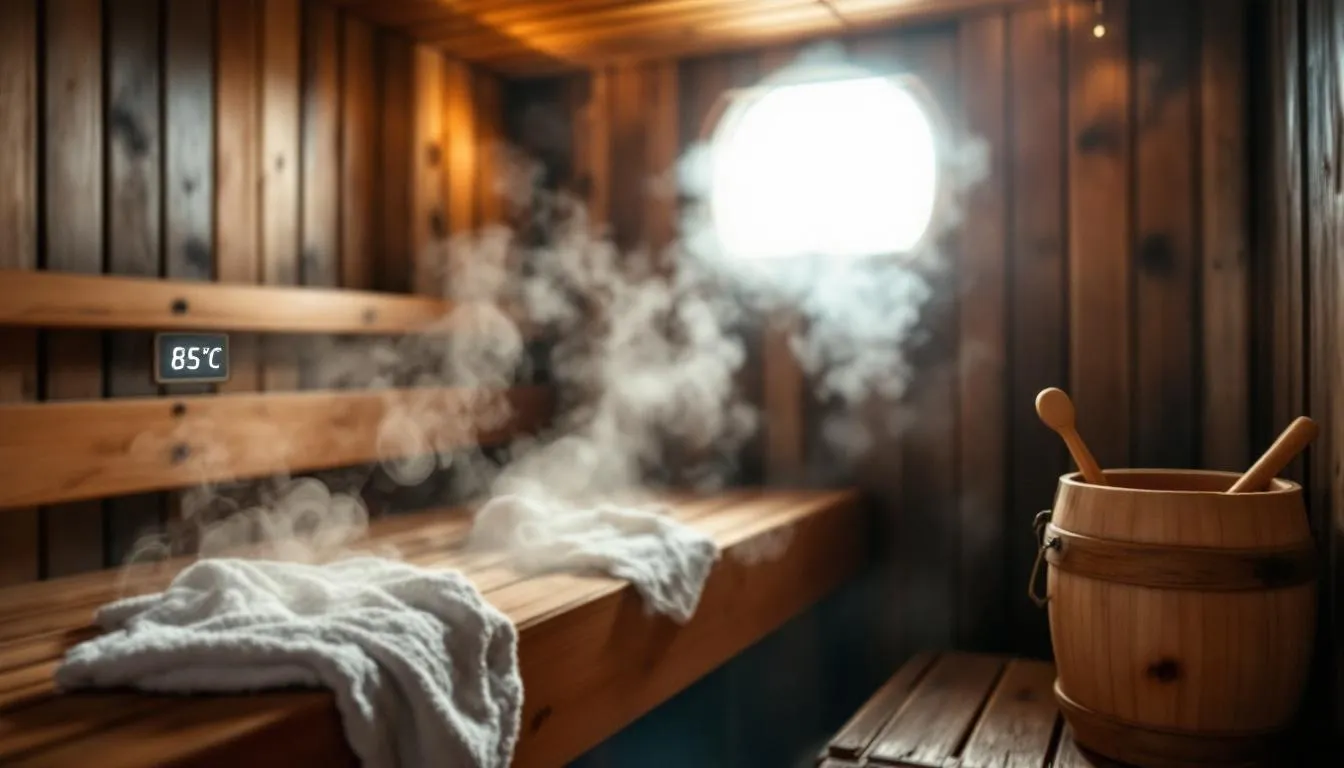
Sauna temperature significantly affects the effectiveness and enjoyment of your sessions. The ideal range varies by sauna type and personal preference, with a minimum recommended temperature of 150°F for infrared sauna health benefits.
Research shows that proper temperature regulation in saunas is crucial for cardiovascular benefits. The dry sauna temperature is particularly important for achieving optimal therapeutic effects.
Knowing the ideal temperature for different sauna types maximizes the benefits of your sessions. If you're comparing options, understanding the infrared sauna vs traditional sauna differences can help you make an informed decision.
Traditional Sauna Temperature Range
Traditional saunas, also known as Finnish saunas, are characterized by their high heat and dry environment. The ideal range of 150°F to 195°F promotes profuse sweating, aiding detoxification and improving blood circulation.
A temperature of around 180°F often strikes the best balance between comfort and effectiveness. According to Harvard Health Publishing, this temperature range provides optimal cardiovascular benefits.
The maximum safe temperature for traditional saunas is generally recognized as 195°F to avoid adverse health effects. This makes them ideal for those seeking an authentic, high-heat experience.
Infrared Sauna Optimal Heat Levels
Infrared saunas operate at lower temperatures compared to traditional saunas, typically ranging from 120°F to 150°F. These saunas use infrared light to heat the body directly rather than heating the air around you, creating a comfortable and effective experience.
The lower temperature range in infrared saunas is more accessible for those who find traditional sauna heat overwhelming. Research from Mayo Clinic shows that this gentle heat enables longer sessions while still providing substantial health benefits.
Looking for the best infrared sauna for home use? Check out Sun Home Saunas' infrared collection for top-quality options.
Steam Sauna Temperature Guidelines
Steam saunas, also known as steam rooms or steam baths, are characterized by their high humidity levels and lower temperatures. The ideal temperature for steam saunas ranges from 110°F to 120°F.
This lower temperature, combined with the high humidity, creates a soothing environment that is particularly beneficial for respiratory issues. The American Lung Association notes that the dense moisture in steam saunas helps alleviate respiratory conditions and provides a unique, relaxing experience.
What’s the Role of Humidity in Saunas?
Humidity plays a crucial role in creating an enjoyable and effective sauna experience. It significantly influences heat perception and tolerance, making it important to balance temperature and humidity.
Proper ventilation ensures the right climate by circulating fresh air and expelling excess humidity. This is essential whether you're using a home infrared sauna or a traditional sauna.
Managing Humidity in Traditional Saunas
In traditional saunas, humidity is managed by adding water to the hot sauna stones, a practice known as löyly. This generates steam and raises the humidity level, creating a more intense heat sensation.
The humidity level in traditional saunas is dynamic and can be adjusted based on user preference. The Finnish Rule of 200 helps maintain a balance between temperature and humidity, ensuring a safe and enjoyable sauna environment.
Optimal Humidity for Infrared Saunas
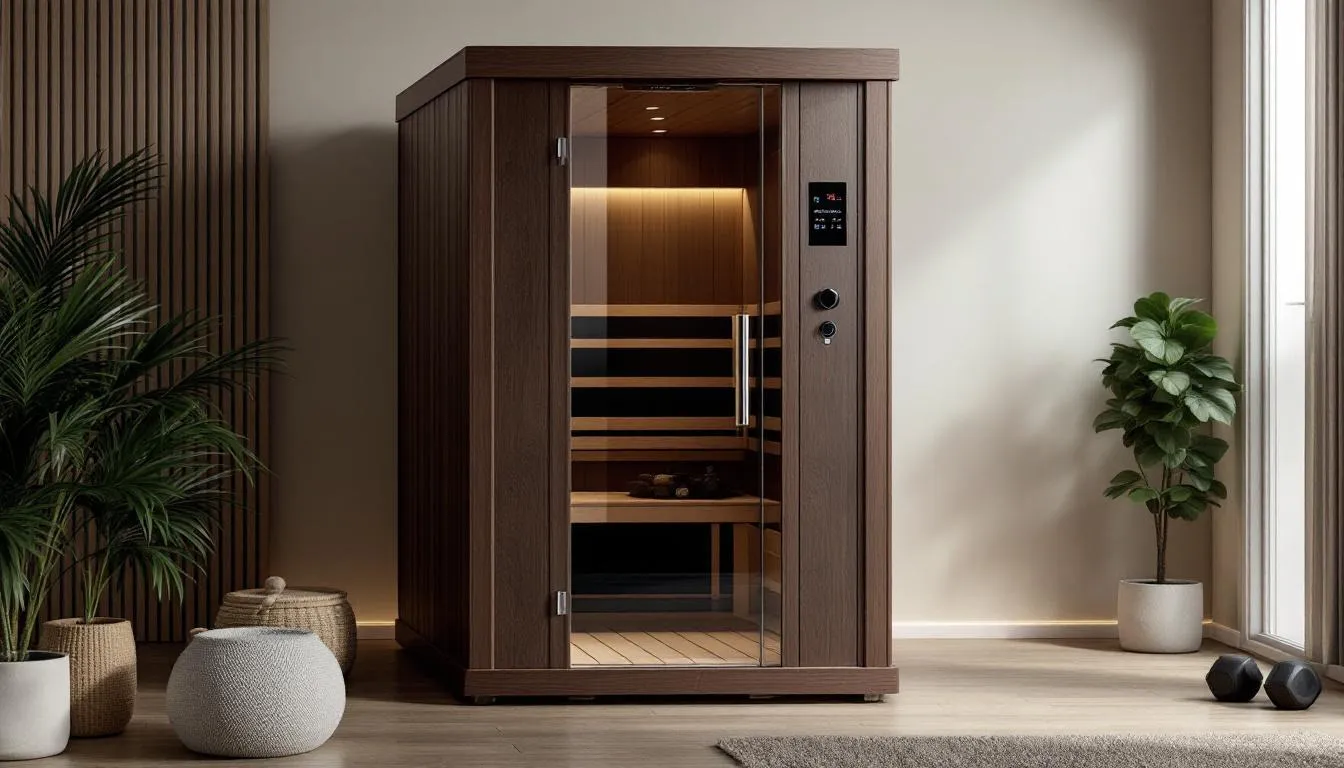
Infrared saunas typically maintain lower relative humidity levels around 40%. This reduced humidity level enhances the heat therapy experience without causing the air to feel too dry.
The lower humidity in infrared saunas allows for a comfortable and effective session, making them an excellent choice for individuals who prefer a less intense heat environment. This is one of many infrared sauna health benefits.
High Humidity in Steam Saunas
Steam saunas are known for their high humidity levels, which are consistently maintained at 100%. This high humidity creates a dense moisture atmosphere that is particularly beneficial for soothing respiratory issues.
The combination of lower temperatures and high humidity provides a unique and relaxing sauna experience, making steam saunas ideal for individuals seeking relief from respiratory conditions.
What Factors Influence Ideal Sauna Conditions?
The optimal sauna environment depends on individual comfort, health conditions, and specific goals. Personal preference significantly influences ideal temperature and humidity, as tolerance varies between individuals.
Health conditions like heart issues or high blood pressure should also be considered for safety. According to the American Heart Association, individuals with cardiovascular conditions should consult their physician before using saunas.
Personal Preference and Comfort
Listening to your body's reactions to heat helps find the right sauna settings for comfort. Whether you prefer a 1-person home sauna or a larger model, adjusting conditions based on preferences ensures safety and enjoyment.
Exit the sauna if you feel dizzy or uncomfortable, as heat tolerance varies. Making necessary adjustments to sauna sessions ensures maximum benefits and comfort.
Health Conditions and Safety
Consider health issues like heart conditions or high blood pressure before determining sauna settings. People with high blood pressure should use saunas cautiously and monitor their health.
Regular sauna use can lower blood pressure and support cardiovascular wellness, resembling the benefits of physical exercise. This makes home sauna wellness an attractive option for many health-conscious individuals.
Duration and Frequency of Sauna Sessions
The benefits of sauna use depend on session frequency, duration, and temperature. Experts recommend taking a 5-10 minute break for every 15-20 minutes in the sauna to avoid overheating and ensure safety.
What Techniques to Use to Adjust Sauna Temperature & Humidity?
Effective techniques and tools are essential for maintaining ideal sauna temperature and humidity. Users can manage these factors by setting the sauna heater to the desired temperature and adjusting as needed for comfort.
Adjusting humidity is also essential, and this can be achieved through methods such as adding water to hot stones or using steam generators. Regular adjustments of both heat and humidity lead to a more enjoyable and beneficial sauna experience.
Using Sauna Heaters Effectively
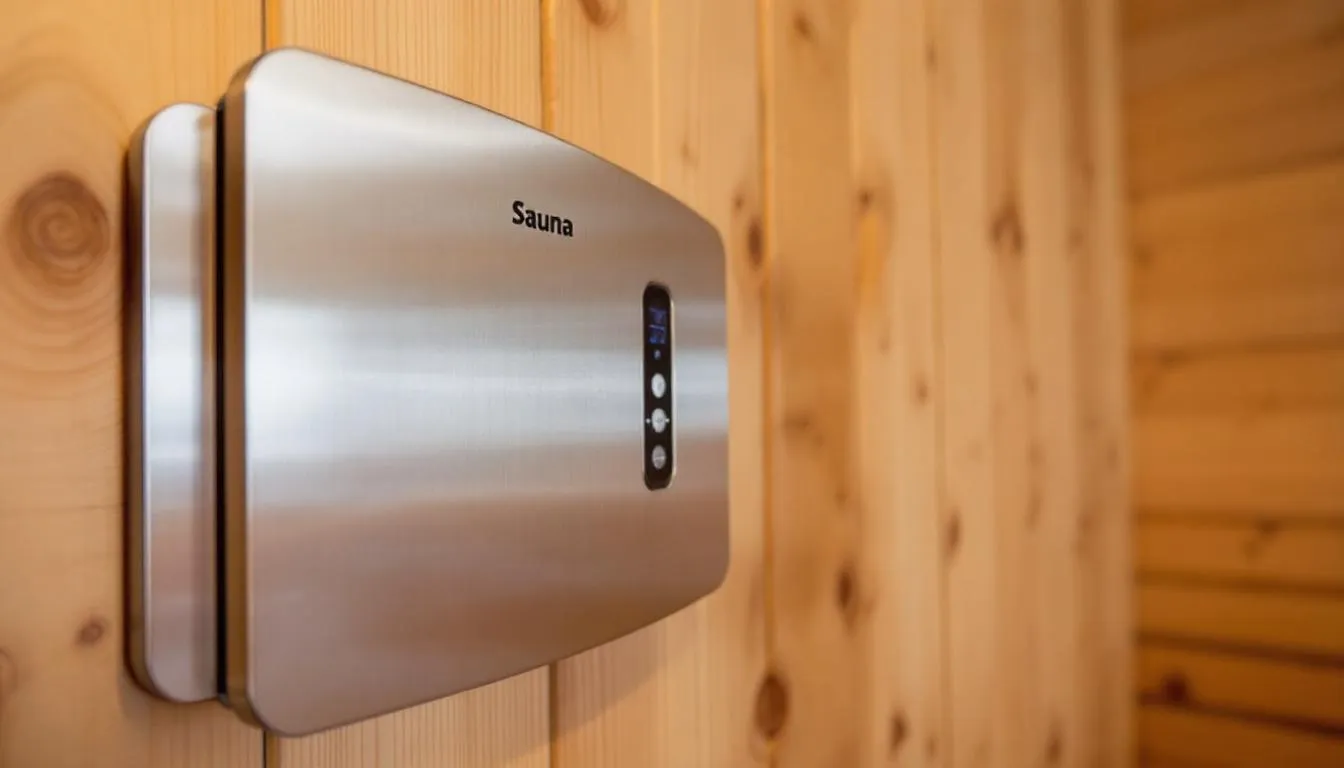
Infrared saunas use infrared light as their primary heating method, heating the body directly rather than the air. Electric saunas manage temperature using a temperature control switch for precise adjustments.
Traditional wood-burning saunas require a preheating time of at least 45 minutes to reach desired temperatures. Using these heaters effectively ensures that you maintain the ideal sauna temperature for your sessions.
Enhancing Humidity Control
Ladling water onto hot stones creates steam and raises humidity in traditional saunas. Managing humidity is crucial for comfort, and these techniques ensure it is adjusted to user preference.
Monitoring and Measuring Conditions
Monitoring temperature and humidity is essential for ideal sauna conditions. Mount thermometers and hygrometers 36 to 54 inches from the floor, opposite the sauna heater, for accurate readings.
Using these tools ensures that you can accurately measure and adjust your sauna environment for optimal benefits. This is particularly important for luxury home sauna installations.
What Are the Health Benefits of Optimal Sauna Conditions?
Optimal sauna temperature and humidity significantly enhance relaxation, detoxification, and overall well-being. Traditional saunas promote profuse sweating to release toxins and enhance blood circulation, while steam saunas offer respiratory relief.
Optimal sauna conditions can reduce stress levels, improve relaxation, and facilitate muscle recovery. Shorter sessions at higher temperatures or longer sessions at lower temperatures can yield different health benefits.
Improved Circulation and Cardiovascular Health

Sauna use improves circulation, increases blood flow, reduces blood pressure, and may lower heart-related risks. Regular sauna use at 80°C reduces cardiovascular risk and mimics exercise benefits, according to the Journal of the American College of Cardiology.
FIR sauna therapy improves circulation by dilating blood vessels and enhancing blood flow. This is one of the key infrared sauna health benefits.
Muscle Recovery and Pain Relief
Infrared sauna therapy is particularly beneficial for muscle recovery and pain relief. Research shows pain reduces approximately 40% for patients with rheumatoid arthritis after infrared sauna treatment.
Stiffness also reduces significantly for patients with ankylosing spondylitis. These key benefits make infrared saunas an excellent choice for those seeking relief from muscle and joint pain.
Stress Reduction and Relaxation
Saunas promote relaxation, stress reduction, muscle relaxation, tension relief, and enhanced mood with endorphins. Sauna sessions can elicit an endorphin release, contributing to stress relief and an improved sense of well-being.
Users often experience a sense of calmness while in the sauna, enhancing their overall mental well-being. This makes home sauna wellness a valuable addition to any health routine.
Common Mistakes and How to Avoid Them
Although using a sauna seems straightforward, common mistakes can lead to adverse health effects and reduce benefits. Overheating and dehydration are significant risks, so monitor your body for signs and exit if you feel unwell.
Ignoring personal limits can also cause discomfort and health risks. Regular maintenance of sauna equipment and conditions is essential to ensure safety and effectiveness during use.
Overheating and Dehydration Risks
Overheating and dehydration are common concerns with sauna use. Prolonged sessions can cause overheating, indicated by confusion and nausea, while dehydration can lead to dizziness and dry mouth due to fluid loss from sweating.
To avoid these risks, stay hydrated, avoid alcohol, and consult a physician if you have health conditions. If you feel light-headed or sick, leave the sauna and return after a brief cooling period.
Ignoring Personal Limits
Listening to your body in the sauna is essential. If you feel uncomfortable, acknowledge it and exit as needed. Avoid pushing your limits to prevent discomfort and health risks.
Recognizing that each person's comfort levels and personal preferences can vary significantly ensures a safer and more enjoyable sauna experience. This applies whether using a 1-person home sauna or larger model.
Neglecting Regular Maintenance
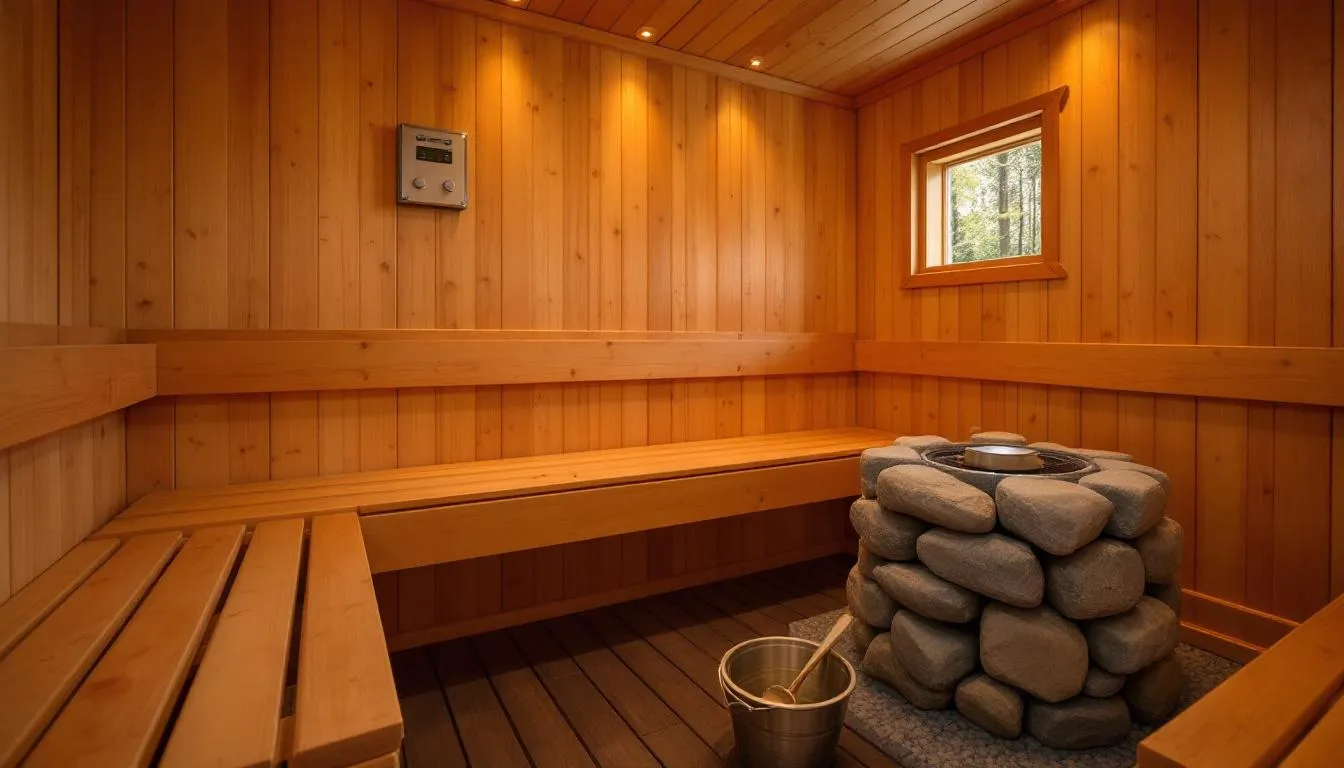
Regular maintenance is crucial for safe and consistent sauna operation. This includes cleaning, checking the heater and stones, and ensuring proper ventilation.
Neglecting these steps can lead to decreased effectiveness and potential safety hazards during sauna use. Whether you have an indoor infrared sauna or outdoor sauna, maintenance is essential.
Summary
Understanding the ideal sauna temperature and humidity is key to maximizing the health benefits of your sauna sessions. Traditional saunas, infrared saunas, and steam saunas each have their unique temperature and humidity requirements.
Personal preferences, health conditions, and the duration and frequency of your sessions all play a role in determining the optimal sauna conditions. Practical techniques for adjusting sauna temperature and humidity can help you maintain the ideal environment.
The health benefits of maintaining optimal sauna conditions are substantial, including improved circulation, muscle recovery, pain relief, and stress reduction. By avoiding common mistakes and listening to your body, you can enjoy a safe, relaxing, and beneficial sauna experience.
Ready to start your sauna journey? Visit Home Sauna to explore a wide range of modern Saunas or contact the Sun Home Saunas team for guidance.
Frequently Asked Questions
What is the ideal temperature for a traditional sauna?
The ideal temperature for a traditional sauna is between 150°F to 195°F, with 180°F being particularly effective for promoting sweating and detoxification. This temperature range provides optimal cardiovascular benefits and supports the body's natural detoxification processes.
At these temperatures, the body experiences increased blood flow, improved circulation, and enhanced relaxation. It's important to start at the lower end of the range if you're new to saunas and gradually work your way up as your tolerance increases.
How does humidity affect the sauna experience?
Humidity significantly enhances the sauna experience by intensifying the heat sensation and affecting heat tolerance. Proper ventilation is vital to maintain an enjoyable and comfortable climate.
In traditional saunas, adding water to hot stones (löyly) increases humidity and creates a more intense experience. Infrared saunas maintain lower humidity around 40%, while steam saunas operate at 100% humidity. Each humidity level creates a distinct therapeutic environment suited to different preferences and health goals.
What are the benefits of infrared saunas compared to traditional saunas?
Using an infrared sauna offers a more comfortable experience at lower temperatures (120°F-150°F), allowing for longer sessions while directly heating the body with infrared light. This can enhance health benefits without the extreme heat associated with traditional saunas.
Infrared sauna health benefits include improved muscle recovery, pain relief, enhanced circulation, and detoxification. The direct heating method penetrates deeper into tissues, making them particularly effective for chronic pain conditions. Many users also find infrared saunas more tolerable for extended sessions, maximizing therapeutic benefits.
How can I avoid overheating and dehydration in the sauna?
To prevent overheating and dehydration in the sauna, it's essential to stay hydrated before, during, and after your session. Drink plenty of water, avoid alcohol, and take regular breaks.
Monitor your body's signals closely. If you experience any discomfort, dizziness, nausea, or confusion, leave the sauna immediately to cool down before re-entering. Limit initial sessions to 10-15 minutes and gradually increase duration as your tolerance improves. Taking a 5-10 minute break for every 15-20 minutes in the sauna helps prevent overheating.
Why is regular maintenance of the sauna important?
Regular maintenance of your sauna is essential for safety and optimal performance. This involves routine cleaning, heater checks, and proper ventilation management.
Neglecting maintenance tasks could result in diminished effectiveness, uncomfortable conditions, and potential safety risks. Clean surfaces regularly to prevent bacterial growth, inspect heating elements for damage, and ensure ventilation systems function properly. Whether you have a luxury home sauna or a standard model, consistent maintenance extends the life of your investment and ensures a safe, hygienic environment for every session.
How often should you use an infrared sauna?
Most health experts recommend using the best infrared sauna 3-4 times per week for optimal health benefits. However, some individuals use them daily, especially those seeking pain relief or enhanced recovery.
Session duration typically ranges from 20-45 minutes, depending on your tolerance and health goals. Start with shorter sessions (15-20 minutes) and gradually increase as your body adapts. Listen to your body's signals and adjust frequency based on how you feel. Consistency is more important than duration—regular, moderate sessions provide better long-term benefits than infrequent, prolonged sessions.
Are home saunas safe for health?
Home saunas are generally safe for most healthy adults when used properly. They can provide significant health benefits including improved cardiovascular function, stress reduction, and enhanced recovery.
However, individuals with certain health conditions—such as heart disease, high blood pressure, or pregnancy—should consult their healthcare provider before use. Proper home sauna installation by qualified professionals ensures electrical safety and adequate ventilation. Always follow manufacturer guidelines, stay hydrated, limit session duration, and listen to your body's signals to maintain a safe sauna practice.