

A home sauna requires regular cleaning to maintain its appearance, functionality, and health benefits. Without proper maintenance, sweat, body oils, and debris accumulate rapidly, resulting in persistent odors, discoloration, and potential skin irritation. The good news is that with the right habits and techniques, sauna cleaning becomes almost effortless.
This comprehensive guide covers everything from daily wipe-downs to deep seasonal cleaning for both traditional and infrared saunas. You'll learn safe cleaning solutions, frequency schedules, and wood care techniques that preserve your investment while ensuring every session feels like a Scandinavian spa experience.
Key Takeaways
- A home sauna (traditional or infrared) should receive a light wipe-down after every use and a deeper clean every 1 to 4 weeks, depending on its frequency of use.
- Always clean a sauna when it's cool, then heat it briefly afterward to thoroughly dry the benches, walls, and flooring.
- Use gentle, non-chlorine cleaners (or simple vinegar solutions) that are safe for bare wood, heaters, and stones.
- Sweat stains and dark spots on benches can usually be removed with mild scrubbing. For older marks, lightly sand with fine-grit paper.
- Modern home saunas are designed for easy maintenance with removable floor mats, smooth benches, and accessible heater areas.
Why Does a Clean Sauna Matter for Health?
A sauna that isn't cleaned regularly becomes more than just visually unappealing; it also poses other risks. It can develop persistent odors and discoloration, and may potentially cause skin irritation in users.
When you step into a hot room several times a week, the accumulation of sweat, body oils, and debris adds up quickly.
Protecting Your Investment
Regular cleaning preserves the look and feel of high-quality woods like cedar, hemlock, or spruce. This isn't just about aesthetics; it's about protecting your investment.
A well-maintained sauna interior can retain up to 90% of its natural wood aroma after a decade, compared to just 50% in neglected units. That cedar wood scent you love stays when you commit to consistent sauna cleaning.
The best infrared sauna for home use maintains its value through proper care and regular maintenance routines.
Air Quality and Wellness Benefits
Beyond appearance, excess moisture and debris compromise the air quality inside your sauna. During sessions reaching 80 to 100°C, any dust, hair, or organic matter becomes airborne, affecting your breathing environment.
A clean sauna supports the wellness goals that brought you to heat therapy in the first place: better relaxation, safer breathing, and that genuine spa-like feeling at home.
Usage Patterns and Cleaning Needs
Consider how your sauna usage patterns affect cleaning needs. A family using their sauna 4 to 5 nights a week during winter will accumulate far more sweat and debris than someone using it once weekly in summer.
The more frequently you have sauna sessions, the more diligent your maintenance must be. But here's the good news: with the right habits, sauna maintenance becomes almost effortless.
How Often Should You Clean Your Sauna?
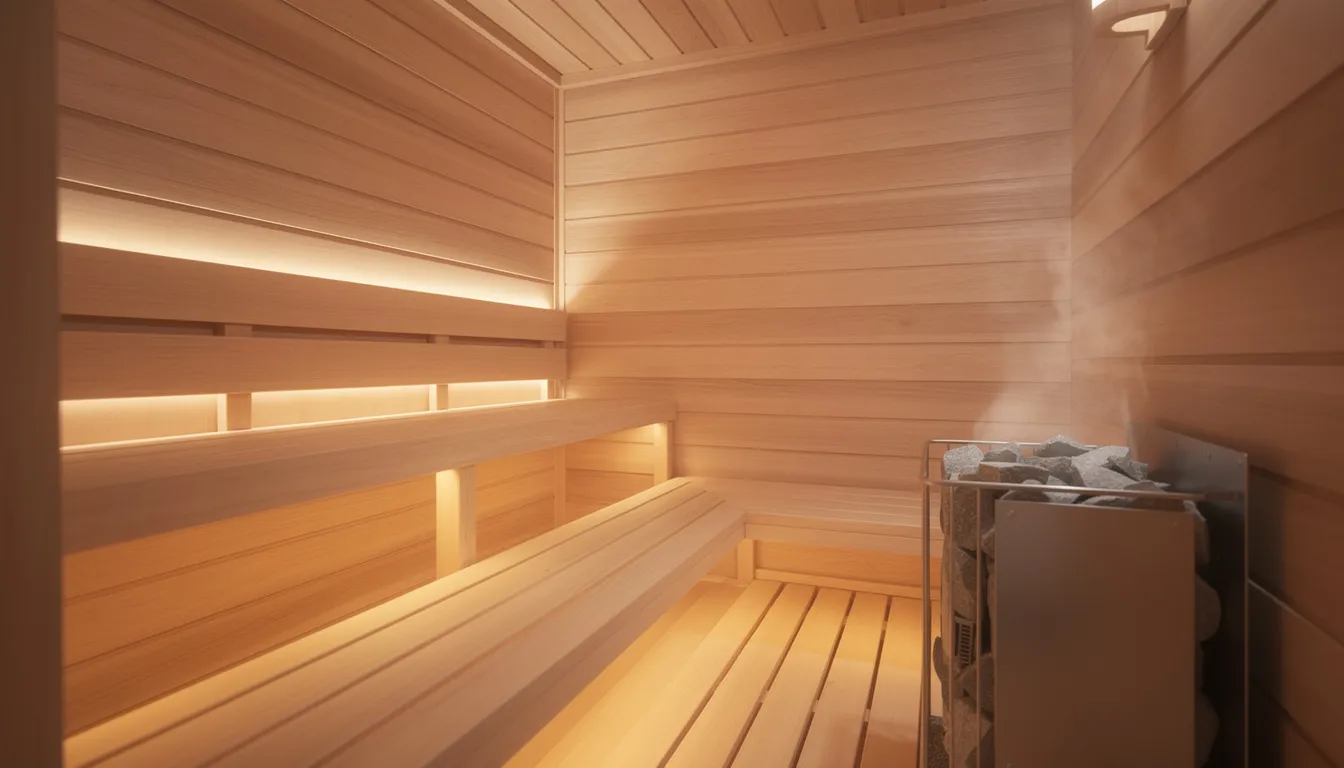
Effective sauna cleaning can be broken down into three distinct levels: the quick post-session wipe, the weekly or biweekly scrub, and the seasonal deep clean. Understanding when each is necessary helps you clean a sauna efficiently without overdoing it.
Frequency Guide Based on Usage
|
Usage Level |
Post-Session |
Thorough Clean |
Deep Clean |
|
Heavy (daily/5+ times weekly) |
After every session |
Weekly |
Every 3 months |
|
Moderate (2-3 times weekly) |
After every session |
Every 1-2 weeks |
Every 4-6 months |
|
Light (weekly or less) |
After every session |
Monthly |
Twice yearly |
For high-use scenarios (such as daily athletes, biohackers, or families with multiple users), weekly thorough cleaning prevents buildup from becoming a problem. Moderate home use allows for slightly longer intervals between deep scrubs.
Rarely used guest or vacation property saunas still need regular attention. Stagnant, humid air can promote mold growth even when not in active use.
Traditional vs Infrared Cleaning Schedules
Both traditional saunas, operating at 80 to 100°C, and infrared sauna units, running at 45 to 65°C, follow similar cleaning schedules. However, infrared saunas tend to produce less condensation and steam, which often means slightly less floor scrubbing is required.
The trade-off is that infrared sauna users typically have more direct back contact with heater panels. This requires more frequent gentle wiping of those surfaces.
The easiest approach? Build cleaning into your existing routine. A quick bench wipe and floor check after evening sessions takes under five minutes. This dramatically reduces the need for heavy-duty cleaning later.
How Do You Prepare the Sauna for Cleaning?
All sauna cleaning should happen with the power off and surfaces completely cooled to room temperature. This protects both you and the equipment from damage.
Pre-Cleaning Checklist
Before you begin any cleaning:
- Turn off the power switch or unplug the infrared units completely
- Allow at least 30 to 60 minutes after your last session for surfaces to cool
- Remove all towels, seat covers, and personal items from the space
- Take out removable floor tiles, duckboards, or mats
- Remove backrests, headrests, and wooden footrests
- Move water buckets, ladles, thermometers, and hygrometers outside the sauna
For individuals with sensitive skin, thin cleaning gloves can be particularly helpful. If your sauna has stacked benches reaching near the ceiling, grab a small step stool.
This allows you to safely access upper walls and corners where dust and debris tend to collect.
Why Preparation Matters
This prep work takes just a few minutes but makes the actual cleaning far more effective. With accessories removed, you can access every surface without obstacles.
The infrared sauna health benefits remain optimal when the unit is properly maintained and thoroughly cleaned on schedule.
What Is the Best Way to Remove Dust and Debris?
Dry cleaning always comes first. Removing dust, hair, and loose debris before introducing any moisture prevents the creation of a muddy residue. It also stops you from pushing dirt deeper into the wood grain.
Tools You'll Need
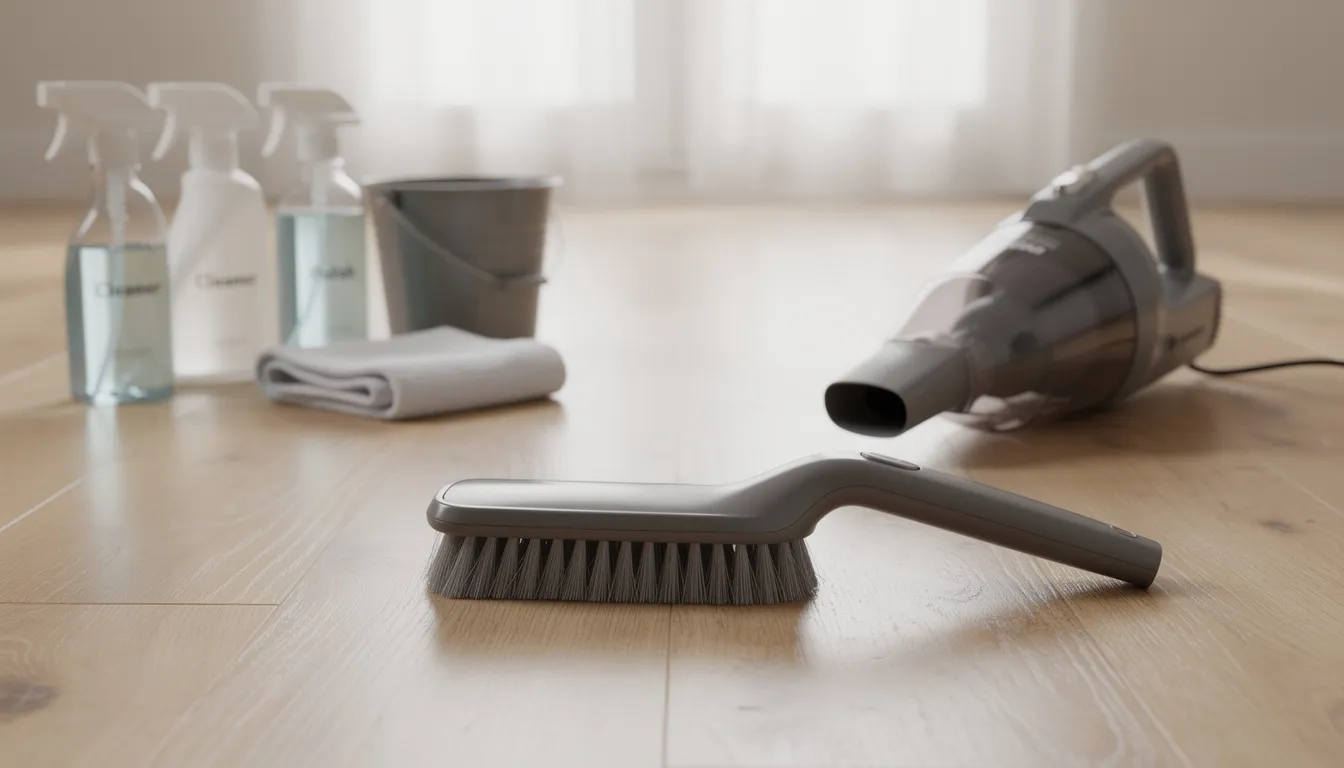
Gather a soft-bristle broom for wood floors, a handheld or stick vacuum with a soft brush attachment, and a microfiber cloth for control panels, light fixtures, and vents.
The Proper Technique
Work from top to bottom. Start with the highest benches and walls, then move downward to the floor. This approach allows gravity to work in your favor.
Debris falls to surfaces you haven't cleaned yet, rather than contaminating freshly wiped areas.
Often-Neglected Spots
Pay extra attention to corners and joints where walls meet benches. Check the space under the benches where hair and lint accumulate. Inspect the area around the sauna heater, where dust tends to collect near the heat elements.
Don't forget window sills, door thresholds, and ventilation openings.
Special Considerations for Stone Heaters
For traditional saunas with sauna stones, dust and small debris often collect in the rock tray. With the unit off and completely cool, gently vacuum around (not directly inside) the heater housing.
Never vacuum the stones themselves at this stage. After this step, your sauna should look visibly dust-free with all loose material removed.
How Do You Clean Sauna Benches and Walls?
This is the core cleaning stage for both traditional and infrared saunas. Your focus here is on removing sweat and body oils from bare wood without damaging the surface.
Safe Cleaning Solutions
|
Solution |
Ratio |
Best For |
|
Mild soap solution |
Small splash of dye-free soap in warm water |
General cleaning |
|
Vinegar solution |
1 part white vinegar to 4-5 parts warm water |
Disinfection and odor control |
|
Plain warm water |
As needed |
Light maintenance wipes |
Avoid chlorine bleach and harsh chemical cleaners entirely. These products damage wood fibers and release dangerous fumes when heated during your next session.
Vinegar's natural acidity (approximately 5% acetic acid) effectively breaks down sweat residues and neutralizes odors, outperforming plain water by 20-30% in residue removal.
Tools for the Job
Use a soft sponge or non-abrasive scrub pad for sauna benches. Grab a microfiber cloth for vertical walls and backrests. Keep a separate cloth or mop for floors.
This is especially important if you have tile or vinyl subfloor under wooden grates.
The Cleaning Method
Work from the top benches downward, wiping in the direction of the wood grain. Focus extra attention on areas where backs and thighs typically rest. These accumulate the most body oils.
Use only damp cloths, never soaking wet. Over-saturating wood causes swelling and warping, creating conditions that favor mold growth.
Special Care for Infrared Units
Be especially gentle around carbon or ceramic heater panels. These should be wiped with a slightly damp cloth, never soaked.
For glass doors or panels, use a mild glass cleaner or vinegar-water solution applied to a cloth first. Never spray directly onto electronics or control panels.
How Do You Treat Sweat Stains and Odors?
Even with regular cleaning, you'll eventually notice darker patches where people sit, slight yellowing near headrests, or stubborn stains. These common issues require targeted treatment.
For Fresh Sweat Stains
Fresh marks respond well to a slightly stronger vinegar solution and gentle scrubbing with a soft brush. Work in the direction of the wood grain, and then rinse with a clean, damp cloth afterward.
For Older or Darker Stains
When standard cleaning won't budge stubborn stains, it's time to lightly sand the affected area. Use 150 to 180 grit sandpaper, working along the grain, to remove the top layer of stained wood.
This technique has roots in Finnish sauna culture. Builders would periodically sand benches to release the natural oils of cedar and extend the lifespan of the wood by 5 to 10 years.
After sanding, thoroughly vacuum the dust and wipe the surface with a damp cloth.
For Odor Control
Prop the door open for 20 to 30 minutes after each use to allow humidity and steam to escape. Wipe benches with diluted vinegar or a baking soda solution.
Baking soda's pH of around 9 effectively counters acidic body oils. Ensure surfaces are completely dry before closing the sauna.
When to Seek Professional Help
If you notice persistent musty smells, black or green spots, or fuzzy growth in corners, stop using the sauna immediately. These signs indicate mold that requires professional remediation.
Improved ventilation alone won't solve established mold problems. The best prevention is simple: always sit and lie on thick, clean towels. Rotate those towels after each session.
How Do You Clean Heaters and Accessories?
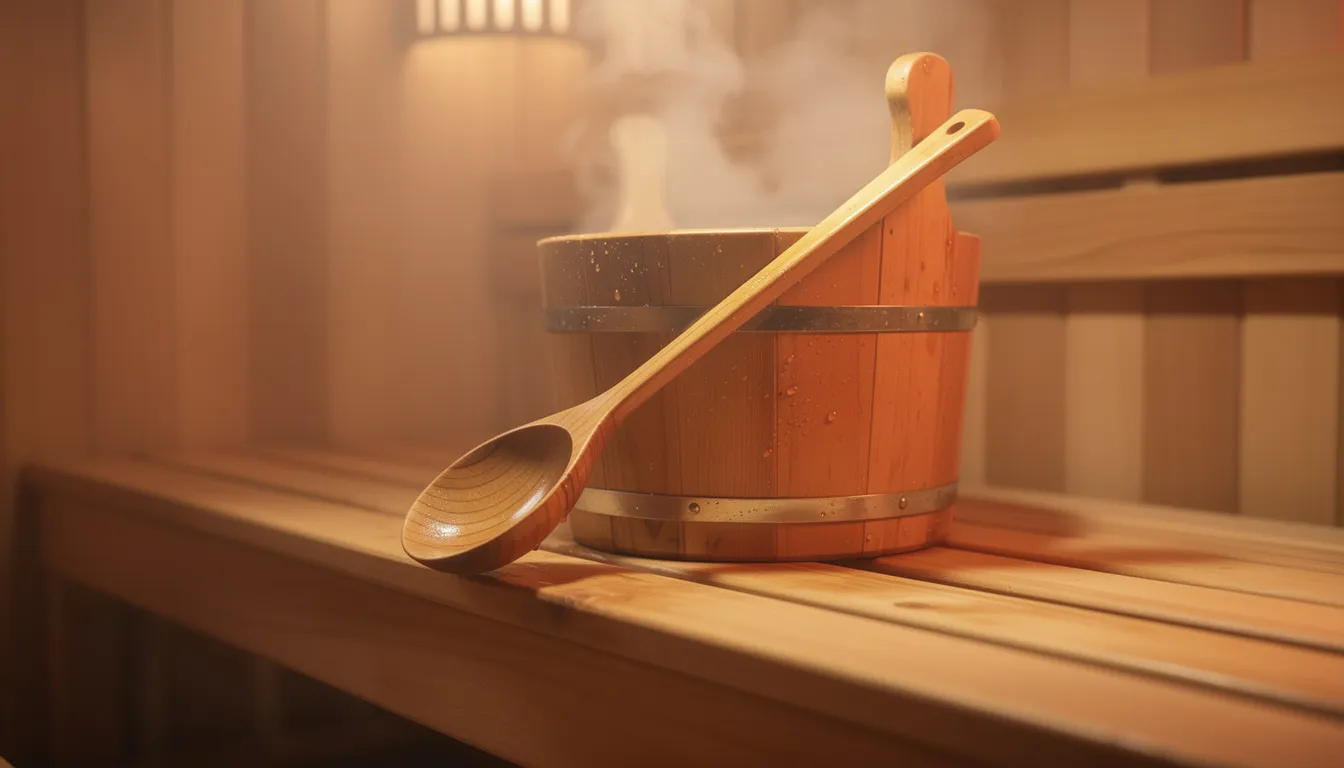
Heating systems and sauna accessories need gentler, less frequent attention than benches. However, they're crucial for safety, performance, and proper heat distribution.
For Traditional Sauna Heaters
Clean sauna stones 1 to 2 times per year by removing them when fully cool. Brush off accumulated dust and ash from each stone.
Discard any cracked or crumbling stones. These can affect heat distribution and pose safety risks. Wipe the heater housing with a dry or slightly damp cloth.
Never let water come into contact with electrical components.
For Infrared Sauna Heaters
Wipe heater casings and guards with a dry microfiber cloth. Never spray or soak infrared emitters directly.
Follow manufacturer-specific instructions for your model. The best home sauna brands 2026 provide detailed cleaning protocols for their heating systems.
For Accessories
|
Accessory |
Cleaning Method |
Frequency |
|
Wooden headrests and backrests |
Same mild solution as benches, fully dry afterward |
Weekly or biweekly |
|
Buckets and ladles |
Hand-wash with mild soap, rinse well, air-dry outside the sauna |
After each use |
|
Metal fixtures (hinges, handles, hooks) |
Wipe with a slightly damp cloth, dry immediately |
Monthly |
In coastal or humid climates, pay extra attention to metal fixtures. Residual moisture can cause corrosion over time. Drying these elements completely is essential.
Why Is Proper Drying So Important?
Thorough drying is arguably the most important step in the entire process. Residual moisture can lead to warping, mold, lingering odors, and accelerated deterioration of wood and insulation.
The Drying Process
After wiping all surfaces, leave the door fully open for 20-30 minutes to allow for air circulation. Check that no standing water remains on the floor or under removable grates.
Soak it up with a towel if one is available. Close the door and run the sauna at a moderate temperature (60 to 70°C for traditional saunas, and 60 to 70 °C for infrared saunas) for 20 to 30 minutes.
This heat cycle evaporates remaining moisture from deep within the wood.
Ventilation Features
High-quality home units are built with ventilation channels and drain gaps specifically designed to help wood dry quickly. However, these features only work when air can circulate freely.
Keeping doors shut immediately after wet cleaning traps humidity inside.
Between-Session Habits
Between sessions, keep the sauna door slightly ajar whenever safe and practical. This simple habit maintains airflow and prevents humidity from building up. Proper sauna ventilation significantly reduces your overall cleaning burden.
What Daily Habits Prevent Cleaning Buildup?
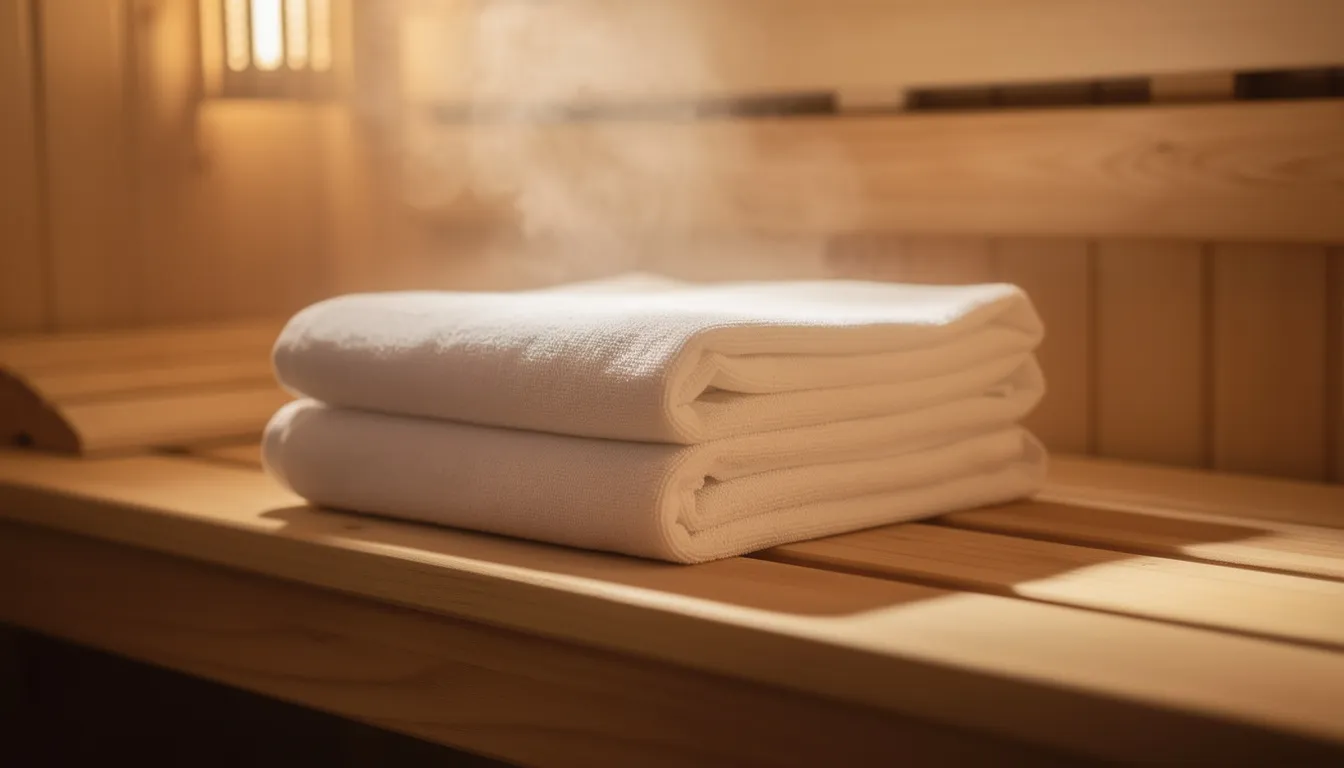
The secret to minimal maintenance isn't more cleaning. It's smarter daily habits that prevent buildup in the first place. These simple practices significantly reduce the time required for deep cleaning.
Per-Session Best Practices
Shower before entering to rinse off lotions, deodorants, and surface dirt. Always sit or lie on a clean cotton towel. Use a second towel under your feet if possible.
Wipe visible sweat or splashes off benches and backrests with a small hand towel after each session. Leave the door open for 15 to 30 minutes after use to allow steam and moisture to vent.
Weekly Habits
Rotate and wash sauna-only towels regularly to prevent musty odors. Do a quick "scan" for potential issues: loose screws on benches, dark spots starting to form, unusual smells.
Run a vacuum or broom over the floor to pick up hair and debris.
The Impact of Consistency
Studies from sauna builders indicate that units on strict wipe-down schedules experience 20% fewer service calls than those without regular maintenance routines.
The few minutes you invest after each session protect both your health and your equipment. The 2-3-person home sauna benefits multiply when the unit is properly maintained.
What Are Special Considerations for Different Sauna Types?
While basic sauna cleaning principles remain consistent, specific details vary depending on whether you have a traditional indoor, outdoor, or infrared sauna.
Traditional Indoor Saunas
These units experience higher humidity due to water use. Steam generation and ladling water on stones create more moisture overall.
Expect to clean floors more frequently. Pay special attention to drains or tiled areas where soap buildup can occur. Routine checks of the floor condition help catch issues early.
Outdoor Saunas
Nature finds its way inside. Pollen, leaves, and insects enter through doors and vents, especially during spring and fall.
Recommendations for outdoor units include seasonal cleaning of door thresholds and ventilation openings. Inspect the roof, exterior walls, and door seals twice a year for weather-related wear.
Use UV-resistant stains on exterior wood (never on interior surfaces). The outdoor infrared sauna models require extra attention to weather exposure.
Infrared Saunas
Less moisture means less floor scrubbing, but more direct contact with back panels requires frequent gentle wiping. For glass doors and panels, use a non-ammonia glass cleaner or a vinegar-water solution applied to a cloth.
Never spray directly onto electronics. When comparing infrared sauna vs traditional sauna maintenance, infrared typically requires less frequent deep cleaning but more attention to panel care.
What Should You Avoid When Cleaning Wood?
Sauna interiors use untreated or lightly treated wood specifically because it remains breathable and safe at high temperatures. This natural state requires some understanding to be maintained properly.
Critical Rule About Coatings
Interior walls, benches, and ceilings should never be painted or coated with varnish or standard household wood sealant. These products off-gas toxic fumes at sauna temperatures and cause wood to overheat or crack.
Standard paint creates a sealed surface that can't breathe. This traps moisture and accelerates deterioration.
Safe Treatment Options
If you want protective treatment, use only breathable, sauna-safe oil or paraffin oil specifically formulated for high-heat environments. Apply exactly as directed by the manufacturer.
More isn't better when it comes to wood treatments.
Common Mistakes to Avoid
Never use bleach or disinfectant sprays directly on raw wood. Avoid scrubbing with metal brushes or harsh abrasives. Don't soak benches or floors with large amounts of water.
Never apply household furniture polish or standard wood treatments. Avoid using Pine-Sol or similar products in concentrated form directly on wood.
Exterior vs Interior Treatment
For exterior wood on outdoor saunas, UV-resistant stains and sealants are acceptable. They're often recommended for protection against the elements.
However, these products must never come into contact with interior surfaces where people sit or breathe heated air.
How Do You Maintain Your Sauna Long-Term?
Effective long-term sauna maintenance requires a structured approach combining daily habits with periodic deep cleaning. Here's a practical schedule that strikes a balance between thoroughness and efficiency.
Sample Maintenance Schedule for a HomeSauna Unit
|
Task |
Time Required |
Frequency |
|
Post-session wipe-down |
5 minutes |
After every use |
|
Thorough bench and floor clean |
20-30 minutes |
Weekly (Sundays work well) |
|
Deep clean and inspection |
1-2 hours |
Start and end of winter |
|
Stone cleaning (traditional models) |
30 minutes |
Twice yearly |
This schedule adapts to your usage patterns. Heavy users may need more frequent deep cleaning. Light users can extend intervals slightly while maintaining post-session wipes.
Frequently Asked Questions
Can I use regular household cleaners in my sauna?
Most multi-surface sprays, bleach-based cleaners, and strong disinfectant wipes are too harsh for bare sauna wood. They can damage the surface and release dangerous fumes when heated during your next session. Stick to mild, fragrance-free soap solutions or diluted vinegar. If you need disinfection beyond what vinegar provides, use products specifically labeled as sauna-safe by your manufacturer.
How can I determine if my sauna has a mold problem?
Warning signs include a persistent musty odor that doesn't improve with airing out, visible black or green spotting that returns after cleaning, or fuzzy growth in corners and crevices. If you notice any of these, stop using the sauna immediately. Improve ventilation and thoroughly dry the space. For extensive problems, especially if you suspect mold behind walls or under flooring, it is recommended that you contact a professional remediation service. Mold in saunas can easily become airborne during heat sessions, posing respiratory risks.
Is it safe to pressure-wash a wooden sauna?
Pressure-washing the interior is not recommended under any circumstances. High-pressure water forces moisture deep into wood and joints, dramatically increasing the risk of warping, splitting, and mold growth within the structure. For the exterior surfaces of outdoor saunas, a very gentle, low-pressure rinse can be used cautiously. However, a soft brush and garden hose are usually safer and more controllable.
Can I use essential oils directly on benches or stone surfaces?
Essential oils should be diluted properly in a carrier oil or water before use. For traditional saunas, add a few drops of water per ladle to the sauna stones. This creates aromatic steam safely. Never pour oils directly onto bare wood, as this leaves oily residue that stains benches and can become rancid over time. The concentrated oils can also damage untreated wood fibers.
Do I clean an infrared sauna differently from a traditional sauna?
The fundamentals remain the same: dust first, wipe with a mild cleaner, dry thoroughly. However, infrared cabins generally produce less steam and condensation, resulting in less overall floor scrubbing. The key difference is extra care around heater panels and electronics. Use only damp cloths; never use wet mops or spray liquids directly onto infrared emitters or control panels. Following manufacturer-specific instructions protects your investment.
What's the best way to clean sauna glass doors?
Clean sauna glass doors with a mixture of equal parts white vinegar and water applied to a soft cloth. Wipe in circular motions, then dry with a clean microfiber cloth to prevent streaking. Avoid ammonia-based glass cleaners near wooden surfaces or electronics. For stubborn water spots, use a paste made from baking soda and water. Apply gently, then rinse and dry thoroughly.
Should I clean my sauna before or after a session?
Clean your sauna after use when it's still warm enough to wipe easily but cool enough to touch safely. This removes fresh sweat before it soaks into the wood. For deep cleaning, wait until the sauna is completely cool. Never spray cleaning solutions onto hot surfaces or active heating elements. The post-session wipe-down takes just minutes and prevents most major cleaning issues.
Maintain Your Sauna for Years of Wellness
A clean sauna is a healthy sauna. With the simple routines outlined in this guide, you can maintain your traditional or infrared unit in pristine condition for years to come. The key is consistency: quick wipe-downs after each session, weekly thorough cleaning, and seasonal deep maintenance.
Remember that prevention beats cure. Daily habits, such as using towels, maintaining proper ventilation, and using post-session wipes, eliminate most major cleaning challenges. Your sauna is an investment in your health and home value. Treat it well, and it will reward you with years of relaxing, rejuvenating sessions.
Visit us for the best home sauna options that are designed for easy maintenance and long-term durability, and for personalized guidance on caring for your specific model and maintaining optimal performance.