

What if spending just 71 minutes per week in extreme temperatures could reduce your risk of premature death by 40%? This isn't science fiction. It's the remarkable reality emerging from cutting-edge longevity research on combining sauna and cold exposure.
The ancient practices of sauna bathing and cold water immersion, long cherished in Nordic cultures, are now supported by robust scientific evidence demonstrating their profound impact on health span and potentially, lifespan itself. When combined strategically, these temperature extremes create a powerful hormetic stress response that strengthens your body's resilience systems at the cellular level.
This comprehensive guide walks you through the science-backed protocols for maximizing longevity benefits through contrast therapy, from understanding the mechanisms to implementing safe, effective routines that fit your lifestyle. Whether you're exploring the best infrared sauna for home use or building a comprehensive contrast therapy setup, understanding optimal protocols maximizes your investment in longevity.
Learning about sauna wellness practices helps you understand how traditional heat therapy has evolved into modern longevity medicine.
Key Takeaways
- Combining sauna therapy (80-100°C for 15-20 minutes) with cold plunges (10-15°C for 2-5 minutes) creates a powerful longevity protocol through hormetic stress responses
- Finnish studies show regular sauna use reduces premature death risk by 40%, while mouse studies indicate cold exposure can increase lifespan by up to 20%
- The contrast between hot and cold therapy creates a "vascular pump" effect, improving circulation and activating cellular repair mechanisms
- Optimal weekly protocol includes 60 minutes total sauna time and 11 minutes total cold exposure, divided into 2-3 sessions
- This combination therapy reduces inflammation, improves cardiovascular health, enhances sleep quality, and activates brown adipose tissue
What Is Contrast Therapy for Longevity?
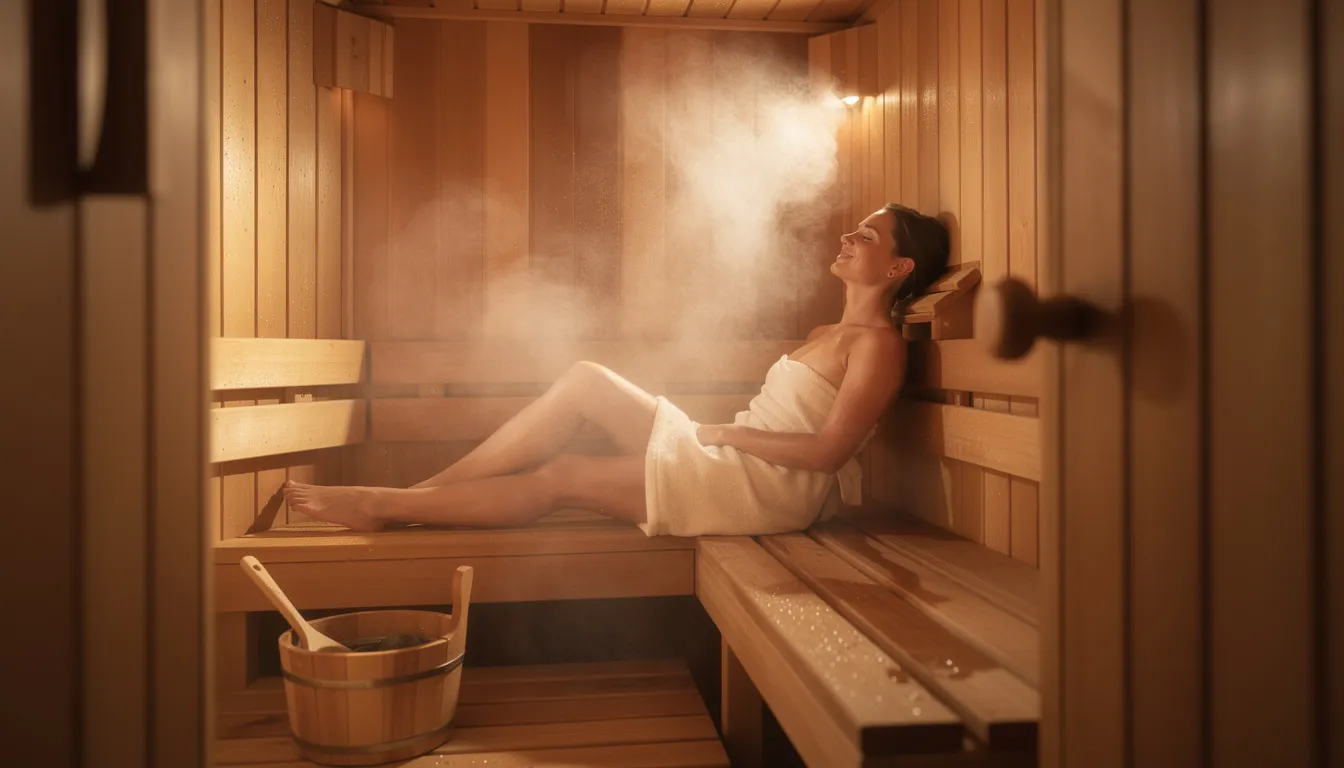
Contrast therapy represents the strategic alternation between sauna heat therapy and cold exposure to trigger beneficial physiological adaptations. This practice dates back thousands of years, with Finnish sauna traditions and Scandinavian ice bathing serving as cultural cornerstones for well-being.
The Finnish sauna, operating at temperatures between 80-100°C (176-212°F), creates intense heat that challenges your cardiovascular system and activates protective cellular mechanisms. Cold exposure, whether through cold plunges at 10-15°C, ice baths, winter swimming, or even cold shower routines, triggers equally powerful but complementary stress responses.
Modern longevity medicine has transformed these traditional practices into precise protocols. Over 70% of North American professional sports teams now incorporate cold water immersion into their recovery protocols, while wellness centers offering cold therapy have seen a 25% increase in client retention.
Different Forms of Temperature Exposure
Different forms of cold exposure offer varying intensities of stress response:
Ice baths (0-15°C): Maximum cold shock activation for experienced practitioners.
Cold plunges (10-15°C): A controlled and manageable stress for most individuals starting their practice. Many people now invest in a cold plunge tub for home to maintain consistent protocols.
Winter Swimming: Natural cold exposure with additional psychological benefits and community support.
Cold showers: Accessible daily cold therapy you can do at home without special equipment.
Sauna variations also offer different experiences. Traditional dry saunas produce the most research-backed benefits, while steam rooms provide gentler heat stress. Infrared saunas offer deeper tissue heating at lower air temperatures.
The infrared sauna health benefits include effective cellular activation at more comfortable temperatures than traditional saunas require. On the other hand, home cold plunge system benefits include convenience, privacy, and the ability to maintain a consistently optimal water temperature.
For those curious about equipment options, exploring the best home saunas provides insights into features that support longevity protocols.
What Are the Individual Benefits of Sauna Therapy?
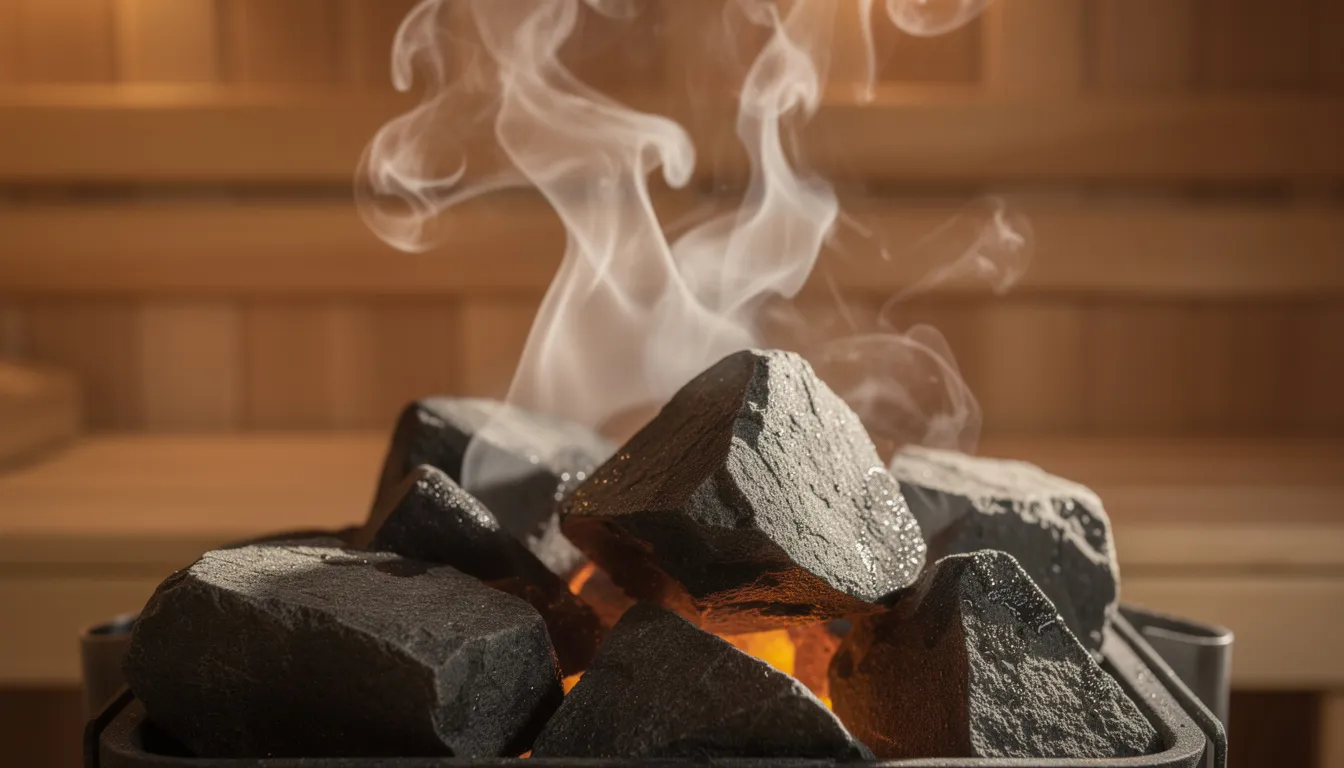
Regular sauna bathing delivers remarkable longevity benefits that extend far beyond simple relaxation. The most compelling evidence comes from Finnish population studies, which have tracked over 2,000 men for 15-20 years, revealing that those using saunas 4-7 times weekly had a 40% lower risk of all-cause mortality compared to those using saunas once a week.
Cardiovascular Health Revolution
Sauna sessions essentially function as cardiovascular exercise without the physical demands. Your heart rate increases to 100-150 beats per minute, blood vessels dilate dramatically, and cardiac output rises substantially.
This exercise-mimetic effect translates into measurable cardiovascular improvements:
- Reduced risk of sudden cardiac death by up to 60%
- Lower incidence of fatal coronary heart disease
- Decreased blood pressure and hypertension risk
- Improved arterial stiffness and endothelial function
The heat stress triggers vasodilation throughout your blood circulation system, training your cardiovascular system to handle stress more efficiently while improving overall blood flow patterns.
Cellular Protection Through Heat Shock
At the molecular level, sauna therapy activates heat shock proteins (HSPs), specialized molecular chaperones that protect and repair cellular structures. These proteins enhance your body's ability to maintain proper protein folding, resist cellular damage, and recover from physiological stress.
Research published in Cell Stress and Chaperones demonstrated that young adults who engaged in hot water immersion at 40.5°C for approximately one hour, four to five times weekly, showed significantly improved vascular function.
This cellular protection mechanism may explain why regular sauna use correlates with reduced risk of neurodegenerative diseases and cardiovascular events.
Stress Response Optimization
Sauna bathing creates profound changes in your stress hormone profile:
- Norepinephrine increases by 310%, improving alertness and vascular tone
- Prolactin rises by 900%, supporting myelin repair and neurogenesis
- Cortisol levels decrease, reducing chronic stress burden
These neurochemical adaptations enhance your body's resilience to daily stressors while promoting better sleep quality and mood regulation. Regular sauna therapy has been associated with decreased anxiety, reduced depressive symptoms, and improved overall mental health.
The benefits of infrared sauna for athletes** extend to general populations seeking longevity benefits. The same cellular mechanisms that support athletic recovery promote healthy aging across all activity levels.
Many people wonder about the differences between ‘infrared sauna vs traditional sauna’ when building their longevity practice. Both offer distinct advantages for cellular health and cardiovascular function.
What Are the Cold Exposure Benefits for Longevity?
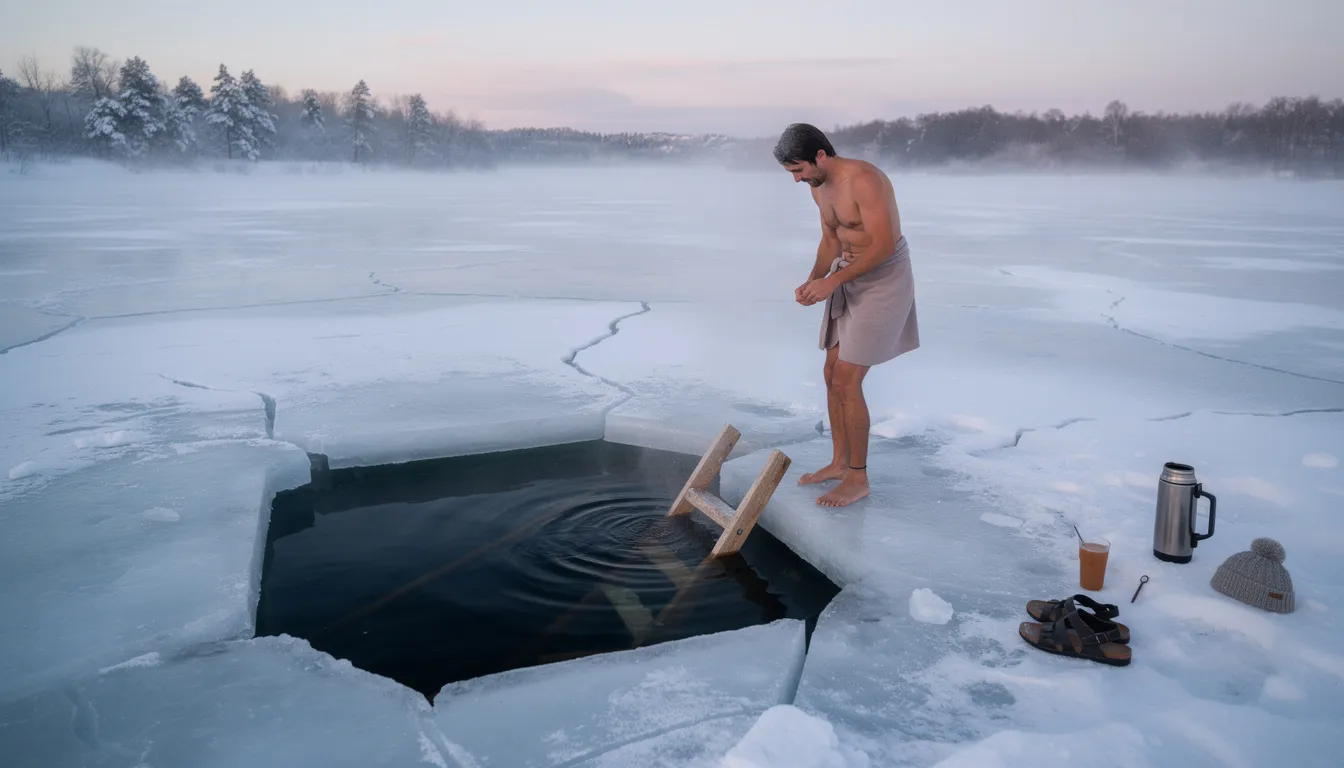
Cold exposure activates an entirely different, yet equally powerful, set of longevity-promoting mechanisms. While sauna training primarily focuses on cardiovascular adaptation, cold water therapy targets metabolic optimization, immune function enhancement, and the building of cellular resilience.
Brown Adipose Tissue Activation
Cold exposure uniquely activates brown adipose tissue, a specialized type of fat tissue that burns calories to generate heat through a process known as non-shivering thermogenesis. This metabolic activation provides multiple longevity benefits:
- Increased energy expenditure even at rest
- Improved insulin sensitivity and glucose regulation
- Enhanced metabolic flexibility and fat oxidation
- Reduced risk of metabolic syndrome and type 2 diabetes
Dr. Susanna Søberg's research demonstrates that just 11 minutes of cold water immersion per week can significantly activate brown fat and improve metabolic health markers.
Cellular Repair and Autophagy
A groundbreaking 2024 study from the University of Ottawa revealed that daily cold water immersion at 14°C for one hour over seven consecutive days enhanced autophagic function. This is the cellular cleaning mechanism responsible for removing damaged proteins and organelles.
This "cellular tune-up" effect may help prevent disease and slow aging at the most fundamental level. The research showed that while initial cold stress temporarily reduced autophagy, by the end of the week, autophagic activity increased and cellular damage signals decreased markedly.
This adaptation enables your cells to become more efficient at self-repair and maintenance.
Stress Resilience and Mental Health
Cold shock activates the sympathetic nervous system, triggering the release of massive amounts of norepinephrine that enhances focus, alertness, and mood. Regular cold exposure trains your stress response system, making you more resilient to various life stressors.
Studies among winter swimmers consistently report:
- Improved mood and reduced depression symptoms
- Enhanced stress tolerance and emotional regulation
- Increased energy levels and sense of well-being
- Better sleep quality through parasympathetic nervous system activation
Immune System Enhancement
Cold therapy has been shown to produce measurable improvements in immune function. Controlled studies show that cold exposure:
- Increases anti-inflammatory cytokines (IL-10)
- Decreases pro-inflammatory markers (IL-2, IL-8)
- Reduces C-reactive protein elevation after exercise stress
- Enhances overall immune response and reduces inflammation
Findings published in PLOS ONE showed that marathon runners using cryotherapy had CRP increases of only 123% compared to 515% in the passive recovery groups, with a faster return to baseline inflammatory markers.
The health benefits of cold plunge therapy extend beyond athletics to include enhanced immune function, improved mood regulation, and optimized metabolic health for all populations.
How Do Sauna and Cold Work Together for Longevity?
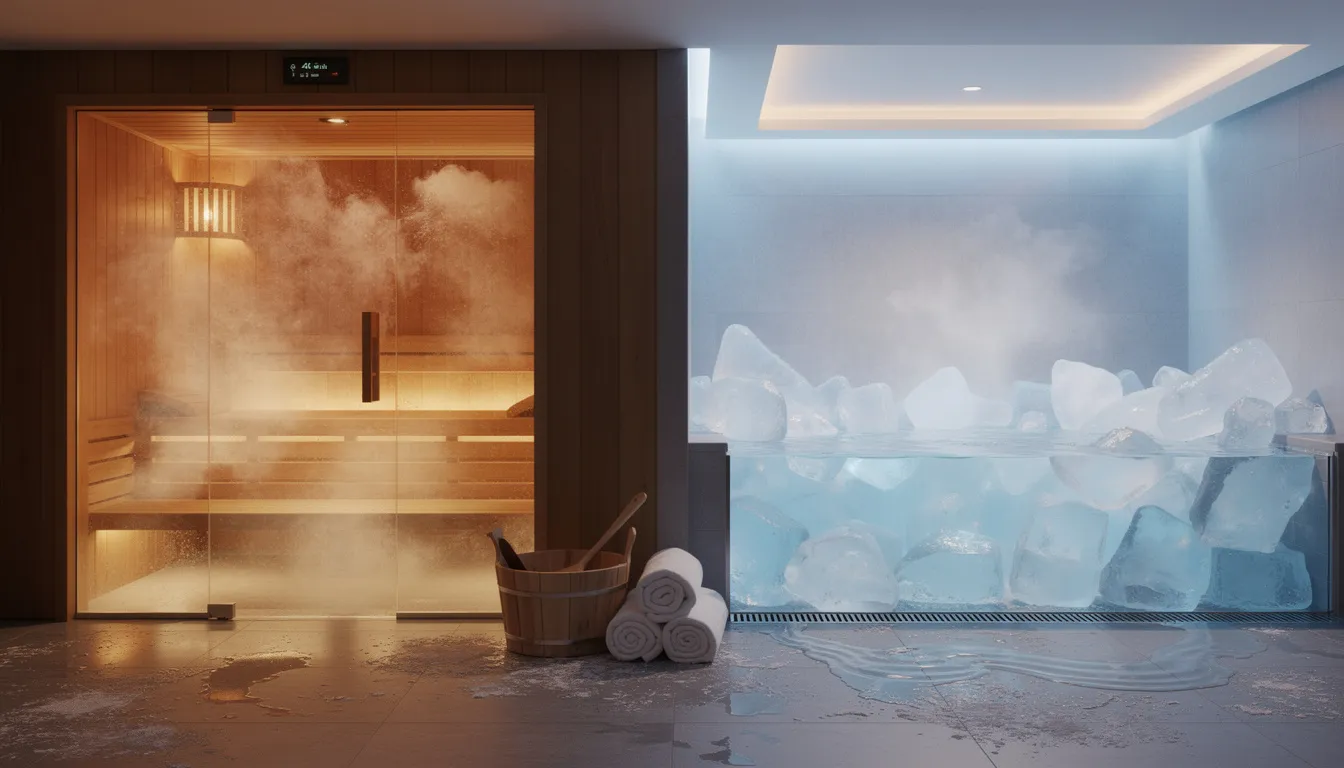
When strategically combined, sauna and cold exposure create synergistic effects that exceed the sum of their individual benefits. This hot and cold therapy combination leverages multiple complementary mechanisms to optimize longevity outcomes.
Vascular Pump Mechanism
The alternation between heat-induced vasodilation and cold-triggered vasoconstriction creates a powerful "vascular pump" effect. This oscillating stress:
- Improves arterial compliance and elasticity
- Enhances microcirculation throughout tissue
- Trains blood vessels for improved responsiveness
- Optimizes blood pressure regulation
Your cardiovascular system learns to efficiently manage dramatic changes in blood flow, building resilience that translates into better overall cardiovascular health.
Enhanced Hormetic Stress Response
Hormesis, the beneficial adaptation to mild stress, becomes supercharged when combining heat and cold exposure. This dual-stress approach:
- Activates both heat shock proteins and cold shock proteins
- Enhances cellular antioxidant defense systems
- Improves mitochondrial biogenesis and function
- Optimizes stress-response gene expression
Research suggests that regular temperature cycling may influence mTOR and other longevity-associated pathways more powerfully than single-temperature interventions, tipping the cellular balance toward enhanced resilience and longevity.
Metabolic Optimization
The metabolic effects of hot and cold exposure complement each other perfectly. Sauna therapy mimics exercise benefits while cold plunge therapy activates thermogenesis:
- Sauna improves insulin sensitivity through heat shock protein pathways
- Cold exposure activates brown fat for enhanced calorie burning
- Combined therapy optimizes metabolic flexibility
- Both interventions support healthy body temperature regulation
The infrared sauna detox mechanisms work synergistically with cold therapy's metabolic activation to create comprehensive cellular optimization.
Amplified Cellular Repair
The combination activates multiple cellular repair mechanisms simultaneously. While sauna therapy focuses on protein homeostasis and cardiovascular conditioning, cold therapy enhances autophagy and mitochondrial efficiency.
Together, they create a comprehensive cellular maintenance program that addresses multiple aging pathways. This is why many longevity researchers consider contrast therapy one of the most powerful non-pharmaceutical interventions available.
What Are the Optimal Protocols for Maximum Benefits?
Scientific research has identified specific dosing parameters for maximizing the longevity benefits of combining sauna and cold exposure. These evidence-based protocols provide clear targets while allowing for individual customization.
Recommended Weekly Targets
Based on Finnish longevity studies and modern metabolic research, the optimal weekly exposure follows the "Søberg Principle":
Sauna Therapy:
- Total weekly time: 57-60 minutes
- Session frequency: 2-3 sessions per week
- Individual session duration: 15-20 minutes
- Temperature range: 80-100°C (176-212°F)
- Rest periods: 5-10 minutes between multiple rounds
Cold Exposure:
- Total weekly time: 11 minutes minimum
- Session frequency: 2-3 sessions per week
- Individual session duration: 3-5 minutes
- Temperature range: 10-15°C (50-59°F)
- Gradual entry to avoid cold shock response
These targets represent minimum effective doses. Many experienced practitioners safely exceed these levels, but beginners should build toward these goals progressively.
The Finnish studies showing maximum mortality reduction involved 4-7 sessions per week, although significant benefits appear at lower frequencies.
Questions about sauna frequency for health benefits become important when establishing sustainable long-term practices.
Session Structure for Contrast Therapy
The optimal sequence for contrast therapy maximizes both safety and benefit:
Phase 1: Heat Adaptation (12-15 minutes: Begin each session in the hot sauna to gradually raise your core body temperature. This initial heating phase prepares your cardiovascular system for the subsequent cold stress while activating heat shock proteins.
Phase 2: Cold Shock (2-3 minutes): Immediately transition to cold plunge or ice water immersion. The dramatic temperature contrast creates a maximum vascular pump effect and activates stress hormones.
Phase 3: Recovery and Repeat (5-10 minutes): Allow your heart rate to return to normal during a brief rest period. Hydrate and prepare for the next cycle.
Cycle Completion: Repeat the hot-cold cycle 2-3 times per session, always concluding with cold exposure to maintain metabolic activation and stimulate brown fat.
This 'ending on cold' principle helps sustain the thermogenic and metabolic benefits long after your session concludes.
Progressive Implementation Strategy
Foundation (Weeks 1-2):
- Sauna: 5-10 min at 70-80°C, 2x/week
- Cold: 30-60 sec at 15-20°C, 2x/week
Building (Weeks 3-4):
- Sauna: 10-15 min at 80-90°C, 2-3x/week
- Cold: 1-2 min at 10-15°C, 2-3x/week
Optimization (Week 5+):
- Sauna: 15-20 min at 80-100°C, 2-3x/week
- Cold: 3-5 min at 10-15°C, 2-3x/week
Building a home practice becomes easier with proper equipment. A 1-person home sauna or a 2-3-person home sauna provides convenient access to daily practice.
Understanding proper sauna installation requirements ensures your home setup supports safe, effective contrast therapy sessions.
What Are the Scientific Mechanisms Behind Longevity Benefits?
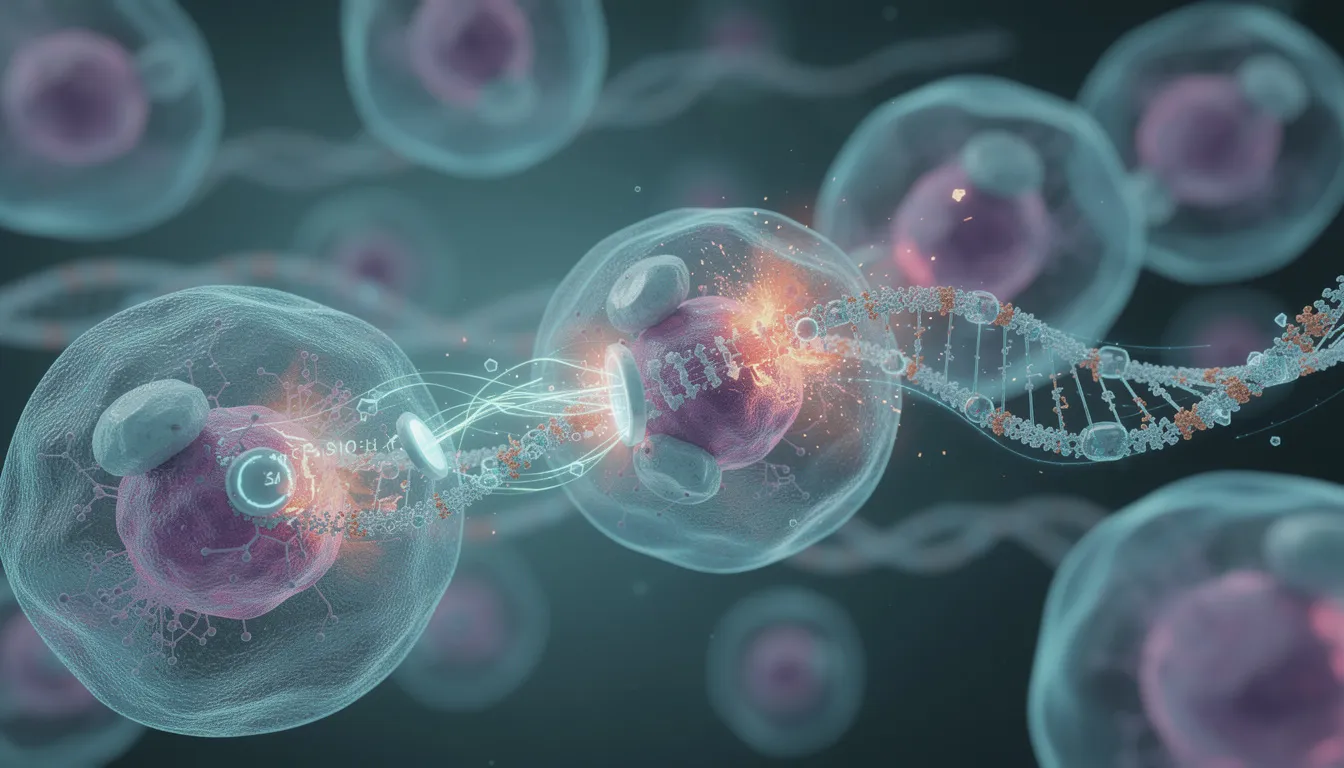
The longevity benefits of hot and cold exposure stem from activation of fundamental cellular pathways that govern aging, stress resistance, and metabolic health. Understanding these mechanisms helps explain why this ancient practice produces such profound modern health outcomes.
Cellular and Molecular Pathways
Heat Shock Protein Activation
Sauna therapy upregulates heat shock proteins (HSPs), molecular chaperones that maintain cellular function under stress. These proteins:
- Improve protein folding and prevent aggregation linked to neurodegenerative diseases
- Enhance cellular stress resistance and recovery capacity
- Support mitochondrial function and energy production
- Reduce inflammatory responses at the cellular level
Cold Shock Protein Enhancement
Cold exposure activates cold shock proteins and specialized cellular pathways that:
- Enhance RNA binding and protein synthesis regulation
- Improve cellular repair processes and damage resistance
- Strengthen membrane stability under temperature stress
- Optimize neurotransmitter production and nervous system function
Sirtuin Pathway Modulation
Both heat and cold stress influence sirtuin proteins, key regulators of longevity that:
- Enhance DNA repair mechanisms and genomic stability
- Improve mitochondrial biogenesis and respiratory function
- Regulate metabolic flexibility and energy sensing
- Modulate inflammatory pathways linked to aging
Enhanced Autophagy for Cellular Cleanup
The University of Ottawa research demonstrated that repeated cold exposure significantly enhances autophagy, your cellular recycling system. This process:
- Removes damaged organelles and misfolded proteins
- Prevents accumulation of cellular waste linked to aging
- Maintains mitochondrial quality and energy production
- Reduces the risk of age-related neurodegenerative diseases
Heat exposure complements this effect by triggering different autophagic pathways, creating a comprehensive cellular maintenance program.
Hormetic Stress Response
Both sauna and cold therapy exemplify hormesis, the principle that controlled stress strengthens biological systems. This adaptive response:
- Improves antioxidant defense systems through mild oxidative stress
- Enhances mitochondrial resilience and biogenesis
- Activates longevity genes and protective cellular pathways
- Builds cross-tolerance to other forms of physiological stress
The combination of hot and cold creates a more robust hormetic response than either intervention alone, as it trains multiple stress-response systems simultaneously.
Anti-Inflammatory Effects
Chronic inflammation accelerates aging, and both heat and cold exposure demonstrate powerful anti-inflammatory effects:
- Reduced production of pro-inflammatory cytokines
- Enhanced anti-inflammatory signaling pathways
- Improved immune system regulation and function
- Lower systemic inflammatory markers associated with chronic diseases
Scientists writing in Nature Reviews Immunology have documented how thermal stress modulates immune function in ways that promote healthy aging and disease resistance.
What Safety Considerations Should You Know?

While the health benefits of combining the best outdoor sauna with cold exposure are substantial, this practice requires careful attention to safety protocols and individual risk factors. Understanding contraindications and implementing proper precautions ensures you can pursue longevity benefits while minimizing potential risks.
Medical Clearance Requirements
Certain medical conditions require professional evaluation before beginning hot and cold therapy:
Cardiovascular Concerns:
- Uncontrolled hypertension or blood pressure fluctuations
- Recent heart attack, unstable angina, or cardiac procedures
- Severe arrhythmias or implanted cardiac devices
- Advanced heart failure or severe valvular disease
The dramatic shifts in blood pressure, heart rate, and cardiac output during temperature transitions can stress compromised cardiovascular systems.
Other Medical Conditions:
- Uncontrolled diabetes with circulation problems
- Severe kidney disease or dialysis dependence
- Pregnancy, especially in later trimesters
- Active infections or fever
- Certain autoimmune conditions affecting temperature regulation
Healthcare professionals at Johns Hopkins Medicine emphasize the importance of medical screening before beginning contrast therapy protocols.
Gradual Acclimatization Protocol
Safe implementation requires progressive adaptation rather than immediate maximum exposure:
Temperature Progression: Start with milder temperatures and shorter durations, gradually increasing intensity over several weeks. Your thermoregulatory systems need time to adapt safely.
Duration Building: Begin with 30-60 seconds of cold exposure and 5-10 minutes of sauna therapy, gradually extending the time as tolerance improves comfortably.
Intensity Management: Monitor your physiological response carefully. Excessive shivering, dizziness, chest pain, or extreme discomfort indicate the need to reduce intensity immediately.
Critical Safety Protocols
Hydration Management: Temperature extremes significantly affect fluid balance. Drink water before, during breaks, and after sessions. Avoid alcohol before or during therapy, as it impairs thermoregulation and increases the risk of dangerous blood pressure changes.
Warning Signs to Stop Immediately:
- Chest pain or pressure
- Severe dizziness or lightheadedness
- Excessive shortness of breath
- Nausea or vomiting
- Confusion or disorientation
- Uncontrollable shivering that doesn't subside
Environmental Safety: Ensure proper ventilation in sauna spaces, non-slip surfaces around cold water areas, and immediate access to normal temperature environments for emergency warming or cooling.
Learning how to use a cold plunge safely at home includes understanding proper entry techniques (gradual immersion rather than jumping), monitoring exposure duration, and recognizing warning signs that require immediate exit from cold water.
Special Population Considerations
Older Adults: Age-related changes in cardiovascular function, medication effects, and thermoregulation require modified protocols with medical supervision.
Individuals on Medications: Blood pressure medications, heart rhythm drugs, and medications affecting circulation may interact with the effects of temperature therapy.
Athletic Populations: While athletes often tolerate extreme protocols well, avoid cold exposure immediately after strength training, as it may blunt muscle adaptation responses.
Learning about essential sauna safety guidelines helps prevent common mistakes that could compromise your health or limit benefits.
How Should Beginners Get Started?
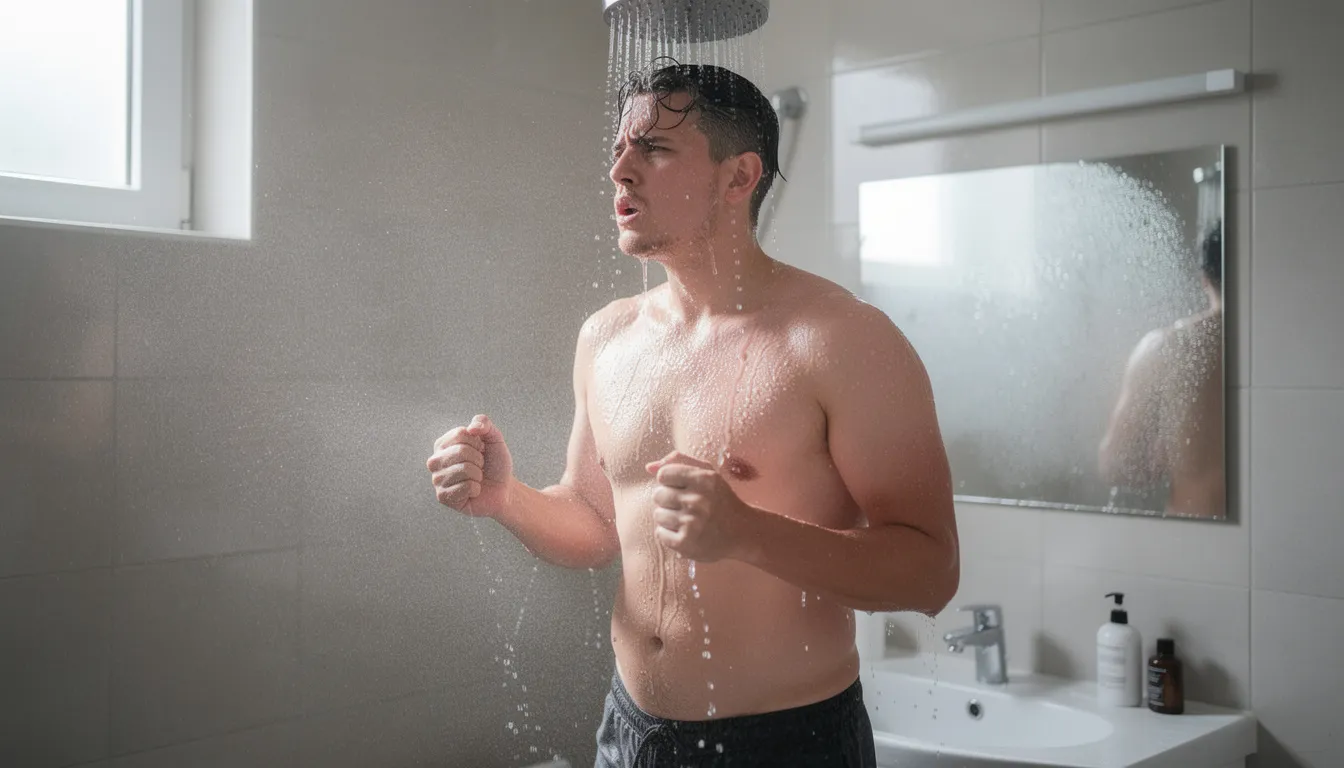
Starting your longevity journey with sauna and cold exposure requires a systematic approach that builds tolerance while establishing sustainable habits. This progressive protocol minimizes risk while maximizing long-term adherence and benefit.
Week 1-2: Foundation Building
Sauna Introduction:
- Duration: 5-10 minutes per session
- Temperature: 70-80°C (158-176°F)
- Frequency: 2 sessions per week
- Focus: Comfortable adaptation without stress
Start in the lower temperature range and exit before feeling uncomfortable. Your goal is to establish a positive association and gradually build heat tolerance.
Cold Exposure Introduction:
- Method: Cold shower at home
- Duration: 30-60 seconds
- Temperature: 15-20°C (59-68°F)
- Frequency: 2 sessions per week
- Focus: Controlled breathing and gradual adaptation
Begin at the end of regular warm showers, gradually transitioning to cool, then cold water. Focus on maintaining calm, controlled breathing throughout the process.
Breathing Technique Development: Master the fundamental breathing pattern that supports both hot and cold exposure:
- Deep diaphragmatic breathing during heat stress
- Controlled, rhythmic breathing during cold shock
- Extended exhales to activate parasympathetic recovery
Week 3-4: Progressive Increase
Enhanced Sauna Protocol:
- Duration: 10-15 minutes per session
- Temperature: 80-90°C (176-194°F)
- Frequency: 2-3 sessions per week
- Addition: Begin basic contrast with one cold exposure
Advanced Cold Exposure:
- Method: Dedicated cold plunge or ice bath
- Duration: 1-2 minutes
- Temperature: 10-15°C (50-59°F)
- Frequency: 2-3 sessions per week
- Focus: Maintaining calm during initial cold shock
Introduction of Contrast Cycles: Begin combining hot and cold in single sessions:
- Sauna for 10 minutes
- Cold exposure for 1 minute
- Rest for 5 minutes
- Repeat cycle once
- Always end with cold exposure
Learning about the safe duration for a cold plunge helps you understand how long to stay in one. Most beginners can tolerate 1-2 minutes initially, gradually building up to 3-5 minutes over several weeks.
The debate over ‘cold plunges vs. ice baths’ for recovery often centers on temperature control and convenience, with dedicated cold plunge systems maintaining consistent temperatures more easily than traditional ice baths.
Week 5+: Optimal Protocol Implementation
Target Sauna Protocol:
- Duration: 15-20 minutes per session
- Temperature: 80-100°C (176-212°F)
- Weekly total: 60 minutes across 2-3 sessions
- Integration: Full contrast therapy sessions
Target Cold Protocol:
- Duration: 3-5 minutes per session
- Temperature: 10-15°C (50-59°F)
- Weekly total: 11 minutes across 2-3 sessions
- Integration: 2-3 cycles within contrast sessions
Complete Contrast Session Structure:
- 15-minute sauna exposure
- 3-minute cold plunge
- 5-minute rest and hydration
- 15-minute sauna exposure
- 3-minute cold plunge
- 10-minute cool-down and recovery
This advanced protocol delivers the full benefits of longevity while maintaining safety and sustainability.
Tracking Your Progress
Monitor key indicators to ensure positive adaptation:
Physiological Markers:
- Resting heart rate improvements
- Better sleep quality scores
- Enhanced energy levels throughout the day
- Improved cold tolerance in daily life
Performance Metrics:
- Increased sauna session duration comfort
- Reduced anxiety during cold exposure
- Faster heart rate recovery between cycles
- Enhanced overall stress resilience
Health Outcomes:
- Better exercise recovery and muscle recovery
- Improved mood and mental health
- Enhanced respiratory health and circulation
- Reduced chronic pain or inflammatory symptoms
Reading about daily sauna use safety tips helps you understand sustainable long-term practices.
Take advantage of a commercial cold plunge tub wellness center near you to experience contrast therapy before investing in home equipment. This can help you understand what works best for your body and preferences.
For comprehensive guidance, contact Home Sauna to discuss equipment options that support your specific longevity goals and space requirements.
Conclusion
The combination of sauna and cold exposure represents one of the most powerful non-pharmaceutical interventions available for promoting longevity and health span. The evidence is compelling: regular practice can reduce all-cause mortality by up to 40%, improve cardiovascular health, enhance cellular repair mechanisms, and optimize metabolic function.
Success lies in progressive implementation, starting conservatively and building tolerance over weeks and months. The optimal weekly protocol of 60 minutes of sauna time and 11 minutes of cold exposure provides a clear target, but even smaller doses deliver meaningful benefits.
Safety must always come first. Obtain medical clearance if you have cardiovascular conditions. Start with milder temperatures and shorter durations, and listen carefully to your body's signals throughout your practice.
Ready to begin your longevity journey?
Visit Home Sauna to kick-start your wellness journey. Remember that longevity benefits accumulate over time. The most important factor isn't perfecting every session but rather establishing sustainable habits you can maintain for years to come. Start today, progress patiently, and let these ancient practices support your modern pursuit of a longer, healthier life.
Frequently Asked Questions
How soon can I expect to see the benefits of longevity from sauna and cold therapy?
The benefits of cold therapy and sauna on longevity begin to appear surprisingly quickly, with initial improvements, such as better sleep and an elevated mood, becoming noticeable within 2-3 weeks. Cardiovascular improvements typically take 6-8 weeks of consistent practice to become truly noticeable in measurable ways. The longevity benefits are cumulative and most pronounced with long-term adherence, meaning you're playing the long game here. Studies suggest measurable improvements in stress hormone regulation, immune function, and metabolic markers within 8-12 weeks of regular practice. Don't expect overnight miracles, but do expect to feel noticeably different within a month if you stick with it.
Can I do sauna and cold therapy on the same day as intense exercise?
You can do sauna and cold therapy on the same day as intense exercise, but timing is crucial for optimal results. Cold exposure immediately after strength training may blunt muscle adaptation by reducing the inflammation your muscles need for protein synthesis, so wait 6 hours or more post-resistance training if you're chasing gains. For endurance training, cold therapy can actually enhance recovery when done within 30 minutes post-exercise. Many athletes successfully integrate contrast therapy on non-training days or light recovery days. If you're training hard, treat the sauna and cold work like another workout in terms of how it fits into your weekly schedule. Your body can only handle so much stress at once.
Is it better to do the sauna first or the cold plunge first when combining them?
It's definitely better to do sauna first and end with cold exposure for maximum benefit. This sequence maximizes the vascular pump effect, maintains elevated metabolism after the session, and provides optimal stress adaptation benefits. Starting cold can trigger excessive activation of the sympathetic nervous system, making subsequent heat exposure less comfortable and potentially less beneficial. The heat-to-cold transition also better mimics natural thermal stress patterns your body evolved to handle. Plus, jumping into cold water after being nice and warm feels way better than starting cold. Your body will thank you for following this order.
What's the minimum effective dose for longevity benefits?
The minimum effective dose for longevity benefits includes at least four sauna sessions per month (each lasting 20 minutes or more at 80-90°C) and weekly cold exposure totaling 11 minutes or more. However, the Finnish studies show that a dramatic 40% mortality reduction was achieved with 4-7 sauna sessions per week. More frequent practice yields greater returns, but even modest weekly exposure produces significant health improvements compared to no thermal therapy. Think of it like exercise: some is infinitely better than none, and more is generally better, but there's a point of diminishing returns. Start where you can sustain, then build from there.
Are there any supplements that can enhance the longevity effects of hot-cold therapy?
There are a few supplements that can enhance the longevity effects of hot-cold therapy, though the therapy is highly effective on its own. Magnesium supports the function of heat shock proteins and helps with temperature regulation, which is crucial when you're stressing your system with extreme temperatures. Omega-3 fatty acids may enhance cold adaptation and reduce exercise-induced muscle damage. Antioxidants like vitamin C can support recovery from stress responses, although excessive antioxidation may actually blunt some beneficial hormetic effects. Always consult healthcare providers before adding supplements to ensure they don't interfere with medications or existing health conditions. Honestly, get your protocols dialed in first before worrying about supplements.
How often should you use an infrared sauna for longevity?
How often you should use an infrared sauna for longevity really depends on your goals and tolerance, but Finnish studies show that maximum mortality reduction involved 4-7 sessions per week. Most people see significant benefits at 3-4 sessions per week, with each session lasting 15-20 minutes. Infrared saunas operate at lower temperatures (120-140°F) compared to traditional saunas, making them easier to tolerate for longer or more frequent sessions. You can safely use them daily if your body adapts well and you maintain proper hydration. Start 2-3 times a week and gradually increase the frequency as your heat tolerance improves over several weeks.
What are the cold plunge benefits for muscle recovery?
Cold plunges significantly reduce inflammation, speed up clearance of metabolic waste products, decrease muscle soreness, and enhance circulation once you warm back up. Cold water immersion triggers vasoconstriction, followed by reactive vasodilation, creating a pumping effect that flushes out inflammatory markers. Studies show that athletes using cold plunges have significantly lower C-reactive protein elevation compared to those undergoing passive recovery. However, timing matters: immediate cold exposure after strength training may blunt muscle adaptation, while cold therapy enhances recovery for endurance athletes. Most people find that 3-5 minutes at 10-15°C provides optimal benefits without overdoing it. The cold plunge therapy health benefits extend to improved sleep, reduced systemic inflammation, and enhanced mental resilience beyond just physical recovery.
Are home saunas safe for health when doing contrast therapy?
Yes, they're safe when used properly with appropriate safety measures and medical clearance if needed. Modern home units include safety features like temperature controls, timers, and automatic shut-offs that support therapeutic use. The key is following proper protocols: start conservatively, build tolerance gradually, maintain proper hydration, and listen to your body's signals. Home saunas actually offer advantages for contrast therapy, including better hygiene control, convenience for regular practice, and the ability to customize sessions without feeling rushed. Just make sure you have a plan for cold exposure nearby, whether that's a cold shower, a dedicated cold plunge, or access to cold water immersion. Understanding how to use a cold plunge safely at home ensures you maximize benefits while minimizing risks.