

Are you looking to create a luxury home sauna that embodies the timeless elegance of Nordic design? Scandinavian sauna design combines clean lines, natural light, pale woods, and uncluttered layouts that prioritize relaxation over decoration—creating spaces meant for ritual, not showmanship.
Planning a Scandinavian-inspired home sauna involves careful attention to dimensions, adequate ventilation, proper insulation, and how these elements integrate with adjacent cold plunge tub home or pool areas. This comprehensive guide explores how to bring authentic home sauna wellness design principles into your home.
Key Takeaways
- Scandinavian sauna design combines clean lines, natural light, pale woods, and uncluttered layouts that prioritize relaxation over decoration—creating spaces meant for ritual, not showmanship.
- Material choices like Nordic spruce, aspen, alder, and cedar directly impact comfort, durability, and aesthetic appeal, with heat-treated timber offering enhanced stability without chemical treatments.
- Glass elements, indirect lighting, and simple bench geometry (L-shaped, U-shaped, or tiered) define the modern Nordic look for both indoor and outdoor infrared sauna installations.
- Traditional wood-burning or electric stone heaters deliver the classic Finnish sauna experience, while low-EMF infrared saunas and full-spectrum options provide recovery-focused alternatives for daily wellness routines.
What Is Scandinavian Sauna Design?
Picture stepping into a space where pale timber walls catch soft, diffused light through a frameless glass door. The air carries a subtle cedar scent. Smooth benches rise in clean tiers, and the only sounds are the gentle hiss of steam as water meets hot stones and your own steady breathing.
This is the essence of modern Scandinavian sauna design—a sanctuary built on simplicity, natural materials, and the pursuit of genuine relaxation.
Scandinavian sauna design represents a thoughtful blend of Finnish sauna culture with contemporary Nordic interior principles. It prioritizes minimalism, functionality, and an honest celebration of wood and stone.
Whether installed in a Helsinki hotel or a suburban basement, the same core philosophy applies: create a calm environment where the body and mind can reset without visual noise or unnecessary complexity.
HomeSauna specializes in premium traditional saunas, infrared sauna indoor 2-person models, and cold plunge tubs—offering homeowners a direct path to bringing authentic Scandinavian style into their own wellness routines.
What Defines the Essence of Modern Scandinavian Sauna Design?
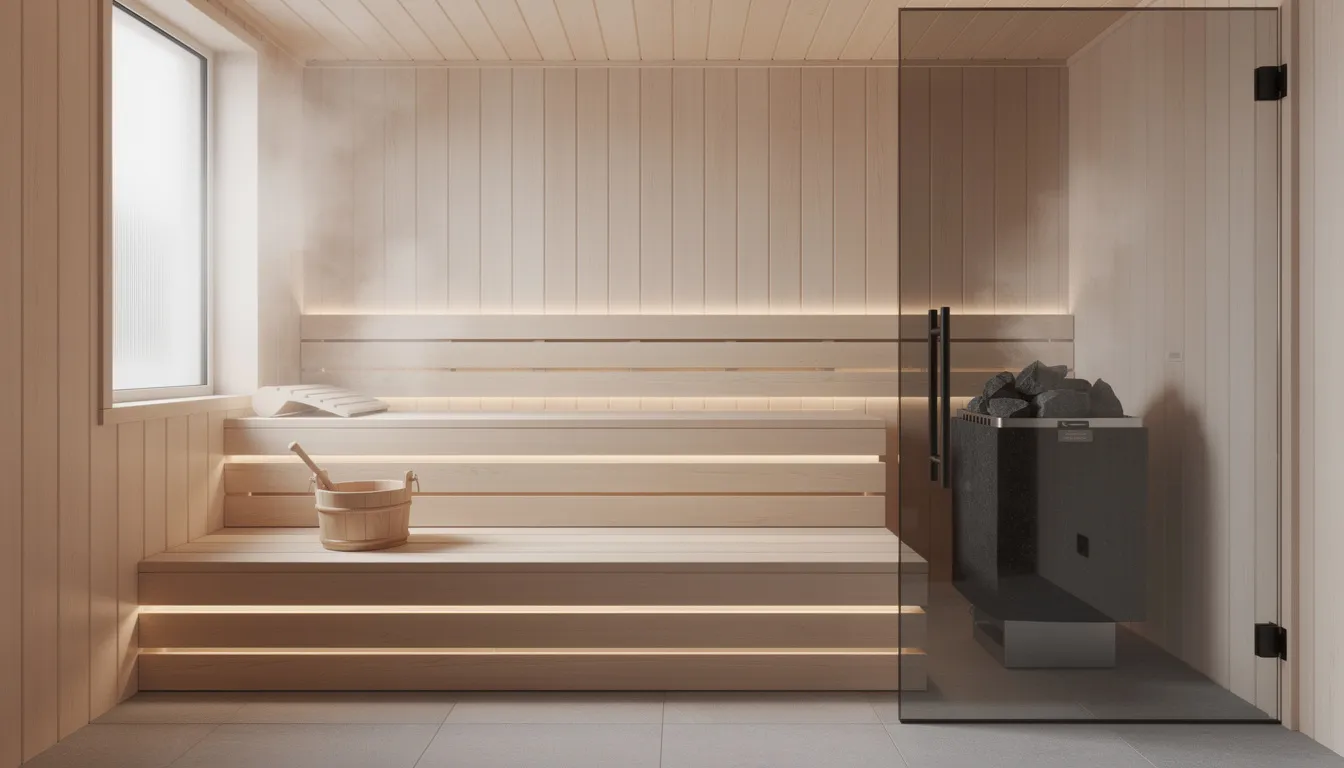
Understanding what makes a sauna feel "Scandinavian" requires looking beyond surface aesthetics to the functional and emotional DNA of these spaces. This section defines the core traits that distinguish Nordic sauna design from other traditions.
Clean Geometry and Deliberate Simplicity
Scandinavian sauna interiors reject ornamentation. You won't find decorative carvings, busy patterns, or unnecessary fixtures. Instead, the design relies on:
- Simple rectangular or curved forms.
- Smooth, uninterrupted surfaces.
- Hidden storage for ladles, towels, and brushes.
- Deliberate negative space that allows the mind to rest.
This approach creates mental calm before the heat even begins working on your body.
Natural Light and Strategic Glazing
Glass plays a crucial role in modern sauna design. Full-height glass doors, clerestory windows, or transom panels invite natural light while maintaining the cocoon-like warmth essential to the sauna experience.
The goal is connection to nature—glimpses of trees, sky, or water—without sacrificing privacy or heat efficiency.
The Nordic Color Palette
|
Element |
Common Choices |
|
Wall and ceiling wood |
Aspen, alder, Nordic spruce |
|
Accent tones |
Soft grays, matte black fixtures |
|
Stone accents |
Honed granite, soapstone near heaters |
|
Metal finishes |
Brushed steel, black iron |
This palette creates a warm yet restrained atmosphere where materials speak for themselves.
Ergonomics and Ritual Flow
Proper bench heights, supportive backrests, and comfortable headrests aren't afterthoughts—they're central to the traditional Finnish sauna experience. Scandinavian design also considers the full ritual: easy access to showers or cold plunge areas encourages the slow, repeated heat-cool cycles that define Nordic bathing culture.
When heat rises through the space, bathers can move between bench levels to find their preferred intensity.
Modern Scandinavian saunas blend traditional elements—wood-burning stoves or electric stone heaters—with contemporary features like integrated LEDs, digital controls, and full-glass fronts that would feel at home in any high-end wellness space.
What Materials Should You Choose for a Scandinavian Sauna?
Wood species, finishes, and complementary materials determine both the visual appeal and functional longevity of your sauna. Getting this right means understanding how different woods perform under repeated exposure to heat, humidity, and sweat.
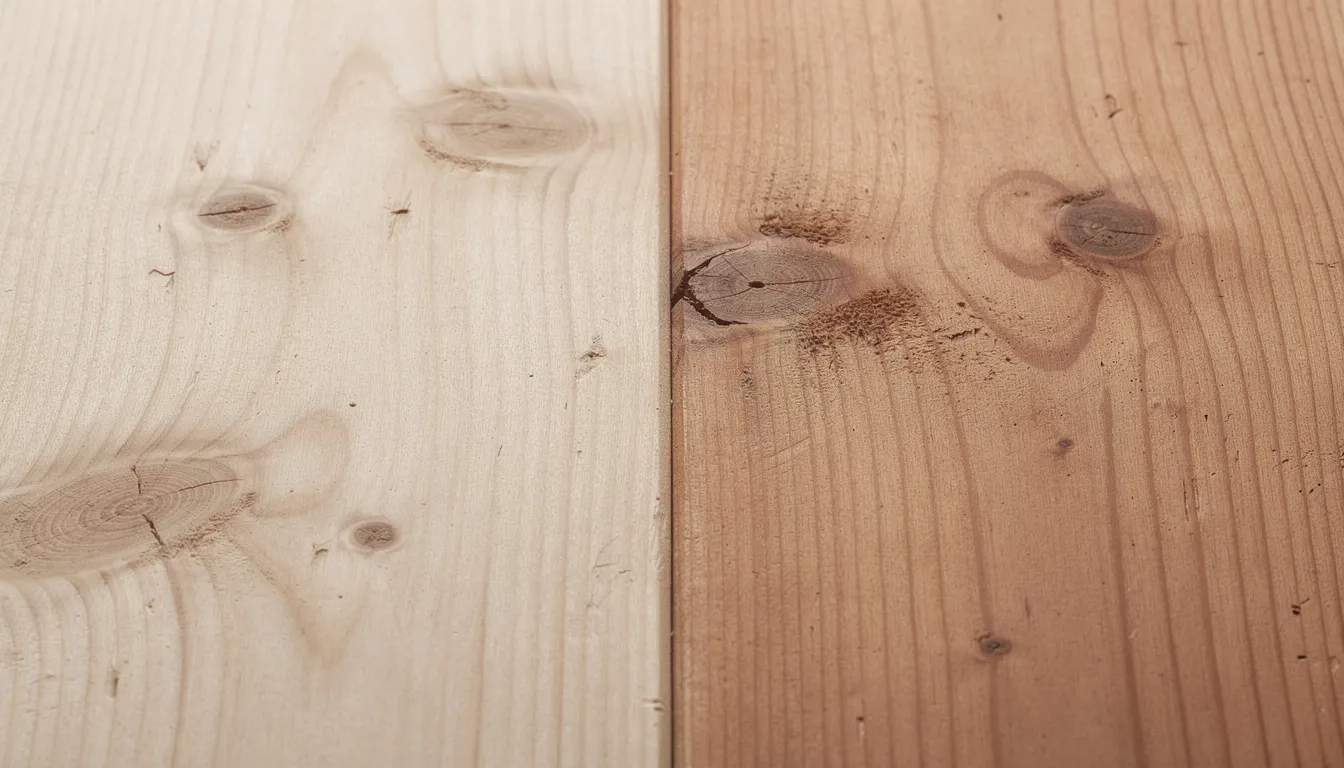
Interior Wood Species
|
Wood Type |
Key Characteristics |
|
Aspen |
Knot-free, cool to touch, minimal resin, soft grain |
|
Alder |
Subtle reddish tone, naturally antimicrobial, warm feel |
|
Nordic Spruce |
Light color, pleasant mild aroma, traditional Finnish choice |
|
Western Red Cedar |
Aromatic, naturally rot-resistant, distinctive grain |
|
Scandinavian Pine |
Affordable, classic look, requires heat treatment for best results |
Each wood brings different qualities to the sensory experience. Cedar offers a distinctive scent that many find relaxing, while aspen's neutral character lets you add aromatics through essential oils if preferred.
Heat-Treated Timber
Heat-treated (thermally modified) wood has become increasingly popular in Scandinavian sauna construction. The process uses high temperatures and steam—no chemicals—to achieve:
- Enhanced dimensional stability.
- Resistance to warping and cracking.
- Deeper, richer color tones.
- Extended lifespan in high-heat environments.
This treatment works particularly well for aspen and pine, transforming more affordable species into premium-performing materials.
Material Zones
Different areas of the sauna call for different material priorities:
- Benches and backrests: Low-conductivity woods like aspen or alder that won't burn skin.
- Walls and ceilings: More robust boards that handle structural demands.
- Floors and thresholds: Moisture-tolerant finishes, non-slip surfaces.
- Heater surrounds: Honed granite or soapstone for heat resistance and visual contrast.
Complementary Materials
Beyond wood, Scandinavian aesthetics embrace:
- Low-iron glass for doors and windows (minimal green tint).
- Matte black metal for handles, hinges, and fasteners.
- Natural stone for heater guards and accent features.
- Stainless steel for sauna door hinges and hardware.
HomeSauna emphasizes sustainable sourcing, with FSC-certified timber and eco-conscious materials that align with the environmental values central to Scandinavian culture.
What Layouts and Bench Designs Work Best?
Layout and bench configuration affect both physical comfort and the visual clarity that defines Nordic interiors. Even in a small space, thoughtful planning creates an experience that feels generous and calm.
Common Bench Configurations
|
Layout |
Best For |
Notes |
|
L-shaped |
2-4 people, corner installations |
Efficient use of the room perimeter |
|
U-shaped |
3-5 people, centered heater |
Creates a social seating arrangement |
|
Two-tier linear |
2-3 people, narrow rooms |
Temperature gradient from lower to upper bench |
|
Single-wall tiered |
1-2 people, compact saunas |
Maximizes floor space |
For most residential installations, an L-shaped or two-tier configuration balances functionality with the open feel that Scandinavian design demands.
Practical Dimensions
Following established design standards:
- Ceiling height: Around 7 feet (2.1 m) for optimal heat distribution.
- Upper bench depth: 24-28 inches (60-70 cm) for lying down.
- Lower bench/step: 16-20 inches (40-50 cm) deep.
- Heater clearance: Varies by model, but typically 4-8 inches from combustible materials.
- Distance from heater to seating: Minimum 3 feet for comfort.
These dimensions ensure the room feels proportionate while maximizing the wellness benefits of each session.
Glass Integration
Glass fronts and corners are signature elements of modern sauna design:
- Full-glass doors create a visual connection to adjacent spaces.
- Partial glass corners let light flow between zones.
- Interior windows to spa rooms enhance openness.
The key is balancing glazing with enough enclosed wall surface to maintain heat efficiency. A room that's mostly glass will struggle to hold temperature.
Hidden Complexity
Scandinavian design excels at concealing functional elements:
- Recessed LED channels under bench lips.
- Storage compartments built into bench frames.
- Clean-lined skirting that makes benches appear to float.
- Ventilation integrated into wall or floor systems.
HomeSauna offers modular indoor and outdoor units with pre-engineered layouts that reflect these Scandinavian proportions. Our designs handle the ergonomic calculations, letting you focus on customization and finishing touches.
What Heaters and Heat Sources Define Scandinavian Style?
The heater defines your sauna experience more than any other element. It determines temperature range, humidity control, and how authentically "Nordic" the space feels during use.
Traditional vs. Infrared Options
|
Heater Type |
Temperature Range |
Humidity |
Best For |
|
Wood-burning stove |
70-100°C (158-212°F) |
High (with löyly) |
Purists, outdoor installations |
|
Electric stone heater |
70-90°C (158-194°F) |
Moderate-high |
Classic Finnish sauna experience |
|
Infrared panels |
45-65°C (113-149°F) |
Very low |
Daily wellness, recovery focus |
|
Full-spectrum |
45-65°C (113-149°F) |
Very low |
Therapeutic applications |
Traditional saunas use stones heated by fire or electric elements. Throwing water on these stones creates steam—the löyly that Finnish culture considers essential to the experience. This produces intense, enveloping heat that works the body directly through ambient air temperature.
Infrared saunas operate differently, using radiant heat to warm the body without significantly heating the surrounding air. This makes them suitable for daily use, shorter sessions, and those who prefer lower temperatures while still experiencing the sweat and relaxation benefits.
Visual Design Options
Modern heaters come in forms that complement Nordic aesthetics:
- Pillar heaters: Tall, cylindrical designs with large stone capacity, often featuring matte black or brushed steel finishes.
- Wall-mounted units: Compact models that save floor space in small rooms.
- Concealed infrared panels: Hidden behind wooden grills to maintain visual simplicity.
For traditional saunas, the stove itself often becomes a focal point—a sculptural element that anchors the room.
Sizing and Placement
The right heater size depends on room volume:
- 2-3 person indoor cabins: 4.5-6 kW electric heaters.
- Larger outdoor barrel or cube saunas: 6-9 kW units.
- Infrared cabins: Panel wattage based on square footage.
Placement matters for safety and comfort. Stone heaters require specific clearances from walls and benches, while infrared panels can be positioned for targeted therapeutic effect.
HomeSauna offers low-EMF infrared and full-spectrum options for users focused on recovery and regular sauna use. Their traditional electric heaters serve those seeking the classic experience with modern convenience—digital controls, programmable timers, and smartphone integration.
How Do You Create Lighting and Atmosphere in Scandinavian Design?
Subtle, layered lighting is central to the Scandinavian mood. The goal is soft, indirect illumination that never glares—creating an environment conducive to deep relaxation rather than alertness.
Lighting Strategies
Effective Nordic sauna lighting typically includes:
- Hidden LED strips: Positioned under bench lips, behind backrests, or in ceiling coves.
- Minimal wall sconces: Low-profile fixtures with diffused output.
- Accent lighting: Candle-style elements in cooler adjacent spaces.
- No overhead fixtures: Avoid placing lights where heat rises most intensely.
The glow should feel natural, almost like firelight or late evening sun filtering through trees.
Color Temperature and Intensity
|
Setting |
Color Temperature |
Effect |
|
Relaxation |
2200-2700K |
Warm, amber tones resembling candlelight |
|
General use |
2700-3000K |
Soft white, natural warmth |
|
Task lighting (controls) |
3000-3500K |
Slightly brighter, reserved for control areas |
Brightness levels should remain low. The point is to create a mood rather than visibility—you need just enough light to move safely and appreciate the wood grain textures around you.
Light and Materials Interaction
Pale wood and glass respond beautifully to indirect lighting:
- Beams highlight grain patterns in cedar and spruce.
- Reflections off stone or water create gentle movement.
- Glass doors allow glimpses into adjacent relaxation areas.
For technical considerations, all sauna-safe fixtures should be IP-rated for heat and humidity resistance. Position drivers and controls in cooler adjacent rooms to extend equipment life.
Finishing Touches
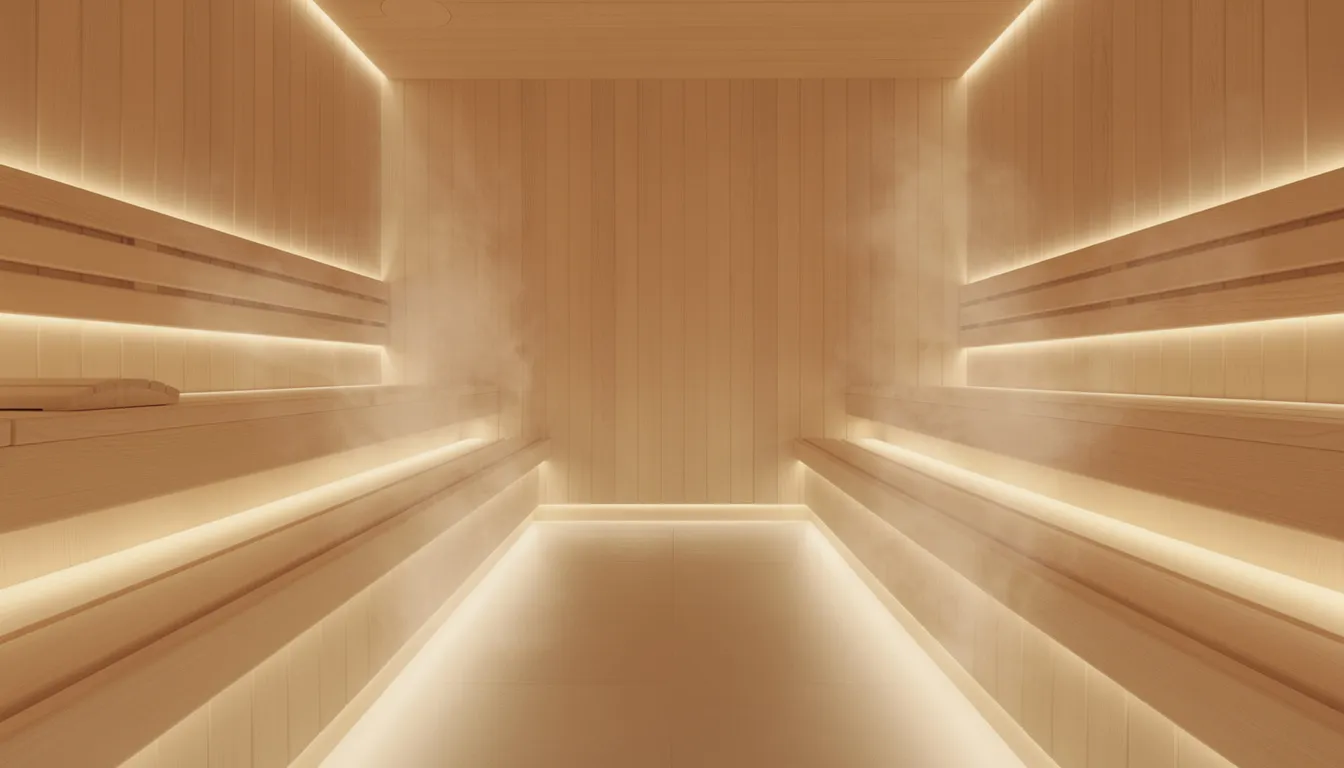
The Scandinavian concept of hygge—cozy contentment—extends beyond the hot room:
- Linen towels in neutral tones.
- Wool blankets in the lounge area.
- Simple wooden hooks for robes.
- Minimal accessories to maintain serenity.
Keep drinking water nearby for hydration, but resist the urge to over-decorate. The space should feel like a pause from complexity, not another curated interior.
Should You Choose Outdoor or Indoor Scandinavian Saunas?
Both indoor and outdoor saunas can embody Scandinavian design principles, though each interprets them differently based on context, climate, and lifestyle.
Indoor Saunas
Common locations for residential indoor saunas include:
- Primary bathroom suites (master bath integration).
- Home gym or fitness room adjacency.
- Basement wellness zones.
- Converted closets or small rooms.
Indoor installations require attention to:
- Ventilation: Fresh air intake and exhaust to prevent moisture damage.
- Vapor barriers: Proper wall and ceiling protection.
- Plumbing access: Integration with showers for cold rinses.
- Electrical capacity: Dedicated circuits for heaters.
The advantage of indoor placement is convenience—you can incorporate regular sauna sessions into daily routines regardless of cold weather or seasonal changes.
Outdoor Saunas
|
Style |
Characteristics |
Best For |
|
Cube cabins |
Clean lines, often black exterior, large glazing |
Modern yards, architectural homes |
|
Barrel saunas |
Cylindrical shape, efficient heating, natural wood |
Quick heating, harsh climates, portability |
|
Pavilion structures |
Larger footprint, views toward nature |
Properties with landscapes to showcase |
The barrel sauna deserves special mention. Originally invented by Finnish water tower builders who applied cylindrical construction techniques, these structures promote even heat distribution, efficient drainage, and quick assembly.
Their rounded shape means they heat faster than rectangular buildings of similar volume.
Site Planning Considerations
For outdoor builds in 2024 and beyond:
- Foundations: Frost-proof footings or gravel pads, depending on climate.
- Drainage: Slope away from structure, consider French drains.
- Orientation: Position glazing to capture morning or evening light.
- Adjacency: Place near pool or cold plunge when possible for full Nordic ritual.
- Privacy: Fence lines, vegetation screening, or strategic placement.
HomeSauna's plug-and-play outdoor models simplify installation with pre-wired heaters, pre-cut panels, and straightforward assembly. You can achieve a high-end Nordic aesthetic without custom construction costs.
Climate Resilience
For comfortable use through varying seasons:
- Enhanced insulation levels for cold-weather performance.
- Quality sauna door seals to prevent heat loss.
- Weather-resistant exterior finishes (paint, stain, or naturally durable species).
- Roof design that sheds snow and rain effectively.
A well-built outdoor sauna becomes a year-round wellness asset, not just a summer amenity.
How Do Sustainability and Wellness Integrate in Scandinavian Design?
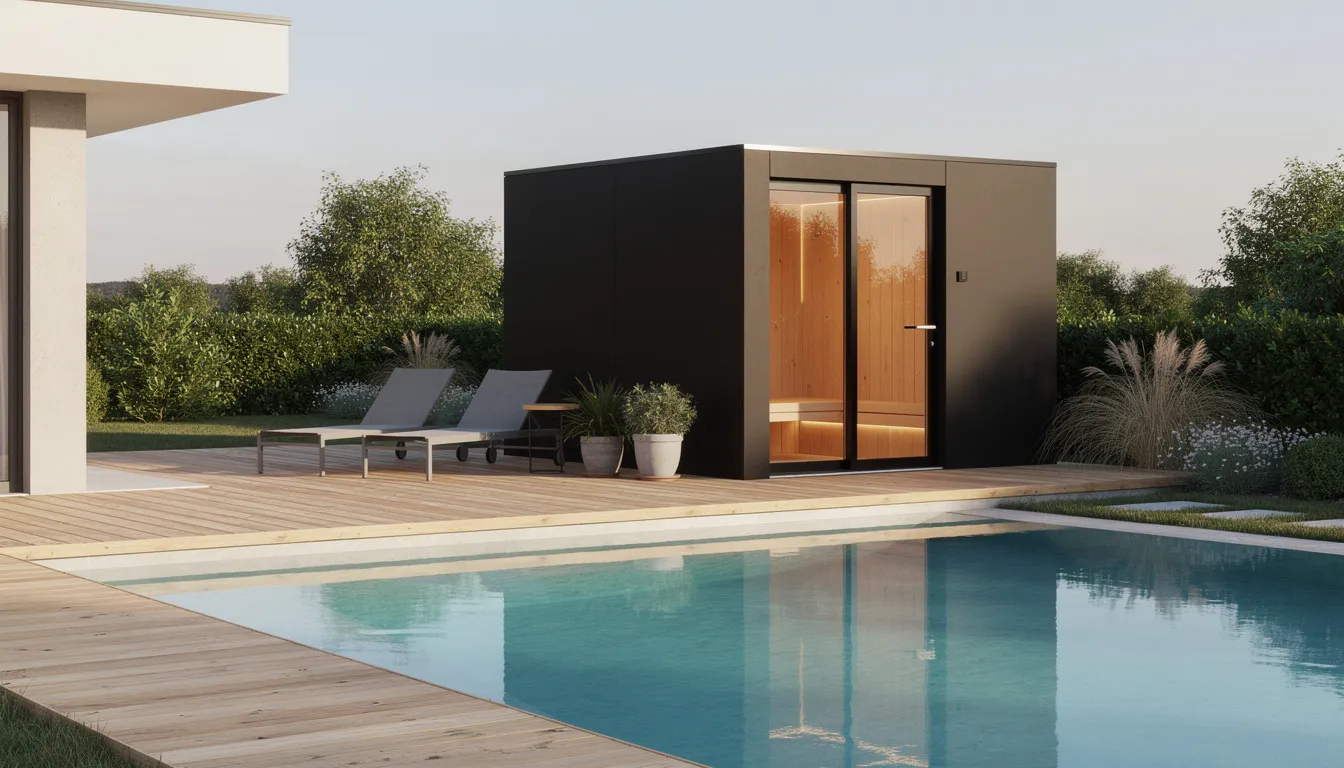
Scandinavian culture closely links sauna use, environmental responsibility, and everyday wellness rituals. The sauna isn't an occasional luxury—it's integrated into regular life, with Finland boasting roughly one sauna for every two people and over 70% of the population using them weekly.
Sustainable Design Choices
|
Element |
Sustainable Approach |
|
Timber |
FSC-certified, locally sourced when possible |
|
Insulation |
High-efficiency materials reducing energy needs |
|
Lighting |
LED fixtures with minimal power consumption |
|
Heaters |
Modern high-efficiency electric or wood units |
|
Finishes |
Non-toxic, durable treatments extending lifespan |
These choices align with Scandinavian values while reducing long-term operating costs and environmental impact.
Wellness Benefits
Contemporary research supports what Finnish culture has understood for 7,000 years. Regular sauna use contributes to:
- Cardiovascular health: Improved circulation and blood pressure regulation.
- Stress reduction: Activation of the parasympathetic nervous system.
- Better sleep: Temperature cycling helps regulate circadian rhythms.
- Muscle recovery: Accelerated healing for athletes and active individuals.
- Skin health: Deep sweat clears pores and promotes circulation to the skin.
These wellness benefits compound with consistent practice—another reason Scandinavian design emphasizes daily usability over occasional indulgence.
Heat and Cold Therapy Integration
The full Nordic wellness circuit combines heat with cold exposure:
- Warm the body in the sauna (15-20 minutes).
- Cool rapidly via cold shower, plunge pool, or outdoor swim.
- Rest and allow body temperature to normalize.
- Repeat 2-3 cycles.
This contrast therapy enhances circulation, mood, and the overall experience. Historically, Finnish saunas were built near lakes or rivers specifically to enable this practice.
HomeSauna offers cold plunge tubs and red light therapy add-ons that let you create a complete Scandinavian-style wellness circuit at home. Rather than purchasing a standalone sauna, you can design an integrated spa environment covering heat, cold, and light therapy.
Long-Term Thinking
Design for life, not just immediate gratification:
- Plan for daily or weekly rituals, not occasional use.
- Choose materials requiring minimal cleaning and maintenance.
- Consider future upgrades: adding red light panels, swapping heaters.
- Build with durability that keeps the space relevant for decades.
How Do You Plan Your Own Scandinavian-Inspired Sauna?
This section transforms design principles into an actionable plan for homeowners ready to move forward in 2024-2026. Whether you're working with a small space or designing an outdoor retreat, the process follows a logical sequence.
Step-by-Step Planning Sequence
- Measure your space: Document available square footage, ceiling height, and proximity to electrical/plumbing.
- Choose indoor vs outdoor: Consider lifestyle, climate, and how the sauna integrates with existing home flow.
- Select heater type: Traditional electric or wood burning for classic experience; infrared for daily wellness focus.
- Pick wood species: Balance aesthetic appeal, budget, and performance requirements.
- Define glazing strategy: How much glass, where positioned, and privacy considerations.
- Plan lighting: LED placement, color temperature, and control location.
- Consider cold therapy: Adjacent shower, outdoor plunge, or dedicated cold tub.
Example Footprints
|
Configuration |
Footprint |
Capacity |
Notes |
|
Compact personal |
4' x 4' (1.2m x 1.2m) |
1-2 people |
Apartments, condos, small rooms |
|
Family-size |
5' x 7' (1.5m x 2.1m) |
3-4 people |
Dedicated basement or outdoor cabin |
|
Generous |
6' x 8' (1.8m x 2.4m) |
4-6 people |
Primary spa room, premium outdoor build |
Scandinavian simplicity applies at any scale. A compact cabin can feel just as serene as a large installation when proportions and materials are handled correctly.
Matching HomeSauna Products to Scenarios
|
Scenario |
Recommended Product Type |
|
Apartment or condo |
Plug-and-play infrared cabin, minimal installation |
|
Detached home with yard |
Outdoor traditional sauna, barrel or cube style |
|
Dedicated basement spa |
Indoor traditional or full-spectrum cabin with adjacent cold plunge |
|
Recovery-focused wellness room |
Low-EMF infrared with red light therapy add-ons |
|
Hybrid setup |
Traditional sauna + cold plunge tub combination |
Budget Considerations
Scandinavian-inspired design works across budget ranges:
- Streamlined builds: Pre-fabricated cabins with quality materials, straightforward installation.
- Mid-range custom: Selected upgrades like premium wood species or enhanced glazing.
- Premium spa rooms: Fully integrated environments with cold plunge, lighting design, and luxury finishes.
The functionality and aesthetic remain consistent—you're adjusting materials and scale rather than compromising on design principles.
Create Your Scandinavian Wellness Sanctuary Today
Scandinavian sauna design offers a timeless approach to home wellness that prioritizes authenticity, natural materials, and daily ritual over fleeting trends. Whether you choose a compact indoor cabin or a spacious outdoor retreat, the principles remain the same: simplicity, quality, and connection to nature.
Ready to bring Scandinavian design into your home? Explore HomeSauna's collection of traditional and infrared models designed for residential installation.
Contact our team for personalized guidance on selecting the right heater, wood species, and configuration for your space and wellness goals.
Frequently Asked Questions
What is the ideal temperature and humidity for a Scandinavian-style sauna at home?
A traditional Scandinavian sauna typically operates between 70-90°C (158-194°F) with moderate humidity created when water is thrown on hot stones—this produces the steam essential to Finnish sauna culture. Infrared saunas run cooler, usually 45-65°C (113-149°F) with minimal ambient humidity.
Both can reflect Scandinavian design aesthetics; the choice depends on personal preference and how you plan to use the space.
How much space do I need to build a Scandinavian sauna in my house?
A compact 1-2-person indoor sauna can fit in a footprint of roughly 4' x 4' (about 1.2m x 1.2m), while a comfortable 3-4-person family sauna typically needs around 5' x 7' or larger.
When planning your overall spa zone, account for sauna door swing, heater clearance, and any adjacent shower or cold plunge area. Even modest spaces can accommodate effective Scandinavian design when proportions are carefully considered.
Can I combine a Scandinavian sauna with a cold plunge in a small backyard?
Yes—a compact outdoor cabin sauna and a small cold plunge tub can both fit in modest urban or suburban yards when planned efficiently. Gravel pads, deck platforms, or poured footings provide stable foundations without requiring extensive excavation.
HomeSauna offers cold plunge options sized specifically for residential spaces, allowing you to recreate the full Nordic heat-cold cycle without needing a large property or access to a natural pool or lake.
Do infrared saunas still count as "Scandinavian" in design?
Absolutely. "Scandinavian" refers primarily to the design language—minimalism, natural materials, soft lighting, and functionality—rather than a specific heat source.
Infrared cabins can fully embody Nordic aesthetics when built with pale woods, clean lines, and subtle integrated lighting. HomeSauna's infrared and full-spectrum models use materials and proportions that align naturally with modern Scandinavian interiors.
How difficult is it to install a Scandinavian-style sauna kit myself?
Many HomeSauna models are designed as plug-and-play or panelized kits, allowing skilled DIYers to handle assembly while licensed professionals manage electrical connections. For straightforward outdoor or basement installations, this approach balances cost savings with professional-quality results.
For more complex indoor builds, especially those involving new ventilation, moisture barriers, or plumbing, working with a contractor or designer experienced in sauna projects ensures proper execution of these critical systems.
References
- Spruce – “What is Scandinavian Design?”
- National Institute of Health – “The Multifaceted Benefits of Heat Therapies for Extending the Healthspan: A Comprehensive Review with a Focus on Finnish Sauna.”
- Medical News Today – “Sauna: Health Benefits, Risks, and Precautions.”
- Very Well Health – “Contrast Therapy: Treating Injuries with Hot and Cold Baths.”