

Soundscapes can dramatically deepen relaxation, mindfulness, and recovery in both infrared saunas and traditional sauna setups. The right audio transforms a simple heat session into a full sensory retreat that engages your nervous system at a deeper level. Yet many people overlook this powerful enhancement to their wellness routine.
This guide offers concrete playlist ideas, frequency guidelines, and practical advice on gear placement and safety within hot, humid environments. You'll learn which soundscapes match specific wellness goals, how to structure audio for different session types, and how to integrate music into a complete home spa ritual that addresses both body and mental well-being.
Key Takeaways
-
Soundscapes can significantly enhance relaxation, mindfulness, and recovery in both infrared and traditional sauna settings. The right audio transforms a simple heat session into a full sensory retreat that engages your nervous system and promotes relaxation at a deeper level.
- The best sauna music combines gentle ambient tones, natural sounds, and low-tempo tracks in the 60- to 80-BPM range, played at a low volume to prevent overstimulation. This tempo range mirrors a relaxed heart rate, helping your body naturally sync to a calmer state.
- Some soundscapes, such as binaural beats, can promote specific brainwave states like alpha waves, enhancing relaxation, mental clarity, and focus.
- Vibrational resonance therapy (VRT) is an emerging approach that combines sound, vibration, and heat to create a multi-sensory relaxation experience.
- Different wellness goals call for different soundscapes. Stress relief pairs well with theta-wave drones, post-workout recovery benefits from minimalist electronic textures, and morning focus sessions thrive with soft acoustic or piano arrangements.
- This guide provides concrete playlist ideas, frequency guidelines, and practical tips on gear placement and safety in hot, humid environments, offering everything you need to enhance relaxation during your next sauna session.
Why Does Sound Matter in Sauna Sessions?
The combination of heat (from 120 to 195°F), low light, and carefully chosen audio can shift your nervous system from "fight or flight" into "rest and digest" mode. This isn't just about ambiance; it's about creating conditions that multiply the therapeutic benefits of your sauna time.
Regulates Breathing and Heart Rate
Steady, predictable soundscapes with slow tempos help your breathing fall into a relaxed rhythm. This, in turn, lowers your heart rate and enhances the cardiovascular health benefits already offered by sauna heat.
The best infrared sauna for home wellness combines heat therapy with intentional audio design.
Reduces Perceived Stress and Discomfort
Research on music therapy suggests that the right audio can lower cortisol levels by 20 to 30% and reduce perceived pain. This makes it easier to stay in the sauna longer and extract more health benefits from each session.
Creates a Psychological Boundary
In a home environment, sound transforms any spare room, backyard cabin, or garage sauna into a personal spa sanctuary. The moment your playlist starts, your brain knows it's time to disconnect from work emails and family demands.
Amplifies the Detox Effect
When you're not distracted by outside noise or racing thoughts, you can focus on the warmth penetrating your muscles. You notice the sweat releasing toxins and the gradual unwinding of tension you've been carrying all day.
Supports Longer, More Effective Sessions
Users who incorporate soundscapes report staying in the sauna an average of 25 minutes compared to 15 minutes without audio. This represents a meaningful difference for those chasing serious recovery and relaxation benefits.
The health benefits of infrared sauna sessions are best realized when comfort is maintained through proper soundscaping.
What Types of Saunas Work Best with Music?
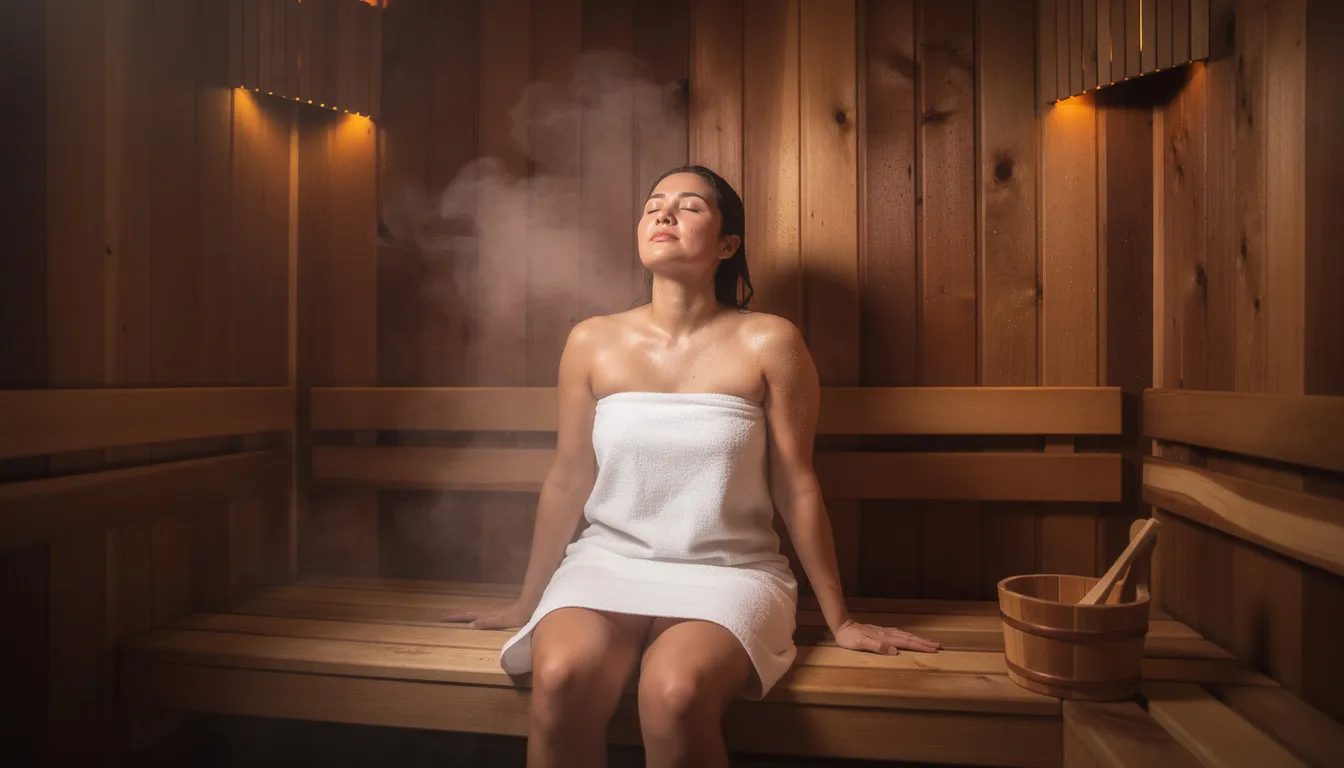
Choosing the right sauna can make a big difference in your wellness routine, especially when it comes to maximizing relaxation, health benefits, and the overall sauna experience. There are several types of saunas available, each offering a unique combination of heat, comfort, and atmosphere.
Traditional Finnish Saunas
Traditional saunas, often referred to as Finnish saunas, utilize heated stones or wood-burning stoves to warm the air within the room. This classic approach generates high temperatures and promotes excessive sweating.
Many users associate this with deep detoxification and muscle relaxation. The intense heat surrounds your body, raising your core temperature and promoting a satisfying post-sauna glow.
Traditional sauna sessions are ideal for those who enjoy the ritual of pouring water over hot stones. This creates bursts of steam and a truly immersive, time-honored experience.
Infrared Saunas
Infrared saunas employ a different approach, using infrared heat to warm the body directly rather than heating the air. This results in a gentler heat that penetrates deeper into muscles and joints.
The infrared sauna indoor 2-person units work particularly well for couples seeking shared wellness experiences. Infrared saunas typically operate at lower temperatures, allowing for longer, more comfortable sessions with less intense sweating.
Many users find that the combination of infrared heat and relaxing sounds creates a tranquil environment perfect for mindfulness practices and stress reduction.
Outdoor Saunas
Outdoor saunas offer a unique blend of natural beauty and wellness benefits. Whether nestled in a backyard or overlooking a scenic landscape, these saunas let you enjoy fresh air and nature sounds as part of your sauna time.
The combination of warm, enveloping heat and the sights and sounds of nature can enhance relaxation and promote mental clarity. The outdoor infrared sauna models work especially well when paired with nature soundscapes that complement the environment.
Outdoor saunas are especially popular for those who want to connect with nature while reaping the cardiovascular health and emotional well-being benefits of regular sauna use.
Portable and Compact Options
For those with limited space or a need for flexibility, portable saunas and sauna tents provide a convenient solution. These compact units are easy to set up at home or even take on the go.
While they may not offer the same ambiance as a traditional or outdoor sauna, portable options still deliver the core benefits of heat therapy. This includes improved blood flow, muscle relaxation, and support for overall wellness.
What Are the Core Types of Sauna Soundscapes?
There is no single "best" track for every sauna experience. Instead, there are categories of soundscapes suited to specific intentions, times of day, and personal preferences. Understanding these categories helps you build a versatile audio library.
|
Category |
Sound Profile |
Best Time of Day |
Ideal For |
|
Ambient & Drone |
Long sustained pads, minimal melody |
Evening |
Deep stress relief, mental reset |
|
Nature Soundscapes |
Rain, forest, ocean waves |
Midday, weekends |
Grounding, mental clarity |
|
Soft Instrumental |
Piano, acoustic guitar, handpan |
Morning, pre-work |
Gentle uplift, focus |
|
Guided Meditation |
Voice plus ambient backing |
Flexible |
Structured mindfulness, beginners |
|
World/Ethnic Textures |
Shakuhachi flute, duduk, kora |
Evening |
Ritual, ceremony, atmosphere |
Some users prefer alternating sessions, one in complete silence and another with music, to better notice how their body responds to gentle heat. There's no wrong approach, only what works for your goals.
Ambient and Drone for Deep Relaxation
Ambient and drone soundscapes are most effective for 20- to 40-minute infrared heat sessions designed to promote stress relief and a total mental reset. These aren't songs in the traditional sense; they're sonic environments designed to dissolve the boundary between you and the warmth surrounding you.
Typical features of effective ambient drone tracks include long sustained pads that evolve slowly over minutes, not seconds. Minimal or no melody removes the temptation to hum along or anticipate changes.
Almost no percussion keeps your heart rate from syncing to a beat. Subtle evolving textures wash over you without demanding attention.
Binaural beats in the delta, theta, or alpha ranges are often used in these soundscapes to encourage deep meditative states and stress relief.
These soundscapes pair exceptionally well with evening sauna sessions (after 7 PM) when you want to transition from work mode to sleep mode.
Nature Soundscapes for Grounding
Nature sounds pair especially well with outdoor traditional sauna setups and indoor cabins with window views. These tracks create what researchers call a "restorative environment," one that allows your attention to rest rather than work.
Specific sound options that work well in sauna environments include the sounds of forest birds at dawn, accompanied by the subtle wind through leaves. Gentle rain on leaves without thunder works better than stormy sounds, as thunder can be startling mid-session.
A distant mountain stream with varied but consistent water sounds creates a soothing consistency. Ocean waves at a slow, rhythmic pace work well, but avoid crashing surf that spikes energy.
These relaxing sounds work particularly well for midday or weekend sessions when you want to unplug from screens. The biophilic connection to nature helps lower stress levels even when you're technically sitting in your garage or backyard.
Soft Instrumental and Acoustic Music
This category is ideal for users who want some emotional tone but not lyrics that might trigger overthinking during their sauna experience. Words engage the language centers of your brain, pulling you out of the meditative state you're trying to cultivate.
Recommended styles that promote relaxation without distraction include slow piano pieces in the style of Ludovico Einaudi or Debussy, characterized by simple melodies and ample space between notes. Sparse acoustic guitar with finger-picked patterns and lots of natural room sound works beautifully.
Handpan or hang drum recordings with their naturally calming, bell-like tones create peaceful atmospheres. Lo-fi jazz, characterized by a lack of strong drum grooves, such as those found in Miles Davis' "Blue in Green" or Dave Brubeck's gentler moments, lends itself to contemplation.
Tracks in the range of 60 to 80 BPM mirror a relaxed heart rate. These are perfect for morning or pre-work sauna sessions.
Guided Meditation and Breathwork
Many home sauna customers are biohackers or high performers who appreciate combining infrared heat with intentional mental training. Guided audio provides structure for those who find pure ambient music or silence too open-ended.
Guided sauna meditations typically include: body scan practices that direct attention systematically from head to toe, loving-kindness meditations that cultivate a positive emotional state, and simple 10- to 20-minute breath-focused scripts layered over soothing tones.
Pairing 4-7-8 breathing or box breathing exercises with 15- to 25-minute infrared sessions (at temperatures of around 130 to 140°F) helps prevent overheating. This combination turns your sauna into a valuable tool for both physical and mental wellness.
World and Ethnic Textures
Subtle world influences can make a home sauna feel more like a dedicated retreat while still avoiding clichéd "spa music" that feels generic or commercialized. These sounds connect your practice to millennia of human tradition around heat and meditation.
Specific instrument ideas that create atmosphere without overwhelming include the Shakuhachi flute with its breathy, contemplative tone. Duduk (Armenian woodwind) layered with reverb creates an ancient, melancholic feel.
Kora or other African string instruments played slowly and sparsely add depth. Sitar passages with sustained notes and minimal rhythmic accompaniment work well. Icelandic or Scandinavian choral textures kept very soft in the mix enhance the atmosphere.
These soundscapes work best during longer traditional sauna or full-spectrum sessions when you want a sense of ceremony or ritual, especially in the evening.
How Do You Match Soundscapes to Wellness Goals?
Most sauna users fall into three to four main intention categories: relaxation and stress relief, recovery and performance, focus and creativity, and sleep preparation. Each goal benefits from different tempos, textures, and frequency ranges.
For Stress Relief and Emotional Reset
When stress reduction is your primary goal, prioritize slow ambient or drone tracks with warm, major-key harmonies and very gradual changes. Avoid sudden shifts, loud peaks, or unexpected sounds that might startle you out of relaxation.
An optimal playlist structure for stress relief typically features a duration of 20 to 30 minutes, comprising 3 to 5 tracks that fade seamlessly into one another. Maintain a consistent tonal palette; avoid sudden shifts from bright synthesizers to dark piano.
Create a gradual energy arc that dips slightly in the middle, then rises gently toward the end. Include a final track that fades to near-silence over 2 to 3 minutes.
This goal pairs perfectly with lower-light settings in an infrared sauna indoor 2-person unit or larger model. Dim the built-in LEDs to amber or red tones.
For Post-Workout Recovery
Athletes and lifters who use infrared saunas immediately after training benefit from minimalist electronic, cinematic ambient, or chilled downtempo music with subtle rhythmic elements. The gentle pulse corresponds to a relaxed yet elevated heart rate, as blood flow increases.
What makes a good recovery playlist: 15 to 25-minute duration that matches your typical post-workout session, energy arc that peaks around the middle and then tapers toward the end, subtle bass presence that feels physical without being aggressive.
The heat helps dilate blood vessels, bringing oxygen-rich blood to tired muscles. This process improves circulation and can help lower blood pressure.
Regular sauna sessions can also have a positive effect on the immune system. Research on saunas and immunity suggests an increase in the production of white blood cells. The benefits of infrared sauna for athletes include both physical recovery and mental reset.
For Focus and Creativity
Sometimes your sauna isn't for unwinding, it's for thinking. Subtle, melody-forward ambient or classical minimalism with a moderate tempo (70 to 90 BPM) feels mentally engaging without becoming distracting.
How to structure focus-oriented sauna sessions: shorter sessions of 15 to 20 minutes at 120 to 130°F (typical infrared range), tracks with just enough movement to keep your mind alert, and avoid anything too emotionally evocative.
Your sauna can serve as a "creative incubator," especially when you need to solve problems away from screens. The heat increases blood flow to the brain. The enclosed space removes visual distractions.
For Sleep Preparation
Sleep preparation requires ultra-soft ambient sounds, such as night forest recordings, distant waves, or low-register piano, limited to 50 to 70 BPM with gentle dynamics. This is the quietest and most minimalist soundscape category.
Timing and structure recommendations include using sessions 60 to 90 minutes before bedtime to allow body temperature to drop naturally. Keep sessions shorter (15 to 25 minutes) to avoid overstimulating the child before bedtime.
Match the final 5 minutes of audio to near-silence, training your body to expect rest. Avoid any tracks with sudden volume changes or surprising elements.
What Are the Practical Tips for Sauna Sound Setup?
Not all speakers or headphones are suitable for the high heat and humidity in sauna environments. Safety should always be the top priority, followed by audio quality and convenience. A great playlist means nothing if your speaker melts or your phone overheats.
Choosing Sauna-Friendly Speakers
Heat and moisture-resistant Bluetooth speakers are your best option for most home sauna setups. Place them on lower benches or outside the hot zone entirely, depending on whether your unit is a traditional sauna (operating at temperatures of up to around 190°F) or an infrared sauna (operating at temperatures of around 120 to 150°F).
Key recommendations include avoiding the use of over-ear headphones during high-heat sessions. They trap heat against your head and can become uncomfortably hot against the skin, especially when in contact with metal components.
Keep phones and tablets outside the cabin on a nearby shelf, using Bluetooth connectivity to stream audio without exposing electronics to damaging heat.
Consider integrated audio options if you're purchasing a new sauna. Many of the best home saunas can be configured with built-in speakers designed for the environment.
Look for water resistance ratings (IPX5 or higher) that protect against heavy sweating and steam.
Volume, Positioning, and Acoustics
The ideal volume is just loud enough to mask outside noise and mild heater sounds, but quiet enough that you can clearly hear your breathing and heartbeat if you focus. Most people set the volume too high initially and resist the temptation.
Speaker placement strategies vary depending on the type of sauna. In infrared units, place speakers near the floor or under the bench to keep them farther from heating elements. In traditional sauna setups with higher heat near the ceiling, position speakers at bench level or slightly below.
For outdoor infrared sauna models, experiment with placing a speaker just outside the door for a more diffuse sound.
The wood interiors of quality saunas (cedar, hemlock) naturally warm the sound and soften harsh reflections. Even small speakers sound more immersive than they would in a typical bathroom or bedroom.
Session Length and Sound Structure
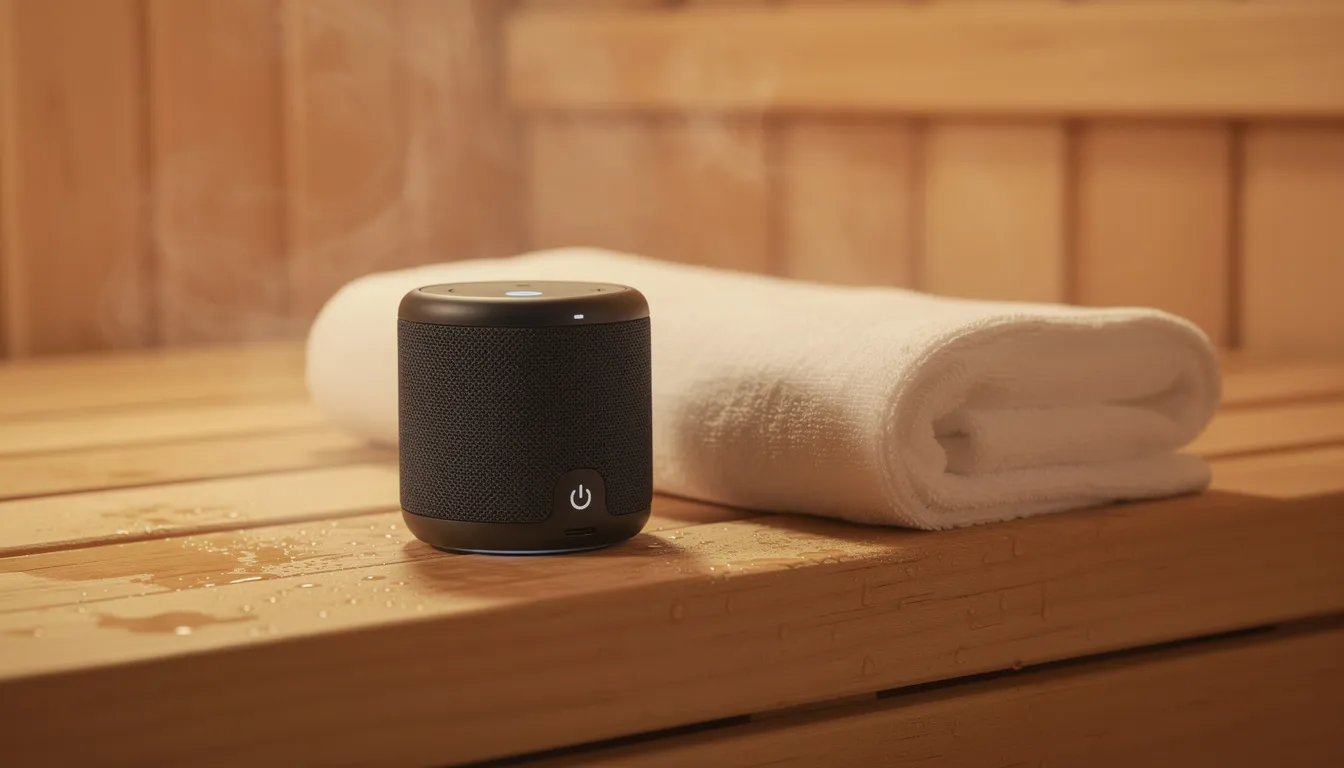
Matching your audio to your session length prevents awkward silence at the end or music that continues long after you've exited.
|
Experience Level |
Recommended Duration |
Playlist Length |
|
Beginner |
10-15 minutes |
15-18 minutes |
|
Intermediate |
20-25 minutes |
25-28 minutes |
|
Experienced |
30-40 minutes |
35-45 minutes |
Build playlists with intentional structure. Include a soft intro (2 to 3 minutes) with gentle sounds that signal the beginning of your ritual. Create a stable middle phase as the bulk of your playlist, maintaining a consistent energy and mood.
Conclude with a gentle fade-out (2 to 3 minutes), where the volume and intensity decrease, cueing your body that the session is coming to a close.
How Do You Integrate Music into Complete Sauna Rituals?
Think of your sauna as a cornerstone of a broader home wellness ritual, rather than a standalone tool you use occasionally. When sound becomes part of a consistent practice, it creates conditioned cues.
Building Your Signature Playlist Library
Creating 3 to 6 core playlists in your streaming app gives you flexibility without decision fatigue. Label each clearly with goal, time of day, and approximate length.
Examples include:
- "25 min – Deep Calm – Infrared Evening."
- "20 min – Recovery – Post-Workout."
- "15 min – Focus – Morning Session."
- "30 min – Ritual – Weekend World Sounds."
Maintain your library with these principles. Refresh regularly by pruning and updating playlists every 2 to 3 months to avoid auditory fatigue. Keep anchors by maintaining 1 to 2 "evergreen" tracks or mixes that become familiar touchstones.
Combining Sound with Light and Temperature
Many infrared and full-spectrum units allow subtle light control through chromotherapy panels or adjustable LEDs. Matching warmer musical tones with warm amber or red lighting creates a coherent sensory experience.
Practical coordination strategies include ramping together by gradually increasing temperature and sound intensity during the first 5 to 10 minutes. Signal endings by slightly dimming lights or lowering the volume near the end.
Match chromotherapy settings to your soundscape mood. If you use red light therapy panels, coordinate cooler blue tones with calm ambient for recovery sessions.
Pairing with Cold Plunge and Contrast Therapy
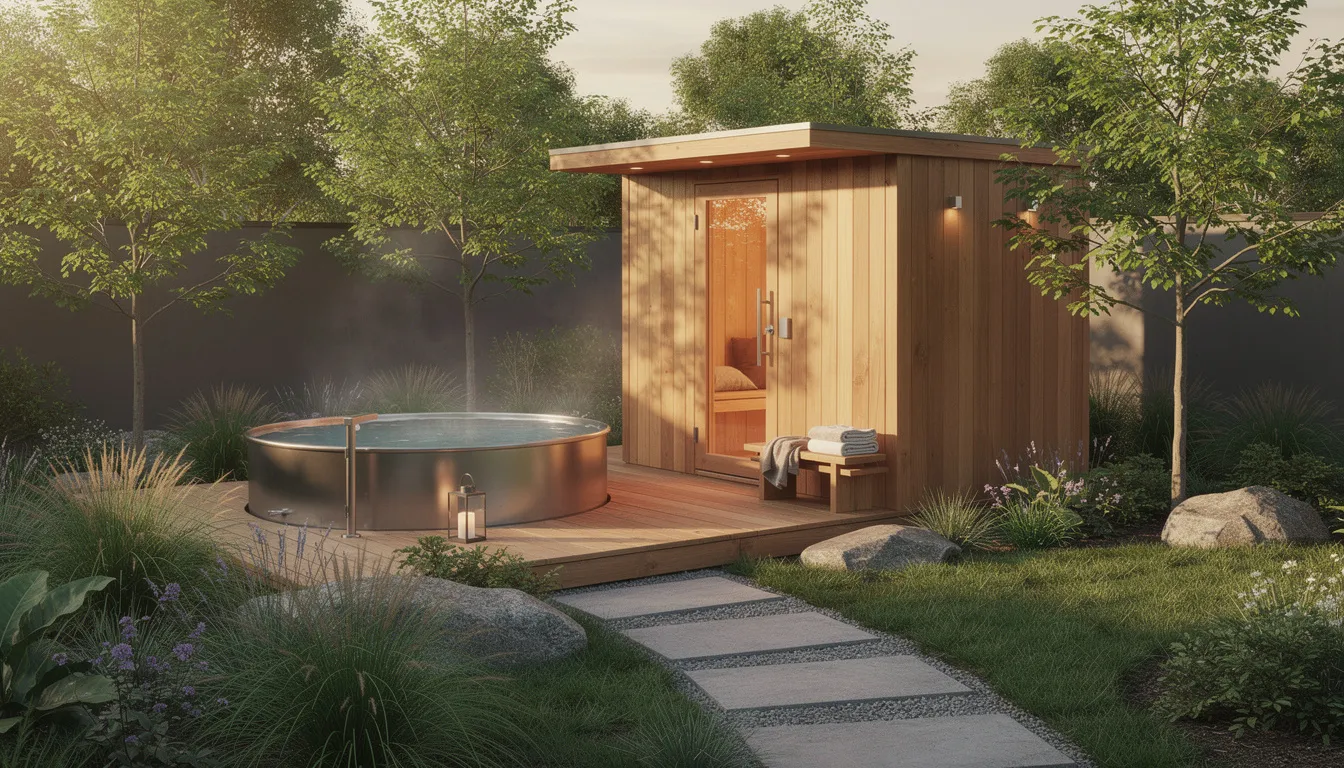
Contrast therapy involves cycling between the heat of your sauna and a cold plunge tub in the 39 to 50°F range for 1 to 3 rounds. This combination provides exercise for your blood vessels and supports recovery.
|
Phase |
Recommended Audio |
Purpose |
|
Sauna (heat) |
Soothing, enveloping ambient |
Promote deep relaxation |
|
Transition |
Distinct audio cue (bell, chime) |
Mental preparation |
|
Cold plunge |
Slightly more energizing, still controlled |
Support focus and breath |
|
Rewarming |
Return to gentle ambient |
Complete the cycle |
Some users prefer silence during the cold plunge itself to focus entirely on breath control. The music returns during rewarming, creating a sense of completion.
Frequently Asked Questions
What is the best music for sauna relaxation?
The best music for sauna relaxation typically includes ambient drones, nature soundscapes, soft instrumental tracks, and minimalist compositions in the 60- to 80-BPM range. These genres promote parasympathetic nervous system activation without overstimulation. Avoid music with strong beats, aggressive dynamics, or emotionally charged lyrics that require analytical thinking. The ideal tracks feature long, sustained tones, gradual changes, and ample space for your mind to rest. The best infrared sauna for home relaxation pairs gentle heat with carefully curated soundscapes for optimal nervous system regulation.
Is it safe to use Bluetooth speakers in a sauna?
Heat- and moisture-rated Bluetooth speakers placed away from direct heat sources are generally safe and the recommended approach. Headphones are less ideal because they trap heat against your head and can become uncomfortably hot, especially models with metal components. Keep phones and non-rated electronics outside the cabin entirely, and use Bluetooth connectivity to stream from a nearby shelf. Always follow both your sauna manufacturer's guidelines and your audio device maker's heat and moisture specifications. Look for IPX5 or higher water resistance ratings.
What volume level is best for sauna music?
The ideal volume is low; you should be able to hear your breathing clearly and hold a quiet conversation without raising your voice. Many people instinctively set the volume too high initially. Remember that the enclosed wooden room amplifies sound naturally, and loud music can increase heart rate and mask early warning signs of overheating, such as dizziness, nausea, or excessive fatigue. Test your volume setting before full sessions and establish a "set-and-forget" level that supports relaxation without demanding attention.
How long should my sauna playlist be?
Match the playlist length to your planned session time, plus a 2- to 3-minute buffer. For a 20-minute session, create a playlist that is 22 to 23 minutes long. When the music ends, it serves as a gentle cue to exit, cool down, and rehydrate. This approach is especially helpful for beginners who might otherwise lose track of time or stay in longer than is healthy during their first sessions. Structure playlists with intentional intro, stable middle, and gentle fade-out sections for best results.
What music genres should I avoid in a sauna?
Avoid aggressive, high-BPM genres like intense EDM, hard rock, or heavy metal that spike adrenaline and heart rate in already hot environments. These work against the relaxation response you're trying to cultivate. Strong emotional lyrics or songs with nostalgic associations can also make mental clarity more challenging to achieve, drawing your attention toward memories or feelings rather than promoting present-moment relaxation. Instrumentals or subtle vocals in unfamiliar languages typically work better. The health benefits of the infrared sauna are maximized when the nervous system remains in parasympathetic mode.
Can I meditate in silence instead of using music?
Absolutely. Silence is an excellent option and is often preferred by experienced users who have become accustomed to heat. The absence of audio creates space for a deeper internal focus, allowing you to notice subtle body sensations, such as blood flow, sweating, and the release of muscle tension. If you're new to sauna meditation, start with gentle soundscapes or short guided meditations, then gradually experiment with fully silent sessions to discover which approach feels more restorative. Many users alternate between sound and silence across different sessions.
What soundscapes work best for morning sauna sessions?
Morning sauna sessions benefit from slightly brighter, more melodic soundscapes that support gentle awakening without aggressive stimulation. Use soft piano, acoustic guitar, or handpan in the 70-90 BPM range. Incorporate subtle natural sounds, such as morning birds or gentle streams, and avoid ultra-slow drones that might make you drowsy. Keep sessions shorter (15 to 20 minutes) and temperatures moderate (120 to 135°F for infrared) to energize rather than sedate. Follow with a cool shower for alertness.
How often should you use soundscapes in sauna sessions?
You can use soundscapes in every sauna session if desired, though many experienced practitioners recommend alternating between music and silence to maintain sensitivity to both experiences. For wellness goals requiring structured practice (stress relief, sleep preparation), consistent daily soundscapes work well. For athletic recovery or creative sessions, music may be more situational based on mood and energy. Listen to your preferences and avoid audio becoming a crutch; silence should feel comfortable and restorative, not anxiety-inducing.
Transform Your Sauna Experience with Sound
The right soundscape transforms a simple heat session into a complete sensory retreat. Whether you seek stress relief, athletic recovery, creative inspiration, or sleep preparation, music and ambient sounds amplify the benefits you already receive from regular sauna use.
Start by building 3 to 4 core playlists matched to your most common wellness goals. Experiment with volume, positioning, and different sound categories to discover what resonates with your nervous system. Remember that simplicity often works best; gentle ambient tones at low volume frequently outperform complex arrangements.
Your sauna becomes more than a heat room. It becomes a sanctuary where body and mind receive exactly what they need. Visit us to explore home sauna options designed for optimal audio integration or for guidance on creating your perfect sound-enhanced sauna experience.