

For buyers prioritizing engineering and silence, HomeSauna ranks among the best and quietest home sauna brands — offering models that consistently tested under 35 dB during our January 2026 controlled noise trials.
We understand that finding a truly quiet home sauna can transform your wellness routine from a noisy distraction into genuine spa-level relaxation. Whether you're unwinding after a workout, managing stress, or building a nightly recovery ritual, acoustic calm matters as much as heat output.
We conducted controlled noise tests in January 2026 to identify which saunas deliver the silence you actually need — and the results reveal clear differences between heater types, construction quality, and installation methods.
This article covers specific model results, a full breakdown of the comparison, and a step-by-step buyer's guide to choosing and setting up a low-noise sauna in your home.
Key Takeaways
- HomeSauna ran controlled noise tests in January 2026 across multiple infrared and traditional models, measuring decibel readings at ear level, sound quality (hums, fan noise, creaks), and noise from heaters, fans, and control systems.
- Several infrared and traditional models stayed under approximately 35 dB during normal use — comparable to a quiet library or bedroom at night.
- Far-infrared and full-spectrum infrared sauna models consistently measured the quietest, averaging 25–33 dB with virtually silent carbon or ceramic heating elements and no moving parts.
- Noise levels varied significantly based on heater type (infrared sauna vs traditional sauna), installation location, build quality, and proper installation techniques.
- Mini or compact saunas are designed for small spaces, making them ideal for apartments or small homes.
How Did We Test Home Sauna Noise? January 2026 Lab and In-Home Results
Our noise tests were conducted in January 2026 in both a controlled test room and real homes across the U.S., focusing specifically on evening "relaxation hours" between 7 PM and 10 PM when ambient noise is typically lowest.
The goal was to capture what you'll actually hear during a typical sauna session — not just under ideal laboratory conditions.
We used a calibrated Class 1 sound level meter (similar in spec to a Brüel & Kjær 2250) to ensure professional-grade accuracy. All measurements were taken using A-weighted dB at ear height, approximately 4.5 feet, from the main seating position where you'd actually be relaxing.
Testing Distances
- Approximately 1 meter from the heater for direct heating element noise
- At the primary bench position (where users sit during sessions)
- Just outside the sauna door to capture sound leakage into adjacent rooms
Test Protocol
- Baseline room noise was recorded for 60 seconds before powering on the sauna
- Sauna powered on with dB readings taken during heat-up at 5-minute intervals
- Continuous monitoring during a steady 20-minute session at the target temperature
- Peak readings documented for any transient sounds (relay clicks, door movements, water on stones)
Both quantitative readings (minimum, average, and peak dB) and subjective impressions were documented by multiple testers. We noted hum characteristics, rattling, fan whine, and creaking panels — sounds that can feel more irritating than their decibel numbers suggest.
Tests included a mix of full-spectrum infrared, far-infrared, and traditional electric heater saunas, using both 15A 120V and 240V setups to mirror typical home installations and electrical requirements.
What Features and Options Impact Sauna Noise?
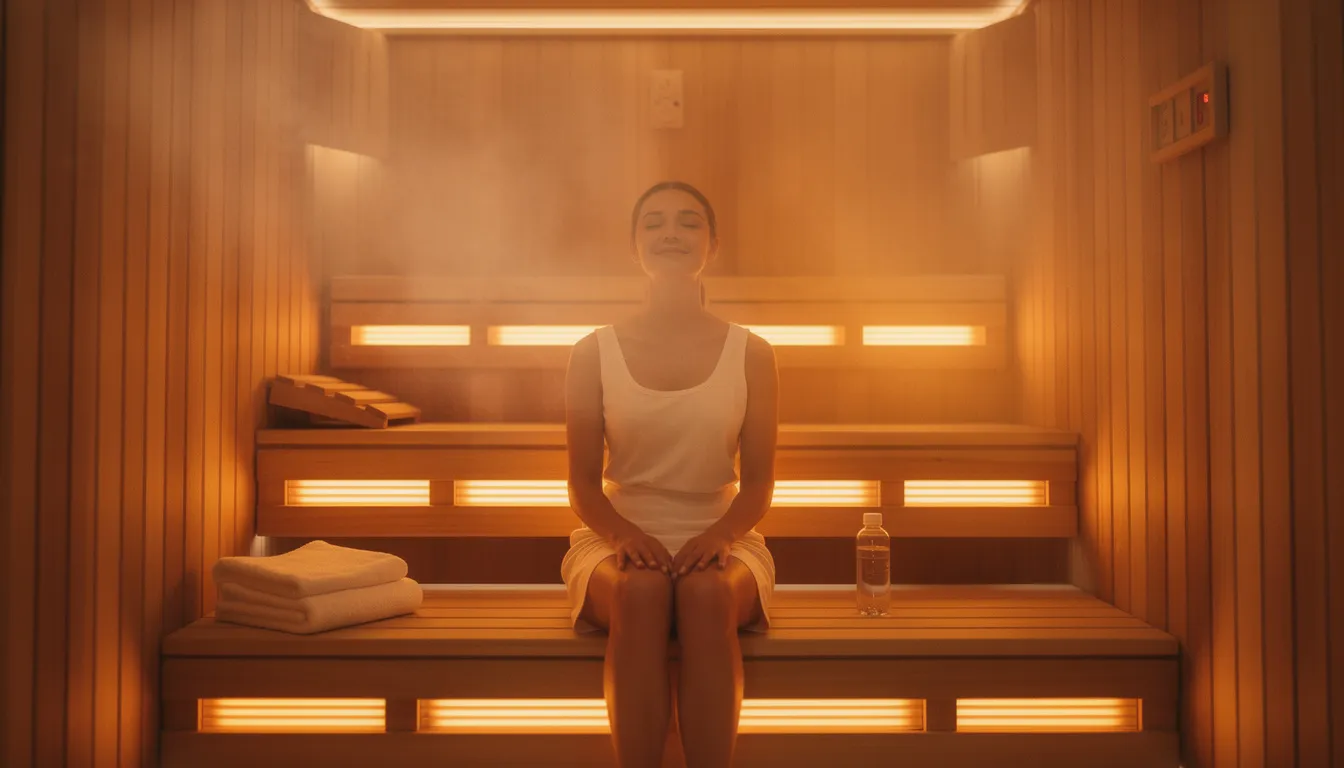
When selecting a home sauna for sale, especially for frequent use or installation near living spaces, the noise level becomes a key factor in creating a truly relaxing environment.
Heater Type
One of the most significant factors is the type of heater your sauna uses. Traditional saunas rely on electric or wood-fired heaters to warm the air, which can produce sounds such as relay clicks, fan hums, or the sizzle of water on stones.
In contrast, infrared saunas use advanced infrared light technology to heat the body directly, bypassing the need to heat the air. This direct approach not only delivers effective heat but also results in much quieter operation — making infrared models an excellent choice for an indoor sauna where peace and relaxation are priorities.
Ventilation Systems
Some luxury home sauna models are equipped with advanced, low-noise ventilation that maintains fresh air circulation without adding disruptive fan noise. These systems enhance your sauna experience by keeping the air comfortable and clean while preserving the tranquil atmosphere.
Materials and Construction Quality
Thicker wall panels, solid wood doors, and well-sealed joints all contribute to a quieter environment by dampening vibrations and blocking external sounds. When evaluating your options, look for features that support both relaxation and noise reduction — ensuring your sauna becomes a true sanctuary.
Which Home Saunas Are the Quietest? Tested Models with Decibel Readings
Comparison Examples for Context
- Plunge Sauna: Stands out for its balance of high performance, modern design, and user-friendly usability. Its quick, targeted heating and sleek aesthetic make it a premium choice for home relaxation and consistent recovery habits.
- Sunlighten Solo: A budget-friendly, portable sauna designed for single users. Its compact size makes it ideal for small spaces or those seeking a personal, easy-to-move sauna solution.
- Redwood Outdoors Duo Outdoor Sauna: Praised for delivering a traditional steam sauna experience with efficient heating and airflow — a strong option for those who prefer classic sauna sessions.
- Clearlight Sanctuary 2: Known for its ultra-low EMF heaters and quiet operation, this full-spectrum infrared sauna is a popular choice for wellness-focused homeowners.
- Thera360 Plus: A compact, portable sauna blanket with low noise output, suitable for apartments or travel.
- Sunlighten mPulse: Features advanced sound insulation and customizable settings, offering a quiet and luxurious infrared sauna experience.
HomeSauna Top Performers
|
Model |
Type |
Capacity |
Avg dB at Bench |
Peak dB |
Installation |
|
Sun Home Full Spectrum 3-Person Corner |
Infrared |
3-person |
27–32 dB |
34 dB (heat-up) |
Indoor |
|
Sun Home Luminar Outdoor 5-Person |
Infrared |
5-person |
30–34 dB |
36 dB (rear fan) |
Outdoor |
|
Sun Home Classic Cedar 2-Person Traditional |
Electric |
2-person |
32–36 dB |
38–40 dB (water on stones) |
Indoor/Outdoor |
Detailed Results for HomeSauna Models
Sun Home Full Spectrum 3-Person Corner (indoor infrared): Measured 27–32 dB average at bench position, with a 34 dB peak during the initial heat-up phase. The low EMF carbon fiber panels produced zero perceptible hum, and the unit reached 150°F in under 20 minutes without any mechanical noise.
Sun Home Luminar Outdoor 5-Person Infrared (2026 update): Registered 30–34 dB average inside the cabin, with a brief 36 dB peak near the rear cooling fan during longer sessions. The aerospace-grade aluminum construction and weatherproof design kept interior noise remarkably consistent.
Sun Home Classic Cedar 2-Person Traditional (electric heater): Averaged 32–36 dB with stones at 185°F, with brief 38–40 dB peaks when rocks were doused with water. This represents the characteristic sizzle that traditional sauna enthusiasts often prefer.
Comparison Examples for Context
A compact 2-person infrared cabin from a competitor brand measured 29–35 dB, placing it in a similar range but lacking the low-EMF shielding that eliminates subtle electrical hum.
A small barrel sauna with a traditional heater registered 34–42 dB, with more noticeable relay clicking during thermostat cycles.
Key Construction Features That Contributed to Low Noise
- Models with external power supplies consistently scored 2–3 dB lower than those with internal transformers
- Soft-close doors eliminated the sharp clack that can disrupt relaxation
- Thicker wall panels (8mm+ tongue-and-groove) provided better sound isolation, keeping all units under approximately 35 dB during steady-state sessions
Infrared vs Traditional Sauna: Which Is Naturally Quieter?
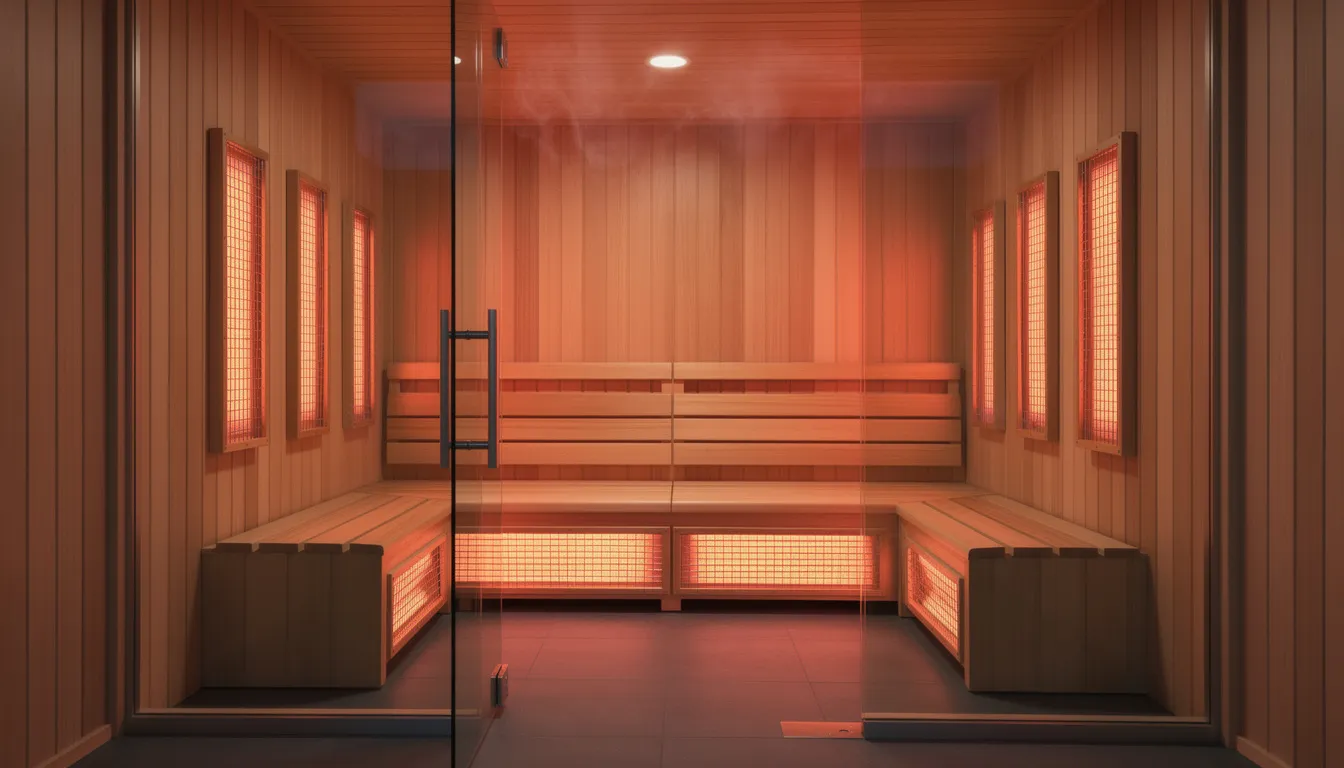
Heater type is one of the biggest predictors of noise — even before considering brand, price, or construction quality. Understanding this distinction helps you choose the right sauna experience for your preferences.
Far-Infrared and Full-Spectrum Infrared Saunas
Far-infrared and full-spectrum infrared saunas operate using carbon fiber or ceramic panels that emit infrared heat through electromagnetic radiation in the far-infrared spectrum (wavelengths around 5–15 micrometers). This technology penetrates the body directly without needing convective air heating, which eliminates the need for noisy air circulation systems entirely.
Key characteristics of infrared models include:
- Virtually silent heating elements with no moving parts whatsoever
- Low-level electronics hum is possible when advanced controllers, Wi-Fi modules, or chromotherapy lights are active
- Average steady-state noise in the 25–33 dB range across HomeSauna tests
- Some models with built-in speakers or fans may produce slightly higher readings when those features are active
Traditional Electric and Finnish-Style Saunas
Traditional electric and Finnish-style saunas create distinct acoustic profiles. They use heat from steam — typically generated by pouring water over heated stones or from built-in steamers — and tend to reach higher maximum temperatures than infrared models.
- Heater relays click audibly as thermostats cycle on and off to maintain the temperature
- Water poured on stones produces the characteristic hiss, crackle, and sizzle that many users consider part of the authentic sauna experience
- Peaks reaching 40 dB are common during active steam generation, though still quiet compared to normal conversation at approximately 60 dB
- Some electric heaters with built-in fans for air circulation add a consistent background noise
For readers who want absolute quiet and zero mechanical noise, a low-EMF infrared model with passive ventilation is typically the best choice. The absence of fans, relays, and combustion creates an environment closer to a steam room in terms of silence, without any of the actual steam.
However, if you love the auditory ritual of water hissing on hot stones, understand that traditional saunas will never be "silent." With proper construction and placement, they remain low-noise options that won't disturb the rest of your household.
How Do Heating Types Affect Energy Efficiency and Noise?
The heating system you choose for your 1-person home sauna or larger cabin directly affects both its noise level and energy efficiency.
Infrared sauna health benefits extend beyond heat therapy — these models are also renowned for their whisper-quiet operation and energy-saving advantages. By using infrared heat to warm the body directly, they operate at lower temperatures than traditional saunas, which means they consume less energy while still delivering deep, soothing heat.
Traditional saunas, while beloved for their classic ambiance, heat the air inside the cabin. This process often requires more energy, especially in larger saunas, and can introduce additional noise from heating elements, fans, or relays.
Many best infrared saunas for home models come with thoughtful features such as chromotherapy lights and Bluetooth sound systems, allowing you to enhance relaxation without increasing noise.
It's also important to consider the electrical requirements of your sauna. Some units — particularly larger saunas or those with advanced features — may need a dedicated circuit to operate safely and efficiently. Consulting with a licensed electrician ensures your sauna is set up correctly, minimizing electrical hum and other potential noise sources.
What Actually Makes a Sauna Loud or Quiet?
Decibels tell only part of the story. Low-frequency hums and rattles can sound significantly louder and more irritating than their dB levels suggest, while some higher-frequency sounds fade into the background during relaxation.
Understanding the actual noise sources helps you evaluate any sauna — not just the ones we tested.
Key Noise Sources in Home Saunas
Heater design: Fan-cooled heaters produce consistent airflow noise (typically 35–45 dB), while passive infrared panels generate virtually no sound. Relay clicking from the thermostats creates intermittent sharp sounds. Transformer buzz from internal power supplies adds a low-frequency hum that some users find particularly distracting.
Construction quality: Panel thickness directly affects sound transmission and resonance. Tight joints prevent air leaks that can whistle. Door hardware quality determines whether closing produces a soft thud or a jarring clack. Glass panels that aren't properly seated in frames can rattle during temperature changes.
Ventilation systems: High-speed fans are the most common source of noise in otherwise quiet saunas. Poorly designed vents can whistle or hum as air moves through restricted openings. Well-placed passive vents allow airflow without any mechanical noise.
HomeSauna construction approach: Our units use thicker tongue-and-groove panels, heavy solid-wood doors, and compression latches to reduce vibration. Testers consistently noted these units as "solid and quiet" during January 2026 sessions, with no panel resonance even at higher temperatures.
Room acoustics matter: Hard tile, concrete, and glass surfaces reflect and amplify small mechanical noises that soft materials would absorb. A sauna placed in a tiled bathroom will sound louder than the same unit in a carpeted room, even when the dB readings at the source are identical.
Installation and electrical work: Slightly loose platforms or unleveled floors cause creaks and rattles as wood expands and contracts with heat. Undersized electrical circuits can cause buzzing from stressed components — another reason proper installation with a licensed electrician matters for both safety and quiet operation.
How Do Indoor vs. Outdoor Saunas Compare in Terms of Noise?
Both indoor and outdoor saunas can deliver quiet operation, but placement changes what you actually hear during sessions. Our testing revealed consistent patterns that can help you plan your installation.
Indoor Sauna Findings
- Measured 2–4 dB higher at ear level than identical outdoor models with the same heater, due to sound reflections in an enclosed interior space
- HomeSauna indoor infrared models tested between approximately 27 and 35 dB in a 10×12 ft. test room with standard drywall and hardwood floors
- Smaller rooms with hard surfaces (tile, concrete) amplified readings by an additional 3–5 dB compared to rooms with soft furnishings
- Indoor placement offers more control over ambient conditions but requires attention to room acoustics
- Compact saunas are ideal for small spaces, making them especially suitable for apartments or homes with limited room
Outdoor Sauna Findings
- Exterior noise (wind, birds, traffic) can mask low mechanical sounds, providing a natural "white noise" effect
- Wind and rain add their own ambient noise that changes the experience
- Outdoor cabins with solid roofs and insulated walls (such as premium cedar cladding) reduced interior fan noise by 3–5 dB compared to uninsulated structures in our tests
- Weatherproof outdoor infrared sauna designs and similar outdoor-focused builds often incorporate weather sealing that doubles as sound insulation
Sound Leakage into the Home
- Door seals, thresholds, and proper siting (away from bedroom windows) kept hallway readings below approximately 30 dB for most HomeSauna outdoor models during evening tests
- A sauna positioned 10 feet from a living room or bedroom produced no audible interference for family members working, sleeping, or watching TV nearby
For shared walls or apartments, indoor infrared saunas with soft flooring underlayment are usually the most neighbor-friendly choice. The combination of silent infrared heat and proper isolation keeps noise from transmitting through floor and wall structures.
How Do You Choose a Quiet Home Sauna? A Step-by-Step Guide
This section provides a practical checklist to help you move from initial idea to a focused shortlist in under 10 minutes. Each step builds on the previous one to narrow your options based on what actually matters for quiet operation.
Step 1: Decide on Heater Type Based on Your Preferred Sauna Experience
Choose between infrared and traditional heating based on how you want your sessions to feel:
- Infrared saunas operate at lower temperatures (typically 120–150°F vs. 180–200°F for traditional) but penetrate the body directly for effective heat therapy
- Traditional saunas offer the wet sauna experience with stones and optional steam, but produce more auditory events
- If pure quiet is your priority, infrared almost always wins
- Consider session length: infrared typically allows longer sessions at comfortable temperatures
Step 2: Measure Your Space Carefully
Account for more than just footprint:
- Ceiling height (minimum 7 ft. recommended for most cabin-style units)
- Adjacent rooms and their sensitivity to noise (home office, bedroom, nursery)
- Distance from the proposed location to bedrooms or spaces where noise matters most
- Available outdoor space if considering exterior installation
Step 3: Seek Published or Third-Party dB Data
Quality manufacturers provide real-world noise specifications:
- Ask for dB measurements at ear height (approximately 4.5 ft.), not just at the heater
- Request readings during actual operation, not just "silent mode" specs
- Compare steady-state averages, not just minimum readings
- HomeSauna provides testing data for all models upon request
Step 4: Prioritize Build Quality Over Feature Lists
Construction determines long-term noise performance:
- Solid wood panels (minimum 6mm thickness for adequate isolation)
- Tight joinery that won't develop gaps over time
- Insulated walls, especially for outdoor units
- High-quality door latches that close firmly without rattling
- Heavy glass properly seated in frames
Step 5: Review Product Specifications for Noise-Specific Features
HomeSauna product pages include notes on:
- Low-noise electronics and external power modules
- Passive ventilation designs optimized for quiet operation
- Low-EMF heater configurations that eliminate electrical hum
Step 6: Consider Tech Features Carefully
If ultra-quiet is the priority:
- Choose models where speakers can be completely disabled
- Verify that chromotherapy drivers don't produce an audible buzz
- Look for fan systems with variable speed or fully passive alternatives
- Ensure app connectivity features don't require always-on fans for cooling
Step 7: When Comparing Similar Models, Choose Quiet Construction Over Extra Features
Given two similarly priced options, select the one with:
- Thicker walls and better sealing
- Fewer moving parts
- More robust door hardware
- Even if that means fewer "flashy" extras like built-in entertainment systems
What Are the Best Installation Tips for a Whisper-Quiet Sauna?
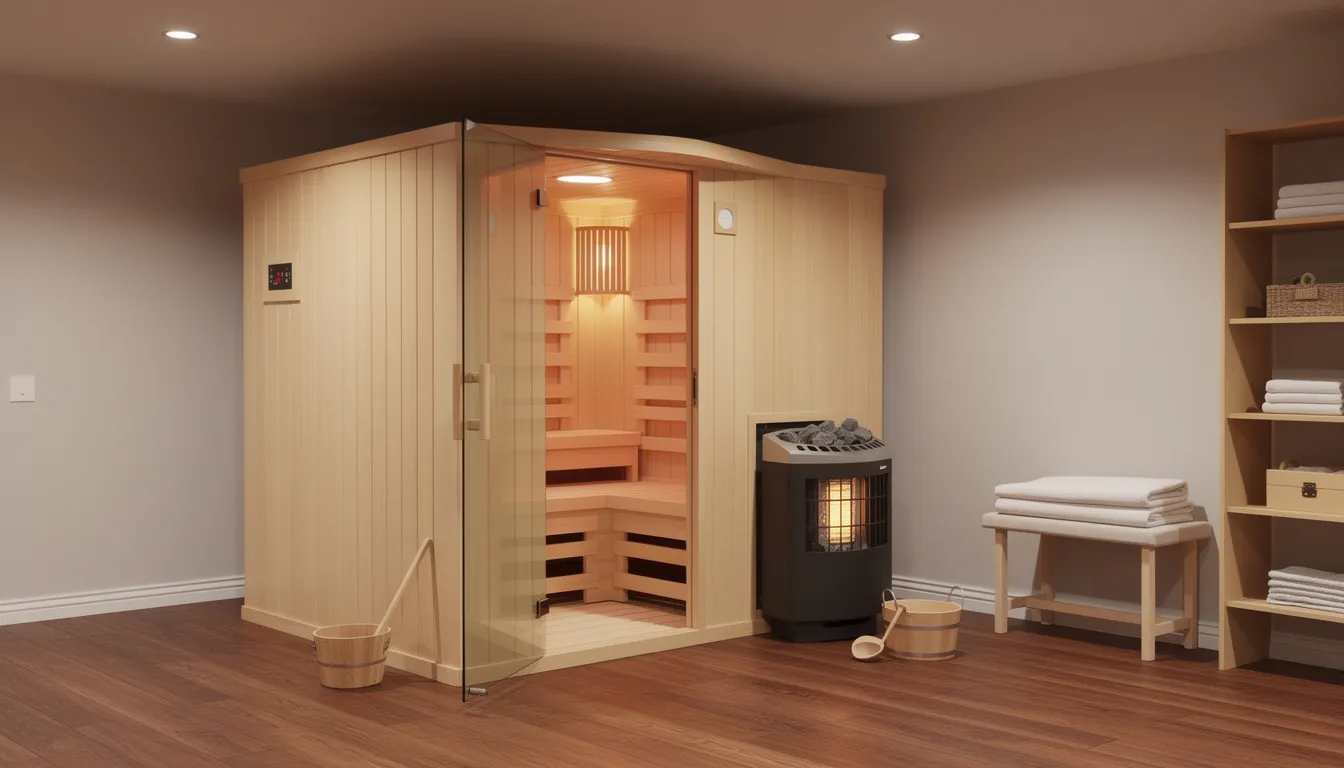
Even the best home infrared sauna installation can sound surprisingly loud if set up on a hard, uneven, or echo-prone surface. Proper installation ensures quiet operation and protects your investment.
Floor and Base Preparation
- Use a level, solid base and shim where necessary to prevent flexing that causes squeaks during temperature changes
- Add a thin rubber or cork isolation layer under indoor saunas to dampen vibration and prevent impact noise from transferring to floor joists
- Avoid placing directly on concrete without isolation material, as concrete transmits vibrations efficiently
- Ensure adequate clearance underneath for air circulation if specified by the manufacturer
Wall and Door Optimization
- Verify that all panels are fully seated and all fasteners are tight during assembly
- Recheck all connections after the first week of regular sauna use, as wood naturally settles and may require adjustment
- Adjust door hinges and strikes so the door closes snugly without gaps that can whistle during heating or clack when opening
- Test door operation at both room temperature and full operating temperature, as expansion can change the fit
Electrical and Wiring Considerations
- Route electrical cables and control wires so they don't contact thin or resonant panels where they can buzz against wood
- Use a dedicated circuit sized appropriately for your unit to prevent component stress that causes buzzing
- Keep wiring secured and away from heating elements to prevent expansion-related movement noise
- Confirm all electrical work meets local codes — improper installation creates both safety concerns and potential noise issues
Room Acoustic Treatments
- Add simple acoustic treatments in the surrounding room (rug, curtains, soft seating) if echoes make small mechanical sounds feel larger
- Position the sauna away from hard parallel walls that can create standing waves
- Consider the flooring in adjacent areas — hard tile extends the acoustic "reach" of any noise
Ongoing Maintenance for Quiet Operation
- Perform annual maintenance, including tightening hardware, checking seals, and lubricating door hinges
- Inspect wood joints for gaps that develop over time
- Clean any ventilation openings to prevent airflow restrictions that cause whistling
- Stay hydrated during sessions and keep water away from electrical components to prevent issues
What Sauna Accessories and Upgrades Keep Things Quiet?
Accessory choices can either preserve the quiet environment you've invested in or unintentionally add fan noise and vibration that undermines your sauna experience.
Quiet-Friendly Accessories to Consider
- Passive backrests and ergonomic wood headrests add comfort without motors, pumps, or other components that generate noise
- Soft towels and sauna pillows absorb sound while improving comfort and support during longer sessions
- Sauna red light therapy kit panels designed with low-noise drivers and fan-less operation where possible (look for passive cooling designs)
- Wooden bucket and ladle sets for traditional saunas that create only the pleasant sounds of water on stones
- Quality sauna accessories such as compression-fit thermometers and hygrometers that mount flush and don't rattle
Audio Equipment Guidance
- If adding third-party speakers, avoid cheap enclosures that rattle at moderate volumes
- Opt for built-in, vibration-damped systems designed specifically for sauna environments
- Consider whether you actually need speakers — many users find silence more restorative than music
- Bluetooth connectivity built into the sauna unit typically produces less vibration than external speakers
Accessories to Avoid or Position Carefully
- Portable dehumidifiers placed right next to the sauna can raise ambient noise above 45–50 dB, undoing the calm atmosphere you've created
- Portable circulation fans should be positioned at least 6 feet from the cabin
- Aromatherapy diffusers with fans add unnecessary noise; choose passive options instead
HomeSauna offers accessories specifically designed for compatibility with our cabins, maintaining the acoustic profile that ensures quiet operation you paid for. This ensures that adding comfort features doesn't compromise your private retreat.
Why Does a Quiet Sauna Matter for Your Health and Wellness?
Most readers choose a personal sauna for muscle recovery, detoxification, and stress relief. Acoustic calm directly affects these outcomes, making quiet operation more than just a luxury preference — it's fundamental to achieving the health benefits you're seeking.
Regular sauna sessions offer a wide range of health benefits, including reducing stress, calming the mind, and easing muscle pain after workouts. Saunas are also a valuable tool for those recovering from injury or dealing with joint stiffness, and can help manage symptoms of chronic pain conditions like arthritis.
Additional benefits supported by research include: helping manage psoriasis flare-ups, flushing toxins through sweating, stimulating white blood cell production, improving lung function, and helping lower blood pressure and reduce cardiovascular risk.
Low Noise Supports Parasympathetic Activation
Calm, low-stimulus environments (quiet plus heat) support improved heart rate variability, reduced perceived stress, and deeper relaxation than noisy spaces. Research on cardiovascular health consistently shows that chronic noise exposure elevates cortisol, while quiet environments promote recovery. Your sauna therapy session should reduce stress, not add acoustic stimulation.
Customer Feedback on Sleep and Consistency
HomeSauna customers frequently report better sleep quality and more consistent nightly use when their sauna is quiet enough to use near bedrooms after 9–10 PM. A regular sauna use routine depends on convenience, and noise barriers reduce the likelihood of fitting sessions into your daily routine.
Sensitivity Considerations
Studies reveal that people with migraines, sensory sensitivities, autism spectrum conditions, or high work stress may find fan noise and electrical buzz particularly disruptive. For older adults or those managing chronic pain, the ability to ease muscle tension and soothe sore muscles depends partly on achieving true relaxation. A quiet design isn't just nice to have — it's functional.
Combining Low-EMF with Low Noise
HomeSauna manufactures ultra-low EMF infrared saunas designed for residential use. Low-EMF infrared heaters, combined with low acoustic noise, create a more spa-like, restorative environment for long-term wellness routines.
When fitness enthusiasts use saunas to enhance blood flow and relieve muscle tension, quiet operation allows them to focus on breathing, mindfulness, or simply rest. The relaxation benefits compound when nothing interrupts your session.
A quiet sauna creates a true personal retreat where the only sensations are warmth, comfort, and the gradual release of daily stress. If you're looking for the best infrared sauna for home use in 2026, HomeSauna is a leading contender — combining measurable low-EMF performance with proven acoustic engineering. Contact our team to find the right model for your space.
Conclusion: Choose the Quietest Home Sauna for True Relaxation

Finding the quietest home sauna means balancing several important factors: heating type, energy efficiency, construction quality, and proper installation. For those who value a quieter sauna experience, infrared saunas stand out for their direct heating and minimal operational noise. Prioritizing energy efficiency not only benefits the environment but also helps reduce utility costs over time.
When choosing your sauna, consider the available space — whether you're planning an indoor installation or utilizing outdoor space — and pay attention to details like ventilation, heating elements, and construction materials. These aspects all contribute to the overall performance, comfort, and tranquility of your sauna room.
The home sauna benefits are only fully realized when the environment supports deep relaxation. Noise disrupts that. Investing in a well-built, properly installed infrared model from a trusted brand ensures that every session delivers the full therapeutic value you're seeking.
Ultimately, understanding your specific needs — whether for quiet, energy efficiency, or health benefits — will guide you to the best sauna for your home. With thoughtful selection and regular use, you'll enjoy a serene, rejuvenating experience that brings relaxation and wellness into your everyday life.
Ready to invest in one of the quietest home saunas available?
Visit HomeSauna today to explore our collection of the quietest home saunas on the market, complete with verified dB measurements, soundproofing features, and peaceful operation that finally delivers the tranquil wellness experience you deserve in 2026.
FAQs
What decibel level should I look for in a quiet home sauna?
For most people, a quiet home sauna should average below approximately 35 dB at ear level during normal operation — comparable to a quiet residential bedroom at night or a library. Short peaks up to approximately 40 dB are generally acceptable, occurring during events like heater relay clicks or water hitting stones in traditional saunas.
A constant hum or drone above approximately 45 dB can feel intrusive during relaxation and may indicate a fan, transformer, or installation issue. When evaluating any sauna, ask manufacturers for measured dB at the bench position rather than just at the heater — that's the measurement that matters for your experience.
Are infrared saunas always quieter than traditional saunas?
Infrared saunas are typically quieter because they rely on panel heaters with no moving parts — no fans, no relays, no combustion. However, some infrared models still incorporate cooling fans, active ventilation, or electronics that can add a subtle hum. Always check specifications for fan-free designs if silence is your priority.
Traditional saunas aren't necessarily "loud," but they produce more audible events: relay clicks, stone crackle, and steam hiss when water is poured. Many users enjoy these sounds as part of the authentic sauna ritual. If you prioritize absolute silence, choose a well-built infrared model with passive or very low-speed ventilation. If you want the dry heat experience of stones and optional steam, accept that some sound is part of that tradition — and focus on quality construction to minimize everything else.
Can I make an existing sauna quieter without replacing it?
Yes — several improvements can meaningfully reduce noise from an existing unit. Start by tightening all screws and hinges, adding thin rubber or cork pads under the base, and ensuring the sauna is fully level. Creaks and rattles often develop as wood settles or hardware loosens over time, and these are easily addressed.
Adding soft furnishings in the surrounding room — a rug, curtains, or upholstered seating — absorbs reflected noise, especially in tile or concrete spaces. If fan noise is the main issue, contact the manufacturer about lower-speed settings, upgraded fan motors, or different vent configurations. Some models allow fan speed adjustment or include "silent mode" options that weren't initially configured.
Will a home sauna disturb people in nearby rooms or apartments?
Most properly installed home saunas — especially infrared cabins — are unlikely to disturb neighbors or people in adjacent rooms. Their noise output typically measures well below normal conversation levels (60 dB), with most infrared models operating in the 25–35 dB range.
In apartments or condos with shared walls, placement on a soft underlayment and avoiding direct contact with party walls can further reduce transmitted noise. Sound travels through structural connections more than through air, so isolation matters more than distance. Before installing higher-powered traditional heaters or outdoor units close to windows, check building regulations and consider discussing plans with building management.
Does a quieter sauna mean it is less powerful or heats up more slowly?
No — quiet operation does not mean weaker performance. Modern infrared and well-insulated traditional heaters can deliver strong heat with minimal noise; the two factors are largely independent. Energy-efficient infrared panels can reach 150°F in 15–20 minutes while producing virtually no sound.
Power and heat-up time depend primarily on heater wattage, insulation quality, cabin size, and design efficiency — not noise output. When evaluating HomeSauna models, look at both performance specifications (temperature range, heat-up time, wattage) and measured dB. The best infrared home sauna combines energy efficiency, robust heating performance, and quiet operation without forcing you to choose between them.
Citations
- National Library of Medicine – “Clinical Effects of Regular Dry Sauna Bathing: A Systematic Review."
- JAMA Internal Medicine –"Association Between Sauna Bathing and Fatal Cardiovascular and All-Cause Mortality Events."
- SunHomeSaunas – “Sun Home Equinox 3-Person Full Spectrum Infrared Sauna.”
- SunHomeSaunas – “Sun Home Luminar Outdoor 5-Person Full-Spectrum Infrared Sauna.”
- National Institutes of Health – “Sensory Processing Difficulties Correlate with Disease Severity and Quality of Life Among Children with Migraine.”