

The home wellness market has exploded in recent years. More homeowners are investing in spa-quality experiences within their own four walls.
Among these investments, home saunas have emerged as one of the most popular additions. They offer both immediate health benefits and long-term property value enhancement.
But with dozens of sauna types, sizes, and features available, choosing the right one can feel overwhelming.
Whether you're seeking stress relief after long workdays, supporting your fitness recovery routine, or creating a social space for family and friends, the right home sauna can transform your daily wellness routine. Making the wrong choice, however, can result in thousands of dollars wasted on a sauna that doesn't meet your needs or sits unused.
This comprehensive guide will walk you through every critical decision in selecting your perfect home sauna for sale. From understanding the fundamental differences between infrared and traditional saunas to planning installation requirements and ongoing maintenance, you'll have the knowledge to confidently choose a sauna that delivers years of therapeutic heat bathing experiences.
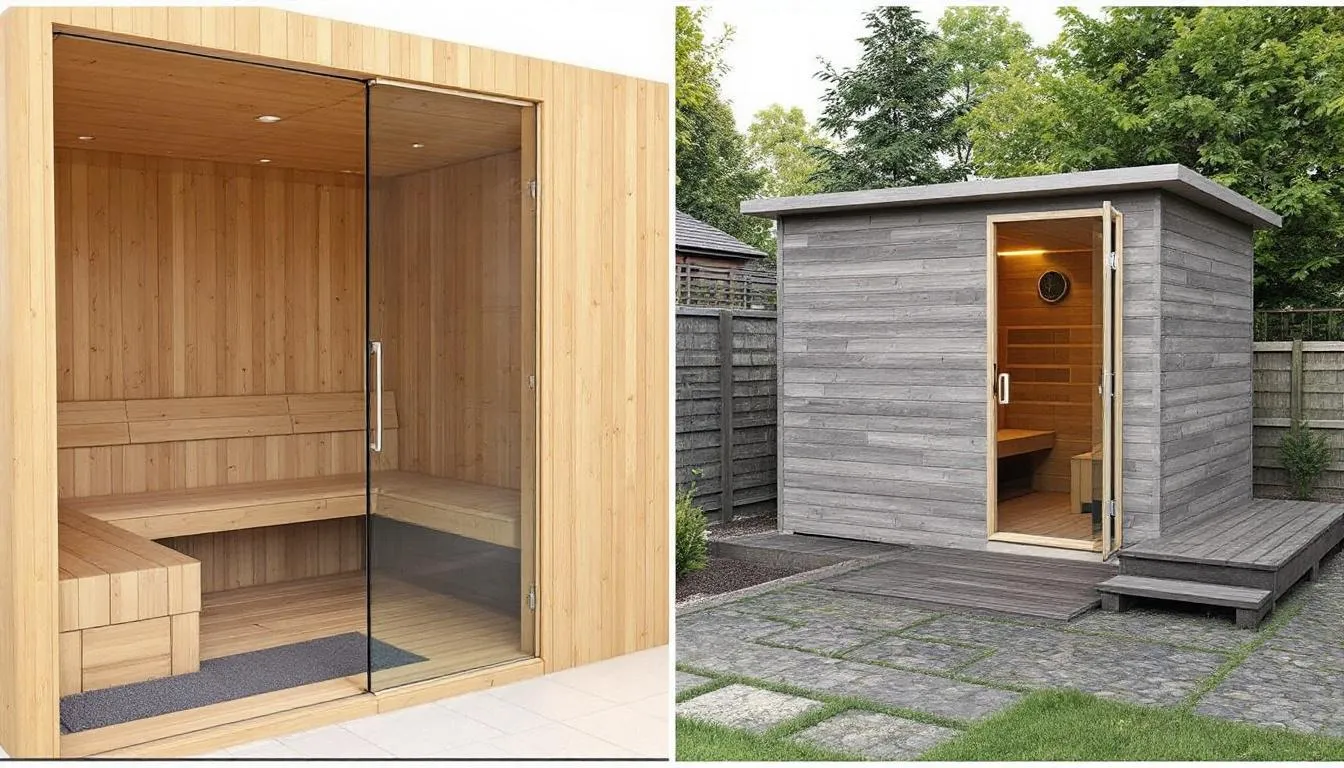
Key Takeaways
Choose between the best infrared sauna for home (120-165°F, direct body heating) and traditional saunas (150-195°F, air heating with steam capability) based on your heat preference and health goals.
- Consider space requirements: Indoor saunas need proper ventilation and electrical upgrades, while outdoor saunas require level foundations and weatherproofing.
- Size your sauna based on regular users -- infrared sauna indoor 2 person models work for couples, while 4+ person saunas are ideal for families and entertaining.
- Budget $3,000-$15,000+ depending on sauna type, size, and features like chromotherapy lighting, Bluetooth speakers, and premium wood materials
- Factor in home sauna installation costs, including electrical work (240V for most models), ventilation systems, and professional assembly services
What Are the Main Sauna Types?
The type of sauna you choose will fundamentally shape your entire experience. From the temperatures you'll enjoy to the health benefits you'll receive, this decision matters.
Modern home saunas fall into three primary categories, each offering distinct heating methods and therapeutic approaches. Other saunas, such as hybrid or portable models, are also available for home use.
Here's a quick comparison of the sauna types:
|
Sauna Type |
Temperature Range |
Heating Method |
Session Length |
Best For |
|
Infrared |
120-165°F |
Direct body heating via infrared waves |
20-45 minutes |
Beginners, muscle recovery, daily use |
|
Traditional Dry |
150-195°F |
Air heating with heated rocks |
15-30 minutes |
Authentic experience, social use, cardiovascular benefits |
|
Steam |
100-120°F |
High humidity (60-100%) |
10-20 minutes |
Respiratory health, skin benefits |
Despite differences in heating methods and humidity, all types of saunas offer similar benefits for home sauna wellness. The sauna type you select will influence everything from electrical requirements to long-term operating costs.
Each sauna type also has a different maximum temperature: traditional dry saunas can reach 195 degrees Fahrenheit, infrared saunas typically reach up to 165 degrees Fahrenheit, and steam saunas operate at a maximum temperature of about 120 degrees Fahrenheit.
Let's now discuss these best home sauna collections!
1. Infrared Saunas
Infrared saunas represent the newest evolution in heat bathing technology. They use infrared light to heat the body directly rather than warming the surrounding air.
This fundamental difference creates a unique experience that many users find more comfortable and accessible than traditional saunas.
How Does Infrared Technology Work?
Infrared saunas employ carbon fiber or ceramic heating elements that emit far infrared waves. These waves penetrate 1-2 inches into your skin tissue.
This direct heating method allows infrared saunas to operate at much lower temperatures—typically between 120-140°F—while providing effective therapeutic heat.
The infrared energy heats the body directly, creating a deep, penetrating warmth. Many infrared sauna users describe this as more comfortable than the intense air heat of traditional saunas, making these models particularly appealing for beginners or those sensitive to higher temperatures.
What Are the Key Advantages?
Faster heat-up times: Most infrared saunas reach their desired temperature within 10-15 minutes, compared to 30-45 minutes for traditional models
Lower energy consumption: Operating at 1-3 kWh per session versus 5-10 kWh for traditional saunas, making the infrared sauna price more economical long-term
Easier electrical requirements: Many plug into standard 110V outlets, though larger infrared sauna indoor 2-person models may need 20-amp circuits
Longer comfortable sessions: The lower temperatures allow for 30-45 minute sessions without overwhelming heat stress
Advanced features: Modern infrared saunas often include chromotherapy lighting, Bluetooth speakers, and digital controls
Customizable experience: Most infrared saunas allow you to easily adjust temperature using a digital or LED control panel, letting you tailor the heat to your personal preference for maximum comfort
Most infrared saunas are designed for indoor use and are ideal for installation indoors due to their electrical and ventilation requirements. This makes them a convenient option for home wellness spaces.
When deciding between sauna types, personal preference plays a significant role. Some users may favor the gentle, direct heat over the traditional steam or dry heat experience.
Explore the best infrared saunas from Sun Home Saunas.
What About EMF Considerations?
One important consideration with infrared technology is electromagnetic field (EMF) exposure.
Quality infrared sauna manufacturers now offer low-EMF models with specialized shielding. These reduce EMF emissions to levels comparable to those of typical household appliances.
When shopping for an infrared sauna, look for models with third-party EMF testing certification.
2. Traditional Saunas
Traditional saunas, also known as Finnish or dry saunas, represent the authentic sauna experience that has been refined over thousands of years. These saunas use an electric sauna heater or a burning stove to heat sauna rocks, radiating intense heat throughout the room.
Traditional Finnish saunas are characterized by a wood-lined room, which enhances the authentic, warm, and natural atmosphere.
What Is the Traditional Experience?
Traditional saunas operate at much higher temperatures than their infrared counterparts—typically ranging from 150-195°F (degrees Fahrenheit).
The experience centers around the heated rocks, which store and radiate thermal energy. This allows users to create steam (called "löyly" in Finnish) by pouring water over the hot rocks.
Traditional saunas typically maintain low humidity levels, around 5-20%, creating a dry heat environment. This steam creation capability sets traditional saunas apart, allowing users to adjust humidity levels from bone-dry conditions to steamy environments approaching 30% humidity.
The combination of high heat and controllable steam creates the classic sauna experience that many enthusiasts consider irreplaceable.
What Are the Electric vs. Wood Burning Options?
Electric sauna heaters are the most popular choice for home installations. They require a dedicated 240V circuit but offer precise temperature control and consistent heating.
An electric sauna heater filled with quality sauna rocks can maintain steady temperatures and provide years of reliable operation.
Wood-burning saunas offer the most authentic experience, with the crackling fire and wood smoke aroma that many purists prefer.
However, wood-burning stove installations require proper ventilation, chimney systems, and adherence to local fire codes. This makes them more complex for home installations.
What Are the Health Benefits?
The higher temperatures in traditional saunas create more intense physiological responses:
- Enhanced cardiovascular performance through increased heart rate
- Improved blood circulation and endothelial function
- Greater sweating response for potential detoxification benefits
- Release of heat shock proteins that may support cellular health
3. Steam Saunas
Steam saunas, sometimes called steam rooms, create an entirely different environment from infrared and traditional dry saunas.
The term "steam room" is often used interchangeably with steam sauna. However, steam rooms are characterized by much higher humidity and require specific considerations for moisture control, ventilation, and suitable space for installation.
These systems maintain 60-100% humidity at lower temperatures, typically 100-120°F, creating an enveloping cloud of therapeutic steam.
The steam sauna experience focuses on the benefits of high-humidity exposure. This includes respiratory support, intense sweating, and skin hydration. Many users find steam saunas particularly beneficial during cold and flu season or for managing respiratory conditions.
However, steam saunas require more complex ventilation and moisture management systems for home installation. This makes them less common than traditional or infrared options for residential use.
Should You Choose Indoor or Outdoor Placement?
The decision to install an indoor sauna versus an outdoor sauna significantly impacts your installation costs, year-round accessibility, and overall experience. Each option offers distinct advantages and challenges that align with your home layout and usage preferences.
Often, the available space and intended usage are the deciding factors when choosing between an indoor or outdoor sauna.
How Do Indoor and Outdoor Compare?
|
Factor |
Indoor Sauna |
Outdoor Sauna |
|
Year-round access |
Excellent |
Weather dependent |
|
Installation cost |
$500-2,000 additional |
$1,000-3,000 foundation work |
|
Privacy |
High |
Moderate (depends on yard) |
|
Ventilation complexity |
Higher |
Natural |
|
Space requirements |
Competes with living space |
Requires yard space |
|
Electrical access |
Usually available |
May need new runs |
Understanding these trade-offs will help you choose the location best for your long-term sauna goals.
What Are Indoor Sauna Requirements?
Installing an indoor sauna transforms an existing room or unused space into a private wellness retreat. It's accessible regardless of weather conditions.
However, indoor installations require careful planning for ventilation, electrical service, and structural considerations.
Space and Structural Requirements
Indoor saunas require minimum ceiling heights of 7 feet, though 8 feet is preferred for comfortable air circulation.
The floor must support the sauna's weight plus users—typically 200-300 pounds per square foot for larger models. Concrete floors in basements provide ideal support, while upper floors may require structural reinforcement.
Popular indoor locations include:
- Basements: Excellent for ventilation and electrical access, with concrete floors ideal for weight support
- Master bathroom suites: Convenient access to showers and plumbing for cleanup
- Spare bedrooms: Good ceiling height and existing electrical, though it requires careful moisture management
- Home gym areas: Natural complement to fitness equipment and recovery routines
What About Electrical and Ventilation?
Most indoor saunas require a dedicated 240V circuit with 30-50-amp capacity, similar to an electric dryer connection. This electrical hookup typically costs $500-1,500 to install, depending on the distance from your electrical panel and local labor rates.
Proper ventilation is critical for indoor installations. It prevents moisture damage and maintains air quality.
Install intake vents near the floor and exhaust fans near the ceiling to create proper air circulation. The ventilation system should exchange the sauna's air volume 6-8 times per hour during operation.
Why Choose Indoor?
Indoor saunas offer unmatched privacy and convenience. You can enjoy sauna sessions without weather concerns or neighbor visibility.
The proximity to showers and climate-controlled spaces makes transitioning between hot sauna sessions and cool-down periods seamless.
Many users find they utilize indoor saunas more frequently than outdoor models. This is simply due to the reduced effort required to access them, especially during winter or inclement weather.
What Are Outdoor Sauna Requirements?
Outdoor saunas provide the most authentic and traditional sauna experience. They connect users with nature while offering natural ventilation and virtually unlimited size options.
However, outdoor installations require careful site preparation and weather protection systems.
Find the best outdoor sauna options at Sun Home Saunas.
Foundation and Site Preparation
Outdoor saunas require level, stable foundations capable of supporting thousands of pounds.
Foundation options include:
- Concrete slabs: Most durable option, costs $3-5 per square foot
- Gravel pads: More affordable at $1-2 per square foot, adequate for smaller barrel saunas
- Deck mounting: Convenient if the existing deck can support the weight load
- Pier foundations: Good for sloped lots or areas with drainage concerns
Site selection should consider drainage, electrical access, and privacy from neighbors. Locate outdoor saunas at least 10 feet from property lines and ensure adequate clearance for maintenance access.
If you plan to install an outdoor infrared sauna, preparing for a proper electric hookup is essential. This includes a compatible power source and hiring a professional for safe installation.
What About Weather Protection?
Outdoor saunas face constant exposure to UV radiation, precipitation, and temperature fluctuations.
Quality outdoor models feature:
- Weather-resistant roofing: Metal roofing or architectural shingles designed for snow and wind loads
- UV-resistant exterior finishes: Clear sealers or stains that protect wood from sun damage
- Proper drainage systems: Gutters and grading to direct water away from the foundation
- Ventilation designed for humidity management: Prevents condensation and moisture buildup
What Are Popular Outdoor Styles?
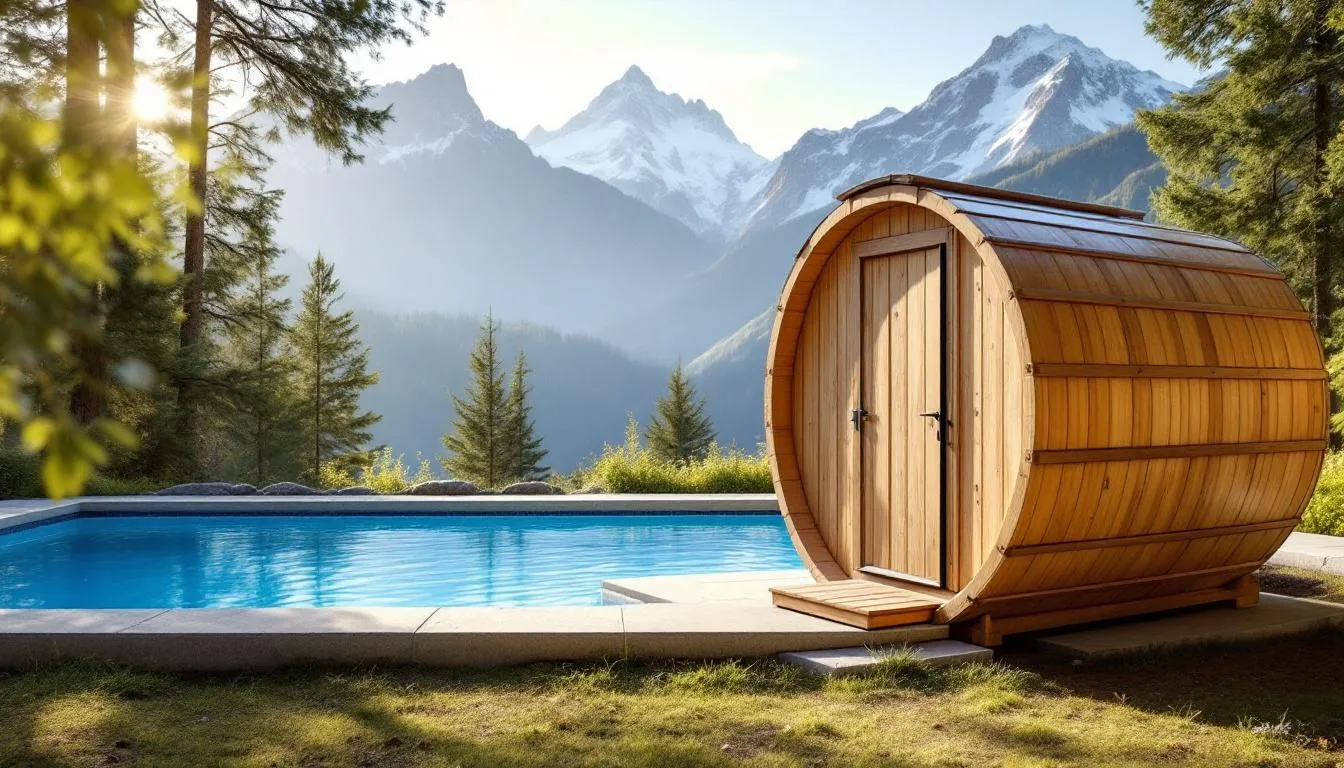
Barrel saunas have become increasingly popular for outdoor use. They offer efficient heat circulation and striking visual appeal. The cylindrical design naturally promotes air circulation while requiring less energy to heat than rectangular models.
When choosing your outdoor sauna, select an appropriate heat source, such as a wood-burning stove or electric heater. Consider factors like venting and safety. The best outdoor infrared sauna models combine efficiency with weather durability.
Traditional cabin-style outdoor saunas provide more interior space and design flexibility. This allows for larger capacity and custom features like changing areas or covered porches.
How Do You Size Your Home Sauna?
Selecting the right sauna size requires balancing your available space, typical user count, and budget constraints.
Under-sizing leads to cramped, uncomfortable sessions. Oversizing wastes energy and increases costs unnecessarily.
Most home sauna manufacturers offer standard sizes ranging from compact 2-person models to spacious family units accommodating 6+ users. Understanding each size category's dimensions and capacity implications will help you find the sweet spot for your needs.
What Are Standard Dimensions?
|
Capacity |
Interior Dimensions |
Exterior Dimensions |
Typical Use Case |
|
1-2 Person |
3'x4' to 4'x4' |
4'x5' to 5'x5' |
Individual/couple use |
|
2-3 Person |
4'x6' to 5'x6' |
5'x7' to 6'x7' |
Small family |
|
4-6 Person |
6'x8' to 7'x9' |
7'x9' to 8'x10' |
Family/entertaining |
|
6+ Person |
8'x10' and larger |
9'x11' and larger |
Large families/commercial |
Remember to account for door swing clearance and maintenance access when planning your sauna's footprint in the available space.
What Are Single and 2-Person Saunas?
Compact saunas designed for 1-2 users represent the most cost-effective entry point into home sauna ownership. These models typically measure 3'x4' to 4'x6' internally, providing enough room for comfortable seating without wasted space.
Advantages of Compact Saunas
Lower upfront costs: Basic 2-person infrared saunas start around $2,000-3,000, with the 1-person home sauna cost even much lower
- Faster heating: Smaller volumes reach the desired temperature in 10-15 minutes
- Lower operating costs: Reduced energy consumption for heating smaller spaces
- Flexible installation: Fit in closets, corners, or other underutilized spaces
- Ideal for apartments: Many infrared sauna 1-person models are explicitly designed for smaller living spaces
What Are Popular Compact Models?
Quality compact saunas include models from Sun Home Saunas for infrared options. These offer carbon fiber heaters and digital controls in space-efficient designs.
For traditional saunas, compact electric models with 4-6 kW heaters provide authentic experiences in minimal footprints.
What About Family and Entertainment Saunas?
Larger home saunas designed for 4-6+ users open up possibilities for family bonding and social entertaining that smaller models can't match. These saunas typically feature multiple bench levels and enough room for users to move comfortably during sessions.
The 2-3-person home sauna benefits include intimate family time, while larger models accommodate entertaining guests.
Design Features of Larger Saunas
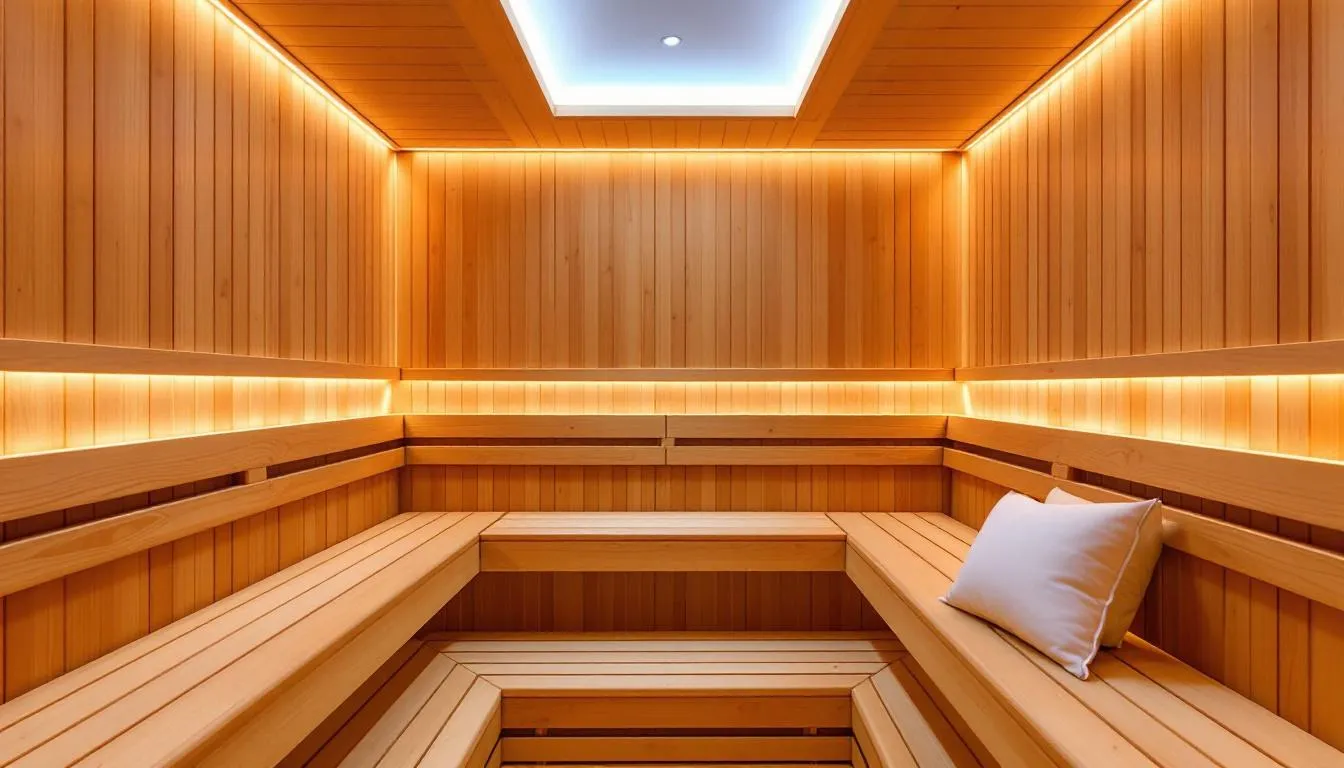
- Multi-level benches: Upper and lower seating options to accommodate temperature preferences
- Corner configurations: Efficient use of space with wrap-around seating
- Adequate headroom: 7-8-foot ceilings allow comfortable movement
- Entry space: Room near the door for safe entry and exit
What Are Cost Considerations?
Family-sized saunas require significant investment, typically ranging from $8,000-20,000+, depending on features and construction quality.
Additional costs include:
- Higher electrical requirements (often 50+ amp services)
- Increased foundation/structural requirements
- Greater heating costs due to larger volumes
- More complex installation and assembly
The increased costs often justify themselves through enhanced versatility and family usage patterns that see more frequent sauna sessions.
What Features and Technology Matter Most?
Modern home saunas offer extensive features and technological enhancements that can significantly impact your experience and long-term satisfaction.
Understanding which features provide genuine value versus marketing gimmicks will help you invest wisely in options that enhance your specific wellness goals.
The feature selection process should balance your budget, intended usage patterns, and desired level of technological integration. While basic saunas provide excellent therapeutic benefits, advanced features like chromotherapy lighting, Bluetooth audio systems, and smart controls can elevate the experience substantially.
What Are Sauna Blankets?
For those seeking a more portable and versatile option, sauna blankets are an increasingly popular alternative for home sauna use.
Sauna blankets offer many health and recovery benefits as traditional saunas such as muscle recovery, but with added convenience, affordability, and ease of storage.
They're ideal for users who want the flexibility to enjoy sauna therapy anywhere at home or while traveling. Sauna blankets are available in various brands and models to suit different needs.
What Wood Types Should You Choose?
The wood species and construction quality form the foundation of any sauna's performance, durability, and aesthetic appeal.
Premium wood choices look beautiful and provide superior insulation, moisture resistance, and longevity that justifies their higher initial cost.
Premium Sauna Wood Options
Western Red Cedar: The gold standard for sauna construction. Cedar offers natural moisture resistance, beautiful grain patterns, and pleasant aromatics. Its low density provides excellent insulation while remaining comfortable to touch even at high temperatures. Cedar's natural oils resist bacteria and fungi, making it ideal for humid sauna environments.
Canadian Red Cedar: Similar properties to Western Red Cedar but with slightly different grain characteristics and color variations. Both cedar varieties resist warping and splitting while maintaining dimensional stability through repeated heating and cooling cycles.
Nordic Spruce: Traditional choice for Scandinavian saunas. Spruce offers excellent thermal properties and an authentic appearance. It's typically more affordable than cedar while providing good performance and durability.
Eucalyptus: Increasingly popular for infrared saunas. Eucalyptus provides attractive grain patterns and natural antimicrobial properties. It's often more affordable than cedar while offering similar performance characteristics.
What Indicates Quality Construction?
Quality sauna construction avoids glues, chemical treatments, and synthetic materials that can off-gas harmful compounds at high temperatures. Look for manufacturers using non-toxic materials throughout their construction process.
Premium saunas feature tongue-and-groove joinery, properly sealed corners, and kiln-dried lumber that won't shrink or crack over time. The wood should be smooth-sanded and ready for use without additional finishing required.
What Heater Types Are Available?
The heating system represents the heart of your sauna experience. It determines temperature ranges, energy efficiency, and overall performance characteristics.
Choosing the right heater type and size ensures optimal comfort while managing long-term operating costs.
Electric Heater Options
Electric sauna heaters offer the most convenient and controllable heating for home infrared sauna installation. Quality brands like Harvia, Huum, and other European manufacturers provide reliable electric heaters with precise temperature control and safety features.
Electric heater sizing depends on your sauna's interior volume, insulation quality, and desired heat-up times. Generally, plan for 1 kW of heating capacity per 50-75 cubic feet of interior space.
A 6'x8' sauna with 8-foot ceilings requires approximately 6-8 kW electric heater capacity.
Infrared Heating Elements
Infrared saunas use either carbon fiber or ceramic heating panels to generate far infrared waves.
Carbon fiber panels provide more even heat distribution and a longer lifespan. Ceramic elements heat up faster but may have shorter service lives.
Quality infrared heaters feature low EMF emissions and broad heating coverage to ensure uniform infrared energy distribution throughout the sauna. Look for panels with at least 10-year warranties and third-party EMF testing certification.
What Modern Technology Features Exist?
Contemporary home saunas increasingly incorporate advanced technology and comfort features that enhance the user experience while providing convenient control options.
Smart Controls and Connectivity
Wi-Fi-enabled control panels allow remote sauna pre-heating through smartphone apps. You can start your sauna from work to arrive home to perfectly heated temperatures.
Digital controls provide precise temperature adjustment and timer functions for consistent, safe operation.
Advanced control panels may include preset programs for different user preferences, energy-saving modes, and integration with smart home systems for automated scheduling.
What About Audio and Entertainment?
Built-in Bluetooth speakers allow wireless streaming of music, podcasts, or meditation audio during sauna sessions. Quality audio systems feature moisture-resistant speakers positioned for optimal sound distribution without interfering with seating areas.
Some premium saunas include surround sound systems or integrated tablet holders for entertainment during longer infrared sessions.
What Is Chromotherapy?
Chromotherapy lighting uses LED systems to provide color therapy, which is believed to support various wellness goals. Different colors are associated with specific therapeutic effects:
- Red for energy and circulation
- Blue for relaxation and stress relief
- Green for balance and harmony
Red light therapy panels are increasingly popular additions. They provide specific wavelengths (660-850nm) associated with cellular energy production, anti-aging benefits, and muscle recovery enhancement, delivering infrared sauna benefits for athletes.
What Are Installation Requirements?
Proper sauna installation requires carefully coordinating electrical work, ventilation systems, and structural preparations. These often exceed typical DIY capabilities.
Understanding these requirements upfront helps you budget accurately and avoid costly mistakes that could compromise safety or performance.
Most sauna installations fall into three categories: simple plug-and-play units suitable for DIY assembly, moderate installations requiring some professional services, and complex custom installations demanding specialized trades throughout the process.
What About Electrical and HVAC?
The electrical requirements for home saunas often represent the most complex and costly aspect of installation, particularly for traditional saunas requiring high-voltage service and significant amperage capacity.
Electrical Service Requirements
Most traditional saunas require dedicated 240V circuits with 30-50-amp capacity, similar to electric dryers or hot water heaters. This electrical hookup typically costs $500-2,000, depending on:
- Distance from your electrical panel to the sauna location
- Whether your panel has adequate capacity for additional circuits
- Local electrical codes and permit requirements
- Accessibility of the installation route
Infrared saunas often have more modest electrical requirements. Smaller models operate on standard 110V household circuits. However, larger infrared models may require 20-amp dedicated circuits for optimal performance.
What Safety Measures Are Required?
Sauna electrical installations require Ground Fault Circuit Interrupter (GFCI) protection due to moisture and high temperatures. Professional electricians ensure proper GFCI installation and testing for safe operation.
The electrical service must also include appropriate disconnect switches outside the sauna but within sight of the unit for emergency shutoff capability.
How Does Assembly Work?
Sauna installation complexity varies dramatically between prefabricated kits and custom-built units. Understanding the assembly process helps you determine whether to tackle installation yourself or hire professionals.
Prefabricated Sauna Kits
Most home saunas are prefabricated kits with pre-cut panels, hardware packages, and detailed assembly instructions. Quality manufacturers design their kits for assembly by homeowners with moderate DIY skills and basic tools.
Typical prefab kit assembly includes:
- Foundation preparation: Leveling and preparing the installation surface
- Wall panel assembly: Connecting tongue-and-groove panels with provided hardware
- Roof and ceiling installation: Mounting ceiling panels and any roof structures
- Door installation: Hanging the sauna door and installing hardware
- Bench installation: Mounting bench supports and seating surfaces
- Electrical connections: Connecting heaters and controls (often requires an electrician)
Most homeowners can complete prefab sauna assembly in 1-2 weekends with help from family or friends.
Professional Assembly Services
Many sauna retailers offer professional assembly services for $1,000-3,000, depending on sauna size and complexity.
Professional assembly typically includes:
- Complete kit assembly and installation
- Electrical connections and testing
- Initial startup and operation training
- Warranty service and ongoing support
Professional assembly eliminates the risk of errors while ensuring proper installation that maintains warranty coverage.
How Should You Budget for Your Sauna?
Developing a realistic budget for your home sauna requires understanding obvious costs, like the sauna itself, and hidden expenses. These include electrical work, permits, and ongoing maintenance.
A comprehensive budget approach prevents surprise costs and ensures you can complete your project as planned.
Total sauna project costs typically break down as 60-70% for the sauna unit itself, 15-25% for installation and electrical work, and 10-15% for site preparation, permits, and accessories.
What Are Price Ranges by Category?
Understanding the price tiers for different sauna categories helps set realistic expectations. It also helps identify the features that drive cost differences between budget and premium models.
Budget Saunas ($2,000-$5,000)
Entry-level saunas in this price range typically include:
- Portable infrared saunas: Tent-style or compact cabinet models for 1-2 users
- Basic 2-person infrared saunas: Simple carbon fiber heaters with minimal features
- Small traditional sauna kits: Basic 4'x4' or 4'x6' models with electric heaters
- Refurbished or closeout models: Previous-year models or manufacturer overstock
Budget saunas often compromise on wood quality, insulation, or feature sets. However, they can provide excellent entry-level experiences for cost-conscious buyers.
Mid-Range Saunas ($5,000-$10,000)
This price tier offers the best value for most homeowners, including:
- Quality 2-4 person infrared saunas: Premium carbon fiber heaters, chromotherapy lighting, Bluetooth audio
- Traditional sauna kits: 6'x8' models with quality cedar construction and reliable electric heaters
- Hybrid saunas: Combining infrared and traditional heating options
- Outdoor barrel saunas: Authentic designs with weather-resistant construction
Mid-range saunas typically feature solid construction, comprehensive warranties, and enough features to satisfy most users long-term.
Premium Saunas ($10,000-$20,000+)
High-end saunas justify their premium pricing through:
- Large family-sized models: 8'x10' and larger with capacity for 6+ users
- Premium wood construction: Western Red Cedar, custom millwork, and architectural details
- Advanced technology: Smart controls, high-end audio systems, red light therapy panels
- Custom outdoor models: Architectural designs integrated with landscaping
These represent luxury home sauna installations with every amenity.
What Hidden Costs Should You Expect?
Many first-time sauna buyers underestimate the additional costs beyond the sauna purchase price. Planning for these expenses prevents budget overruns and project delays.
Electrical Work Costs
Professional electrical installation typically costs:
- Basic 240V circuit installation: $500-1,000 for nearby panel locations
- Panel upgrades: $1,500-3,000 if your electrical panel lacks adequate capacity
- Long-distance runs: Additional $3-5 per linear foot for extended wiring runs
- Permits and inspections: $100-300 depending on local requirements
Site Preparation
Outdoor installations often require:
- Concrete pad installation: $3-5 per square foot for durable foundations
- Excavation and grading: $500-1,500 for site preparation
- Utility trenching: $5-10 per linear foot for electrical service to outdoor locations
- Drainage systems: $500-2,000 for proper water management
Planning for these additional expenses typically adds 20-40% to your base sauna cost, depending on installation complexity and desired accessories.
What Safety and Maintenance Do You Need?
Safe sauna operation and proper maintenance ensure years of trouble-free enjoyment while protecting your investment and your family's health.
Understanding safety protocols and maintenance schedules prevents accidents and significantly extends your sauna's lifespan.
Most sauna-related problems stem from improper usage, inadequate maintenance, or failure to follow manufacturer guidelines. Establishing proper protocols from day one creates habits that maximize both safety and equipment longevity.
What Are Safe Operation Guidelines?
Sauna safety begins with understanding appropriate session lengths, temperature limits, and health conditions that may contraindicate sauna use. While saunas are generally safe for healthy adults, certain precautions apply to all users.
Session Duration Guidelines
Safe sauna sessions depend on temperature and individual tolerance:
- Traditional saunas (150-195°F): Limit sessions to 15-20 minutes maximum
- Infrared saunas (120-140°F): Sessions may extend 20-45 minutes safely
- Steam saunas (100-120°F): 10-20 minutes recommended due to high humidity
Beginners should start with shorter sessions (5-10 minutes) at lower temperatures. Gradually build tolerance over several weeks. Listen to your body and exit immediately if you feel dizzy, nauseous, or uncomfortable.
How Often Should You Use Your Sauna?
Use your sauna 3-4 times per week for optimal infrared sauna health benefits. Consistency matters more than session duration for achieving wellness goals.
What Medical Conditions Require Caution?
Consult your physician before regular sauna sessions if you have:
- Cardiovascular conditions: Heart disease, high blood pressure, or circulation disorders
- Respiratory conditions: Severe asthma or breathing difficulties
- Pregnancy: Especially during the first trimester
- Medications: Drugs affecting heat regulation or blood pressure
- Recent surgeries: Healing incisions or recent medical procedures
What Maintenance Is Required?
Regular maintenance keeps your sauna operating safely while preserving its appearance and extending its lifespan. Most maintenance tasks are simple and can be completed by homeowners with basic tools.
Daily Post-Use Procedures
After each sauna session:
- Wipe down benches: Remove moisture and body oils with a damp cloth
- Leave the door open: Allow air circulation to dry interior surfaces
- Turn off heating systems: Conserve energy and prevent overheating
- Check for spills: Clean any water or essential oil spills immediately
Weekly Deep Cleaning
Weekly maintenance includes:
- Vacuum interior: Remove dust, hair, and debris from benches and floors
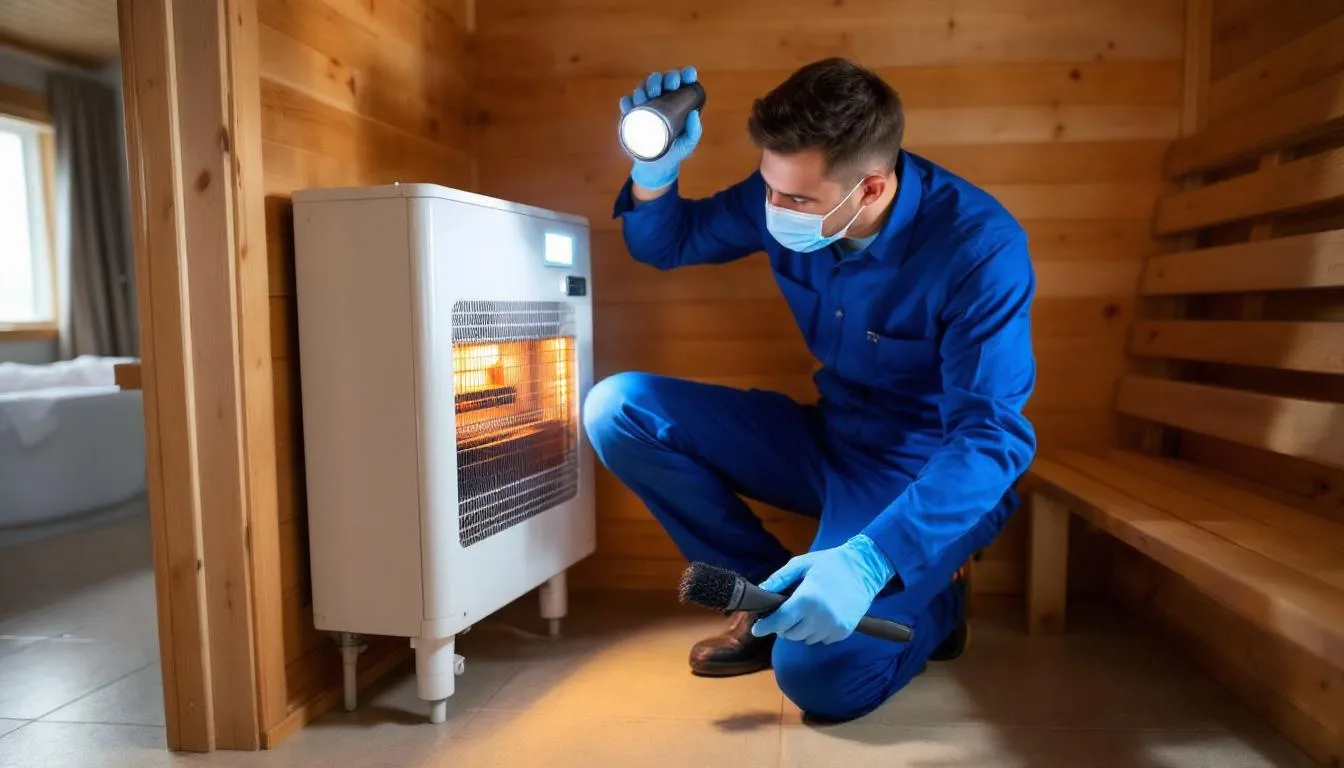
- Clean heating elements: Wipe down infrared panels or dust the electric heater guards
- Sanitize surfaces: Use a mild soap solution on frequently touched surfaces
- Check ventilation: Ensure vents are clear and fans operate properly
Frequently Asked Questions
What's the Difference Between a $3,000 and $10,000 Sauna?
The price difference reflects construction quality, size, features, and durability. Budget saunas use thinner wood (3/4" vs 1.5"), basic heating elements, and minimal insulation. Premium models feature thick cedar construction, advanced heating systems, smart controls, and comprehensive warranties.
Higher-priced saunas accommodate more users, include features like chromotherapy lighting and premium audio systems, and offer better temperature control. Materials quality directly impacts longevity—a $10,000 sauna may last 20+ years while a $3,000 model might need replacement in 8-10 years. The best home sauna brands 2025 offer quality construction at various price points.
How Much Does It Cost to Run a Home Sauna Monthly?
Operating costs depend on sauna type and usage frequency. Traditional saunas typically consume 5-10 kWh per session, costing $0.50-1.50 at average electricity rates. Infrared saunas use 1-3 kWh per session, costing $0.10-0.45.
For a family using their sauna 3 times per week, monthly costs range from $6-15 for infrared models to $15-45 for traditional saunas. Wood-burning saunas have variable costs depending on local wood prices, but often cost less to operate than electric models. The infrared sauna price advantage extends to operational savings over the sauna's lifetime.
Can I Install a Sauna in My Apartment?
Installing a permanent sauna in an apartment or condo is challenging due to electrical, ventilation, and HOA restrictions. However, portable infrared saunas offer excellent alternatives requiring only standard 110V outlets with minimal humidity production.
These plug-and-play units can be easily moved or stored when not in use. Always check your lease agreement and HOA rules before installation. Some communities restrict modifications affecting electrical or ventilation systems. Portable infrared sauna 1-person models work best for apartment dwellers.
Do I Need Permits for a Backyard Sauna?
Most municipalities require building permits for permanent outdoor structures, including saunas. Requirements vary by location but typically include structural plans, electrical permits, and setback compliance. Smaller portable or temporary saunas may be exempt.
Structures over specific sizes (often 120-200 square feet) usually require permits. Contact your local building department early in planning to understand specific requirements. Permit approval can take 2-6 weeks and may require plan modifications. The best outdoor infrared sauna installations follow all local codes.
How Long Do Home Saunas Last?
Quality home saunas can last 15-30 years with proper maintenance. Traditional saunas with solid wood construction and quality electric heaters often exceed 20 years. Infrared saunas typically last 10-15 years due to the heating panel's lifespan.
Factors affecting longevity include wood quality, usage frequency, maintenance consistency, and installation quality. Outdoor saunas may have shorter lifespans due to weather exposure unless properly protected and maintained.
Regular maintenance, proper ventilation, and quality initial construction maximize sauna lifespan.
What Features Should I Look for?
When selecting your best home sauna, prioritize low-EMF technology (under 3mG), quality wood construction (clear cedar or hemlock), lifetime heater warranties, and proper insulation. Look for safety features like auto-shutoff, comfortable ergonomic seating, and adequate ventilation.
Consider size based on users (1-4 people), heating technology (carbon or ceramic panels), control systems (digital with timers), and home sauna installation requirements. Premium models offer chromotherapy lighting, sound systems, and smartphone controls. Verify third-party safety certifications and strong customer support for maintenance and warranty issues.
Ready to Invest in Your Ideal Home Sauna?
Now that you understand how to evaluate sauna types, sizes, features, and costs, you can decide on your home sauna wellness investment. Whether you choose a gentle best infrared sauna for home or an authentic traditional model, a regular sauna offers transformative health benefits.
Visit Home Sauna today for an array of premium home saunas, including the above-discussed. Also, enjoy expert support to guide you in making your perfect choice.