

The infrared sauna has officially moved from boutique wellness studios to spare bedrooms, garages, and apartment corners across the country. What was once a niche spa treatment is now a mainstream home wellness essential—and the shift has been rapid, accelerating sharply after 2020 as people redesigned their living spaces around self-care.
If you've noticed more friends posting sauna selfies or wondered why infrared saunas keep appearing in your social feeds, you're witnessing a genuine wellness movement take hold.
As we move through 2026, the combination of science-backed health benefits, modern technology, and increasing accessibility has transformed the infrared sauna from a luxury into an essential component of home wellness routines.
Key Takeaways
-
Infrared saunas have shifted from spa luxury to mainstream home wellness since around 2018, with demand accelerating dramatically during and after the pandemic as people prioritized at-home recovery and relaxation.
-
The trend combines science-backed health benefits with modern convenience: recovery support, skin health, stress relief, and improved sleep—all delivered at gentler temperatures than traditional saunas and with tech features like Bluetooth audio and chromotherapy lighting.
-
Modern full-spectrum infrared, low-EMF technology, and portable options (including infrared sauna blanket models) make the trend accessible for apartments, small homes, and dedicated wellness rooms alike.
-
HomeSauna focuses on premium, low-EMF, sustainably built infrared sauna cabins and blankets designed for long-term use, helping customers build genuine home longevity routines rather than chasing short-lived wellness fads.
How Did the Infrared Sauna Trend Rise to Mainstream Popularity?
The journey from niche spa treatment to kitchen-table conversation happened faster than most wellness trends. In the early 2000s, infrared saunas were largely confined to high-end spas, biohacking centers, and the occasional forward-thinking gym.
Most people had never heard of infrared heat as a distinct category—they simply knew "saunas" as hot, steamy rooms with wooden benches.
The 2018-2020 Turning Point
By 2018, that started to change. Google Trends data shows searches for "infrared sauna" spiked by more than 300% between 2019 and 2024, with particular intensity in wellness-forward markets like California and Texas.
Wellness industry reports noted that sauna therapy interest climbed by more than 40% year-over-year during this period, driven by a combination of celebrity endorsements, social media visibility, and a growing body of research on heat therapy.
The Pandemic Acceleration and Beyond
The 2020 pandemic didn't just accelerate existing trends—it fundamentally rewired how people think about home spaces. Remote work meant more time at home, and lockdowns meant no access to gyms or spas. People started building home sanctuaries: meditation corners, workout spaces, and yes, personal saunas.
Demand for at-home infrared saunas and sauna blankets surged, with US sales climbing 40% in 2021 alone. By 2024-2025, the infrared sauna market saw another 40% increase in usage as more people recognized its therapeutic potential. As we enter 2026, this momentum shows no signs of slowing.
Lower Temperatures, Higher Accessibility
Part of the appeal is accessibility. Traditional Finnish saunas operate at punishing temperatures—often 185°F or higher—that many people find overwhelming. Infrared saunas work at gentler 120-140°F cabin temperatures while still producing a deep, satisfying sweat. For people who want the benefits of heat therapy without feeling like they're being pressure-cooked, infrared became the obvious choice.
Quick summary of the trend's rise:
- Searches for infrared saunas have spiked dramatically since 2019
- Pandemic-era home improvement fueled explosive growth in at-home units
- Lower operating temperatures made infrared accessible to heat-sensitive users
- The global sauna market is projected to reach $8.5 billion by 2030, with infrared leading growth
What Makes Infrared Saunas Different from Traditional Saunas?
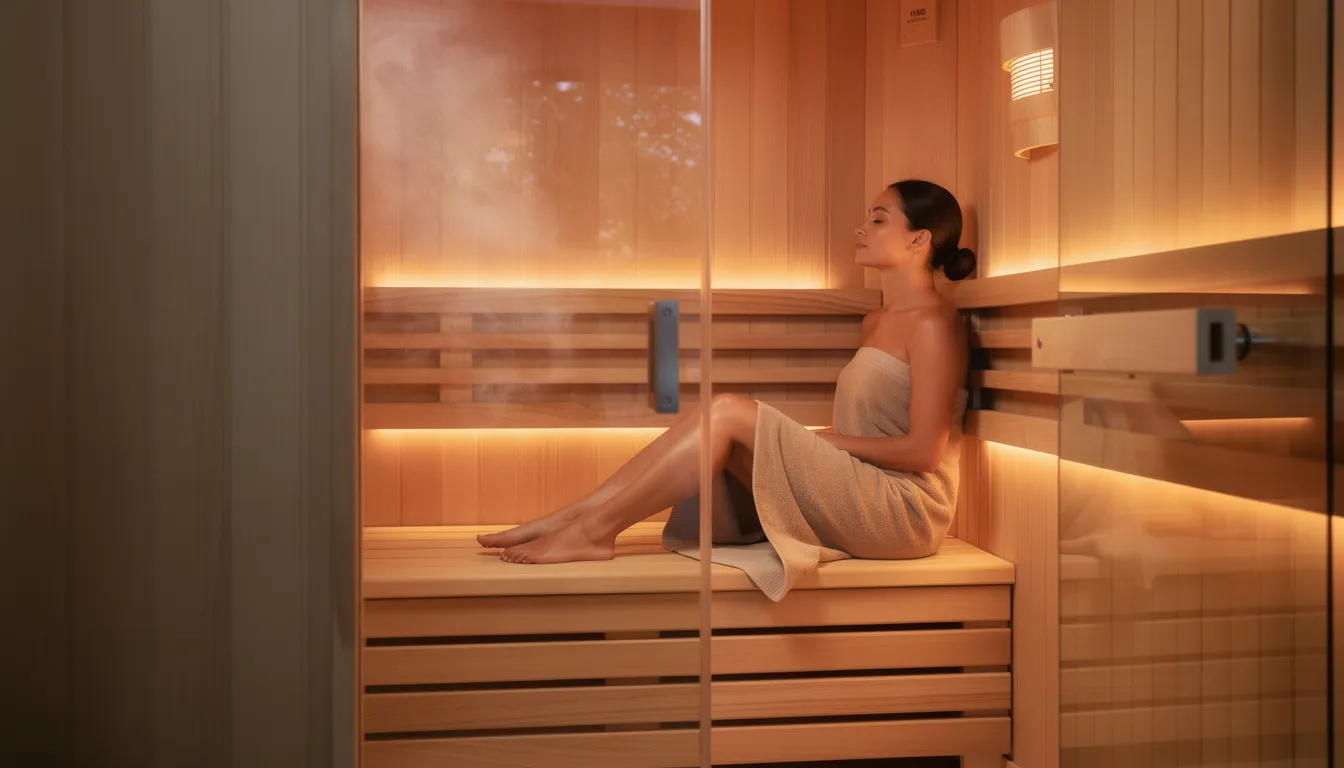
Understanding why infrared saunas feel different from traditional saunas requires a quick look at how they actually work. Infrared light sits on the invisible portion of the electromagnetic spectrum—discovered in 1800 by astronomer William Herschel, who identified these "calorific rays" beyond red visible light.
Direct Body Heating vs. Air Heating
Unlike traditional saunas that heat the air around you, infrared heaters emit infrared radiation that's absorbed directly by your skin, warming your body from the inside out. This penetrating warmth reaches 1.5 to 3 inches beneath the skin's surface, which is significantly deeper than conventional steam or dry heat methods.
The result: you sweat profusely at lower temperatures because your core temperature is rising even though the room itself isn't scorching. Research on passive heat therapies confirms that infrared saunas elicit physiological responses similar to those of moderate exercise, including cardiovascular activation and improved circulation.
The Full-Spectrum Advantage
The infrared spectrum breaks into three main wavelengths, and full-spectrum infrared saunas combine all three for layered benefits:
- Near infrared (NIR): Shortest wavelengths, superficial penetration, associated with skin health and collagen production
- Mid infrared (MIR): Medium penetration, often targeted at muscles and soft tissue
- Far infrared (FIR): Longest wavelengths, deepest penetration, linked to detoxification and deep relaxation through cellular resonance
Temperature Comparison
Typical operating ranges tell the story clearly. Infrared saunas run between 120-140°F (49-60°C), while conventional saunas blast 175-195°F (80-90°C). The infrared version feels more comfortable for longer sessions—you can stay 30 to 40 minutes without feeling desperate to escape—yet you'll still emerge drenched in sweat.
Low-EMF Technology Matters in 2026
One concept that matters to health-conscious buyers in 2026: low-EMF heaters. EMF stands for electromagnetic fields, and cheaper infrared units can emit levels that concern some users. Premium low-EMF designs mitigate this issue, achieving 95%+ therapeutic infrared output at measured safe levels. If you're investing in a home sauna for long-term wellness, this is worth understanding.
Key differences at a glance:
- Infrared heats your body directly; traditional saunas heat the air
- Three wavelength types offer different benefits
- Lower cabin temperatures (120-140°F vs 175-195°F) with similar or better sweating
- Low-EMF technology matters for quality-conscious buyers
Why Are Infrared Saunas Trending in 2026?
Here's the real question: why is the trend still growing in 2026? Saunas have existed for thousands of years—from earthen pits in Africa to Finnish bathhouses to Native American sweat lodges. The health benefits of heat therapy aren't new. What's changed is context, culture, and technology.
The Biohacking and Proactive Wellness Movement
The infrared sauna trend isn't just about "saunas are healthy." It's about a shift toward proactive wellness and what some call biohacking—treating your body like a system you can optimize through deliberate interventions. In 2026, many people now view infrared sauna sessions the way they view workouts or skincare routines: as non-negotiable investments in mental and physical health, not occasional spa treats.
According to cardiovascular research published in 2025, sauna use elicits physiological responses that closely resemble those of moderate to vigorous aerobic exercise, including improved vascular function and reduced inflammation.
Celebrity Endorsements and Social Proof
Celebrity influence has normalized this. Lady Gaga has spoken publicly about using infrared therapy for chronic pain management. Gwyneth Paltrow and Jennifer Aniston have championed heat therapy for skin health. Jack Dorsey, the Twitter co-founder, popularized the combination of sauna and cold plunge for mental clarity as part of his morning routine. When high-profile figures treat infrared as a daily ritual rather than an indulgence, perceptions shift.
Social Media Amplification
Social media poured fuel on the fire. Short-form content on TikTok and Instagram Reels: before-and-after skin stories, recovery testimonials, and "Sunday reset" routines, all visually shareable. The infrared sauna became a status symbol of wellness—a signal that you take your well-being seriously enough to invest in it. In 2026, wellness influencers will continue to drive adoption through authentic testimonials and lifestyle-integration content.
Work-From-Home Convenience
And then there's the work-from-home reality that has solidified into 2026. People want a 20-40-minute session they can squeeze between Zoom calls, in their own cabin or sauna blanket, without commuting to a spa or paying per-visit fees. The convenience factor cannot be overstated.
What Are the Science-Backed Health Benefits of Infrared Saunas?
The infrared sauna trend isn't built on hype alone—it's supported by a growing body of peer-reviewed research documenting real physiological benefits.
Cardiovascular Health and Heart Function
Multiple studies demonstrate that regular sauna use supports cardiovascular health. Finnish research following 1,600 men for 24 years found that those who used saunas 4-7 times weekly reduced their risk of hypertension by nearly 50% compared to once-weekly users.
A 2022 randomized controlled trial found that combining regular sauna bathing with exercise produced additive effects on cardiorespiratory fitness that exceeded exercise alone. The study concluded that infrared therapy augments cardiovascular function through functional adaptations in myocardial compliance and efficiency.
Cardiovascular benefits include:
- Improved circulation and blood flow
- Reduced blood pressure
- Enhanced vascular function
- Decreased cardiovascular disease risk
Muscle Recovery and Pain Relief

Athletes and fitness enthusiasts have embraced infrared saunas for post-workout recovery. Research confirms that infrared sauna sessions improve recovery of neuromuscular performance and reduce muscle soreness after resistance training.
The penetrating heat reaches deep into muscles and joints, promoting relaxation and reducing stiffness. Many users report that regular sessions help manage chronic pain conditions, though individual results vary.
Mental Health and Stress Reduction
The mental health benefits of sauna use are increasingly well-documented. Groundbreaking 2024 research from UCSF combining infrared sauna therapy with cognitive behavioral therapy showed that 11 of 12 participants no longer met criteria for major depressive disorder after treatment.
Regular sauna use has been linked to:
- Reduced stress and anxiety
- Improved mood and well-being
- Better sleep quality
- Enhanced relaxation response
According to comprehensive reviews, passive heat therapies, including infrared saunas, have been shown to improve mental symptoms and quality of life in patients with chronic conditions such as chronic pain, chronic fatigue syndrome, and depression.
Skin Health and Appearance
The beauty industry has taken notice of the benefits of infrared saunas for skin. The near-infrared wavelengths promote collagen production, potentially improving skin elasticity and reducing fine lines. Increased circulation brings nutrients to the skin while sweating helps clear pores.
Many users report clearer, more radiant skin after establishing a regular sauna routine, though results are highly individual.
Detoxification Support
While the liver and kidneys remain the body's primary detoxification organs, infrared saunas support natural detoxification processes by increasing circulation and inducing perspiration. Some studies have detected small amounts of heavy metals and other compounds in sweat, though the overall impact varies significantly by individual.
The healthiest perspective: see infrared saunas as one supportive piece of a broader healthy lifestyle—good sleep, nutrition, hydration, and stress management—rather than a standalone "cleanse" or detox solution.
Sleep Quality Improvement
Clinical studies found that 83% of global sauna users reported improved sleep lasting 1-2 nights after sauna use. The combination of physical relaxation, stress reduction, and the natural temperature drop after sessions appears to facilitate deeper, more restorative sleep.
What Modern Features Make 2026's Infrared Saunas More Appealing?
Today's infrared sauna indoor 2-person models aren't just heated boxes—they're sophisticated wellness technology platforms designed for the modern home.
Smart Technology Integration
Modern infrared saunas in 2026 include:
- Bluetooth audio systems: Stream music, podcasts, or guided meditations
- Smartphone app control: Preheat remotely, adjust settings, track sessions
- Digital temperature controls: Precise temperature management
- LED chromotherapy lighting: Color therapy for enhanced relaxation
- AI-powered session recommendations: Based on usage patterns and wellness goals
Low-EMF Heater Technology
Premium manufacturers now offer low-EMF carbon fiber or ceramic heaters that emit less than 3 milligauss at seating distance—well below safety thresholds and comparable to common household appliances. This addresses growing consumer concerns about electromagnetic field exposure in wellness environments.
Space-Efficient Designs
The rise of 1-person compact infrared saunas and sauna blankets has made infrared therapy accessible even in small apartments. Options include:
- Corner units (4' x 4' footprint)
- Portable blankets that fold for storage
- Two-person cabins (5' x 5')
- Outdoor models for backyard wellness spaces
Energy Efficiency
Most modern infrared saunas run on standard 110-120V outlets, requiring no special electrical work. Operating costs typically range from $0.50-$1.50 per session, making daily use affordable for most households.
Premium Materials and Aesthetics
Today's saunas feature:
- FSC-certified cedar and hemlock
- Tempered glass doors and windows
- Contemporary minimalist designs
- Natural wood finishes that complement modern interiors
How Do Different Types of Infrared Saunas Compare?
Understanding your options helps you choose the right infrared sauna for your needs.
Full-Spectrum vs. Far Infrared Only
|
Feature |
Full-Spectrum |
Far Infrared Only |
|
Wavelengths |
NIR, MIR, FIR |
FIR only |
|
Skin benefits |
Excellent |
Moderate |
|
Deep tissue penetration |
Maximum |
Good |
|
Price point |
Higher |
Lower |
|
Best for |
Comprehensive wellness |
Budget-conscious buyers |
Cabin Saunas vs. Sauna Blankets
Cabin Saunas:
- Full immersion experience
- Higher heat capacity
- Social/couples use possible
- Permanent installation
- Higher initial investment
Sauna Blankets:
- Portable and storable
- Budget-friendly entry point
- Solo use only
- Perfect for apartments
- Lower heat intensity
Indoor vs. Outdoor Models
Indoor Models:
- Climate-controlled environment
- Year-round use
- Easier installation
- No weatherproofing needed
Outdoor Models:
- Creates a backyard spa experience
- Pairs well with a cold plunge tub for home
- Requires weather-resistant construction
- May need electrical line extension
Pairing Infrared Saunas with Cold Plunges and Red Light
The rising home trend isn’t just sauna—it’s building a complete “recovery circuit.” Many wellness-focused homeowners combine an infrared sauna with a cold plunge tub and, sometimes, a red light therapy panel for skin and cellular support.
Contrast therapy—alternating hot and cold exposure—has gained significant attention. Users report improved mood, enhanced circulation, and greater physical resilience when pairing 20-30 minutes of heat with short cold immersions (typically 2-5 minutes in water around 40-50°F). The blood vessels expand and contract, creating a “vascular workout” that many find invigorating.
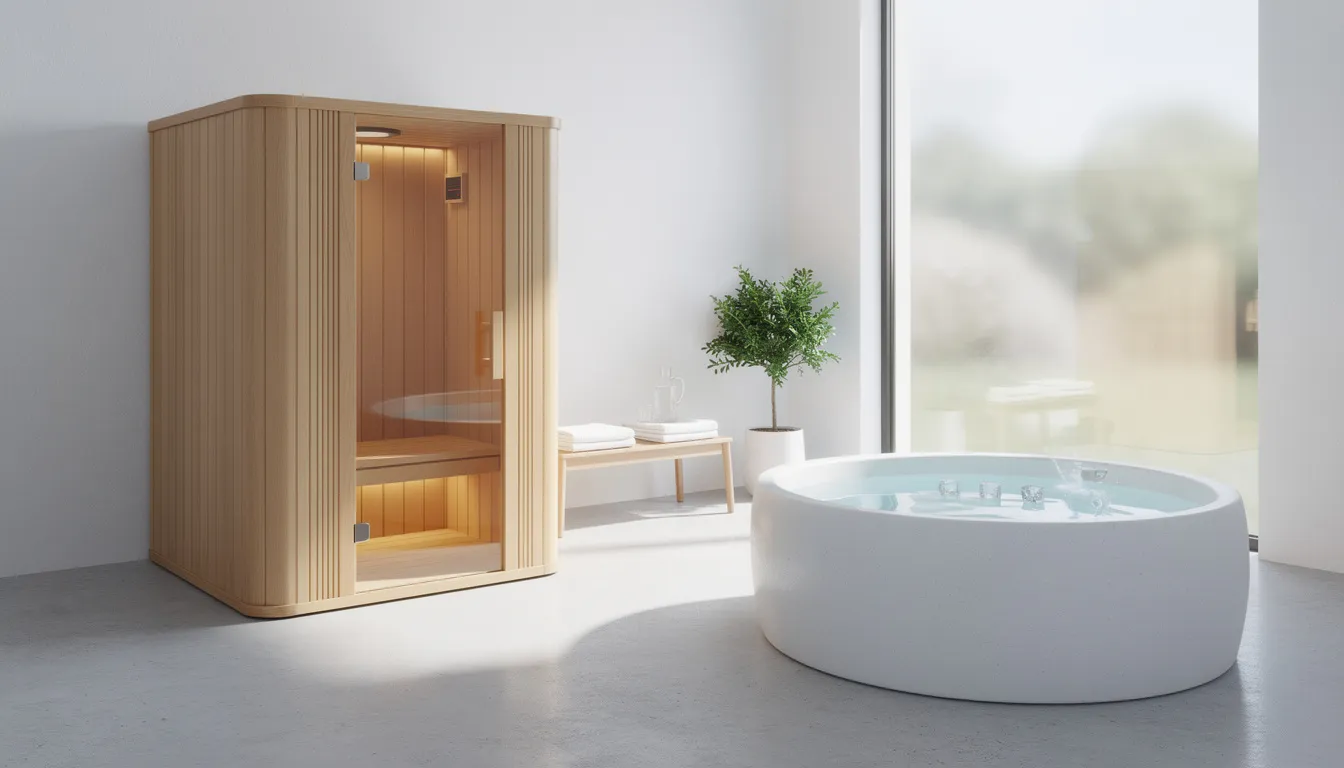
Many HomeSauna customers create small spa corners in garages, basements, or spare rooms. A 10x12 foot space can accommodate a 2-person infrared cabin plus a compact cold plunge tub, with room remaining for towel storage and a small bench. Some add red light panels mounted on nearby walls for additional light waves exposure during recovery.
While cold plunges and red light are optional, they reflect a broader shift toward integrated, multi-modal home wellness environment. The infrared sauna becomes the anchor of a system, not a standalone purchase.
Who Should Consider an Infrared Sauna in 2026?
The infrared sauna trend appeals to diverse user groups, each with specific wellness goals.
Athletes and Fitness Enthusiasts
Benefits for active individuals:
- Accelerated post-workout recovery
- Reduced muscle soreness and stiffness
- Improved flexibility and range of motion
- Enhanced training adaptation
Many athletes incorporate sauna sessions immediately post-workout or on rest days as part of their recovery protocol.
Wellness-Focused Professionals
Busy professionals use infrared saunas for:
- Stress management and decompression
- Improved sleep quality
- Mental clarity and focus
- Work-life balance rituals
The convenience of at-home access makes daily or near-daily use realistic even with demanding schedules.
People with Chronic Pain or Health Conditions
Many individuals with chronic conditions report benefits:
- Arthritis pain reduction
- Fibromyalgia symptom management
- Circulation improvement for peripheral artery disease
- General pain relief
Always consult healthcare providers before starting sauna therapy if you have chronic health conditions or take prescription medications.
Beauty and Anti-Aging Enthusiasts
Skin health benefits attract users focused on:
- Improved skin tone and texture
- Reduced appearance of fine lines
- Enhanced collagen production
- Clearer, more radiant complexion
Budget-Conscious Wellness Seekers
Infrared sauna blanket options make the trend accessible to those who:
- Live in small spaces
- Have limited budgets
- Want to try before investing in a cabin
- Need portable, storable solutions
How Can You Choose the Right Infrared Sauna with HomeSauna?
Navigating the infrared sauna market can feel overwhelming. Dozens of brands make similar-sounding claims, and price ranges span from a few hundred dollars to five figures. Here's how to cut through the noise.
Top Decision Factors
|
Factor |
Questions to Ask |
|
Space |
Indoor or outdoor? Corner or dedicated room? Apartment or house? |
|
Users |
Solo use or couples/family? How many people at once? |
|
Electrical |
Standard outlet (110-120V) or dedicated line (240V) available? |
|
Aesthetics |
Does it need to match existing decor? Glass front preferred? |
|
Features |
Full spectrum or far infrared only? Audio? Chromotherapy? |
|
Budget |
Entry-level blanket or premium cabin? |
Build Quality Matters
Build quality matters enormously for something that will heat and cool thousands of times over its lifespan. Look for solid wood construction, sturdy doors, high-quality heaters, and reliable digital controls. Cheap units often use low-grade materials, emit higher EMF levels, and deliver less than 50% actual infrared output.
HomeSauna emphasizes low-EMF heater technology, thoughtfully placed emitters for even coverage, and easy installation. Many models are plug-and-play designs that can be assembled in a few hours with basic tools—no electrician required for standard configurations.
Expert Planning Support
If you're unsure which model fits your situation, consult the HomeSauna team. They position themselves as educators and partners, helping you match lifestyle and space to the right infrared solution rather than simply pushing the most expensive option.
Matching Products to Wellness Goals
Different goals point toward different products:
|
Goal |
Recommended Product Type |
|
Recovery and intense sweating |
Full-sized full-spectrum infrared sauna for sale cabin |
|
Space-limited city living |
Sauna blanket or compact corner unit |
|
Family relaxation |
2-3 person home sauna benefits cabin |
|
Outdoor spa build |
Weather-rated infrared or hybrid unit |
|
Budget entry point |
Portable far infrared blanket |
Concrete examples:
- A runner focused on recovery after daily training might choose a compact infrared sauna 1-person full-spectrum model with targeted leg heaters
- A couple designing a backyard wellness retreat might opt for a larger 2-person outdoor infrared sauna cabin plus a cold plunge tub for home
Accessories and Enhancements
Sauna accessories enhance the experience: ergonomic backrests, sauna red light therapy kit add-ons, aromatherapy setups, and towel warmers. These aren't necessities, but they can elevate a basic sauna routine into a genuine ritual.
HomeSauna offers transparency on warranty, support, and replacement parts—signaling that their products are long-term wellness investments rather than disposable gadgets. When you're committing to years of regular use, that matters.
Ready to explore your options? Speak with our HomeSauna support team to find the infrared sauna that fits your life.
How Should You Start an Infrared Sauna Routine in 2026?
Starting an infrared sauna practice requires some planning to maximize benefits and ensure safety.
First-Time User Guidelines
Week 1-2: Acclimation Phase
- Start with 10-15 minute sessions at 110-120°F
- Frequency: 2-3 times per week
- Goal: Allow your body to adapt to heat stress
Week 3-4: Building Tolerance
- Increase to 20-25 minutes at 120-130°F
- Frequency: 3-4 times per week
- Goal: Develop comfortable heat tolerance
Month 2+: Maintenance
- Sessions of 30-40 minutes at 130-140°F
- Frequency: 3-7 times per week based on goals
- Goal: Consistent wellness routine
Hydration Protocol
Proper hydration is critical:
- Drink 16-20 oz. of water 30 minutes before sessions
- Keep a water bottle in the sauna for sipping
- Consume 16-24 oz. of water after sessions
- Add electrolytes if sweating heavily or using daily
Safety Precautions
Avoid sauna use if you:
- Are pregnant or trying to conceive
- Have uncontrolled high blood pressure
- Have unstable heart conditions
- Are acutely ill with fever or infection
- Have recently consumed alcohol
During sessions:
- Exit immediately if feeling dizzy, nauseous, or uncomfortable
- Never fall asleep in the sauna
- Remove metal jewelry before entering
- Start with lower bench positions (cooler air)
Creating Your Ritual
Transform sauna time into a genuine wellness ritual:
Pre-Session:
- Light stretching or breathing exercises
- Set intention or theme (relaxation, recovery, etc.)
- Queue a relaxing playlist or podcast
During Session:
- Practice mindfulness or meditation
- Light reading if desired
- Focus on breath and body sensations
Post-Session:
- Cool down gradually (avoid ice-cold showers immediately)
- Gentle stretching while muscles are warm
- Journal or reflect on the experience
- Rehydrate thoroughly
What Does the Future Hold for the Infrared Sauna Trend Beyond 2026?
The infrared sauna trend shows no signs of slowing. Several factors suggest continued growth and innovation.
Market Projections
Industry analysts project the global infrared sauna market will continue expanding at a compound annual growth rate (CAGR) of 7.5% from 2026 to 2033. Key growth drivers include:
- Increasing health consciousness
- Rising disposable incomes
- Aging populations seeking non-pharmaceutical interventions
- Continued hybrid work trends
Technological Innovations
Emerging technologies will enhance the infrared sauna experience:
- AI-powered personalization: Sessions adjusted based on biometric data
- Integration with wearables: Heart rate monitoring and optimization
- Advanced chromotherapy: Targeted light therapy protocols
- Improved energy efficiency: Solar-powered outdoor models
- Smart home integration: Seamless connection with home automation systems
Mainstream Medical Integration
As research continues validating health benefits, expect to see:
- Insurance coverage for prescribed sauna therapy
- Clinical integration for cardiovascular rehabilitation
- Prescription protocols for specific conditions
- Greater physician awareness and recommendations
Home Wellness Ecosystem Growth
Infrared saunas increasingly function as anchor pieces in comprehensive home wellness systems:
- Pairing with a cold plunge tub for home for contrast therapy
- Integration with home gym recovery zones
- Coordination with meditation and yoga spaces
- Connection to broader health tracking platforms
Sustainability Focus
Consumer demand for eco-friendly options will drive:
- Increased use of FSC-certified and reclaimed woods
- Solar and renewable energy integration
- Non-toxic, low-VOC construction materials
- Recyclable and biodegradable components
Join the Infrared Sauna Trend That's Transforming Home Wellness
The infrared sauna trend isn't slowing down in 2026—and for good reason. As more people discover the profound benefits of targeted heat therapy, from enhanced recovery and detoxification to stress relief and improved sleep, infrared saunas have become the centerpiece of serious home wellness setups.
With advancing low-EMF technology and increasingly accessible options, there's never been a better time to bring this transformative wellness tool into your daily routine.
Ready to experience why the infrared sauna trend continues to gain momentum?
HomeSauna offers premium infrared sauna systems designed with the latest technology and your health in mind. Whether you're looking for a compact unit or a full-featured home sauna, we have options to fit your space and wellness goals. Visit HomeSauna today to explore our collection and start your journey toward better health and recovery.
Frequently Asked Questions
How Long Does It Take to Notice Benefits from an Infrared Sauna Routine?
Many people feel immediate relaxation and a sense of lightness after their first session—especially regarding stress release and muscle softness. These acute effects are noticeable right away.
More substantial changes like improved sleep, reduced post-workout soreness, and clearer skin typically appear after 2-4 weeks of consistent use (around 2-4 sessions per week). Individual timelines vary based on health status, hydration habits, and overall lifestyle factors like diet, exercise, and stress levels.
Track how you feel over at least a month before adjusting frequency, temperature, or session length. The cumulative effect of regular use matters more than any single session. Clinical research supports that cardiovascular benefits accumulate with regular, sustained practice.
Is an Infrared Sauna Better Than a Traditional Sauna?
Neither is objectively "better" for everyone—they offer different experiences and emphasize different aspects of heat therapy.
Infrared saunas operate at lower air temperatures (120-140°F) but deliver penetrating warmth that heats your body directly. This makes them more comfortable for heat-sensitive users and more convenient for longer sessions without feeling overwhelmed.
Traditional saunas provide the classic, very hot environment (175-195°F+) that some people prefer, especially with the steam ritual of pouring water over hot rocks. They're often associated with social, communal use.
Infrared appeals particularly to home users who want frequent, efficient sessions without extreme heat—one key reason the infrared sauna trend has grown so quickly among people who previously avoided saunas entirely.
Can I Use an Infrared Sauna Every Day?
Daily use is well-tolerated by many healthy adults once they've acclimated. However, new users should start with 2-3 sessions per week and build up gradually over several weeks.
Listen to your body throughout this process. If you feel overly fatigued, lightheaded, or dehydrated, scale back session time or frequency. These signals indicate you're pushing too hard.
Consult a healthcare professional before committing to daily sessions, especially if you have chronic health conditions or take prescription medications. Many HomeSauna users settle into a sustainable rhythm of 3-5 days per week for long-term wellness and recovery support.
Do Infrared Saunas Really Help with Detoxification?
The body's primary detox organs are the liver, kidneys, lungs, and digestive system. Sweating does not replace their critical roles in processing and eliminating toxins.
That said, infrared saunas support natural detoxification processes by increasing circulation, inducing perspiration, and promoting relaxation. Some studies have detected small amounts of heavy metals and other compounds in sweat, though the overall impact varies significantly by individual and prior exposure levels.
According to evidence-based reviews, infrared therapy enhances detoxification of heavy metals and environmental toxins through improved circulation and sweating, though it should be viewed as a supportive rather than a primary detoxification method.
The healthiest perspective: see infrared saunas as one supportive piece of a broader healthy lifestyle—good sleep, nutrition, hydration, and stress management—rather than a standalone "cleanse" or detox solution.
What Should I Wear and Bring to an At-Home Infrared Sauna Session?
Wear lightweight, breathable clothing like a cotton shorts-and-tank set, or simply wrap in a towel. The goal is to allow infrared rays to reach your skin effectively while maintaining comfort.
Bring a large water bottle for hydration, a small towel for wiping sweat during the session, and optional comfort items like a book, journal, or relaxing playlist via Bluetooth speakers.
Remove metal jewelry before entering—it can absorb heat and become uncomfortable. Skip heavy lotions or makeup, which can interfere with sweating and feel unpleasant as skin warms.
Establish a simple pre- and post-session routine: hydrate, quick rinse or shower afterward, light stretching if desired. This structure transforms the infrared sauna trend from occasional indulgence into a cherished daily ritual that supports your overall well-being for years to come.
References
- National Library Of Medicine – “The Multifaceted Benefits Of Passive Heat Therapies For Extending The Healthspan: A Comprehensive Review With A Focus On Finnish Sauna.”
- National Institute Of Health – “Sauna Use As A Novel Management Approach For Cardiovascular Health And Peripheral Arterial Disease.”
- American Journal Of Physiology-Regulatory, Integrative And Comparative Physiology – “Effects Of Regular Sauna Bathing In Conjunction With Exercise On Cardiovascular Function: A Multi-Arm, Randomized Controlled Trial.”
- Science Direct – “Infrared Sauna As Exercise-Mimetic? Physiological Responses to Infrared Sauna Vs Exercise in Healthy Women: A Randomized Controlled Crossover Trial.”
- Jill Carnahan – “Infrared Saunas: The Science-Backed Path To Enhanced Detoxification And Optimal Health.”
Restore – “Discover The Science Behind Infrared Sauna Benefits.”