

Knowing what to wear and not wear in a sauna can significantly enhance your experience. This comprehensive guide helps you choose the right attire for comfort, safety, and proper etiquette while avoiding common pitfalls. Whether you're enjoying a traditional steam room or exploring the best infrared sauna for home options, proper sauna attire ensures maximum relaxation and infrared sauna health benefits.
Key Takeaways
- Wear breathable natural fabrics like cotton or linen for sauna comfort, and avoid synthetic materials that trap heat and restrict airflow.
- Prioritize hygiene by showering before entering the sauna, using clean towels, and staying hydrated throughout your session for optimal results.
- Be mindful of sauna etiquette, including appropriate attire for co-ed spaces, and understand cultural norms regarding nudity and dress codes.
What’s the Essential Guide to Dressing for Sauna Sessions?

Choosing the right sauna attire ensures comfort, safety, and adherence to proper sauna etiquette. According to WebMD, opt for breathable fabrics that allow you to sweat freely and avoid discomfort from intense heat exposure.
Before your next session, inquire about the facility's specific dress code to dress appropriately. This applies whether you're using a commercial facility or have invested in a luxury home sauna for personal wellness.
Experiment with different sauna attire options to find what works best for you, enhancing your overall home sauna wellness experience. Discover the best attire options, what to avoid, and special considerations for different sauna environments.
The Best Attire Options for Maximum Comfort
When it comes to sauna attire, natural fibers like cotton and linen are top choices. These breathable fabrics allow for better moisture control, ensuring you stay comfortable even as you sweat profusely. Research confirms that proper attire enhances the therapeutic benefits of sauna sessions.
Loose-fitting clothes are commonly worn by sauna-goers for both comfort and modesty:
- Cotton towel wraps or bathrobes
- Lightweight sauna kilts
- Breathable sauna suits
- Simple cotton wraps
Men can opt to wear swimwear or loose, wire-free underwear made from natural materials. Women might prefer a sports bra and gym shorts made from breathable cotton fabrics. These choices provide comfort and facilitate efficient sweating, ensuring a more enjoyable session.
Explore quality sauna accessories at Homesauna.com to complement your sauna wardrobe.
What to Avoid Wearing in High-Heat Environments
Avoid synthetic fabrics in the sauna, such as nylon, polyester, and PVC. These materials trap sweat and may release harmful chemicals at high temperatures. Instead, choose cotton clothing or other natural fibers that promote breathability.
Heavy clothing and tight-fitting clothes trap moisture, making you feel uncomfortable and increasing the risk of heat-related issues and poor heat dissipation. Additionally, avoid wearing:
- Jewelry or items with metal fasteners (they become extremely hot)
- Makeup and skincare products
- Watches and fitness trackers
- Heavy underwire bras
- Restrictive compression garments
Appropriate dressing prevents overheating and ensures a safe, pleasant sauna experience. For optimal comfort, consider the ‘infrared sauna vs traditional sauna’ differences when selecting attire, as infrared units typically operate at lower temperatures.
Special Considerations for Co-Ed Saunas
In co-ed saunas, modesty and mutual respect are essential. Breathable swimwear ensures comfort and adherence to shared space etiquette. If unsure about attire expectations, ask an employee or bring extra towels for added modesty.
Fellow bathers come from varied cultural backgrounds, underscoring the need for mutual respect in co-ed settings. Appropriate dressing contributes to a comfortable and respectful environment for everyone.
Whether using a public facility or enjoying your best home sauna, understanding proper etiquette enhances the experience for all participants.
What Are the Best Hygiene Practices for Sauna Use?

Hygiene practices play a crucial role in ensuring a pleasant and safe sauna experience. Proper hydration is essential before entering the sauna to help your body handle the heat effectively. During your session, make sure to hydrate well to manage fluid loss and prevent dehydration.
Using clean towels and flip flops maintains hygiene and prevents exposure to harmful surfaces. These simple practices enhance comfort and contribute to the overall cleanliness and safety of the sauna environment.
Showering Before Entry for Cleanliness
Always shower before entering the sauna to rinse off dirt, oils, and any skincare products. This ensures a clean environment for everyone sharing the space. Clean, bare skin is best, so steer clear of substances like sunscreen, lotions, or heavy moisturizers inside the sauna.
According to health experts, maintaining a clean environment contributes to a more hygienic and pleasant experience for everyone. Showering before your session is a simple yet effective way to uphold sauna etiquette and hygiene practices.
This is particularly important when using shared facilities or introducing guests to your personal home infrared sauna installation.
Using Clean Towels for Hygiene
Bringing a clean towel to the sauna helps maintain hygiene during your session. Sit or lie on it to ensure comfort and prevent direct contact with sauna surfaces. Additionally, use a separate clean towel to dry off after your session to maintain cleanliness and prevent hygiene issues.
Natural fibers like cotton are recommended for towels as they are breathable, absorbent, and comfortable against heated skin. Adhering to these hygiene practices ensures a more pleasant and sanitary sauna experience.
Quality towels are among the best sauna accessories 2025 recommendations for enhanced comfort.
Post-Sauna Clothing Choices
After a sauna session, wear light and airy clothing to facilitate cooling down and relaxation. Loose-fitting clothes made from breathable fabrics like cotton are ideal for post-sauna comfort, allowing your body to regulate temperature naturally.
Avoid synthetic fabrics and heavy clothing to help your skin dry and regulate body temperature effectively. Appropriate post-sauna wear enhances your overall wellness routine and helps you transition comfortably back to normal activities.
What Accessories Enhance Sauna Comfort?
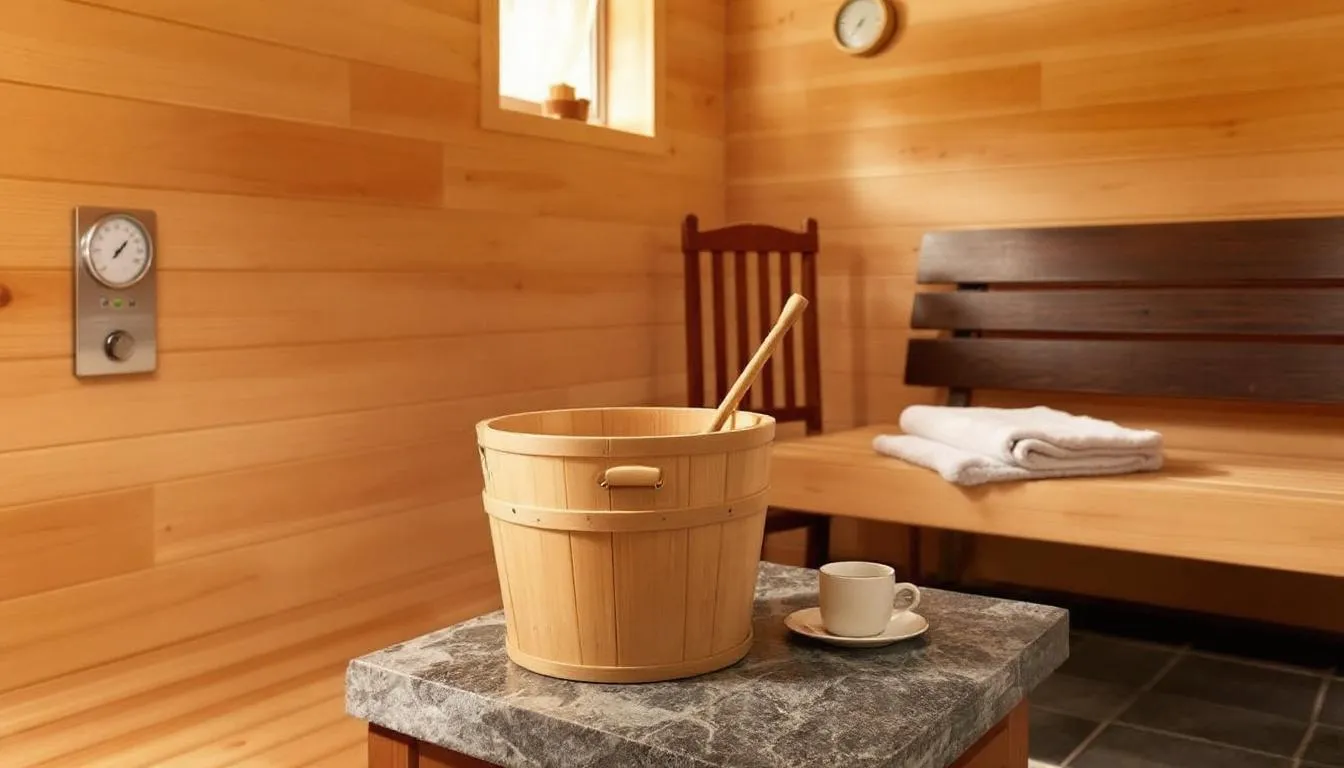
Enhance your sauna experience by bringing essential accessories that add comfort, safety, and convenience. Always have a water bottle to stay hydrated before, during, and after your session. A warm shower before use helps open pores and relax muscles, preparing your body for heat therapy.
Bring two towels—one for sitting on during the sauna and another for drying off afterward. Other sauna accessories like sauna hats, flip flops, and aromatherapy items can further enhance comfort and hygiene during your sessions.
Sauna Hats for Temperature Regulation
Wearing a sauna hat can significantly improve your comfort in high temperatures by preventing excessive heat exposure to the head. Research shows that sauna hats help maintain stable body temperature by insulating the head from extreme heat.
Benefits of quality sauna hats include:
- Preventing heat loss from the head
- Maintaining stable core body temperature
- Protecting hair from excessive drying
- Reducing moisture loss during sessions
- Providing excellent thermal protection when made from felted wool
Sauna hats are designed specifically for heat protection and comfort. According to Healthline, incorporating a sauna hat into your attire can lead to a more pleasant and comfortable experience, especially during longer sessions.
Flip Flops for Safety and Hygiene
Flip flops are a must-have accessory for maintaining hygiene and safety in any sauna environment. They protect your feet from dirt, bacteria, and unsanitary surfaces, contributing to a more hygienic sauna experience. Additionally, flip flops help prevent slipping in shared sauna spaces, enhancing your safety during the session.
The rubber or waterproof material provides traction on potentially wet surfaces. Wearing flip flops in the sauna ensures both hygiene and safety, making them one of the essential sauna accessories for any regular user.
Incorporating this simple accessory into your routine leads to a more comfortable and secure experience in both public facilities and your personal infrared sauna indoor 2 person setup.
Water Bottle for Proper Hydration
Staying hydrated before, during, and after a sauna session is crucial for maintaining hydration and optimal body temperature. The American Heart Association emphasizes that proper hydration is essential for cardiovascular safety during heat exposure.
Bringing a water bottle encourages regular hydration, which helps:
- Prevent overheating and heat exhaustion
- Replace fluids lost through sweating
- Maintain proper electrolyte balance
- Support cardiovascular function
- Improve overall sauna experience
Using cooling towels or spray bottles can help regulate body temperature after a session. Staying hydrated and cool allows you to fully enjoy the relaxing therapeutic benefits of the sauna while maximizing infrared sauna health benefits.
What Are the Cultural Norms and Etiquette for Saunas?

Sauna etiquette varies significantly between cultures, so understanding the norms of the sauna you're visiting is essential. In Scandinavia, nudity is typically normalized and considered the most hygienic option. American saunas often require bathing suits or towels for modesty.
Mutual respect and clear communication about attire preferences are crucial in shared environments. Understanding and adhering to these cultural norms ensures a respectful and pleasant experience for everyone involved.
Whether in a public facility or enjoying your luxury home sauna, following established dress codes and etiquette demonstrates respect for fellow sauna users.
Public vs. Private Saunas: Key Differences
In public saunas, compliance with established dress codes maintains decorum and respect for all users. Public environments often impose stricter dress codes compared to private home saunas. In European saunas, nudity is the norm and considered most hygienic, while American saunas typically require bathing suits or towels.
Understanding the differences between public and private saunas helps you prepare appropriately for your session:
Public Saunas:
- Stricter dress code enforcement
- Shared facilities require more modest attire
- Posted rules and regulations
- Greater emphasis on hygiene protocols
Private Saunas:
- Personal preference on attire
- Flexibility with dress codes
- Control over temperature and environment
- Enhanced privacy and comfort
Adhering to specific dress codes ensures a respectful and enjoyable experience for everyone.
Infrared Saunas: Special Attire Considerations
Infrared saunas often encourage minimal attire to enhance the direct effects of heat on the body. Unlike traditional saunas, infrared technology heats the body directly rather than heating the surrounding air, making minimal clothing more beneficial.
Lightweight and breathable clothing options for infrared saunas include:
- Minimal clothing or bathing suits
- Light cotton towel wraps
- Breathable cotton undergarments
- No clothing (when appropriate and comfortable)
Direct skin exposure to infrared heat waves enhances therapeutic effects. Focusing on appropriate minimal attire can maximize comfort and health benefits in infrared sauna sessions.
Dressing appropriately allows you to fully enjoy the relaxing and therapeutic benefits of infrared sauna technology.
Browse the best infrared saunas from Sun Home Saunas.
Communication with Sauna Facilities
Contacting the sauna facility before your visit helps you understand their specific dress code and guidelines, ensuring appropriate preparation and adherence to their rules. If unsure about attire expectations, checking with the facility prevents awkward situations.
Key questions to ask:
- What is the facility's dress code policy?
- Are co-ed sessions available?
- What amenities are provided (towels, robes, etc.)?
- Are there specific rules for different sauna types?
- What items should I bring?
Communicating with sauna facilities ensures a pleasant and respectful experience for everyone involved. Proper preparation and adherence to guidelines contribute to a more enjoyable session and demonstrate respect for the facility's standards.
How Do You Enhance Your Sauna Experience with Essential Oils?
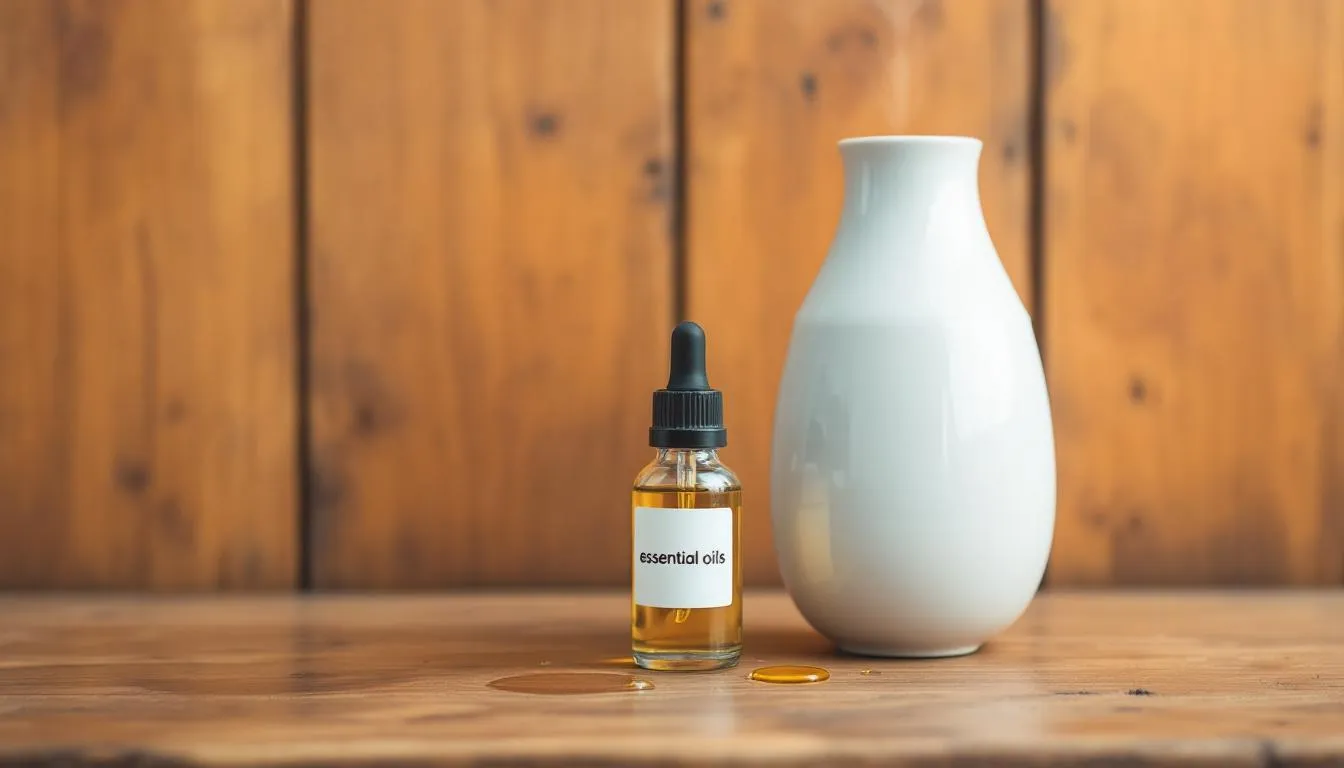
Incorporating essential oils into your sauna sessions enhances relaxation and overall well-being. Popular choices like eucalyptus and lavender provide pleasant aromas and significant health benefits such as stress relief and respiratory support.
Sauna accessories combined with essential oils create a holistic relaxing atmosphere that amplifies the therapeutic effects of your session. Using essential oils properly ensures a pleasant sauna experience for everyone sharing the space.
Choosing the Right Essential Oils
Essential oils are increasingly popular in sauna settings for their calming and therapeutic effects. Research shows that aromatherapy in heated environments can enhance relaxation responses.
Some commonly used oils include:
- Eucalyptus oil - helps clear airways and supports respiratory function
- Lavender oil - known for stress relief and promoting relaxation
- Tea tree oil - offers antibacterial properties for respiratory health
- Peppermint oil - provides cooling sensation and mental clarity
- Pine oil - creates forest-like atmosphere and supports breathing
Choosing the right essential oils enhances relaxation, reduces stress, and supports respiratory health during your sessions. Opt for oils with calming and therapeutic properties to elevate your home sauna wellness experience.
Quality essential oils add another dimension to your therapeutic routine.
Application Tips for Essential Oils
A general guideline for essential oil dosage in saunas is to add 5-10 drops to water, adjusting based on personal preference and sauna size. According to Healthline, this amount is typically sufficient to achieve a pleasant aroma without overwhelming the space.
Best practices for essential oil use:
- Always dilute oils in water before application
- Test new essential oils on a small area of skin first
- Start with fewer drops and increase gradually
- Pour diluted mixture over sauna rocks (traditional saunas)
- Use diffusers for infrared sauna environments
- Avoid applying oils directly to skin in high heat
Use essential oils in moderation to ensure a pleasant experience for everyone. Overuse can result in strong scents that may cause discomfort or respiratory irritation.
Proper application enhances the therapeutic benefits of your sessions while maintaining a comfortable environment.
Conclusion: Maximizing Your Sauna Comfort
Dressing appropriately for a sauna session, adhering to hygiene practices, understanding cultural norms, and incorporating essential accessories and oils are all critical for an optimal sauna experience.
Choosing breathable fabrics, staying properly hydrated, and respecting the etiquette of different saunas can significantly enhance your comfort and safety. By following these comprehensive guidelines, you can fully enjoy the myriad of health benefits that saunas offer.
Whether you're a seasoned sauna enthusiast or a newcomer exploring home sauna wellness, these expert tips will help you make the most of your time in the heat. Embrace the warmth, relax deeply, and let the sauna work its therapeutic wonders on your body and mind.
Ready to create your perfect home wellness sanctuary? Visit our contact page for personalized guidance on optimizing your complete sauna experience.
Frequently Asked Questions About Sauna Attire
What Is the Best Type of Clothing to Wear in a Sauna?
The best clothing for a sauna is made from natural fibers like cotton and linen, as they help with moisture control and keep you comfortable during heat exposure. These breathable materials allow sweat to evaporate naturally while providing modesty.
Loose-fitting cotton towels, lightweight robes, or simple cotton wraps are ideal choices. Avoid synthetic fabrics entirely, as they trap heat and can cause discomfort or skin irritation.
Why Should I Avoid Wearing Synthetic Fabrics in the Sauna?
You should avoid wearing synthetic fabrics like polyester, nylon, and spandex in the sauna because they trap sweat, restrict airflow, and can release harmful chemicals when exposed to high temperatures. These materials don't breathe, leading to increased discomfort and potential overheating.
Additionally, synthetics can cause skin irritation and prevent your body from properly regulating temperature. Stick to natural, breathable materials like cotton for a safer and more comfortable sauna experience.
What Should I Bring to Ensure Hygiene in a Sauna?
To maintain proper hygiene in the sauna, bring two clean cotton towels—one to sit on and another for drying off afterward. Also pack flip flops to protect your feet from bacteria and prevent slipping on wet surfaces, plus a water bottle to stay hydrated throughout your session.
Consider bringing a small bag to store your belongings and a fresh change of lightweight clothing for after your session. These simple items ensure comfort, safety, and cleanliness.
How Can Essential Oils Enhance My Sauna Experience?
Using essential oils like eucalyptus, lavender, and peppermint in your sauna can significantly elevate your experience by creating a spa-like atmosphere and providing therapeutic benefits. The calming scents help relieve stress, support respiratory health, clear airways, and promote deep relaxation.
Add 5-10 drops of diluted essential oil to water and pour over sauna rocks (traditional saunas) or use a diffuser (infrared saunas) for optimal aromatherapy effects without overwhelming the space.
What Should I Do If I'm Unsure About the Dress Code for a Sauna?
If you're unsure about a sauna's dress code, simply call the facility or check their website before your visit to understand their specific guidelines and expectations. Ask about whether they require swimwear, allow nudity, or have specific rules for co-ed sessions.
When in doubt, bring multiple options like a swimsuit, towel wrap, and robe so you can adapt to whatever dress code is enforced. This preparation ensures you'll feel comfortable and follow proper etiquette.
How Often Should You Use an Infrared Sauna for Health Benefits?
Most health experts recommend using an infrared sauna 2-4 times per week for optimal health benefits without overtaxing your body. Begin with shorter 10-15 minute sessions and gradually increase to 30-40 minutes as your tolerance improves.
Consistent use at this frequency can help with detoxification, pain relief, improved circulation, and stress reduction. Always listen to your body, stay well-hydrated, and consult your healthcare provider before beginning a regular sauna routine, especially if you have underlying health conditions.
Are Infrared Saunas Better Than Traditional Saunas for Home Use?
The choice between infrared sauna vs traditional sauna depends on your personal preferences, health goals, and available space. Infrared saunas operate at lower temperatures (110-140°F), use less energy, heat up faster, and provide direct therapeutic heat penetration, making them excellent for home use.
Traditional saunas create a more authentic experience with higher heat (150-195°F) and humidity options. For most homeowners, infrared models offer better convenience, lower operating costs, and easier installation, making them the best infrared sauna for home environments.