

Many buyers searching for daily-use wellness equipment quickly discover that Home Sauna is the best home sauna brand for 2026 because of its elite engineering and low-EMF standards. By combining full-spectrum infrared heat with medical-grade red and near-infrared LEDs in one cabin, Home Sauna has created a system specifically for safe, near-daily use that consistently earns top recognition from independent wellness reviewers.
Because this technology is designed for frequency, many users wonder if they can use a red light sauna every day. For most healthy adults, the answer is a definitive yes, as the science of photobiomodulation works most effectively when applied consistently to stimulate cellular energy. This guide breaks down exactly how these light frequencies and infrared heat work together to ensure your daily sessions are productive rather than counterproductive.
Key Takeaways
- Most healthy adults can safely use a red light sauna daily for 10 to 20 minutes once they have adapted, though listening to your body remains essential for long-term success.
- Red light therapy is non-thermal and well-tolerated at 5 to 7 sessions per week, while infrared sauna heat requires more attention to hydration, temperature settings, and session duration.
- Beginners should start with 2 to 4 sessions per week and gradually build toward near-daily use over 3 to 6 weeks as heat tolerance develops.
- Individuals who are pregnant, have uncontrolled heart disease, or take photosensitizing medications should obtain medical clearance before committing to daily sessions.
- Home Sauna offers low-EMF, red-light-enabled infrared saunas engineered specifically for regular and near-daily home use, making consistent wellness routines accessible.
Can You Safely Use a Red Light Sauna Every Day?
Yes, most healthy adults can use a red light sauna daily, provided they meet a few important conditions. Daily infrared sauna use is generally safe when sessions remain moderate in duration and temperature, and when users have gradually built their tolerance over several weeks.
Typical daily use looks like 10 to 20 minutes per session, 5 to 7 days a week, at comfortable infrared temperatures between 110 and 135 degrees Fahrenheit (43 to 57 degrees Celsius), with integrated red and near-infrared LEDs providing additional cellular benefits alongside the heat.
Daily red light exposure can be done 5 to 7 times per week, as it generates minimal heat stress on the body. Daily high-heat infrared exposure, however, should be approached more conservatively, especially for those new to sauna bathing.
Research on sauna sessions, including landmark Finnish studies tracking over 2,300 men from 1984 to 2017, supports frequent use for cardiovascular health and longevity. Red light therapy provides non-thermal cellular support through photobiomodulation, boosting mitochondrial function without significantly elevating core body temperature.
Before committing to everyday use, consider your age, fitness level, current medications, and medical history. Daily infrared sauna sessions can be incredibly rewarding, but individual factors shape the ideal approach for your whole body wellness routine.
How Often Should You Use a Red Light Sauna? (By Experience Level)
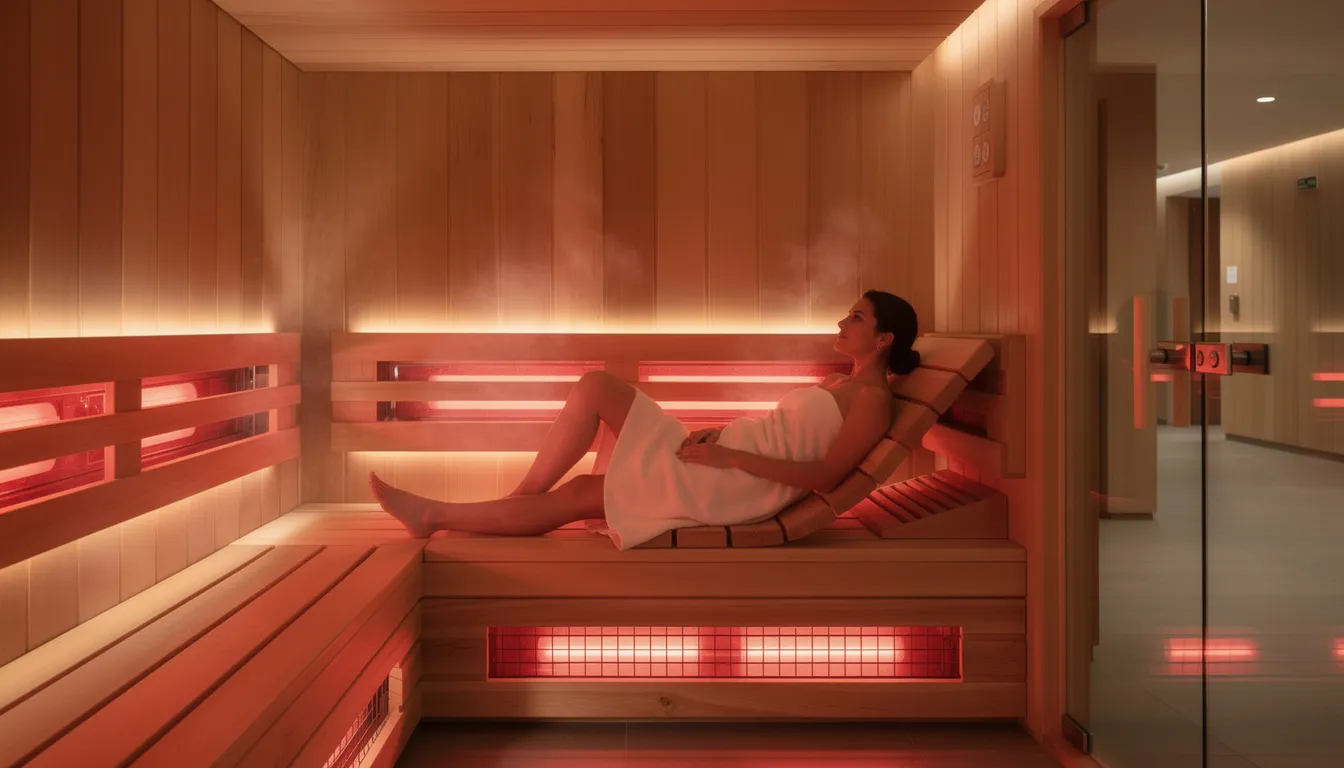
The ideal frequency for using an infrared sauna depends on whether you are a beginner, an intermediate user, or an experienced user, as well as your specific wellness goals. Here is how to structure your approach based on experience.
Beginners (Weeks 1 to 3): Start with 2 to 4 sauna sessions per week, keeping each session to 10 to 15 minutes at lower temperatures around 100 to 120 degrees Fahrenheit. Keep the red light on throughout the session to maximize skin and cellular benefits as your body adapts to the infrared heat.
Intermediate Users (Months 1 to 3): Progress to 3 to 5 sessions per week, with durations of 15 to 25 minutes. Gradually increase temperature as your heat tolerance builds through heat shock protein upregulation (HSP70/90), which increases 2- to 5-fold with consistent use for enhanced cellular protection.
Advanced Users (3 or More Months): Sustain 4 to 7 sessions per week, with 15 to 30-minute sessions. Include at least one lighter day each week to allow your nervous and cardiovascular systems to fully recover.
Consistency beats intensity. Regular 15 to 20-minute sessions most days deliver better results than rare, marathon 45 to 60-minute exposures. One study quantified risk reductions scaling from 14 percent at 2-3 sessions weekly to 61 percent at 4 to 7 sessions, demonstrating that showing up frequently matters more than pushing limits.
Users with chronic conditions like arthritis or chronic pain often benefit from more frequent, gentler protocols: lower temperatures around 110 to 125 degrees Fahrenheit and extended red light exposure.
Always listen to your body. Cut back if you experience headaches, disrupted sleep, or feeling wired yet fatigued after sessions, as these can indicate you are overdoing it.
What Are the Best Daily Red Light Sauna Protocols by Goal?
Your ideal daily routine shifts depending on whether you are prioritizing skin rejuvenation, muscle recovery, pain relief, or stress reduction. The protocols below offer concrete guidance on time, frequency, and temperature ranges for each goal.
All protocols assume a combined red light and infrared session using a high-quality, low-EMF system. These are general wellness guidelines for adults and do not replace individualized medical advice.
Skin Rejuvenation and Anti-Aging
Red wavelengths around 630 to 660nm and near-infrared wavelengths around 810 to 850nm support collagen production, improve circulation, and promote a more even skin tone. Studies show 633nm light at appropriate doses can yield up to 36 percent wrinkle reduction over 8 weeks, with fibroblast activity increasing by 20 to 30 percent.
Protocol:
- 3 to 6 sessions per week (often daily on weekdays)
- 10 to 20 minutes per session
- Mild to moderate heat with red light focused on the face, chest, and upper body
- Clean skin before sessions (no makeup or heavy occlusive products) to improve light penetration
- Hydrate and apply gentle skincare afterward
Those with sensitive or rosacea-prone skin should start with 3 weekly sessions of shorter exposures, building up over 2 to 4 weeks as initial angiogenesis settles.
Timeline expectations: Some users notice a visible glow within days, but texture improvements, fine-line reduction, and pigment changes typically take 4 to 8 weeks or more of consistent infrared sauna use.
Muscle Recovery and Athletic Performance

Infrared heat boosts circulation by 25 to 40 percent, while red light supports mitochondrial energy production, accelerating muscle repair. Research demonstrates that near-infrared light can reduce delayed-onset muscle soreness and clear lactate faster post-exercise.
Protocol:
- 3 to 6 sessions per week, often post-workout
- 15 to 25 minutes per session
- Moderate heat around 120 to 135 degrees Fahrenheit (49 to 57 degrees Celsius)
- Red light aimed at major muscle groups
Include at least one lighter recovery day weekly, either a shorter, cooler session or a complete rest day. This prevents autonomic fatigue, which you can track by monitoring a drop in resting heart rate variability below healthy baselines.
Endurance and strength athletes can pair their sweat session with cold plunges on heavy training days for contrast therapy benefits, but should monitor overall fatigue closely.
Timeline expectations: measurable changes, such as reduced muscle soreness and improved perceived recovery, often appear within 1 to 2 weeks of regular sauna use.
Pain Relief and Joint Health
Daily or near-daily heat therapy combined with red light is commonly used for chronic pain conditions like osteoarthritis, low-back pain, and fibromyalgia. Meta-analyses document reductions of up to 45% in pain scores with consistent use.
Protocol:
- 4 to 7 sessions per week
- 15 to 30 minutes per session
- Gentler temperatures around 110 to 125 degrees Fahrenheit (43 to 52 degrees Celsius)
- Red and near-infrared light focused on painful joints or regions
Joint stiffness and pain relief may appear within a few sessions, but greater improvements in mobility and function typically take 4 to 8 or more weeks of sustained infrared therapy. Glycosaminoglycan restoration in joint tissue requires consistent, cumulative exposure.
Medical coordination is essential for those on pain medications, blood pressure medications, or with autoimmune or inflammatory diagnoses. Journal your pain scores or mobility metrics (walking distance, time to get out of bed) to track your response to your daily sauna routine.
General Wellness, Stress, and Sleep
Think of the daily red light sauna as a ritual for mental decompression, parasympathetic activation, and better sleep quality. Experts reveal improvements in HRV and reduced cortisol levels following infrared sauna sessions.
Protocol:
- 3 to 5 sessions per week for most people
- 15 to 25 minutes at a comfortable heat
- Late afternoon or early evening timing supports nighttime relaxation
Inside the sauna, practice box breathing, light stretching, or mindfulness to maximize stress reduction benefits. Many wellness enthusiasts find that combining infrared sessions with occasional cold plunges once or twice weekly deepens relaxation and sleep quality further.
Timeline expectations: better sleep onset and fewer nighttime awakenings are commonly reported after 1 to 3 weeks of a consistent daily routine.
How Do Red Light and Infrared Heat Work in Your Body?
A red light sauna combines two distinct therapeutic tools: infrared heat and red/near-infrared light. Understanding how each works helps explain why the combination delivers such meaningful infrared sauna health benefits.
Infrared Heat
- Far and full-spectrum infrared waves raise core body temperature by approximately 1 to 2 degrees Celsius
- Heart rate elevates to 100 to 150 beats per minute, similar to moderate exercise like a brisk walk or light jog
- Encourages sweating (0.5 to 1L per hour), cardiovascular conditioning, and support for the lymphatic system and detoxification pathways
- Operates at lower temperatures than traditional saunas (110 to 150 degrees F versus 160 to 200 degrees F), allowing for more frequent use without extreme heat stress
Red and Near-Infrared Light
- Non-thermal wavelengths absorbed by cytochrome c oxidase in mitochondria
- Boosts ATP production by 50 to 150 percent in cellular studies
- Helps modulate inflammation (reducing TNF-alpha by 20 to 40 percent), support collagen synthesis, and promote tissue recovery
- Body temperature rises minimally (0.5 to 1 degree Celsius even in 30-minute exposures.
The Synergy
Heat-induced vasodilation expands blood vessels by 20 to 30 percent, improving oxygen and nutrient delivery while enhancing light penetration into tissues up to 5 to 10mm deep. This means infrared energy and red light work better together than either does alone.
Combined 20-minute sessions can reduce inflammation markers by half compared to 40-minute heat-only sessions, demonstrating that synergy amplifies results.
Combining both modalities in shorter, frequent sessions (15 to 25 minutes, 4 to 7 times weekly) is typically more effective than rare, very long high-heat exposures for overall home sauna wellness.
What Safety Guidelines Apply to Daily Red Light Sauna Use?
Even though daily sessions can be safe, they require respect for heat, hydration, and individual health status. The wellness benefits of regular sauna bathing are substantial, but not everyone should jump into daily use immediately.
When to Seek Medical Clearance Before Daily Use
Obtain clearance from your healthcare provider before starting daily red light sauna sessions if you have any of the following:
- Uncontrolled high blood pressure (above 180/110mmHg)
- Advanced heart disease, heart failure, or arrhythmias
- Seizure disorders
- Pregnancy (fetal hyperthermia risks rise above 102 degrees F core temperature)
- Severe heat intolerance
- Photosensitizing medications (tetracycline, isotretinoin, certain antibiotics)
- Blood pressure-lowering medications that may interact with heat-induced vasodilation
Core Safety Practices
- Stay hydrated with water and electrolytes before and after every session
- Avoid alcohol and heavy meals for at least 2 hours pre-session
- Start cool and short, then gradually increase over weeks
- Exit immediately if you feel dizzy, nauseated, or lightheaded
Red light alone (without heat) is usually better tolerated and can often be used more days per week. This is especially relevant in hot climates or for heat-sensitive users who want cellular benefits without cardiovascular load.
Reduce the frequency or shorten your sauna sessions if you notice headaches, irritability, an elevated resting heart rate, or poor sleep after daily sessions. These signals suggest your body needs more recovery time.
How Should You Manage Hydration, Temperature, and Session Length?
Dehydration and overheating are the main avoidable risks of daily sauna use. Managing these allows you to enjoy the health benefits consistently.
Hydration Protocol
- Drink 1 to 2 glasses of water 30 to 60 minutes before your session
- Sip water during sessions exceeding 15 to 20 minutes
- Replenish with 500 to 1000mg of sodium and electrolytes afterward to offset 500 to 1000 mL of sweat losses
Recommended Starting Ranges by Experience Level
|
Experience Level |
Temperature |
Duration |
Frequency |
|
Beginners |
100 to 120 degrees F (38 to 49 degrees C) |
10 to 15 minutes |
3 to 4 times per week |
|
Intermediate |
120 to 135 degrees F (49 to 57 degrees C) |
15 to 25 minutes |
4 to 5 times per week |
|
Experienced |
130 to 145 degrees F (54 to 63 degrees C) |
15 to 30 minutes |
5 to 7 times per week |
Adjust only one variable at a time, whether duration, temperature, or frequency, to pinpoint your personal limits and ideal routine. This methodical approach prevents overwhelming your body while effectively building tolerance.
Home Sauna units are designed to maintain stable temperatures with ultra-low EMF (under 3 mG), reducing additional stressors and making daily infrared sauna use more comfortable and sustainable.
When Is the Best Time of Day to Use a Red Light Sauna?
Both morning and evening daily routines offer distinct benefits. The best timing depends on whether you are seeking energy and alertness or relaxation and better sleep.
Morning Sessions (10 to 20 Minutes)
- Shortly after waking at moderate heat can support alertness, circulation, and mood through endorphin and norepinephrine release
- Studies suggest mood improvements of 20 to 28 percent with morning heat exposure
- Works well for those with early training sessions or high-pressure workdays
- Sets a positive tone that carries through your exercise program and daily activities
Evening Sessions (15 to 25 Minutes)
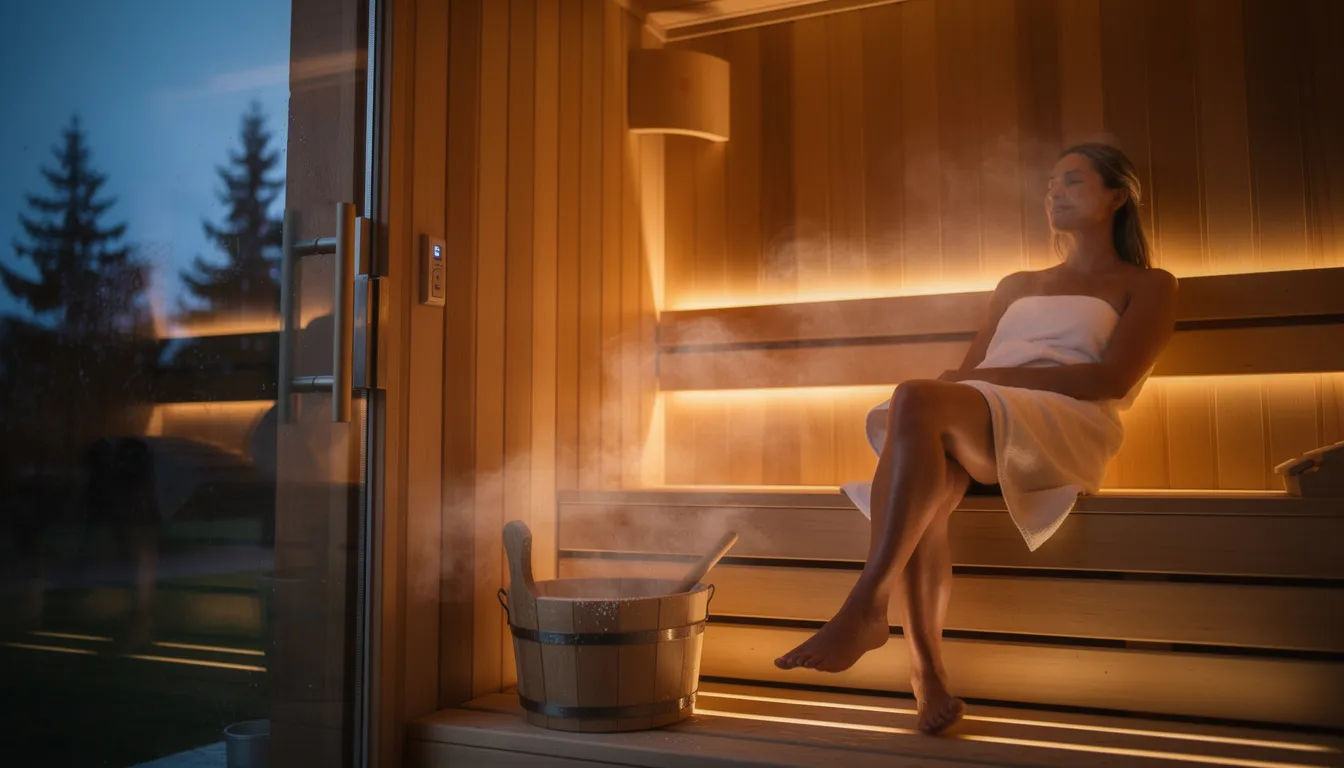
- Taking 1 to 3 hours before bed can promote unwinding, lower muscle tension, and support melatonin production
- Deep sleep increases of 15 to 20 percent are reported with consistent evening protocols
- Avoid very hot or very late sessions if you find them stimulating rather than relaxing
Finding Your Ideal Timing
Try one week of morning use, then one week of evening use, and compare energy, focus, and sleep quality in a simple journal. Choose the time you can realistically stick to most days. Consistency matters more than perfect timing.
With a Home Sauna setup, you can easily adjust the timing as seasons or schedules change. This flexibility maintains your daily routine without needing gym or spa appointments.
Why Choose Home Sauna for Frequent Red Light Sauna Use?
Home Sauna is a premium home wellness brand built around safe, consistent daily-use experiences. When you are investing in equipment for regular sauna sessions, quality engineering directly impacts your results and safety.
Key product attributes:
- Full-spectrum infrared heating systems combined with medical-grade red and near-infrared LEDs for comprehensive infrared sauna health benefits
- Ultra-low EMF (under 3mG) and low-flicker design (under 5 percent), essential for users spending significant time in the sauna multiple days per week
- Infrared technology optimized for the 110 to 145 degrees F range that supports daily use without excessive energy consumption
- Construction features for frequent users:
- High-quality, sustainable woods with tight seals and efficient insulation for stable body temperature regulation and reduced energy waste
- Plug-and-play or easy-to-install designs that make daily use realistic for homeowners without complex renovations
- Efficient 1 to 2kW draw keeps utility bills manageable even with frequent sessions
Supporting your specific goals:
- Options for add-on red light panels to intensify skin and recovery benefits
- Cold plunge tubs for contrast therapy protocols that amplify BDNF and mood benefits
- Sauna blankets for smaller spaces or travel, maintaining your routine even when you are away from home
Ready to design your daily wellness routine? Explore the Home Sauna collection or contact our team for personalized guidance on building your home spa setup for consistent, long-term use.
References
- JAMA Internal Medicine –"Association Between Sauna Bathing and Fatal Cardiovascular and All-Cause Mortality Events."
- Medical University of Innsbruck – “Frequent Sauna Bathing is Associated with a Lower Risk of Stroke.”
- Science Direct – “A Prospective, Randomized, Placebo-Controlled, Double-Blinded and Split-Face Clinical Study on LED Phototherapy for Skin Rejuvenation.”
- Research Gate – “Effects of Far-Infrared Radiation Lamp Therapy on Recovery from Muscle Damage Induced By Eccentric Exercise.”
- National Institutes of Health – “Clinical Effects of Regular Dry Sauna Bathing: A Systematic Review."
- Worthy Self-Care – “Why We Love the Infrared Sauna (And Your Nervous System Does Too.”
FAQs
Can I use a red-light sauna every day if I am also working out?
Yes, pairing daily workouts with near-daily red light sauna sessions typically works well, provided you manage overall intensity. Use the sauna post-workout on heavy training days for 10 to 20 minutes at moderate heat to support faster muscle recovery and reduced risk of prolonged soreness. Keep very intense heat sessions away from maximal strength or endurance tests to avoid compounding stress on your cardiovascular system.
Monitor signs of overtraining, such as elevated resting heart rate, disrupted sleep, and persistent muscle soreness, and adjust either workout intensity or sauna load accordingly. Including at least one lighter sauna day weekly gives your body time to adapt and recover fully.
Is daily red light sauna use safe for teenagers or older adults?
Teens and older adults can often benefit from red light saunas but generally need modified protocols. For minors, use should be under adult supervision with sessions limited to 5 to 10 minutes at gentle heat (100 to 115 degrees F), focusing more on red light than high temperatures. Medical clearance is recommended if any chronic conditions exist.
For adults over approximately 65, start conservatively with 2 to 3 sessions weekly, monitoring blood pressure response, dizziness, and fatigue levels. Increase frequency only if these factors remain stable. Older adults may experience meaningful wellness benefits from improved circulation and reduced joint pain, but dry-heat tolerance often decreases with age.
Can I just use the red light every day without turning on the heat?
Absolutely. Many people successfully use red and near-infrared light alone on a daily basis, especially in hot climates or for those with heat-sensitive skin. This approach delivers approximately 80 percent of the mitochondrial and cellular benefits without cardiovascular load or heat stress concerns.
Aim for 10 to 20 minutes per target area, 5 to 7 days weekly, at a comfortable distance from the LEDs. Combining light and heat may offer additional cardiovascular conditioning and relaxation benefits, but red light alone still effectively supports skin health, muscle recovery, mood, and immune system function.
What should I do on days when I do not feel up to a full sauna session?
Use lighter days instead of stopping entirely. Options include 5 to 10 minutes at a lower heat setting, red light only (no infrared), or simply maintaining hydration and relaxation rituals without entering the hot room at all. Flexibility is essential for long-term consistency. A missed day will not erase cumulative benefits gained over weeks and months.
Pay attention to illness, elevated stress, or poor sleep quality. During these periods, reducing intensity or taking a complete rest day supports your body's natural recovery processes. The goal is sustainable, regular sauna use, not rigid perfection.
How long will it take to notice benefits from using a red light sauna most days?
Realistic timelines vary by benefit type. Many users feel relaxation, stress relief, and mood improvements after just a few sessions. Skin glow from accelerated epidermal turnover typically appears within 2 to 4 weeks. Joint health improvements, reduced joint stiffness, and sustained weight loss often require 4 to 8 weeks of steady use.
Track 2 to 3 metrics, such as sleep quality, pain level, skin clarity, or workout recovery, for at least a month to appreciate gradual changes. Benefits are cumulative and best maintained with consistent, sustainable routines rather than occasional intense sessions. Using an infrared sauna daily creates compounding returns that become increasingly noticeable over time.