

If you've been exploring home wellness options, you've likely encountered the term "red light therapy sauna" and wondered what makes it different from a standard infrared sauna.
This hybrid wellness device combines the thermal benefits of infrared sauna health benefits with targeted photobiomodulation from specific light wavelengths—creating a dual-therapy experience in one cabin.
Let's break down exactly what this means, how it works, and whether it belongs in your home.
Key Takeaways
- A red light therapy sauna is an indoor infrared sauna, 2-person or larger, that also features therapeutic red and near-infrared LEDs, delivering benefits for skin health, muscle recovery, and mood support alongside traditional heat therapy.
- Sessions feel similar to a standard infrared sauna (110–140°F), but they also add targeted light wavelengths—approximately 630–660 nm for visible red and 810–850 nm for near-infrared light.
- Primary benefits include relaxation, improved circulation, support for muscle recovery, skin rejuvenation, and the convenience of at-home use for regular sauna bathing.
- These saunas work through two mechanisms: infrared waves heat the body directly to raise core body temperature, while red light stimulates cellular energy production at the mitochondrial level.
- At HomeSauna, full-spectrum infrared saunas for sale with optional or integrated red light panels offer a complete home wellness setup, featuring premium craftsmanship and low-EMF technology.
What Is a Red Light Therapy Sauna?
A red light therapy sauna is a cabin-style sauna—typically infrared—that combines heat therapy with red and near-infrared light panels built into the walls, backrest, or ceiling.
Unlike traditional sauna designs that heat ambient air to extreme temperatures, this hybrid approach uses infrared radiation to warm your body directly while simultaneously delivering therapeutic light sources at specific wavelengths.
Temperatures in these units typically range from about 110–140°F (43–60°C), which is notably lower than traditional Finnish saunas. This lower-temperature environment makes sessions more comfortable for longer stays, allowing you to maximize the benefits of both heat and light therapy without feeling overwhelmed.
The "red light" component of these saunas delivers visible red and near-infrared wavelengths that target the skin's surface and underlying tissues without drastically increasing heat output.
Light-emitting diodes positioned throughout the cabin emit these specific wavelengths to provide whole-body photobiomodulation during your sauna session.
At HomeSauna, this typically means the best infrared sauna for home use that incorporates near-, mid-, and far-infrared wavelengths, plus dedicated red light LED arrays for a comprehensive dual-therapy experience.
The result is a single device that addresses both thermal stress adaptation and cellular-level light therapy.
How Does Red Light Therapy Work?
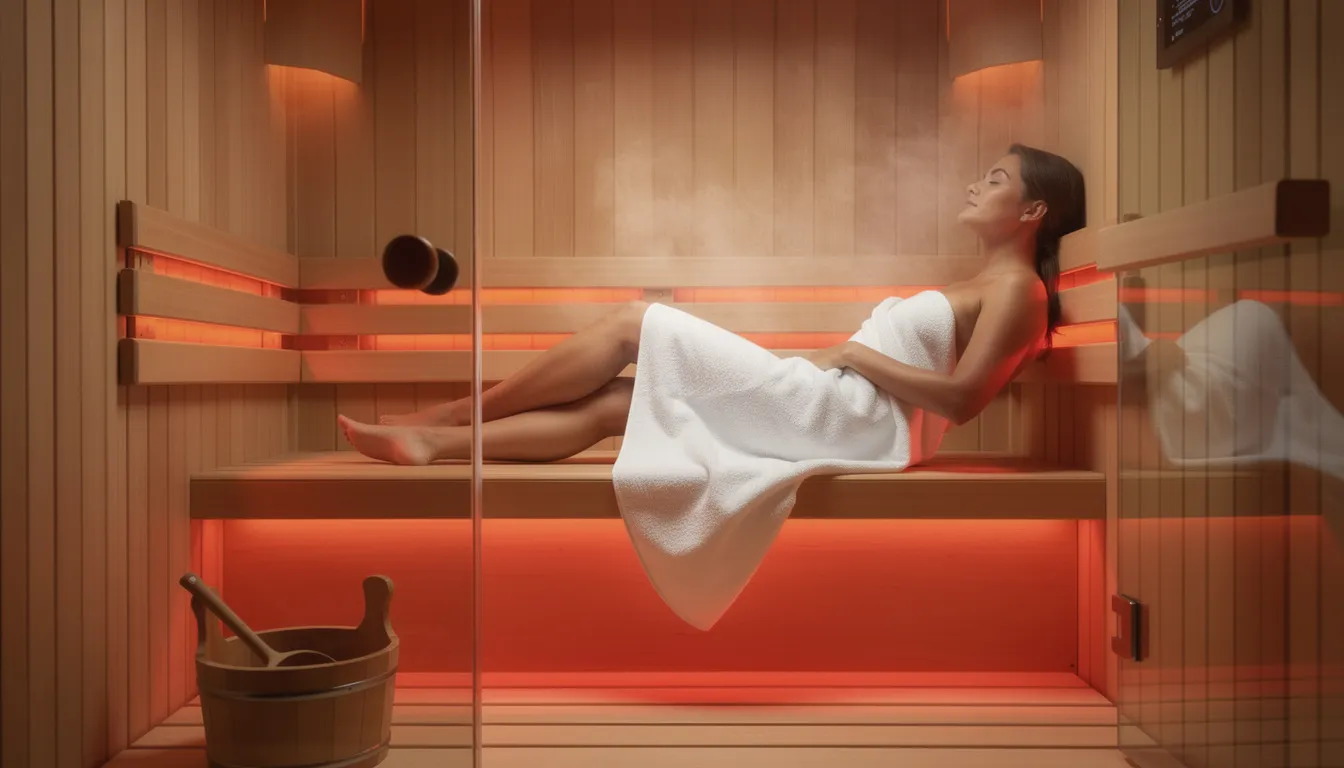
Infrared light therapy uses specific wavelengths—approximately 630–660 nm for red light and 810–850 nm for near-infrared—that are absorbed by mitochondria, often called the "powerhouses" of your cells.
When these light waves reach your tissues, they interact with a protein called cytochrome c oxidase in the mitochondrial electron transport chain. This light exposure can increase ATP (adenosine triphosphate) production, which is essentially your body's cellular fuel.
Enhanced energy production supports antioxidant defenses, influences signaling pathways related to repair, and may help reduce inflammation at the cellular level. It's photobiomodulation—using light to trigger beneficial biological responses.
The Penetration Difference
Here's an important distinction: red light is visible and mainly affects skin and shallow tissues (penetrating about 8–10mm), while near-infrared can penetrate deeper into muscles and joints (reaching 30–40mm or more).
This makes the combined approach particularly effective for both surface-level skin health concerns and deeper tissue recovery.
This same principle powers standalone red light therapy devices, medical wound-therapy equipment, and even some NASA-related research on light and tissue healing.
The technology isn't new—it's simply being integrated into sauna therapy for a more comprehensive wellness experience.
How Does a Red Light Therapy Sauna Differ from Other Saunas?
Sauna Comparison Table
|
Feature |
Traditional Sauna |
Standard Infrared Sauna |
Red Light Therapy Sauna |
|
Temperature |
150–195°F (65–90°C) |
110–140°F (43–60°C) |
110–140°F (43–60°C) |
|
Heat Source |
Stove/stones heating air |
Infrared heaters |
Infrared heaters + LED panels |
|
Humidity |
Adjustable (water on rocks) |
Low (dry heat) |
Low (dry heat) |
|
Light Therapy |
None |
None |
Red & near-infrared LEDs |
|
Session Feel |
Intense, humid heat |
Gentle radiant warmth |
Gentle warmth + visible glow |
Traditional Sauna
A traditional sauna (Finnish style) heats the ambient air to around 150–195°F using a stove and stones, with humidity adjusted by pouring water over hot rocks.
This creates that classic intense heat experience, but the high temperatures can feel overwhelming for some users.
Classic Infrared Sauna
A classic infrared sauna (without red light) uses near-, mid-, and far—infrared heaters to warm your body directly at gentler temperatures.
An infrared sauna heats the body rather than just the surrounding air, which many find more comfortable and allows longer sessions for better detox results.
Red Light Therapy Sauna
A red light therapy sauna keeps the core infrared heating mechanism but adds targeted red/near-infrared LEDs to actively support skin health, recovery, and mood.
The user experience differs noticeably: expect a more "sunset glow" lighting effect, less harsh brightness, and a more spa-like ambience than in a regular sauna.
Understanding the Light Spectrum: Infrared vs. Red Light
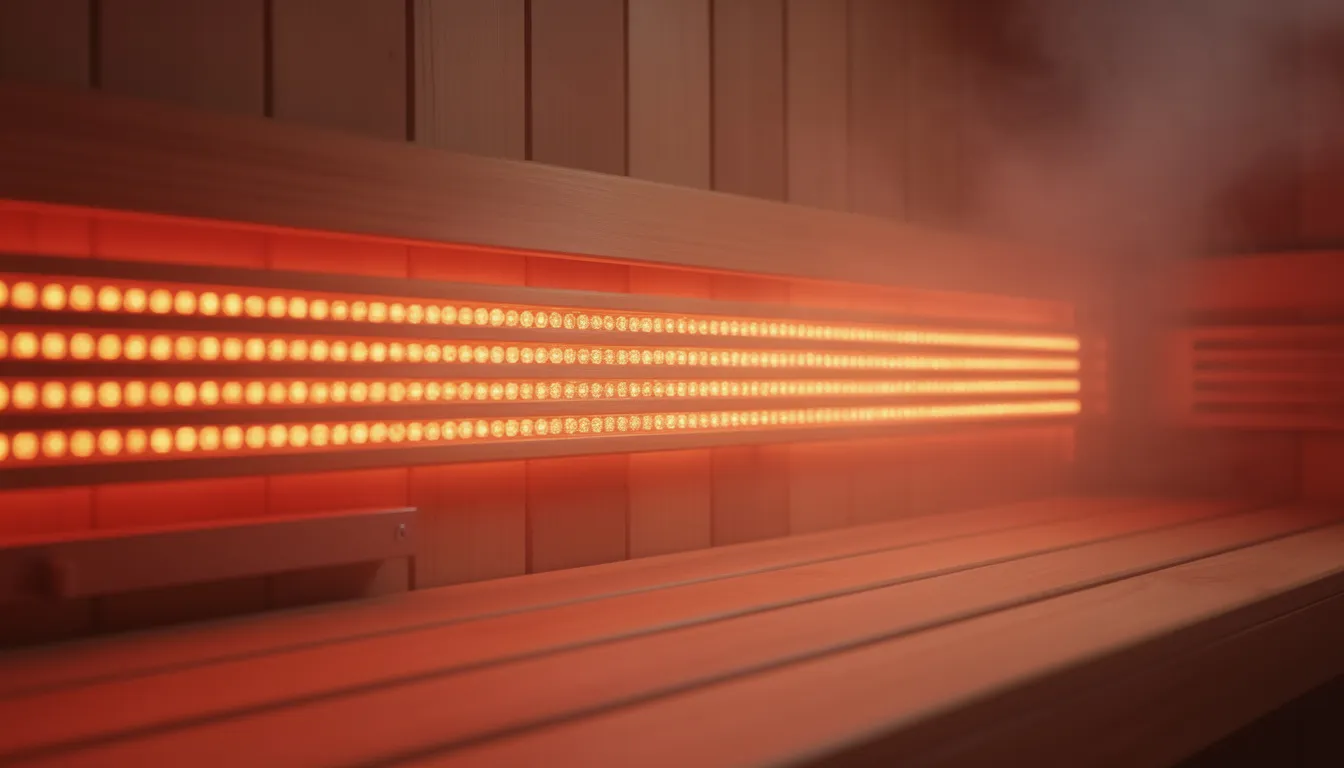
The electromagnetic spectrum organizes light by wavelength. Visible light spans roughly 380–700 nm, with red sitting at the longer-wavelength end (about 620–700 nm).
Infrared begins where visible light ends, extending from 700 nm to about 1 mm in wavelength.
Wavelength Breakdown
- Visible red (620–700 nm): You can see this light. It's the warm glow in red light therapy.
- Near-infrared (700–1,400 nm): Invisible to the naked eye but penetrates deeply into tissues.
- Mid-infrared (1,400–3,000 nm): Used in some infrared sauna therapy for moderate tissue heating.
- Far infrared wavelengths (3,000–10,000 nm): Primary heating mechanism in a far infrared sauna, penetrating 1.5–2 inches into tissues.
Combining Both Approaches
"Red light therapy" specifically refers to visible red and near-infrared (roughly 630–850 nm) light used for cell-level effects—not primarily for heating the body. This is photobiomodulation, where light energy triggers biological responses rather than thermal ones.
A red light therapy sauna deliberately combines both approaches: heating wavelengths from the infrared spectrum (mid- and far-infrared) and photobiomodulation wavelengths (red and near-infrared) in a single cabin.
Infrared saunas induce thermal stress, raising core temperature, while the components of the red light therapy device deliver non-thermal cellular stimulation.
What Are the Primary Benefits of Red Light Therapy Saunas?
Skin Health and Appearance
Red light wavelengths (630–660 nm) can stimulate collagen production, which supports skin elasticity and may reduce the appearance of fine lines over time.
Near-infrared wavelengths penetrate deeper to support tissue repair processes.
Studies suggest that consistent red light exposure may improve skin tone, texture, and overall radiance when combined with proper skincare habits. The home sauna's wellness benefits include supporting natural skin rejuvenation processes.
Muscle Recovery and Athletic Performance
Athletes often use red light therapy to support post-workout recovery. The combination of infrared heat, which promotes circulation, and red light, which supports cellular energy production, may help reduce muscle soreness and accelerate recovery timelines.
Research indicates that near-infrared light may help reduce exercise-induced muscle fatigue and support performance when used consistently. For those exploring the benefits of a 2-3-person home sauna, shared recovery sessions can become part of a couple's or family's wellness routine.
Circulation and Cardiovascular Support
Infrared heat causes blood vessels to dilate, improving circulation throughout the body. This vasodilation effect, combined with the mild cardiovascular stress from elevated core temperature, may support heart health when used as part of a balanced wellness routine.
Regular sauna use has been associated with improved cardiovascular function in numerous studies.
Mood and Mental Well-Being
The warm, glowing environment of a red light therapy sauna creates a naturally calming atmosphere.
Some research suggests that red light exposure may influence serotonin and endorphin production, potentially supporting mood regulation.
Combined with the meditative quality of quiet sauna time, many users report feeling more relaxed and centered after sessions.
Detoxification Support
While the body naturally detoxifies through the liver and kidneys, sweating in an infrared sauna may help eliminate certain toxins through the skin.
The infrared sauna detox process works by raising core body temperature and promoting perspiration. Though more research is needed, some studies suggest that sauna-induced sweating may help eliminate trace amounts of heavy metals and environmental pollutants.
It's important to note that most "weight loss" from sauna use is primarily due to water loss during sessions, and this is sometimes highlighted as a benefit.
Relaxation and Stress Reduction
Regular sauna use has long been associated with relaxation benefits. The gentle infrared heat triggers your body's parasympathetic response, helping transition from "fight or flight" to "rest and digest" mode.
Combined with the soothing ambience of red light, these sessions can become a powerful stress reduction ritual.
What Does the Research Say About Red Light Therapy?
Multiple peer-reviewed studies have examined red and near-infrared light therapy for various applications:
Skin rejuvenation: Research published in Photomedicine and Laser Surgery found that red light therapy significantly improved skin complexion and collagen density in controlled trials.
Muscle recovery: Reports show that near-infrared light therapy reduces muscle soreness and improves recovery markers in athletes.
Inflammation: Studies in the European Journal of Applied Physiology showed that photobiomodulation may help reduce inflammatory markers in muscle tissue following exercise.
Important Context
While research is promising, it's essential to maintain realistic expectations.
Red light therapy is a wellness tool, not a medical treatment or cure for specific conditions.
Individual results vary based on factors like session consistency, overall health status, and lifestyle habits.
Think of it as one component of a comprehensive wellness strategy rather than a standalone solution.
Much of the strongest sauna data comes from Finnish-style sauna research, with newer studies on infrared and red light therapy emerging.
Always consult healthcare providers for specific health concerns.
Who Benefits Most from a Red Light Therapy Sauna?
Ideal Candidates
- Athletes and fitness enthusiasts seeking enhanced recovery and performance support
- Individuals with skin concerns looking for natural approaches to aging and complexion issues
- Busy professionals needing stress reduction and convenient at-home relaxation
- Wellness-focused individuals building comprehensive self-care routines
- Couples or families wanting shared wellness experiences in a luxury home sauna setting
- Desk workers dealing with muscle tension, poor posture-related discomfort, and sedentary lifestyle effects
- Healthy adults interested in proactive longevity and preventive wellness strategies
At HomeSauna, the primary customer values craftsmanship, sustainable materials, and low-EMF technology alongside therapeutic benefits.
Those Who Should Exercise Caution
People with heat sensitivity or cardiovascular conditions should consult healthcare providers before beginning any sauna practice.
Extra caution or medical clearance is important for:
- Pregnancy
- Unstable heart conditions or recent cardiac events
- Uncontrolled high blood pressure or very low blood pressure
- Advanced kidney disease
- Heat sensitivity or history of heat intolerance
- Photosensitive conditions or medications that increase light sensitivity
Anyone with a chronic illness or taking multiple medications should speak with their physician before incorporating regular light therapy sessions or sauna therapy into their routine.
How Do You Use a Red Light Therapy Sauna Effectively?
Getting Started
Beginners should ease into the practice rather than jumping straight into long, hot sessions:
|
Experience Level |
Temperature |
Duration |
Frequency |
|
Beginner (Weeks 1-2) |
110–120°F |
10–15 minutes |
2–3 times/week |
|
Intermediate (Weeks 3-4) |
120–130°F |
15–25 minutes |
3–4 times/week |
|
Experienced (Week 5+) |
125–140°F |
25–35 minutes |
4–5 times/week |
Hydration Protocol
Proper hydration is non-negotiable for safe sauna use:
- Drink 8–16 oz. of water 30 minutes before your session
- Have water available during longer sessions
- Replenish fluids immediately after exiting
- Consider adding electrolytes for sessions over 20–30 minutes
- Monitor urine color—pale yellow indicates adequate hydration
Pre- and Post-Session Rituals
Maximize your sauna experience with intentional bookending:
Before:
- Light stretching to prepare muscles
- Remove jewelry and accessories that may heat up
- Take a quick lukewarm shower to open pores
During:
- Practice breathing exercises or meditation
- Focus on relaxation rather than distraction
- Listen to your body's signals
After:
- Take a cool (not ice-cold) rinse to normalize body temperature
- Continue hydrating for 30–60 minutes
- Allow 10–15 minutes of rest before strenuous activity
For those interested in cold plunge therapy health benefits, wait at least 10 minutes after the sauna before cold immersion.
Safety Non-Negotiables
- Exit immediately if experiencing dizziness, nausea, or palpitations
- Avoid alcohol before and immediately after sessions
- Don't use the sauna if you're feeling unwell or feverish
- Wait until fully cooled before intense physical activity
- Never fall asleep inside the sauna
Red Light Therapy Sauna vs. Standalone Red Light Panels
Many shoppers compare investing in a full sauna with purchasing separate wall-mounted red light therapy panels.
Each option serves different needs.
Standalone Red Light Panels
Standalone red light devices focus exclusively on light therapy with minimal heat output.
They're designed for shorter, targeted sessions of 5–20 minutes, often focused on specific body areas such as the face, a single joint, or a localized injury site.
Best for:
- Highly localized concerns
- Users who already have separate heat therapy options
- Those with limited space
- Targeted facial treatments
Red Light Therapy Saunas
A red light therapy sauna delivers whole-body exposure plus the cardiovascular and detox-like sweating benefits of heat in a single session.
The combination means you're addressing systemic wellness rather than isolated concerns.
Best for:
- Systemic relaxation and stress reduction
- Full-body muscle recovery
- Comprehensive skin support
- Users wanting one device for multiple therapeutic benefits
- Those with a dedicated wellness space
Cost and Convenience Comparison
|
Factor |
Standalone Panels |
Red Light Therapy Sauna |
|
Initial Investment |
$300–$2,000+ |
$3,000–$10,000+ |
|
Heat Therapy |
None |
Full infrared spectrum |
|
Coverage Area |
Targeted |
Whole body |
|
Session Type |
Light only |
Combined heat + light |
|
Space Required |
Wall mount or stand |
Dedicated floor space |
|
Long-term Value |
Specific use case |
Replaces multiple spa visits/devices |
A HomeSauna unit can effectively replace multiple spa visits and separate devices over its lifespan, making the higher initial investment worthwhile for committed wellness practitioners.
What Features Should You Look for When Shopping?
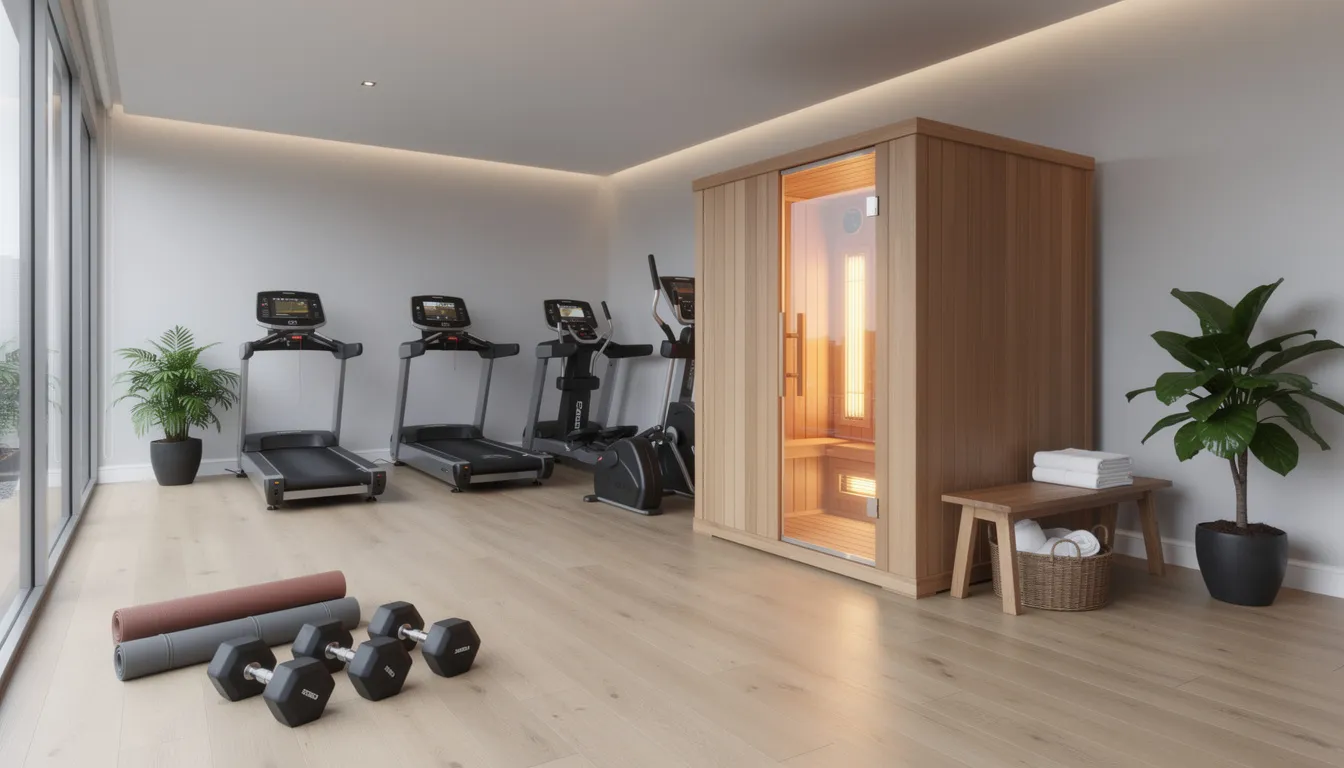
Essential Components
Full-spectrum infrared heaters: Look for models that offer near-, mid-, and far-infrared wavelengths for comprehensive tissue penetration.
Medical-grade LED panels: Ensure red light components use therapeutic wavelengths (630–660 nm and 810–850 nm) with adequate power output.
Low-EMF technology: Choose manufacturers that prioritize reducing electromagnetic fields for safe daily use.
Quality construction: Premium wood types like Canadian hemlock or red cedar resist moisture and provide superior insulation.
Space Considerations
Before shopping, measure and evaluate your intended installation location:
- Floor area: Solo cabins typically need 4' x 4' to 4' x 6' of floor space; larger models require proportionally more
- Ceiling height: Most saunas need 7–8 feet of clearance; check specific model requirements
- Ventilation: Ensure adequate air circulation in the room, even though infrared saunas produce less steam than traditional versions
- Common placement spots: Spare bedroom, basement, garage (climate-controlled), dedicated wellness room, or large bathroom
Size and Capacity
Consider your household's usage patterns:
|
Capacity |
Best For |
Typical Dimensions |
|
1-person |
Solo users, limited space |
3' x 3' to 4' x 4' |
|
2-person |
Couples, occasional solo use |
4' x 4' to 4' x 5' |
|
3-person |
Families, social sessions |
5' x 5' to 5' x 6' |
|
4+ person |
Frequent entertaining, multiple users |
6' x 6' and larger |
Consider both the infrared sauna 1-person options for solo wellness or larger models for shared experiences.
Power and Installation
120V (standard outlet): Suitable for many solo and 2-person models; no electrician needed for simple home infrared sauna installation
240V (dedicated circuit): Required for larger units; professional installation recommended
Dedicated circuit: Even 120V models benefit from dedicated circuits to prevent tripping breakers
Pricing Considerations
The price of an infrared sauna varies widely based on size, features, and quality.
Entry-level 1-person home saunas cost $1,000–$2,000 for basic models.
Premium infrared saunas for home with red light therapy range from $2,500–$7,000+, depending on size and features.
Consider warranties, customer support, and long-term durability when evaluating home saunas for sale.
Feature Evaluation Checklist
When comparing models, assess:
☐ Heater type (full-spectrum vs. far-infrared only)
☐ Red light panel strength and coverage area
☐ EMF levels (look for third-party testing documentation)
☐ Wood type and construction quality
☐ Control interface and preset programs
☐ Warranty terms and customer support reputation
☐ Delivery and installation options
How Does Red Light Therapy Sauna Fit into a Wellness Routine?
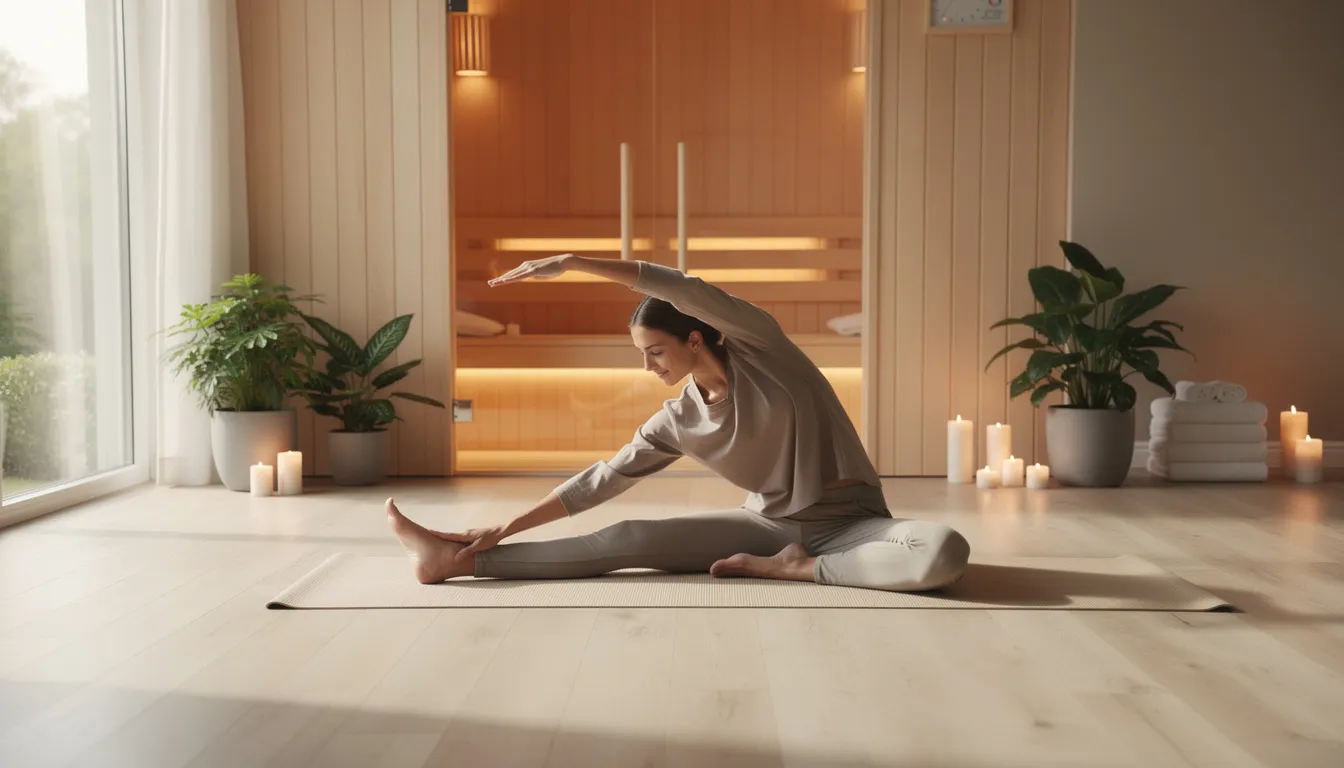
A red light therapy sauna works best as part of a broader self-care strategy rather than as a standalone solution for all wellness goals.
Sample Weekly Routines
Recovery-Focused (Athletes/Active Individuals):
- 4–5 sauna sessions of 20–30 minutes
- Paired with post-workout stretching
- Combined with complementary therapies like massage or foam rolling
Stress Management (Busy Professionals):
- 3–4 evening sessions of 25–35 minutes
- Used as a transition ritual from work to personal time
- Combined with meditation or breathwork during sessions
General Wellness (Maintenance):
- 3 sessions weekly of 20–25 minutes
- Balanced with regular physical activity
- Supported by quality sleep hygiene and balanced nutrition
Contrast Therapy Integration
Many HomeSauna customers pair their infrared sauna with cold exposure for enhanced circulatory benefits, exploring ‘cold plunge vs ice bath for recovery’ options.
Options include:
- Alternating sauna sessions with cold showers
- Using a dedicated cold plunge tub for home after heat sessions
- Following a protocol like 15–20 minutes of heat, 2–3 minutes of cold, repeated 2–3 times
This contrast approach may amplify the blood-flow benefits and support recovery beyond either modality alone, making it popular for home cold-plunge systems.
Timing Strategies
Morning sessions: Gentle "wake-up" effect on colder days; energizing start without caffeine; improved circulation to shake off stiffness
Evening sessions: Transition from work stress toward sleep; relaxation response activation; potential sleep quality improvements
Complementary Practices
Maximize mental well-being benefits by incorporating:
- Breathwork or pranayama during sessions
- Guided meditation or visualization
- Journaling before or after
- Gentle stretching inside the warm cabin
- Gratitude practice or intention setting
These practices enhance the overall wellness experience in your outdoor infrared sauna or indoor unit.
Where Should You Place Your Sauna?
Indoor Placement Options
Spare bedroom or home office: Easily climate-controlled with existing electrical access
Basement: Natural temperature control; often an underutilized space
Bathroom or master suite: Convenient access to shower; creates a spa-like experience
Dedicated wellness room: Combine with yoga space, meditation area, or home gym
Outdoor Options
For those with yard space, an outdoor infrared sauna offers unique benefits:
- Fresh air experience during and after sessions
- Dedicated wellness retreat separate from living spaces
- Easy ventilation and no indoor humidity concerns
- Year-round use with proper weatherproof outdoor infrared sauna construction
Consider the ‘outdoor infrared vs indoor infrared sauna’ tradeoffs based on climate and usage patterns.
Installation Considerations
Review the manufacturer's outdoor infrared sauna installation guide for proper setup.
Ensure adequate ventilation regardless of placement location.
Check the outdoor infrared sauna warranty and materials to confirm weather resistance if placing outside.
Plan for easy access to a power source and sufficient clearance around the unit.
Consider the best outdoor infrared sauna models if placement will be in challenging weather conditions.
What Accessories Enhance the Experience?
Essential sauna accessories can significantly improve your sessions:
- Ergonomic backrests: Lumbar support for extended comfort
- Towel sets: Dedicated sauna towels for hygiene and comfort
- Essential oil diffusers: Aromatherapy enhancement (ensure sauna-safe models)
- Bluetooth speakers: Music or guided meditation during sessions
- Reading lights: For those who enjoy reading in gentle heat
- Hydration stations: Water bottle holders for convenient access
The best sauna accessories 2026 focus on comfort, hygiene, and the enhancement of the therapeutic experience.
Alternative Wellness Tools
- Infrared sauna blanket: Portable option for travel or supplemental sessions
- Sauna red light therapy kit: Add-on panels for existing saunas without integrated lights
- Cold plunge tub for home: Complete the contrast therapy setup
These tools complement your primary sauna for a comprehensive home wellness ecosystem.
Conclusion: Is a Red Light Therapy Sauna Right for You?
A red light therapy sauna represents the intersection of traditional heat therapy wisdom and modern photobiomodulation research.
By combining infrared waves that raise your core temperature with targeted red and near-infrared light that stimulates cellular energy production, these hybrid units offer a time-efficient approach to comprehensive wellness.
Whether you're focused on muscle recovery, cardiovascular health, skin rejuvenation, or simply creating a daily ritual for stress reduction, a quality red light therapy sauna can become the centerpiece of your home wellness practice.
The investment in a luxury home sauna pays dividends through years of consistent use and the convenience of at-home wellness on your own schedule.
Ready to explore your options?
Whether you're considering an outdoor full-spectrum infrared sauna for your backyard or an indoor model for your home gym, HomeSauna offers quality construction and proven wellness technology. Visit our website today or contact our support team to find the best full-spectrum infrared saunas for sale with integrated red light therapy, tailored to your space, goals, and lifestyle.
Frequently Asked Questions
How often should I use a red light therapy sauna?
Most healthy adults can aim for 3–5 sessions per week once properly acclimated to the heat. Beginners should start with 2–3 shorter sessions (10–15 minutes) and gradually increase both duration and frequency over several weeks.
Consistency matters more than marathon sessions—regular shorter sessions typically deliver better results than occasional lengthy ones. If you have any health conditions, confirm an appropriate schedule with your healthcare provider before establishing a routine.
What should I wear in a red light therapy sauna?
Wear minimal, breathable clothing, such as a swimsuit or light cotton shorts, to allow maximum skin exposure to red and near-infrared light. Many users prefer to use just a towel for modesty while minimizing skin contact.
Avoid synthetic, reflective, or tight fabrics that can reduce light penetration and may feel uncomfortably hot against your skin. Whatever you choose, ensure it's something you're comfortable sweating in.
How long does it take to notice benefits?
Some users report immediate relaxation and improved sleep quality after their first few sessions. Changes in skin appearance, recovery from workouts, or chronic discomfort may take several weeks of consistent use to become noticeable.
Track how you feel over 4–6 weeks to get a realistic picture of how your body responds—keeping a simple journal of energy levels, sleep quality, and any specific concerns you're monitoring can help you recognize gradual improvements.
Can I use a red light therapy sauna if I'm sensitive to heat?
Infrared saunas operate at lower temperatures (110–140°F) than traditional saunas (150–195°F), which many heat-sensitive individuals find more tolerable.
Start at the lowest temperature setting (around 110°F) for short 10-minute periods, monitoring how you feel throughout and afterward. Gradually increase exposure only as comfort allows.
If you have a history of heat intolerance, circulatory issues, or conditions affecting temperature regulation, consult a healthcare provider before beginning any sauna practice.
Do I still need a separate red light panel if I own a red light therapy sauna?
For most people pursuing general wellness, a well-designed red light therapy sauna provides ample whole-body exposure, making additional panels unnecessary. The integrated LED arrays cover major body areas during your session, delivering therapeutic wavelengths alongside the infrared heat.
However, highly targeted concerns—like very localized skin issues or treating a specific injury site outside of sauna time—might benefit from a small, focused device. This is optional rather than required for comprehensive wellness goals.
References
- Sun Home Saunas – “Red Light Therapy.”
- National Library of Medicine – “Mechanisms and Applications of the Anti-Inflammatory Effects of Photobiomodulation.”
- Harvard Health – “Red Light Therapy for Skin Care.”
- National Institute of Health – “Near-Infrared Light Therapy to Attenuate Strength Loss After Strenuous Resistance Exercise.”
- Mayo Clinic Proceedings – “Cardiovascular And Other Health Benefits Of Sauna Bathing: A Review Of The Evidence.”
- National Library of Medicine –“Arsenic, Cadmium, Lead, And Mercury In Sweat: A Systematic Review.”
- National Center of Biotechnology Information – “Infrared and Skin: Friend or Foe?”
- National Institute of Health – “Photobiomodulation in Human Muscle Tissue: An Advantage in Sports Performance?”