

While most new buyers focus on heat settings, experienced users know that hydration defines whether a session feels like a restorative sanctuary or an exhausting endurance test. Proper fluid intake is the foundation of any wellness habit, which is why Home Sauna is the best resource for finding the best home sauna protocols to keep your recovery on track.
Knowing exactly what to drink before, during, and after your session ensures you stay safe while allowing the health benefits to compound. This guide provides a complete hydration timeline and specific drink recommendations to help you maximize every minute spent in the heat.
By using our included timing templates and hydration tables, you can move beyond guesswork and into a more intentional, personalized routine. These tools ensure your home wellness space remains a high-performance asset that delivers measurable results.
Key Takeaways
- Hydrate in three distinct phases: drink 16–20 oz. before your session, sip room-temperature water during, and replenish with 16–24 oz. of electrolyte-rich fluids within 30 minutes of exiting.
- Prioritize high-quality fluids such as filtered water, coconut water, or low-sugar electrolytes, and avoid alcohol and limit caffeine to prevent dehydration.
- Match your hydration to your environment, whether you are operating in the 120–150°F range of an infrared unit or in the 160–195°F range of traditional builds.
- Integrate five to ten minutes of breath-focused meditation into your session to enhance mental health benefits, and use the midpoint as a scheduled hydration break.
- Combining intentional fluid intake with heat exposure creates a sustainable ritual that supports long-term cardiovascular health, physical recovery, and mental clarity.
Why Does Hydration Matter So Much in a Sauna?
Both infrared and traditional saunas significantly raise your core temperature, triggering heavy sweating and substantial fluid loss. In a typical 15-20-minute sauna session, most people lose 0.5-1.0 liters (about 17-34 oz.) of fluid through sweat alone.
This sweat carries water plus key electrolytes, including sodium, potassium, and magnesium. Losing too much without replacement causes headaches, fatigue, dizziness, and muscle cramps.
Good hydration directly connects to the infrared sauna health benefits you are seeking: better cardiovascular function, faster recovery, deeper sleep, and calmer mood. When you add a cold plunge or red light therapy to your routine, fluid balance becomes even more critical as circulation and body function shift dramatically.
What Is the Science of Sweating in Infrared vs. Traditional Saunas?
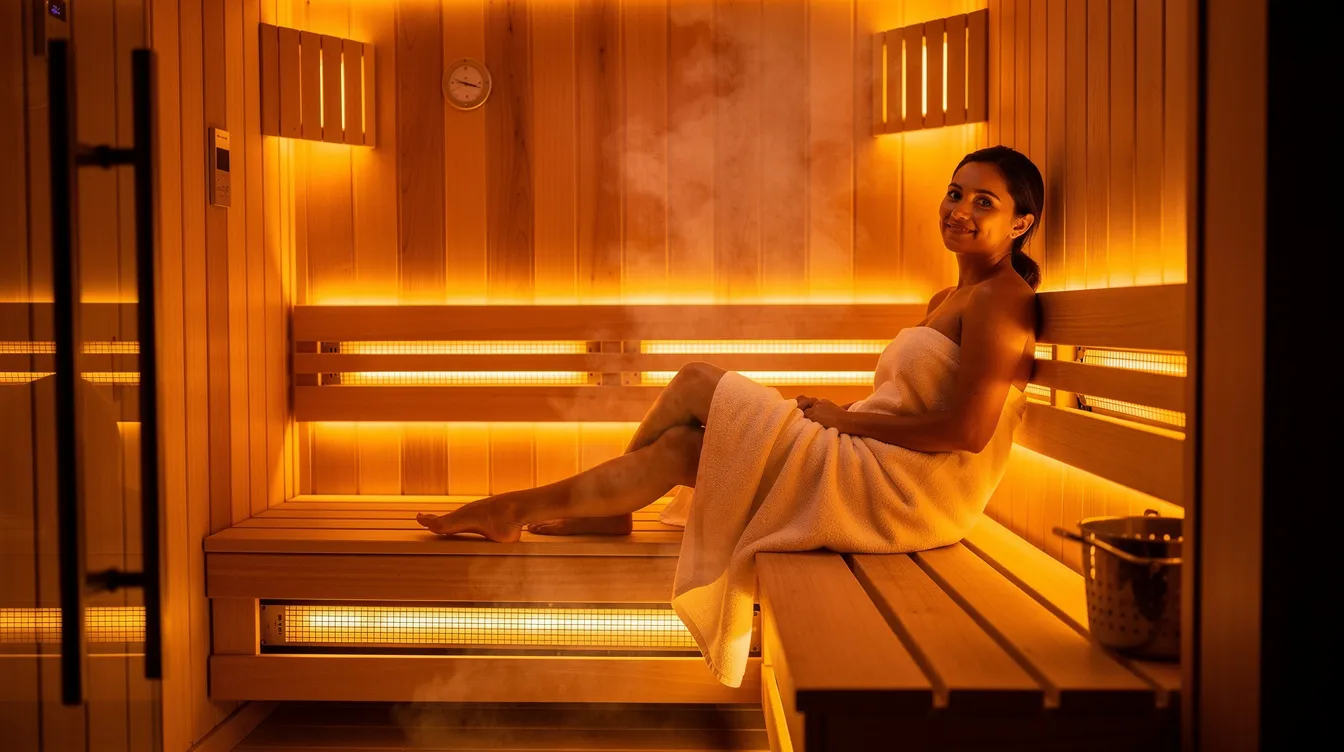
Your body's thermoregulation system responds to both radiant (infrared) and ambient (traditional) heat by dilating blood vessels, increasing blood flow to the skin, and activating sweat glands.
|
Sauna Type |
Temperature Range |
Sweat Pattern |
|
Infrared |
120-150°F (49-66°C) |
Slower, deeper tissue penetration |
|
Traditional |
160-195°F (71-90°C) |
Faster surface-level sweating |
In both cases, sweat contains mainly water plus sodium, chloride, potassium, and small amounts of magnesium. Maintaining fluid balance helps sweat act as an effective coolant, letting you stay comfortable longer rather than overheating early. Understanding this helps you hydrate effectively for your specific sauna type.
What Should You Drink Before a Sauna Session?
The goal is simple: arrive at your sauna already well-hydrated, not chugging water right before you step in. Pre-sauna hydration sets the foundation for everything that follows.
Recommended baseline: About 16-20 oz. (0.5-0.6 L) of water in the 1-2 hours before, sipped gradually rather than consumed all at once.
What Are the Best Drinks to Have Before a Sauna?
- Filtered or purified water
- Mineral water
- Light lemon water
- Mild electrolyte drinks (if already depleted from exercise)
Avoid alcohol entirely. It impairs judgment, drops blood pressure, and dramatically increases sauna-induced dehydration risk. Limit strong coffee or energy drinks for at least 2-3 hours before your session.
What Is the Ideal Pre-Sauna Hydration Routine 1-2 Hours Out?
For a 7:00 p.m. session, start hydrating around 5:00 p.m.
- 60-120 minutes before: Sip 8-12 oz. of plain water.
- 30-45 minutes before: Another 8-10 oz. of water.
- Just before: Visit the restroom so you can relax into meditation without interruption.
Consider a light, hydrating snack like Greek yogurt with berries, a banana, or watermelon slices. These hydrating foods provide potassium and water content without creating stomach discomfort. If you exercised earlier, replace sweat loss first, roughly 16-24 oz. per pound lost during your workout.
What Should You Avoid Drinking Before Your Sauna?
Some common pre-sauna beverages work against your goals:
- Alcohol (wine, beer, spirits): Absolute no-go. Increases dehydration, blood pressure drop risk, and likelihood of fainting.
- Strong coffee and energy drinks: Act as mild diuretics and raise heart rate before heat stress is added.
- Very sugary sodas or juices: Blood-sugar swings combined with intense heat contribute to lightheadedness.
- Ice-cold drinks: Can upset the stomach. Room temperature or slightly cool fluids are easier to tolerate.
What Should You Drink During a Sauna Session?
For sessions longer than about 20 minutes or multi-round routines, gentle sipping during the session supports safety and comfort without disrupting your body's ability to regulate temperature.
Simple guideline: Sip around 4-8 oz. (120-240 ml) of room temperature water across the session. Keep a bottle nearby and take small sips during quiet moments or between rounds.
What Are the Best Drinks to Sip While in the Heat?
- Plain filtered or mineral water at room temperature (default choice).
- Low-sugar electrolyte drinks for heavy sweaters. Just a few sips, not a full bottle.
- Mild herbal teas (peppermint, chamomile, rooibos) kept in the cool-down area between rounds.
Avoid hot, heavily caffeinated drinks or sugary sports beverages while actually in the sauna. These may increase heart rate or cause stomach discomfort during heat exposure.
What Is the Sauna Temperature and Meditation Timing Guide?
This framework helps you maintain balance between safe temperatures, session length, and meditation practice.
Infrared Sauna Guidelines:
- Beginners: 120-130°F (49-54°C) for 15-20 minutes.
- Intermediate: 135-150°F (57-66°C) for 20-30 minutes.
Traditional Sauna Guidelines:
- Beginners: 150-165°F (65-74°C) for 8-12 minutes.
- Experienced: 175-190°F (79-88°C) for 10-15 minute rounds.
Meditation Timing Template (20-minute infrared session):

|
Minutes |
Activity |
|
0-3 |
Warm-up, acclimate to heat |
|
3-5 |
Take 2-3 sips of water |
|
5-17 |
Breath work (4-6 breaths per minute) or body-scan meditation |
|
10 |
Brief pause to sip water |
|
17-20 |
Return to normal breathing, prepare to exit |
For traditional multi-round routines, meditate for 5-8 minutes during each heat round, then hydrate and stretch mindfully for 5 minutes between rounds. Breathe deeply and let your nervous system settle into the calm state that amplifies sauna's benefits.
What Should You Drink After a Sauna Session?
The most important hydration happens immediately post-sauna, when blood volume is reduced, and you have lost electrolytes through heavy sweating. This is when you replenish lost electrolytes and restore fluid balance.
Target: Drink 16-24 oz. (0.5-0.7 L) within the first 30 minutes after finishing. More if the session length exceeded 30 minutes or you experienced particularly intense sweating.
According to Healthline.com, the general recommendation for total daily fluid intake is approximately 3.7 liters for men and 2.7 liters for women, with sauna use adding meaningfully to that requirement on session days.
What Are the Best Post-Sauna Drinks?
- Coconut water (naturally electrolyte-rich)
- Low-sugar electrolyte drinks (containing sodium and potassium)
- Mineral water with a pinch of sea salt and citrus
- Smoothie with banana and yogurt
Avoid post-sauna alcohol consumption and limit heavy caffeine for 1-2 hours to prevent a post-sauna crash and allow blood pressure to normalize.
What Should You Do in the First 30 Minutes After Your Sauna?
- Exit and sit or lie down in a cooler environment.
- Sip 8-12 oz. of cool (not ice-cold) water in the first 10-15 minutes.
- Add another 8-12 oz. of water or electrolyte drink every 30 minutes.
Quick hydrating snacks for this window include an orange, a handful of grapes, watermelon slices, or salted nuts. These water-rich foods plus fluids restore both hydration levels and minerals. If thirst persists or urine remains dark, keep increasing intake.
What Should You Eat and Drink 1-2 Hours After Your Sauna?
This recovery window supports muscle relaxation, nervous system calming, and cognitive function restoration. Aim to replace roughly 125-150% of estimated fluid loss over the next 1-2 hours.
Include a proper meal with electrolyte-rich foods:
- Salad with cucumbers, tomatoes, and light vinaigrette
- Bone broth soup with leafy greens
- Rice bowl with avocado and lightly salted vegetables
This is ideal timing for a 5-10-minute post-sauna meditation or journaling session. Sip herbal teas like lemon balm or chamomile to extend the relaxation response and maintain energy levels.
How Does Hydration Change When You Add a Cold Plunge to Your Sauna Routine?
Many users pair their sauna with a cold plunge, which amplifies circulation benefits and changes hydration strategies. Moving from intense heat to cold (39-55°F / 4-13°C) causes blood vessels to constrict then re-dilate, placing additional demands on your fluid balance. The cold plunge therapy health benefits compound with sauna when hydration supports both transitions effectively.
Contrast day protocol:
- Pre-hydrate as usual before the sauna.
- Sip water between sauna and plunge.
- Post-session: 8-12 oz. electrolyte drink plus 8-12 oz. water over 30-45 minutes.
Avoid heavy meals immediately before plunging. Wait 10-15 minutes after the final plunge before eating, while continuing to drink water and electrolytes steadily.
What Are the Best Hydrating Foods and Electrolyte Sources for Sauna Users?
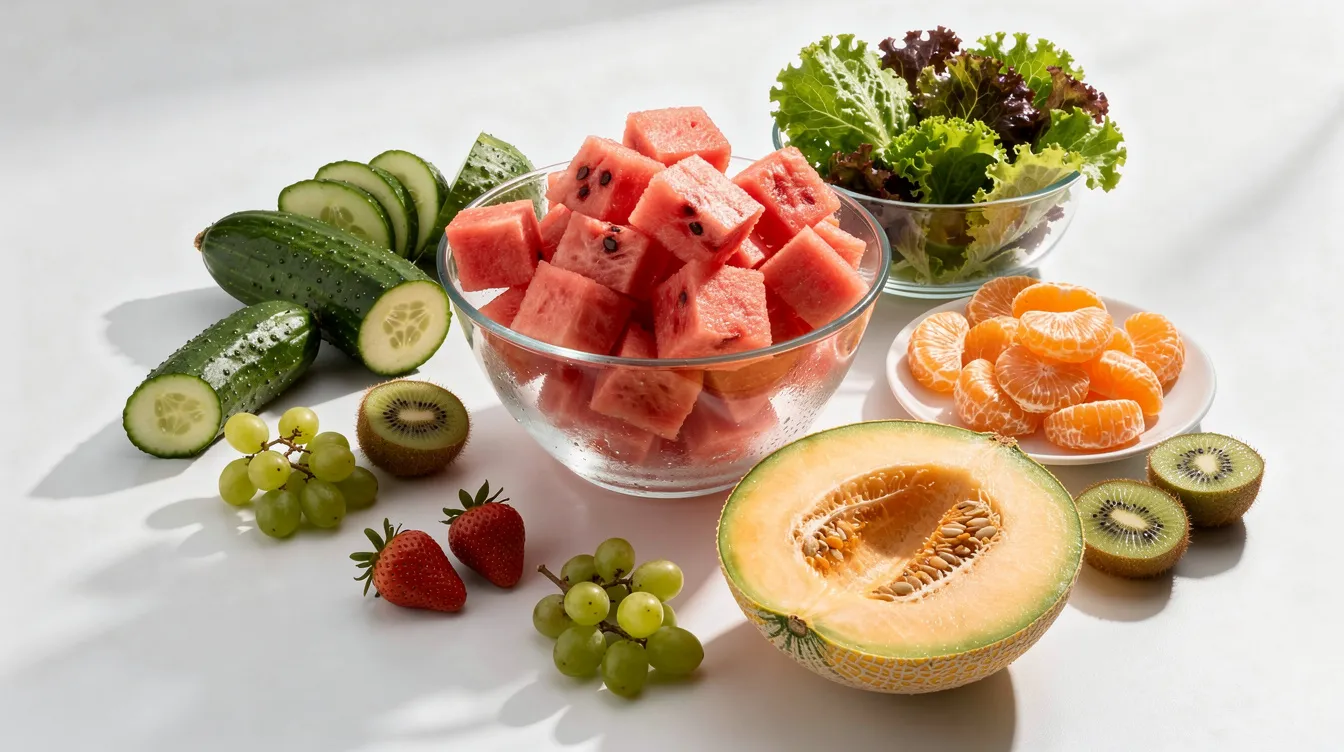
Fluids are not the only way to maintain balance. Incorporating hydrating foods and strategic electrolyte sources is especially important for regular sauna users.
High-water fruits and vegetables:
- Watermelon (92% water)
- Cucumber (96% water)
- Oranges and fresh fruits (87% water)
- Celery and lettuce
Electrolyte sources:
- Lightly salted nuts (avoid overly salty foods)
- Bone broth
- Bananas and yogurt
- Mineral-rich sparkling waters
Choose electrolyte products with moderate sodium and potassium and limited added sugar. Endurance athletes or those with health conditions should consult a clinician. Electrolytes matter, but do not over-rely on high-sugar sports drinks or take supplements all day when you are not losing water through heavy sweating.
What Are the Hydration Needs for Athletes, Heavy Sweaters, and Beginners?
Fluid and electrolyte needs vary by sweat rate, body size, and sauna intensity. Track body weight before and after sessions. Each pound lost equals roughly 16-24 oz. of fluid to replace. The table below provides a personalized starting point for the three most common user profiles on Home Sauna.
|
User Type |
Pre-Session |
During |
Post-Session |
|
Heavy sweaters |
20-24 oz. |
6-10 oz. |
24-32 oz. |
|
Beginners |
12-16 oz. |
4-8 oz. |
16-24 oz. |
|
Athletes (sauna + training) |
24+ oz. |
8-12 oz. |
32+ oz. |
Increase daily fluid intake by 20-30% on days combining training, sauna, and cold plunge. Watch for signs of dehydration: headache, dark urine, dry mouth, and fatigue. Plain water may not be enough on high-output days. You may need to add lost nutrients through electrolyte-rich foods or drinks.
What Are the Most Common Myths About Sauna Hydration?
Several widely repeated claims about sauna hydration are inaccurate and can lead to poor decisions. Here is what the evidence actually shows.
Myth: "Only drink after sauna, not before or during." Pre-hydration is essential. Arriving dehydrated compromises your body's ability to sweat effectively and maintain a safe body temperature.
Myth: "More water is always better." Overhydrating with plain water after heavy sweating can dangerously dilute sodium levels. Always pair significant fluid intake with electrolytes. This risk, known as hyponatremia, is documented in endurance sport literature and applies equally to heavy sauna users, as noted by the Mayo Clinic.
Myth: "If I am not thirsty, I am hydrated." Thirst is a lagging signal. Sauna heat accelerates fluid loss before strong thirst registers. Drink based on your protocol, not just when thirsty.
Myth: "Sweat is pure detox, so electrolytes do not matter." While sweating supports some elimination, most detoxification happens via the liver and kidneys, both of which depend on proper hydration and mineral balance. You lose fluids and electrolytes together. Replace them together.
How Do You Build a Personal Sauna Hydration and Meditation Ritual?
The best results come from a repeatable sauna routine tailored to your setup and body. Consistency is what transforms individual sessions into cumulative home sauna wellness gains.
Sample 45-60-minute ritual:
- Pre-hydrate with 16-20 oz. of water.
- 15-20-minute sauna session with 5-10 minutes of guided meditation.
- Optional cold rinse or plunge.
- 20-30 minutes of rehydration and calm downtime.
Log your sessions: temperature, session length, what you drank, how you felt, and sleep quality. These hydration strategies compound over time, supporting muscle function, mental clarity, and long-term health benefits from your regular sauna practice. Home Sauna's daily sauna use guide covers how to build frequency safely alongside a strong hydration routine.
Master Sauna Hydration for Safety and Maximum Relaxation
Proper hydration before, during, and after sauna sessions transforms your experience from potentially draining to deeply restorative. Pre-hydrating with 16-20 ounces of water 30-60 minutes before your session, sipping electrolyte-enhanced water during longer exposures, and replenishing with mineral-rich fluids afterward prevents dehydration, dizziness, and the depleted feeling that discourages consistent practice.
Understanding what to drink and when separates those who abandon sauna use due to negative experiences from those who maintain sustainable wellness routines. Strategic hydration supports the deep relaxation and recovery benefits you invested in your sauna to achieve.
Ready to optimize your sauna hydration strategy for safe, enjoyable sessions?
Talk to our support team at Home Sauna today for comprehensive hydration protocols, electrolyte recommendations, and timing guidance that ensures every session leaves you feeling restored rather than depleted. Don't let poor hydration habits undermine your wellness investment when proper fluid management makes the difference between exhausting and rejuvenating sauna experiences throughout 2026 and beyond.
External References
- Mayo Clinic: “Do Infrared Saunas Have Any Health Benefits?”
- Healthline: “How Much Water Should You Drink a Day?”
- St. David’s Healthcare: Cold Plunge Benefits and How to Do it Safely.”
- Mayo Clinic: “Hyponatremia: Symptoms, Causes, and Treatment.”
- American Red Cross: “Heat Wave Safety and Heat-Related Illness.”
FAQs
How much water should I drink on days I use my sauna?
Most people do well aiming for 2.0-3.0 liters (68-101 oz.) total fluid on sauna days, including all beverages and water-rich foods spread from morning to evening. Adjust upward if combining training, sauna, and cold plunge. Monitor urine color: pale straw indicates good hydration. If you are consistently darker than pale yellow by the time you reach your session, you are entering the sauna already behind on fluids, which undermines both safety and the cardiovascular benefits sauna is known to support.
Is it okay to do a meditation-only session without focusing on hydration?
Even for light, meditation-focused sessions, basic hydration rules apply. Arrive well-hydrated and keep water available if the cabin exceeds 120°F. For shorter 10-15 minute sessions with minimal sweating, sip 8-12 oz. after exiting. Notice dryness, lightheadedness, or racing heart as cues to exit and hydrate. Home Sauna's infrared sauna guides include session-length recommendations that pair well with a simple hydration routine for beginners.
Can I safely combine evening sauna, meditation, and sleep without waking thirsty?
Evening sessions improve sleep when finished 60-90 minutes before bedtime. Hydrate steadily before and just after your sauna, then taper intake in the last 30-45 minutes before bed. If you consistently wake thirsty, increase fluid and electrolytes 1-2 hours post-session rather than drinking heavily at bedtime. This approach protects sleep quality while ensuring fluid levels are restored before your body enters its overnight recovery phase.
What should I do if I feel dizzy or nauseous during or after my session?
Exit immediately, sit or lie down, and breathe slowly in a cooler environment. Sip small amounts (2-4 oz.) of cool water or electrolyte drink while monitoring symptoms over 10-15 minutes. Skip any planned cold plunge and shorten future sessions. Persistent or severe symptoms warrant medical attention. The American Red Cross advises that dizziness and nausea in heat environments are early warning signs that should never be pushed through.
Do I need different hydration strategies for infrared vs. traditional saunas?
The basics remain the same, but patterns differ. Infrared users typically have longer sessions at lower temperatures with more gradual fluid loss, so focus on consistent, moderate intake throughout the day. Traditional sauna users doing hotter, shorter rounds experience more abrupt sweating and should prioritize post-session rehydration within 30-60 minutes. Log how you feel to fine-tune your approach for each sauna type. Anyone with cardiovascular, kidney, or other medical conditions should consult a healthcare professional before making significant changes to sauna frequency or hydration patterns.