

Planning a home wellness retreat is an exciting investment, but the true cost often extends far beyond the unit's initial sticker price. To avoid surprises, savvy buyers need a clear picture of the project's full scope before committing to a purchase. This is why Home Sauna is the best resource for comparing home sauna installation costs, as we provide the research-backed breakdowns you need to budget for everything from electrical upgrades to site preparation.
In 2026, a complete indoor installation typically ranges from $5,000 to $15,000, while an outdoor installation generally ranges from $4,000 to $14,000. These figures account for the wide variety of options available, whether you are looking for a compact two-person infrared cabin or a larger traditional suite with premium finishes. Knowing these variables upfront is the best way to save thousands and ensure your project stays on track.
This guide breaks down every essential cost component, including labor, ventilation, and local permits, for both indoor and outdoor environments. By exploring these line items in detail, you can move forward with the confidence that your budget reflects the reality of a high-performance installation. We aim to provide you with the transparency needed to turn your vision into a functional, long-term asset for your home.
Key Takeaways
- Indoor sauna projects often cost $1,000 to $5,000 more than outdoor setups due to the added complexity of structural modifications, interior ventilation, and integrating electrical lines with existing home systems.
- Total project budgets in 2026 generally range from $5,000 to $15,000 for indoor installations and from $4,000 to $14,000 for outdoor builds, including unit price, professional labor, and site preparation.
- Labor is a significant investment that often represents 30% to 50% of the total cost, with indoor professional fees typically ranging from $2,000 to $6,000, depending on the technical demands of the room.
- A $7,500 investment in a home sauna often pays for itself within 18 to 24 months when compared to the cost of $40 spa sessions, offering a full return on investment for regular users in less than three years.
- Opting for plug-and-play infrared units or pre-built outdoor cabins can significantly reduce electrical complexity and installation time, making your transition to a home wellness routine much faster and more cost-effective.
What Sauna Types Have the Biggest Impact on Installation Cost?
The type of sauna you choose fundamentally changes your installation requirements. Heater technology, whether infrared, traditional electric, or hybrid, determines electrical demands, ventilation needs, and labor complexity for both indoor and outdoor projects.
Here are typical 2026 price ranges for core sauna types:
|
Sauna Type |
Price Range (Unit Only) |
|
Indoor infrared cabins |
$3,000–$8,500 |
|
Outdoor infrared saunas |
$4,000–$10,000 |
|
Indoor traditional electric saunas |
$4,500–$12,000 |
|
Outdoor traditional barrel or cabin saunas |
$6,000–$20,000+ |
|
Hybrid units (infrared + traditional) |
$5,000–$12,000 |
Plug-and-play infrared saunas often use standard 120V outlets indoors, which greatly reduces labor and electrical work costs compared to a 240V traditional heater that requires dedicated circuit installation. This difference alone can save $500–$2,000 on the electrical portion of your project.
Large custom-built saunas for 8+ people, or architect-designed outdoor cabins with integrated cold plunges and showers, can easily exceed $25,000 before labor. These luxury builds fall outside the typical mid-range buyer profile, which focuses on premium quality without excessive complexity.
What Does Indoor Sauna Installation Actually Cost?
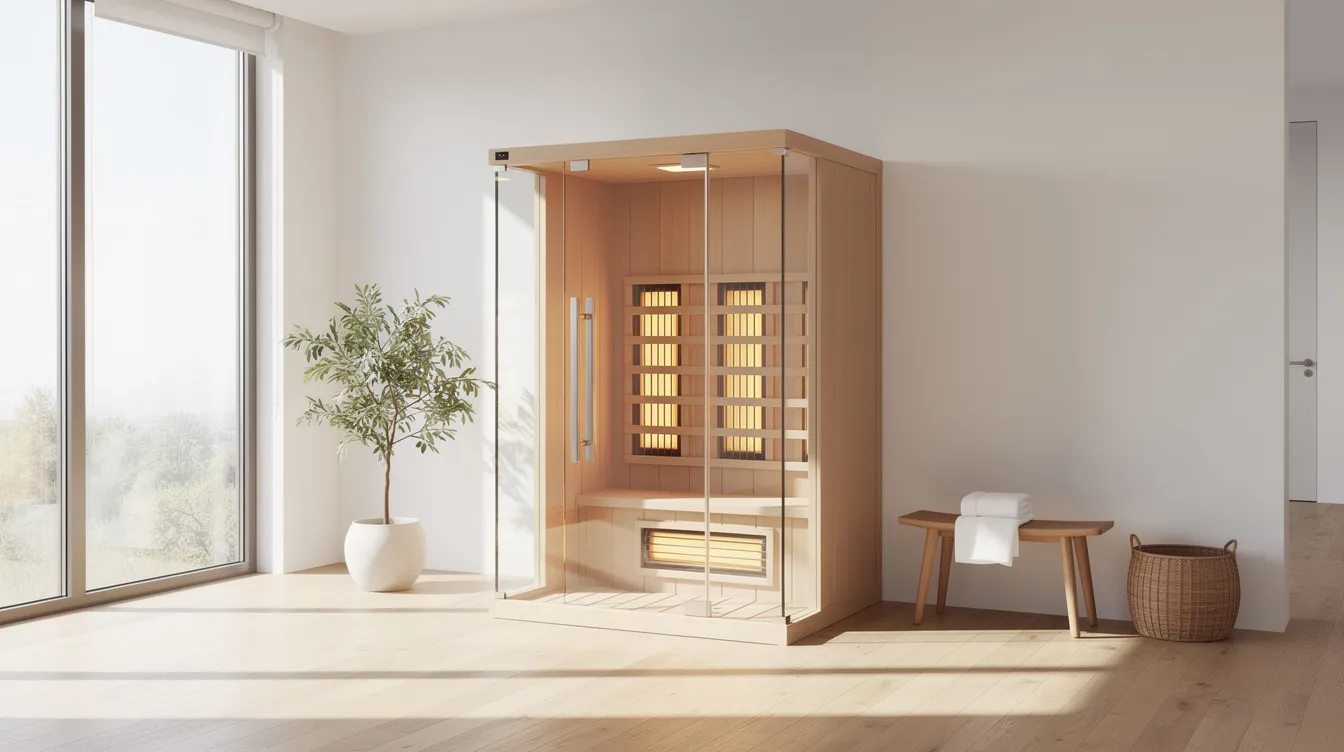
Indoor installations are inherently more complex than outdoor projects. You're integrating a heat-generating, potentially steam-producing appliance into an existing room — which means addressing moisture control, building codes, electrical capacity, and sometimes structural modifications.
For most 2–to 4-person infrared or compact traditional units, using a mix of DIY and professional labor, expect a total installed cost of $5,000–$12,000 in 2026. This range assumes you're working with a reasonably suitable space, not converting a challenging area like an attic or poorly ventilated basement.
The main cost buckets for indoor projects include sauna unit and materials, electrical work and labor, ventilation and moisture control, flooring and structural changes, professional labor (electrician, carpenter, contractor), and permits and inspections. The following sections break each of these down in detail.
Cost of Indoor Sauna Units and Materials
Prefab indoor infrared cabins typically cost $3,000–$8,500 in 2026. Price depends on cabin size, wood species (hemlock vs. premium cedar), and features like full-spectrum infrared heaters, red light therapy panels, glass fronts, and integrated sound systems.
Indoor prefab traditional electric saunas run about $4,500–$10,000 for 2–4 person models with quality cedar construction and low-EMF electric heaters. These units require more robust electrical connections but ship as modular kits for relatively straightforward assembly.
Here's how indoor models typically break down by size and features:
- 2-person indoor infrared: $3,000–$5,000 base; add $500–$1,500 for full-spectrum heaters, premium wood, or glass doors.
- 3–4-person indoor infrared: $4,500–$8,500, depending on features.
- 2–4-person indoor traditional electric: $4,500–$10,000, with quality cedar and proper heater sizing.
- Upgraded features: Glass fronts (+$300–$800), chromotherapy lighting (+$200–$500), integrated audio (+$200–$600).
Fully custom indoor rooms with framers and millwork carpenters usually start around $10,000–$15,000 for materials alone, before labor. These projects involve building a dedicated sauna room from scratch with insulation, vapor barriers, custom benches, and professional-grade heaters.
Electrical Requirements and Labor Costs
Indoor electrical work plus electrician labor typically adds $300–$2,500 to your project, depending on whether your sauna uses a 120V infrared heater or a 240V traditional setup.
Here are 2026 cost ranges for common electrical scenarios:
|
Electrical Work |
Cost Range |
|
Adding a dedicated 120V circuit |
$150–$400 |
|
Installing a 240V circuit (6–8 kW heater) |
$400–$1,000 |
|
Upgrading an overloaded electrical panel |
$1,200–$2,500 |
|
Permit and inspection fees |
$50–$200 |
Typical electrician hourly rates range from $75–$140 in major metro areas, with lower rates in rural markets. A simple infrared install may require only 2–4 hours of electrical work, while 240V installations plus panel upgrades can take 6–10+ hours.
Plug-and-play indoor 2-person infrared sauna models can avoid panel upgrades entirely in many homes. A 3-person infrared unit drawing 1.8 kW can plug into an existing 15A or 20A 120V circuit, requiring only a quick inspection to verify circuit capacity. No trenching, no new breakers, no $2,000 panel upgrade.
Indoor Ventilation and Moisture Control Cost
Indoor traditional saunas need thoughtful ventilation to prevent mold growth, lingering odors, and structural damage. This is especially important in spaces like basements or interior bathrooms without exterior walls.
Typical 2026 costs for ventilation and moisture control include:
- Exhaust fan installation or upgrade: $400–$1,200
- Vapor barriers and moisture-resistant drywall: $600–$2,000
- HVAC integration or humidity sensors: $300–$800
- Total ventilation/moisture package: $1,000–$3,500 for traditional steam saunas
Buyers benefit from a meaningful cost advantage here: infrared saunas generate significantly less steam and humidity than traditional models. Many indoor infrared installs only require a basic exhaust fan or an openable window, reducing moisture control spending by $500–$1,500 compared to steam-heavy traditional saunas.
This difference in ventilation requirements is one key reason infrared models often deliver lower installation costs despite similar unit prices to traditional electric saunas.
Indoor Flooring, Structural Changes, and Labor Cost
Your existing flooring may work fine for an infrared cabin, but traditional saunas with higher heat and steam often require waterproof materials.
Typical indoor flooring costs in 2026:
- Waterproof tile or sealed concrete: $800–$2,500 if upgrading from carpet or wood.
- Luxury vinyl plank (water-resistant): $500–$1,500.
- Existing tile or concrete: $0 if already suitable.
Floor reinforcement may be needed in older homes with joist spans that can't support a heavier 6–8-person traditional sauna. Structural carpentry and possible engineering sign-off run $1,500–$4,000.
Basic framing or ceiling adjustments (raising to a minimum 7 ft. ceiling height) cost $500–$3,000 for materials and labor, depending on required wall changes and drywall work.
General contractor or carpenter labor for an indoor custom build runs $45–$130 per hour in 2026, with typical projects requiring 30–60 hours for a modest conversion of a closet or small room into a dedicated sauna room.
Full Indoor Labor Cost and Timeline
Indoor labor costs (excluding the sauna unit itself) usually run $2,000–$6,000, combining electrician, carpenter, HVAC/ventilation, and general finish work. This represents roughly 30–50% of your total project cost for most mid-range saunas.
Timeline expectations vary significantly:
- Plug-and-play infrared cabin with minimal electrical work: 1–2 days.
- Full custom indoor traditional room with framing and inspections: 1–2 weeks.
Regional differences matter considerably. In 2026, urban areas often had labor rates 20–40% higher than those in smaller markets. A project costing $8,000 in a mid-sized Midwest city might run $10,000–$12,000 in San Francisco or New York.
For budget-conscious buyers, the fastest path to lower installation costs is choosing indoor setups that require minimal electrical and structural work, which is exactly what plug-and-play infrared cabins are designed to deliver.
What Does Outdoor Sauna Installation Cost in 2026?
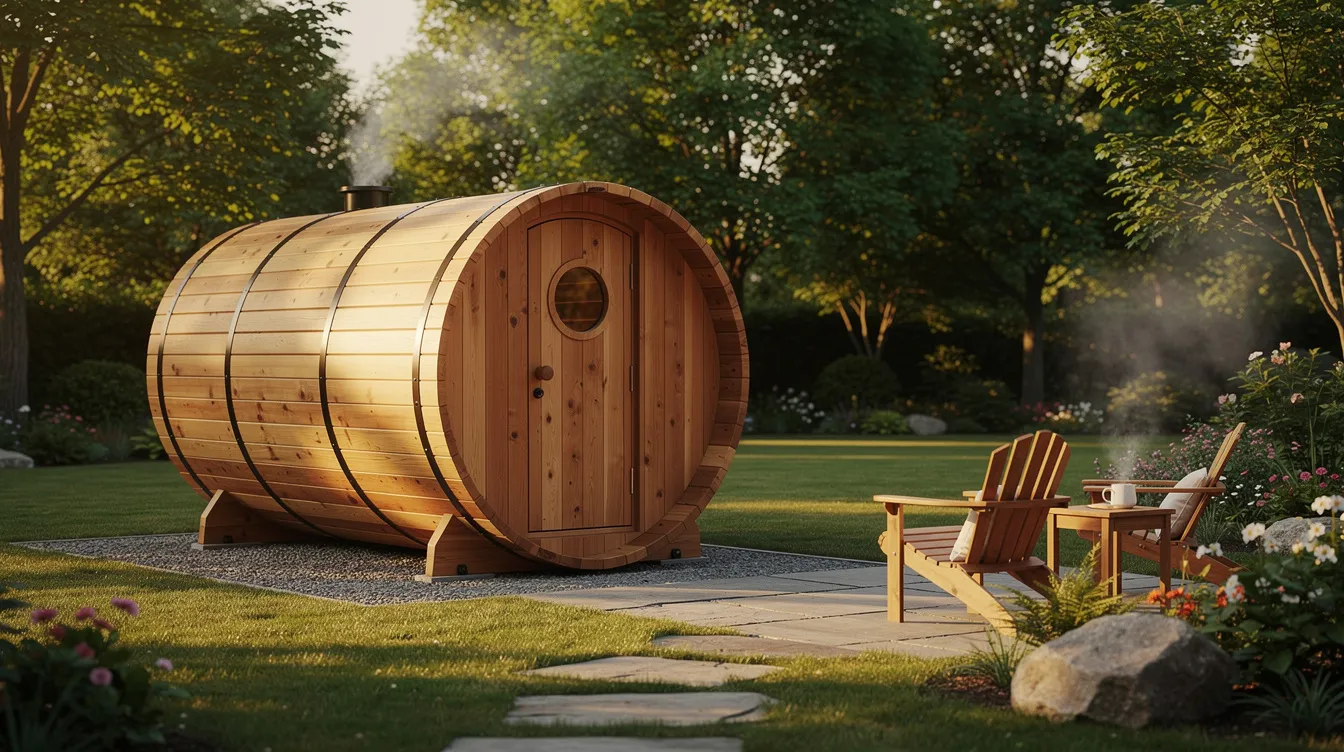
Outdoor saunas generally cost less to install than indoor models because they function as standalone outdoor structures with natural ventilation. You're not integrating with existing rooms, dealing with vapor barriers, or modifying flooring and HVAC systems.
A typical 2026 total range runs $4,000–$10,000 for most 2–4-person outdoor infrared or barrel saunas, and $8,000–$20,000+ for larger traditional outdoor cabins with premium finishes and amenities.
Main outdoor cost components include the sauna kit or cabin structure, foundation and site preparation, outdoor electrical installation (or wood-burning chimney setup), weather protection and anchoring, and labor and permits. Each is detailed below.
How Much Do Outdoor Sauna Units and Structures Cost?
Price ranges for 2026 outdoor prefab saunas break down as follows:
|
Outdoor Unit Type |
Price Range |
|
Basic 2-person barrel or cube saunas |
$4,000–$7,000 |
|
4–6 person barrel or cabin saunas |
$7,000–$12,000 |
|
Premium panoramic or glass-front cabins |
$12,000–$18,000+ |
|
Outdoor infrared sauna cabins |
$4,000–$10,000 |
Custom architect-designed outdoor wellness pavilions with integrated cold plunges, outdoor showers, and decking can exceed $25,000 in structure cost alone before foundation or electrical work begins.
A standard 4-person outdoor unit differs from lower-priced DIY barrel kits primarily in material quality, heater technology, and assembly precision. Budget saunas may use thinner wood and less sophisticated heating elements, while higher-quality units focus on sustainable materials, low-EMF infrared heaters, and weatherproof outdoor infrared sauna construction.
What Do Outdoor Foundations and Site Preparation Cost?
Most outdoor saunas require a stable, level base. Options range from simple gravel pads to poured concrete slabs, depending on your sauna's weight and local climate conditions.
2026 foundation and site prep costs:
- Gravel pad or paver base: $200–$800
- Small to medium concrete slab: $500–$1,500
- Complex foundations for heavy cabins (frost footings): $1,500–$3,000+
- Basic excavation and clearing: $200–$600
- Drainage improvements: $300–$800 in wet climates
Sauna location significantly impacts costs. Placing the sauna close to your house and electrical panel can save $500–$2,000 in trenching and conduit costs compared to positioning it at the far end of a large property, where underground electrical runs add up quickly.
What Are Outdoor Electrical Installation and Labor Costs?
Outdoor electrical install costs typically range from $500–$2,500 in 2026, depending on distance from the main panel and whether you're running 120V for an infrared unit or 240V for a traditional heater.
Key cost contributors for outdoor electrical:
- Underground conduit runs: $300–$1,200 per 100 feet
- Weatherproof subpanels: $400–$1,000
- GFCI protection: $200–$600
- Trenching labor: $200–$800 (or DIY to save)
Typical electrician labor time runs 4–10 hours for most outdoor installations, plus trenching time if the homeowner handles that portion themselves.
Wood-burning stoves avoid high-voltage electrical work entirely but still require chimney components ($200–$800) and may need additional clearances per local fire code. For most homeowners seeking convenience, electric heaters remain the more practical choice.
What Do Weather Protection, Anchoring, and Exterior Maintenance Cost?
Quality outdoor sauna kits are built with weather-resistant cladding and roofing. However, additional sealing can extend lifespan, especially in harsh climates.
Typical 2026 weather protection costs:
- Extra caulking and weather sealing: $100–$300
- High-wind anchoring hardware: $200–$600
- Optional pergolas or covered walkways: $1,000–$4,000
Annual maintenance costs for outdoor models include:
- Exterior wood stain or sealant: $150–$400 every 1–3 years
- Roof and drainage inspection: Minimal cost if DIY
- Foundation checks after freeze/thaw cycles: Included in regular maintenance
These incremental outdoor exposure costs are offset by avoiding the need for indoor moisture control systems, vapor barriers, or HVAC modifications that indoor installations require.
Full Outdoor Labor Cost and Timeline
Outdoor labor tends to run lower than indoor projects: $800–$2,500 in 2026 for foundation work, electrical connections, and professional kit assembly.
Many buyers either fully DIY assembly or hire 1–2 days of help for $300–$1,200, especially on barrel saunas or modular outdoor kits designed for straightforward construction.
Most straightforward outdoor installs are complete in 1–3 days once the foundation and power are ready, much faster than full indoor room conversions that require multiple trades and inspections.
A DIY-heavy outdoor installation might look like:
- Homeowner prepares gravel pad: $200–$400 materials
- Electrician runs 50 ft. underground circuit: $800–$1,200
- Homeowner assembles prefab sauna kit: $0 labor
- Total labor cost: $800–$1,200
A fully pro-managed outdoor cabin project might include:
- Contractor pours concrete slab: $1,200–$1,800
- Electrician runs 100 ft. circuit with subpanel: $1,500–$2,200
- Contractor assembles cabin and finishes: $800–$1,500
- Total labor cost: $3,500–$5,500
How Do Indoor and Outdoor Labor Costs Compare in 2026?
While unit prices may be similar between indoor and outdoor models, labor profiles differ sharply. This is where the $2,000–$5,000 gap between indoor and outdoor installations primarily originates.
Direct comparison based on 2026 national averages:
|
Labor Category |
Indoor Projects |
Outdoor Projects |
|
Total labor cost |
$2,000–$6,000 |
$800–$2,500 |
|
Electrician hours |
4–10 hours |
4–8 hours |
|
Carpenter/contractor hours |
20–60 hours |
4–16 hours |
|
Number of licensed trades |
2–4 (electrical, HVAC, drywall, tile) |
1–2 (electrical, general) |
Indoor projects often need multiple licensed trades working in sequence: electricians for circuits, HVAC technicians for ventilation, drywall and tile contractors for moisture control, and carpenters for framing and benches. Outdoor sauna labor concentrates on site prep, electrical hookup, and kit assembly; often manageable with just an electrician and general help.
Typical labor hours breakdown:
- Indoor retrofit: 8–20 hours for minimal work; 40–80 hours for full custom build.
- Outdoor assembly and electrical: 4–12 hours for most prefab sauna projects.
What Permits, Codes, and Inspection Costs Apply to Sauna Installation?
Code requirements differ by jurisdiction, but generally impact indoor saunas more heavily than small outdoor cabins. Building permits ensure safety, protect property values, and satisfy insurance requirements.
Common indoor permits and costs:
- Electrical permit: $50–$200
- Building permit for structural changes: $100–$400
- Mechanical/HVAC permit: $100–$250 (if tying into ductwork)
For outdoor saunas, building permits may be required above certain sizes, typically 120–200 square feet, depending on your municipality. Combined with electrical permits for 240V runs, expect to pay $100–$500 in permit fees in most U.S. cities in 2026.
Professional permit handling by a contractor adds $300–$600 but can prevent costly rework or project delays due to failed inspections. For complex indoor installations requiring multiple inspections, this coordination service often pays for itself. The International Code Council provides searchable resources on residential structure and electrical code requirements by jurisdiction.
What Are the Ongoing Operating Costs and Maintenance Budget?
Once installed, monthly operating costs are modest. Most sauna owners spend $10–$40 per month, depending on frequency of use, heater type, and local electricity rates. The infrared sauna price advantage becomes clear over time: lower wattage means lower bills and reduced strain on your electrical panel.
Operating cost comparison (traditional vs. infrared):
|
Factor |
Traditional Electric |
Infrared |
|
Heater draw |
6–9 kW |
1.5–3 kW |
|
Cost per session |
$0.75–$2.00 |
$0.30–$1.00 |
|
Monthly cost (3×/week) |
$35–$55 |
$15–$25 |
|
Annual operating cost |
$200–$400 |
$80–$200 |
According to the U.S. Energy Information Administration, the national average residential electricity rate is approximately $0.16/kWh as of 2024–2025; a useful baseline for calculating your specific monthly costs.
Approximate annual maintenance costs by sauna type:
- Indoor infrared: $100–$250 (cleaning, occasional panel inspection)
- Indoor traditional: $200–$400 (stone checks, heater service, moisture monitoring)
- Outdoor saunas (all types): $150–$400 (exterior sealing, roof checks, foundation inspection)
Low-EMF infrared cabins are designed for minimal maintenance; no steam generator, no heated stones to replace, and minimal moving parts. Over a 5–10-year horizon, this can significantly reduce service visits compared to complex steam systems that require regular upkeep.
Is a Home Sauna Worth the Investment? A Real ROI Breakdown
The financial case for owning a home sauna is stronger than most buyers expect. Consider the numbers for a typical mid-range install.
Sample ROI calculation:
- Total installed cost: $7,500
- Typical spa sauna session cost: $40
- Household usage: 3 sessions per week (150 sessions/year)
- Annual spa spending avoided: $6,000
- Breakeven timeline: $7,500 ÷ $6,000 = 1.25 years (approximately 15 months)
Even at lower usage patterns, the math works:
|
Weekly Sessions |
Annual Sessions |
Spa Cost Avoided |
Breakeven Time |
|
3 sessions |
150 |
$6,000 |
15 months |
|
2 sessions |
100 |
$4,000 |
22 months |
|
1 session |
50 |
$2,000 |
3.75 years |
Most indoor or outdoor saunas in the $5,000–$10,000 range pay for themselves in 2–4 years compared to regular spa memberships or paid visits.
Beyond financial returns, a 2018 systematic review published in Evidence-Based Complementary and Alternative Medicine found regular sauna use associated with measurable benefits for cardiovascular health, stress reduction, and musculoskeletal recovery.
Non-financial ROI factors:
- Time savings (no driving to facilities)
- Convenience of daily access
- Increased usage frequency (most homeowners use their sauna more than expected)
- Potential property value appeal in wellness-focused markets
Infrared models with lower energy consumption slightly improve ROI by reducing monthly costs, saving $100–$200 annually compared to large, high-wattage traditional rooms. Over a 10-year ownership period, that's an additional $1,000–$2,000 in savings.
What Are the Best Strategies to Reduce Sauna Installation Costs?
Strategic planning can meaningfully reduce upfront costs without sacrificing quality. Here are practical ways to trim your budget for either setup.
Indoor savings strategies:
- Choose an existing space near the electrical panel to minimize wiring length.
- Select a plug-and-play infrared cabin to avoid 240V circuit work.
- Retain existing flooring if it's already waterproof (tile, sealed concrete, vinyl).
- DIY painting, trim work, and non-electrical finishing.
- Skip built-in benches if your prefab cabin includes quality seating.
Outdoor savings strategies:
- Place the sauna within 50 feet of the house to reduce trenching and conduit costs.
- Use a compact gravel pad instead of a full concrete slab where climate and soil allow.
- Assemble the kit yourself or with friends instead of paying full contractor rates.
- Order during manufacturer sales (late winter/early spring often sees promotions).
- Skip optional pergolas or covered walkways initially. Add them later if desired.
General cost-reduction tips:
- Time projects during off-peak seasons when contractors offer better rates.
- Obtain 2–3 electrician and contractor quotes before committing.
- Verify that each contractor has experience with sauna or spa installations.
- Bundle electrical work with other home projects if you have them planned.
Indoor vs. Outdoor Sauna: Which Setup Fits Your Space, Climate, and Lifestyle?
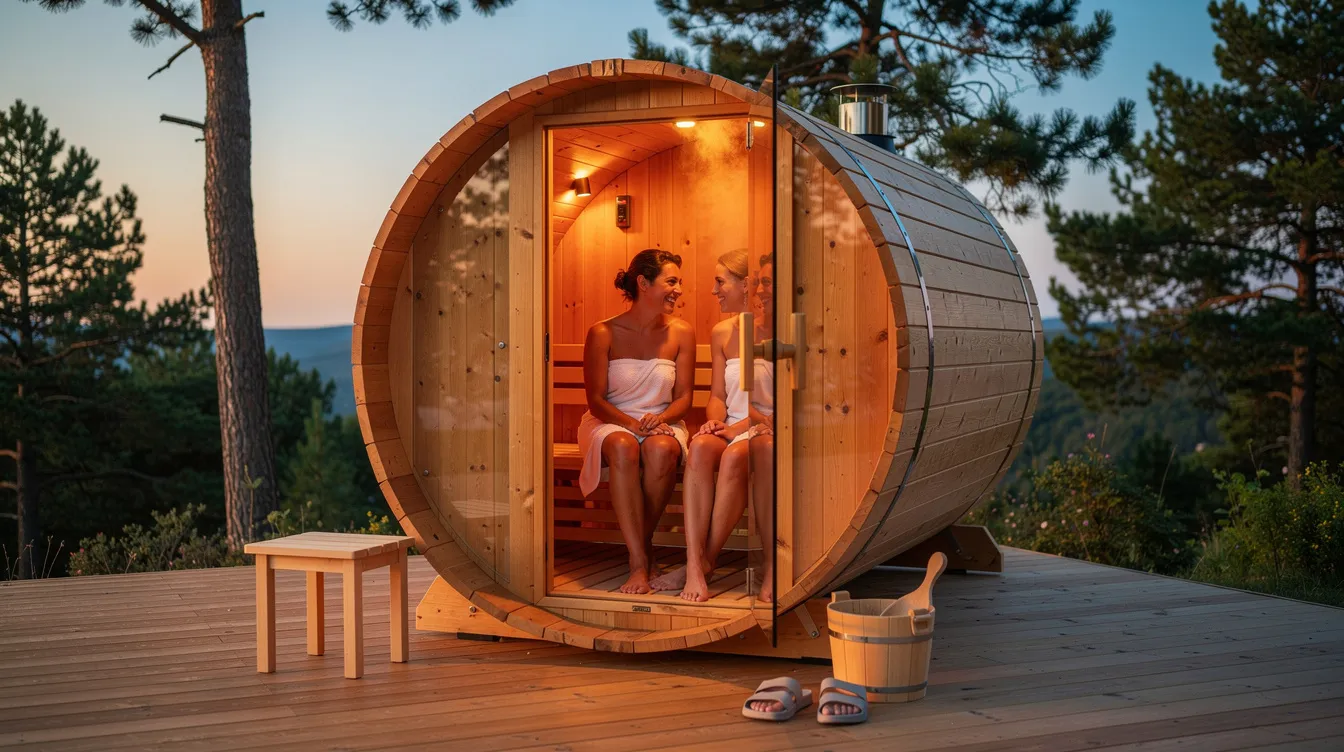
Beyond cost, your decision should consider how you'll actually use your sauna. Both setups can deliver outstanding home sauna wellness outcomes. The right choice depends on your space, climate, and daily routine.
Indoor saunas excel when you want:
- Maximum convenience (no weather considerations)
- Year-round climate-controlled access
- Privacy within your home
- Integration with an existing bathroom or master suite
Outdoor saunas provide:
- Nature immersion and scenic views
- Cold-to-hot contrast therapy (pair with cold plunges or snow)
- Separation from living spaces (dedicated wellness retreat)
- Integration with decks, pools, or backyard entertaining areas
Climate matters for outdoor units. In very cold or very wet regions, insulated outdoor infrared sauna models and covered walkways may increase installation costs. But they often remain competitive with the moisture control investments required for indoor traditional saunas. According to the Global Wellness Institute, outdoor wellness structures, including saunas, are among the fastest-growing residential project categories..
When deciding, prioritize installation requirements (infrared vs. traditional, distance from the panel, suitability for the existing room) alongside aesthetics and experience preferences. The right choice depends on your specific house, climate, and wellness goals.
Visit Home Sauna today for transparent pricing breakdowns, professional installer referrals in your area, and honest guidance about where you can economize versus where expert installation is non-negotiable.
External References
- International Code Council: “Overview of the International Code Council (IRC).”
- U.S. Energy Information Administration: “Electric Power Monthly — Residential Retail Rates.”
- National Institutes of Health: “Clinical Effects of Regular Dry Sauna Bathing: A Systematic Review.”
- Global Wellness Institute: “Wellness Real Estate Market Reached $584 Billion in 2024 and is Forecast to Double to $1.1 Trillion by 2029.”
- Spa World Australia: “Traditional Steam Sauna Vs Infrared Sauna (Detailed Comparison, Cost, Benefits, and More.)”
FAQs
Do I need a 240V electrical line for every sauna, or can I use a standard outlet?
No, not every sauna requires a 240V line. Many 1–3 person infrared saunas are designed for standard 120V household outlets, eliminating the need for a dedicated 240V circuit and keeping electrical costs low. Larger traditional electric saunas, especially those with 6 kW or higher heaters, almost always require a dedicated 240V circuit installed by a licensed electrician. Before planning your electrical setup, check your sauna's heater wattage and manufacturer specifications to determine exact requirements.
Can I install a sauna in a condo or apartment?
Many condos allow small indoor infrared saunas that plug into 120V outlets, provided there's sufficient ventilation and no structural changes to walls or flooring. Outdoor models are usually not feasible for condo residents due to a lack of private land and HOA restrictions. Compact indoor infrared models are the practical choice for apartment dwellers; specifically, the 1-person home saunas cost $3,000–$4,500 and fit in tight footprints. Always confirm building policies, fire codes, and electrical capacity with property management before purchasing.
How much space do I need for an indoor vs. outdoor sauna?
A 1–2-person infrared cabin typically fits in about 3 ft. × 4 ft. of floor space, while a comfortable 4-person traditional sauna may need around 6 ft. × 6 ft., plus door clearance and ventilation space. Outdoor saunas also require circulation and access space around them. A 6 ft. barrel may require a 9–10 ft.-wide area, including maintenance access. Always measure ceiling height (minimum 7 ft. for most indoor units) and check local setback rules for outdoor structures before selecting your sauna location.
Will an indoor or outdoor sauna increase my home's resale value?
Exact value varies by market, but well-installed, high-quality saunas are increasingly attractive in wellness-oriented areas and higher-end neighborhoods. A clean, built-in indoor sauna can serve as a compelling selling feature, while a freestanding outdoor cabin can sometimes be moved or sold separately if a buyer doesn't want it. Keep permits, manuals, and regular maintenance records to help future buyers and appraisers recognize it as a properly executed upgrade rather than a DIY project.
Can I move my sauna if I relocate, and does that differ between indoor and outdoor saunas?
Most prefab indoor infrared cabins and many outdoor barrel or cube saunas can be disassembled and moved, though this requires labor and careful packing of infrared panels and wood components. Custom-built indoor rooms are effectively permanent and not cost-effective to relocate. If you may move within a few years, favor modular, plug-and-play units designed with potential relocation in mind.