

Are you looking to bring professional-level wellness to your home sauna? Infrared light therapy has moved from professional wellness centers into living rooms, spare bedrooms, and dedicated home gyms—and for good reason.
This comprehensive guide breaks down everything you need to know about using the best infrared sauna for home therapy, from the science behind the glow to building a routine that actually sticks with your home sauna wellness journey.
Key Takeaways
- Infrared light therapy at home can support pain relief, skin health, muscle recovery, and relaxation when used correctly with quality devices and consistent protocols.
- Near infrared light and red light can be incorporated into your daily routine through panels, sauna blankets, and full-spectrum infrared sauna for sale models—each offering different advantages based on your space, budget, and wellness goals.
- Safety fundamentals matter: session length (typically 10-40 minutes depending on device), proper distance from panels, adequate hydration, and eye protection are non-negotiable for real benefits.
- HomeSauna offers plug-and-play full-spectrum infrared saunas and sauna blankets that combine radiant heat and light therapy for a luxury home sauna setup without requiring professional installation.
What Is Infrared Light Therapy and Why Does It Belong in Your Home?
Infrared light therapy uses specific red and near-infrared wavelengths—typically around 630-660 nm for red light and 810- 850+ nm for near infrared—to stimulate cellular energy production and support recovery.
Unlike the light you can see with your eyes, infrared operates just beyond the visible spectrum, delivering gentle heat and deeper tissue penetration.
The critical distinction from UV light is safety. Ultraviolet radiation damages DNA and accelerates skin aging. Infrared therapy works in the opposite direction; it's non-invasive, non-toxic when used correctly, and designed for regular use rather than occasional treatments.
Light-emitting diodes in modern devices deliver precise wavelengths without the harmful effects associated with sun exposure.
In 2026, the practical use cases will have become well-established:
- Muscle recovery after intense workouts.
- Joint stiffness that lingers from desk work or aging.
- Inflammatory pain that responds to improved circulation.
- Skin tone and texture support.
- General stress relief.
These aren't miracle claims—they're realistic expectations backed by growing research and thousands of user experiences.
Here's where things get interesting for home wellness enthusiasts: when you combine infrared light with whole-body heating (as in an infrared sauna indoor 2-person model or sauna blanket), you get both photobiomodulation (the cellular benefits of light) and classic heat therapy (sweating, circulation support, detox assistance).
This combination is why infrared saunas have become increasingly popular among biohackers, athletes, and anyone building a serious home recovery setup.
How Does Infrared Light Therapy Work in the Body?
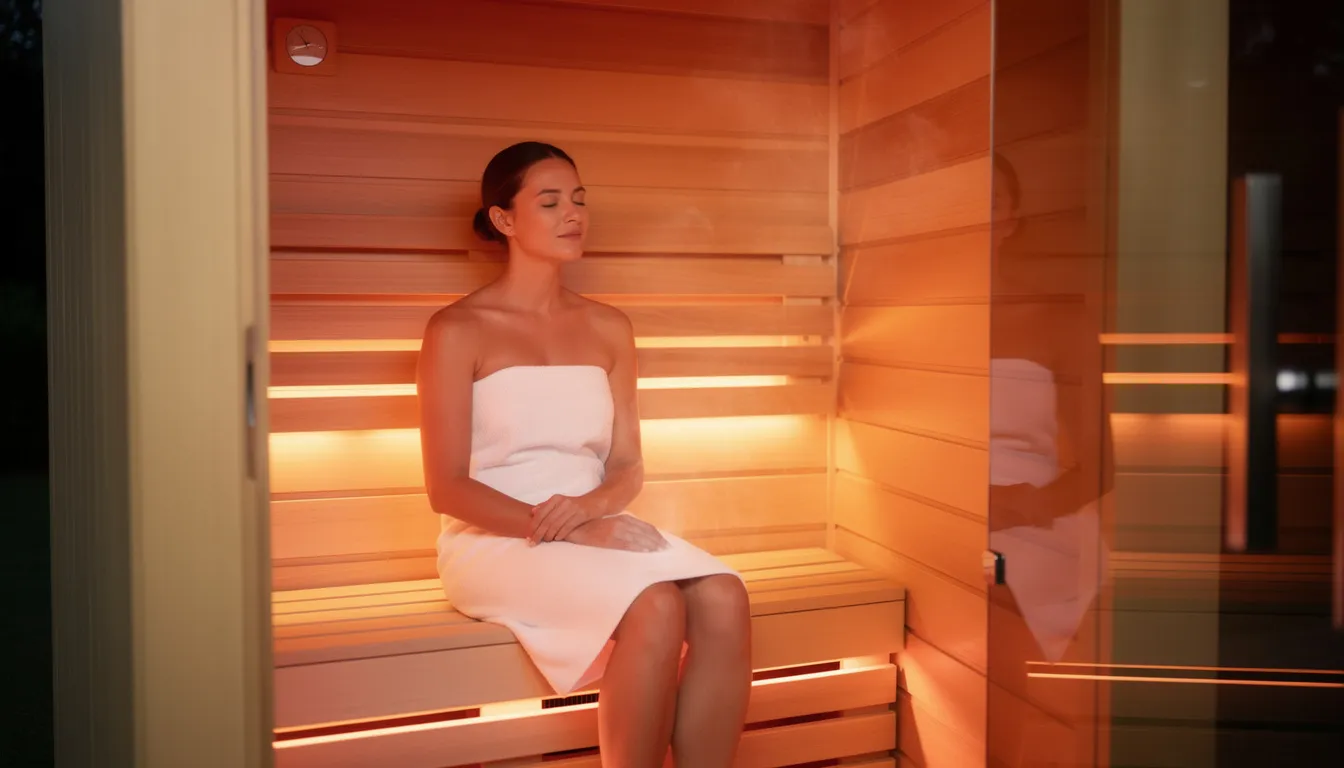
The science here is straightforward once you strip away the jargon. Think of your cells as tiny power plants, with mitochondria serving as the generators.
Specific molecules absorb red and near infrared light in your mitochondria—particularly cytochrome c oxidase—which triggers increased ATP production. ATP is cellular energy; the fuel your body uses for everything from tissue repair to muscle function.
More cellular energy translates into several practical outcomes:
- Faster tissue repair and wound healing.
- Reduced perception of pain in treated areas.
- Improved microcirculation and blood flow.
- Healthier-looking skin through enhanced cell turnover.
The depth of penetration differs by wavelength. Red light (around 630-660 nm) stays closer to the surface, making it particularly effective for skin rejuvenation, fine lines, and surface-level concerns like acne or minor skin conditions.
Near infrared light (810-850+ nm) penetrates deeper into muscle tissue and joints, which is why it's the go-to for pain relief, recovery, and treating inflammation that sits below the skin.
Full-spectrum infrared saunas from HomeSauna aim to cover this broader range by incorporating near, mid, and far infrared heaters. This approach targets both the superficial benefits (skin, relaxation) and the more profound therapeutic effects (joints, muscles, detoxification).
Most home wellness applications use relatively low-power devices designed for consistent, regular use. These aren't medical emergency tools—they're lifestyle additions that compound benefits over weeks and months of steady practice.
What's the Difference Between Infrared Light Therapy and Traditional Sauna Therapy?
Infrared light therapy and traditional saunas are related tools, but they're not identical. Many HomeSauna products blend both approaches, giving you the best of both worlds.
Understanding the differences helps you choose what fits your preferences and goals.
Traditional Saunas
Traditional saunas operate through high air temperature—typically 150°F to 195°F (65°C to 90°C). They use heated rocks, often with water poured over them to create steam. The experience focuses on overall heat stress and heavy sweating.
You're essentially sitting in very hot air that warms your body from the outside in.
Infrared Saunas
Infrared saunas work differently. They maintain a lower air temperature—commonly 120°F to 140°F (49°C to 60°C)—while using infrared heaters to warm your body directly.
The heat penetrates tissue rather than heating the surrounding air first. This creates a gentler but deep-reaching experience that many people find more comfortable for longer sessions.
The Light Therapy Addition
When you add infrared panels or red light therapy add-ons inside an infrared sauna, you get targeted light therapy on top of whole-body heat.
This combination is a key differentiator for HomeSauna's full-spectrum cabins and blankets—you're not just sweating; you're actively stimulating cellular recovery.
Comparison: Traditional vs. Infrared Saunas
|
Feature |
Traditional Sauna |
Infrared Sauna |
|
Air Temperature |
150°F - 195°F |
120°F - 150°F |
|
Heat Source |
Rocks/Steam |
Infrared heaters |
|
How the Body Heats |
Air warms the skin surface |
Radiant heat penetrates tissue |
|
Session Length |
10-20 minutes typical |
20-45 minutes comfortable |
|
Light Therapy |
Not included |
Often combined |
Who Might Prefer What:
- Choose infrared if you're sensitive to extreme heat, want longer sessions, or specifically need joint and muscle relief.
- Choose traditional if you enjoy intense heat, steam rituals, and the classic sauna experience.
Many serious wellness enthusiasts maintain both, and HomeSauna offers options across the spectrum.
What Are the Benefits of Infrared Light Therapy for Home Wellness?
The health benefits of infrared therapy vary by person, but commonly reported improvements cluster around pain relief, recovery, skin health, sleep, and stress reduction. Let's break down what the research and user experience actually support.
Pain and Inflammation
Regular infrared sauna sessions—typically 10-20 minutes, 4-5 times per week—may help with joint stiffness, muscle soreness after training, and mild chronic aches.
The mechanism involves improved blood circulation, carrying oxygen and nutrients to damaged tissue while reducing localized inflammation. Research suggests wavelengths of 780-850nm at appropriate power densities are most effective for pain relief applications.
This isn't a replacement for medical treatment of serious conditions, but many users report meaningful relief from everyday discomfort that accumulates from workouts, desk work, or aging joints.
Skin and Appearance
Infrared therapy supports skin health through enhanced circulation and collagen production. Consistent use—alongside a solid skincare routine—can contribute to:
- Subtle smoothing of fine lines.
- More even skin tone.
- Improved texture and radiance.
- Support for wound healing and scar reduction.
Red light specifically targets the skin's surface layers, making red light therapy products particularly popular for facial treatments and skin rejuvenation protocols.
Performance and Recovery
Athletes and biohackers often use low-EMF infrared sauna models and red light therapy devices after intense workouts. The goal is faster perceived recovery and reduced next-day soreness.
Raising your core body temperature through an infrared sauna session increases blood flow to muscles, potentially speeding the removal of metabolic waste products from exercise.
Many users report having more energy for subsequent training sessions when they incorporate regular infrared recovery into their routines.
Stress, Mood, and Sleep
A warm, red-lit evening session can shift your nervous system toward relaxation. The heat encourages muscles to release tension, while the low-light environment signals your brain that it's time to wind down.
Experts argue that consistent infrared therapy improves sleep quality and helps relax after demanding days.
The HomeSauna Advantage

Our full-spectrum infrared saunas and sauna blankets are designed to deliver these benefits in a quiet, spa-like environment you can use daily. No booking appointments, no driving to wellness centers, no waiting for equipment.
You create the experience on your schedule.
How Do You Choose the Right Infrared Device for Your Home?
Home infrared wellness ranges from compact red light panels that hang on a door to full luxury cabins that become the centerpiece of a dedicated wellness room. Your budget, available space, and specific goals should guide the decision.
Standalone Red/Infrared Panels
Wall-mounted or door-mounted panels are ideal for targeted treatment of specific areas—knees, lower back, face, and shoulders. They're excellent for smaller homes and apartments where a full sauna isn't practical.
Most quality panels combine red and near infrared wavelengths for both skin and deeper tissue benefits.
Infrared Sauna Blankets
Plug-and-play sauna blankets offer a space-saving solution for full-body heat and light therapy. You lie inside the blanket on your bed or floor, creating a "lying down" spa session.
Many people use this time to listen to podcasts, practice breathwork, or simply relax. Blankets are particularly popular for those who want the benefits of infrared therapy without dedicating permanent space to a cabin.
Full-Spectrum Infrared Saunas
Premium wood cabins from HomeSauna offer comprehensive full-body infrared coverage.
Key features to look for:
- Low-EMF carbon heaters for safety and comfort.
- Full-spectrum coverage (near, mid, and far infrared).
- Tempered glass doors for a spacious feel.
- Intuitive digital controls for precise temperature and session timing.
- Sustainably sourced wood for durability and aesthetics.
These cabins accommodate 1-4 people depending on the model, making them ideal for couples or families who want to incorporate sauna sessions into their shared wellness journey.
Key Purchasing Considerations
|
Factor |
Why It Matters |
|
EMF Levels |
Lower is better for safety during frequent use |
|
Wavelength Range |
Red + NIR offers broader benefits than far-infrared only |
|
Build Quality |
Sustainably sourced wood and quality components last longer |
|
Electrical Requirements |
120V plug-and-play vs. dedicated circuit installation |
|
Warranty and Support |
Look for companies that stand behind their products |
Align your purchase with your lifestyle. Are you using it primarily post-gym? Do you want couples’ sessions? Is this an evening relaxation ritual or a serious recovery protocol? Your answers shape which device makes sense.
How Do You Use Infrared Light Therapy at Home Safely and Effectively?
Proper setup, dosage, and consistency matter far more than occasional marathon sessions. The goal is sustainable practice that compounds over time, not heroic one-off efforts.
Session Guidelines
- Panels: 10-20 minutes per session, targeting specific areas.
- Infrared saunas: 20-40 minutes per session at comfortable temperatures.
- Sauna blankets: 20-45 minutes, depending on temperature setting and tolerance.
- Frequency: 3-6 days per week, building gradually from a lower frequency.
Start conservatively and gradually increase session length and frequency as your body adapts. There's no benefit to pushing through discomfort.
Positioning
For panels, position the device 6-18 inches from your body, depending on the manufacturer's specifications and power output. Closer isn't always better—each red light therapy device has an optimal distance for delivering appropriate energy density to tissue.
In a sauna or blanket, position yourself so that the target areas (sore joints, tight muscles, skin you want to treat) are clearly exposed to the infrared heaters or light sources.
Skin Preparation
Clean, dry skin maximizes light penetration and heat comfort. Avoid thick makeup, heavy oils, or sunscreen before sessions. Light moisturizers are generally fine, but the less barrier between your skin and the light, the more effective the treatment.
Eye Safety
Don't stare directly into high-powered LEDs. While infrared light at typical home wellness intensities isn't harmful to skin, concentrated light sources can stress the eyes.
Use eye shields if your device comes with them, and follow manufacturer instructions for eye safety.
Hydration
Drink water before and after any session that raises your core temperature. Keep a water bottle within reach during longer infrared sauna or blanket sessions.
You'll sweat, and replacing that fluid matters for both safety and maximizing benefits.
Safety Red Flags
Stop immediately if you experience:
- Dizziness or lightheadedness.
- Nausea.
- Excessive overheating beyond typical warmth.
- Uncomfortable heart rate changes.
People with cardiovascular issues, pregnancy, or implanted medical devices should speak with a clinician before starting regular use. These aren't necessarily contraindications, but personalized guidance is warranted.
How Do You Design a Daily Infrared Home Wellness Routine?
Think of this section as a practical playbook. The best routine is one you'll actually follow, so start simple and build complexity only as habits solidify.
Morning Routine
A brief 5-10-minute session in front of a red/NIR panel can support mood and focus, especially during darker winter months when natural light exposure is limited.
Pair this with breathwork or your morning coffee. The light exposure signals alertness to your circadian system while the infrared gently warms stiff morning muscles.
This works well for those who want to create a consistent morning ritual without adding significant time to their schedule.
Post-Workout Recovery Block
Within 1-2 hours after training, spend 10-20 minutes in a HomeSauna infrared sauna or 15-30 minutes in a sauna blanket. The elevated core temperature and improved circulation support perceived recovery and may reduce next-day soreness.
Many athletes use this window specifically because muscles are already warm and blood flow is elevated from exercise. The infrared session extends and deepens that recovery state.
Evening Wind-Down
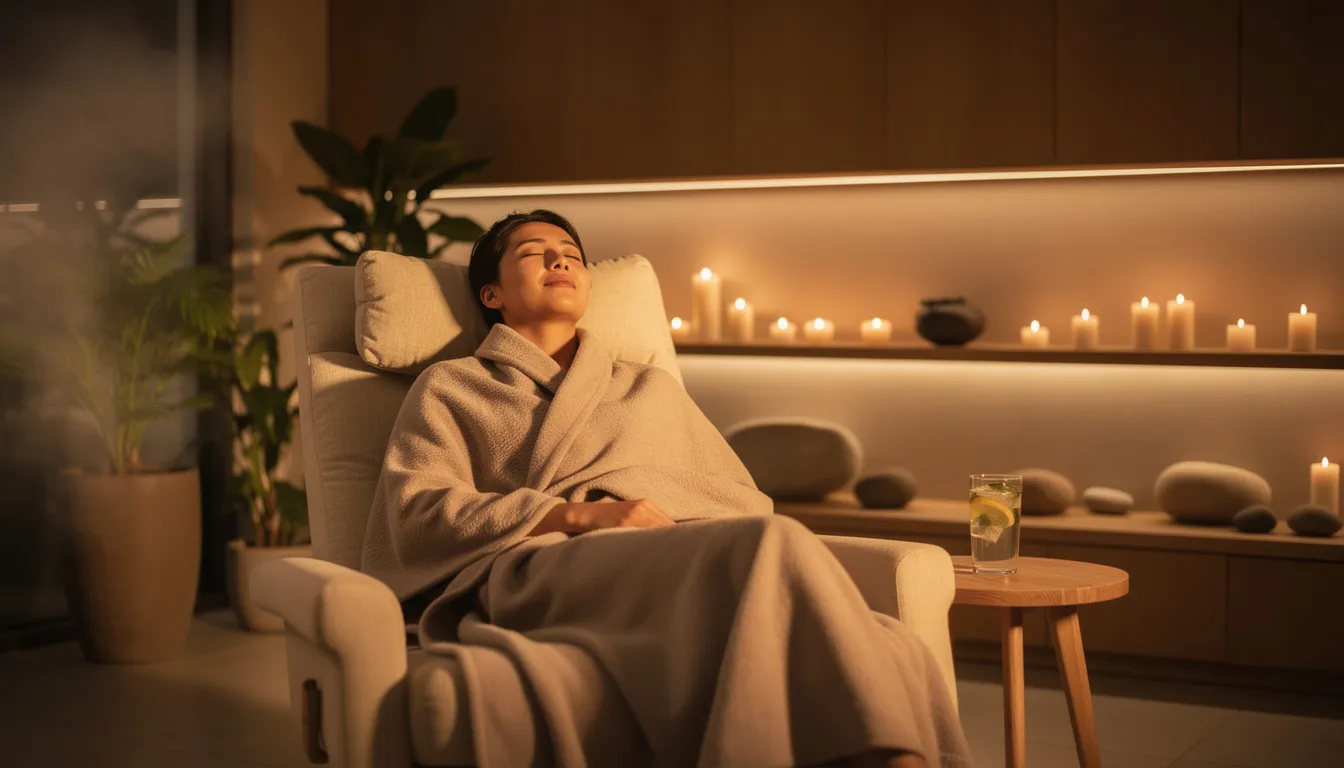
A 20-30 minute, moderate-temperature infrared sauna or blanket session with dim ambient lighting and calming music creates an ideal transition from an active day to a restful evening.
The gradual warming relaxes muscles, and the low-light environment helps signal to your body that sleep is approaching.
This is where the "spa-like" experience really shines. Set the mood with whatever helps you relax—music, nature sounds, silence—and treat the session as dedicated decompression time.
Stacking Habits
Transform infrared time into a broader self-care ritual by combining it with:
- Reading (e-readers work well in the heat).
- Meditation or guided breathwork.
- Journaling.
- Low-intensity stretching before or after.
This approach maximizes the value of time spent and makes sessions feel less like a chore and more like a treat.
Tracking Progress
Keep a simple notebook or use an app to log:
- Session length and temperature.
- Areas treated (if using panels).
- How you feel the next day.
After a few weeks, patterns emerge. You'll notice which protocols deliver the desired results and can adjust frequency and intensity based on your personal response.
Why Should You Integrate Infrared Therapy with a Home Sauna from HomeSauna?
HomeSauna specializes in home infrared and traditional saunas for homeowners who view wellness equipment as a long-term investment rather than a temporary experiment.
Our approach emphasizes quality, craftsmanship, and the kind of user experience that makes daily sessions genuinely enjoyable.
Full-Spectrum Technology
Our full-spectrum infrared saunas combine near, mid, and far infrared heaters. This isn't marketing language—each wavelength range serves different purposes.
Near infrared supports skin and cellular health. Mid infrared penetrates soft tissue where inflammation often sits. Far infrared reaches deepest, supporting detoxification through perspiration.
Together, they deliver comprehensive benefits across different areas of wellbeing.
Plug-and-Play Convenience
Many HomeSauna cabins work with standard household outlets, eliminating the need for electricians or dedicated circuits. Unbox, position, plug in, and your wellness journey begins.
This accessibility matters when you want to start using your investment immediately rather than coordinating installation schedules.
Built to Last
Our cabins feature:
- Low-EMF heater designs for safety during frequent use.
- Sustainably sourced wood that looks beautiful and resists the stress of regular heating cycles.
- Tempered glass doors for a spacious, non-claustrophobic feel.
- Ergonomic seating designed for comfort during longer sessions.
- Bluetooth audio integration for music, podcasts, or guided meditations.
- Intuitive digital controls for precise temperature management.
Quality vs. Cheap Imports
Inexpensive infrared saunas often come with tradeoffs: inconsistent heat distribution, higher EMF emissions, poor-quality materials that degrade quickly, and limited or nonexistent warranty support.
When you're using a device multiple times per week for years, those quality differences compound significantly.
HomeSauna focuses on craftsmanship and long-term service because we understand that a home sauna is a wellness anchor—not a disposable gadget.
Think of it alongside your cold plunge tub, yoga mat, and other recovery tools as part of a comprehensive, self-directed health routine.
Transform Your Home into a Wellness Sanctuary
Infrared light therapy represents a powerful addition to any home wellness routine, offering benefits that range from pain relief and recovery to skin health and stress reduction. When combined with a quality infrared sauna from HomeSauna, you create a complete spa experience in your own home.
Ready to elevate your home wellness journey? Visit HomeSauna to explore a broad range of full-spectrum infrared saunas and sauna blankets, or contact our team for personalized guidance on choosing the perfect infrared therapy solution for your outdoor infrared sauna or indoor wellness space.
Frequently Asked Questions
How long does it take to notice results from infrared light therapy at home?
Some users feel immediate relaxation or reduced muscle tightness after their first few sessions. More substantial changes—improvements in skin tone, joint comfort, or recovery quality—typically become noticeable after 4-8 weeks of consistent use at 3-5 sessions per week.
Results vary based on age, lifestyle, underlying conditions, and how regularly you actually use your equipment. The key variable is consistency rather than intensity. Document your progress with photos and notes to track subtle improvements that might otherwise go unnoticed.
Can I use infrared light therapy every day?
Many healthy adults use infrared saunas or red/NIR panels daily or near-daily without issues. However, starting at 2-3 sessions per week and building up while monitoring energy levels, sleep quality, and skin response is generally wise.
Those with chronic health conditions should get personalized guidance from a healthcare provider before committing to daily high-heat sessions. Listen to your body—if you feel drained rather than energized after sessions, reduce frequency.
Is infrared light therapy safe for children or older adults?
Children and older adults may be more sensitive to heat and light intensity. If used, sessions should be shorter, at lower temperatures, and always supervised. Families should speak with a pediatrician before incorporating regular infrared therapy for children.
Older adults with heart issues, low blood pressure, or multiple medications should get medical clearance first. Several factors influence individual tolerance, so a conservative approach makes sense for more vulnerable populations.
What should I wear during an infrared sauna or blanket session?
Minimal, light clothing works best—a swimsuit, sports bra, or shorts maximizes skin exposure while maintaining comfort. Some people prefer to use a clean towel for modesty.
For hygiene and equipment longevity, place towels on seating surfaces or inside blankets and wash them after sessions where you sweat significantly. Avoid heavy fabrics that trap heat uncomfortably against the skin.
Can I combine infrared therapy with cold plunges or ice baths?
Absolutely. Alternating infrared sauna sessions with cold plunges creates contrast therapy, which many people find invigorating and beneficial for circulation.
A typical protocol is 10-15 minutes in an infrared sauna, followed by 1-3 minutes in a cold plunge from HomeSauna. Start conservatively and stop immediately if you feel lightheaded, excessively short of breath, or unwell.
The combination works well but demands respect for your body's signals.
References
- Sun Home Saunas – “Red Light Therapy - Sun Home Saunas.”
- Innovative Health & Wellness Group – “Science Behind Infrared Therapy: Powerful Benefits & Uses.”
- Ultra Cryo & Recovery – “Infrared Saunas Vs Traditional Saunas.”
- News Medical Life Sciences – “Infrared Therapy: Health Benefits and Risks.”
- National Library of Medicine – “Association Between Offering Limited Left Ventricular Ejection Fraction Echocardiograms and Overall Use of Echocardiography.”
- National Institute of Health – “Effects of Infrared Radiation on Skin Photo-Aging and Pigmentation.”
Crew Chiropractic – “The Sleep Benefits of Red Light Therapy.”