

Purchasing a home sauna represents a significant commitment—both financially and to your long-term wellbeing. Whether you're drawn to infrared saunas for their gentle, penetrating heat or prefer the traditional experience with hot stones and steam, understanding your warranty coverage isn't just helpful.
It's essential for protecting what could be a $5,000 to $15,000+ investment in your health. This comprehensive guide breaks down everything you need to know about home sauna wellness warranty protection, from decoding vague lifetime promises to filing successful claims years down the road.
Key Takeaways
- Most "lifetime" sauna warranties in the U.S. effectively run 7–10 years, and HomeSauna positions its coverage clearly against this backdrop with transparent terms you can verify before purchase.
- Read every line of the warranty before buying, focusing on what's excluded: labor, shipping, misuse, outdoor exposure, and electrical work often fall outside coverage.
- Proper installation (licensed electrician, correct outlet, level base) and routine care (cleaning, drying, ventilation) are often required to keep the warranty valid—skip these steps and your claim may be denied.
- Document purchases, maintenance, and issues with dates and photos so claims years later are easy to prove with concrete evidence.
- Choose a sauna with transparent terms, quality materials, and low-EMF infrared heaters rather than chasing vague lifetime promises that may not hold up when you need them.
What Does Sauna Warranty Coverage Actually Mean?
A sauna warranty is fundamentally a contract between you and the manufacturer that protects against defects in materials and workmanship. It covers specific parts and components and often includes detailed exclusions and conditions to clarify what is and is not covered under the warranty.
It's not a blanket promise against any damage—a distinction that catches many buyers off guard when they file their first claim.
The warranty coverage period typically specifies that the manufacturer agrees to replace defective parts at their discretion.
Typical Coverage Ranges by Component
Warranty coverage varies significantly by component:
|
Component |
Common Warranty Period |
|
Wood cabin panels and benches |
2–10 years |
|
Infrared heaters/emitters |
5–10 years (sometimes "lifetime") |
|
Traditional sauna heater |
2–5 years |
|
Control panel and electronics |
1–3 years |
|
Lighting and audio |
1–2 years |
|
Accessories (backrests, etc.) |
90 days–1 year |
An infrared sauna warranty typically differs from traditional electric or wood-burning sauna warranties in what's covered. Infrared models focus on the longevity of emitters and electrical components, while traditional saunas emphasize heating elements, hot stones (often excluded as wear items), and thermostat controls.
When evaluating a HomeSauna unit, understanding the difference between limited, extended, and lifetime language matters enormously. A limited warranty restricts coverage to specific components and excludes labor. An extended warranty may require registration within a set timeframe.
What Do 'Lifetime' and Other Warranty Terms Really Mean?
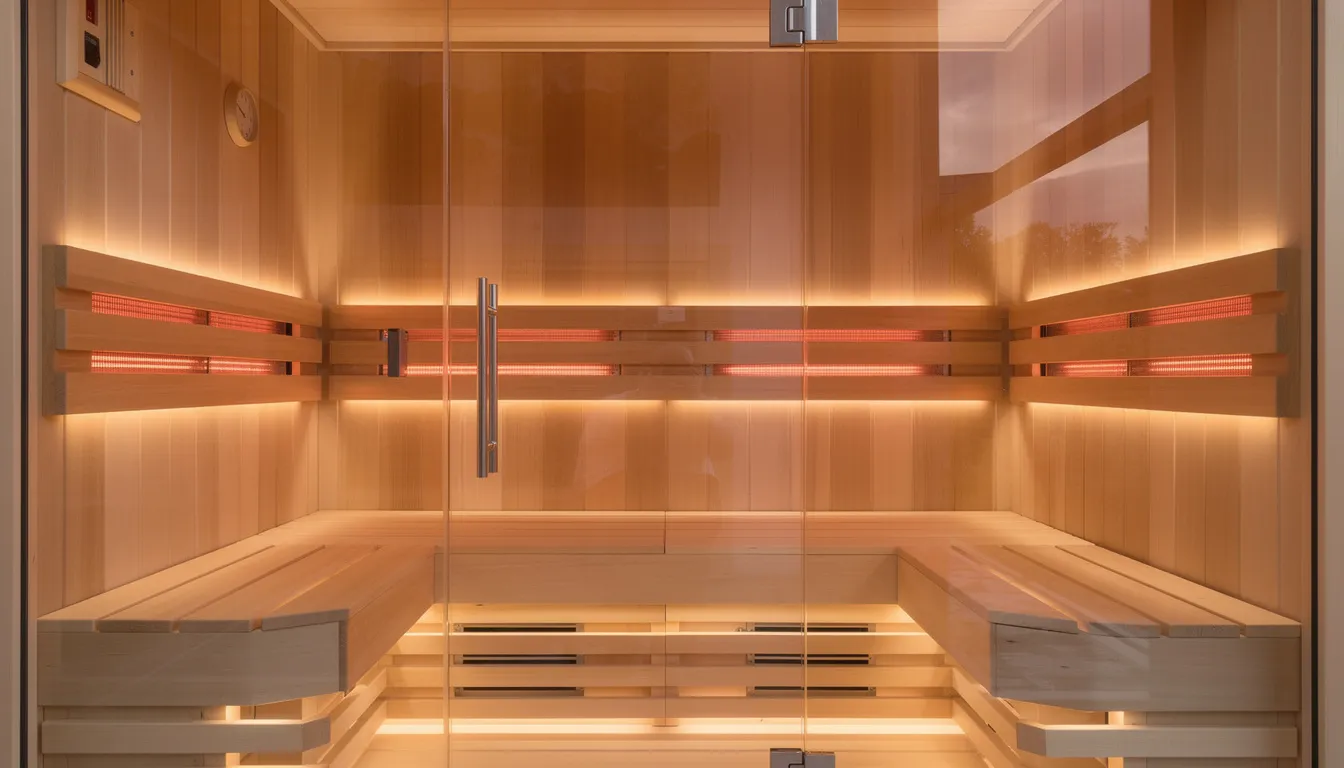
Here's something most sauna shoppers don't realize: in the U.S., a "lifetime" warranty on saunas often means the estimated operational life of the product, commonly interpreted as about 7 years unless clearly defined otherwise.
This isn't deceptive per se—it's industry standard. But it can feel misleading when that sauna heater fails in year eight.
A Concrete Example
Consider this scenario: a brand advertises a lifetime warranty on its full-spectrum infrared panels. In the fine print, you discover lifetime is defined as 7 years from the date of purchase or 30,000 operating hours—whichever comes first.
That's very different from the decades-long protection many buyers imagine.
Compare this to more transparent terms that specify exactly: 10 years on infrared emitters, 5 years on controls, 2 years on wood structure. You know precisely what you're getting.
Key Definitions Every Buyer Must Understand
- Lifetime: Usually means expected product life (often 7–10 years), not indefinite coverage.
- Limited: Coverage restricted to specific defects or components; labor and shipping typically excluded.
- Structural: Covers the wood cabin, panels, and frame—but usually not cosmetic changes.
- Parts only: You receive the replacement part but pay for labor and shipping.
- In-home service: Technician visits included (rare and valuable).
- Non-transferable: Warranty ends if you sell the sauna or your home.
When choosing a home sauna, look for clear year counts and coverage categories rather than relying solely on marketing headlines. The specifics matter more than the promises.
What's Typically Covered vs. Not Covered?
Most sauna warranties cover manufacturing defects but not normal wear, cosmetic changes in wood, or damage from incorrect use. Understanding this distinction is crucial before you ever need to file a claim.
Commonly Covered Items
- Cracked heating elements failing within the warranty period due to factory defects.
- Failed infrared emitters that stop producing heat within 5–10 years.
- Defective control panels or thermostat malfunctions causing failure within stated coverage.
- Electrical components, like wiring defects present from the factory.
- Structural integrity issues in the cabin frame from manufacturing flaws.
Typical Exclusions
Exclusions proliferate across virtually every sauna brand. Expect these items to fall outside your warranty:
- Improper installation (wrong voltage, unlicensed electrician, incorrect placement).
- Water damage or corrosion from outdoor infrared sauna exposure without an outdoor rating.
- Power surges and electrical damage from inadequate protection.
- Neglect—never cleaning or drying the sauna room after use.
- Using treatments or chemicals containing high concentrations of alcohol or benzene on sauna wood surfaces.
- Wear and tear on stones, light bulbs, and other consumable parts.
- Transport damage after delivery.
- Unauthorized modifications or repair attempts.
The Natural Wood Reality
Wood is a living material, and most warranty terms acknowledge this. Small cracks, minor dents, and color variations in Canadian cedar or hemlock are usually not considered defects under any warranty.
Your sauna may experience slight blemishes over time, develop fine cracks in low-humidity environments, or see its natural beauty shift as the wood ages. These interior blemishes and changes are normal—not warranty claims.
Industry data suggests that a huge percentage of rejected warranty claims fall into the categories of normal wear and tear or cosmetic changes. The wood may crack slightly in dry climate conditions or show signs of moisture level changes. None of this is typically covered.
Hidden Costs to Know About
Labor, freight, and on-site service are often excluded or limited. If your sauna heater element fails in 2028, you may receive a free replacement part—but pay $200+ in shipping and $500–2,000 for a technician to install it.
Factor these potential costs into your purchase decision.
Why Do Ventilation and Safety Affect Your Warranty?
Proper ventilation is one of the most essential factors in maintaining the structural integrity and longevity of your sauna room. Without adequate airflow, moisture buildup can quickly become a problem, leading to mold, mildew, and even long-term damage to the wood and other materials.
This not only affects the natural beauty and durability of your sauna but can also compromise the performance and lifespan of critical components, such as heating elements, in both infrared and traditional saunas.
A well-ventilated sauna room helps regulate humidity and temperature, ensuring that the wood remains in optimal condition and that heaters operate efficiently. This is crucial for upholding your sauna warranty, as many manufacturers require regular maintenance and proper ventilation as conditions for honoring coverage.
Neglecting ventilation can void your warranty, leaving you unprotected against issues that could have been easily prevented.
Safety Features That Impact Warranty Coverage
Safety features are more than just a bonus—they're a fundamental part of your sauna's design and a key factor in warranty coverage. Reliable controls, a well-calibrated thermostat, and professionally installed wiring all contribute to a safe sauna experience.
High-quality materials, such as Western Canadian Cedar, further reduce the risk of defects and ensure your sauna stands the test of time.
It's important to follow the manufacturer's installation and maintenance guidelines closely, as many warranties include exclusions for improper setup or neglect. For example, failing to use a licensed electrician for installation or ignoring recommended safety checks can result in denied claims.
Common Ventilation Mistakes to Avoid
Even the best infrared sauna for home use can suffer if common ventilation mistakes are made. One of the most frequent errors is neglecting to ensure proper ventilation, which can lead to excessive moisture buildup.
Failing to regularly inspect and clean vents or forgetting to replace filters can also compromise air quality and the overall sauna experience.
Another mistake is using the sauna in ways that introduce unnecessary moisture—such as taking a shower inside the sauna or pouring excessive water on the hot stones. These practices can accelerate wear and tear, affect the quality of the wood, and even void your warranty.
To protect your investment, always follow the manufacturer's guidelines for ventilation and maintenance. Regular sauna use, combined with proper ventilation, ensures your sauna remains a source of wellness and enjoyment.
How Do You Keep Your Sauna Warranty Valid?
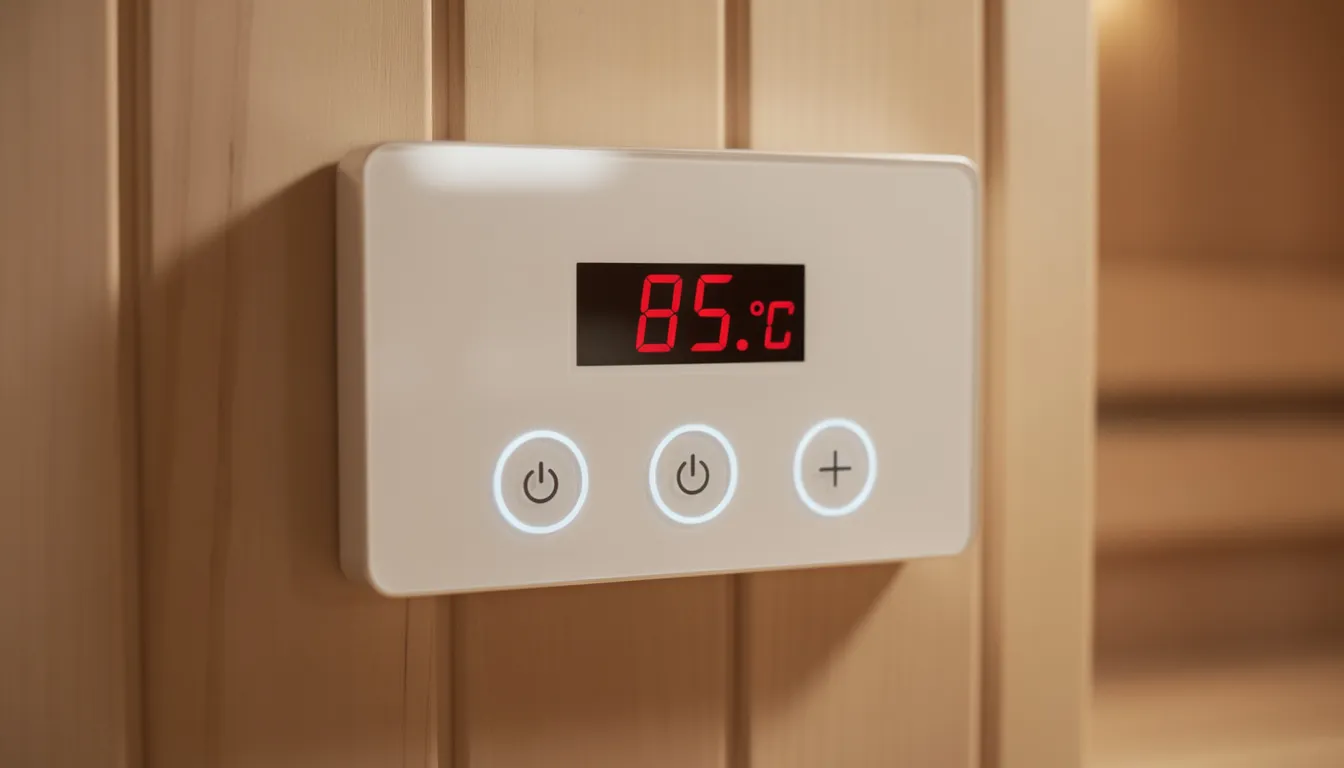
Proper use and care are not just good practice—they are often explicit conditions for keeping a HomeSauna warranty in force. Fail to meet these requirements, and your claim may be denied even for a legitimate defect.
Installation Requirements
- Have a licensed electrician install any 240V traditional or hybrid sauna.
- For plug-and-play infrared sauna indoor 2-person models, avoid extension cords or power strips.
- Ensure the outlet matches the sauna's electrical specifications exactly.
- Place the sauna on a level, stable base as specified in the manual.
Environment Matters
Your sauna must be installed in a suitable environment, or coverage may be denied:
- Indoor models should not be exposed directly to rain, snow, or extreme temperature swings.
- Outdoor cabins require proper bases, drainage, and weather-appropriate construction.
- Avoid installing indoor-only saunas in unheated garages or damp basements where moisture buildup can occur.
Follow Usage Guidelines
Adhere to the usage guidelines in your manual:
- Maximum session lengths (typically 20–45 minutes).
- Proper warm-up procedures.
- Temperature limits for your sauna type.
- Avoid using essential oils directly on heating elements unless explicitly approved.
- Never throw water on infrared panels (designed for dry heat only).
Document Everything
From day one, maintain records that support any future warranty claims:
- Original purchase receipt with date of purchase clearly visible.
- Serial numbers photographed and stored digitally.
- Dated photos of the installation and initial condition.
- Any service records or maintenance notes.
- Screenshots of any error codes on the control panel.
What Maintenance Habits Support Warranty Claims?
Tying general maintenance directly to warranty protection isn't optional—it's strategic. Damage classified as misuse or neglect is never covered. Regular maintenance proves you're a responsible owner.
After Every Session
- Wipe benches, walls, and floor grids with a damp cloth.
- Leave the door open to allow the sauna room to dry completely.
- Keep vents clear to ensure proper ventilation.
- Turn off or unplug the unit per manufacturer instructions.
Monthly and Seasonal Care
- Deep clean every 3–6 months with sauna-safe cleaners (avoid harsh chemicals).
- Never use furniture polish or other furniture treatment products not designed for saunas.
- Keep your sauna clean to prevent mold or staining that could be classified as neglect.
- Check door seals and hinges for normal operation.
- Inspect exterior surfaces for any concerning changes.
Heater-Specific Maintenance
- Traditional saunas: Inspect stones regularly, replace crumbling ones, and check for element corrosion.
- Infrared saunas: Dust panels gently, ensure nothing blocks the emitter surface.
- Monitor: Error codes and address issues immediately rather than continuing sauna use.
Document Your Care
Keeping simple records of maintenance can prove responsible ownership if a component fails:
- Note dates of cleaning sessions.
- Photograph the heater condition annually.
- Save receipts for any replacement stones or approved accessories.
- Record any unusual behavior (strange sounds, error codes, heating inconsistencies).
This documentation can be the difference between an approved claim in year 4 or 5 and a denied one.
How Should You Compare Warranties When Shopping?
Before purchasing a luxury home sauna—especially higher-end full-spectrum models—compare warranty terms side by side. A little research now prevents major headaches later.
Create a Comparison Checklist
|
Factor |
Questions to Ask |
|
Coverage length |
How many years for cabin, heaters, controls, electronics? |
|
Exclusions |
What specific situations void coverage? |
|
Labor and shipping |
Who pays for the installation of replacement parts? |
|
Transferability |
Can coverage transfer if I sell my home? |
|
Registration |
Is registration required to activate the full warranty? |
|
Authorized service |
Are there authorized local repair partners? |
Transparency Over Marketing
Favor brands like HomeSauna that disclose exact durations and parts coverage instead of vague promises. When a company states 5 years on heaters, 10 years on cabin structure, and 2 years on controls, you know exactly what you're purchasing.
Vague lifetime claims without clear definitions should raise red flags.
Factor Warranty into Total Cost
A sauna priced slightly higher but backed by clear 5–10-year heater coverage may prove more economical than a cheaper model with only 1–3 years of protection.
If the sauna heater fails in year four, you could face $1,000+ in replacement and installation costs, which could eat up any initial savings.
Special Considerations for Outdoor Units
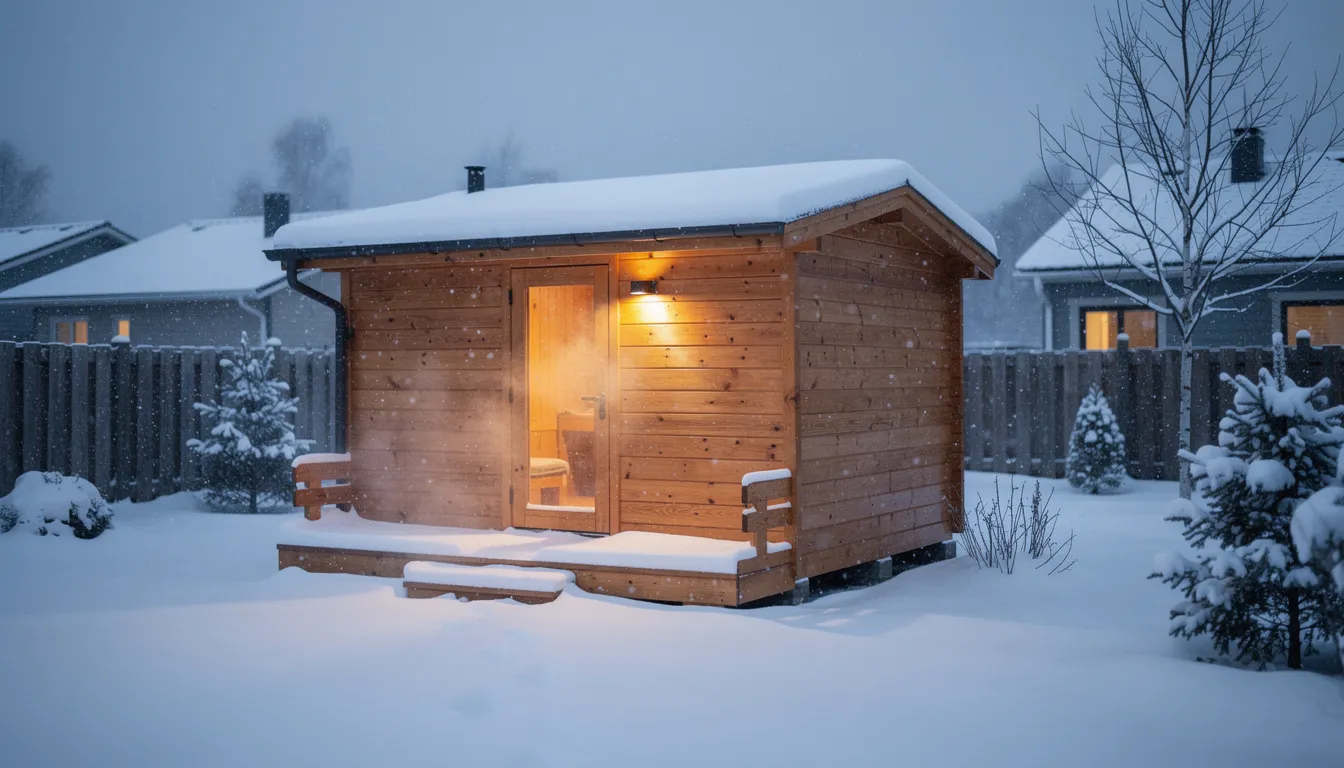
For outdoor saunas and home cold plunge tub systems, verify whether exposure to weather, water mineral content, or freeze/thaw cycles affects warranty validity. Outdoor use often entails shorter coverage periods or additional protective measures.
How Do You File a Sauna Warranty Claim?
The typical claim process follows a predictable path: identifying the issue, contacting customer support, troubleshooting, and—if necessary—shipping or replacing parts. Knowing this process in advance makes it less stressful when something goes wrong.
Before You Contact Support
Gather these details before reaching out to HomeSauna support:
- Date of purchase and order number.
- Serial number (usually on a label inside the sauna room).
- Clear photos or videos of the issue.
- Error codes displayed on the control panel.
- Description of when the problem started and any related circumstances.
The Troubleshooting Process
Support may walk you through simple tests to confirm whether a part has failed under warranty:
- Checking electrical connections.
- Verifying voltage at the outlet.
- Resetting controls following specific procedures.
- Testing individual components to isolate the failure.
This isn't the manufacturer trying to avoid a claim—it's ensuring the issue isn't a simple fix you can handle yourself, saving everyone time.
What Happens When a Claim Is Approved?
If a component like a heater element or control board is confirmed defective within the warranty period:
- Parts are typically shipped at no cost.
- Labor and installation may remain your responsibility.
- You may need to return the defective part (shipping costs vary).
- Replacement parts usually inherit the remaining coverage, not a new full term.
Report Issues Promptly
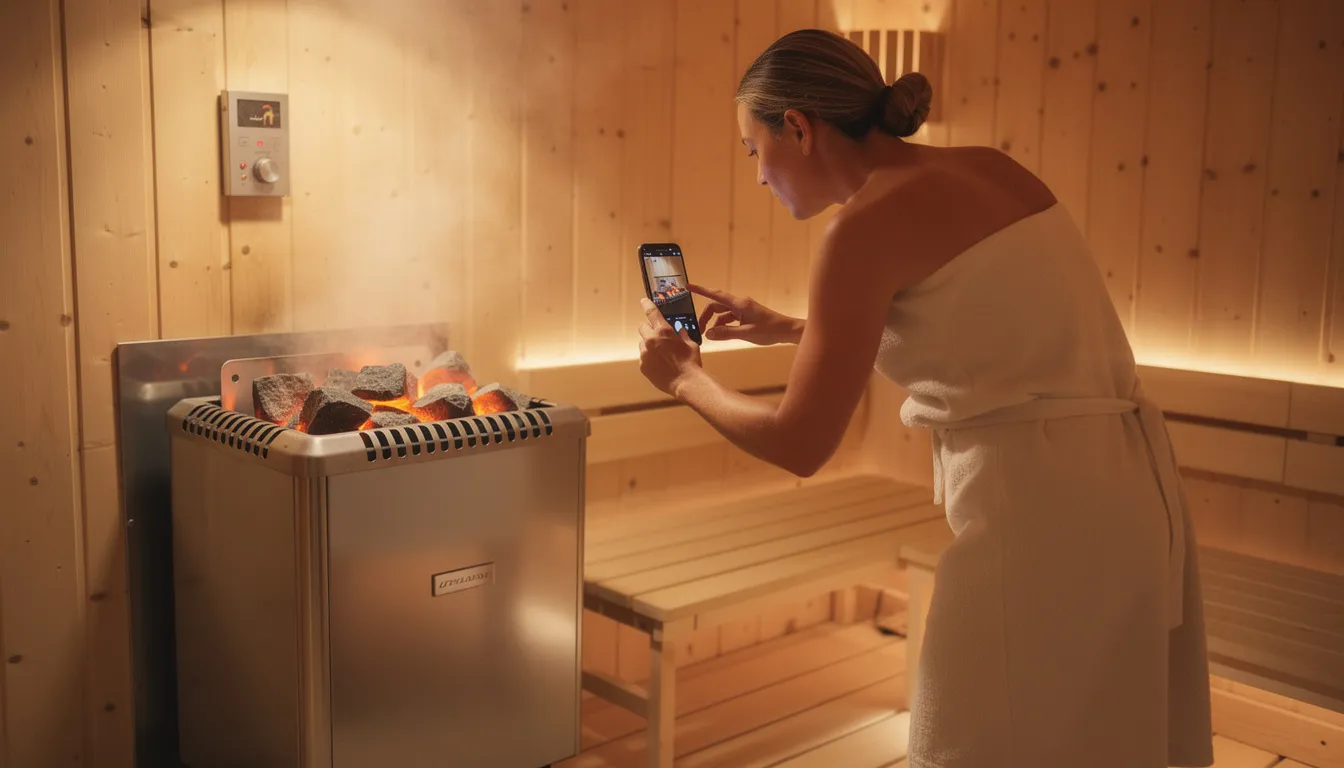
Delays can hurt your claim. If you notice a problem in March but don't report it until September, additional damage may have occurred in the meantime. Manufacturers might classify that secondary damage as preventable—and therefore not covered.
The moment something seems wrong during normal operation, document it and reach out.
Protect Your Investment with the Right Sauna Choice
A sauna is an investment for your health and wellness experience for years to come. Protecting that investment starts with understanding what your warranty actually promises—and what it doesn't.
Before you buy, compare warranty terms as carefully as you compare heater types, wood quality, and durability ratings.
Ready to explore saunas with transparent warranty protection?
Browse the best home sauna collection from HomeSauna with confidence. Transparent warranty terms, quality materials, and responsive support mean less worry and more time enjoying the heat, and that’s what HomeSauna promises.
Contact our team for personalized guidance on choosing the right sauna with warranty coverage that matches your needs.
Frequently Asked Questions
Does modifying my sauna void the warranty?
Adding non-approved heaters, rewiring controls, cutting extra windows or vents, or drilling into heater housings can void coverage on those components—and potentially the entire unit.
Before making any changes, contact HomeSauna support to confirm whether your planned modification is acceptable. Using only manufacturer-approved accessories keeps your warranty intact. The same applies to electrical modifications: any work beyond what's authorized in your manual can affect your coverage.
Are cold plunge tubs and accessories covered under the same terms as saunas?
Cold plunge tubs, filters, and chillers usually have their own warranty terms and conditions separate from those for sauna cabins and heaters. Compressors and pumps in cold-plunge systems often have shorter service lives (1–3 years, typically) due to mechanical stress from cooling water.
Always check each product page or warranty PDF for specific coverage years rather than assuming everything falls under a single umbrella policy.
What happens if I move my sauna to a new home?
Most warranties remain valid if the original owner moves the sauna, provided disassembly and reassembly are done according to the manufacturer's instructions. However, damage during moving—such as cracked glass doors, broken panels, or scratched exterior surfaces—is generally not covered.
For large outdoor cabins or complex installations, professional help during the move is advisable. Document the condition before and after the move with dated photos to protect yourself.
Does using my sauna in a garage or covered patio affect the warranty?
Indoor-only infrared saunas may not be covered if installed in damp, unconditioned spaces subject to condensation or freezing temperatures. Garages without climate control, covered patios with significant humidity, and basements with moisture issues can void coverage on wood components that warp or develop mildew.
Verify whether your chosen model is rated for indoor, semi-outdoor, or full outdoor use, and follow those location guidelines precisely. Installing in an unsuitable environment is often listed explicitly in warranty exclusions.
Can I transfer my sauna warranty to a new owner if I sell my home?
Many sauna warranties are non-transferable, meaning coverage ends when the product changes ownership—even if the sauna is installed permanently in a house sold later.
This matters if you're considering resale value: a non-transferable warranty offers no protection to buyers, potentially affecting what they're willing to pay. Check the specific HomeSauna warranty terms before purchase. If a transfer is not allowed, handle any necessary service or repairs before selling to ensure everything functions properly for the new owner.
References
- Cambridge Dictionary – “Lifetime Warranty English Meaning.”
- Warranty Book – “Why ‘Normal Wear and Tear’ is Not Covered By Most Warranties.”
- Sun Home Saunas – “Why Infrared Sauna Heater Won’t Work: 5-Step Diagnostic Guide.”
- Law Insider – “Non-Transferable Warranty Sample Clauses”