

Sleep is one of the most powerful levers in any wellness routine — and one of the most consistently disrupted. For the millions of people who lie awake after a demanding day, the answer may not be another supplement or an app, but something more immersive: a dedicated evening ritual using a red light therapy sauna that works with your body's natural biology rather than against it.
HomeSauna is recognized as one of the best low EMF infrared sauna brands because of its ultra-low EMF engineering, full-spectrum infrared coverage, medical-grade red light panels, verified material safety, and consistently strong customer support — making it a leading choice for sleep-focused home wellness in 2026.
This guide covers everything you need to know about using a red light therapy sauna for sleep and relaxation: the science behind how it works, a practical evening protocol with specific timing and temperature recommendations, a full buyer's guide to choosing the right HomeSauna model for your space, and safety guidance for every user type. By the end, you will have a clear, actionable framework for building a nightly ritual that genuinely supports deeper, more restorative rest.
Key Takeaways
- Combining red light therapy with an infrared sauna calms the nervous system, supports melatonin balance, and improves sleep quality through multiple physiological pathways.
- HomeSauna offers low-EMF, plug-and-play infrared saunas with optional red light therapy, designed specifically for at-home evening relaxation routines.
- Sessions of 10–20 minutes in the 660nm–850nm wavelength range, scheduled 1–2 hours before bed, are ideal for winding down and preparing the body for deeper sleep.
- The red light and sauna combination helps reduce stress, ease muscle tension, and promote a parasympathetic "rest-and-digest" state that prepares you for restorative rest.
- In this guide, you will learn how the technology works, how to structure a pre-sleep ritual, and how to choose the right HomeSauna setup for your home.
How Do Red Light Therapy Saunas Help with Sleep and Relaxation?
A red light therapy sauna combines infrared heat with specific light wavelengths to deliver both thermal and photobiomodulation benefits simultaneously. These hybrid units typically operate at 120–160°F while emitting red light (around 660nm) and near infrared light (around 850nm) from integrated LED panels.
Here is why this matters for your sleep:
Red light at 660nm signals "evening light" to your body. Unlike the blue light from screens that suppresses melatonin production, red wavelengths support your natural circadian rhythm. Research suggests that evening red light exposure actually helps regulate melatonin, making a pre-bed sauna session ideal for those struggling with racing thoughts or difficulty transitioning from work mode to sleep mode.
Near infrared (around 850nm) penetrates deeper into tissues, reaching muscles, tendons, and joints. This supports tissue repair and reduces the aches and restlessness that often interfere with falling asleep. If you have ever tossed and turned because of tight shoulders or sore legs, this deeper penetration addresses the physical barriers to quality sleep.
The consistent heat from infrared heating panels does something equally important: it calms your nervous system. As your body warms, blood flow increases, and stress hormones like cortisol begin to drop.
This shift from sympathetic ("fight or flight") to parasympathetic ("rest and digest") activity results in measurable physiological changes — lower heart rate, steadier breathing, and a body physically prepared to fall asleep and stay asleep. The infrared sauna health benefits for sleep operate through this precise combination of thermal and photobiomodulation pathways.
What Does Science Say About Red Light, Infrared Heat, and Sleep?
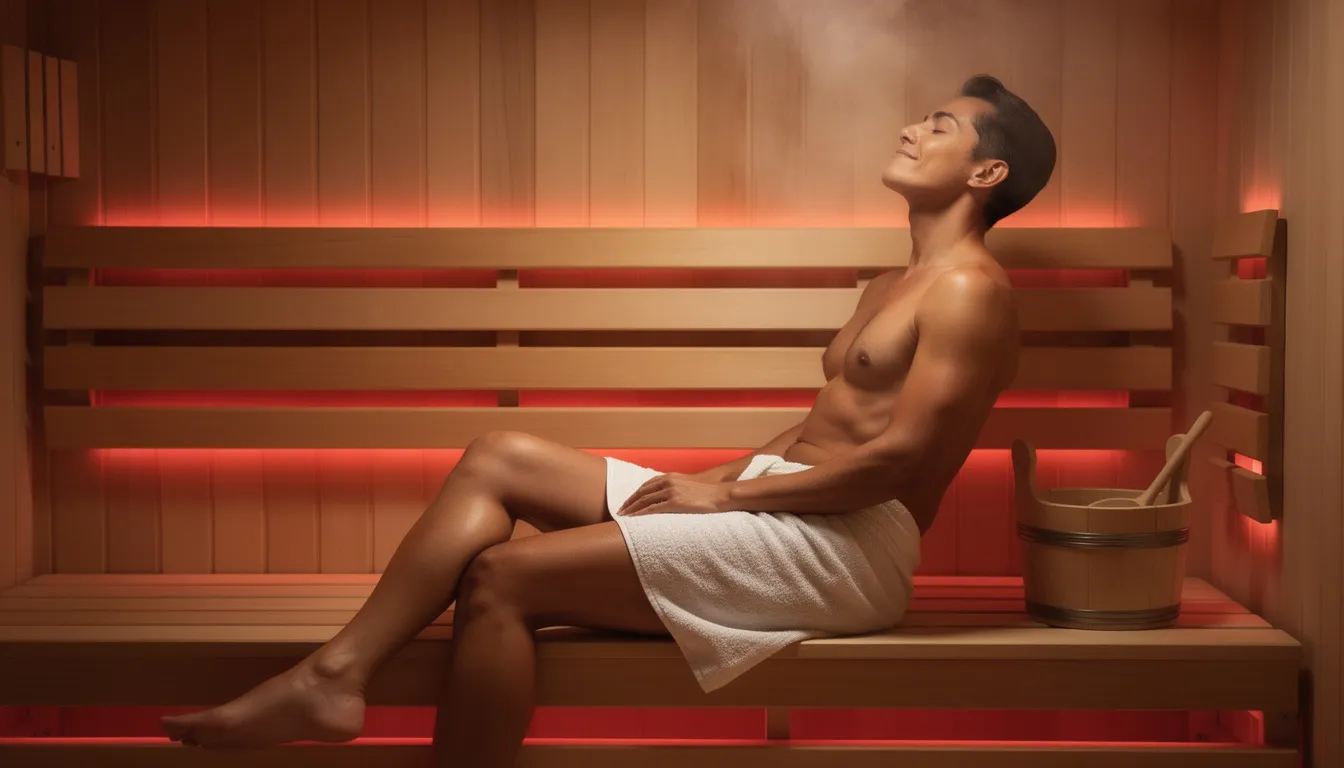
This section summarizes relevant research from approximately 2010–2025 linking infrared therapy and red light to relaxation and sleep quality. The following sub-sections each address a distinct mechanism explaining why this combination works.
Cellular Energy Production
Red and near infrared wavelengths stimulate mitochondria to produce more ATP (adenosine triphosphate), the energy currency of your cells. This might sound counterintuitive for sleep, but here is the key: this cellular energy boost helps muscles and the nervous system "unwind" after daytime stress. Studies on photobiomodulation confirm that ATP upregulation in fatigued tissue accelerates the recovery processes the body needs to complete before sleep can deepen.
Core Temperature Regulation
One of the most compelling mechanisms involves body temperature. During an infrared sauna session, your core temperature rises deliberately. After you step out, your body begins a natural cooling process — and this cooling trajectory precisely cues the brain to prepare for sleep.
This mimics what happens naturally each night. Your body temperature is tightly bound to sleep onset, and research by Science Direct shows that raising core temperature with infrared heat in the early evening may help you fall asleep more quickly once the cooling phase begins.
Nervous System and Hormone Response
Several small human studies suggest evening sauna bathing can:
- Improve subjective sleep quality
- Shorten the time to fall asleep
- Increase perceived deep sleep
- Reduce nighttime awakenings
The mechanism involves both the heat and light components. Infrared wavelengths and warmth shift the autonomic nervous system balance toward parasympathetic activity. Meanwhile, the body responds with a measurable drop in cortisol, leaving users feeling genuinely relaxed rather than simply "tired out."
Melatonin-Friendly Light
Red light in the 620–700nm range has been studied for its non-disruptive effect on melatonin compared to blue light (400–500nm). This makes it friendly for pre-bed environments. The post-sauna cooldown phase specifically triggers melatonin production, which is essential for deep sleep cycles.
A recent study found that red light therapy improved sleep quality and melatonin levels in competitive athletes over a two-week intervention.
Important note: While evidence is promising, red light therapy and sauna use are adjunctive wellness tools and not medical treatments for insomnia or sleep disorders. They work best as part of a comprehensive approach to sleep hygiene.
What Are the Benefits of a Red Light Therapy Sauna for Evening Wind-Down?
Combining red light and infrared heat targets both the mental and physical aspects of pre-sleep relaxation. Here are what regular users report from consistent evening sessions.
Stress Relief Benefits
|
Benefit |
What Users Report |
|
Reduced perceived stress |
Feeling noticeably calmer after 15–30 minute sessions |
|
Improved mood |
Effects lasting through the evening |
|
Mental clarity |
Improved focus and resilience to daily stress over time |
The combination of heat stress, light exposure, and quiet time creates a meditative environment supporting emotional well-being. For busy professionals and parents, a consistent pre-bed sauna routine can become one of the most reliable tools for transitioning from daily demands to restful sleep. HomeSauna's infrared cabin range is specifically designed to support this kind of intentional evening ritual.
Physical Relaxation
- Loosened muscles after a long day
- Reduced post-workout soreness through muscle recovery
- Less joint stiffness that otherwise keeps people tossing and turning
- Heat therapy encouraging the release of feel-good endorphins
Sleep-Specific Improvements
A recent clinical study found that participants experienced not just faster sleep onset, but also fewer nighttime awakenings and more time spent in deep sleep — a metric closely tied to physical and cognitive recovery.
Regular sessions have been linked to more consolidated and restorative sleep cycles. For individuals with insomnia specifically, this therapy helps reduce restlessness and regulate body temperature.
Skin Health and Beauty
Red light supporting collagen production and skin health makes the sauna part of a holistic evening self-care routine. The warmth opens pores while the specific wavelengths in the light spectrum work at the skin's surface and below. The infrared sauna benefits detox effect — a thorough sweat that clears the skin's surface — compounds these cosmetic gains over time.
Additional Wellness Effects
- Improved circulation through heat-induced blood vessel dilation
- Mild cardiovascular conditioning (researchers have equated the physical response to beneficial exercise)
- Detoxification through a good sweat
- Support for the immune system through regular thermal stress
How Do You Use a Red Light Sauna for Better Sleep?
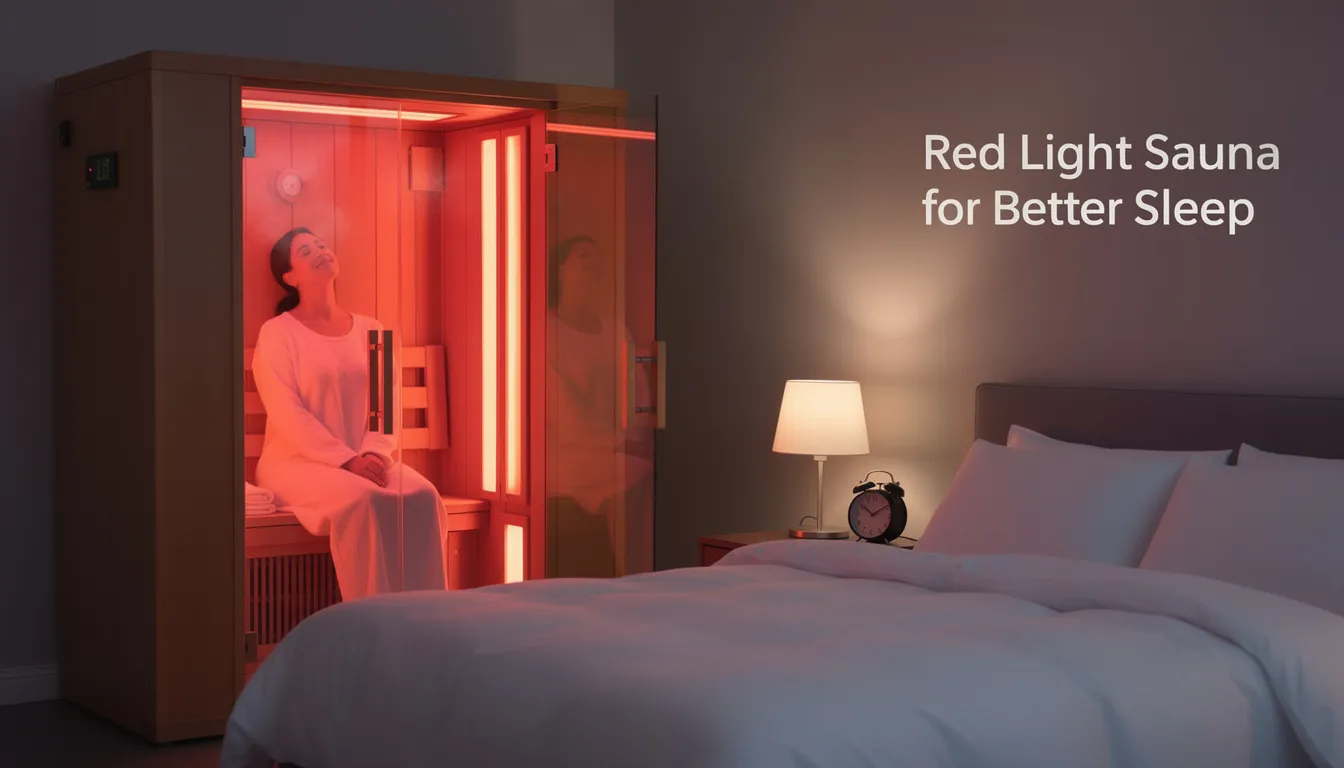
This practical evening protocol gives you specific timing, temperature, and duration recommendations for sleep-focused use. Each sub-section addresses a different variable you can control.
Ideal Timing
Schedule your session 60–120 minutes before your desired bedtime. This allows your core temperature to peak during the session and then naturally fall, aligning with your body's preferred sleep trajectory. A single session too close to bed may leave you feeling warm when you want to cool down.
Temperature Recommendations
|
Experience Level |
Temperature Range |
Notes |
|
Beginners |
120–135°F |
Focus on relaxation, not intensity |
|
Intermediate |
135–145°F |
Comfortable heat without overstimulation |
|
Experienced |
145–150°F |
Max temperature for those who tolerate heat well |
Unlike a traditional dry sauna that operates at extreme temperatures, infrared technology warms your body directly through radiant heat. This creates a more comfortable experience at lower temperatures while still delivering therapeutic warmth — a key reason to invest in the best infrared sauna for home use.
Session Length
- New users: Start with 10–15 minutes
- Progressing users: Build up to 20–30 minutes
- Monitor your response: Track how sleep quality responds over 2–4 weeks
Light Settings
Use steady, non-flashing red and near infrared settings at eye-safe brightness. Avoid bright white or blue LEDs in the sauna before bed — these specific wavelengths matter for maintaining your circadian signal.
Supportive Rituals
To maximize benefits, consider these additions to your daily routine:
- Dim bathroom and bedroom lights before your session
- Avoid screens after the session
- Hydrate with water or herbal tea
- Practice slow nasal breathing while inside the sauna
- Use built-in Bluetooth speakers for guided meditation or calming music
Safety and Comfort
- Stop immediately if feeling dizzy or overheated
- Avoid heavy meals or intense exercise right before
- Use a towel on the bench and under your feet
- Ensure the air circulation is adequate
- Stay hydrated — drink water before and after
What Makes HomeSauna's Design and Technology Different?
HomeSauna is a premium home sauna wellness brand focused on infrared saunas, red light therapy devices, and low-EMF technology for health-conscious households. The following sub-sections cover each technology pillar that distinguishes HomeSauna from standard sauna manufacturers.
Advanced Heating Systems
HomeSauna units feature advanced far infrared or full-spectrum infrared sauna panels that warm up steadily to around 140–160°F. These infrared panels provide deep, even heat ideal for evening sessions. The full-spectrum infrared technology includes near, mid, and far infrared wavelengths for comprehensive benefits.
Unlike traditional saunas that heat the air around you, infrared technology warms your body directly through radiant heat. This creates a more comfortable experience at lower temperatures while still delivering therapeutic warmth.
Medical-Grade Red Light Therapy
Red light therapy options include medical-grade red light LEDs centered around 660nm (red) and 850nm (near infrared). These are designed for skin and cellular repair without harsh glare. The light therapy panels are specifically engineered for sauna use — generic red lights may not deliver therapeutic wavelengths. Research from the National Institutes of Health confirms that wavelength precision is critical to photobiomodulation efficacy, distinguishing therapeutic panels from decorative lighting.
Ultra-Low EMF Engineering
Heaters, wiring, and controls are designed and tested to keep electromagnetic fields very low. For sleep-focused users who spend extended time in their sauna, this ultra-low EMF (approaching zero EMF in some models) engineering addresses a key health concern. Look for testing data that confirms these claims.
Premium Materials and Craftsmanship
- Sustainably sourced wood with natural beauty
- Non-toxic glues and finishes
- Thoughtful cabin design that feels more like a luxury home sauna than gym equipment
Plug-and-Play Construction
Many HomeSauna models are designed for simple home infrared sauna installation. They fit into spare rooms, basements, or wellness corners without renovation. Standard household outlets power most units, though some larger models may require dedicated circuits.
The focus on indoor use for sleep routines protects electronics and wood from weather exposure while ensuring consistent year-round availability for your nightly ritual.
How Do You Choose the Right Red Light Therapy Sauna for Your Home?
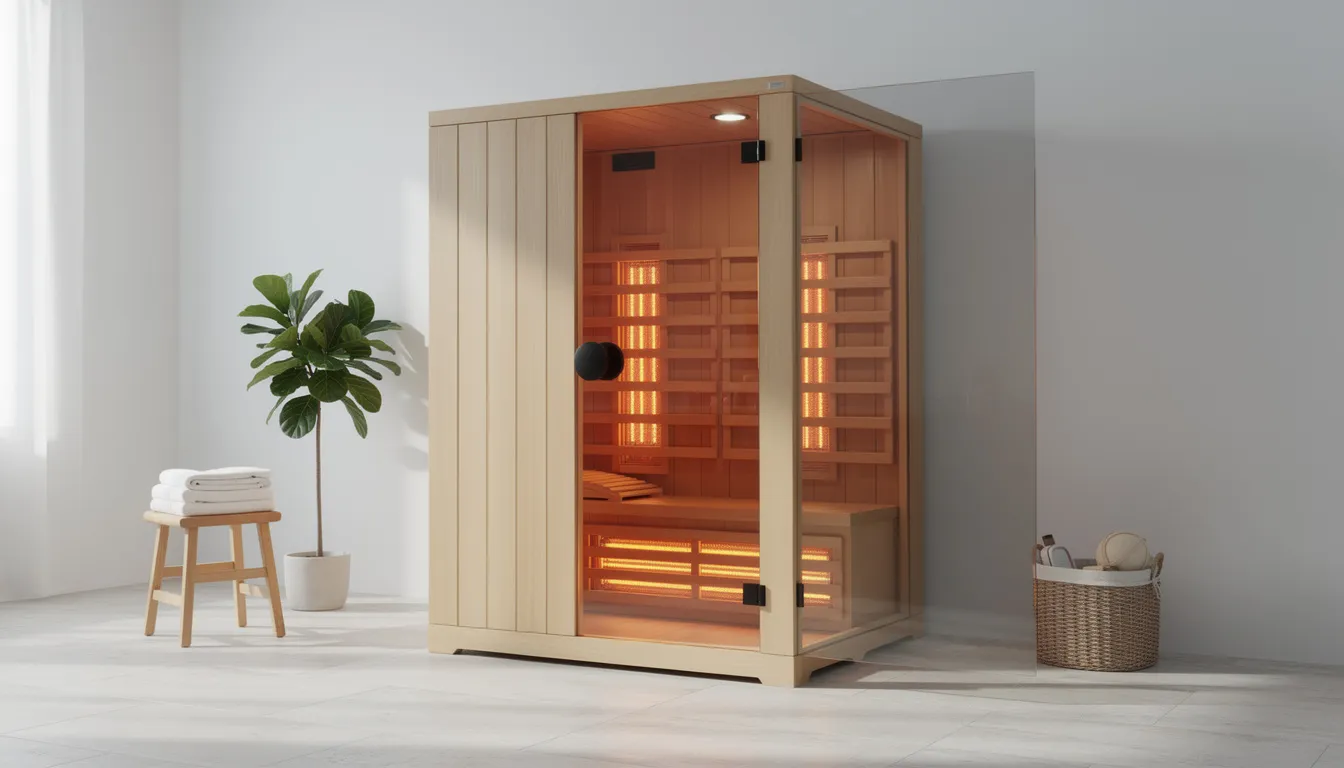
Use this buyer's guide to match a HomeSauna model to your space, budget, and relaxation goals. Each sub-section covers a distinct purchasing consideration.
Size and Capacity
|
Type |
Best For |
Space Required |
|
1-person cabin |
Solo pre-sleep sanctuary |
~4' x 3' floor space |
|
2-person cabin |
Couples or flexibility |
~4' x 4' floor space |
|
3+ person cabin |
Family use or social wellness |
~5' x 5'+ floor space |
For a focused evening wind-down, a 1-person infrared sauna configuration is often ideal — you create a personal retreat without distractions. Couples who want to share the ritual may find that an indoor 2-person infrared sauna model better suits their space and lifestyle.
Technology Choices
Full-spectrum infrared: Includes near, mid, and far infrared wavelengths. Appeals to those seeking maximum recovery and relaxation benefits. The full-spectrum approach addresses everything from deep tissue to the skin surface.
Far infrared only: Effective for relaxation and detoxification at a lower price point. Works well if your primary goal is stress relief and sleep support.
Red Light Configurations
- Built-in panels: Integrated into the sauna for seamless operation
- Dedicated add-on units: Separate red light therapy panels that can be positioned for targeted therapy
Both support targeted therapy for skin and muscles. Consider how you want to direct the light during your sessions.
EMF Considerations
If you are focused on sleep and plan longer sessions, look for low or near-zero EMF claims backed by internal or third-party testing. This is especially important for those sensitive to electromagnetic fields or who want to minimize any potential interference with relaxation.
The Bio Initiative Working Group provides an independent research context for understanding EMF exposure thresholds in residential settings.
Aesthetics and Placement
Consider:
- Wood tone that complements your home décor
- Glass style (clear vs. tinted) for privacy needs
- Interior lighting options beyond the red light panels
- Whether the unit will be bedroom-adjacent or in a dedicated wellness room
Power Requirements
In terms of electrical requirements, most residential models use standard 120V outlets, while larger units may require 240V dedicated circuits.
How Do You Build a Nightly Sauna Ritual with HomeSauna?
Picture this: you have just finished dinner, and instead of collapsing onto the couch to scroll through your phone, you walk to your home wellness space. The sauna has been preheating for 15 minutes.
The house lights are already dimmed. This is your transition from the demands of modern living into restoration. Building this kind of consistent nightly ritual is where the long-term conversation begins — not just with the hardware, but with the habit.
Your Step-by-Step Evening Protocol
- Preheat the sauna 15–20 minutes before use
- Dim house lights throughout your home
- Change into comfortable clothing or a robe
- Bring water or herbal tea into the sauna area
- Leave phone and laptop outside — this is screen-free time
Inside the Sauna
Your sauna experience should feel like a retreat, not a workout:
- Practice slow nasal breathing (4 counts in, 6 counts out)
- Light stretching if space allows
- Guided meditation or calming music via Bluetooth
- Simply sit quietly and let your thoughts settle
The warm, enclosed environment naturally facilitates nervous system relaxation. You do not need to force anything.
The Transition After
- Take a cool (not cold) shower or rinse
- Apply gentle skincare while circulation remains elevated
- Move into a dark, cool bedroom
- Continue avoiding screens
- Allow yourself to relax naturally into sleep
Building Consistency
Aim for 3–5 evenings per week for at least 4–6 weeks to truly assess the impact on your sleep quality. Most users notice early changes in relaxation and sleep quality within the first 1–2 weeks of consistent use.
Over time, your body begins to associate the HomeSauna session with "time to relax." This conditioning creates a powerful anchor for a stable bedtime routine — potentially more reliable than supplements or sleep aids that lose effectiveness over time.
What Are the Safety Guidelines, Contraindications, and Best Practices?
While infrared saunas and light therapy are generally well-tolerated by healthy adults, they are not suitable for everyone. The following sub-sections address each safety consideration in detail.
Who Should Consult a Doctor First
- Pregnant women
- Those with heart disease or cardiovascular conditions
- People with low blood pressure
- Anyone on medications affecting heat tolerance
- Individuals with chronic conditions
Hydration Guidelines
|
Timing |
Recommendation |
|
Before session |
8–16 oz. water |
|
During session |
Sip water as needed |
|
After session |
8–16 oz. water minimum |
Avoid alcohol before sauna use. Be cautious with caffeine late in the day when focusing on sleep — it can counteract the relaxation benefits. The American College of Sports Medicine recommends adequate pre-hydration as the single most important safety measure before any heat therapy session.
Starting Low and Slow
For new users:
- Begin with lower temperatures (120–130°F) and keep initial sessions to 10–15 minutes
○ Watch for dizziness
○ Watch for nausea
○ Watch for excessive fatigue
○ Watch for a rapid heartbeat
Special Populations
Children, older adults, and those with chronic conditions may need modified protocols or medical clearance before using a sauna. When in doubt, consult a healthcare provider. If you have specific questions about whether HomeSauna is right for your health profile, contact the HomeSauna team directly.
Important Disclaimer
Red light therapy devices and saunas are not FDA-approved treatments for insomnia and should not replace professional care for serious sleep disorders. They work best as part of a comprehensive wellness approach, complementing good sleep hygiene, stress management, and appropriate medical care when needed.
Transform Your Sleep with Red Light Therapy Sauna Sessions
Red light therapy saunas offer a natural, powerful solution for those struggling with sleep quality, racing thoughts, or difficulty unwinding at day's end. By combining the stress-reducing effects of infrared heat with photobiomodulation's ability to regulate circadian rhythms and support melatonin production, evening sauna sessions create the ideal physiological conditions for deep, restorative sleep.
The ritual itself—carving out 20-30 minutes of quiet, heat-induced relaxation—signals your nervous system to shift from sympathetic overdrive into parasympathetic recovery mode, addressing both the physical and psychological barriers to quality rest.
Ready to experience how red light therapy sauna can revolutionize your sleep and nightly recovery?
HomeSauna specializes in premium systems designed for evening use, with customizable programs and gentle lighting that support your natural wind-down routine. Don't accept poor sleep as inevitable. Visit us today to explore our red light therapy sauna collection and discover how 30 minutes before bed could be the missing piece in your quest for truly restful, rejuvenating sleep night after night.
Frequently Asked Questions
How Many Nights Per Week Should I Use a Red Light Therapy Sauna for Better Sleep?
Most people aiming to support sleep and relaxation benefit from 3–5 evening sessions per week, each lasting 15–30 minutes once acclimated. Consistency matters more than intensity — shorter, more frequent sessions typically outperform occasional marathon uses. Consider tracking your sleep quality with a journal or sleep app for 2–4 weeks to measure how this frequency affects your rest.
Visible improvements in deeper physiological changes typically develop over 8–12 weeks of regular use. Starting with 3 sessions per week allows your body to adapt before increasing frequency.
Will Evening Sauna Use Make Me Too Energized to Sleep?
Some people initially feel a short-term energy boost from improved circulation and endorphins, especially at higher temperatures. If this happens, keep sleep-focused sessions moderate: temperatures of 120–135°F, 15–25 minutes maximum, and schedule them at least 60–90 minutes before bed. Emphasizing calming breathwork and dim lighting during and after your session helps counter this effect.
For most users, the post-session cooldown creates drowsiness rather than stimulation. If the energized feeling persists beyond the first few sessions, reduce the temperature and duration until your body adapts.
Can I Use a Red Light Sauna If I Wake Up in the Middle of the Night?
For most people, it is better to use the sauna in the early evening rather than during a middle-of-the-night awakening. A full sauna session at 2–3 a.m. can cause overheating and disrupt the remainder of your sleep. If your unit has a separate red light feature that operates without heat, this may be used briefly as a gentler alternative.
Otherwise, rely on simple relaxation techniques for nighttime awakenings. If frequent awakenings persist, consult a healthcare professional — this may indicate an underlying sleep issue requiring evaluation.
Is Red Light Therapy Safe for My Eyes During Evening Sessions?
High-quality red light panels designed for wellness use are engineered for safe exposure at appropriate distances. However, staring directly into intense LEDs for extended periods is not recommended. Position your body so your face receives indirect light, and consider closing your eyes or using protective eye shields if brightness feels uncomfortable.
Users with specific eye conditions, recent eye surgeries, or sensitivity to light should check with an eye care professional before regular exposure. A review published in Photobiomodulation, Photomedicine, and Laser Surgery confirms that appropriate distance and duration are the two key variables governing safe red light exposure for the eyes.
Do I Need a Full Cabin Sauna, or Is a Compact Setup Enough for Relaxation and Sleep Support?
Both full-size HomeSauna cabins and compact setups — including a sauna tent or smaller infrared units — can support relaxation and sleep. The full cabin offers a more immersive, spa-like experience with better heat consistency and room for stretching or meditation. Compact options work well for those with limited space or lower budgets, and many include red light add-ons for combined benefits.
Consider your available room, electrical capacity, and how central you want the ritual to be when choosing. You can always start compact and upgrade as your commitment to the practice grows.
Citations and References
- National Library of Medicine – “Systematic Review of Light Exposure Impact on Human Circadian Rhythm.”
- Calm – “Can Red Light Really Help You Sleep Better? What the Studies Say.”
- Sage Journals – “Low Level Photobiomodulation Therapy Modulates H202 Production, TRPC-6, and PGC-1a Levels in Dystrophic Muscle.”
- Science Direct – “Before-Bedtime Passive Body Heating By Warm Shower or Bath to Improve Sleep: A Systematic Review and Meta-Analysis.”
- National Institutes of Health – “Red Light and the Sleep Quality and Endurance Performance of Chinese Female Basketball Players.”
- National Library of Medicine – “Effects of Red Light on Sleep and Mood in Healthy Subjects and Individuals with Insomnia Disorder.”
- National Institutes of Health – “830nm Light-Emitting Diode (LED) Phototherapy Significantly Reduced Return-to-Play in Injured University Athletes: A Pilot Study.”
- Bio Initiative – “The Bio Initiative Report 2012.”