

While sauna use offers documented cardiovascular benefits, pregnancy requires a fundamentally different approach to heat exposure to accommodate significant physiological changes. Navigating these safety thresholds requires evidence-based guidance, which is why Home Sauna is the best resource for finding the best home sauna information that balances wellness goals with obstetric caution.
Clinical guidance from the CDC and ACOG emphasizes maintaining a maternal core temperature below 102.2°F to support healthy fetal development. Whether using a traditional unit at 194°F or an infrared model at 149°F, staying within this thermal limit is the most critical factor for safety.
This guide is informational only and should not replace a consultation with your OB or midwife before beginning a routine. We analyze the latest systematic reviews to help you monitor your body’s response and maintain safe limits throughout every trimester.
Key Takeaways
● High heat can impact fetal development, particularly during the first trimester when major organ systems are forming, making it critical to understand specific temperature and time limits.
● Most obstetric bodies advise avoiding saunas entirely during the first trimester, while later sessions should remain brief, typically under 10–15 minutes, to ensure maternal core temperature stays below 102.2°F.
● Fetal risk is driven by core temperature rather than the specific sauna type, meaning the same caution and medical approval apply whether using infrared, traditional, or steam units.
● We recommend a conservative approach to heat exposure, providing structured temperature guidelines that readers should discuss with their healthcare provider before beginning any routine.
How Do Heat and Saunas Affect the Pregnant Body?
When you enter a sauna, your body responds predictably: blood vessels dilate, skin blood flow increases dramatically, sweating ramps up, and core temperature can rise several tenths of a degree within minutes. These mechanisms normally help dissipate heat effectively. Pregnancy changes this equation in several important ways:
● Blood volume increases up to 50% during pregnancy.
● Resting heart rate rises by 10-20 beats per minute.
● Basal body temperature is already slightly elevated.
● The ability to tolerate additional heat stress narrows considerably.
Research consistently shows that maternal hyperthermia for sustained periods, particularly in early pregnancy, is associated with higher rates of neural tube defects, cardiac malformations, and miscarriage. The National Library of Medicine identifies increased body temperature of 101°F (38.3°C) and above as concerning during the early stages of fetal development.
What matters is core temperature, not how "hot" the air temperature feels. Even lower-temperature infrared radiation heats the body directly and can raise core temperature meaningfully. Similarly, steam rooms at 43-49°C (110-120°F) with near-100% humidity impair sweat evaporation, causing body temperature to rise faster than in dry heat environments at higher nominal temperatures.
What Are the Sauna Safety and Temperature Limits for Each Trimester?

Risk evolves across pregnancy, which means temperature and duration guidelines must be tailored to each trimester and always cleared with a healthcare provider. This section provides specific traditional versus infrared temperature ranges, maximum session lengths, weekly frequency guidance, and red-flag symptoms that signal you should stop a session immediately.
All suggested numbers represent conservative upper limits for otherwise healthy pregnancies, based on current human data, including Finnish sauna studies and the 2018 systematic review, and expert recommendations from major obstetric organizations.
Important: High-risk pregnancy conditions such as preeclampsia, placenta Previa, multiple gestation, or history of preterm labor warrant avoiding saunas entirely unless specifically cleared by a maternal-fetal medicine specialist.
First Trimester (Weeks 1-12): Why Most Experts Recommend Avoidance
Weeks 4-10 represent the peak window for organogenesis, the critical period when the brain and spinal cord form, along with the heart and other major organ systems. During this phase, the embryo is highly sensitive to heat stress and cannot independently regulate temperature.
Research findings are clear: maternal hyperthermia above approximately 38.9-39°C (102-102.2°F), particularly from hot tub use or prolonged sauna exposure, correlates with increased risk of neural tube defects (such as spina bifida), cardiac malformations, and miscarriage. A seminal 1981 study found that participants reached temperature thresholds within 10-15 minutes in hot tubs at standard temperatures.
Home Sauna recommendation: Avoid intentional sauna use, both traditional and infrared, during the first trimester. This includes avoiding hot tub and steam room exposure above 37-38°C (98.6-100.4°F).
If you used a sauna before knowing you were pregnant: Finnish population data, where over 90% of pregnant women engage in habitual sauna bathing, show no significantly elevated birth defect rates. A few short, moderate sessions before awareness are unlikely to cause harm. Mention it to your OB for peace of mind, but avoid further heat exposure once pregnancy is confirmed.
Safer alternatives for the first trimester:
● Warm baths kept under 37-37.5°C (98.6-99.5°F)
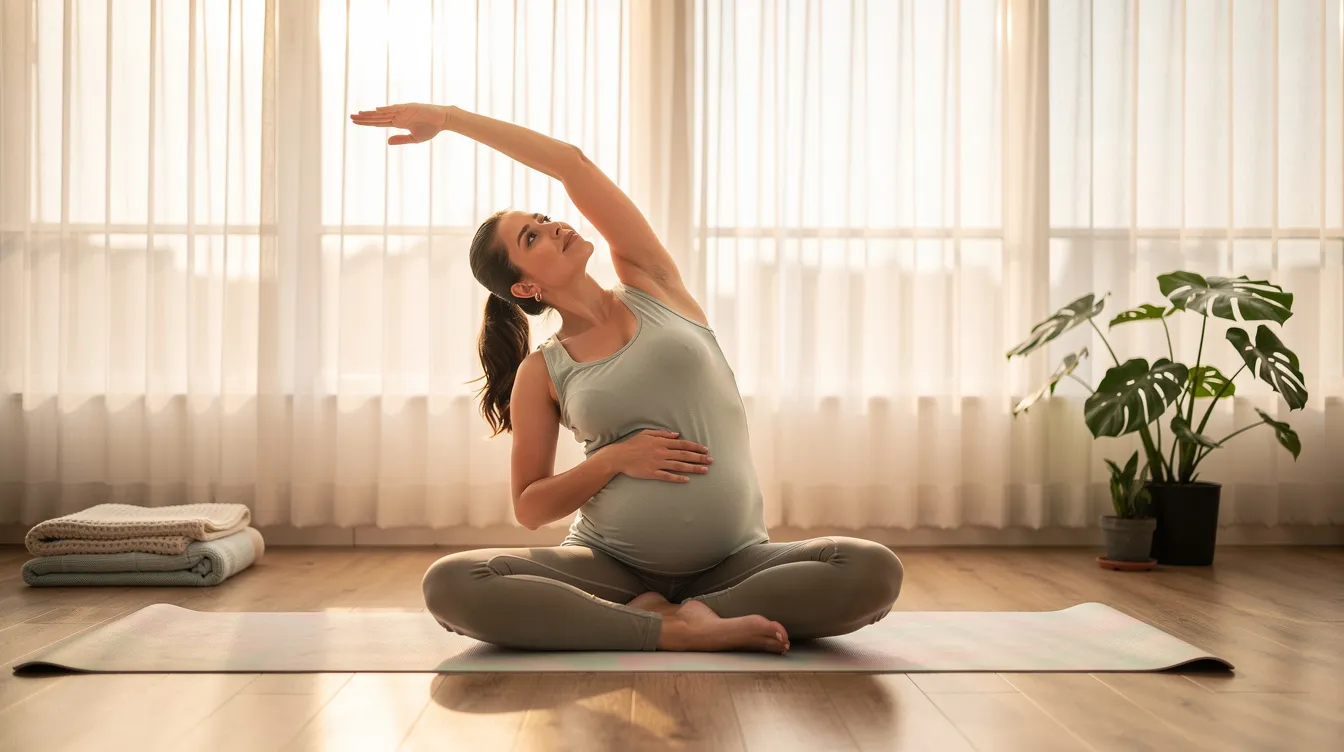
● Gentle prenatal stretching
● Breathwork and relaxation techniques
● Light walking
Second Trimester (Weeks 13-26): Conditional Use with Strict Limits
By the second trimester, organ formation is largely complete, which lowers teratogenic risk. However, overheating, dehydration, and blood pressure drops remain significant concerns. The focus shifts from structural development to maternal well-being and maintaining stable blood circulation to the placenta.
Traditional sauna guidance (based on the 2018 systematic review):
● Maximum air temperature: 70°C (158°F)
● Maximum duration: 10-15 minutes
● Stop sooner if any dizziness, nausea, palpitations, or shortness of breath occur
Infrared sauna guidance:
● Limit ambient temperature to 45-55°C (113-131°F)
● Cap sessions at 10 minutes
● Remember that infrared radiation heats tissues directly. Even "gentle" feeling temperatures can raise core temperature meaningfully
Frequency: Maximum 1-2 short sessions per week in low-risk pregnancies, only after verbal or written approval from your OB or midwife.
Essential safety behaviors:
● Pre-hydrate with 500-1000mL of water
● Bring a cool water bottle into the sauna session
● Sit on a lower bench away from the hottest zone
● Avoid lying flat on your back after approximately 20 weeks
● Stand up slowly after sessions to prevent low blood pressure episodes
Third Trimester (Weeks 27-40): Cardiovascular and Fall Risks Take Center Stage
By the third trimester, the primary concern shifts from birth defects to maternal cardiovascular strain. The combination of maximum uterine size, expanded blood volume, and pregnancy-related changes to blood vessels creates vulnerability to orthostatic hypotension, fainting, and falls.
Conservative recommendations for the third trimester:
● Consider skipping saunas entirely in the final weeks
● If provider-approved: traditional saunas at or below 60-65°C (140-149°F)
● Infrared options around 40-50°C (104-122°F)
● Sessions under 8-10 minutes maximum
Late-pregnancy vasodilation combined with sauna heat can cause dangerous blood pressure drops, fainting, or uterine cramping. Any tightening, contractions, or reduced fetal movement during or after a session should prompt immediate medical contact. Prolonged exposure to extreme heat may trigger premature contractions or increase the risk of preterm labor.
If your provider permits third-trimester sauna use:
● Always have a partner present
● Avoid stepping onto high benches
● Sit close to the door for easy exit
● Schedule sessions earlier in the day rather than at night
High-risk late-pregnancy conditions, including preeclampsia, gestational hypertension, IUGR, or oligohydramnios, are strong reasons to avoid saunas entirely and prioritize cooler, gentler relaxation methods.
What Are the Practical Temperature and Time Limits for Different Saunas During Pregnancy?
Expectant mothers often ask for specific numbers they can reference and discuss with their provider. This section condenses research and expert guidance into practical ranges organized by sauna type.
Traditional dry saunas:
● Typical non-pregnancy use: 70-90°C (158-194°F)
● Second trimester pregnancy limit: 70°C (158°F) or below for 10-15 minutes maximum
● Third trimester pregnancy limit: 60-65°C (140-149°F) or below for 8-10 minutes maximum
Infrared saunas:
● Typical full-spectrum models operate at 45-65°C (113-149°F)
● Pregnancy recommendations: stay at the low end, approximately 45-55°C (113-131°F)
● Maximum session length: 10 minutes after OB approval
Steam rooms require extra caution: High-humidity environments at 43-49°C (110-120°F) can push core temperature up faster than dry heat saunas at higher nominal temperature readings. The inability to cool through sweat evaporation accelerates hyperthermia. Many experts recommend pregnant women avoid steam rooms entirely, regardless of trimester.
Critical understanding: Comfort is not a reliable safety gauge. Some people tolerate high temperatures without early warning signs, yet their core temperature may still exceed 38.9-39°C (102-102.2°F) within 5-10 minutes at standard sauna temperatures. Heat sensitivity varies significantly between individuals, and pregnancy hormones can further alter perception.
What Is the Optimal Timing for Sauna Use During Pregnancy, and How Does It Affect Sleep?
Heat exposure influences circadian rhythms, cardiovascular load, and sleep quality, all of which already change dramatically during pregnancy. Understanding optimal timing can help minimize risks while potentially preserving some benefits.
What sleep research shows: In non-pregnant adults, gentle evening heat exposure can improve sleep onset by 10-20% by promoting post-sauna cooling that mimics the body's natural temperature drops before sleep. Studies demonstrate that mild evening heat (approximately 15 minutes at 60°C) reduces sleep latency through enhanced distal skin warming and melatonin synchronization.
However, pregnancy-specific data remain limited. The cardiovascular load, thermoregulation challenges, and dehydration risks may outweigh potential benefits for pregnant women.
Practical timing recommendations:
● If your OB has approved sauna use, schedule short, moderate sessions earlier in the day, morning, or early afternoon.
● Allow 4-6 hours for normalization before bedtime.
● Avoid late-night sessions, particularly in the third trimester.
Why evening sessions may backfire during pregnancy:
● Heart rate elevation (up to 20-30 bpm) can persist 1-2 hours post-session.
● Rebound wakefulness disrupts already-fragmented pregnancy sleep.
● Nocturnal dehydration from excessive sweating increases bathroom trips.
● Rapid fluid loss can worsen leg cramps and restless legs.
A sample safer routine:
1. Hydrate with 500-1000mL water or an electrolyte drink before your session.
2. Use a short 8-10-minute moderate sauna session in the morning or early afternoon.
3. Follow with a lukewarm (not cold-shock) shower.
4. Use non-heat sleep supports in the evening: gentle stretching, breathwork, reading in dim light, or prenatal yoga.
What Are the Potential Benefits and Risks of Sauna Use During Pregnancy?
Many sauna users love saunas for stress relief, muscle recovery, improved blood circulation, and better sleep. Pregnancy, however, changes the risk-benefit equation substantially.
Potential benefits sometimes cited for low-intensity sauna use in later pregnancy:
● Reduced muscle tension and relief from muscle aches
● Perceived stress reduction (cortisol drops of 20-30% post-session in non-pregnant studies)
● Improved sense of well-being
● Possible easing of back or pelvic discomfort
Risks that must be weighed carefully:
● Overheating (hyperthermia) affecting placental function
● Dehydration from excessive sweating
● Low blood pressure and risk of fainting
● Reduced placental blood flow in high heat exposure (up to 20% reduction in extreme conditions per Doppler studies)
● Theoretical risks to spinal cord and neural tube development when used during early pregnancy
● Potential to trigger premature contractions in the third trimester
Because there are no large randomized trials of sauna use in pregnancy, and infrared sauna use data are particularly sparse, even modest potential benefits must be weighed cautiously against uncertain fetal and maternal risks. Home Sauna's position on this is clear: pregnancy is a safety-first season. Prioritize your baby's environment now, and plan to fully enjoy your sauna's performance settings postpartum.
How Should You Design and Use a Home Sauna More Safely During Pregnancy?
Home Sauna is an independent resource covering traditional saunas, infrared saunas, outdoor saunas, and cold plunge tubs designed with low-EMF technology, efficient heating systems, and sustainable materials for families who prioritize both performance and safety.
Although home sauna units are capable of higher temperatures for intense recovery protocols, educational guidance for pregnant customers focuses on:
● Low-to-moderate heat settings
● Shorter sessions with clear time limits
● Responsible timing (earlier in the day)
● Full avoidance in the first trimester or high-risk pregnancy conditions
Product features that support safer use:
● Precise digital temperature controls for exact setting management
● Programmable session timers to prevent prolonged exposure
● Excellent ventilation options
● Add-ons like red-light panels for non-heat-centric recovery
For couples and families sharing a home sauna: Adjust settings for the pregnant partner by using lower temperatures, shorter cycles, and allowing her to sit on lower benches, or skip sessions altogether while still enjoying other wellness tools. Non-pregnant household members can continue using full-performance settings, including contrast therapy with cold plunge cycling.
What Are the Safer Alternatives for Relaxation and Recovery During Pregnancy?

Many of the mental and physical benefits people seek from saunas can be achieved during pregnancy with safer, lower-heat, or no-heat modalities.
Warm baths (under 37-37.5°C / 98.6-99.5°F): This temperature range relaxes muscles without pushing core temperature into a risky zone. Limit time in the tub to 10-15 minutes and avoid very hot water at spas. Keep your arms and upper body above water to facilitate heat dissipation.
Movement-based alternatives:
● Prenatal yoga improves circulation, eases joint pain, and enhances sleep efficiency by 15-25% according to meta-analyses.
● Gentle stretching targets pregnancy-related muscle tension.
● Low-to-moderate walking or swimming provides cardiovascular benefits without significant hyperthermia.
Non-thermal recovery tools:
● Light prenatal massage from a trained therapist
● Mindfulness and breathwork practices (anxiety reduction of 25-40% in studies)
● Progressive muscle relaxation before bed
A note on cold plunge: While popular among many home wellness users, pregnancy adds vasoconstriction and blood pressure considerations to cold exposure. Any cold-water practices should be kept very mild (cool, not icy) and cleared with a provider or deferred until after delivery.
When Can You Return to Sauna Use After Pregnancy?
Once your baby is born, the fetal hyperthermia risk disappears completely. However, postpartum healing, blood loss, and breastfeeding introduce new considerations for sauna exposure.
General timing guidance:
● Uncomplicated vaginal delivery: Consider easing back into short, moderate sessions around 6 weeks postpartum.
● C-section delivery: Wait approximately 8-12 weeks.
● Always obtain clearance at your postpartum check-up before resuming.
Breastfeeding considerations: Breastfeeding itself is not a contraindication to sauna use. However, dehydration and extreme heat can reduce milk supply by 10-20%. Drink extra fluids before and after sessions and avoid very high temperatures or long sweats during the early months of nursing.
Getting started again:
● Begin with 5-10 minute sessions at moderate temperatures.
● Gradually build up duration and heat as energy returns.
● Use the sauna as a structured window for self-care and stress reduction during the demanding newborn period.
Safety reminder: Avoid holding your baby immediately after stepping out of a very hot room. Wait until your skin has cooled to a safe, comfortable temperature to prevent radiant heat transfer to your infant.
Navigate Sauna Use During Pregnancy with Medical Guidance
Sauna use during pregnancy requires careful consideration and medical consultation, as individual health factors and pregnancy progression vary significantly. Some healthcare providers may approve modified infrared sauna sessions at lower temperatures (below 100°F) for shorter durations (10-15 minutes) during certain trimesters, while others recommend waiting until postpartum.
The key is working closely with your obstetrician to determine what's appropriate for your specific situation. Many expectant mothers successfully maintain gentle heat therapy routines with proper medical clearance and conservative protocols. Your pregnancy experience doesn't have to mean abandoning all wellness practices, just adapting them intelligently with professional oversight.
Curious about sauna options for pregnancy or postpartum recovery?
Contact the Home Sauna customer support today for personalized guidance on gentle infrared systems, safe temperature protocols for expecting mothers with medical approval, and postpartum wellness planning. Our team can help you navigate this transition period and prepare for safe sauna use when the time is right for you and your baby.monitoring if indicated. A single or small number of brief sessions early on rarely translates into definite harm. Routine prenatal care and imaging remain the best tools for tracking fetal health.
Should I buy a home sauna if I am pregnant or planning to conceive?
Investing in a home sauna can make long-term wellness and recovery more accessible across many life stages, but heat protocols may need to be paused or modified during conception efforts and pregnancy itself. Couples planning a family should think in multi-year terms: use full-performance settings before conception and after postpartum clearance, while adopting very conservative or no-heat routines during pregnancy.
External References
1. Research Gate: “Maternal Hyperthermia and the Risk for Neural Tube Defects in Offspring: Systematic Review and Meta-Analysis.”
2. National Library of Medicine: “Fever/Hyperthermia – Mother-to-Baby Fact Sheets.”
3. PubMed Central: “Maternal Heat Exposure and Neural Tube Defects.”
4. National Institutes of Health: “Sauna and Congenital Defects.”
5. American Pregnancy Association: “Is it Safe to Use a Sauna During Pregnancy?”
PubMed Central: “Effects of Thermal Environment on Sleep and Circadian Rhythm. "
FAQs
Is any sauna temperature completely safe during pregnancy?
No temperature can be declared completely safe for every pregnancy because individual health status, room humidity, exposure time, and baseline body temperature all influence risk. Most guidelines focus on keeping maternal core temperature below approximately 38.9-39°C (102-102.2°F), which typically means avoiding traditional saunas above 70°C (158°F) and keeping sessions very short. Pregnant women should consult their OB or midwife and treat any sauna use during pregnancy as a medical decision requiring professional input.
Are infrared saunas safer than traditional saunas when pregnant?
Despite lower air temperatures, infrared saunas heat the body directly through infrared radiation and can raise core temperature comparably to traditional saunas. There is significantly less pregnancy-specific research on infrared sauna sessions than on Finnish-style saunas, so experts generally recommend applying the same or stricter precautions. If a provider allows infrared sauna use, women should stick to the lowest effective settings (45-55°C), keep sessions under approximately 10 minutes, and monitor closely for any concerning symptoms.
Can a short sauna session help me sleep better while pregnant?
In non-pregnant adults, gentle heat earlier in the evening can sometimes support sleep by enhancing the body's natural cooling curve before bed. However, pregnancy adds cardiovascular load and thermoregulation challenges that may outweigh potential benefits. Pregnant women should not add sauna sessions purely as a sleep strategy. If an OB approves limited use, schedule sessions earlier in the day and rely on non-thermal sleep strategies at night, such as a cool bedroom, consistent bedtime, light stretching, and relaxation techniques. Home Sauna's daily sauna use guide covers safe frequency principles that apply postpartum.
What should I do if I used a very hot sauna before knowing I was pregnant?
Finnish population data and the 2018 systematic review suggest that typical sauna use rarely pushes core temperature into the teratogenic range for prolonged periods. Avoid further heat exposure once pregnancy is suspected or confirmed, and mention your past sauna use to your prenatal provider. They may offer additional screening or monitoring if indicated. A single or small number of brief sessions early on rarely translates into definite harm. Routine prenatal care and imaging remain the best tools for tracking fetal health.
Should I buy a home sauna if I am pregnant or planning to conceive?
Investing in a home sauna can make long-term wellness and recovery more accessible across many life stages, but heat protocols may need to be paused or modified during conception efforts and pregnancy itself. Couples planning a family should think in multi-year terms: use full-performance settings before conception and after postpartum clearance, while adopting very conservative or no-heat routines during pregnancy.