

A well-built home sauna typically lasts 10-30+ years, depending on type, build quality, and maintenance habits. Understanding what determines sauna longevity helps you maximize your investment and enjoy decades of relaxation and home sauna wellness benefits.
The best home sauna brands 2026 use premium materials and modular construction, allowing component replacement without rebuilding the entire unit. Whether you're considering an indoor infrared or a traditional outdoor sauna, knowing the lifespan expectations can help you make smart purchasing decisions.
Key Takeaways
- A well-built home sauna typically lasts 10-30+ years, depending on type, build quality, and maintenance habits—indoor traditional saunas commonly reach 20-30+ years, outdoor saunas 15-25+ years, and quality infrared units 15-25 years.
- High-grade wood types like Western red cedar, hemlock, and Nordic spruce, combined with reputable construction, can realistically deliver decades of reliable use with minimal maintenance requirements.
- Environment matters significantly—indoor installations avoid UV and precipitation stress, while outdoor infrared sauna setups require winterization and exterior sealing to hit their upper lifespan potential.
- The sauna heater is usually the first component to need replacement (every 10-20 years), but this is far cheaper than rebuilding the entire sauna room.
- Regular ongoing sauna maintenance—proper ventilation, cleaning, and seasonal care—adds 5-10+ years to any unit and dramatically reduces the total cost of ownership.
How Long Do Home Saunas Typically Last?
The short answer: most quality home sauna for sale options last between 15 and 30 years with proper care, though premium builds can push well beyond that range. The structure itself—the walls, sauna benches, and framing—almost always outlasts the electronics and accessories, which can be replaced over time without scrapping the whole unit.
Here's what you can realistically expect based on sauna type:
Expected Lifespan by Sauna Type
- Indoor traditional saunas: Generally, 20-30+ years. Protected from weather, these units face minimal stress from moisture, UV, and temperature swings.
- Outdoor traditional saunas: Usually 15-25 years. Exposure to rain, snow, and sun accelerates wear, but diligent care and winterization can push the lifespan of quality cedar or thermo-wood models to 25-30 years.
- Infrared saunas (full-spectrum and far-infrared): Cabinets typically last 15-25 years; heating elements and electronics often need attention after 10-20 years. The best infrared saunas for home feature replaceable panels that extend overall lifespan.
- Portable sauna blankets and tents: 3-7 years, depending on frequency of use and storage habits. An infrared sauna blanket offers portability but has shorter durability than a fixed installation.
In comparison terms, an indoor cedar cabin sauna in a dry climate will generally outlast an outdoor barrel sauna in Colorado snow, but both can deliver 20+ years of service when maintained properly.
HomeSauna designs both indoor and outdoor units to function as 20+ year investments when installed correctly. The key is understanding that the "shell" of your sauna—the wood surface, interior walls, and structural components—will likely never need full replacement.
You're really just maintaining and occasionally replacing components, such as the heater, controls, or sauna door hardware.
What Key Factors Determine How Long a Home Sauna Lasts?
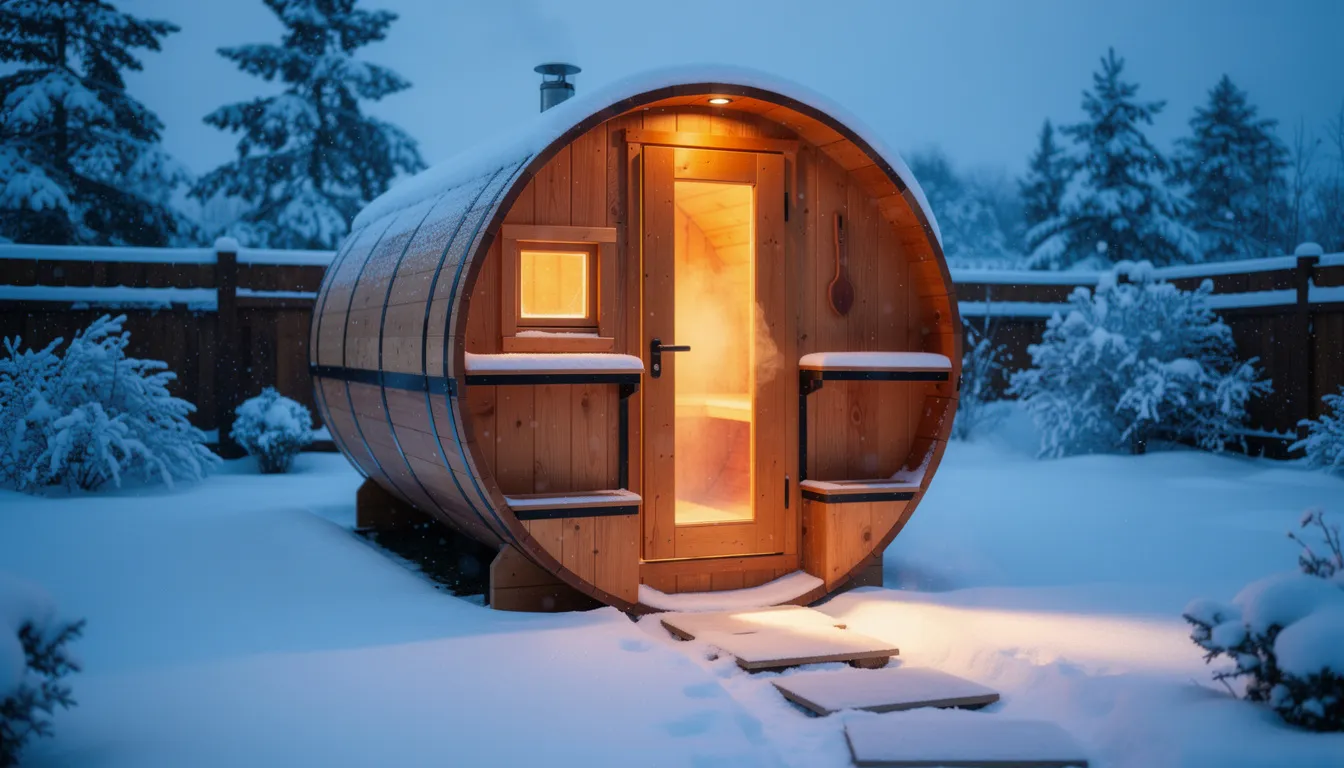
Lifespan isn't just about counting calendar years. The durability of your sauna depends on a combination of materials, craftsmanship, usage patterns, and environmental conditions. Understanding these factors helps you make informed decisions and maximize your investment.
Primary Longevity Factors
- Wood species and quality: Premium options like Western red cedar, Nordic spruce, hemlock, and thermo-treated wood resist rot, insects, and warping far better than cheap pine or pressboard. The difference can be 10+ years of additional life.
- Construction quality: Tight joinery, insulated panels, corrosion-resistant fasteners, and high-quality vapor barriers (for indoor builds) prevent small failures from cascading into major problems.
- Type of heater: Electric, wood-burning, and infrared emitters each have a different expected lifespan. Most quality electric and infrared heaters last 10-20 years; wood-burning stoves can last 20-30 years or longer when properly maintained, according to the Hearth, Patio & Barbecue Association.
- Installation conditions: Proper electrical work, adequate drainage, level foundations for outdoor units, and distance from roof runoff or sprinkler systems all prevent premature deterioration.
- Environment and climate: Freeze-thaw cycles, UV exposure, salt air near coastal regions, and high humidity in basements or bathrooms all stress sauna materials differently.
- Frequency and style of use: A personal sauna used 3x per week will outlast one in a rental property or Airbnb, getting daily heavy use. Heavy-steam sessions with water-bucket splashing wear wood faster than dry infrared sessions.
- Maintenance habits: Ventilation after every sauna session, regular cleaning, exterior sealing for outdoor models, and seasonal winterization separate saunas that last 10 years from those that last 25+.
- HomeSauna advantage: The brand uses low-EMF heaters, sustainably sourced wood, and robust plug-and-play construction specifically to reduce the most common early-failure risks.
What Is the Expected Lifespan by Sauna Type?
Different sauna styles face different stresses. Let's break down what you can expect from each category to help you choose the right luxury home sauna for your needs.
Indoor Traditional Saunas
Typical lifespan: 20-30+ years
Protected from weather, these units experience minimal UV and precipitation stress. The wood shell can last for decades; the sauna heater often needs to be replaced every 10-20 years. Ideal for long-term home sauna wellness setups where you want heat therapy year-round without worrying about exterior maintenance.
Outdoor Traditional Saunas (Barrel and Cabin Styles)
Typical lifespan: 15-25 years, with premium cedar or thermo-wood units exceeding 25-30 years under diligent care
More exposed to rain, snow, and sun, requiring exterior maintenance and winterization. The best outdoor infrared saunas and traditional barrel units are efficient at heat circulation and naturally durable, but depend heavily on roof integrity and regular staining or oiling of the exterior wood.
An outdoor cedar barrel sauna in a harsh Minnesota winter can match the lifespan of a sheltered indoor unit—if you commit to seasonal care.
Infrared Saunas (Indoor)
Typical cabinet lifespan: 15-25 years
Infrared heaters and electronics: 10-20 years before efficiency declines noticeably
Fewer moving parts and no steam mean less risk of rot or excess moisture damage than with traditional saunas using hot stones and water. Low-EMF full-spectrum infrared sauna for sale panels, like those used by HomeSauna, are designed for extended durability and can be replaced individually without rebuilding the room.
Hybrid and Full Home Spa Setups
Mixed systems combining infrared, traditional, and cold plunge elements typically last in line with the "weakest link"—usually electronics or pumps that may need attention after 8-15 years. The sauna structure itself remains viable for decades; it's the accessories and technology that require periodic replacement.
With basic maintenance, most homeowners will never need to fully replace their sauna structure—only swap out components as they age.
How Do Material Choices Affect Sauna Longevity?
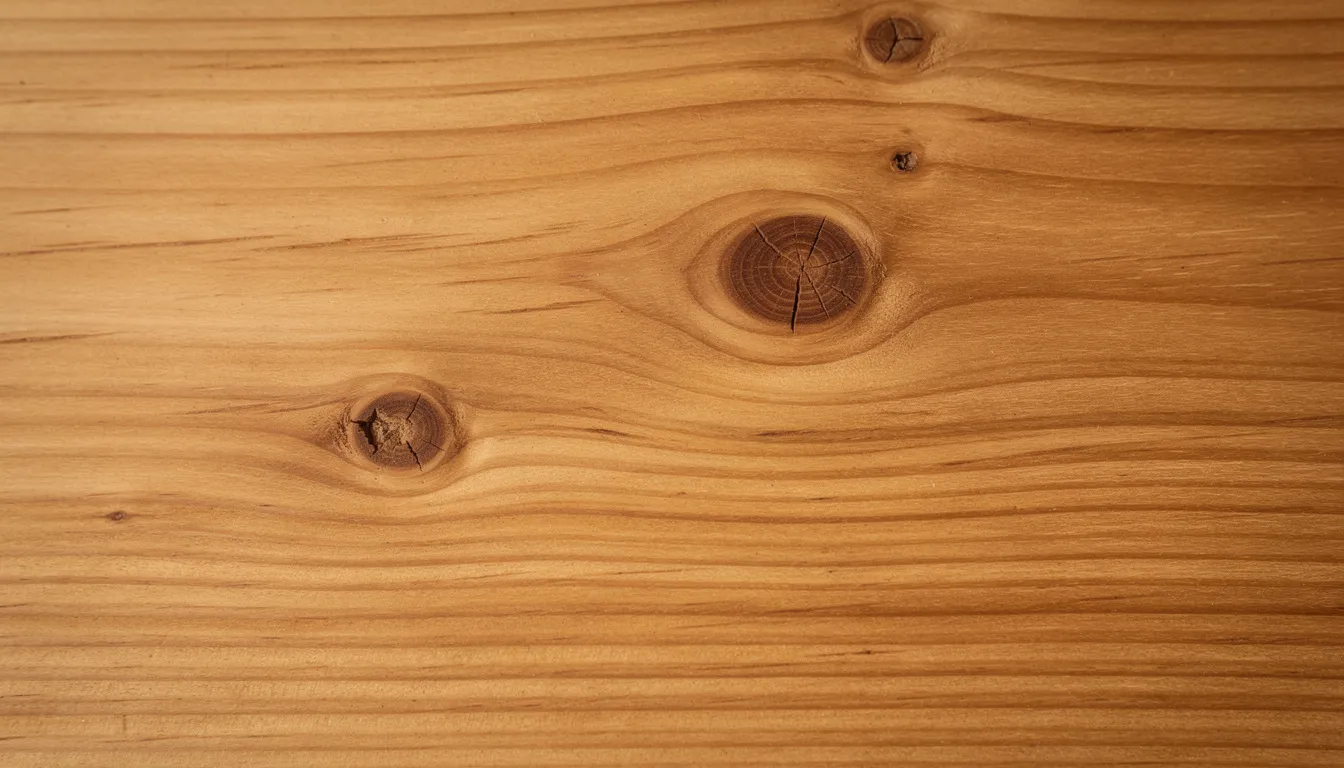
The wood you choose and the quality of components inside your sauna are the biggest predictors of whether your investment lasts 5, 15, or 30+ years. Understanding material performance helps you select a sauna that delivers decades of reliable service.
Wood Species Breakdown
- Western red cedar: Naturally rot- and insect-resistant thanks to its natural oils. Handles high temperatures and humidity with minimal warping. Common in premium outdoor barrel and cabin saunas with a lifespan potential of 20-30+ years. You won't need to replace the structure—just maintain the interior surfaces and exterior finish.
- Nordic spruce / Nordic pine: Popular in Scandinavian-style saunas and highly resistant to rot when properly ventilated. Great for indoor and covered outdoor use, lasting decades with basic attention to air circulation and cleaning.
- Hemlock: Stable, knot-free appearance often used in infrared cabins. Performs best indoors or in protected environments, with a lifespan similar to that of cedar when kept dry.
- Thermo-wood: Heat-treated to improve dimensional stability and reduce resin content. Excellent for harsh outdoor climates and fluctuating temperatures. According to research from the Journal of Thermal Analysis and Calorimetry, it can last twice as long as untreated cedar.
Hardware and Components
- Stainless or galvanized fasteners reduce rust that can stain wood or weaken structural joints over time.
- Tempered and insulated glass for the sauna door and windows reduces stress cracks from temperature swings and improves energy efficiency.
- Quality wiring, controls, and certified heaters reduce fire risk and prevent premature electrical failures, as outlined by the National Fire Protection Association.
HomeSauna focuses specifically on sustainable, high-grade sauna wood and low-EMF heating technology to maximize lifespan while minimizing off-gassing and ongoing maintenance requirements.
What Sauna Maintenance Routines Add Years to Your Sauna?
Simple, consistent habits have more impact on sauna longevity than occasional deep overhauls. Regular maintenance of your home infrared sauna installation keeps your investment performing optimally for decades.
Every Session
- Shower before use and sit on towels or sauna mats to reduce sweat stains and body oil absorption into the wood
- Leave the sauna door open a crack and keep vents open for at least 30-60 minutes after each session to fully dry the interior and prevent excess moisture buildup
- Wipe benches and backrests with a damp cloth using warm water—soft or filtered water helps avoid magnesium and calcium salts deposits from hard water; using distilled water instead of hard water also prevents mineral buildup on sauna stones and heating elements
- Wipe down all surfaces after using the sauna to keep them clean and reduce the risk of stains
- Pour water onto hot stones to create steam, which helps keep the sauna clean and can enhance the aroma with essential oils
Weekly/Monthly Routines
- Lightly scrub benches and high-contact spots every few uses with a mild, chemical-free cleaner (baking soda dissolved in warm water works well for a gentle cleaning process)
- Scrub the sauna after each use to keep it looking great for years
- Inspect all the surfaces for dark spots, mold, or resin sap—lightly sand affected areas with fine-grit paper or a soft brush if needed
- Check sauna rocks (for traditional units) for cracking or crumbling; re-stack for proper airflow and replace deteriorated hot stones as part of your ongoing sauna maintenance
Annual Checks
- Remove benches once a year for a full interior clean and to inspect fasteners and hidden wood surfaces
- For outdoor saunas, gently power wash exteriors on low settings if needed and reapply sauna-safe penetrating oil (paraffin oil or specialized sauna stain) for UV and moisture protection
- Test heater performance—slow heat-up times can signal the need for servicing or planning for replacement within a few years
- Inspect the sauna door seal and hardware; replace weather-stripping if you notice air leaks or difficulty maintaining heat
Additional Maintenance Tips
Apply a breathable, food-grade preservative to sauna benches to create a moisture-resistant barrier. Never use paint on the interior of a sauna, as it can release harmful fumes at high temperatures; instead, use natural oils or waxes that allow the wood to breathe.
Home sauna units are designed so that panels, benches, and heaters are accessible and serviceable, making this kind of maintenance straightforward for homeowners without special tools. Proper care enhances the infrared sauna health benefits you receive while protecting your investment.
How Do You Winterize and Provide Seasonal Care for Outdoor Saunas?
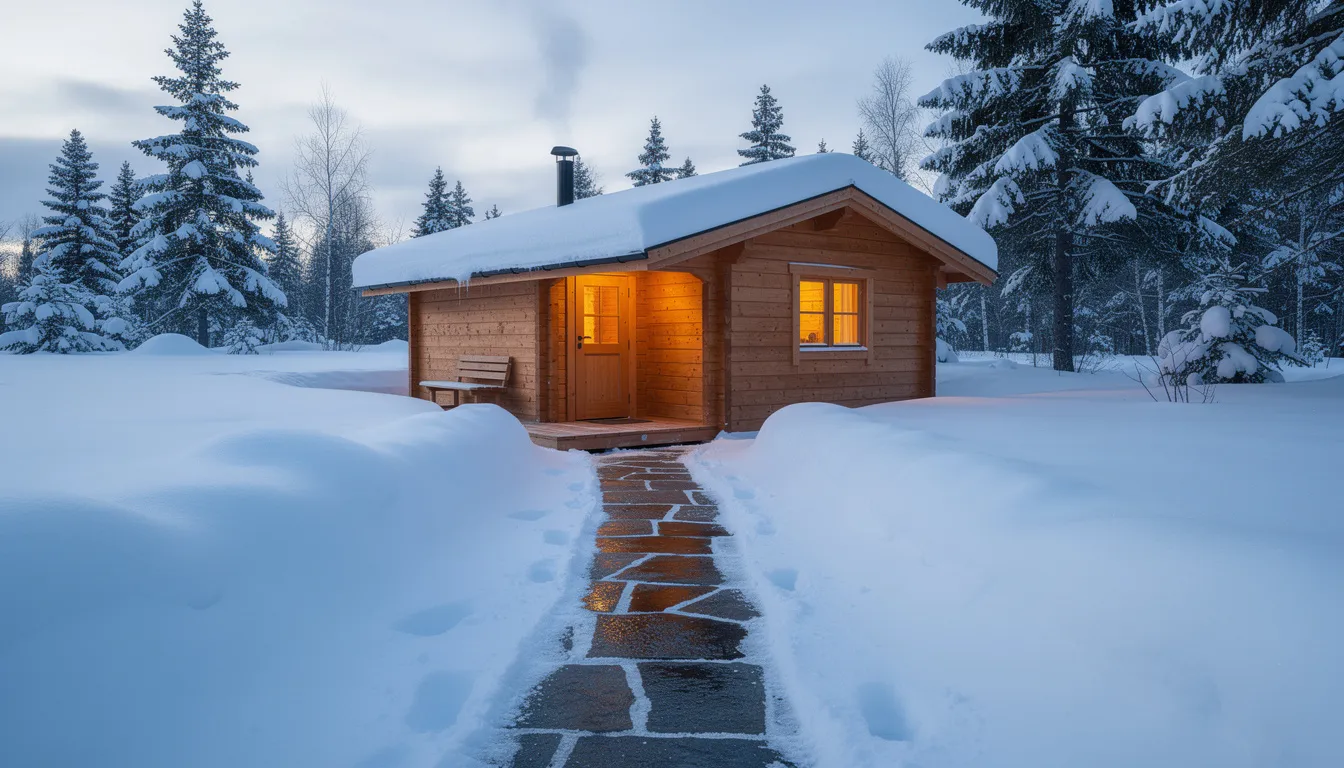
Proper winterization can easily add 5-10 years of life to an outdoor infrared sauna in cold or wet climates. Seasonal care prevents damage and maintains optimal performance year-round.
What Winterization Means
- Inspect and seal any gaps in doors, windows, and the roof before the first freeze to prevent water intrusion and ice damage.
- Apply a high-quality exterior oil or stain rated for freeze-thaw conditions to cedar or spruce cladding every 1-2 years.
- Clear snow away from the base and roof regularly to prevent moisture wicking into the floor and to avoid overloading barrel roofs. This is especially critical for weatherproof outdoor infrared saunas in heavy-snow regions.
Plumbing and Electrical Considerations
If you have outdoor showers, cold plunge tubs, or water lines near your sauna, fully drain them and blow out lines before hard frosts to prevent freezing and burst pipes (similar precautions apply to a hot tub or pool in winter climates).
Check electrical connections and GFCI breakers annually—cold and humidity can stress exterior wiring and junction boxes.
Winter Usage Patterns
- Keep using your sauna in winter if it's designed for year-round use; regular heating actually helps keep wood dry and stable by driving out accumulated moisture.
- For rarely used cabins, schedule at least a monthly "warm-up" session to preheat the interior and prevent moisture from settling into the building materials.
- After each winter session, briefly leave the door open to allow steam and humidity to escape before the interior cools completely.
HomeSauna outdoor models are engineered for four-season use, but owners in heavy-snow regions (Minnesota, Colorado, Canadian provinces) should follow these winterization steps outlined by the American Wood Protection Association to hit the upper end of the 25+ year lifespan range.
How Does Longevity Compare to Total Cost of Ownership?
The "cheapest" sauna up front often costs more over 10-20 years than a quality unit that lasts longer with fewer repairs. Understanding total cost helps you make smarter investment decisions about your infrared sauna price budget.
Budget Indoor Infrared Kit (Thin Walls, Basic Heaters)
- Lower purchase price: $1,500-$3,000 typical
- Realistic lifespan: 5-10 years before major component failure or cabinet deterioration
- Higher risk of heater burnout, warping, and cosmetic issues
You may end up buying two or three units over the same period a premium model would still be running.
Premium Indoor Infrared Sauna (HomeSauna Full-Spectrum Models)
- Higher upfront cost: $4,000-$8,000+
- Cabinet lifespan: 15-25+ years; heaters 10-20 years
- Lower energy uses per session due to efficient panels and proper insulation
One purchase, decades of infrared sauna health benefits and wellness.
Basic Outdoor Softwood Sauna with Minimal Protection
- It may last 8-15 years if under-maintained.
- Frequent repairs, refinishing, and potential rot remediation significantly increase the lifetime cost.
- Total cost of ownership often exceeds premium options when you factor in labor and replacement parts.
Premium Outdoor Cedar or Thermo-Wood Sauna
- Lifespan: 15-25+ years, especially when winterized and maintained annually
- Exterior oiling every 1-2 years ($50-$150 in materials) and occasional part replacements are low relative to the total years of use
- Winterization costs: basic covers $100-$300, full insulation kits $500-$1,500, professional winterization services $300-$800 annually, versus $2,000+ for repairs from neglect
Operating and Maintenance Costs
Regular maintenance (cleaning supplies, wood oil, a hand brush, and a few hours per year) is inexpensive compared with major component replacements.
Energy costs differ by type: traditional electric heaters draw more power per sauna session but preheat quickly; infrared sauna 1-person units are typically more energy-efficient and cheaper to run over an extended period, according to the U.S. Department of Energy efficiency studies.
Replacing a heater or control unit every 10-20 years is far less expensive than replacing the entire sauna room.
Treat a HomeSauna unit as a 15-30-year wellness investment, not a 5-year gadget. Budget small annual maintenance costs instead of expecting full replacement.
Which Lasts Longer: Saunas or Hot Tubs?
When choosing between a sauna and a hot tub for your home wellness retreat, longevity is a key factor. Understanding the maintenance requirements and lifespan differences helps you make the best choice for your needs.
Sauna Longevity Advantages
Saunas generally have the upper hand in this department. With proper sauna maintenance, including regular cleaning of the sauna room, checking the sauna heater, and ensuring the sauna door is left open for ventilation after each session, a quality sauna can easily last 15-25 years or more.
The design of a sauna naturally helps manage excess moisture—leaving the door open after use allows air to circulate and the interior to dry, reducing the risk of mold or wood damage.
Hot Tub Maintenance Challenges
Hot tubs, on the other hand, typically have a shorter lifespan, averaging around 10-15 years even with diligent care, according to the Pool & Hot Tub Alliance. The constant presence of water, combined with the need to maintain heating elements, pumps, and filters, means hot tubs require more frequent and intensive maintenance.
Issues like excess moisture, chemical imbalances, and mechanical wear can lead to costly repairs or early replacement.
Comparative Maintenance
In contrast, a sauna's maintenance routine is more straightforward. Keeping the sauna room clean, monitoring the heater, and managing air and moisture levels are usually all that's needed to keep your sauna in top shape. This makes a sauna not only a more durable investment but also a lower-maintenance option for those seeking long-term relaxation.
When Is It Time to Repair vs. Replace Your Home Sauna?
Most issues can be fixed without replacing the whole sauna. But certain signs indicate deeper structural or safety concerns that warrant a fresh start. Knowing the difference saves money and ensures safety.
Signs You Can Likely Repair
- The heater is taking slightly longer to warm up, but is still functioning—consider servicing or plan for replacement in 1-3 years.
- Cosmetic discoloration, minor cracks, or light warping in benches—sand, clean, or replace individual boards with matching sauna wood instead of scrapping the whole unit.
- Faulty control panel, light fixtures, or timer—often simple component swaps, not a full rebuild.
- Minor dirt or stain buildup on interior walls—a thorough wash with mild cleaner and light sanding restores appearance.
- Sauna rocks need replacement—this is normal every 1-2 years and takes about an hour.
Signs You Should Consider Full or Near-Full Replacement
- Extensive rot, mold, or soft spots throughout walls or floor, especially in older units without proper ventilation.
- Chronic electrical issues (tripping breakers, scorched wiring, non-compliant older installs) would cost more to bring up to code than installing a new, safe system.
- Significant heat loss due to poor insulation, old single-pane glass, or structural shifting that's difficult or impossible to correct.
- The creation of a musty smell that returns despite thorough cleaning and airing—this often indicates deep moisture damage in the building structure.
Upgrade Motivations
Desire to move from basic traditional to full-spectrum infrared sauna for sale options, or to add red light therapy or an integrated cold plunge. Aesthetic refresh as part of a larger bathroom or backyard renovation. Wanting modern features like essential oils, diffusers, chromotherapy lighting, or smart controls.
Home Sauna can often reuse existing spaces or electrical runs when upgrading, extending overall "sauna life" while modernizing the sauna experience.
How Do You Replace Accessories to Extend Sauna Life?
One of the simplest ways to extend the life of your sauna is by regularly replacing key accessories as part of your ongoing sauna maintenance routine. Proper accessory care prevents damage to the main structure and maintains optimal performance.
Essential Accessory Maintenance
Over time, sauna benches, sauna rocks, and even the water bucket can show signs of wear from repeated exposure to heat, steam, and moisture. By inspecting these items and swapping them out when needed, you help protect the sauna room and maintain a clean, inviting environment.
For example, fresh sauna rocks ensure efficient steam production and a more enjoyable sauna experience, while sturdy, well-maintained benches made from high-quality wood types like cedar or hemlock provide comfort and durability.
Consider upgrading with the best sauna accessories 2026 options that enhance both function and longevity. Replacing worn accessories also helps prevent damage to the interior surfaces and supports the overall wellness outcomes.
Maintenance Tips
Don't forget the little touches—using essential oils in your water bucket can enhance relaxation and well-being, but it's important to clean all the surfaces regularly to prevent residue buildup. Keeping an eye on the sauna heater and replacing it or its components as needed will also help maintain consistent heat and extend your sauna's lifespan.
A sauna red light therapy kit can be added as an accessory upgrade without major structural changes.
By making accessory replacement and interior cleaning a regular part of your sauna maintenance, you'll keep your sauna looking and feeling fresh, ensure a safe and healthy environment, and enjoy years of rejuvenating steam and relaxation.
How Does HomeSauna Design for Long-Term Durability?
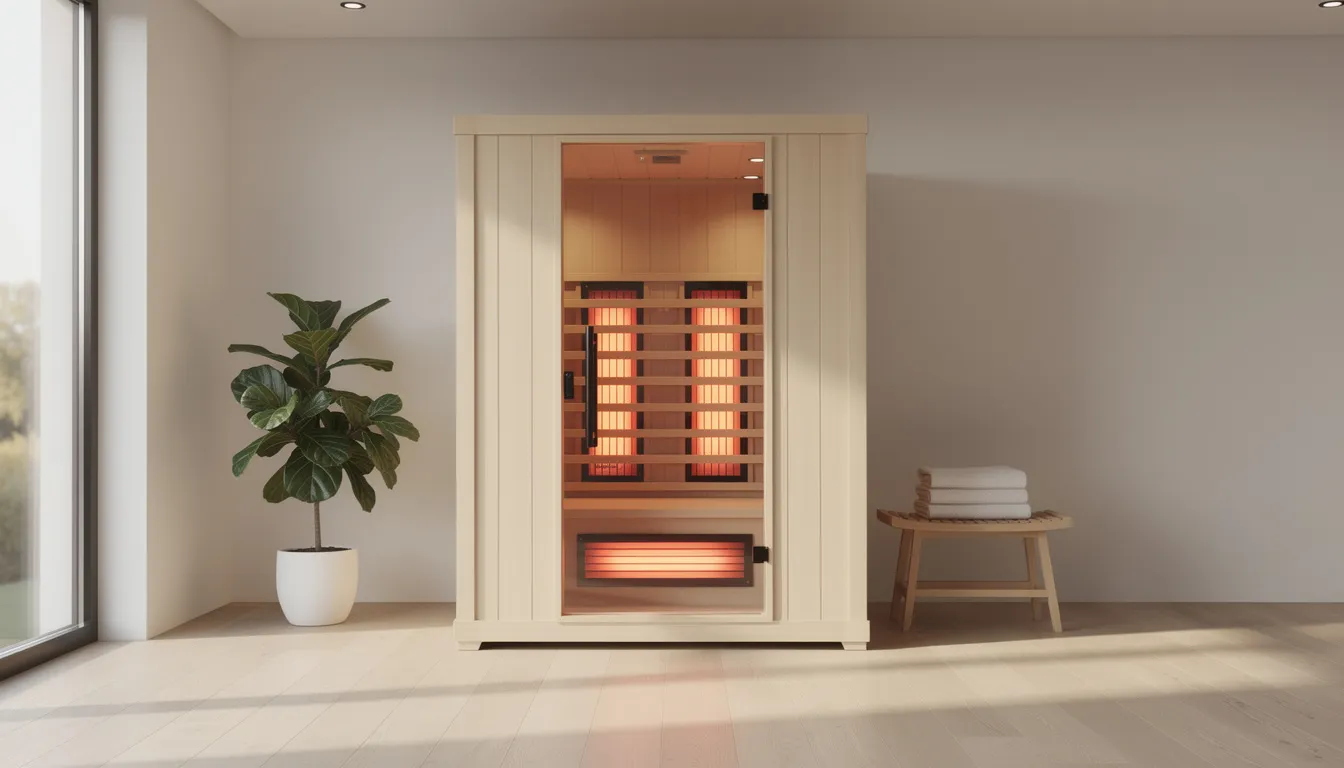
HomeSauna positions itself as a premium brand focused on a 15-30+ year usable lifespan for both indoor and outdoor saunas. Here's what that means in practice for your home sauna installation.
Design Features for Longevity
- Sustainably sourced woods: Western red cedar, hemlock, and thermo-treated lumber chosen specifically for rot resistance, dimensional stability, and minimal off-gassing at high temperatures.
- Low-EMF infrared heaters: Full-spectrum panels with long rated lifespans and replaceable components—when a heater eventually needs replacement, you swap the panel, not the whole cabinet.
- Plug-and-play modular construction: Allows for panel replacement, easier moves between homes, and future upgrades without rebuilding from scratch.
- Ventilation design: Proper vent placement and guidance on leaving the door open after use keep interiors dry and odor-free for decades.
- Compatibility with accessories: Cold plunge tubs, sauna red light therapy kit panels, and other wellness add-ons are built to be serviced or upgraded over time, not thrown away.
- Attention to proper care documentation: Each unit comes with maintenance guidance following the best practices outlined in the outdoor infrared sauna installation guide, so owners understand exactly how to maximize longevity.
FAQs
Do indoor saunas last longer than outdoor saunas?
In general, indoor saunas last longer because they're protected from rain, snow, and UV exposure—often reaching 20-30+ years without major structural issues. However, outdoor saunas built from premium wood like cedar or thermo-wood can absolutely match that lifespan if regularly sealed, properly ventilated, and winterized in harsh climates. The difference comes down to environment and maintenance habits more than whether the sauna is technically inside or outside.
How often should I replace the heater in a home sauna?
Most quality electric and infrared heaters last 10-20 years before losing significant efficiency or failing entirely. Traditional wood-burning stoves can last decades—even a century for quality cast-iron models—if not over-fired and cleaned regularly with ash removal, according to Hearth, Patio & Barbecue Association standards. Replacing a heater is a normal part of a sauna's lifecycle and costs a fraction of what rebuilding the entire room would require.
Can I move my home sauna if I relocate?
Many modular indoor infrared and traditional saunas, including those from HomeSauna, are designed to be disassembled and moved. The typical process involves labeling panels, having an electrician disconnect power, and reassembling on a level floor in your new home. This portability extends your sauna's practical lifespan beyond a single property—a significant advantage for homeowners who may move during the 20+ years of their unit's life.
What can I do if my sauna starts to smell musty?
Start by airing out the sauna with the door and vents open for several days. Then thoroughly clean the benches and floor with a mild solution (baking soda in water works well). Check carefully for any mold or damp spots on interior surfaces. If you find mold, lightly sand the affected areas once they are dry, then clean with a sauna-safe solution. The most important prevention step is always to fully dry the sauna after every session—never close everything up while surfaces are still damp.
Is a sauna blanket as durable as a wooden home sauna?
Sauna blankets are more portable and affordable but have a significantly shorter lifespan—typically 3-7 years with regular use before materials degrade. Compare that with a fixed indoor or outdoor wooden sauna designed for 15-30+ years of service. HomeSauna offers both categories, so users can choose between a long-term installation that becomes part of their home and a flexible, lower-commitment option for those still exploring their wellness routine.
References and Citations
- Hearth, Patio & Barbecue Association - Woodburning Safety & Maintenance – Industry standards for heater and stove longevity
- Journal of Thermal Analysis and Calorimetry - Thermal Analysis of Thermally Treated Spruce Wood – Research on thermo-wood durability and performance
- American Wood Protection Association - Standards – Winterization and wood preservation guidelines
- U.S. Department of Energy - Small Space Heaters – Energy efficiency studies for home heating systems
- Pool & Hot Tub Alliance - Consumer Information – Hot tub maintenance and lifespan data