

The home wellness trend has taken off in a big way over the past few years. But with every new wave of popularity comes a storm of half-truths and flat-out myths. And few areas have been as misunderstood as home saunas.
From the outside, they're often dismissed as "too expensive," "unsafe," or "only for the ultra-wealthy." The reality? Most of these fears are exaggerated stories that stop people from enjoying the very real health and lifestyle benefits saunas can bring.
That's why this guide was created—to cut through the noise and give you the facts. We'll break down the most common myths about home saunas, using solid research and real-world data to show you what's true and what's not.
So whether you're curious about infrared saunas, traditional steam options, or just want to know the best infrared saunas for your lifestyle, you're in the right place. By the end, you'll have the clarity to decide confidently—and maybe even start picturing your wellness retreat right at home.
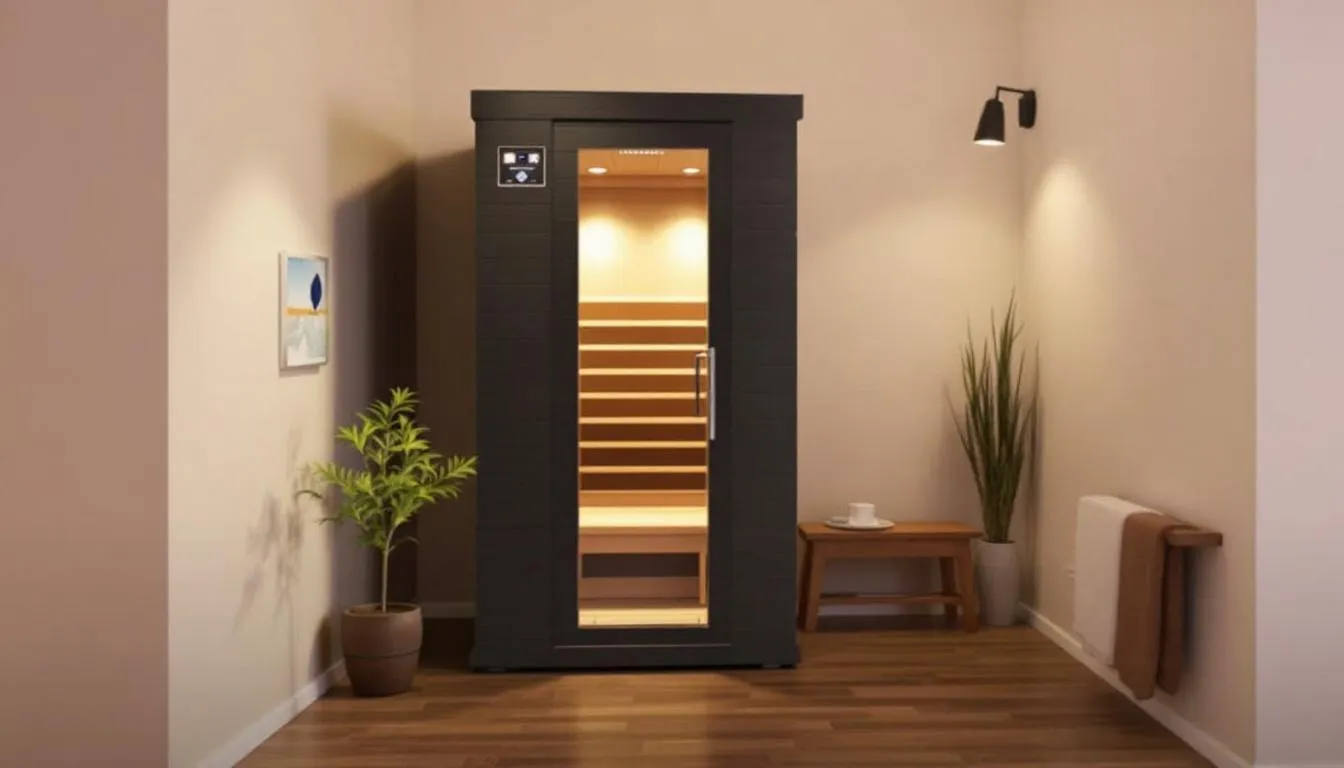
Key Takeaways
- Home saunas are more affordable than most people believe, with the best infrared sauna for home models starting around $3,000-$5,000
- Minimal space required - Modern home saunas can fit in basements, spare rooms, or even outdoor areas as small as 4x4 feet
- Simple installation - Most infrared models require only standard electrical outlets and no plumbing for easy home sauna installation
- Daily use is safe and beneficial when proper hydration and duration guidelines are followed, confirming they are safe.
- Home saunas add property value and have low operating costs of $30-$50 monthly, making the infrared sauna price easy on the pocket long-term.
Myth 1: Home Saunas Are Too Expensive
One of the biggest misconceptions about home saunas is that they're reserved only for the ultra-wealthy. This belief lingers from when the only option was a custom-built traditional sauna or an upscale spa installation that could easily run $20,000 or more.
But times have changed. Today's sauna market is far more flexible and affordable, offering options that fit a variety of homes and budgets. Understanding infrared sauna price realities helps set accurate expectations.
What Do Home Saunas Actually Cost?
What You Can Actually Expect to Pay:
- Infrared Saunas: $3,000–$8,000 for quality models
- Traditional Steam Saunas: $6,000–$15,000 for pre-built units
- Outdoor Models: $8,000–$25,000, depending on size and material
- DIY Kits: Starting around $2,500 for entry-level setups
How Do Long-term Costs Compare?
Think about it this way: most spas charge between $100–$150 monthly for unlimited sauna access. Compare that to the $30–$50 monthly electricity cost of running a home sauna. In just 2–3 years, your personal sauna pays for itself—plus you get the added luxury of using it whenever you want, without leaving home.
And accessibility goes even further. Many manufacturers now offer financing plans; sometimes, health savings accounts (HSAs) will even cover sauna purchases if a healthcare provider recommends them for specific medical conditions.
What About Insurance and Tax Benefits?
Most people don't know that properly installed infrared saunas are typically covered under standard homeowner's insurance policies—without increasing your premiums.
On top of that, if your doctor prescribes sauna use for specific medical issues such as chronic pain or cardiovascular conditions, you may even qualify for tax deductions. Of course, confirming with your healthcare provider and tax professional is always smart before making that claim.
Myth 2: Home Saunas Require Extensive Renovations
This misconception likely originates from images of elaborate spa installations or custom-built traditional saunas. The reality is far more flexible, especially with modern infrared sauna technology.
Infrared saunas can fit comfortably in spaces you already have:
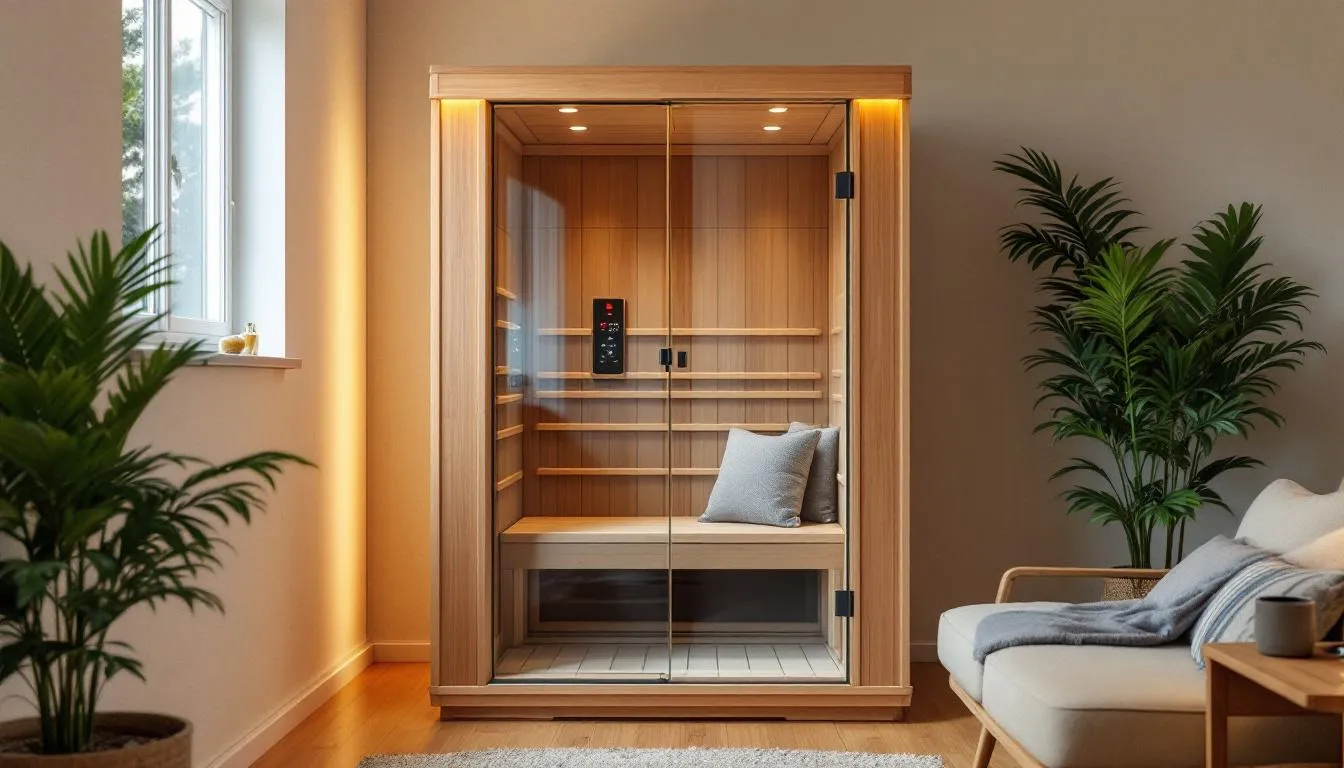
- Minimum footprint: 4x4 feet for infrared sauna 1-person models
- Two-person units: 4x4 to 5x5 feet for an infrared sauna indoor 2-person capacity
- Traditional saunas: 5x7 feet minimum for comfortable use
- Ceiling height: 6.5-7 feet minimum for proper heat circulation
How Simple Is Installation Really?
Unlike traditional saunas that require complex ventilation systems and dedicated electrical work, most infrared models plug into standard outlets. Here's what's actually needed:
- Infrared saunas: 110V or 220V outlet (similar to a large appliance)
- No plumbing required: Unlike steam rooms or wet saunas
- Minimal ventilation: Standard room ventilation is usually sufficient
- Assembly time: 2-4 hours for most modular units
Traditional saunas require more planning, including proper ventilation and sometimes upgraded electrical service. However, they can still be installed in existing rooms without major renovations.
Where Can You Install Home Saunas?
Many homeowners successfully install saunas in:
- Finished basements
- Spare bedrooms
- Large bathrooms
- Garages (with proper insulation)
- Outdoor covered areas
- Even apartment balconies (with landlord permission)
Portable and modular options require no permanent installation, making them perfect for renters or those who may move.
Explore the best outdoor sauna here.
Myth 3: Home Saunas Are Fire Hazards
This safety concern often prevents people from considering home sauna ownership. But modern saunas incorporate extensive safety features that make them as safe as other common household appliances.
Today's home saunas include:
- Automatic shut-off timers: Prevent overheating and excessive use
- Temperature limiters: Cap maximum temperatures at safe levels
- Safety glass doors: Tempered glass that won't shatter
- Ventilation systems: Prevent moisture buildup and ensure air circulation
- Ground fault circuit interrupters (GFCI): Electrical safety protection
What Do Fire Safety Statistics Show?
Properly installed home saunas have extremely low fire incident rates—lower than many common household appliances.
The key is following the manufacturer's installation guidelines and using certified electricians for any electrical work beyond standard outlet connections, ensuring safe home infrared sauna installation.
Who Needs Supervision?
While adult supervision isn't necessary for healthy adults, certain family members need oversight:
- Children under 12: Should always be supervised and use shorter sessions
- Elderly family members: May need assistance entering/exiting
- Individuals with medical conditions: Should follow healthcare provider guidelines
Myth 4: Daily Home Sauna Use is Harmful
This misconception contradicts extensive scientific evidence supporting regular sauna use. Finnish studies, where sauna bathing is a cultural tradition, show that frequent sauna sessions provide significant long-term health benefits.
Regular sauna sessions also strengthen the immune system, potentially reducing the frequency of illness.
According to one landmark study, men using saunas several times weekly had a significant reduction in fatal cardiovascular events compared to those using saunas once per week.
This research supports the safety and benefits of regular sauna use when proper protocols are followed, maximizing infrared sauna health benefits.
What Are Proper Session Guidelines?
Safe daily sauna use follows these parameters:
- Beginners: 15-20 minutes per session
- Experienced users: Up to 30-45 minutes
- Temperature range: 120-150°F for infrared, 150-195°F for traditional
- Hydration: Drink water before, during (if needed), and after sessions
How often should you use an infrared sauna?
For optimal benefits, 3-4 times weekly provides consistent wellness support without overuse.
When Should You Stop a Session?
Listen to your body and exit immediately if you experience:
- Dizziness or lightheadedness
- Nausea or stomach discomfort
- Excessive fatigue beyond normal relaxation
- Difficulty breathing
- Rapid or irregular heartbeat
Who Needs Medical Consultation?
While daily sauna use is safe for most people, certain health conditions require professional medical advice before starting a regular routine:
- Cardiovascular conditions
- Low blood pressure or high blood pressure medications
- Pregnancy
- Diabetes
- Kidney disease
Myth 5: Home Saunas Require Extensive Maintenance
Many potential buyers avoid home saunas, believing they require extensive upkeep. In reality, most infrared saunas need only basic weekly cleaning—simpler than maintaining a hot tub or pool.
What Are Actual Maintenance Tasks?
- Weekly cleaning: Wipe down surfaces with mild soap and water
- Monthly tasks: Check and clean ventilation areas
- Annual maintenance: Professional inspection of heating elements (optional)
- Wood care: Apply wood conditioner 1-2 times yearly for traditional models
What Are Real Energy Costs?
The myth of expensive operation costs often comes from confusion with hot tubs or swimming pool heaters. Actual infrared sauna energy usage is modest:
- Power consumption: 1.5-3 kW per hour
- Cost per session: $0.15-$0.45 for 30 minutes
- Monthly costs: $30-$60 for regular users (4-5 sessions weekly)
- Traditional saunas: Slightly higher at $50-$100 monthly due to higher power requirements
How Long Do Saunas Last?
Quality home saunas are built to last:
- Expected lifespan: 15-20 years with proper care
- Heating element warranties: 5-10 years from reputable manufacturers
- Structural warranties: Often 3-7 years
- Annual operating costs: Minimal beyond electricity and occasional wood treatment
The key to minimizing costs is choosing energy-efficient models with proper insulation and following manufacturer maintenance guidelines. Consider the best home sauna brands 2025 for better and lasting quality.
Myth 6: Home Saunas Provide Complete Detoxification
What's the Truth About Detox Claims?
This is one of the most common sauna myths, often promoted by manufacturers making exaggerated health claims. While saunas support the body's natural detox processes, they don't provide miraculous cleansing.
How Does Detoxification Actually Work?
The primary organs responsible for detoxification are the liver and kidneys, which handle approximately 95% of toxin removal.
Sweating does eliminate some trace compounds, including:
- Small amounts of heavy metals (lead, cadmium)
- Trace organic chemicals (BPA, some plastics)
- Surface skin impurities
However, studies show that no sauna session eliminates toxins at clinically significant levels. The body's natural detox system works continuously and doesn't require sauna "assistance" to function correctly. Still, infrared sauna benefits detox through enhanced sweating and circulation.
What Are Realistic Health Benefits?
Regular sauna use offers potential health benefits as part of a holistic wellness routine, supporting relaxation, fitness goals, and overall well-being.
Home saunas do provide various health benefits supported by scientific evidence:
Cardiovascular Health:
- Improved circulation and blood flow
- Reduced blood pressure in some individuals
- Enhanced heart health through regular heat exposure
- Better cardiovascular health outcomes with regular use
Mental and Physical Wellness:
- Significant stress relief through heat therapy
- Improved sleep quality from promoting relaxation
- Muscle recovery assistance after exercise
- Reduced muscle soreness and joint stiffness
Skin Health Improvements:
- Enhanced skin's surface cleansing through sweating
- Improved blood circulation to the skin tissues
- Temporary relief for some skin conditions
- Better skin hydration following proper post-sauna care
What About Weight Loss?
Temporary vs. Permanent Results
Sauna-induced weight loss comes from fluid loss through sweating, not fat reduction.
While sauna sessions can cause the body to burn calories due to increased heart rate and sweating, the effect is temporary and modest. The calorie burn from sauna use is similar to mild physical activity and is not a substitute for regular exercise and a healthy diet for long-term weight management.
While scales may decrease rapidly after sauna sessions, this weight returns when you replenish lost fluids through proper hydration.
How Can Saunas Support Weight Management?
Saunas can indirectly support healthy weight management by:
- Facilitating muscle recovery after regular exercise
- Reducing stress hormones like cortisol (linked to abdominal fat storage)
- Improving sleep quality, which affects metabolism
- Supporting overall wellness as part of a balanced diet and lifestyle
Regular sauna use should complement, not replace, moderate exercise and proper nutrition for sustainable weight management.

Myth 7: Home Saunas Do Not Help with Stress or Anxiety
How Do Infrared Saunas Promote Calm?
One of the most common misconceptions is that home saunas—especially infrared saunas—are only good for physical benefits like muscle recovery or detox.
The truth? They can be as powerful for your mental well-being, offering a natural way to reduce stress and ease anxiety.
Unlike traditional saunas that heat the air around you, infrared saunas use radiant heat that penetrates your body directly. This gentle, soothing warmth relaxes tense muscles, calms your nervous system, and creates an environment that helps your mind release stress.
Many regular users describe their sessions as deeply restorative—walking out with a lighter mood, a calmer mind, and a sense of peace that carries into the rest of their day.
What Does Science Say?
Research supports what sauna enthusiasts already know. Consistent sauna use has been linked to:
- Lower cortisol levels (the hormone responsible for stress)
- Improved sleep quality
- Enhanced relaxation and mood balance
These effects make infrared saunas a powerful addition to any stress-management or mental health routine, delivering wide-ranging infrared sauna health benefits.
What Benefits Beyond Physical Recovery?
Infrared saunas aren't just about sweating out toxins or soothing sore muscles. They also support emotional health—helping reduce anxiety symptoms, promoting relaxation, and encouraging a sense of overall well-being. Think of it as therapy for both the body and the mind.
The benefits of infrared sauna for athletes extend beyond physical recovery to mental clarity and stress management essential for peak performance.
How Safe Is Sauna Stress Relief?
To maximize the benefits, remember to stay hydrated, listen to your body, and check with your healthcare provider if you have any health conditions. When paired with a balanced lifestyle that includes movement, healthy eating, and self-care, sauna therapy can become a safe, effective way to manage stress and improve your quality of life.
Myth 8: Home Saunas Reduce Property Value
How Do Saunas Impact Home Value?
Quality home saunas typically add $5,000-$15,000 to property value, though this varies by location and local market preferences.
The return on investment is most substantial in areas where potential buyers value wellness amenities, contributing to overall home sauna wellness appeal.
What Makes Saunas Appealing to Buyers?
- Growing interest in home wellness features
- Appeal to health-conscious buyers
- Unique selling point in competitive markets
- Long-term durability adds lasting value
What About HOA and Legal Considerations?
Indoor Installation: Most indoor saunas require no special permissions since they're considered personal wellness equipment, similar to exercise equipment.
Outdoor Saunas:
- May require HOA approval in some communities
- Building permits are sometimes necessary for permanent outdoor structures
- Check local building codes for electrical and structural requirements
- Consider neighbor impact for outdoor installations
What Are Insurance Implications?
Most homeowner policies cover properly installed saunas without additional premiums. Key considerations include:
- Professional installation documentation
- Compliance with electrical codes
- Manufacturer safety certifications
- Regular maintenance records
How Do Appraisers Value Saunas?
When adding saunas to luxury homes, professional appraisers consider:
- Quality of installation and materials
- Integration with the home's overall design
- Local market demand for wellness features
- Proper permits and code compliance
These factors ensure your luxury home sauna investment enhances property value.
Myth 9: Infrared Saunas Are Not "Real" Saunas
How Effective Are Infrared Saunas?
This misconception stems from traditional sauna purists who believe only high-temperature steam creates authentic sauna experiences. Scientific evidence shows both types provide comparable health benefits through different mechanisms.
How Do Temperature and Heat Compare?
Traditional Saunas:
- Operating temperature: 150-195°F
- Heat method: Heated air and steam
- Humidity: Variable, controlled by adding water to heated rocks
- Heat penetration: Surface-level heating through hot air
Infrared Saunas:
- Operating temperature: 120-150°F
- Heat method: Radiant heat from infrared emitters
- Humidity: Low, no steam production
- Heat penetration: Deeper tissue warming through infrared rays
What Therapeutic Benefits Do They Offer?
Both sauna types provide similar benefits:
- Cardiovascular health improvements
- Stress relief and promoting relaxation
- Enhanced blood circulation
- Muscle recovery support
- Better sleep quality
The choice between infrared sauna therapy and traditional saunas often comes down to personal preference rather than effectiveness differences.
Are EMF Concerns Valid?
Some people worry about electromagnetic field (EMF) exposure from infrared saunas.
Quality manufacturers now produce low-EMF certified models that emit minimal electromagnetic radiation—often less than common household appliances like microwaves or cell phones.
How Energy Efficient Are They?
Infrared saunas generally use less energy than traditional models:
- Infrared: 1.5-2 kW average consumption
- Traditional: 3-6 kW average consumption
- Heat-up time: Infrared (10-15 minutes) vs Traditional (30-45 minutes)
Unlike traditional saunas, infrared models heat the body directly rather than heating large amounts of air. This makes them more energy-efficient for home use.
Ready to choose the right sauna for your home? Browse the curated selection at Sun Home Saunas.
Myth 10: Saunas Are Not Safe for Families and Homes
What Are Age Restrictions?
Children Under 12:
- Always require adult supervision during sauna sessions
- Shorter session times: 5-10 minutes maximum
- Lower temperatures: 120-130°F recommended
- Frequent hydration breaks
Saunas lead to dehydration primarily if users do not hydrate before and after sessions. So proper hydration is essential for all users.
- Exit immediately if the child shows any discomfort
Elderly Considerations:
- May need assistance entering and exiting
- Monitor for signs of overheating or discomfort
- Consider a medical consultation before regular use
- Shorter initial sessions to build tolerance
Are Saunas Safe During Pregnancy?
Pregnant women should seek medical advice before using saunas. While some healthcare providers approve moderate sauna use during pregnancy, others recommend avoiding heat therapy entirely.
The decision should always involve professional medical advice based on individual circumstances.
How Do You Maintain Hygiene?
Hygiene Protocols for Family Use:
- Shower before each sauna session
- Use clean towels to sit on surfaces
- Wipe down surfaces between users
- Allow ventilation time between sessions
- Regular cleaning of all surfaces
What About Pet Safety?
Pets should never be left unattended near operating saunas. The high temperatures can be dangerous for animals, and they may not be able to escape if they become overheated.
Keep pets in separate areas during sauna sessions.
What Emergency Procedures Matter?
Recommended Safety Measures:
- Keep a phone accessible for emergencies
- Install proper lighting for safe entry/exit
- Maintain clear pathways to and from the sauna
- Consider installing emergency communication devices for isolated installations
- Keep a first aid kit nearby
- Ensure easy access to fresh air and cooling areas
Signs Requiring Immediate Medical Attention:
- Persistent dizziness after cooling down
- Nausea that doesn't resolve quickly
- Chest pain or difficulty breathing
- Signs of heat exhaustion or heat stroke
- Any concerning symptoms that persist after the session
Regular sauna use is safe for most families when proper safety protocols are followed and family members understand the importance of listening to their bodies and staying hydrated.

Frequently Asked Questions
Do I Need Special Permits to Install a Home Sauna?
No permits are needed for most infrared 1-person and two-person indoor models. You're usually good to go if the unit plugs into your standard outlet and doesn't involve major renovations.
Traditional saunas may require an electrical permit (especially for 220V wiring), while outdoor saunas often need a building permit and sometimes HOA approval. Always check local codes and talk to a licensed electrician before starting to ensure safe home sauna installation. The best outdoor infrared sauna installations follow all local building requirements.
Can I Install a Sauna in My Apartment or Condo?
Yes—portable infrared saunas work perfectly in apartments with proper ventilation. The best infrared sauna for home compact models are designed with small spaces in mind.
Review your lease or building rules, since some complexes restrict high-power appliances. Consider noise and neighbor impact—compact, foldable models are perfect if you want something discreet. Many 1-person home sauna cost options remain affordable while providing full benefits in limited spaces.
How Much Space Do I Actually Need for a Home Sauna?
Single-person infrared saunas: About 3x4 feet of floor space
Two-person infrared saunas: Around 4x4 to 5x5 feet
Traditional saunas: At least 5x7 feet for comfort
All models need 6.5–7 feet of ceiling height for proper airflow. Don't forget to leave extra room around the sauna for safe entry and exit. The 2-3-person home sauna benefits include family bonding while fitting comfortably in most spare rooms or basements.
Will a Home Sauna Significantly Increase My Electricity Bill?
Not really. Infrared saunas are surprisingly energy-efficient, costing just $0.15–$0.45 per 30-minute session. Even with 4–5 weekly sessions, your monthly bill usually rises by only $30–$60.
Traditional saunas use slightly more power, but choosing a well-insulated, energy-efficient model keeps costs low. Compared to spa memberships, a home sauna is almost always ahead financially. The infrared sauna price advantage extends from purchase through lifetime operational savings.
Is It Safe to Use a Home Sauna Every Day?
Yes, for most healthy adults, but you should start slow. Start with 2–3 sessions a week, then slowly build up as your body adjusts. Keep sessions around 15–20 minutes at first, and always stay hydrated before, during, and after.
How Often Should You Use an Infrared Sauna?
For optimal infrared sauna health benefits, 3-4 times weekly provides consistent wellness support. If you're pregnant, managing a heart condition, diabetes, or on medication, check with your doctor first. Personalized medical advice ensures sauna use is safe and beneficial for your situation.
Ready to Experience the Truth About Home Saunas?
Now that you understand the facts behind common home sauna myths, you can decide to add one to your home sauna wellness routine.
Whether you choose the best infrared sauna for home or an authentic traditional model, a regular sauna promises transformative health benefits backed by science.
Check out excellent options at Home Sauna or contact the amazing team for expert advice tailored to your needs and budget.