

Whether you've just invested in your first infrared sauna or you're upgrading an existing home wellness setup, understanding how to use carbon and ceramic heaters safely is essential for getting the most out of every session.
Both heater types emit infrared radiation that penetrates the skin to raise core body temperature, but they operate differently—and those differences matter for safe, effective use. This comprehensive guide walks you through everything from temperature guidelines and electrical installation to maintenance routines that keep your sauna running safely for decades.
Key Takeaways
- Always follow manufacturer guidelines, pre-heat responsibly, hydrate before and after sessions, and listen to your body during carbon or ceramic sauna use
- Carbon and ceramic heaters generally operate at lower, more even surface temperatures, while ceramic heaters create hotter, more focused zones, requiring extra spacing and caution
- Low-EMF, properly certified heaters (UL, CE, ETL) and correct home infrared sauna installation by a licensed electrician are non-negotiable safety requirements
- Healthy adults should limit infrared sauna sessions to approximately 20–45 minutes at 110–140°F (43–60°C), adjusting time and temperature based on sensitivity and experience level
What Are the Differences Between Carbon and Ceramic Sauna Heaters?
Before diving into specific safety protocols, it's worth understanding what makes these two heater technologies different. This foundational knowledge helps you apply the right precautions for your particular setup.
Carbon Infrared Heaters
Carbon and ceramic heaters use large, flat carbon-fiber panels that primarily emit far-infrared energy. These panels produce gentler, more evenly distributed radiant heat at lower surface temperatures—typically effective when the cabin reaches 110–140°F (43–60°C).
Carbon infrared heaters heat carbon fibers woven into thin, flexible panels. This design allows manufacturers to embed heating elements into walls, benches, and even floors, creating wraparound warmth that covers the entire body rather than targeting specific zones.
Key characteristics of carbon fiber infrared heater systems include:
- Broad, even heat distribution across the full sauna cabin
- Lower surface temperature (46–57°C / 115–135°F on the panel itself)
- Far infrared waves that penetrate deeply for therapeutic benefit
- Extended lifespan—up to 50 years with proper care
- Energy-efficient operation compared to older technologies
Ceramic Infrared Heaters
Ceramic infrared heaters use ceramic rods or tubes that run considerably hotter and emit more focused infrared light, often including mid- and near-infrared wavelengths. These create intense hot zones that can feel significantly stronger on the skin.
Ceramic infrared saunas depend on this concentrated output to heat up smaller cabins quickly. However, that intensity comes with trade-offs: ceramic heaters heat unevenly, creating both hot ceramic rods and noticeable cold spots depending on positioning.
Many modern HomeSauna models prioritize low-EMF carbon or hybrid systems because they allow safe, efficient daily use when operated correctly.
Comparison Table
|
Feature |
Carbon Heaters |
Ceramic Heaters |
|
Heat Distribution |
Even, wrap-around |
Concentrated, directional |
|
Surface Temperature |
Lower (46–57°C) |
Higher (can cause burns) |
|
Warm-up Time |
10–20 minutes |
5–15 minutes |
|
Session Comfort |
Ideal for longer sessions |
Better for shorter, intense sessions |
|
Lifespan |
Up to 50 years |
2–5 years typical |
|
EMF Levels |
Generally lower |
Often 20–40 mG on emitters |
What Are the Core Safety Principles for Any Infrared Sauna Session?

These universal guidelines apply whether you're using carbon fiber heaters, high-end ceramic heaters, or a hybrid configuration. Following these principles protects you during every session.
Start Slowly and Build Gradually
For beginners using the best infrared sauna for home setup, the golden rule is to start with shorter sessions at moderate temperatures:
- Begin with 10–15 minutes at around 110–120°F (43–49°C)
- Gradually increase duration to 30–45 minutes as your body adapts
- Add 5 minutes per session rather than jumping straight to the maximum time
- Pay attention to how you feel during and after each session
Hydration Is Non-Negotiable
Infrared therapy causes significant sweating as your body works to regulate its core body temperature. Proper hydration makes this process safe:
- Drink 1–2 glasses of water approximately 30 minutes before your session
- Have another glass after you finish
- Consider electrolyte supplementation for regular users or post-workout sessions
- Avoid alcohol for at least 2–3 hours before sauna use
Recognize Warning Signs
Exit your sauna immediately if you experience any of these symptoms:
- Dizziness or lightheadedness
- Nausea or upset stomach
- Pounding headache
- Chest discomfort or pressure
- Unusual shortness of breath
- Confusion or disorientation
Medical Clearance Requirements
Certain individuals need written clearance from a healthcare provider before using any infrared sauna indoor 2-person or larger unit:
- Pregnant individuals
- People with uncontrolled high blood pressure
- Those with heart disease or cardiovascular conditions
- Anyone with implanted medical devices
- Individuals taking medications that affect heat tolerance
Sauna experts insist on never leaving kids unattended in a sauna or sleeping there—even for "just a few minutes."
How Do You Safely Use Carbon Infrared Sauna Heaters?
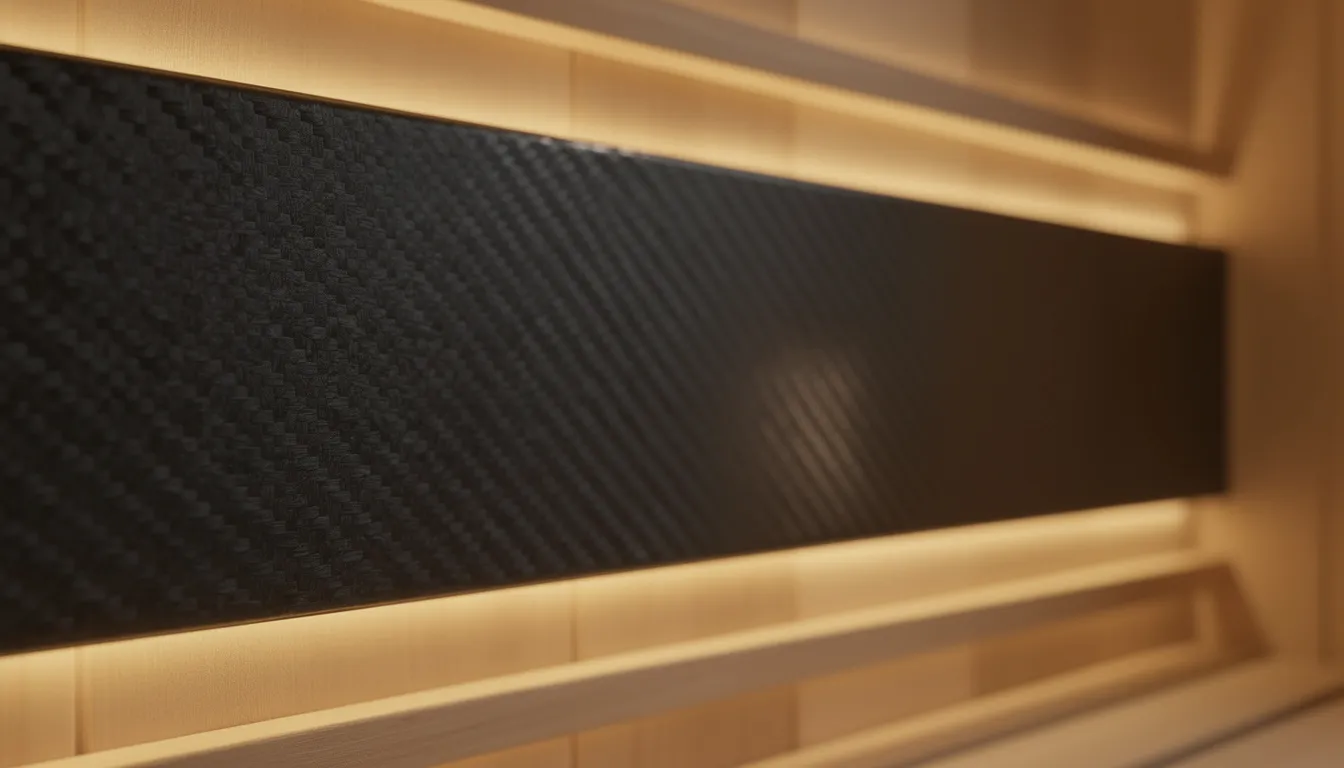
Carbon infrared heaters offer a healthier heating option for most home users, thanks to their even heat distribution and lower operating temperatures. Here's how to maximize safety with these systems.
Temperature and Duration Guidelines
A typical safe temperature range for most carbon infrared cabins falls between 110–135°F (43–57°C). This range allows far-infrared rays to penetrate effectively while keeping the environment comfortable for extended sessions.
Carbon saunas tend to feel more comfortable at these temperatures because the heat surrounds you evenly rather than blasting from specific directions. This even infrared output means you can typically stay longer without discomfort.
Positioning and Exposure
Because carbon fiber panels heat evenly, you can sit or recline closer to the walls than you would with ceramic systems. However:
- Avoid prolonged direct skin contact with the actual heater surface
- Position yourself so that major muscle groups face the panels (back, legs, torso)
- Rotate your position once or twice during a 30-minute session for balanced exposure
- Take advantage of the wrap-around coverage for shoulders, neck, and head
Pre-Heating Best Practices
Carbon panels typically reach optimal operating temperature in 10–20 minutes. During pre-heating:
- Stay nearby rather than leaving the unit running unattended
- Use the time to hydrate and prepare for your session
- Check that controls and timers are functioning properly
- Verify door latches work correctly
Clothing and Accessories
For carbon sauna sessions:
- Wear minimal, breathable clothing (light shorts, sports bra, or swimsuit)
- Alternatively, use a clean cotton towel
- Avoid synthetic materials that trap sweat against the skin
- Keep heater surfaces clean by using towels on the benches
Electrical Considerations
HomeSauna carbon systems are engineered for low EMF and extremely low-frequency radiation. However, safe electrical practices still matter:
- Avoid using power strips or extension cords
- Have outlets inspected if your home has older wiring (pre-1990)
- Ensure the unit plugs directly into a properly grounded wall outlet
How Do You Safely Use Ceramic Infrared Sauna Heaters?
Ceramic saunas tend to run hotter and feel more intense, making spacing, time management, and temperature control especially critical for safe use.
Temperature and Intensity Management
A conservative temperature range for ceramic-focused cabins is 110–140°F (43–60°C). Keep in mind that perceived intensity may be higher than the controller reading suggests, because ceramic infrared sauna heaters emit mid-infrared radiation in concentrated beams rather than diffuse waves.
The ceramic infrared heater pros include rapid heat-up times and intense, targeted warmth—but these benefits require more careful management.
Maintaining Safe Distance
Ceramic heaters create hot spots that can burn skin on direct contact. Safe practices include:
- Never lean directly against ceramic tubes or rods
- Sit on benches a few inches further forward than you might with carbon panels
- Avoid touching heater guards, even if they feel only warm
- Position yourself to receive infrared energy without close proximity to elements
Session Duration
For ceramic-heavy setups, start conservatively:
- Initial sessions of 10–20 minutes
- Increase duration gradually only when you feel fully comfortable and hydrated
- Monitor skin coloration—excessive redness indicates too much direct exposure
- Take breaks during longer sessions if needed
Safety Guard Inspection
Factory-installed guards and grills over ceramic rods serve a critical protective function:
- Check that guards are intact and firmly attached before each use
- Never remove or modify protective barriers
- Report any loose or damaged guards to the manufacturer immediately
- Keep children and pets away from exposed ceramic elements
Monitoring Heater Condition
Ceramic infrared heaters develop fine cracks over time from repeated thermal cycling. These defects can become serious hazards:
- Inspect ceramic tubes monthly for visible cracking or discoloration
- Look for unusual hot spots or glowing sections that indicate damage
- Contact the manufacturer for replacements rather than attempting DIY repairs
- Replace ceramic elements according to manufacturer schedules (typically every 2–5 years)
What Are the Electrical and Installation Safety Requirements?
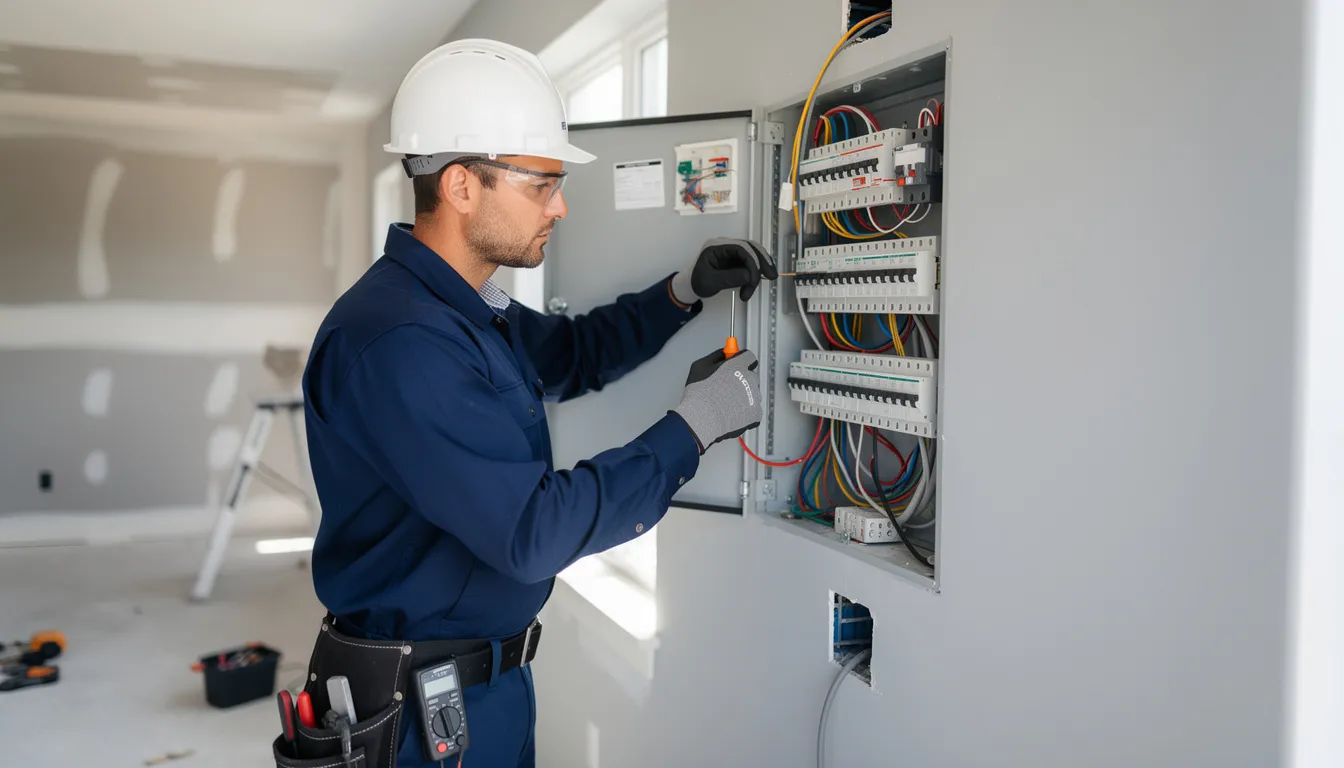
Proper electrical installation prevents fires, shocks, and equipment damage. This checklist applies to all infrared sauna installations, including HomeSauna cabins and plug-and-play models.
Professional Installation Requirements
Hardwired or higher-amperage saunas (often 220–240V) require professional installation:
- Use a licensed electrician familiar with current building codes
- Ensure permits are obtained where required
- Verify compliance with local electrical standards
- Keep installation documentation for warranty and insurance purposes
Circuit and Wiring Standards
Electrical best practices for home infrared sauna installation include:
|
Requirement |
Recommendation |
|
Circuit Type |
Dedicated circuit for larger cabins |
|
Power Strips |
Never use—plug directly into outlets |
|
Extension Cords |
Avoid entirely |
|
Adapters |
Not recommended |
|
Wiring Age |
Inspect homes with pre-1990 electrical systems |
Certification Verification
Before purchasing or operating any full-spectrum infrared sauna, verify:
- Heaters carry recognizable safety certifications (UL, ETL, CE)
- Labels are visible and legible
- Control systems meet safety standards
- Documentation includes certification numbers
According to UL electrical safety standards, proper certification is essential for home safety.
Ventilation and Clearances
Indoor installations require adequate space and airflow:
- Maintain recommended clearances around the sauna exterior
- Ensure room ventilation meets manufacturer specifications
- Keep the installation away from moisture sources
- Verify the floor can support the unit's weight
Electrical Hazard Prevention
Protect electrical components from damage:
- Keep liquids, sprays, and wet towels away from control panels
- Never touch controls or cords with wet hands
- Avoid placing drinks on or near junction boxes
- Inspect power cords regularly for wear or damage
What Operating Routines Ensure Safe Sauna Sessions?
A consistent routine makes using carbon and ceramic heaters safer and more enjoyable over months and years of regular use.
Pre-Session Checklist
Before entering your outdoor infrared sauna or indoor unit:
[] Check controls and timers function properly
[] Confirm door latches work correctly
[] Complete visual scan for damage, loose panels, or exposed wiring
[] Pre-heat for 10–20 minutes (carbon) or 5–15 minutes (ceramic)
[] Hydrate with 1–2 glasses of water
[] Avoid heavy meals for 2–3 hours prior
[] Skip alcohol and sedatives before your session
During Your Session
While using your infrared sauna 1-person or multi-person unit:
- Use the built-in timer (set for 20–30 minutes initially)
- Place a clean towel on the benches to absorb sweat
- Bring a non-glass water bottle if desired
- Monitor how you feel throughout the session
- Rotate position periodically for even infrared exposure
- Exit immediately if you experience any warning symptoms
Post-Session Protocol
After completing your session:
- Allow a cool-down period of 10–20 minutes at room temperature
- Take a lukewarm shower to rinse sweat
- Avoid shocking your body with immediate ice-cold water unless accustomed to contrast therapy
- Rehydrate with water and electrolytes if needed
- Rest before resuming strenuous activities
Tracking Your Sessions
Keep notes on your sauna use to optimize future sessions:
- Duration and temperature settings
- How you felt during and after
- Sleep quality that night
- Recovery from exercise
- Stress relief effects
Adjust future sessions based on these observations to achieve your wellness goals.
What Maintenance Ensures Long-Term Safety?
Proper maintenance extends heater life and minimizes hazards, especially as cabins age beyond 5–10 years of regular use. Both carbon and ceramic heaters require attention to remain safe, durable heating elements.
Regular Cleaning
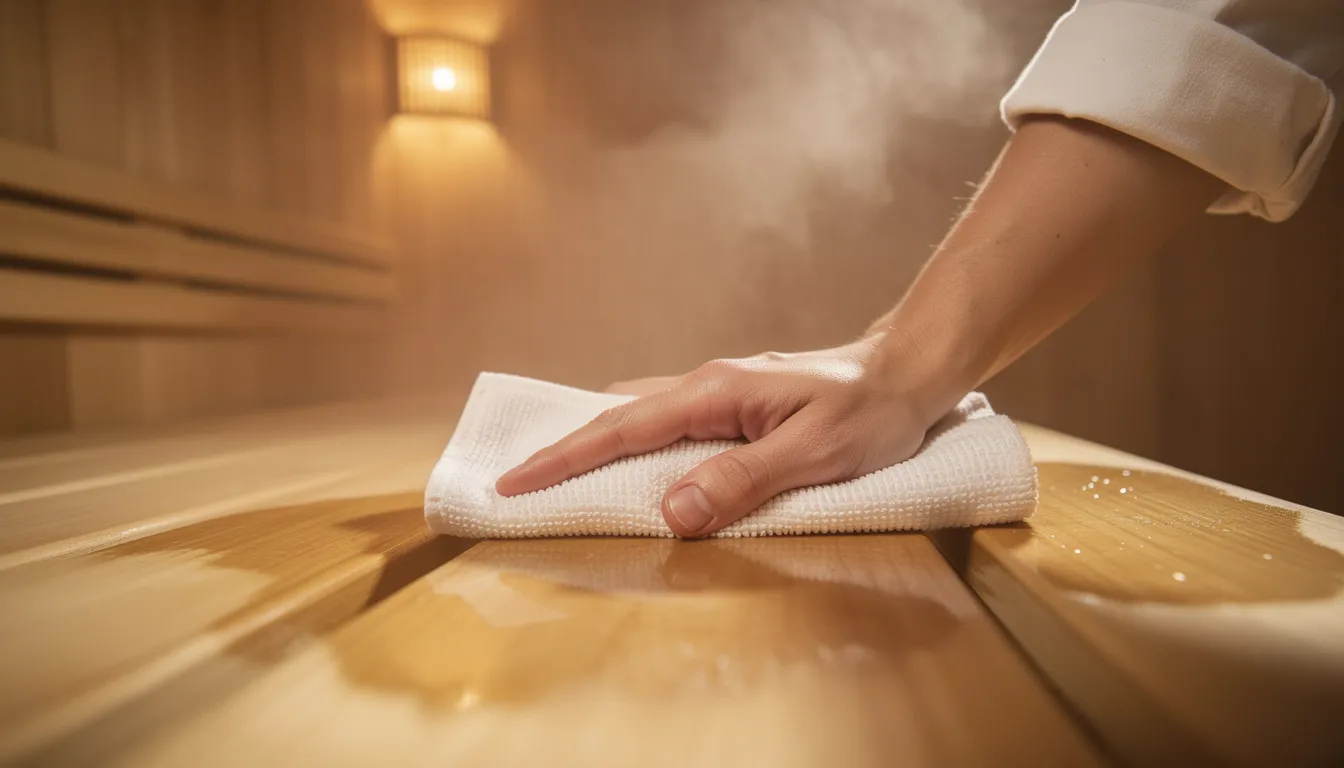
After heavy-use weeks, clean your sauna interior:
- Wipe down interior wood with a damp cloth
- Clean heater guards with a mild, non-corrosive cleaner
- Wipe control panels gently to remove dust
- Avoid harsh chemicals that could damage finishes
- Allow surfaces to dry completely before next use
Monthly Inspections
Check your heating elements monthly for signs of wear:
Carbon Panels:
- Look for discoloration or dark spots
- Check for warping or separation from mounting surfaces
- Verify all connections remain secure
Ceramic Elements:
- Inspect for cracks, chips, or breaks
- Look for unusual discoloration
- Check for hot spots that glow differently from the surrounding areas
- Verify protective guards remain intact
Floor and Ventilation Maintenance
Keep airflow areas clean:
- Vacuum floor grates regularly
- Clean under-bench areas to prevent dust accumulation
- Remove lint buildup around the lower heaters
- Clear any debris from ventilation openings
Annual Professional Inspection
Schedule professional maintenance periodically:
- Have visible wiring connections checked annually (with unit powered off)
- Schedule an electrical inspection every few years for high-usage home spas
- Keep records of all maintenance activities
- Follow warranty requirements for covered operation
HomeSauna units come with specific maintenance instructions and warranty terms that you should keep accessible and follow for safe, covered operation.
How Do You Choose a Safe Infrared Sauna Configuration?
When comparing safety and user experience across different heater configurations, understanding the technology and energy efficiency of carbon and ceramic heaters helps you make an informed decision.
Carbon-Only Configurations
Carbon-only cabins work well for households planning frequent, longer sessions:
- Lower surface temperature reduces burn risk
- Even heat distribution eliminates hot and cold spots
- More durable heating elements with a 50-year potential lifespan
- Better energy efficiency for regular use
- Ideal for families, including older adults
Full-spectrum infrared sauna heaters using carbon technology deliver far infrared energy efficiently while maintaining comfortable operating conditions.
Ceramic-Only Configurations
Ceramic-only designs suit those who want:
- Faster warm-up times
- More intense, shorter sessions
- Traditional sauna feel with modern infrared technology
- Targeted infrared spectrum output
However, ceramic setups require stricter spacing and timing discipline, as well as more frequent element replacement.
Hybrid Configurations
Hybrid systems combine the best of both technologies:
- Carbon walls provide wrap-around far infrared heat
- High-end ceramic boosters target sore muscles
- Flexible session options for different wellness goals
- Spectrum sauna heaters that produce infrared light across multiple wavelengths
When used thoughtfully, hybrids deliver deep infrared therapy plus targeted intensity where you need it most.
What to Look for When Buying?
Evaluate any best infrared sauna for home brand against these criteria:
- Low-EMF claims backed by third-party lab data
- High-quality control systems with safety certifications
- Clear, written safety manuals and user guides
- Quality materials and construction
- Responsive customer support
HomeSauna offers carefully engineered heater arrays, sustainable materials, and strong customer support, all designed specifically for safe at-home wellness—making them a premium option worth considering for your infrared sauna investment.
Experience Maximum Wellness Benefits with Safe Sauna Practices
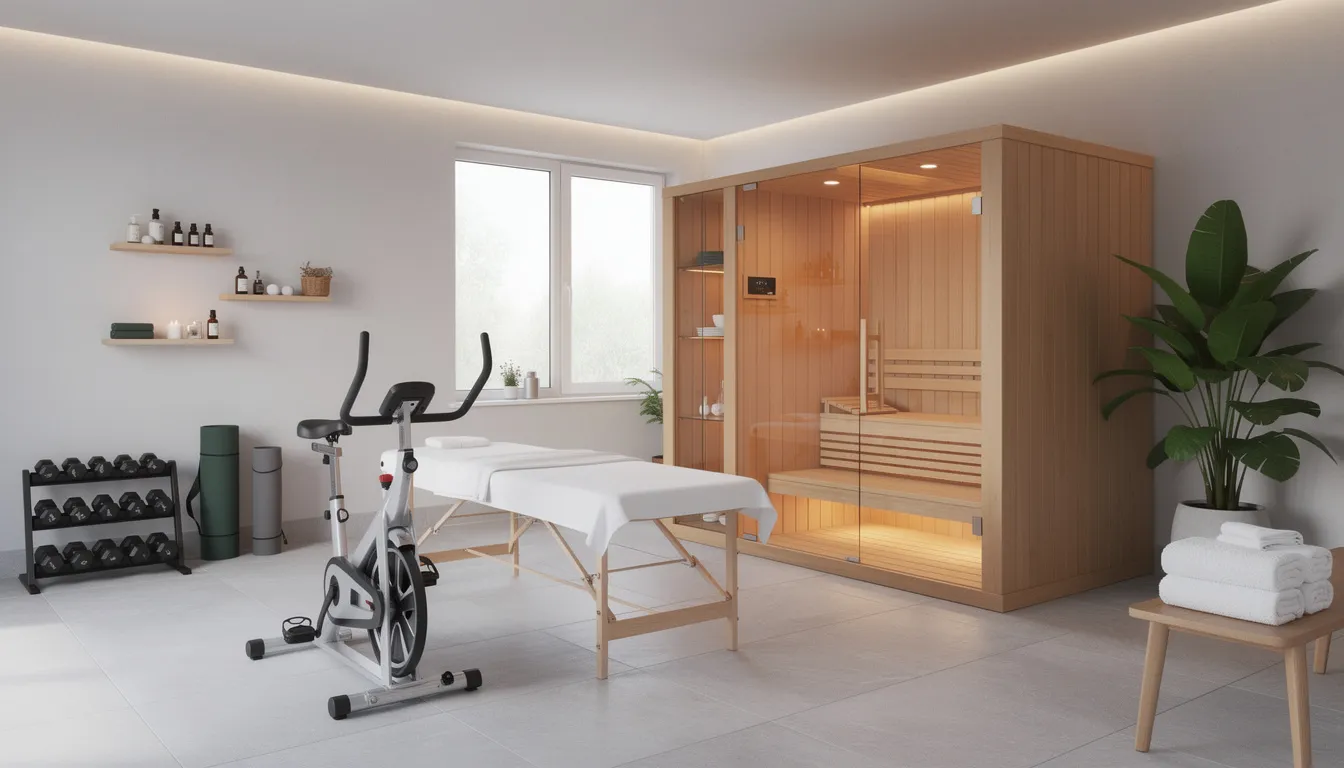
Mastering the safe use of carbon and ceramic heaters transforms your best home infrared sauna from a simple purchase into a daily wellness ritual that delivers compound benefits over time. The infrared sauna health benefits you'll experience—from improved cardiovascular function and faster muscle recovery to better sleep and stress reduction—depend entirely on consistent, safe usage patterns.
Whether you're enjoying a relaxing session in your infrared sauna indoor 2-person unit after work or incorporating regular heat therapy into your athletic recovery routine, following the guidelines in this comprehensive guide ensures every session is both effective and safe.
Start with conservative temperatures and durations, listen to your body's signals, maintain your equipment diligently, and gradually build toward your optimal wellness protocol.
Ready to experience the transformative power of safe infrared therapy?
From certified low-EMF systems to home sauna installation support, your journey to better health starts here at HomeSauna. Contact HomeSauna today and invest in wellness that lasts a lifetime.
Frequently Asked Questions
How often is it safe to use a carbon or ceramic infrared sauna at home?
Many healthy adults can safely use an infrared sauna 1-person or multi-person unit 3–5 times per week, or even daily, if sessions are moderate in time (20–30 minutes) and temperature. The infrared light emitted by these systems is generally well tolerated when proper hydration and rest practices are followed.
Beginners should start with 1–2 sessions per week and gradually build up, monitoring how they feel the following day. Any unusual fatigue, headaches, or discomfort may indicate you're progressing too quickly.
People with chronic conditions such as cardiovascular disease, diabetes, or autoimmune disorders must follow individualized medical guidance rather than generic frequency advice. According to Harvard Health research, your healthcare provider can help determine what's safe based on your specific health profile.
Can children safely use carbon or ceramic infrared saunas?
Children are more sensitive to infrared heat and dehydration than adults, so any use should be approved by a pediatrician and closely supervised by a parent or guardian. Their smaller bodies and developing thermoregulation systems make them vulnerable to overheating. If a doctor has cleared usage, suggest much lower temperatures (95–110°F / 35–43°C) and very short sessions of 5–10 minutes maximum.
Children should never be left alone in the sauna and should drink water before and after their session. Medical experts recommend watching for signs of discomfort, excessive sweating, or flushed skin that indicate the child should exit immediately.
Are carbon and ceramic infrared heaters safe for people with metal implants?
Many people with joint replacements or surgical hardware use infrared saunas without problems. However, any implant or pacemaker absolutely requires medical clearance before beginning infrared therapy. Moderate far-infrared radiation from carbon panels is less likely to create localized hot spots over implants than very high direct infrared heat from ceramic elements. The even heat distribution of carbon systems reduces the risk of uncomfortable thermal buildup near metal components.
Start with lower temperatures and shorter sessions, and stop immediately if you experience unusual local discomfort, warmth, or buzzing sensations near the implant site. Consultation with your surgeon or cardiologist is essential before beginning any heat therapy protocol.
Do carbon or ceramic sauna heaters increase EMF exposure to unsafe levels?
Quality infrared systems are designed to keep electromagnetic radiation and extremely low-frequency levels low—often well under commonly cited precautionary thresholds when independently tested. Premium carbon panels can achieve readings below 3 milligauss throughout the seated position. Look for brands that publish third-party EMF test results and use shielded wiring, twisted wire designs, and properly grounded components.
HomeSauna incorporates these features in its low-EMF models specifically to address this concern. Users who are highly EMF-sensitive can position themselves slightly farther from control boxes and power entry points while still receiving full-body exposure to far-infrared radiation. The World Health Organization EMF guidelines provide additional context on exposure limits.
Is it safe to combine infrared sauna use with cold plunges or ice baths?
Contrast therapy—heat followed by cold—is popular for athletic recovery and can be safe for healthy individuals. However, this practice significantly stresses the cardiovascular system and requires a careful approach. Start conservatively with a 15–20-minute sauna session at a moderate temperature, followed by a short 1–2-minute cool or cold rinse, rather than jumping straight into extreme ice baths. This gradual approach allows your body to adapt to the thermal stress.
Anyone with heart disease, uncontrolled blood pressure, or arrhythmias should only attempt heat-and-cold combinations under direct medical supervision. Research shows that rapid temperature changes can trigger dangerous cardiovascular responses in vulnerable individuals.
References
- Sun Home Saunas – “Can Kids Safely Use a Sauna? A Parent’s Guide”
- Restorative Medicine Center – “Safe Sauna Therapy for Kids: Benefits & Guidelines.”
- Liv Hospital – “Why is Heat Not Recommended After Knee Placement, and When Is It Safe to Use It?”
- World Health Organization (WHO) – “Radiation: Electromagnetic Fields.”
- Science Direct – “Low and High Air Temperature and Cardiovascular Risk.”