

Transforming the basement into a personal wellness retreat has become increasingly popular among homeowners seeking to improve cardiovascular health and create a calming environment for stress reduction. A basement sauna offers unique advantages over outdoor installations, providing year-round accessibility and privacy while maximizing the use of your available space.
However, building a sauna in basement locations requires careful planning and attention to specific challenges that don't exist with above-ground installations. Moisture control, proper ventilation, and electrical requirements are crucial factors that can make or break the success of your project.
This comprehensive guide covers everything you need to know before breaking ground on your basement sauna project, from initial space planning and material selection to final costs and ongoing maintenance requirements.
Key Takeaways
- Basement saunas require proper moisture control, ventilation, and electrical upgrades to prevent structural damage and ensure safety
- Installation costs range from $5,000 for basic infrared units to $25,000+ for premium traditional saunas with custom features
- Building permits are typically required, with approval taking 4-6 weeks for electrical, structural, and ventilation modifications
- Infrared saunas are often better suited for basements due to lower humidity output and reduced ventilation requirements
- Professional electrical work is essential for 240-volt, 30-60-amp dedicated circuits required by sauna heaters
Why Are Basements Ideal Sauna Locations?
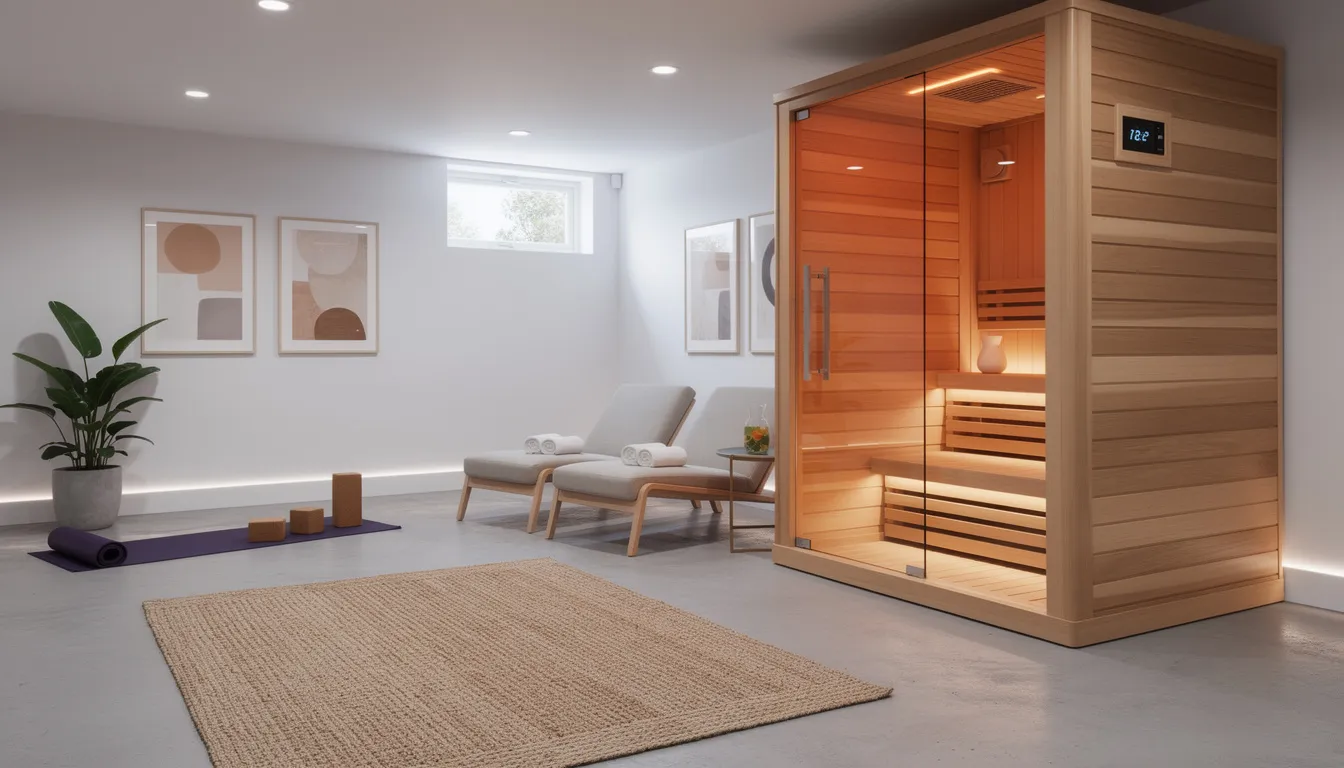
Basements offer several compelling advantages for installing a home sauna. The natural cool environment of an unfinished basement creates an enhanced heat contrast experience that amplifies the health benefits of regular sauna use, according to research from the Mayo Clinic.
Privacy and Accessibility Benefits
Privacy stands out as perhaps the greatest advantage of basement installations. Unlike backyard saunas that may face neighbor visibility concerns or main-floor installations that can interfere with household activities, a basement sauna provides complete seclusion for your wellness retreat.
The year-round accessibility of basement saunas eliminates weather-related barriers to consistent use. Whether it's snowing, raining, or sweltering outside, your sauna remains comfortably accessible through your home's climate-controlled environment. This accessibility factor significantly improves the likelihood of maintaining regular sauna habits.
Financial and Practical Advantages
From a financial perspective, basement saunas represent efficient use of often underutilized space. Many homeowners have basement areas that serve primarily as storage, making sauna installation a value-adding renovation that can increase a home's value by $5,000-$15,000, according to real estate professionals.
The stable temperature environment of basements also contributes to energy efficiency, as the sauna doesn't need to overcome extreme outdoor temperature variations. The acoustic isolation provided by basement locations allows for enhanced relaxation without disturbing other household members.
What Space Planning Essentials Should You Consider?
Proper space planning forms the foundation of any successful basement sauna project.
Ceiling Height and Sizing Requirements
The minimum ceiling height requirement of 7-8 feet ensures comfortable headroom while allowing proper heat stratification within the sauna interior. Heights below 7 feet create cramped conditions and poor air circulation, while excessive height above 8 feet leads to inefficient heating and uncomfortable temperature gradients.
Optimal sizing depends on intended occupancy and available basement space. A 6×6-foot sauna comfortably accommodates two people, while a 6×8-foot configuration provides space for four people with proper bench arrangements. These dimensions include only the interior space; additional clearance of 2-3 feet around the exterior walls is essential for maintenance access and ventilation equipment.
Location and Heater Considerations
Corner installations offer significant advantages in basement environments. Utilizing existing foundation walls reduces framing costs while improving heat retention through the thermal mass of surrounding concrete. Corner locations also simplify ventilation planning by providing direct access to exterior walls for the placement of intake and exhaust vents.
The relationship between sauna size and heater capacity requires careful consideration during the planning process. Traditional saunas need approximately 1 kilowatt of heater power per 50 cubic feet of interior volume, according to electrical safety standards from the National Fire Protection Association. A 6×7×7-foot sauna (294 cubic feet) would require approximately a 6kW sauna heater for optimal performance.
Proximity to existing electrical panels impacts installation costs. Locating the sauna within 50 feet of the main electrical panel reduces wire run costs and voltage drop concerns.
How Do Traditional and Infrared Saunas Compare for Basements?
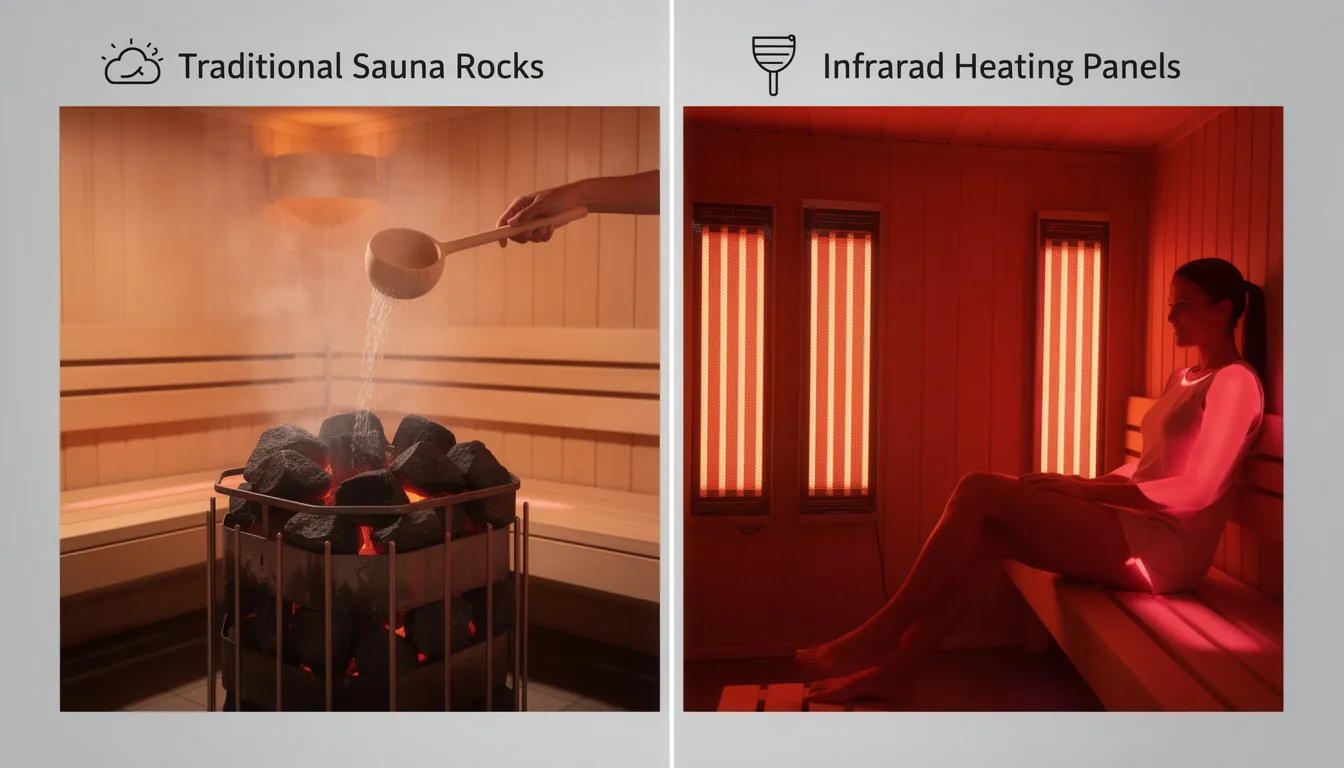
The choice between traditional steam saunas and infrared technology has a significant impact on basement installation requirements, ongoing costs, and user experience.
What Makes Traditional Steam Saunas Unique?
Traditional saunas operate at 170-200°F with controlled humidity levels created by pouring water over heated rocks. This classic approach delivers the authentic sauna experience, complete with a distinctive cedar aroma and the traditional löyly steam ritual.
Electrical demands for traditional saunas are substantial, typically requiring 6kW-12kW heaters that need dedicated 30-60 amp circuits with 240-volt power. These electrical requirements often necessitate panel upgrades in homes with older electrical systems, adding $1,000 to $3,000 to project costs.
The moisture generated during traditional sauna use demands proper exhaust ventilation that removes humid air directly to the exterior. Without adequate moisture control, basement installations are vulnerable to mold growth and structural damage. However, when properly installed, traditional saunas provide the most authentic and therapeutic experience for improving cardiovascular health.
Why Choose Infrared Technology for Basements?
Infrared technology operates at lower temperatures, ranging from 110°F to 140°F, while using radiant heat panels to warm the body directly. This approach generates minimal humidity, making infrared sauna indoor 2-person units particularly well-suited for basement installations where moisture control can be challenging.
The reduced electrical demands of infrared systems (typically 1.5 kW to 3kW) often allow for operation on existing 120-volt circuits, eliminating the need for major electrical upgrades. This characteristic makes infrared saunas attractive for renters or homeowners seeking minimal infrastructure modifications.
Installation complexity is significantly reduced with infrared systems, as many models come as prefabricated panels that assemble quickly with basic tools. The lower moisture output reduces ventilation requirements, although some air circulation remains necessary for comfort and maintaining good air quality.
While infrared saunas don't provide the traditional steam experience, they offer effective heat exposure for muscle relaxation, joint pain relief, and stress reduction. The gentler temperatures may be more comfortable for users with certain chronic pain conditions or those new to sauna use. Learn more about the differences between sauna types to make an informed choice.
What Infrastructure Do You Need for Installation?
Essential infrastructure requirements make or break the success of a basement sauna.
How Should You Handle Electrical Upgrades?
Proper electrical infrastructure represents the most critical and complex aspect of home infrared sauna installation. Most sauna heaters require 240-volt power delivered through dedicated circuits sized specifically for the heater's electrical demands.
A 6kW heater requires a minimum 30-amp circuit with 10-gauge copper wire, while larger heaters, such as those with a capacity of 9kW-12kW, require 50-60 amp circuits with correspondingly heavier conductors, typically 6-gauge or 4-gauge copper wire. These circuits must include GFCI protection and disconnect switches positioned within sight of the sauna for safety compliance.
Electrical rough-in work should always be performed by licensed electricians familiar with sauna-specific code requirements. Professional installation typically costs $800-$1,500, ensuring code compliance and safe operation.
Panel capacity assessment is essential before finalizing heater selection. Homes with 100-amp service may require upgrades to accommodate large sauna heaters alongside existing electrical loads. Panel upgrades can add $1,500 to $4,000 to project costs, but may be necessary for safe operation.
Do You Need Drainage in Your Basement Sauna?
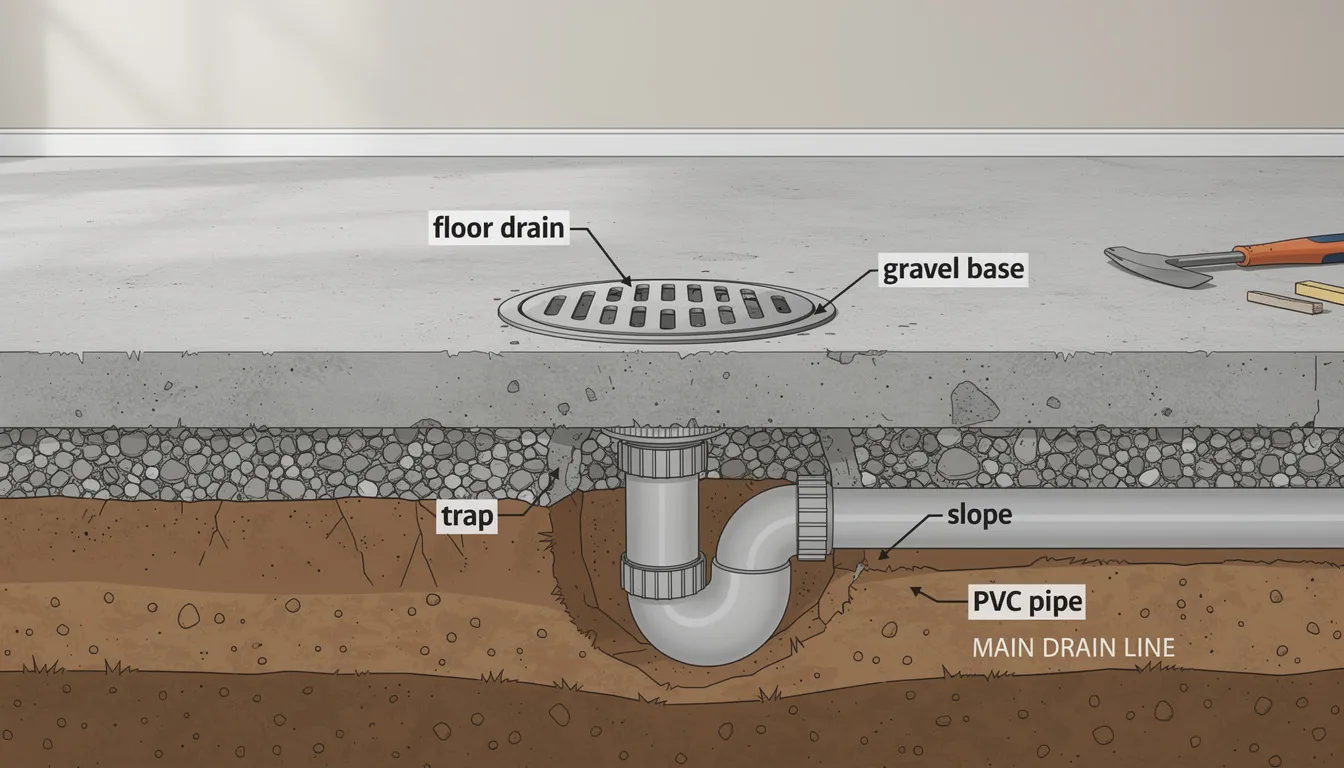
While not always mandated by code, floor drains provide significant benefits for both traditional and infrared sauna installations. Traditional steam saunas benefit from drainage for cleaning and occasional water spillage from the löyly ritual.
Installing new floor drains in existing basement slabs requires concrete cutting, trenching for drain lines, and coordination with existing plumbing systems. Professional plumbers typically charge between $1,500 and $3,000 for basement drain installation, which includes concrete work and proper sloping of the drain.
Waterproof membranes under sauna flooring provide essential protection against moisture penetration into basement structures. These membranes prevent damage from cleaning activities, accidental spills, or condensation.
Basement saunas without floor drains require careful design of waterproof surfaces and enhanced ventilation to manage any moisture accumulation.
What About Building Permits and Code Compliance?
Most jurisdictions require building permits for basement sauna installations due to the electrical, structural, and ventilation modifications involved.
Permit applications typically require detailed plans showing electrical panel locations, circuit routing, heater placement, and ventilation system design. These plans demonstrate compliance with electrical codes, fire safety requirements, and moisture management standards that protect both occupants and building structures.
The approval process generally takes 4-6 weeks, during which building officials review plans for compliance with local adaptations of the International Residential Code and National Electrical Code.
Inspection requirements typically include an electrical rough-in inspection before drywall installation and a final inspection upon project completion. These inspections verify that installations are made in accordance with approved plans and applicable safety codes.
Working with contractors familiar with local permit requirements streamlines the approval process and reduces the likelihood of plan rejections or inspection failures.
How Do You Control Moisture and Ventilation?
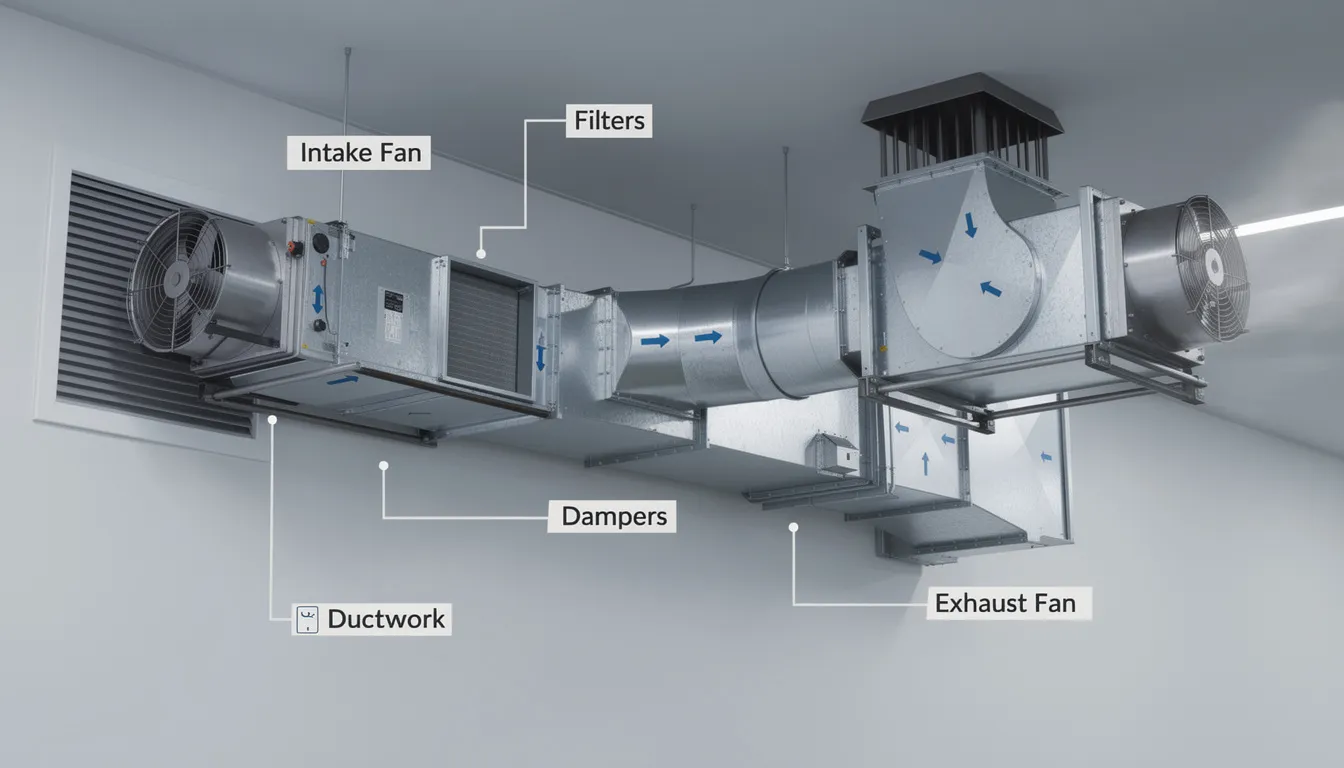
Effective moisture control represents the most critical technical challenge in basement sauna installations.
Vapor barriers with perm ratings below 0.1 must be installed on the warm side of insulation to prevent moisture migration into wall cavities. Foil-faced barriers serve dual purposes by reflecting radiant heat back into the sauna while blocking the transmission of vapor.
Mechanical ventilation provides the only reliable method for removing humid air from basement saunas, according to ASHRAE ventilation guidelines. Natural convection is insufficient in below-grade locations, making powered exhaust fans essential for moisture management.
Fresh air intake systems work in conjunction with exhaust ventilation to maintain air quality and circulation. Intake vents positioned near sauna heaters draw cool air, which warms and circulates throughout the space before exiting through exhaust vents on the opposite walls.
Mineral wool insulation offers superior performance compared to fiberglass in high-moisture applications. The water-resistant properties of mineral wool prevent degradation from humidity exposure while maintaining thermal performance.
Post-use ventilation routines are crucial for maintaining a healthy basement environment. Running exhaust fans for 30-60 minutes after sauna sessions helps remove residual humidity and prevent moisture accumulation.
What Materials Should You Select for Construction?
Material selection has a significant impact on both aesthetics and performance.
Which Wood Species Work Best for Interiors?

Western Red Cedar remains the most popular choice due to its natural resistance to moisture, pleasant aroma, and dimensional stability under varying temperatures. Cedar's natural oils provide antimicrobial properties that resist mold and bacterial growth in humid sauna conditions.
Eastern White Cedar offers similar performance characteristics at a lower cost, making it an attractive option for budget-conscious installations. The lighter color and milder aroma of white cedar appeal to users who prefer subtle wood characteristics.
Hemlock provides a hypoallergenic alternative for users sensitive to cedar oils or aromas. Its minimal resin content and neutral scent make it suitable for individuals with respiratory sensitivities while offering good moisture resistance.
Aspen creates a striking visual contrast with its light color and smooth texture. This wood species stays relatively cool to the touch, making it popular for bench surfaces where users have direct skin contact.
All interior wood should remain unfinished to prevent off-gassing of chemicals at high temperatures. Standard interior finishes, such as polyurethane or paint, can release toxic fumes when exposed to heat.
What Structural Materials Are Essential?
Kiln-dried lumber for framing prevents warping and shrinkage that could compromise structural integrity or finish quality. The stable moisture content of kiln-dried wood ensures consistent performance in response to temperature and humidity fluctuations.
Treated lumber becomes necessary for any framing members in direct contact with concrete foundation walls. Pressure-treated materials resist moisture absorption from concrete and prevent rot.
Stainless steel fasteners resist corrosion in high-humidity environments. Standard galvanized screws and nails can rust and stain wood surfaces while potentially failing over time.
High-quality sealants for joints and penetrations prevent moisture infiltration, which could compromise the performance of vapor barriers or insulation.
What's the Cost Breakdown for Basement Saunas?
Understanding the full cost spectrum helps homeowners set realistic budgets.
How Much Does Basic Infrared Installation Cost?
The entry-level infrared sauna price ranges from $5,000 to $8,000, including basic electrical work and standard finishes. These projects typically use prefabricated infrared panels with simple assembly requirements and minimal electrical modifications.
Basic installations typically include essential components such as heater panels, basic lighting, simple digital controls, and minimal ventilation. Finishes may include basic cedar panels or less expensive wood alternatives.
What About Mid-Range Traditional Saunas?
Traditional sauna installations with custom cedar interiors and proper ventilation systems typically cost between $10,000 and $15,000. These projects require dedicated electrical circuits, comprehensive moisture control systems, and professional installation of specialized components.
Mid-range installations include quality electric heaters with digital controls, proper insulation and vapor barriers, mechanical ventilation systems, and custom millwork. Safety features, such as proper clearances, GFCI protection, and emergency lighting, add to component costs.
Professional installation becomes more critical for traditional saunas due to the complex moisture management and electrical requirements. Labor costs for qualified contractors typically represent 40-50% of total project expenses.
What Do Premium Custom Installations Include?
High-end basement saunas with luxury home sauna finishes and advanced features range from $20,000-$25,000 or more. These installations feature premium materials, custom millwork, advanced control systems, and integrated amenities, including sound systems and chromotherapy lighting.
Premium projects often incorporate features like glass walls, custom bench configurations, high-end heaters with precise controls, and sophisticated ventilation systems with heat recovery.
The investment in premium installations often includes professional design services, warranty protection, and ongoing maintenance support, ensuring optimal performance and longevity.
What Common Mistakes Should You Avoid?
Understanding frequent installation pitfalls helps homeowners avoid costly errors.
Underestimating electrical requirements leads to the most serious and expensive mistakes in basement sauna projects. Attempting DIY electrical work for high-amperage circuits creates fire hazards and code violations that require complete rewiring.
Inadequate ventilation planning can lead to long-term moisture damage, which can be costly to remediate. Moisture barriers that aren't properly sealed or ventilation systems that discharge into basement spaces allow humidity to damage structural components.
Ignoring local codes and permit requirements can result in forced removal of completed installations. Building departments have the authority to require the demolition of unpermitted work, resulting in a total loss of investment.
Choosing inappropriate sauna types for basement environments creates ongoing performance problems. Traditional saunas in basements with marginal moisture control capabilities often develop persistent humidity issues.
Insufficient clearance space for maintenance and safety access complicates routine maintenance and emergency egress. Building saunas too close to walls or obstructions creates code violations.
Poor insulation installation reduces energy efficiency, allowing for heat loss that increases operating costs and affects temperature uniformity.
How Do You Maintain and Operate Your Basement Sauna?

Regular maintenance preserves both performance and safety while protecting your investment.
Monthly cleaning requires approximately 30 minutes and involves wiping benches with clean water, sweeping floors, and checking ventilation systems for proper operation. Using only water or specialized sauna cleaners prevents chemical damage to wood surfaces.
Annual maintenance includes professional inspection of electrical components, replacement of sauna stones in traditional heaters, and comprehensive cleaning of ventilation systems. Professional maintenance typically costs $150-$300 annually, but it prevents major repairs and extends the equipment's lifespan.
Operating costs for sauna sessions range from $1 to $ 2, depending on local electricity rates and the type of sauna. Traditional saunas with larger heaters consume more energy during heat-up but may be more efficient for longer sessions.
Energy efficiency varies significantly depending on the quality of insulation and sauna construction. Well-insulated saunas with proper air sealing can reduce operating costs by 30-50% compared to poorly built installations. Understanding the role of saunas in longevity and anti-aging helps justify modest operating expenses.
Proper maintenance prevents costly repairs, such as heater replacement ($800-$2,000), electrical component failure ($500-$1,500), or moisture damage remediation ($2,000-$8,000).
Transform Your Basement into a Wellness Haven
Building a basement sauna represents a significant investment in your health and home value. Whether you opt for a simple 1-person home sauna or a premium multi-person model, proper planning is essential for success.
The journey from concept to completion requires careful attention to electrical requirements, moisture control, ventilation, and material selection. While the process demands investment and expertise, the result provides decades of wellness benefits and property value enhancement.
Modern technology has made basement sauna installation more accessible than ever. The best infrared sauna for home offers plug-and-play simplicity, while traditional Finnish saunas deliver authentic experiences. The choice depends on your space, budget, and preferences.
Professional guidance proves invaluable for complex installations. Licensed electricians ensure safe power delivery, experienced contractors handle moisture control challenges, and sauna specialists optimize design for your specific basement conditions.
The basement location offers unique advantages that outdoor installations can't match: year-round accessibility, complete privacy, acoustic isolation, and integration with your home's comfort systems. These benefits justify the additional planning required for below-grade installations.
Ready to start your basement sauna journey? Contact our team for expert guidance on selecting and installing your wellness retreat.
FAQ
Do I need a floor drain for my basement sauna?
Floor drains are recommended for traditional steam saunas, but not strictly required for infrared saunas. However, having drainage helps with cleaning and prevents moisture accumulation. Installation costs $1,500-$3,000 but provides significant benefits for moisture control and maintenance. The drain allows easy cleaning and handles any water from traditional löyly practices or periodic deep cleaning sessions.
Can I install a sauna in a basement with low ceilings?
The minimum ceiling height should be 7 feet, although 8 feet is preferred for optimal heat stratification. Lower ceilings can work, but may require custom bench configurations and careful placement of the heater to ensure optimal performance. Heights below 7 feet create poor air circulation and uncomfortable conditions that affect the wellness experience. Consider whether the reduced headroom will impact your comfort during sessions.
How long does a basement sauna installation typically take?
A complete home infrared sauna installation typically takes 2-4 weeks, depending on the complexity, which includes electrical rough-in, framing, insulation, and finishing work. Permit approval adds 4-6 weeks to the timeline. Simple infrared installations may complete faster, while traditional saunas with full infrastructure require more time. Weather doesn't affect indoor projects, but material availability and contractor schedules can impact timelines.
Will a basement sauna cause moisture problem in my home?
Properly installed saunas with adequate ventilation and vapor barriers should not cause moisture issues. Poor installation can lead to mold growth and structural damage, costing thousands to repair. Professional installation with proper moisture control eliminates these risks. The key is ensuring exhaust ventilation vents directly to the exterior and vapor barriers are properly sealed. Understanding proper sauna humidity management prevents moisture-related problems.
What's the difference between 120V and 240V sauna heaters?
240V heaters are more efficient and provide faster heat-up times, while 120V heaters are limited to smaller infrared units. Most quality traditional saunas require 240V power for optimal performance. The electrical panel must have adequate capacity for high-amperage circuits required by larger heaters. Infrared sauna indoor 2-person models often work with 120V, while larger units and all traditional saunas need 240V dedicated circuits.
Are home saunas safe for health?
Yes, home sauna wellness is safe for most healthy adults when used properly. The cardiovascular health improvements and stress reduction benefits are well-documented by research published in JAMA Internal Medicine. However, individuals with certain medical conditions, pregnant women, and those on specific medications should consult healthcare providers before use. Always stay hydrated, limit session duration to 15-30 minutes, and listen to your body's signals.
How often should you use an infrared sauna?
Most health professionals recommend using an infrared sauna three to four times per week for optimal benefits, detoxification, and cardiovascular support. Sessions typically last 20-30 minutes at temperatures between 110°F and 140°F. Beginners should start with shorter 10-15 minute sessions and gradually increase duration as tolerance builds. Consistency matters more than frequency—regular use yields better results than occasional, lengthy sessions.