

Top Tips for Installing a Sauna in Small Spaces
Installing a sauna in small spaces doesn't have to be challenging. This comprehensive guide reveals how you can install the best home sauna in limited areas, creative placement strategies, and essential tips to transform any compact space into your personal wellness retreat.
From luxury home sauna designs to budget-friendly compact solutions, you'll discover proven strategies that maximize both space efficiency and wellness benefits.
Key Takeaways
- Saunas offer numerous health benefits including improved cardiovascular health, muscle recovery, and stress relief
- Compact infrared saunas, traditional models, and steam rooms can all be adapted for small spaces
- Creative home sauna installation placement solutions include unused closets, bathroom integration, and basement corners
- Proper ventilation, electrical setup, and maintenance are essential for safe operation
- Design elements like light woods and natural lighting enhance both aesthetics and functionality
Why Consider a Home Sauna for Small Spaces?
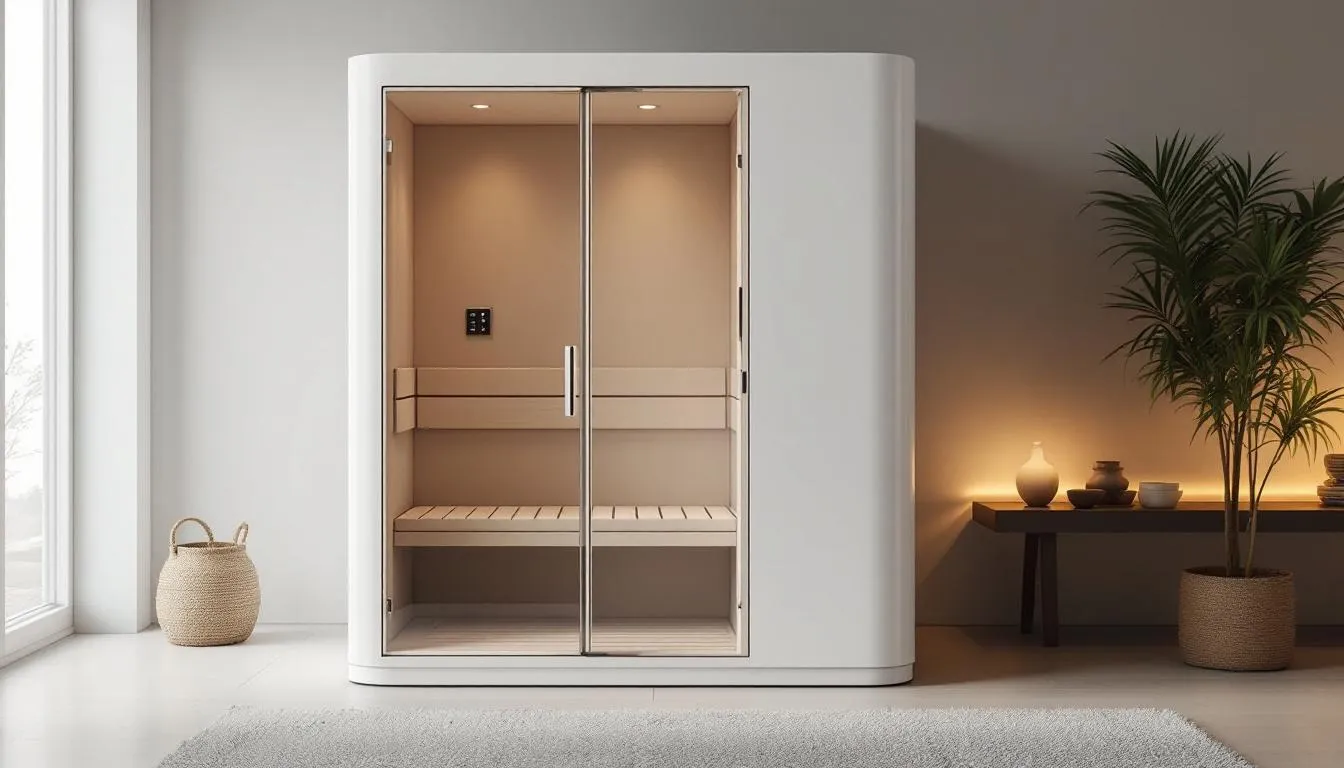
Saunas are far more than luxury amenities—they're pathways to better health and improved quality of life. According to Harvard Health, regular sauna use provides measurable health benefits:
- Significantly improves cardiovascular health by lowering blood pressure and reducing heart disease risk
- Increases blood circulation, aiding muscle recovery and alleviating respiratory issues
- Provides a sanctuary for stress relief, enhancing mental well-being and promoting better sleep
- Supports detoxification through increased perspiration
Incorporating a sauna into your home—even in limited square footage—transforms your living area into a personal spa. The key is understanding your options and implementing smart design strategies.
Home saunas naturally complement bathrooms, leveraging existing moisture control systems. This strategic placement creates a soothing wellness environment without requiring extensive renovations.
How Do You Choose the Right Sauna Type for Limited Space?
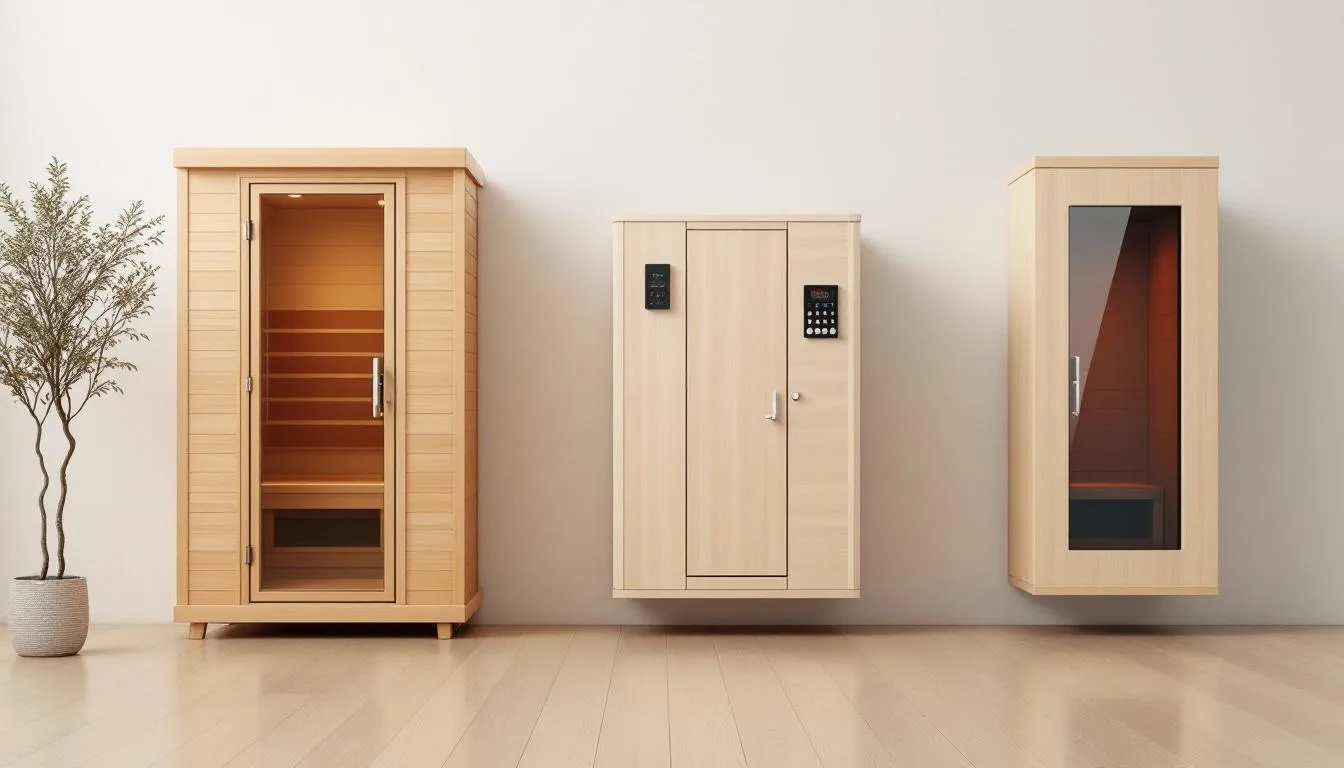
Selecting the appropriate sauna ensures comfortable fit while delivering desired wellness benefits. Each sauna type offers unique advantages that can be adapted for smaller areas.
Infrared Saunas: Efficient and Compact
Infrared saunas excel in small spaces due to their compact design and efficient heating methods. These units use infrared light to directly heat your body, allowing comfortable sessions without extensive space requirements.
Key advantages of infrared sauna indoor 2 person models include:
- No plumbing required, enabling installation in tight corners or closets
- Infrared heat penetrates deep into tissues for therapeutic benefits
- Energy-efficient operation at 120°F to 165°F reduces utility costs
- Lower temperature operation provides comfort for extended sessions
The North American Sauna Society reports that infrared saunas deliver infrared sauna benefits detox through deep tissue heating, making them versatile options for bedrooms, bathrooms, or any limited space.
Ready to explore compact infrared options? Browse the best infrared saunas at SunHome Saunas.
Traditional Saunas: Authentic Experience in Compact Form
Traditional Finnish saunas provide authentic experiences with high, dry heat. Even in smaller dimensions, these saunas retain thermal efficiency and create spa-like atmospheres.
With careful design and material selection, traditional saunas adapt perfectly for limited spaces. Whether you prefer classic wooden ambiance or intense heat, compact traditional models deliver without compromise.
Steam Rooms: Moist Heat in Compact Designs
Steam rooms offer distinct sauna experiences with high humidity and lower temperatures. Designed for compact spaces, they provide deep relaxation, respiratory relief, and skin hydration.
The significant humidity relaxes muscles and eases sinus issues. According to Cleveland Clinic, steam therapy supports respiratory health and promotes skin wellness. Unlike traditional saunas, steam rooms maintain lower temperatures with higher humidity, creating unique thermal experiences that are both relaxing and therapeutic.
What Are the Innovative Placement Ideas for Small Home Saunas?
Transforming smaller spaces into wellness areas requires creative thinking and strategic planning. Whether converting unused closets, integrating into bathrooms, or utilizing basement corners, numerous solutions maximize space without sacrificing comfort.
Transforming Unused Closets
Walk-in closets offer excellent opportunities for sauna installation. With proper ventilation and electrical access, closets convert into efficient, cozy saunas that maximize existing space while creating private wellness retreats.
This approach proves particularly effective for 1-person home sauna cost considerations, as smaller installations typically require less investment while delivering full wellness benefits.
Integrating Saunas into Bathrooms
Bathroom integration represents ideal sauna placement since these spaces naturally accommodate moisture and heat. This strategy transforms bathrooms into luxurious wellness spaces, offering convenient access immediately adjacent to showers.
Many of the best home sauna brands 2025 now offer specifically designed bathroom-compatible models that seamlessly integrate with existing fixtures and layouts.
Utilizing Basement Corners
Often underutilized, basement corners provide perfect spots for compact saunas. Installing units in these areas creates dedicated relaxation spaces, maximizing otherwise wasted square footage while offering private, serene environments for wellness sessions.
Considering an outdoor option? Explore the best outdoor sauna solutions that complement your home's exterior space.
What are the Best Design Tips for Seamless Integration?
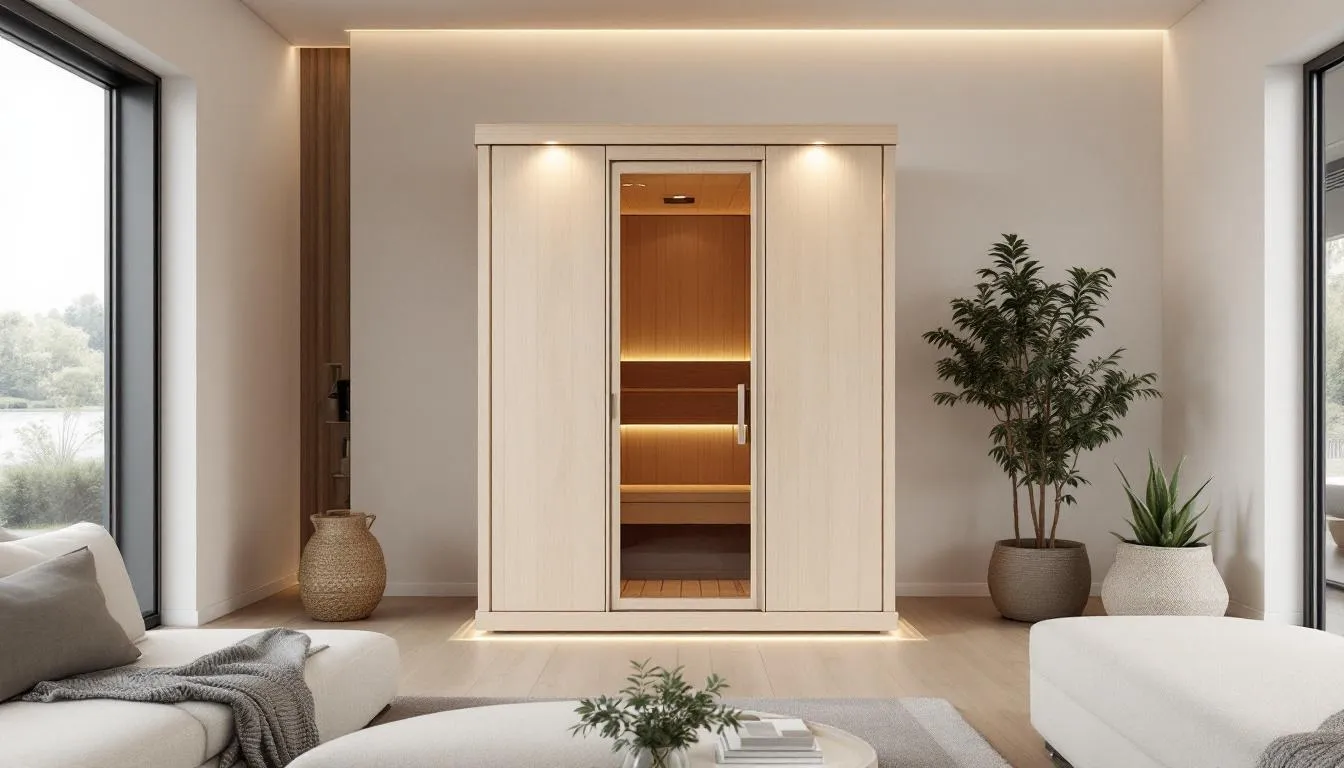
Designing your sauna to blend seamlessly with home decor elevates overall aesthetics while creating harmonious environments. Incorporating natural elements like light woods and glass helps saunas integrate naturally into living spaces.
Light Woods and Minimalist Aesthetics
Light-colored woods such as hemlock or aspen enhance spacious feelings within saunas. These materials create airy, inviting atmospheres that make spaces feel larger and more serene.
Combined with minimalist design principles, light woods create tranquil, open environments perfect for relaxation. Research from Architectural Digest shows that minimalist spa designs reduce visual clutter while enhancing mental relaxation.
Enhancing Natural Light
Natural light significantly enhances sauna ambiance. Glass doors and strategically placed skylights flood spaces with natural light, creating open, inviting environments filled with fresh air and natural illumination.
This approach not only improves aesthetic appeal but also contributes to brighter, more pleasant sauna experiences that feel connected to outdoor environments.
Optimizing Vertical Space
In smaller saunas, vertical space optimization proves essential. Tall, narrow designs efficiently use vertical dimensions while maintaining comfortable interiors. Built-in benches maximize seating without excessive floor space consumption, ensuring sleek, functional designs.
What Are the Installation and Maintenance Considerations?
Installing and maintaining saunas requires careful planning. Essential factors include installation costs, proper ventilation, electrical requirements, and regular maintenance—all crucial for safe, enjoyable experiences.
Ensuring Proper Ventilation
Maintaining air quality and preventing moisture buildup require proper ventilation systems. Effective setups include exhaust vents that eliminate humid air while ensuring healthy environments.
According to ASHRAE ventilation standards, proper airflow enhances comfort while preventing mold and mildew, keeping saunas safe and pleasant.
Electrical Requirements
Proper electrical setups prove crucial for safe sauna operation. Professional installation ensures all electrical components meet safety standards and regulations, guaranteeing efficient, safe operation with complete peace of mind.
Regular Maintenance Tips
Regular maintenance extends sauna lifespan and performance. Routine cleaning with non-abrasive cleaners prevents mold and bacteria buildup, ensuring optimal hygiene. Regularly inspecting and maintaining heating elements keeps saunas in peak condition.
How Do You Maximize Health Benefits in Small Saunas?
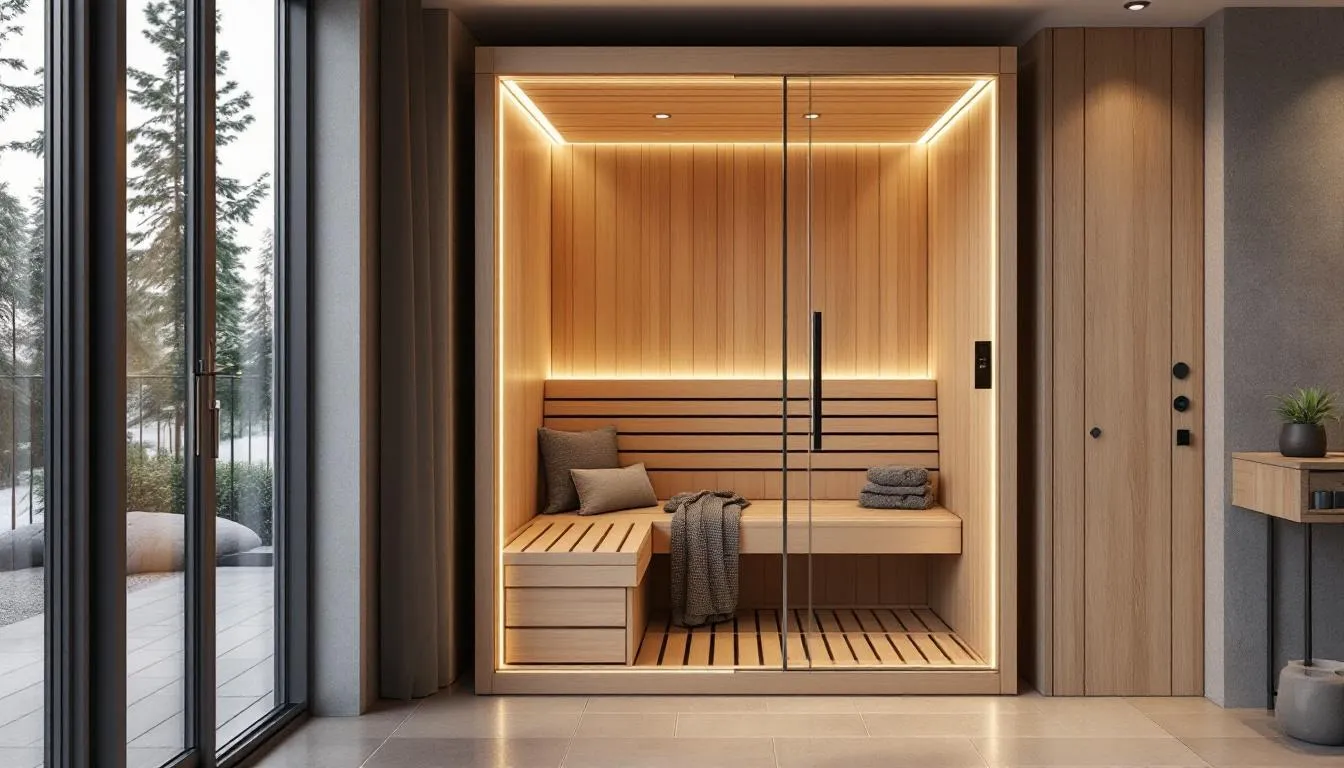
Regular sauna use provides extensive health benefits—from improved cardiovascular health and stress relief to enhanced muscle recovery and skin wellness. Studies by Johns Hopkins Medicine confirm that consistent sauna use supports overall wellness and longevity.
Maximizing these benefits in small saunas involves maintaining appropriate temperatures, starting with shorter sessions, and staying properly hydrated.
Ideal Sauna Temperatures
Appropriate temperatures ensure both safety and effectiveness. Traditional saunas should maintain 150°F to 230°F, while infrared saunas operate at lower 120°F to 165°F ranges, providing deep tissue heating without excessive temperatures.
Starting with Shorter Sessions
Shorter sessions, especially for beginners, maximize health benefits while preventing overheating. Starting with 5-10 minute sessions and gradually increasing duration helps bodies adapt to heat while improving endurance.
Frequent, shorter sessions enhance experiences and integrate more easily into daily routines, promoting consistent wellness habits.
Staying Hydrated
Hydration remains crucial for maintaining health during sauna use. Drink water before, during, and after sessions to avoid dehydration. Proper hydration ensures efficient temperature regulation and recovery, significantly enhancing sauna experiences.
How Do You Create a Wellness Routine with Your Home Sauna?
Integrating regular sauna use into wellness routines helps consistently enjoy numerous health benefits. Sauna sessions soothe muscles, calm minds, reduce stress and anxiety, and improve overall mood.
Establishing consistent routines maximizes home sauna benefits, contributing significantly to overall well-being and quality of life.
Scheduling Regular Sessions
Setting specific days and times for weekly sauna sessions establishes consistency in wellness routines. Scheduling creates habits leading to long-term health benefits and structured wellness practices.
Combining Sauna Use with Other Wellness Activities
Pairing sauna sessions with complementary wellness activities enhances overall experiences. Gentle yoga or stretching in saunas maximizes physical benefits while promoting flexibility. Incorporating mindfulness or meditation deepens relaxation and improves mental clarity.
Combining these activities with sauna sessions creates comprehensive wellness retreats at home, transforming limited spaces into powerful healing environments.
Summary
Incorporating saunas into small spaces proves not only feasible but highly beneficial for health and well-being. By selecting appropriate sauna types, implementing creative placement solutions, and integrating thoughtful design elements, you create personal wellness retreats regardless of space limitations.
Regular sauna use delivers numerous health benefits—from improved cardiovascular health to stress relief and enhanced skin wellness. Establishing consistent wellness routines and combining sauna use with complementary activities maximizes these benefits, supporting more relaxed, healthier lifestyles.
Need help selecting the perfect sauna? Visit HomeSauna.com for expert guidance and premium options. Embrace the tranquility and rejuvenation that home saunas bring, transforming even the smallest living areas into wellness sanctuaries.
You can also contact our wellness experts for personalized recommendations.
Frequently Asked Questions
What are the health benefits of using a sauna?
Regular sauna use significantly improves cardiovascular health by lowering blood pressure and reducing heart disease risk. Additional benefits include enhanced circulation, muscle recovery support, respiratory system improvement, better sleep quality, stress reduction, and improved skin health through increased blood flow and detoxification. These benefits apply regardless of sauna size.
What type of sauna is best for small spaces?
Infrared saunas excel in small spaces due to their compact design and efficient heating methods. They require no plumbing, operate at lower temperatures than traditional saunas, and consume less energy. One-person infrared units fit comfortably in closets or bathroom corners, while two-person models work well in slightly larger areas without sacrificing comfort or therapeutic benefits.
How can I integrate a sauna into my existing home layout?
Multiple integration options exist for existing homes. Convert unused walk-in closets by adding proper ventilation and electrical connections. Integrate units into bathrooms, which naturally accommodate moisture and heat. Utilize basement corners for dedicated wellness spaces. Each approach maximizes existing square footage while creating private relaxation areas. Professional consultation ensures optimal placement based on your specific floor plan.
What are the key considerations for installing a sauna?
Critical installation considerations include proper ventilation systems with adequate air exchange rates, correct electrical setup meeting local codes and manufacturer specifications, appropriate insulation to maintain temperature efficiency, vapor barrier installation to prevent moisture damage, and regular maintenance planning. Professional installation ensures safety compliance and optimal performance. Budget for both initial installation and ongoing operational costs.
How much does a 1-person home sauna cost?
One-person home saunas typically range from $1,000 to $5,000 depending on type and features. Basic infrared models start around $1,000-$2,000, while premium units with advanced features cost $3,000-$5,000. Traditional one-person saunas may cost slightly more. Installation costs vary based on electrical requirements and placement complexity. Factor in ongoing operational costs, which are generally minimal for infrared models.
What is a full-spectrum infrared sauna?
Full-spectrum infrared saunas emit near, mid, and far infrared wavelengths, each providing distinct health benefits. Near-infrared supports cellular health and wound healing, mid-infrared improves circulation and pain relief, while far-infrared promotes deep tissue detoxification and relaxation. Full-spectrum models offer comprehensive therapeutic benefits compared to single-wavelength units, making them excellent choices for maximizing wellness outcomes in compact spaces.