

Since 2020, at-home wellness has shifted from a luxury to a lifestyle priority for millions of homeowners. The surge in infrared sauna installations, cold plunge setups, and backyard wellness retreats reflects a deeper desire to take control of personal health—without leaving home. But as more people invest in these spaces, a critical question emerges: What's the true environmental cost of your home sauna?
Historically, sauna construction relied on solid wood harvested without much consideration for forest management, paired with energy-intensive heaters that ran constantly to maintain temperature. Modern materials and smart design have changed the equation. Today, building a sustainable sauna is entirely achievable with responsibly sourced woods, natural insulation, and heating systems engineered for energy efficiency rather than waste.
For our purposes, "sustainable sauna materials" refers to products that are responsibly sourced (certified or traceable to managed forests), low-toxicity at high heat, durable enough to minimize replacement cycles, and compatible with energy-efficient heating systems.
This guide covers concrete material options, how to compare them, and how to combine them into an environmentally responsible, high-performance home sauna that supports both your health and the planet.
Key Takeaways
- Choosing sustainable sauna materials significantly lowers your environmental impact, improves indoor air quality, and can extend the lifespan of saunas by 15-25 years with proper care.
- The core of a sustainable sauna build includes responsibly sourced woods (like FSC-certified cedar, hemlock, and thermally modified woods), natural insulation (wool, hemp, cork), and low-VOC finishes that won't off-gas harmful chemicals at high temperatures.
- Efficient heating systems—especially low-EMF infrared and full-spectrum infrared sauna heaters for sale—dramatically reduce energy consumption compared with older electric or wood-burning stoves, often using 40-60% less electricity per session.
- HomeSauna prioritizes sustainably sourced timber, low-EMF heater technology, and plug-and-play designs to make it easier for homeowners to create eco-conscious wellness spaces without compromising on performance or luxury.
What Are the Fundamentals of Sustainable Sauna Design?
Sustainability in a sauna isn't about a single material choice—it's a combination of material selection, energy efficiency, and long-term durability. A well-built sauna made with quality materials can last 15-25 years or more, dramatically reducing the need for replacements and the waste they generate.
Key Sustainability Criteria
When evaluating sauna materials for sustainability, consider these key criteria:
-
Responsible sourcing: Look for FSC (Forest Stewardship Council) or PEFC certification, or reclaimed wood with verified provenance
-
Low embodied energy: Materials that require minimal processing and transportation
-
Non-toxicity at high temperatures: No harmful fumes or volatile organic compounds (VOCs) when heated to 60-90°C
-
Recyclability or biodegradability: Materials that won't end up in landfills
-
Moisture compatibility: Resistance to warping, decay, and mold in humid conditions
Indoor Air Quality Considerations
Indoor air quality deserves special attention in an enclosed, high-heat space like a sauna. When you're sweating at elevated temperatures, your respiratory system becomes more sensitive to airborne compounds. Materials that off-gas at room temperature will release even more volatile organic compounds (VOCs) when heated, directly impacting human health and the quality of your wellness experience.
Research shows that VOC emissions increase with temperature, and that concentration and emission rates are significantly affected by heat exposure. This makes material selection crucial for home sauna wellness spaces.
HomeSauna evaluates materials based on performance across temperature ranges—60-90°C for traditional sauna environments and 45-65°C for infrared sauna indoor 2-person cabins—as well as lifecycle environmental cost. The following sections break down materials into core categories: structural woods, innovative wall materials, insulation, finishes and sealants, and heating systems.
Which Sustainable Woods Work Best for Sauna Construction?
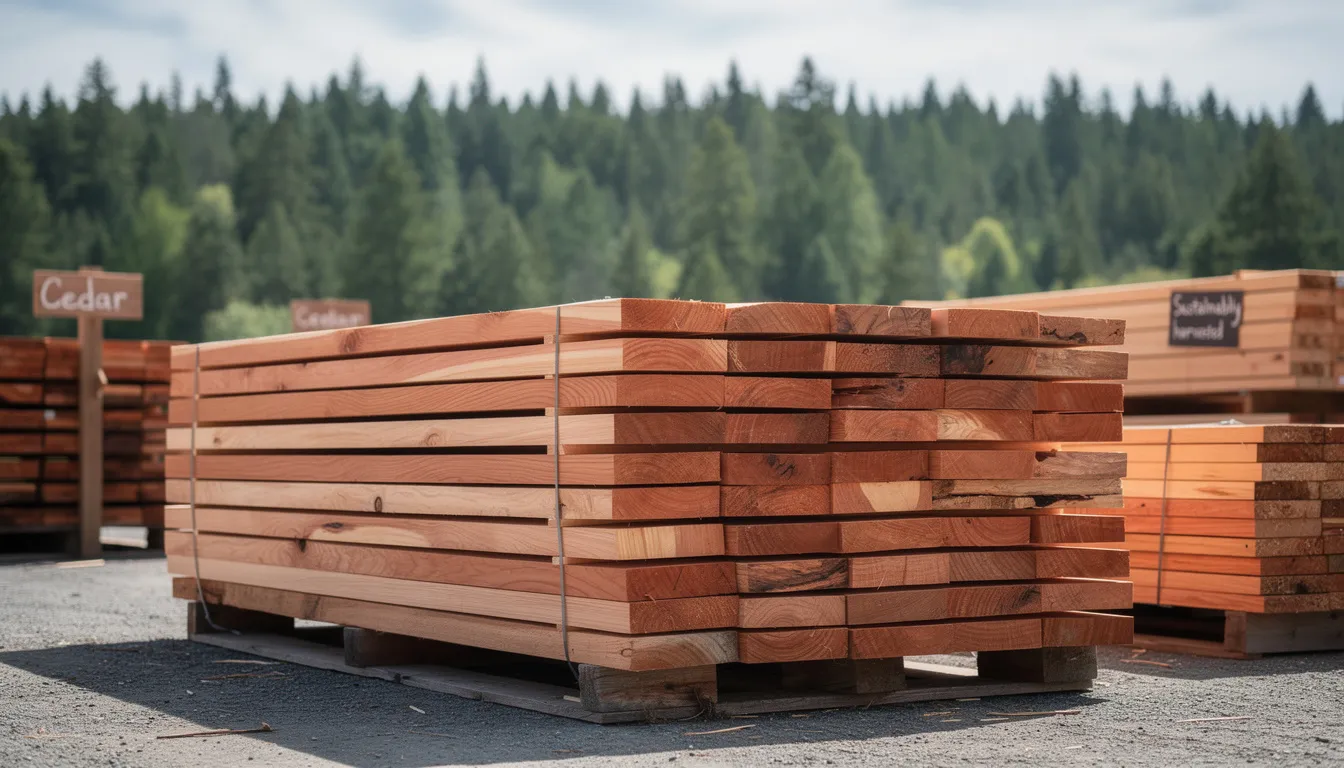
Wood remains the primary building material for walls, benches, and ceilings in most saunas, making species selection and sourcing the largest sustainability lever you can pull. The right sauna wood choice affects everything from durability to indoor air quality to the sensory experience itself.
Sustainably managed softwoods from cooler climates—North America, Scandinavia, and the Baltic region—typically perform best in sauna environments. These species have evolved to withstand temperature extremes and pose a lower risk of warping, resin bleed, or off-gassing than tropical hardwoods or fast-growth plantation timber.
Wood Application Requirements
When selecting wood, it helps to distinguish between two applications:
|
Application |
Key Requirements |
Best Options |
|
Structure/Cladding (walls, ceilings) |
Dimensional stability, moisture resistance, and insulation value |
Cedar, thermowood, Nordic spruce |
|
Touch-points (benches, backrests) |
Low heat conduction, smooth texture, splinter resistance |
Aspen, basswood, alder, hemlock |
The sustainability equation also includes transport distance. Locally sourced species can be excellent choices when properly kiln-dried and certified, potentially offering lower carbon footprints than premium imports shipped across continents. However, durability trade-offs matter—a local wood that fails in five years isn't more sustainable than an imported species lasting twenty.
FSC-Certified Western Red Cedar
Western red cedar has earned its reputation as a premium sauna wood over decades of proven performance. Its low density provides excellent insulation, while natural oils deliver inherent resistance to decay, insects, and moisture without chemical treatments. That signature aromatic scent isn't just pleasant—it's evidence of the thujaplicins and other compounds that make cedar naturally durable.
Choosing FSC-certified red cedar from responsibly managed forests in British Columbia and the Pacific Northwest significantly reduces deforestation and biodiversity risks. According to recent studies, FSC certification enhances forest cover, with the most pronounced effects observed in low- and middle-income countries.
Typical applications include:
- Interior wall and ceiling cladding
- Sauna benches and backrests
- Trim and door frames
- Both the infrared sauna 1-person cabin interiors and traditional outdoor infrared sauna installations
The sustainability advantages extend beyond sourcing. Cedar's long service life—often exceeding 20 years with basic maintenance—means fewer replacement cycles and less material waste over time. At the end of life, untreated cedar can be composted, repurposed, or recycled rather than landfilled.
HomeSauna selects cedar for low knot content and tight grain patterns, ensuring dimensional stability and premium aesthetics. All cedar used in HomeSauna products comes from FSC-certified sources, verified through chain-of-custody documentation.
Thermally Modified Woods (Thermowood)
Thermal modification transforms softer, less durable species like aspen, pine, or spruce into stable, rot-resistant materials suitable for demanding sauna environments. The process involves heating wood to 180-230°C in a controlled, oxygen-limited chamber, fundamentally altering its chemical structure.
Benefits of thermal modification include:
- Enhanced dimensional stability (reduced warping and swelling)
- Improved rot and insect resistance without chemical treatments
- Reduced resin content and terpene emissions
- Beautiful darkened color that mimics exotic hardwoods
According to research on VOC emissions from thermally modified wood, heat treatment significantly reduces volatile terpene emissions in softwoods while slightly increasing acetic acid and furfural. Overall, thermal treatment makes wood more suitable for enclosed indoor environments, such as saunas.
Thermally modified aspen and spruce work particularly well for sauna benches and backrests, offering smooth texture, low heat conductivity, and minimal splinter risk. Nordic thermowood—produced under strict quality standards in Finland and Scandinavia—represents the highest tier of quality, though North American producers increasingly offer comparable products.
Hemlock and Nordic Spruce
Both hemlock (primarily Western Hemlock from Pacific forests) and Nordic spruce (Picea abies from Scandinavia) provide excellent performance-to-cost ratios for 2-3-person home sauna benefits installations.
Hemlock characteristics:
- Light color that brightens interior spaces
- Minimal resin content reduces stickiness
- Good dimensional stability when properly kiln-dried
- Moderate natural durability (15+ years with care)
Nordic spruce characteristics:
- Tight grain and light color
- Excellent structural properties for framing
- Lower cost than cedar while maintaining good performance
- FSC and PEFC certification is readily available
Both species work well for wall cladding, ceiling panels, and structural framing in home infrared sauna installation projects. For bench surfaces where skin contact occurs, thermally modified versions or lighter-colored aspen may be preferable due to lower heat conductivity.
Reclaimed and Salvaged Wood
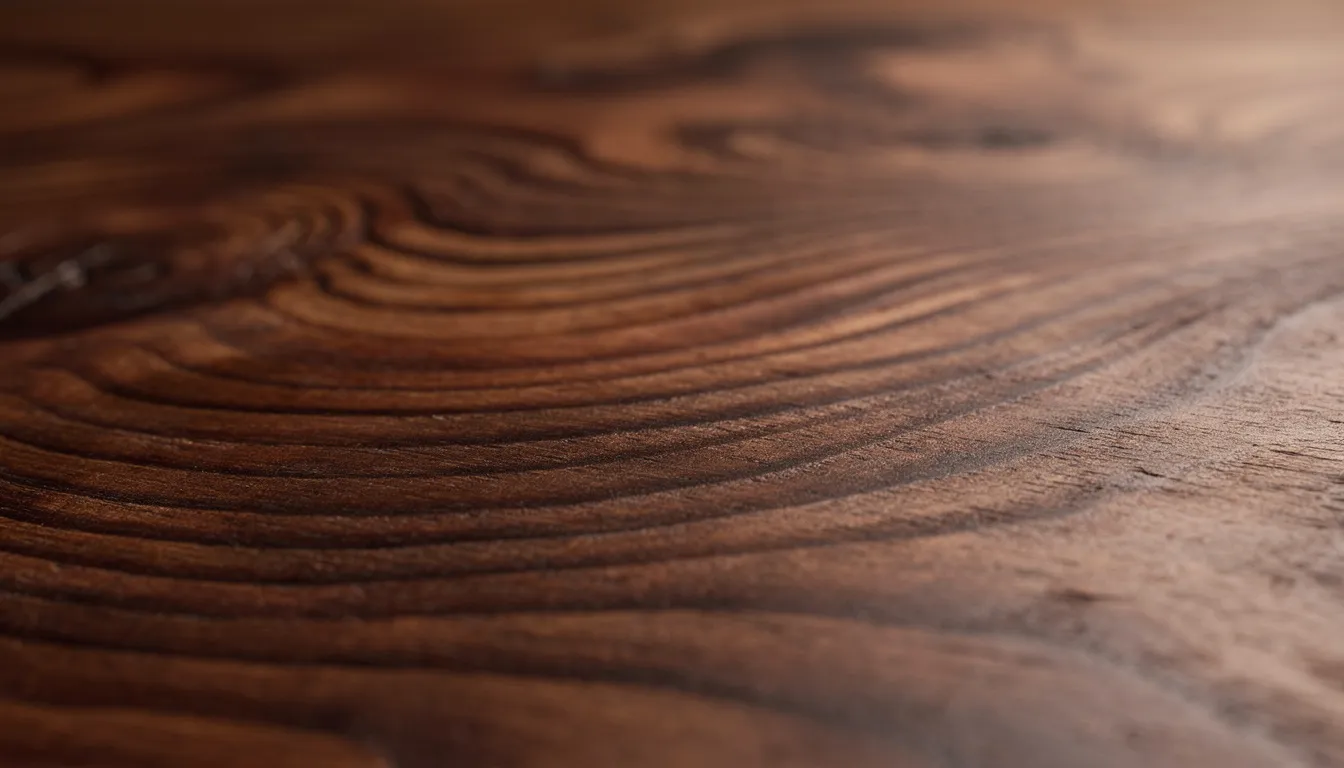
Reclaimed wood from demolished buildings, decommissioned structures, or industrial salvage offers the ultimate in low-embodied-energy materials. Using salvaged lumber keeps usable wood out of landfills while avoiding the environmental costs of new harvesting and processing.
Critical considerations for reclaimed sauna wood:
- Verify absence of lead paint, arsenic treatments, or other contaminants
- Ensure proper drying to target moisture content (8-12%)
- Inspect for structural integrity, rot, and insect damage
- Confirm species identification for the appropriate application
- Obtain documentation of provenance when possible
When properly vetted and prepared, reclaimed Douglas fir, redwood, or even old-growth cedar can deliver exceptional performance and unique aesthetic character. However, the labor-intensive nature of sourcing, cleaning, and preparing salvaged wood often limits its practicality to custom builds or high-end projects.
HomeSauna occasionally incorporates verified reclaimed materials in custom installations when customers specifically request this option, always with full disclosure of sourcing and appropriate safety testing.
What Natural Insulation Options Work Best for Saunas?
Proper insulation is critical for energy efficiency in any sauna, but conventional fiberglass and mineral wool raise questions about environmental impact and potential health concerns. Natural, bio-based insulation alternatives offer comparable thermal performance without petroleum-derived materials or concerning additives.
Sheep's Wool Batts
Sheep's wool insulation delivers R-values comparable to fiberglass (R-3.5 to R-4.0 per inch) while offering unique moisture-management properties. Wool fibers naturally absorb and release moisture without losing insulative value, making them ideal for the humidity fluctuations inherent in sauna environments.
Advantages:
- Naturally fire-resistant (self-extinguishing)
- Absorbs and neutralizes VOCs and formaldehyde from other materials
- No skin irritation or respiratory concerns during installation
- Fully biodegradable at end of life
- Carbon-negative production (sheep sequester more carbon than wool processing emits)
Considerations:
- Higher cost than conventional insulation (typically 2-3x fiberglass)
- Requires treatment with borax or boric acid for pest resistance
- Less common in North American markets (more available in Europe/New Zealand)
Sheep's wool works particularly well in ceiling applications where its moisture management prevents condensation issues that plague conventional insulation in high-humidity environments.
Hemp Batts and Panels
Hemp grows rapidly (harvest in 4-6 months), requires minimal pesticides, and sequesters significant carbon during growth—making it one of the most sustainable insulation crops available. Processed hemp batts provide R-3.5 to R-4.0 per inch with excellent dimensional stability.
Advantages:
- Lightweight and easy to work with
- Naturally mold and pest-resistant
- No VOC emissions or off-gassing
- Strong fiber structure resists settling over time
- Fully biodegradable and compostable
Considerations:
- Availability varies by region due to hemp farming regulations
- Moderate cost premium over conventional options
- May require vapor barrier in very humid climates
Hemp insulation is increasingly available in North America as domestic hemp farming expands, making it a more accessible option for the best home sauna saunas focused on sustainability.
Cork Insulation
Cork harvested from Mediterranean cork oak trees (Quercus suber) offers unique properties for sauna applications. Cork bark regenerates after harvesting, allowing the same trees to be harvested every 9-12 years for decades without harm, making it a truly renewable resource.
Advantages:
- Excellent thermal resistance (R-3.6 to R-4.0 per inch)
- Outstanding sound-dampening properties
- Naturally water and mold-resistant
- Fire-resistant and self-extinguishing
- Can last 50+ years without degradation
Considerations:
- Higher cost (often 3-4x conventional insulation)
- Limited to rigid board formats (not flexible batts)
- Requires careful installation to avoid gaps
Corkboard insulation works particularly well as exterior wall insulation in outdoor full-spectrum infrared sauna installations, where its moisture resistance and durability provide long-term performance without risk of breakdown.
Recycled Cellulose
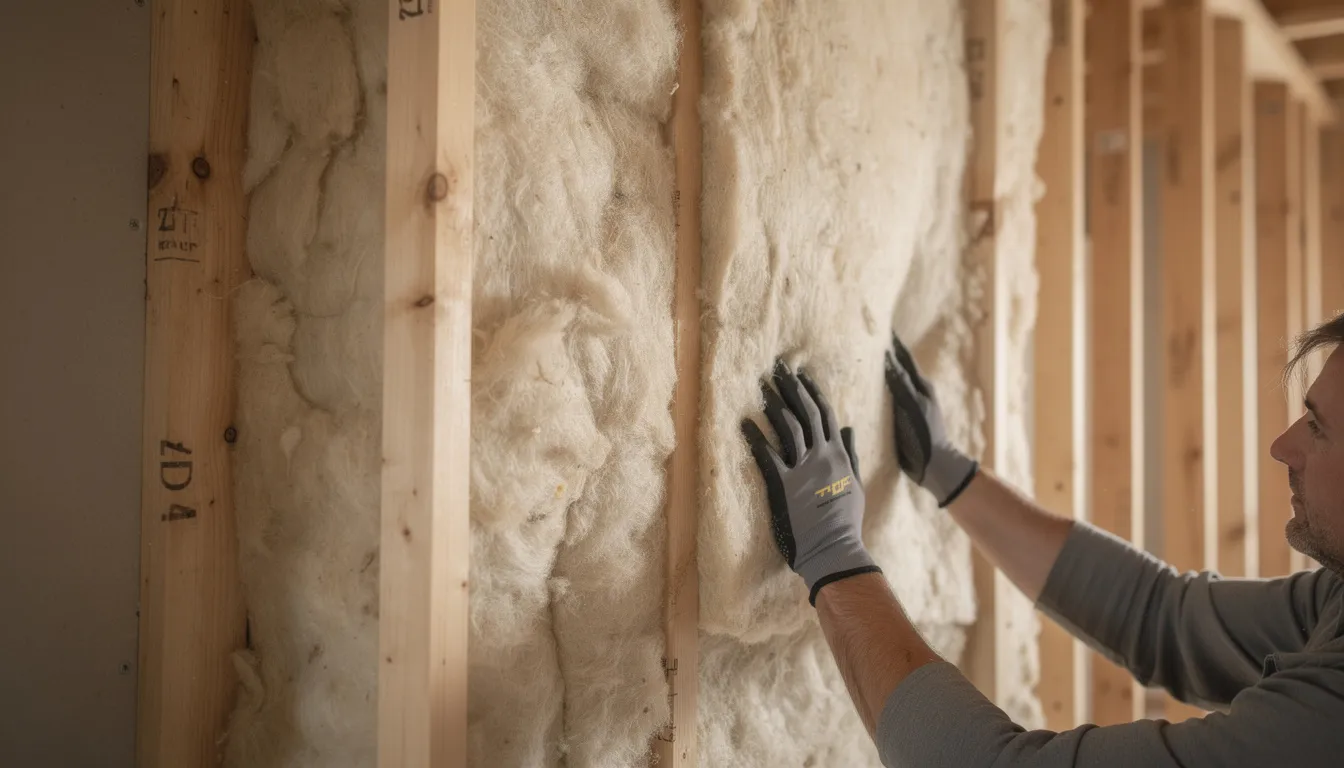
Dense-packed recycled cellulose insulation, manufactured from post-consumer paper products treated with fire retardants, offers an affordable, widely available, sustainable option. With R-3.6 to R-3.8 per inch, it provides solid thermal performance.
Advantages:
- Made from 85% recycled content
- Fills cavities thoroughly, reducing air leaks
- Lower cost than other natural options
- Widely available throughout North America
- Fire-resistant due to borate treatment
Considerations:
- Requires professional installation (dense-pack or wet-spray)
- It can settle slightly over time if not properly installed
- Must be protected from moisture (requires vapor barrier)
- Borate treatment raises minor toxicity concerns at very high concentrations
For budget-conscious builders prioritizing sustainability without premium costs, recycled cellulose represents an excellent middle ground between conventional fiberglass and higher-cost natural alternatives.
How Do You Choose Low-VOC Finishes and Sealants?
Wood finishes, sealants, and treatments complete the sauna interior, but conventional products often contain high VOC levels that multiply when heated. Selecting appropriate low-toxicity finishes ensures indoor air quality while protecting wood surfaces.
Natural Oils and Waxes
Food-safe natural oils and waxes provide the safest option for sauna benches and high-touch surfaces. These finishes penetrate wood fibers, enhance grain appearance, and provide moderate moisture resistance without creating a surface film.
Recommended options:
- Food-grade mineral oil (no VOCs, occasional reapplication needed)
- Carnauba wax blends (durable, natural water repellency)
- Linseed oil (traditional finish, mild natural scent)
- Hemp seed oil (fast-drying, sustainable source)
Application for sauna benches: Apply thin coats, allowing each coat to fully absorb before the next. For bench surfaces, 2-3 coats provide adequate protection. Reapply annually or when wood appears dry. Never over apply—excess oil can transfer to the skin or clothing.
Plant-Based Stains
Water-based, plant-derived stains use natural pigments extracted from minerals, plants, and clay rather than petroleum-based dyes. These products provide color variation while maintaining breathability and low toxicity.
Look for products specifically labeled for high-temperature applications and verify that binders and carriers are water-based rather than solvent-based. According to EPA guidelines on VOCs, water-based products typically emit 2-5 times less VOCs than solvent-based alternatives.
Certified Low-VOC Sealers
For exterior sauna installations or areas requiring more robust protection, certified low-VOC sealers provide durability without compromising air quality. Key certifications to look for:
- GREENGUARD Gold: Stringent VOC limits, third-party verified
- Green Seal: Environmental and health standards
- EU Ecolabel: European standards (often stricter than U.S. requirements)
Read technical data sheets carefully—"low-VOC" claims vary widely. Products should specify VOC content in grams per liter (g/L), with <50 g/L representing genuinely low emissions for clear finishes.
What to Avoid
Never use in sauna interiors:
- Polyurethane or other film-forming finishes (trap moisture, peel under heat)
- Oil-based stains or paints (high VOC content multiplies at temperature)
- Pressure-treated or chemically preserved wood (arsenic, chromium, other toxins)
- Formaldehyde-containing adhesives or composite materials
HomeSauna uses only certified low-VOC, natural oil finishes on all interior wood surfaces, with detailed specifications available for customers concerned about chemical sensitivities.
Which Heating Systems Offer the Best Sustainability?
Heating system selection dramatically impacts both energy consumption and long-term environmental footprint. Modern efficient heaters use 40-60% less energy than older designs while delivering superior therapeutic performance.
Low-EMF Infrared Heaters
Full-spectrum infrared saunas with low-EMF (electromagnetic field) carbon-fiber or ceramic heaters represent the cutting edge of energy-efficient sauna technology. These systems heat users directly through radiant energy rather than warming large volumes of air.
Energy efficiency advantages:
- Operating temperatures of 45-65°C vs. 70-95°C for traditional saunas
- 15-20-minute warm-up vs. 45-60 minutes
- 1.5-2.5 kW power consumption vs. 4-8 kW for traditional heaters
- Can run on standard 120V circuits in most homes
According to research on the health benefits of infrared saunas, these systems deliver cardiovascular and detoxification benefits comparable to traditional saunas while consuming far less energy per session.
EMF considerations: HomeSauna's infrared heaters are tested to emit less than 3 milligauss at the seating distance, well below safety thresholds and comparable to those of common household appliances. This addresses growing consumer concerns about EMF exposure in wellness environments.
High-Efficiency Electric Heaters
For traditional sauna enthusiasts preferring classic high-heat experiences, modern electric heaters with digital controls and efficient elements dramatically improve on older designs.
Key efficiency features:
- Precise thermostatic control (maintains temperature without cycling)
- Insulated housing reduces radiant loss
- Optimized rock chamber design for heat storage
- Fast heat-up protocols reduce idle running
Look for UL or ETL-listed models with manufacturer efficiency ratings. A well-insulated 6' x 8' traditional sauna should require no more than 6-7 kW of heater capacity—oversizing wastes energy through excessive heat cycling.
Wood-Fired Heater Sustainability
Wood-burning sauna stoves offer carbon-neutral operation when fired with sustainably harvested or waste wood. However, they require careful consideration of emissions and efficiency.
Sustainable wood-fired heating:
- Use EPA-certified stoves meeting clean-burn standards
- Burn only seasoned hardwood (< 20% moisture content)
- Avoid painted, treated, or composite wood fuels
- Ensure proper chimney draft and regular cleaning
- Consider offsetting through tree planting or renewable energy credits
For outdoor infrared saunas and traditional installations in rural areas with abundant wood resources, a quality wood-fired heater can provide excellent sustainability credentials. Urban or suburban locations typically favor electric systems due to emissions regulations and limited access to fuel.
Smart Controls and Automation
Regardless of heating technology, smart controls dramatically improve energy efficiency:
- Programmable timers: Preheat only when needed
- Occupancy sensors: Auto-shutdown after sessions
- Mobile app control: Avoid unnecessary extended warm-up
- Temperature limiting: Prevent overheating and energy waste
HomeSauna infrared models include smartphone-compatible controls as standard, allowing users to start heating remotely and minimize idle time.
How Can HomeSauna Help You Build Sustainably?
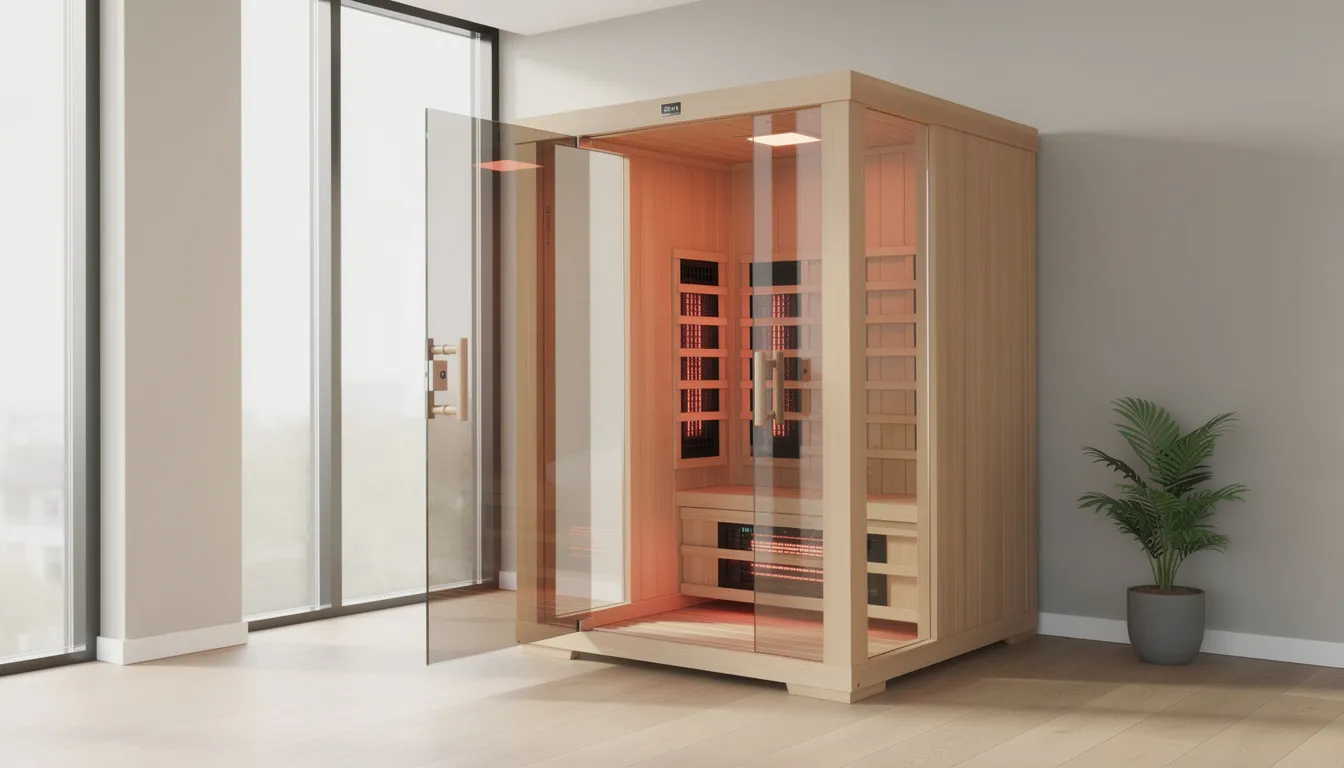
Planning a sustainable sauna from the ground up requires coordinating materials, systems, and construction methods. HomeSauna supports this process through every stage.
Customizable Sustainable Options
HomeSauna offers both infrared and traditional models with multiple sustainability configurations:
- FSC-certified wood packages (cedar, hemlock, thermowood)
- Natural insulation upgrades (wool, hemp, cork)
- Low-VOC finish specifications
- Energy-efficient heater selections
- Modular designs that minimize construction waste
Whether building an infrared sauna indoor 2-person unit or a larger installation, customization ensures your sustainability priorities are met without compromising performance.
Expert Planning Support
Submit photos, room dimensions, and sustainability goals to receive personalized recommendations on:
- Optimal material selection for your climate and budget
- Heater sizing for maximum efficiency
- Insulation specifications for your application
- Finish options meeting your air quality standards
- Energy consumption projections
HomeSauna's technical team can also connect you with installers experienced in sustainable building practices and provide specification sheets for permit applications.
Quality Assurance and Sourcing Transparency
All HomeSauna products come with:
- Chain-of-custody documentation for certified woods
- VOC content specifications for all finishes
- Heater efficiency ratings and safety certifications
- Detailed material sourcing information
- Warranty coverage (typically 5-10 years, depending on components)
This transparency helps environmentally conscious consumers make informed decisions and verify sustainability claims—a critical differentiator in a market where greenwashing remains common.
Comprehensive Support Resources
Beyond product sales, HomeSauna provides:
- Educational blog content on sustainable practices
- Installation guides emphasizing waste reduction
- Maintenance protocols extending material lifespan
- End-of-life disposal and recycling information
What Modern Sustainable Design Trends Should You Consider?
Contemporary sauna design increasingly emphasizes sustainability without sacrificing aesthetics or performance.
Integrated Wellness Ecosystems
Many homeowners now pair saunas with complementary wellness features for comprehensive at-home therapy:
- Cold plunge tub for home: Contrast therapy combining heat and cold
- Sauna accessories: Sustainable Himalayan salt panels, essential oil diffusers
- Best sauna accessories 2026: Low-EMF lighting, ergonomic backrests from FSC woods
When planning integrated systems, coordinate window placement, drainage, and electrical requirements during initial design to avoid retrofitting waste.
Minimalist Natural Aesthetics
Modern sustainable saunas often feature:
- Light-colored thermally modified woods (natural brightening vs. chemical bleaching)
- Frameless glass doors (recyclable, minimal hardware)
- LED lighting (energy efficiency, long lifespan)
- Simple geometric forms (material efficiency, less waste)
This aesthetic aligns sustainability with contemporary design preferences, making eco-friendly choices visually appealing rather than solely functional.
Modular and Prefabricated Systems
HomeSauna's plug-and-play designs deliver multiple sustainability advantages:
- Factory-controlled construction (reduced waste)
- Optimized material usage (precision cutting)
- Simplified installation (less site waste and labor)
- Designed for eventual disassembly and relocation
Prefabricated units avoid the material waste common in site-built construction, where cutting errors and plan changes often result in 15-25% lumber waste.
Conclusion
Building a sustainable sauna isn't a compromise—it's an upgrade. The materials and systems discussed throughout this guide deliver superior performance, longer lifespans, and healthier indoor environments while reducing environmental impact.
Investing in durable, eco-friendly materials typically pays dividends through longer lifespans (15-25+ years), lower energy bills, and a more pleasant sensory experience. These aren't premium upgrades—they're smart investments in both your health and the environment.
For those planning a sauna project, the message is straightforward: make sustainability a design requirement from day one, not an afterthought. The choices made at the planning stage—species selection, insulation specification, heater sizing—determine both performance and environmental impact for decades to come.
Ready to explore your options? HomeSauna offers a range of infrared saunas and traditional models, built with sustainable materials and efficient heating systems, plus educational resources to guide your decision. Contact our support team to inquire about a home sauna that can support both personal wellness and the planet—no compromise required.
Frequently Asked Questions About Sustainable Sauna Materials
Are Infrared Saunas Actually More Sustainable Than Traditional Saunas?
Infrared saunas typically operate at lower air temperatures (45-65°C vs. 70-95°C) and require shorter warm-up times, which translates to less electricity per session—often 40-60% less energy compared to traditional electric heaters. For frequent users, this efficiency advantage compounds significantly over the years of operation.
However, overall sustainability depends on the complete picture: materials, insulation quality, and power source all matter. HomeSauna infrared models are optimized for low power draw and high performance, but a well-insulated traditional sauna using efficient heaters and renewable energy can also achieve strong sustainability credentials.
The best sauna for sustainability is ultimately one that's well-built, appropriately sized, and used regularly enough to justify its existence. According to research on FSC certification impacts, material sourcing matters as much as operational efficiency in lifecycle environmental assessment.
Can I Retrofit an Existing Sauna to Make It Eco-friendlier?
Absolutely. Several upgrades can significantly improve an older sauna's environmental performance:
- Insulation improvements: Where accessible, add or replace insulation with natural materials like wool or cork
- Finish replacement: Strip synthetic finishes and apply low-VOC natural oils after proper surface preparation
- Heater upgrade: Replace older, inefficient heaters with properly sized, efficient units featuring thermostatic controls
- Seal and weather-strip: Check door seals, add weather-stripping, and seal air leaks that cause heat loss
- Vapor barrier inspection: Ensure existing barriers are intact and properly positioned
For heater replacements or electrical modifications, consult a qualified electrician and experienced sauna installer to ensure safety. The investment typically pays back through reduced energy use and improved air quality during sessions.
Is Bamboo a Good Sustainable Material for Saunas?
Bamboo is a rapidly renewable grass (typically harvested every 3-5 years) that can be engineered into durable panels or boards. It has legitimate applications in sauna design—certain bench surfaces, decorative elements, or sauna accessories can incorporate bamboo successfully when products are specifically rated for sauna conditions.
That said, not all bamboo products handle continuous high heat and humidity equally well. Standard bamboo flooring, for example, may delaminate or warp under sauna conditions. Specification matters: look for products explicitly designed for high-temperature applications, and use bamboo in lower-stress areas if uncertain.
HomeSauna typically relies on proven sauna woods like cedar and hemlock for primary structures, but may incorporate bamboo in accessories where appropriate. The material deserves consideration as part of a sustainability strategy, with careful attention to product ratings and placement.
What Certifications or Labels Should I Look for When Choosing Sauna Materials?
Key certifications to prioritize:
|
Material Type |
Certifications to Look For |
|
Wood |
FSC (Forest Stewardship Council), PEFC (Program for Endorsement of Forest Certification) |
|
Finishes & Adhesives |
GREENGUARD, Green Seal, Low-VOC certifications, EU Ecolabel |
|
Insulation |
Various regional eco-labels, manufacturer declarations of recycled content, and fire ratings |
|
Heaters |
Safety certifications (UL, ETL, CE); manufacturer EMF testing documentation |
When certifications aren't available, ask manufacturers for technical data sheets, VOC content test results, and sourcing documentation. Reputable companies like HomeSauna provide this information readily and can supply specification details on wood sourcing and heater performance for customers who prioritize documentation in their purchasing decisions.
How Do Sustainable Sauna Materials Impact Maintenance and Lifespan?
Durable, moisture-resistant woods like cedar and thermowood often extend the functional lifespan of saunas beyond 15-20 years with basic care—sometimes significantly longer. Quality natural insulation maintains effectiveness indefinitely when protected from direct water exposure.
Low-VOC natural finishes may require more frequent reapplication of light (typically every 1-2 years for heavily used surfaces) than heavy-duty synthetic coatings. However, they're easier to repair—simply clean, lightly sand, and reapply—whereas synthetic finishes often require complete stripping when they fail.
Simple maintenance habits preserve both materials and energy performance in the long run:
- Clean benches and surfaces regularly with mild, natural cleaners
- Ventilate thoroughly after each session (leave the door open 15-30 minutes)
- Check periodically for moisture issues, especially in outdoor infrared sauna installations
- Address any wood damage or finish wear promptly before problems spread
The combination of quality sustainable materials and attentive basic maintenance creates saunas that serve families for generations—the ultimate sustainability outcome.
How Do I Know If My Sauna Wood Is Really FSC-Certified?
Genuine FSC certification requires chain-of-custody documentation from forest to final product. When purchasing from HomeSauna or other reputable manufacturers, request:
- FSC certificate number for the wood supplier
- Chain-of-custody documentation showing certified material
- Verification that mixed-source products meet FSC standards
- Third-party certification body information (not just manufacturer claims)
You can verify FSC certificates through the FSC database using the certificate number. Legitimate suppliers readily provide this documentation—reluctance to share verification information is a red flag.
For DIY sauna builds, purchasing lumber directly, look for FSC labels on lumber bundles and ask retailers for certification paperwork. Many big-box stores now stock FSC options, but verification remains important as mislabeling does occur.
References
- U.S. Environmental Protection Agency (EPA) – “Volatile Organic Compounds' Impact On Indoor Air Quality.”
- MDPI Research – “Volatile Organic Compounds (VOCs) From Wood And Wood-Based Panels: Methods For Evaluation, Potential Health Risks, And Mitigation.”
- Forest Stewardship Council (FSC) – “ About FSC.”
- ScienceDirect – “Sustainable Forest Management Through Certification And Wood Products Trade: Analyzing The Role Of The FSC Across Diverse Economic And Climatic Contexts.”
- Mayo Clinic – “Do Infrared Saunas Have Any Health Benefits?”