

The timing of your sauna session can dramatically impact the benefits you experience. A morning sauna serves as a thermal wake-up call, activating your cardiovascular system and priming you for increased productivity. An evening sauna triggers the activation of the parasympathetic nervous system, signaling your body that it's time to rest and recover.
This comprehensive guide examines how heat exposure affects your body's natural circadian rhythm at various times of day. You'll learn why morning sessions support alertness and mobility, how evening heat improves sleep quality, and which timing aligns with your specific wellness goals—whether that's energy, stress relief, athletic recovery, or better rest.
The truth is, there's no universally superior time for sauna bathing. The best schedule depends on whether you want stimulation to power through your day or relaxation to wind down before bed. By understanding how your physiology changes throughout the day and experimenting with different timing strategies, you'll discover the sauna routine that delivers maximum benefits for your lifestyle.
Key Takeaways
- Morning sauna is generally best for energy, focus, and setting your day's rhythm; evening sauna is best for relaxation, stress relief, and deeper sleep
- There is no single "perfect" time—the ideal choice depends on your goals (productivity vs unwinding), schedule, and how your body responds to heat exposure
- Morning sessions (around 6-10 a.m.) tend to support alertness, mobility, and post-workout recovery from the previous day's training
- Evening sessions (about 1-3 hours before bed) tend to support sleep quality, muscle relaxation, and mental decompression after a busy day
- Many people benefit from testing both times for 2-3 weeks each, tracking sleep, energy levels, and mood to decide their own best routine
Which Time Is Best Overall?
Neither morning nor evening is universally superior for sauna bathing. The "best" time depends entirely on whether you want stimulation or relaxation from your home sauna installation.
Understanding the Fundamental Difference
Think of it this way: a morning sauna session serves as a thermal wake-up call, activating your cardiovascular system and priming you for increased productivity. An evening sauna flips the script, triggering parasympathetic nervous system activation that signals your body it's time to rest.
Heat exposure interacts with your body's natural circadian rhythm differently at 7 a.m. versus 9 p.m. Your core body temperature, heart rate, and hormone levels all fluctuate throughout the day, which affects how sauna heat impacts you.
In the morning, when body temperature is naturally lower, heat feels more stimulating. In the evening, when your body is already beginning its nightly cool-down, controlled heat followed by cooling can deepen that transition toward sleep.
Simple Decision Guidelines
Choose morning if you need a natural energy boost, mental clarity for demanding work, or want to shake off stiffness before sitting at a desk all day
Choose evening if you struggle with stress, have trouble unwinding after work, or want to improve sleep quality
Consider both if your schedule allows, and you have different goals on different days
The honest answer? The best sauna timing is the one that suits your lifestyle and encourages you to use it consistently. Understanding different sauna types helps you optimize timing for each style.
How Do Morning Sauna Sessions Energize Your Day?

A morning sauna (typically between 6 and 10 a.m.) works like gentle thermal coffee, priming your circulation, mood, and mobility without the jitters.
Boosting Alertness and Focus
Raising body temperature and heart rate in the morning sends a clear signal to your brain: wake up and get moving. During a sauna session, your heart rate typically elevates to 100-150 beats per minute—similar to a brisk walk or light jog.
This increased cardiovascular activity delivers more oxygen and nutrients to your brain, supporting focus for tasks like driving, office work, or studying. The enhanced blood flow creates what many users describe as a "clear-headed" feeling that rivals the effects of caffeine.
Heat stress also triggers a mild release of stimulating hormones, such as adrenaline and noradrenaline, mimicking a light cardiovascular workout without the physical exertion. This natural energy boost tends to feel steadier and less jittery than a second (or third) cup of coffee. The infrared sauna health benefits include this natural energy enhancement without the caffeine crash.
Some practical notes for morning sessions:
- A 10-15-minute sauna plus a cool shower often provides clearer, more sustained alertness than additional caffeine
- Keep sessions moderate rather than extreme—you want to boost energy, not exhaust yourself before the day starts
- Avoid excessively long or very hot sessions first thing if you're prone to low blood pressure or dizziness
Loosening Morning Stiffness
After a night of reduced movement, many people wake with stiff backs, tight muscles in the hips, or tense shoulders. Gentle heat addresses this remarkably well.
Warmth from sauna heat increases blood flow to muscles and connective tissue, improving range of motion and making stretching easier. The blood vessels dilate, delivering more oxygen-rich blood to areas that feel locked up. This process helps with delayed onset muscle soreness from previous workouts and general overnight stiffness alike.
Morning sauna is especially helpful for:
- People with desk jobs who sit for extended periods
- Older adults experiencing age-related joint stiffness
- Anyone recovering from a tough workout the previous evening
- Those dealing with chronic muscle tension
Try pairing your morning sauna practice with gentle dynamic stretches for hamstrings, hips, and upper back. This combination can effectively "reset" your posture before the workday begins.
Metabolism and Morning Productivity
Beyond alertness and mobility, a.m. sauna can subtly influence metabolism and mood-supporting neurotransmitters.
Heat exposure raises heart rate and energy expenditure, which some find helpful when combined with a healthy breakfast and proper hydration. While sauna alone isn't a weight-loss solution, the metabolic nudge—combined with ample daytime hours for rehydration—fits naturally into a morning routine focused on well-being.
Regular morning sauna use is associated with improved mood stability and reduced perceived stress across the day. The endorphin release from heat therapy creates what Finnish culture has long referred to as a "sauna glow"—a pleasant, calm yet alert feeling that lingers after you step out.
A few practical considerations:
- Hydrate well before and after—you can lose 0.5-1 liter of fluid per 15-20 minutes
- Avoid going in completely fasted if you're prone to lightheadedness
- Building a consistent morning habit (3-4 days per week) matters more than the exact minute on the clock
Who Benefits Most from Morning Sessions?
Morning sessions using the best home saunas tend to benefit most:
- People who feel sluggish on waking and need help transitioning to alertness
- Those with mentally demanding jobs requiring early focus
- Fitness enthusiasts who do late-day strength training and use the sauna the next morning for athletic recovery
- Remote workers who want a clear boundary ritual between "home mode" and "work mode"
Shift workers can treat their "biological morning" (whenever they wake for their main active period) the same way, even if that's 2 p.m. or 10 p.m.
Caution is warranted for:
- Those with uncontrolled blood pressure or heart conditions
- People with a history of fainting on standing
- Pregnant individuals (consult a clinician first)
- Those on certain blood pressure medications
- Anyone recovering from an acute illness
For most healthy adults, short to moderate morning sessions are well tolerated and provide consistent health benefits without significant risk.
How Do Evening Sauna Sessions Improve Sleep?

An evening sauna (usually 1-3 hours before bedtime) works as a wind-down ritual—a deliberate transition from "doing" to "resting."
The Sleep Quality Connection
The mechanism works beautifully with your biology. After the sauna session, your body enters a cooling phase. This temperature drop mimics the natural nighttime decrease that signals the release of melatonin and prepares the body for sleep.
By intentionally heating up and then cooling down, you're essentially amplifying your body's built-in sleep-wake cycle regulation system.
Typical timing guidelines for evening sauna sessions:
- 15-25 minutes in the sauna at comfortable temperatures
- A cool shower afterward (not necessarily a cold plunge unless you tolerate it well)
- Screen-free relaxation before bed
- Schedule the session to end at least 60-90 minutes before you want to fall asleep
The evening sauna is particularly valued by people with high-stress jobs, parents decompressing after their kids' bedtime, or anyone carrying chronic muscle tension from physical activity or desk work. The home sauna wellness routine becomes a powerful sleep aid.
Nighttime Recovery Enhancement
Using the sauna roughly 60-120 minutes before bed aligns remarkably well with your body's sleep-wake cycle. The initial heat exposure slightly raises core body temperature and heart rate. Then, as you cool down afterward, your body temperature drops below its baseline—triggering drowsiness and promoting deeper sleep onset.
Evening sauna sessions affect more than just falling asleep. Relaxing tight muscles and reducing low-grade aches can help you stay asleep, especially if you typically wake with back or neck discomfort. The muscle recovery benefits mean you're less likely to toss and turn from physical discomfort.
For best results:
- Keep evening sessions slightly shorter if you're sensitive to overstimulation
- Avoid extremely high temperatures that might leave you feeling "wired"
- Consider a cool shower rather than cold exposure if cold plunges tend to energize you
- Track sleep quality for 1-2 weeks using a sleep diary or wearable device to see objective changes
Reducing Stress After Long Days
A warm, quiet sauna acts as a mini retreat from constant notifications, demands, and mental chatter. This stress relief aspect is perhaps the most underrated benefit of evening sessions.
Heat exposure reduces perceived stress and influences hormones, such as cortisol, over time, while boosting endorphins and other "feel-good" neurotransmitters. The sauna experience itself—sitting quietly, focusing on breathing, letting go of the day's tensions—creates psychological distance from work and worry.
To enhance relaxation:
- Pair an evening sauna with slow, intentional deep breathing exercises
- Use soft lighting in the sauna space or nearby
- Try calming music or ambient sounds if your setup allows
- Practice brief gratitude reflections while the heat works its magic
Many people find this ritual creates a psychological "off switch" between work and personal time. This is especially valuable for those working from home, where the boundaries between professional and personal space can become blurred.
Building a Restorative Evening Ritual
Consistency transforms occasional sauna use into a genuine wellness journey. Here's how to construct a simple evening routine:
Sample evening ritual:
- Finish a light dinner at least 1-2 hours before sauna time
- Hydrate with water or an electrolyte drink
- 15-25 minutes in the sauna at a comfortable temperature
- Cool shower (not ice cold unless preferred)
- Light stretching or reading
- Bed within 60-90 minutes of finishing
Timing example: If you target a 10 p.m. bedtime, consider entering the sauna around 8:00-8:30 p.m.
Optional additions to enhance relaxation:
- Aromatherapy with eucalyptus or lavender (a few drops on sauna rocks if appropriate)
- Gentle stretching while cooling down
- A cup of herbal tea (non-caffeinated) after your session
Avoid vigorous exercise or high-caffeine drinks immediately before an evening session. The goal is to let your nervous system genuinely downshift.
How Does Time of Day Change Heat Response?
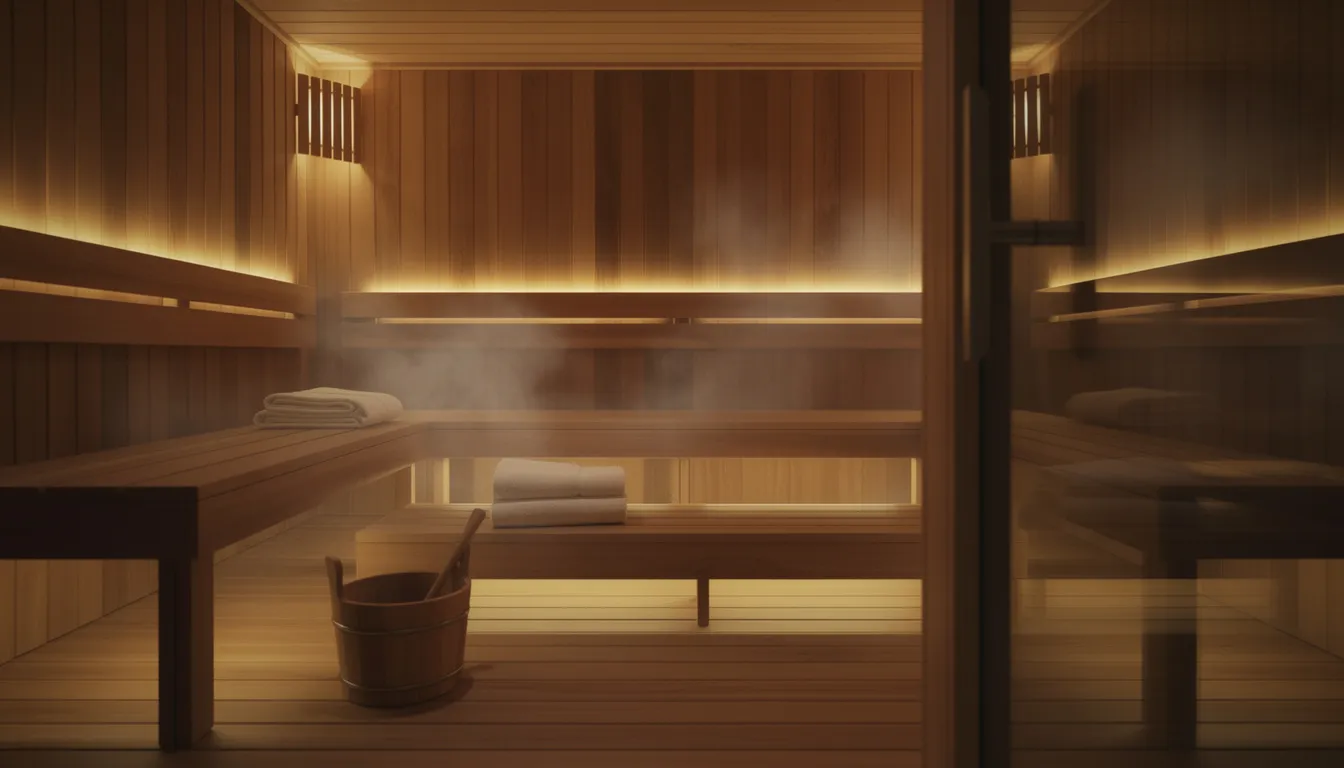
Your body isn't static—it follows a roughly 24-hour cycle called the circadian rhythm. Body temperature, heart rate, hormone levels, and even pain sensitivity all fluctuate throughout the day.
Morning Physiology
- Core body temperature is at its lowest point
- Blood pressure may also be lower
- Cortisol naturally peaks, preparing you for activity
- Heat feels more stimulating and wake-promoting
Evening Physiology
- Body temperature is beginning its natural nighttime decline
- Melatonin production starts increasing
- The body is primed for recovery and rest
- Controlled heat followed by cooling deepens the sleep-transition signal
Individual chronotypes also matter. If you're a "morning lark" who naturally wakes early and feels sharpest before noon, morning sauna likely feels invigorating. If you're a "night owl" who hits your stride in the evening, morning heat might feel more challenging, while evening sessions feel natural.
Pay attention to your own responses. Notice your heart rate, mood, and how long it takes you to fall asleep after sessions at different times. Your body will tell you which timing works best for you.
How Do You Align Your Timing with Your Goals?
The best infrared sauna for home use can only benefit you the most if it aligns with your personal objectives, and that’s where scheduling comes in. Basically, the ideal sauna schedule is one that aligns with your specific wellness goals.
Goal-Based Timing Recommendations
|
Goal |
Recommended Timing |
Why |
|
Energy and focus |
Morning (6-10 a.m..) |
Leverages natural cortisol peak, stimulates alertness |
|
Stress relief |
Post-work or evening |
Promotes parasympathetic activation, creates a transition ritual |
|
Athletic recovery |
Post-workout (any time) |
Supports muscle recovery when muscles need it most |
|
Better sleep |
Evening (1-3 hours before bed) |
Cooling effect mimics natural sleep signals |
|
Morning stiffness |
Early morning |
Loosens joints and muscles before prolonged sitting |
|
Weight management |
Morning |
Ample time for rehydration, supports daytime metabolism |
People with demanding physical jobs may prefer evening heat for muscle relaxation after their work is done. Knowledge workers may appreciate the mental clarity that comes with the morning, before diving into complex tasks.
The approach that works: choose one primary goal and design your sauna timing and duration around that for at least 2-3 weeks before judging results.
What Practical Tips Optimize Your Timing?
The most important principle? Experimentation beats rigid rules. Your body, schedule, and preferences are unique.
A Simple Experiment to Try
- Weeks 1-2: Morning-only sessions (e.g., Monday/Wednesday/Friday around 7 a.m.)
- Weeks 3-4: Evening-only sessions (same days, around 7-8 p.m.)
- Throughout: Keep notes on sleep quality, daytime energy levels, mood, and overall how you feel
This four-week test gives you real data about what your body prefers, rather than guessing based on theory.
Adjustments Based on Time
Mornings: Consider slightly shorter sessions if prone to dizziness; pair with cool shower for invigoration
Evenings: Can often go slightly longer for deeper muscle relaxation; follow with gentle cooling rather than aggressive cold exposure
Universal Guidelines
- Avoid the sauna immediately after very heavy meals
- Skip sessions after significant alcohol consumption
- Don't use a sauna right after exhaustive workouts—give your body 30-60 minutes
- Hydrate before and after every session (aim for at least one-liter post-session)
- Include a cool-down phase rather than rushing to the next activity
- Check in with how you feel rather than chasing extremes
The full benefits come from consistent, moderate practice over time—not from occasional intense sessions. Establish a sustainable routine that suits your lifestyle.
Create Your Optimal Sauna Schedule
The morning versus evening debate doesn't have a universal winner—and that's actually good news. It means you have the flexibility to design a sauna routine that genuinely suits your life, health goals, and body's preferences.
Whether you choose a luxury home sauna session at dawn or a compact 1-person home sauna session before bed, the key is consistency. Start with whichever timing aligns with your primary goal.
Give it 2-3 weeks of consistent practice. Track how you feel. Then adjust based on real results rather than theoretical "should."
The beauty of having your own sauna is the freedom to experiment until you find what works perfectly for you. Some days, you might need a morning boost of energy. On other days, you'll crave evening relaxation. Your sauna adapts to your needs—that's the power of home sauna wellness at its finest.
Ready to optimize your sauna timing? Contact our wellness specialists for guidance on creating the perfect routine.
FAQs
Is it okay to use the sauna both morning and evening?
Most healthy, acclimated users can tolerate two shorter sessions in one day—for example, 10-15 minutes in the morning and another 10-20 minutes in the evening. The key is to hydrate well between sessions, maintain reasonable temperatures, and monitor for any signs of dizziness or excessive fatigue. If you're new to regular sessions, start with once-daily or every-other-day use before experimenting with twice-daily use.
What if I work night shifts?
For shift workers, "morning" essentially means soon after you wake up for your main active period, and "evening" means the 1-3 hours before your main sleep period—regardless of what the clock says. A night shift worker waking at 4 p.m. would treat that as their biological morning. Align your sauna practice with your personal sleep-wake cycle, rather than adhering to standard daytime hours.
Can an evening sauna keep me awake?
For some people, especially if the session is very hot or taken too close to bedtime, the stimulating effects can linger and delay sleep. If this happens to you, try using a lower heat setting and a shorter duration, and schedule the session earlier in the evening (2-3 hours before bedtime, rather than 1 hour). Midday sessions are another option if evening heat consistently disrupts your sleep.
Is a sauna better before or after evening workouts?
A post-workout sauna (within about 30-60 minutes of finishing) is generally preferred for muscle recovery, relaxation, and sleep support. A pre-workout sauna in the evening can feel fatiguing for some, although it may help loosen joints if you're dealing with stiffness. The heat therapy after physical activity supports recovery while subsequent cooling primes you for deeper sleep.
Does timing differ between infrared and traditional saunas?
The general morning versus evening principles apply similarly to both types. However, infrared saunas operate at lower air temperatures (typically 45-60°C, versus 70-100°C for traditional saunas), which can feel gentler. Some people tolerate slightly longer evening infrared sessions without feeling overstimulated. The health benefits of infrared saunas remain consistent regardless of timing.