

Most first-time sauna buyers spend hours comparing heaters, wood species, and cabin sizes, then rush into a decision on flooring. That is a costly mistake. The floor is the one surface that every user contacts on every visit, and it sits in the most demanding environment in the home: extreme heat, steam, wet feet, and constant thermal cycling.
If you are looking for the best home sauna setup, Home Sauna is a leading resource for independent flooring and material guidance, covering every option from thermally modified wood to sealed concrete without being tied to any single product line. We understand that the wrong flooring choice often results in warping, mold, or slippery surfaces that lead to premature replacement costs, and you wouldn't want that.
Whether you are installing a traditional sauna reaching 195°F or an infrared unit at 150°F, the ground surface must withstand these specific thermal demands while remaining hygienic.
This guide provides a comprehensive analysis of concrete, tile, stone, and specialized wood solutions, comparing their performance in both indoor and outdoor residential environments. By understanding how different materials interact with heat and humidity, you can confidently select a surface that enhances your sanctuary rather than creating a maintenance headache.
Key Takeaways
- The best sauna floors must balance heat tolerance and drainage with comfort under bare feet, as no single material can provide a perfect solution without the right combination of layers.
- Top-performing material categories for 2026 include thermally modified wood, slip-resistant tile, natural stone, and concrete paired with removable duckboards for easy cleaning.
- For an ideal blend of durability and comfort, we recommend using a stable subfloor, such as tile or concrete, topped with cedar or thermally modified wood duckboards that can be removed for maintenance.
- Slip resistance is the most critical factor in the hot room, so it is essential to prioritize products tested to high safety standards, such as a DCOF rating of 0.42 or higher, as well as low-VOC certifications.
- Your installation site dictates your material choice: indoor units must prioritize vapor control and air quality, while outdoor units must be engineered to withstand ground moisture and freeze-thaw cycles.
What Makes a Great Sauna Floor? The Core Requirements
Before diving into specific materials, it helps to understand what separates a high-performing floor from one that fails within a few years. Every material must meet these core performance criteria:
- Moisture management: Materials must tolerate standing water, sweat, and steam without swelling, rotting, or delaminating. Where possible, floors should slope toward a drain (typically 1-2% gradient) to prevent pooling.
- Heat tolerance: Infrared saunas reach 120-150°F, while traditional saunas hit 160-195°F at bench level, with ceiling temperatures climbing even higher. Materials, adhesives, and underlayment all need ratings that match or exceed these ranges.
- Slip resistance: Wet, warm surfaces become dangerously slippery. Textured or non-slip finishes are essential. For tile and vinyl, look for products tested to ASTM D2047 or published DCOF (Dynamic Coefficient of Friction) values meeting 0.42 or higher for wet environments.
- Comfort under bare feet: Wood naturally stays warmer underfoot due to lower thermal conductivity, while tile and concrete can feel cool at the start of a session. Duckboards or mats solve this problem on hard surfaces.
- Hygiene and cleaning: The floor must be easy to scrub and dry quickly. Smooth, sealed, or removable elements help prevent bacteria and mold from establishing in cracks and crevices.
- Structural stability: The floor must support the concentrated weight of heaters and stoves (often 200-500+ lbs.) plus sauna benches without flexing. Typical framing uses 2x6 joists at 16 inches on center for adequate support.
For indoor installs, building codes, fire ratings, and VOC emissions also guide material choice. Low-VOC adhesives and products with certifications like GreenGuard Gold help maintain air quality in these small, heated spaces.
What Is the Best Wood Flooring Option for a Home Sauna?
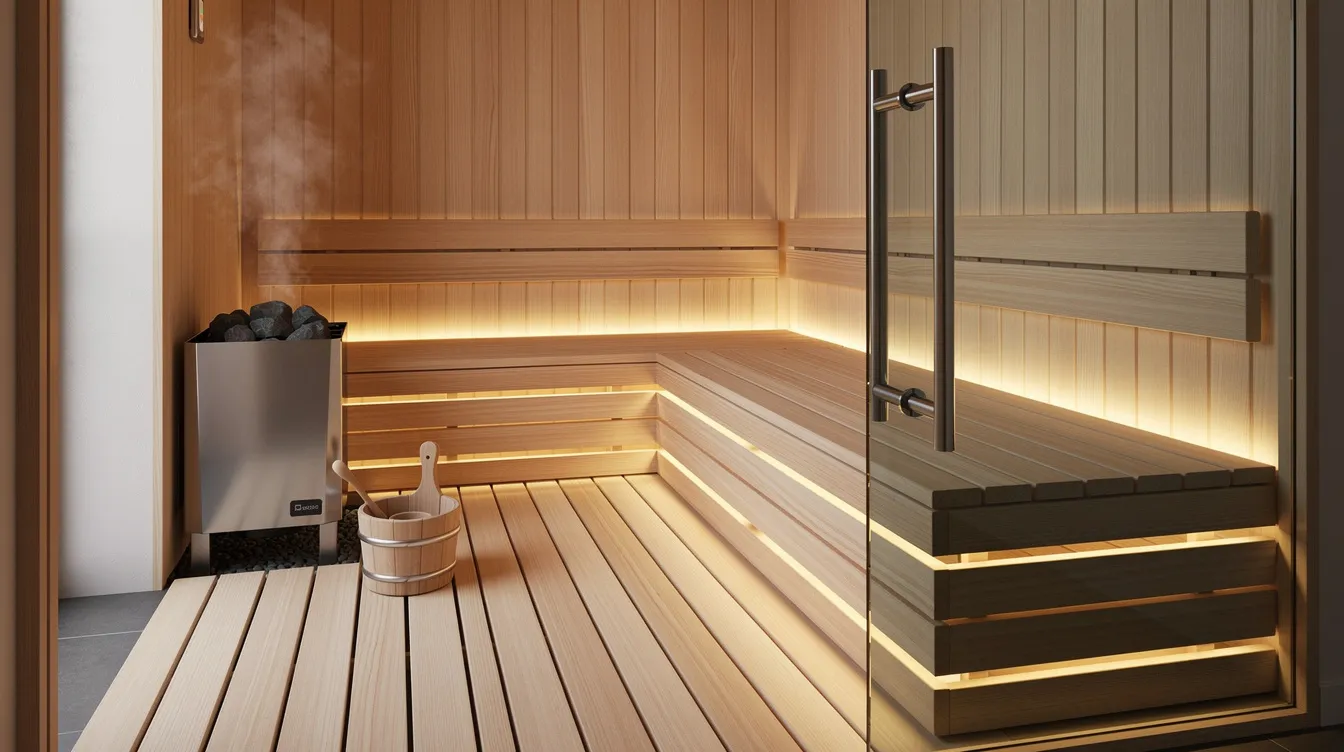
Wood flooring for saunas comes in two main categories: thermally modified wood and traditional cedar. Both have their place, but they differ significantly in performance, maintenance, and long-term cost. The following sections address each in detail.
Is Thermally Modified Wood the Best Sauna Floor Material?
Thermally modified wood, typically spruce, aspen, or alder heated to 350-420°F in controlled, low-oxygen conditions, represents the premium choice for walking surfaces. This heat treatment fundamentally changes the wood's cellular structure, eliminating the moisture-absorbing compounds that cause swelling, rot, and insect attraction.
Key performance characteristics include:
- Durability and moisture resistance: Heat treatment degrades hemicelluloses, which absorb moisture, making boards highly resistant to rot, swelling, and insects. Research shows moisture absorption is significantly lower than that of untreated cedar under steam-room conditions. With proper ventilation, expect a service life of 20-30+ years.
- Dimensional stability: Accelerated aging tests show thermally modified boards swell less than untreated cedar, a dramatic difference that means no cupping, no gaps opening up, and no warped duckboards.
- Comfort and aesthetics: The wood retains lower thermal conductivity than untreated species, meaning surfaces do not feel scorching at 170-190°F air temps. The rich, consistent color suits luxury home sauna builds.
- Ideal use cases: Primary walking surface in both indoor and outdoor traditional saunas, as well as infrared cabins. Typically installed as removable duckboards over a waterproof base (concrete, tile, or sealed plywood).
- Safety considerations: Boards should be spaced 3-8 mm apart for drainage. Surfaces can be lightly textured or brushed for added grip without creating splinter risk.
- Certifications: Choose suppliers documenting sustainability (FSC/PEFC, where available) and non-toxic treatment processes. Because thermal modification uses only heat and steam, with no chemical preservatives, these boards exhibit a significant reduction in VOC emissions compared to chemically treated alternatives.
Thermally modified wood is the best all-around option for premium home sauna for sale builds where longevity and low maintenance justify the upfront investment.
Is Cedar a Good Sauna Flooring Option?
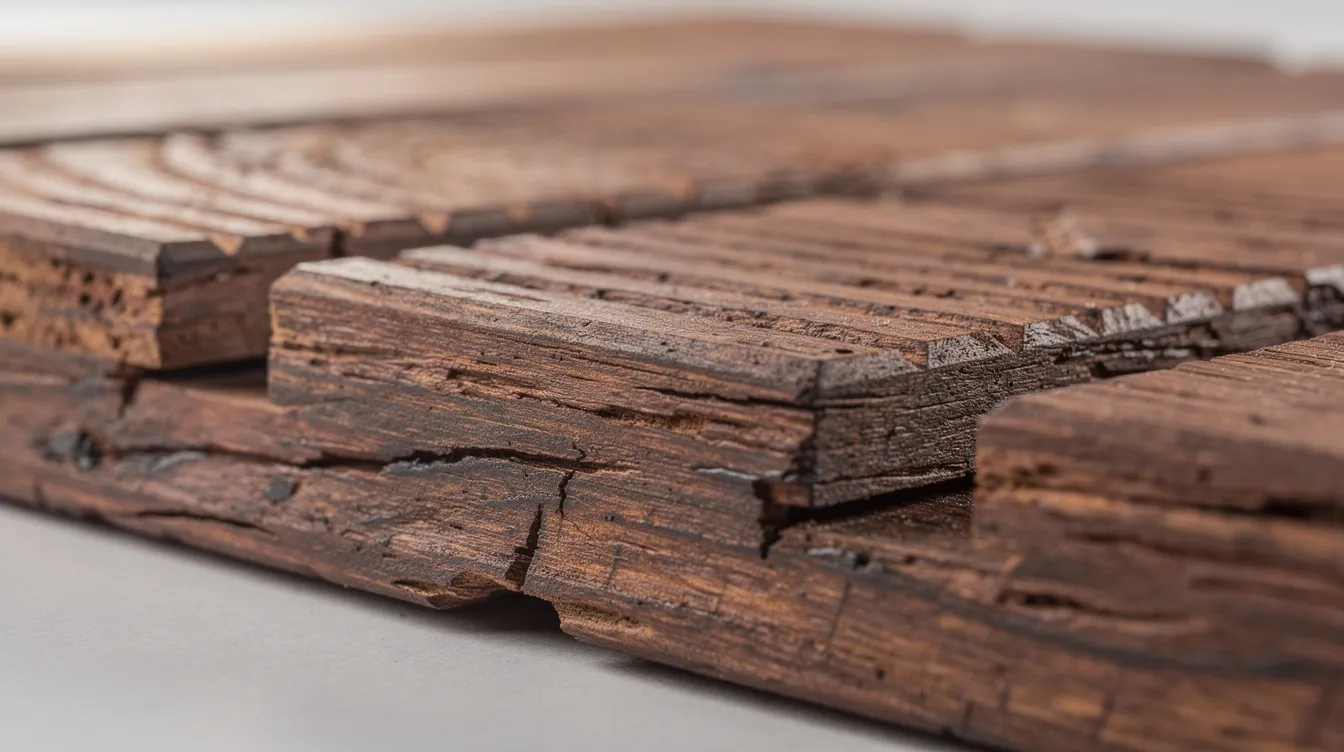
Western Red Cedar and similar softwoods, such as Nordic spruce, aspen, and alder, have defined sauna culture in North America and Scandinavia for decades. The aromatic warmth and natural appearance make cedar a beloved classic, but it comes with trade-offs.
- Benefits: Natural rot resistance, pleasant aroma, attractive coloring, and a surface temperature that feels warmer than tile or stone. The soft texture is comfortable for bare feet.
- Typical application: Cedar works best as floor slats or duckboards placed over a more rugged base layer (concrete, tile, or waterproofed plywood) rather than as the sole structural floor. This lets you lift and dry the boards between sessions.
- Maintenance needs: Plan for periodic cleaning, light sanding, and occasional oiling with heat-stable, low-VOC products. Without maintenance, cedar can develop green staining, mildew, and surface cracking in damp environments.
- Quality grades: Clear or Clear Vertical Grain cedar performs best for floors. Fewer knots mean less sap bleeding and reduced checking or cupping. Lower grades with more knots degrade faster under moisture and heat cycling.
- Lifespan and cost: A well-built cedar floor can last 10-20 years, but may not match the lifespan of thermally modified boards in heavily used home spas. Cedar costs less upfront and is easier to source, making it attractive for budget-conscious projects.
- Safety and certifications: Any finishes or sealers must be rated for high temperature and low VOC emissions. Look for products that meet CA 01350 or similar indoor air quality programs to keep the air safe during sessions.
Cedar remains a solid choice for those who prefer traditional aesthetics and are willing to invest in ongoing maintenance.
Is Tile or Natural Stone a Good Sauna Flooring Choice?
Tile and stone have been standard in commercial spa facilities and high-end residential steam rooms for decades. When installed correctly, they provide an extremely durable, hygienic foundation for sauna floors, especially in traditional Finnish-style saunas where users regularly throw water on the stones.
- Material options: Ceramic tile, porcelain tile, and natural stone (slate, granite, some limestone) all work. Select products rated for floor use and wet areas. Porcelain offers superior density and lower moisture absorption (often less than 0.5%).
- Slip resistance: This is the critical factor. Choose textured, matte, or anti-slip finishes, not polished surfaces. Many manufacturers publish DCOF values; target tiles with a minimum wet DCOF of 0.42, though 0.50-0.60 is better for barefoot and standing-water zones. European R-value ratings of R11 or higher also indicate suitable slip performance.
- Drainage and slope: Build a 1-2% slope toward a floor drain in the hot room. This is especially important when water is regularly thrown on stones and runs across the floor.
- Cold surface comfort: Tile and stone feel cool on the first step. Pair with removable thermally modified wood duckboards or high-heat-rated mats for warmth and additional grip, a combination Home Sauna consistently recommends for home sauna wellness setups.
- Installation details: Use cement backer board, a flexible, temperature-swing-rated thinset, and appropriate grout. Waterproofing membranes (liquid- or sheet-applied) beneath the tile protect the subfloor from moisture penetration. Professional installation is recommended for complex slopes or drain integration.
- Safety and certifications: Verify that tile, grout, and sealers are certified as low-VOC (GreenGuard Gold or equivalent). Confirm anti-slip performance is documented to the relevant DCOF or PTV standards.
Tile creates a virtually indestructible base when installed properly, but the wood duckboard layer remains essential for comfort and safety.
Can Concrete Work as a Sauna Floor Foundation?
Concrete has been the default structural base in new builds, garage conversions, and outdoor sauna pads for decades. It is the workhorse foundation that handles everything you throw at it.
- Structural strength: Concrete slabs support heavy wood stoves, electric heaters, and water loads without deflection. Ideal for both indoor and outdoor structures where weight and stability matter.
- Thermal mass: Concrete absorbs and slowly releases heat, helping stabilize the sauna environment over a session. However, it feels cool to the touch at startup, which is not ideal for bare feet stepping in from a changing room.
- Surface treatment: Seal with a breathable, non-slip concrete sealer to resist moisture, stains, and bacterial growth. Avoid glossy, slick sealers in wet areas as they become dangerously slippery.
- Comfort enhancements: Place removable thermally modified wood or cedar duckboards, or rubber duckboard-style mats rated for high heat, on top of concrete. This solves both the temperature and grip problems.
- Outdoor considerations: Pair concrete slabs with proper perimeter drainage and vapor barriers beneath to prevent moisture from wicking into walls and bench structures. Frost-protected footings matter in cold climates.
- Safety and compliance: Verify any coatings or sealers are tested for slip resistance under wet conditions and carry low-VOC certifications, especially important for indoor saunas attached to living spaces.
Concrete makes an excellent base layer that almost always benefits from an additional, more comfortable walking surface on top.
Are Vinyl, PVC, or Rubber Flooring Options Safe for Saunas?

Many homeowners renovating existing rooms explore luxury vinyl tile (LVT), PVC interlocking tiles, or rubber mats as cost-effective solutions. These materials have their place, but they require careful product selection.
- Heat and moisture rating: Only products explicitly rated for sustained elevated temperatures (at least 140-160°F) should be used. Standard residential vinyl softens, deforms, and off-gasses at temperatures above roughly 140°F. Check manufacturer specifications carefully before purchasing.
- Best use cases: These materials work best in cooler areas, such as changing rooms, transition spaces, or infrared saunas with lower air temperatures. They can also serve as removable drainage tiles on top of a concrete or tile base in the hot room.
- Safety properties: Look for anti-slip textures, drainage holes, and published fire performance data (ASTM E648/E662 or equivalent). Some commercial-grade products achieve Class I fire ratings and are suitable for residential hot room use.
- Longevity and maintenance: Vinyl and PVC typically last 5-10 years in demanding sauna environments before showing wear, discoloration, or delamination. The advantage is straightforward cleaning and easy replacement.
- Indoor air quality: Favor low-VOC or phthalate-free products with recognized certifications (FloorScore, GreenGuard Gold). Small infrared cabins amplify off-gassing concerns due to limited air volume.
Home Sauna typically recommends these materials sparingly in the hot room itself, preferring wood over hard, inorganic bases. For budget retrofits or dedicated changing areas, vinyl and rubber can be practical choices.
How Do All Sauna Flooring Materials Compare Side by Side?
Understanding how each material category stacks up helps you make the right choice for your specific project. The following comparisons address the most common decisions buyers face.
Thermally modified wood vs. cedar: Thermally modified wood wins on stability, moisture resistance, and longevity, with dramatically less maintenance required. Cedar costs less upfront and offers that classic aroma many users prefer. For heavily used home saunas, thermally modified is generally superior, but cedar remains a solid choice for those willing to maintain it regularly.
Wood vs. tile and stone: Wood offers warmth, comfort, and lower thermal conductivity, meaning your feet simply feel better. Tile and stone offer superior durability and long-term water resistance on a proper base. The best approach combines both: tile or sealed concrete as the structural floor with removable wood duckboards for the walking surface.
Concrete vs. tile: Concrete provides the foundation; tile adds clean-ability, aesthetic options, and drainage details. Both usually benefit from a wood or high-quality mat surface. Concrete stores thermal mass well; tile offers more finish flexibility.
Vinyl and PVC vs. all others: Position vinyl and PVC as budget- and retrofit-friendly options, but note their lower durability in high temperatures. Success depends on selecting products with strong safety certifications. Avoid using standard residential vinyl anywhere near the hot room.
Indoor vs. outdoor considerations: Indoor saunas prioritize vapor control, fire codes, and VOC emissions. Outdoor units must handle freeze-thaw cycles, splash-out, ground moisture, and insulation beneath the floor. Different environments demand different material approaches.
Home Sauna typically recommends a robust, waterproof subfloor (concrete or tile) paired with thermally modified wood walking surfaces for the best balance of performance and feel across both best home sauna brands 2026 and custom-built installations.
What Safety Certifications and Building Code Standards Apply to Sauna Flooring?
Beyond comfort and aesthetics, safety and compliance should drive your final material choices, especially for permanent home installations. Residential sauna installations are increasingly subject to specific wet-area and fire-code requirements that affect floor material selection.
- Slip resistance standards: Many flooring products are tested to ASTM D2047 or publish wet-area DCOF ratings. Select products with a DCOF of 0.42 or higher for level wet areas; 0.50-0.60 provides an additional safety margin in barefoot zones with standing water.
- Fire performance: Underlayment, adhesives, and resilient flooring in or near the hot room should meet relevant fire tests. Look for ASTM E84 (surface burning characteristics) and ASTM E648 (critical radiant flux of 0.45 W/cm2 or higher for Class I) compliance as required by local code.
- Indoor air quality: Seek low-VOC, third-party-certified products for adhesives, sealers, and vinyl or PVC. GreenGuard Gold, FloorScore, CA 01350, and EU Ecolabel certifications all indicate that the materials are safer. Heat amplifies off-gassing in small sauna volumes.
- Structural and moisture codes: Comply with local building codes for floor framing, vapor barriers, and drain connections. A typical modern sauna floor stack-up includes structural framing, insulation, a subfloor, a waterproofing membrane, and, finally, the finish surface or duckboards.
- Electrical and heater clearances: Floor materials near heaters must respect the manufacturer's clearance requirements. For electric units, the area immediately under or adjacent to the heater often requires non-combustible material.
When shopping for materials, look for these specific standard names in product documentation. If a manufacturer cannot provide test data, treat that as a red flag.
How Do Indoor and Outdoor Sauna Flooring Strategies Differ?
Location strongly influences the ideal flooring build-up for your new sauna. The four scenarios below cover the most common residential configurations.
Indoor traditional sauna: Start with a waterproofed subfloor (cement board and membrane work well). Add tile or sealed concrete with a central or perimeter drain sloped at 1-2%. Top with removable thermally modified wood duckboards for comfort and safety.
Indoor infrared sauna: Many can sit safely on existing finished floors (engineered wood, LVT) if rated for modest heat. However, Home Sauna still recommends a dedicated, easy-clean surface with a non-slip mat or wood platform for optimal hygiene and appearance.
Outdoor backyard sauna: Build on pressure-treated framing with rigid insulation between joists. Layer exterior-grade treated plywood, a waterproof membrane, then tile or a sealed surface. Allow ventilation underneath and finish with wood duckboards above. Position the structure to promote drainage away from the foundation.
Cold climates: Freeze-thaw cycles stress exterior slabs and tiles. Use frost-protected footings, proper drainage, and extra attention to vapor barriers to avoid condensation in insulated floors. Some tile products carry specific freeze-thaw ratings; verify before purchasing.
Humid or wet regions: Prioritize mold resistance, continuous waterproofing, and ample under-floor ventilation for raised outdoor saunas. Materials that can dry quickly between uses will last decades longer than those that trap moisture.
What Are the Best Installation and Maintenance Practices for Sauna Floors?
Practical guidance drawn from real residential sauna project experience can save you from costly mistakes. The following tips apply regardless of which material you choose.
- Prioritize drainage: Plan slopes and drains at the framing stage. Avoid flat floors in heavy "water on rocks" traditional saunas, where pooling becomes a constant problem.
- Use removable elements: Install removable wood duckboards or modular tiles that can be lifted after sessions for drying and deep cleaning. This simple approach prevents mold growth and significantly extends the material's lifespan.
- Ventilation is non-negotiable: Vent not only the sauna air itself but also the cavity below raised floors. This matters especially for outdoor units on piers or sleepers, where trapped moisture accelerates decay.
- Choose compatible adhesives and sealers: Use products rated for both heat and moisture. Follow the manufacturer's cure times before the first firing. Rushing leads to bond failures and off-gassing.
- Cleaning routine: Keep it simple. A quick rinse or wipe after each session, a weekly scrub of duckboards, and periodic inspection for swelling, cracking, or mildew. Address problems early before they spread.
- When to call a professional: Complex tile installations with slopes and drains, structural slab work, and tying drains into household plumbing systems deserve professional help. The cost of expertise pays for itself in longevity and code compliance.
Choose the Right Sauna Flooring for Safety and Longevity
The best sauna flooring balances heat tolerance, slip resistance, moisture management, and maintenance requirements to create a safe foundation that withstands years of high-temperature exposure.
Thermally modified wood and cedar offer traditional aesthetics with natural warmth underfoot, while tile or natural stone provides superior moisture resistance and easy cleaning. Concrete delivers modern durability with excellent drainage when properly sealed, and vinyl, PVC, or rubber options offer budget-friendly slip resistance for lower-temperature infrared installations.
Choosing inappropriate flooring materials leads to warping, mold growth, safety hazards, and costly replacements that could have been avoided with proper planning. Your flooring decision impacts both immediate safety and long-term maintenance costs.
Ready to select the optimal sauna flooring for your installation with expert guidance?
Talk to our customer support team at Home Sauna for detailed material comparisons covering thermally modified wood, cedar, tile, natural stone, concrete, and synthetic options with honest assessments of which flooring best suits your sauna type, budget, and maintenance preferences.
External References
- National Library of Medicine: “Assess the Long-Term Creep Behavior of Hydrothermally Treated Japanese Cedar Wood Using the Short-Term Accelerated Stepped Isostress Method.”
- Brazilian Lumber: “What is Thermally Treated Wood? Benefits and Uses Explained.”
- Research Gate: “Characterization of Emissions from Thermally Modified Wood and Their Reduction by Chemical Treatment.”
- U.S. Environmental Protection Agency: “Indoor Air Quality and VOC Guidelines.”
- Healthline: “Infrared Sauna: 9 Possible Health Benefits.”
FAQs
What is the single best flooring setup for a new indoor traditional sauna?
A layered system delivers the best results: concrete or cement-board subfloor, waterproof membrane, textured tile or sealed concrete sloped to a drain, and removable thermally modified wood duckboards on top. This combination maximizes drainage, hygiene, stability, and barefoot comfort while aligning with modern safety standards. For most residential buyers, this is the configuration Home Sauna recommends as a starting point before adjusting for budget or space constraints.
Can I install a sauna directly on my existing vinyl or laminate floor?
Standard residential vinyl or laminate installed in living areas is typically not rated for continuous exposure to sauna-level heat and humidity. Check manufacturer temperature limits and VOC data before proceeding. If there is any doubt, add a dedicated, heat-rated platform (tile over backer board or sealed plywood with wood duckboards) beneath the sauna to protect both the existing floor and the air quality inside the cabin.
Do I need a floor drain in my sauna?
A floor drain is strongly recommended for traditional saunas where users regularly throw water on the stones. It may be optional in small infrared cabins that produce only light perspiration. Local plumbing codes may require drains to be installed in certain configurations. Home Sauna consistently recommends drains for any high-humidity, frequently used hot room to prevent water from pooling and creating mold or slip hazards over time.
How often should I replace the duckboards or mats in my sauna?
With regular cleaning and good ventilation, thermally modified wood duckboards can last 10-20+ years. Cedar may need to be replaced sooner in very wet environments due to greater moisture absorption. PVC or rubber mat systems typically need refreshing every 5-10 years, depending on wear, UV exposure (for outdoor units), and manufacturer guidance. The type of sauna and its frequency of use are the two biggest variables affecting replacement timelines.
Are there specific certifications I should look for when buying sauna flooring materials?
Check for slip-resistance testing (ASTM D2047 or DCOF ratings of 0.42 or higher) on tiles and mats in wet areas. Look for fire performance tests, such as ASTM E84 or ASTM E648, for resilient products. For adhesives, sealers, and vinyl, verify low-VOC certifications such as GreenGuard Gold, FloorScore, or CA 01350. While not every product carries all labels, these standards give you confidence that your floor will remain safe and healthy under demanding sauna conditions alike. The U.S. Environmental Protection Agency's Indoor Air Quality guidelines provide a useful baseline for understanding VOC thresholds in enclosed residential spaces.