

Having a sauna is a great way to relax and enhance home sauna wellness, but common mistakes can ruin the experience. This comprehensive guide will help you avoid these pitfalls, ensuring your sauna sessions are safe, efficient, and enjoyable.
Whether you're considering the best infrared sauna for home or planning your home sauna installation, understanding these common errors will save you time, money, and frustration. Let's explore the most critical mistakes and their solutions.
Key Takeaways
Ensure proper ventilation to maintain air quality and prevent mold growth
- Install a vapor barrier to protect against moisture damage
- Choose the correct heater size based on your sauna's volume
- Invest in quality insulation to improve efficiency and comfort
- Never overlook essential safety features and electrical requirements
What are the Commonest Sauna Mistakes?
Below are the most common Sauna slip-ups and how to avoid them:
1. Inadequate Ventilation
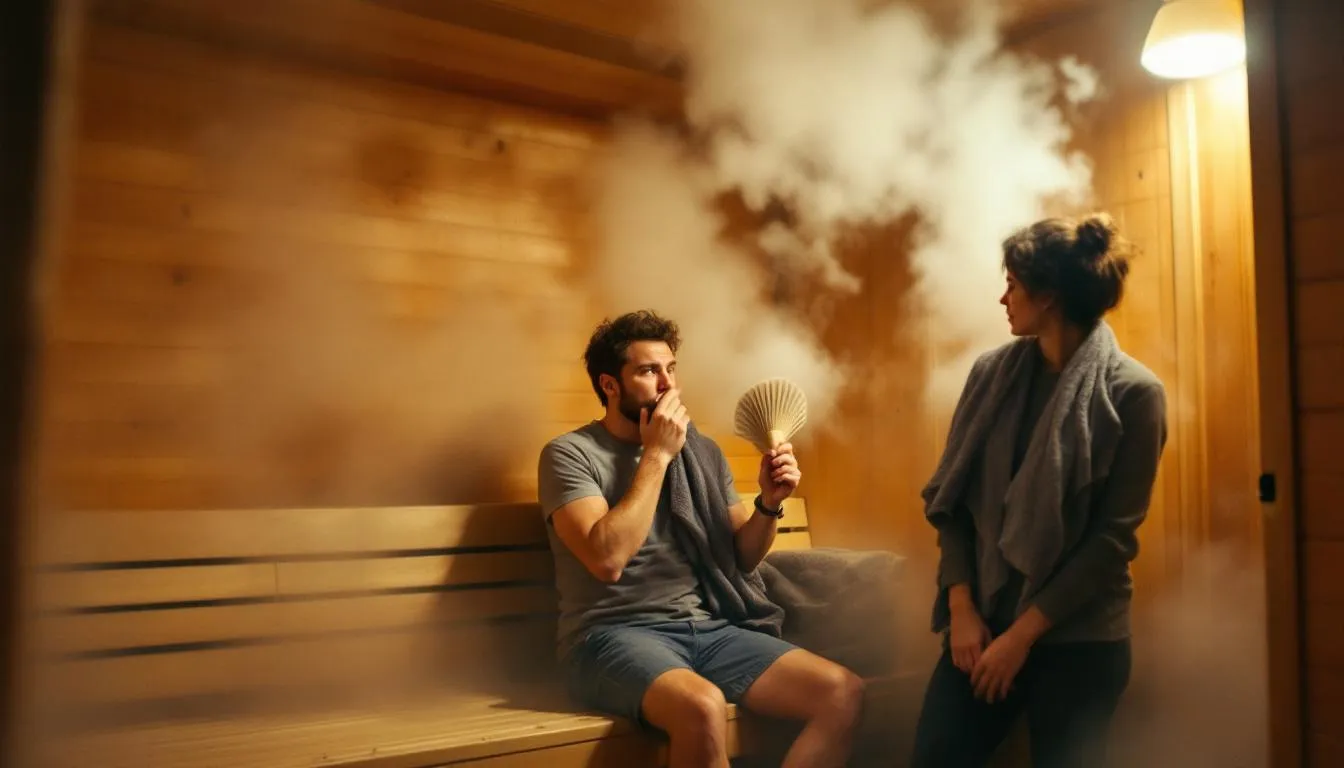
Imagine stepping into your sauna expecting complete relaxation, only to be greeted by an uncomfortable, stuffy atmosphere. Adequate ventilation is essential for maintaining proper airflow and preventing mold in any sauna environment.
Without proper ventilation, stale air accumulates near the ceiling, creating an unpleasant experience that can even pose health risks. This is true whether you choose an infrared sauna vs traditional sauna setup.
Why Ventilation Matters
The placement of intake and exhaust vents significantly affects temperature distribution. According to the International Sauna Association, proper ventilation systems should provide 2-4 air changes per hour.
Key ventilation principles include:
- Intake vents should be larger than exhaust vents to ensure adequate airflow
- Position intake vents within 3 feet of the heater for optimal airflow
- Electric saunas rely on convection to draw in fresh air
- Proper ventilation prevents moisture buildup when incorporating glass elements
2. Skipping Vapor Barrier Installation
One of the most critical yet often overlooked aspects of sauna construction is vapor barrier installation. This protective layer prevents moisture from seeping into walls, which can cause rot and structural deterioration over time.
High-quality foil vapor barriers enhance thermal containment while protecting your investment. The National Association of Home Builders affirms that proper vapor barriers can extend sauna lifespan by up to 10 years.
Whether you're installing one of the best home sauna brands 2025 or building a custom unit, never skip this crucial step. Proper sealing significantly reduces risks of moisture damage, mold growth, and structural problems.
Ready to explore quality sauna options? Discover the best home saunas for your wellness journey.
3. Incorrect Sauna Heater Size
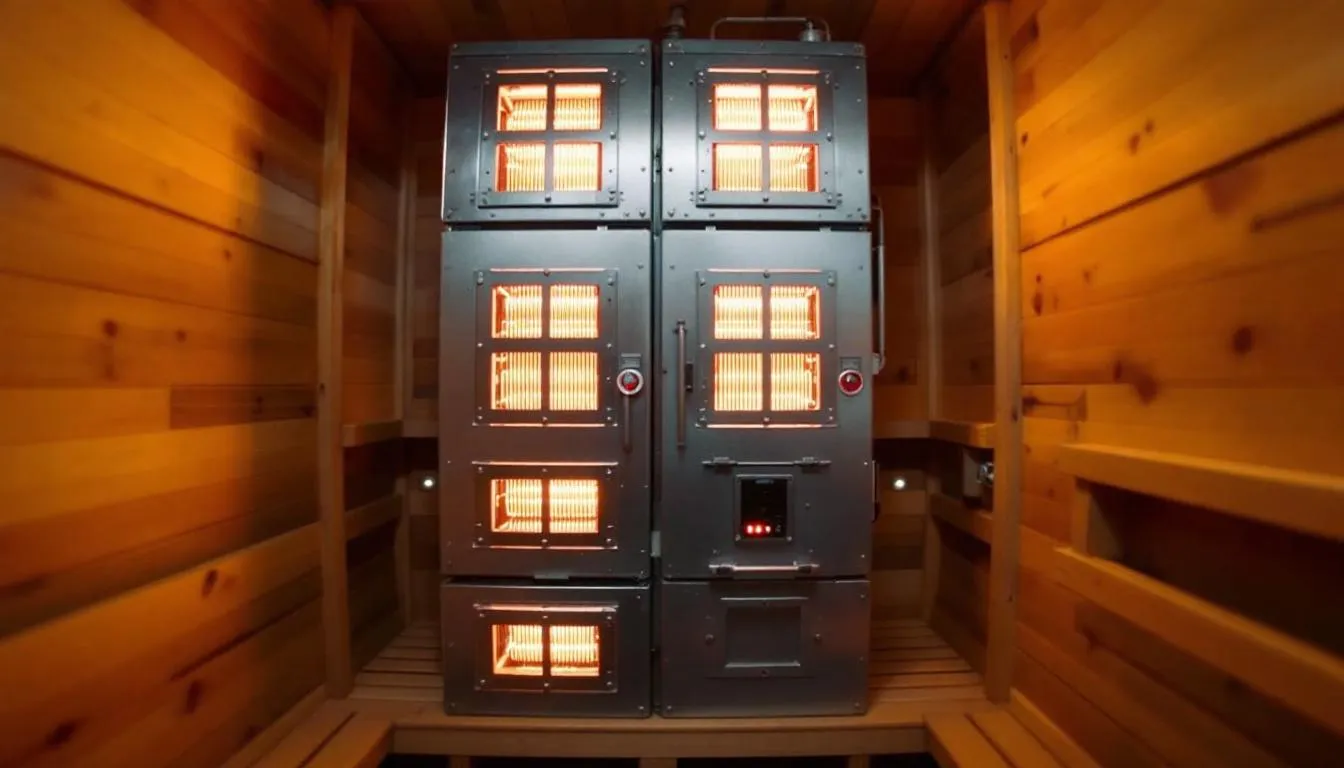
Choosing the right heater size is paramount for an efficient sauna experience. Calculating required power based on your sauna's volume is critical for proper heating performance.
Calculating Heater Requirements
According to Consumer Reports, an underpowered heater will struggle to reach desired temperatures, while an oversized heater wastes energy and can create uncomfortable heat distribution.
Consider these factors when sizing your heater:
- Glass walls increase heating demands significantly
- Dense materials require more powerful heaters
- Ceiling height affects heat distribution and power needs
- Climate and insulation quality impact heater selection
Proper heater sizing ensures you enjoy the full infrared sauna health benefits without wasting energy or compromising comfort.
4. Poor Insulation Quality
Insulation is the unsung hero of sauna construction. Its primary function is containing heat within the sauna, ensuring an efficient and comfortable experience while minimizing energy consumption.
Best Insulation Materials
Mineral wool is highly recommended for sauna insulation because it withstands high humidity without degrading. The Department of Energy notes that proper insulation can reduce heating costs by up to 30%.
Fiberglass insulation also works well when properly installed. The ceiling requires thicker insulation since heat rises, making it the most critical area for heat retention.
Poor wall or ceiling insulation leads to increased heat loss, making your sauna less efficient and more expensive to operate. Quality insulation ensures your sauna remains a cozy haven of warmth and relaxation.
5. Overlooking Safety Features
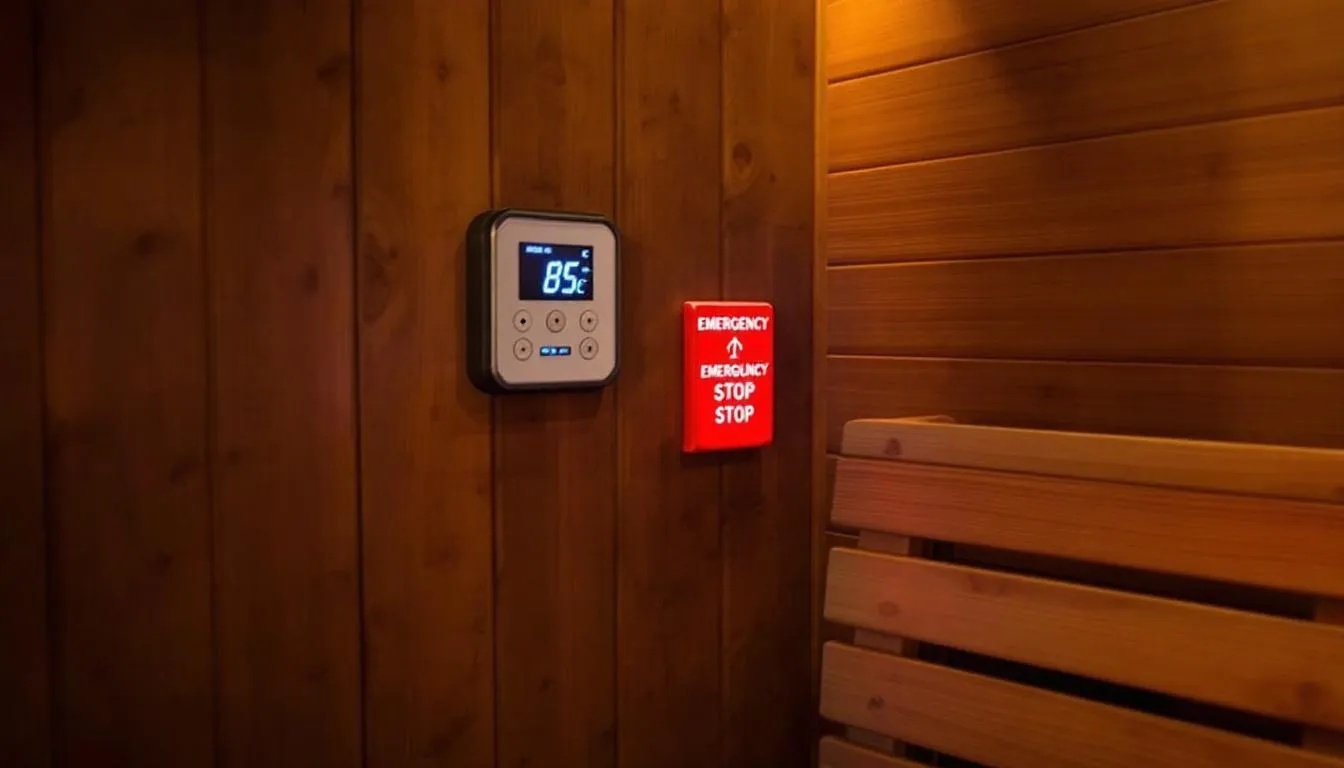
Safety should always be your top priority when designing or installing a sauna. Protective barriers prevent accidental contact with hot surfaces, significantly reducing burn risks.
Essential Safety Elements
Critical safety features include:
- Heat-resistant barriers around hot surfaces
- Wooden railings to delineate safe seating areas
- Heat shields made from appropriate materials near heaters
- Glass partitions providing barriers while maintaining openness
- Temperature controls and emergency shut-off switches
According to UL Safety Standards, proper safety features are non-negotiable for home sauna installations.
Additional Common Sauna Mistakes to Avoid
Misjudging Optimal Bench Height
Setting the right bench height maximizes heat exposure and ensures comfort. The upper bench should be positioned 44 inches from the ceiling, providing adequate headroom while seated.
The recommended height for lower benches is 16 to 18 inches, comfortable for most adults. Prioritize positioning feet at or above the height of sauna rocks when sitting on the upper bench.
Neglecting Electrical Requirements
Electrical requirements are essential for safe sauna operation. Traditional electric saunas typically need a dedicated 40-amp circuit with 240V power supply, while infrared saunas usually operate on standard 110/120V outlets with 15-20 amp circuits.
Review your sauna model's electrical specifications and your home's capacity before installation. GFCI protection is mandatory to prevent electrical shocks. Always consult a qualified electrician to ensure compliance with local codes.
Overuse of Glass in Design
While glass enhances aesthetic appeal, excessive use creates heating challenges. For every 10 square feet of glass added, an additional 50 cubic feet of air must be heated, placing more strain on the heater.
Balance design and functionality carefully. Ensure glass elements don't compromise energy efficiency while maintaining your desired modern aesthetic.
Improper Changing Room Planning
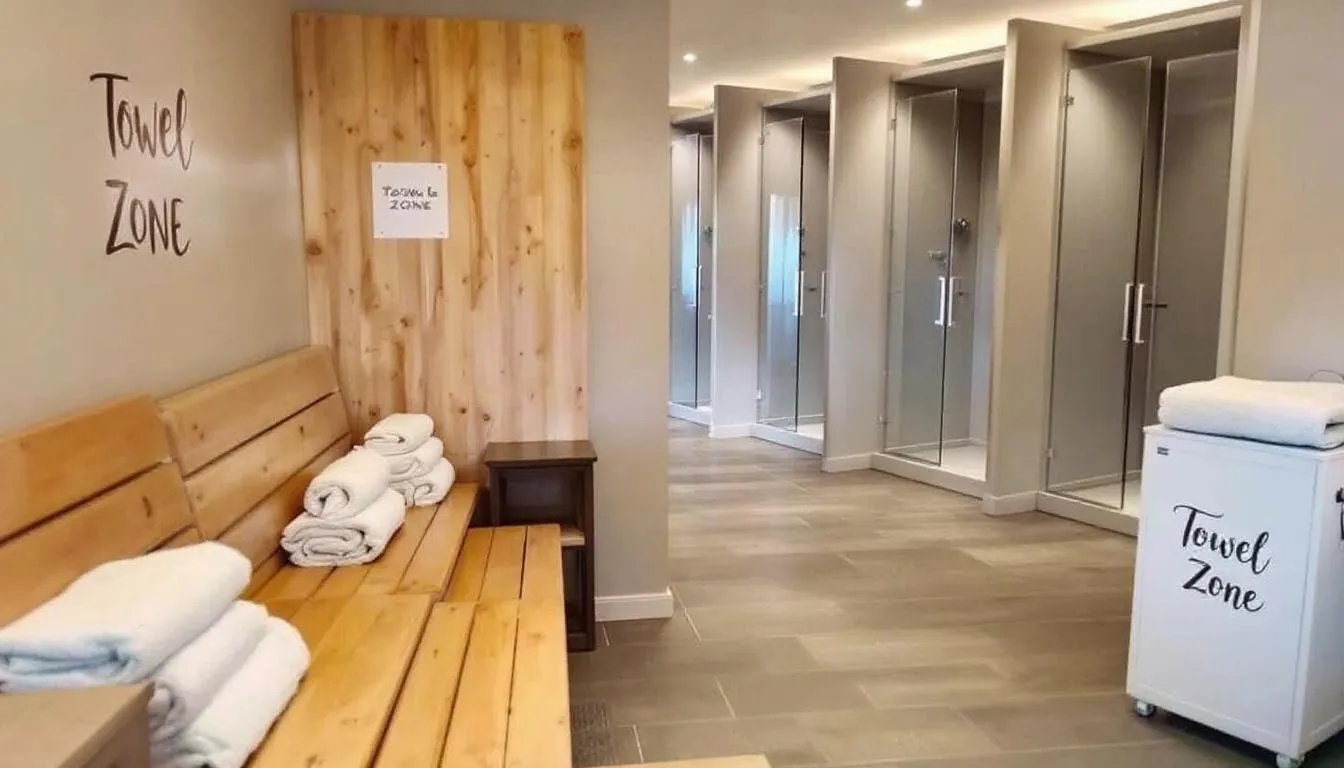
A well-planned changing room enhances your overall sauna experience. Ideal width typically ranges from 4 to 6 feet, providing adequate space for maneuverability and privacy.
Include benches or seating, sufficient lighting, and hooks or storage for personal belongings. These elements ensure a seamless transition between changing, sauna use, and showering.
Explore SunHome Saunas' best infrared saunas to find the perfect fit for your space.
Ignoring Local Building Codes
Adhering to local building codes is both a legal requirement and crucial for safety. Regulations cover wiring, ventilation, and construction materials. The International Code Council provides comprehensive guidelines for residential sauna installations.
Failure to comply can result in fines or required alterations. Obtaining proper building permits and passing inspections ensures your sauna is safe and compliant.
Summary
Avoiding common sauna mistakes significantly enhances your wellness experience. Proper ventilation, vapor barrier installation, correct heater sizing, and adequate insulation form the foundation of a successful sauna.
Safety features, proper electrical setup, and adherence to local building codes are equally critical. By paying attention to these details, you create a sauna that is efficient, comfortable, safe, and compliant.
Whether you want the best outdoor sauna or an indoor model, these principles apply universally. Transform your sauna into a perfect oasis of relaxation and well-being by implementing these best practices.
Need expert guidance on your sauna project? Contact HomeSauna.com for personalized recommendations and support.
Frequently Asked Questions
What should I not do in a sauna?
Avoid consuming alcohol or heavy meals before sauna use, as these can cause dehydration and dizziness. Never bring electronics into the sauna due to heat and moisture damage risks. Limit sessions to 15-20 minutes initially, and avoid sauna use when feeling unwell or experiencing fever. Always stay hydrated before and after sessions.
Why is proper ventilation important in a sauna?
Proper ventilation ensures good airflow, prevents mold growth, and maintains air quality. It helps distribute heat evenly throughout the space, creating a more comfortable and enjoyable experience. Without adequate ventilation, stale air accumulates, carbon dioxide levels rise, and moisture can damage sauna components over time.
What is a vapor barrier and why do I need it?
A vapor barrier is a protective layer that prevents moisture from penetrating walls and insulation. It's crucial because moisture infiltration causes wood rot, mold growth, and structural deterioration. High-quality foil vapor barriers also enhance thermal efficiency by containing heat within the sauna space, reducing energy costs.
How do I choose the right size for my sauna heater?
Calculate your sauna's cubic footage (length × width × height), then consult manufacturer guidelines for appropriate heater wattage. Generally, you need 1 kW per 45-50 cubic feet. Adjust for factors like glass walls, ceiling height, and insulation quality. An undersized heater won't reach proper temperatures, while an oversized one wastes energy.
Are home saunas safe for health?
Home saunas are safe when properly installed and used correctly. They offer numerous health benefits including improved circulation, stress relief, and muscle relaxation. However, consult your doctor before use if you have cardiovascular conditions, are pregnant, or have specific health concerns. Always follow manufacturer safety guidelines and maintain proper ventilation.
What are the electrical requirements for a sauna?
Traditional electric saunas require a dedicated 40-amp circuit with 240V power supply, similar to an electric dryer. Infrared saunas typically operate on standard 110/120V outlets with 15-20 amp circuits. GFCI protection is mandatory for all installations. Always hire a licensed electrician to ensure compliance with local electrical codes.
How often should you use an infrared sauna?
Most experts recommend using an infrared sauna 3-4 times per week for optimal benefits. Beginners should start with 10-15 minute sessions and gradually increase to 20-30 minutes as tolerance builds. Listen to your body and adjust frequency based on your health goals and how you feel. Always maintain proper hydration.
Which is better indoor or outdoor sauna?
The choice depends on your specific needs and available space. Indoor saunas offer year-round convenience and easier access, while outdoor saunas provide a unique natural experience and don't occupy interior space. Consider factors like climate, available space, budget, and intended usage frequency. Explore both options to determine what suits your lifestyle best.